Cap Nègre — History & Analysis
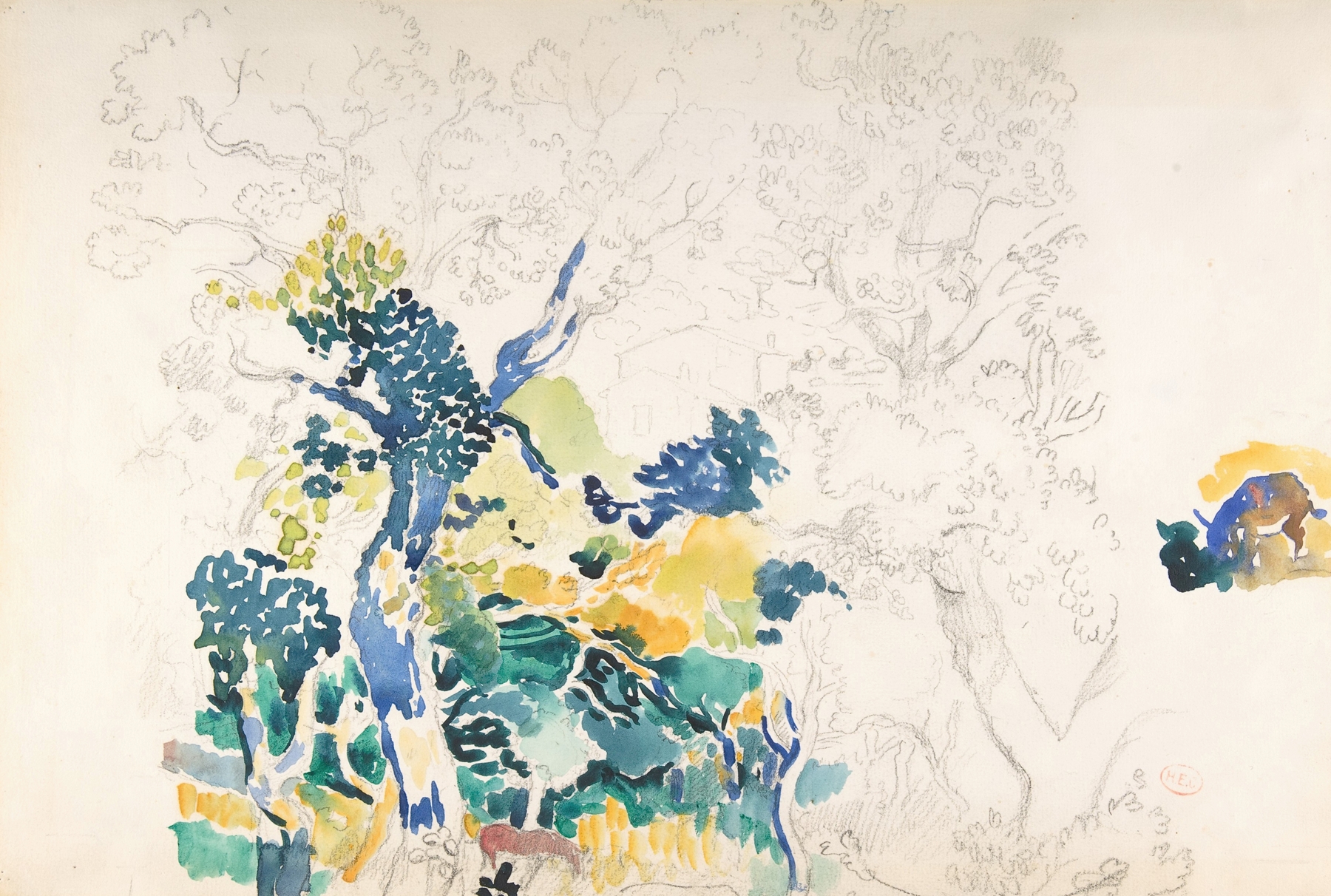
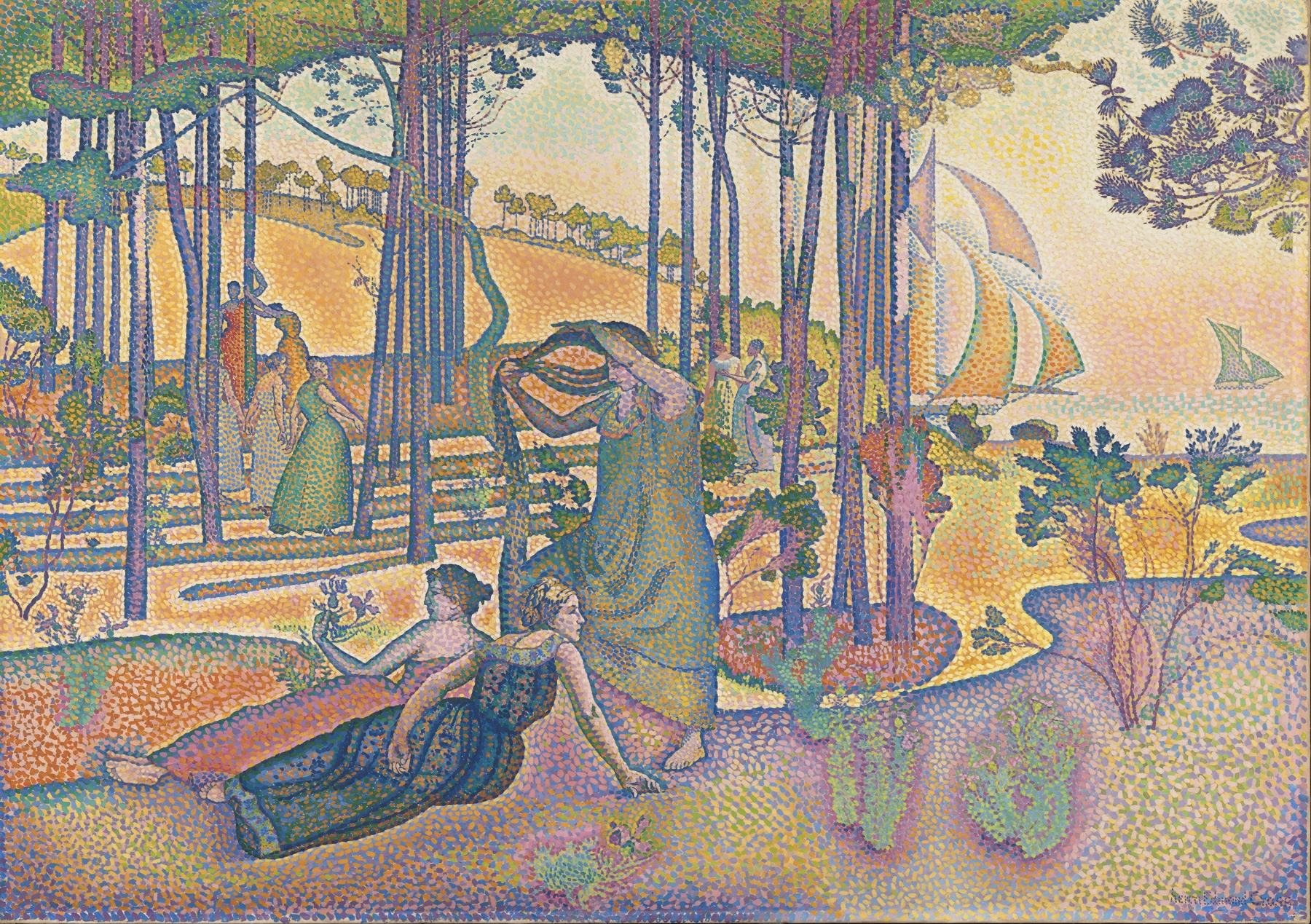
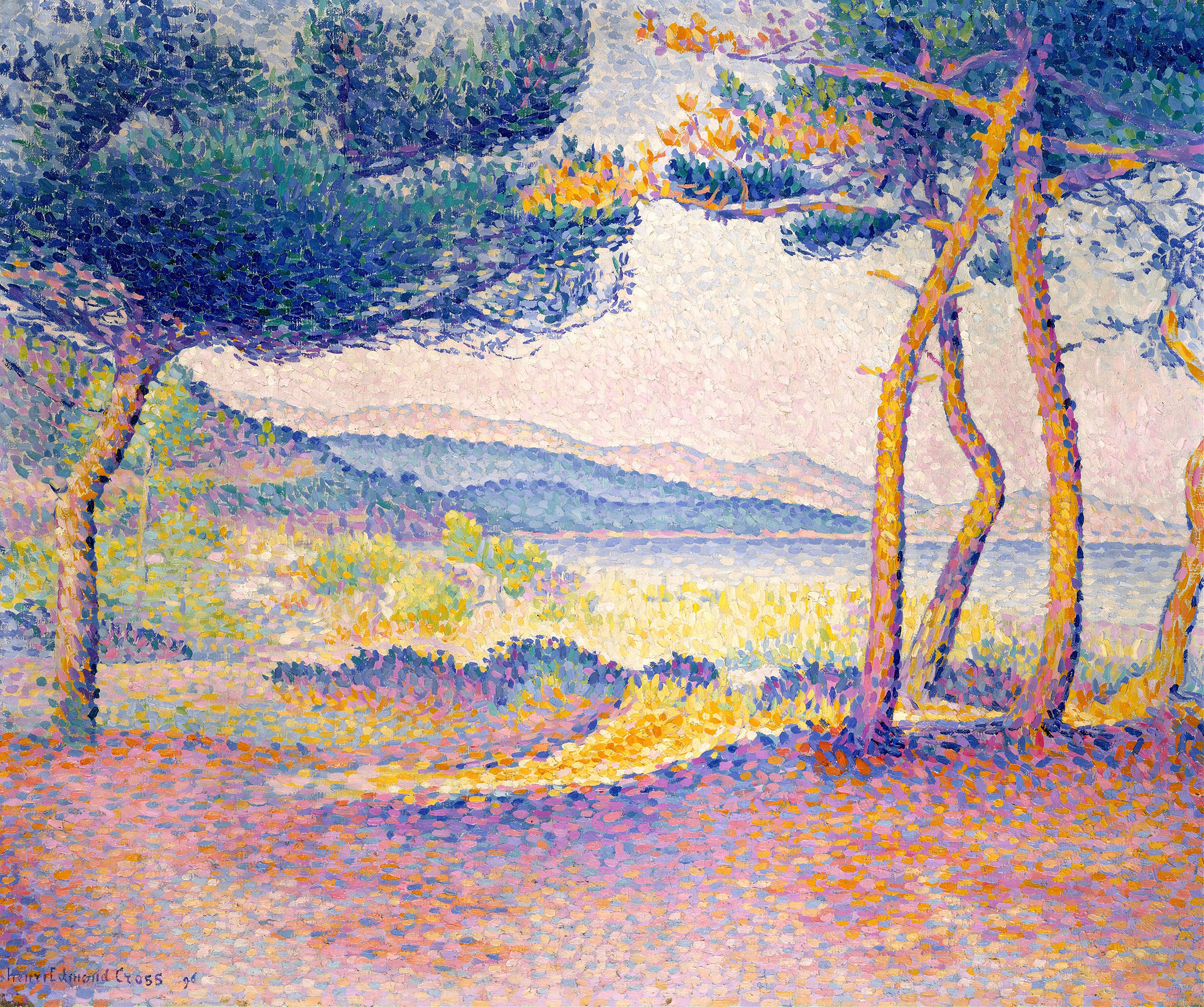
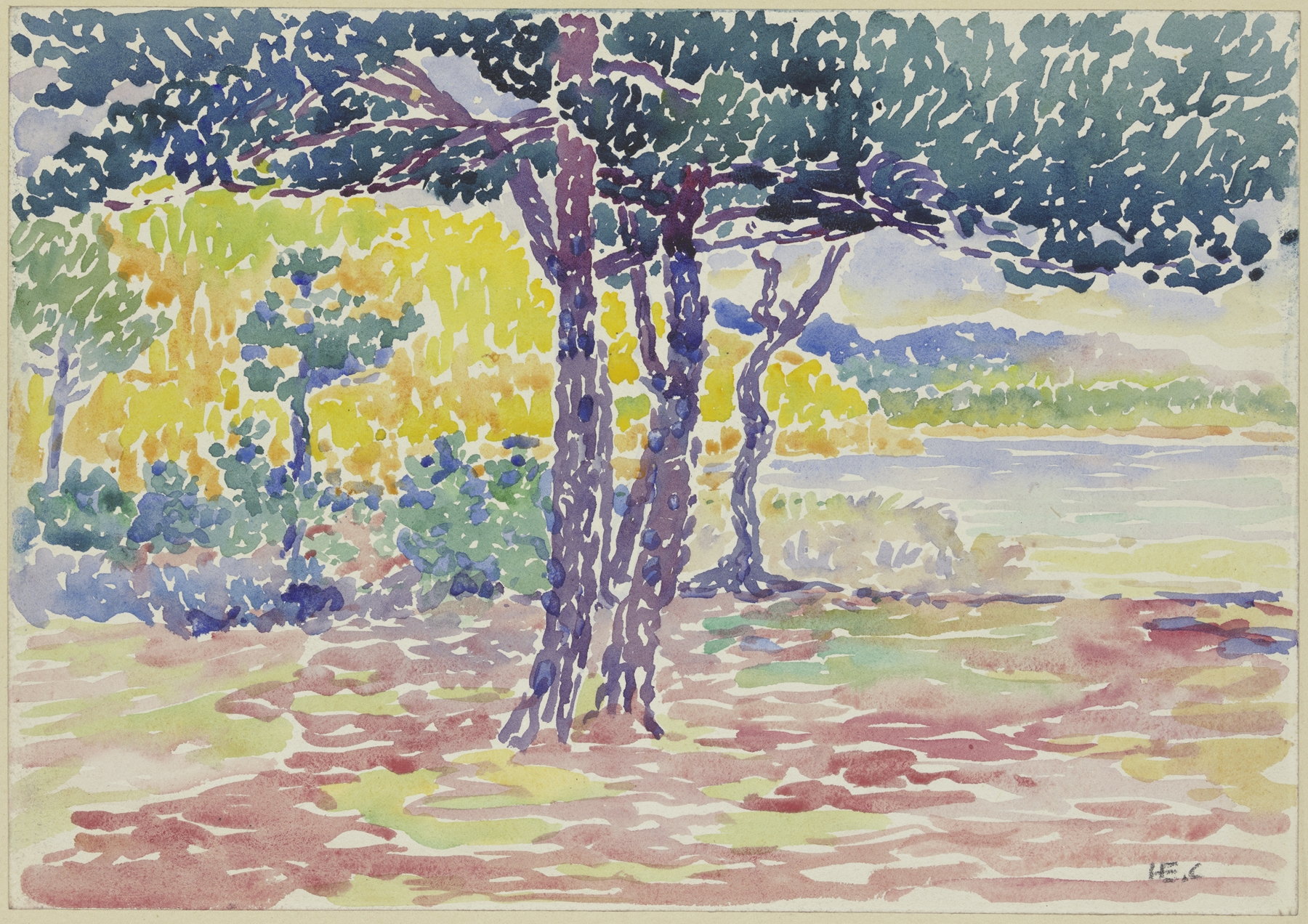
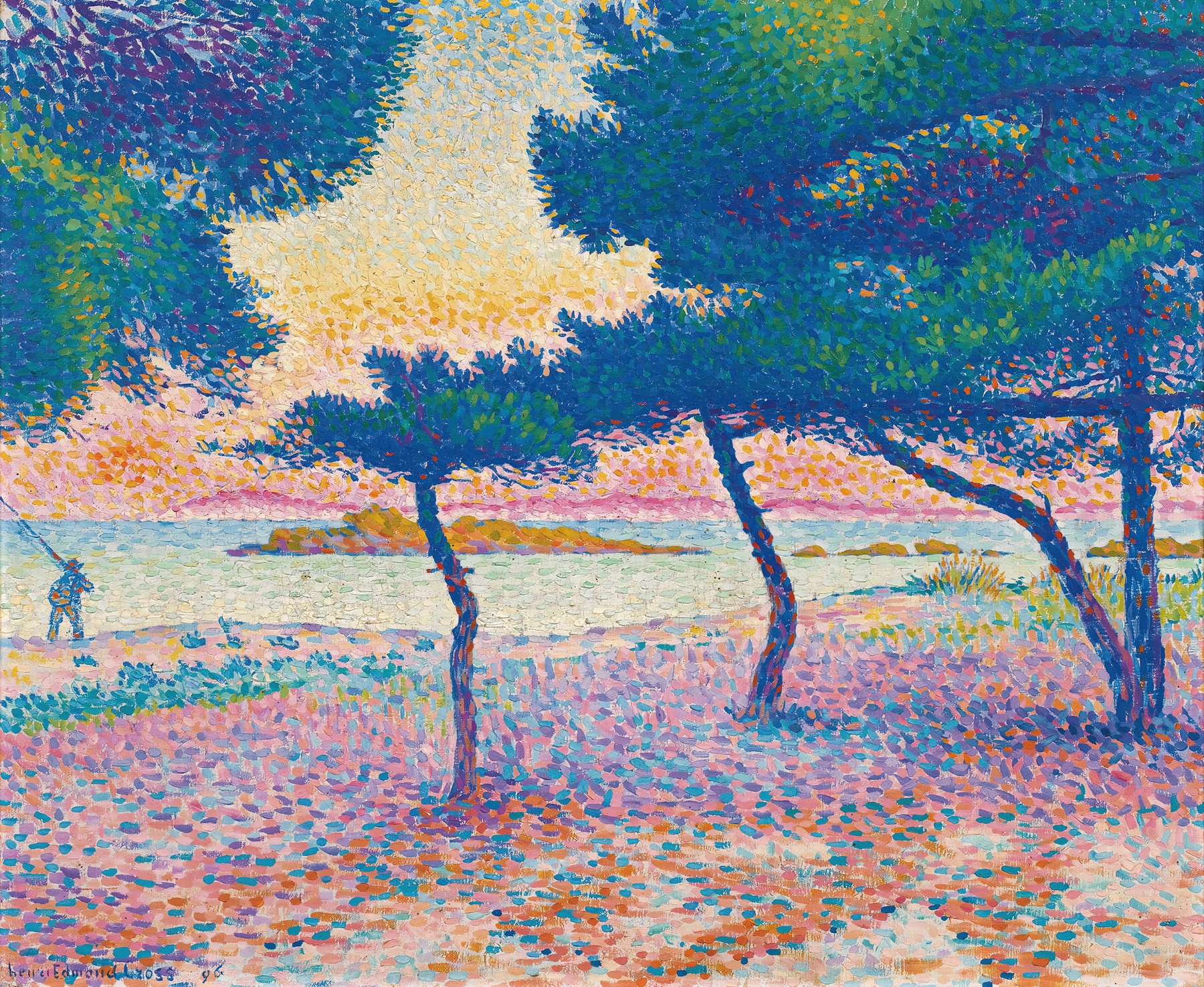
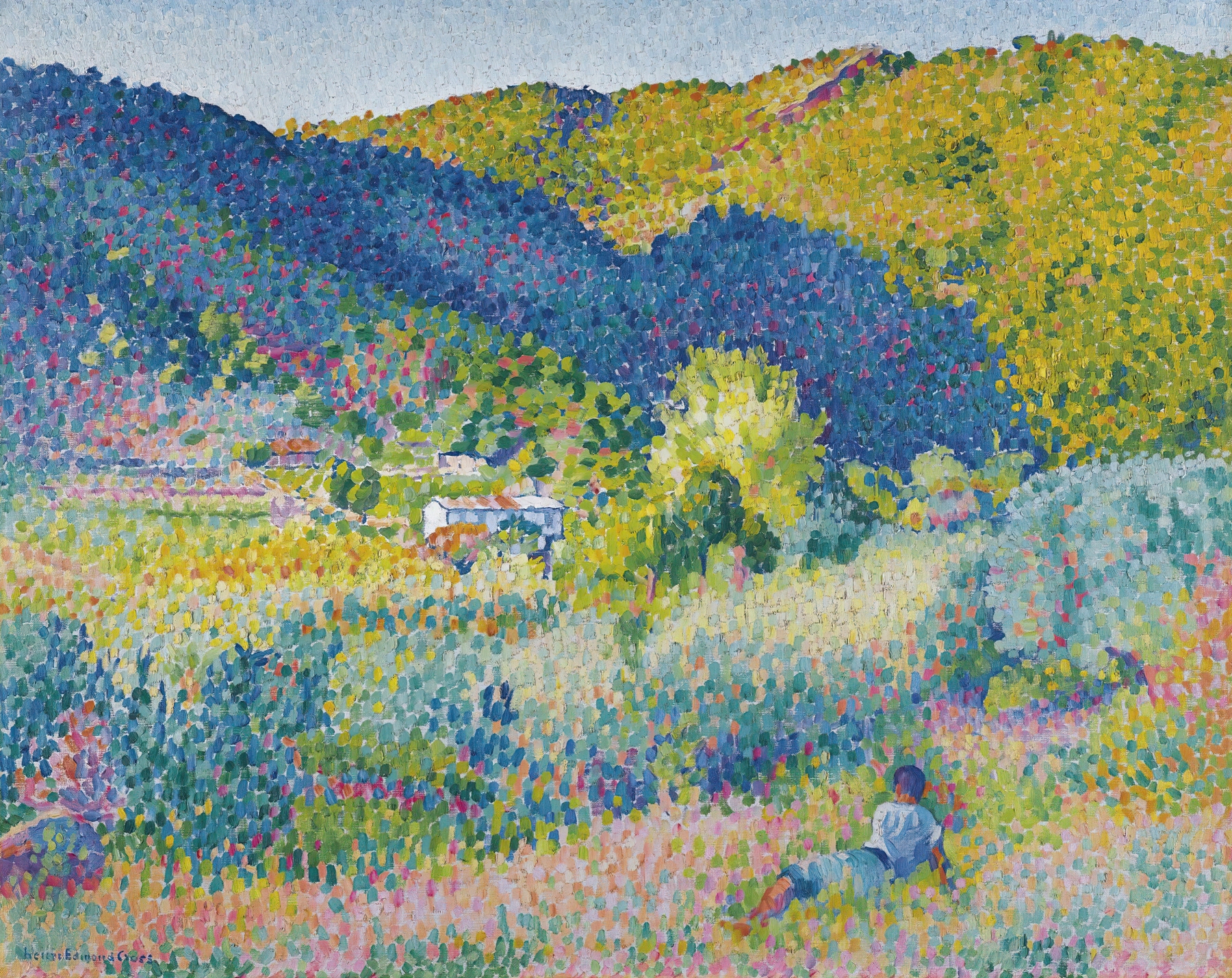
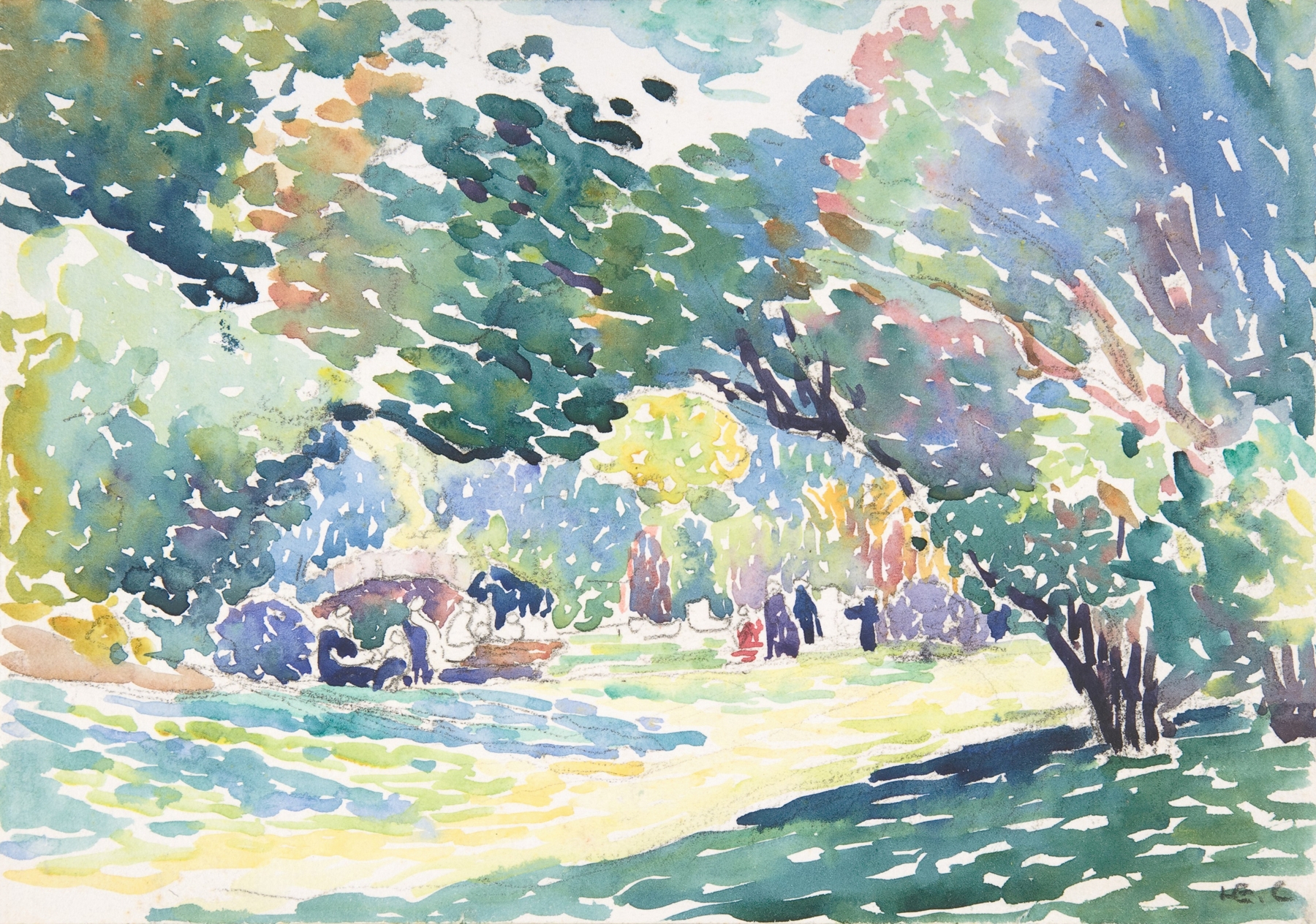
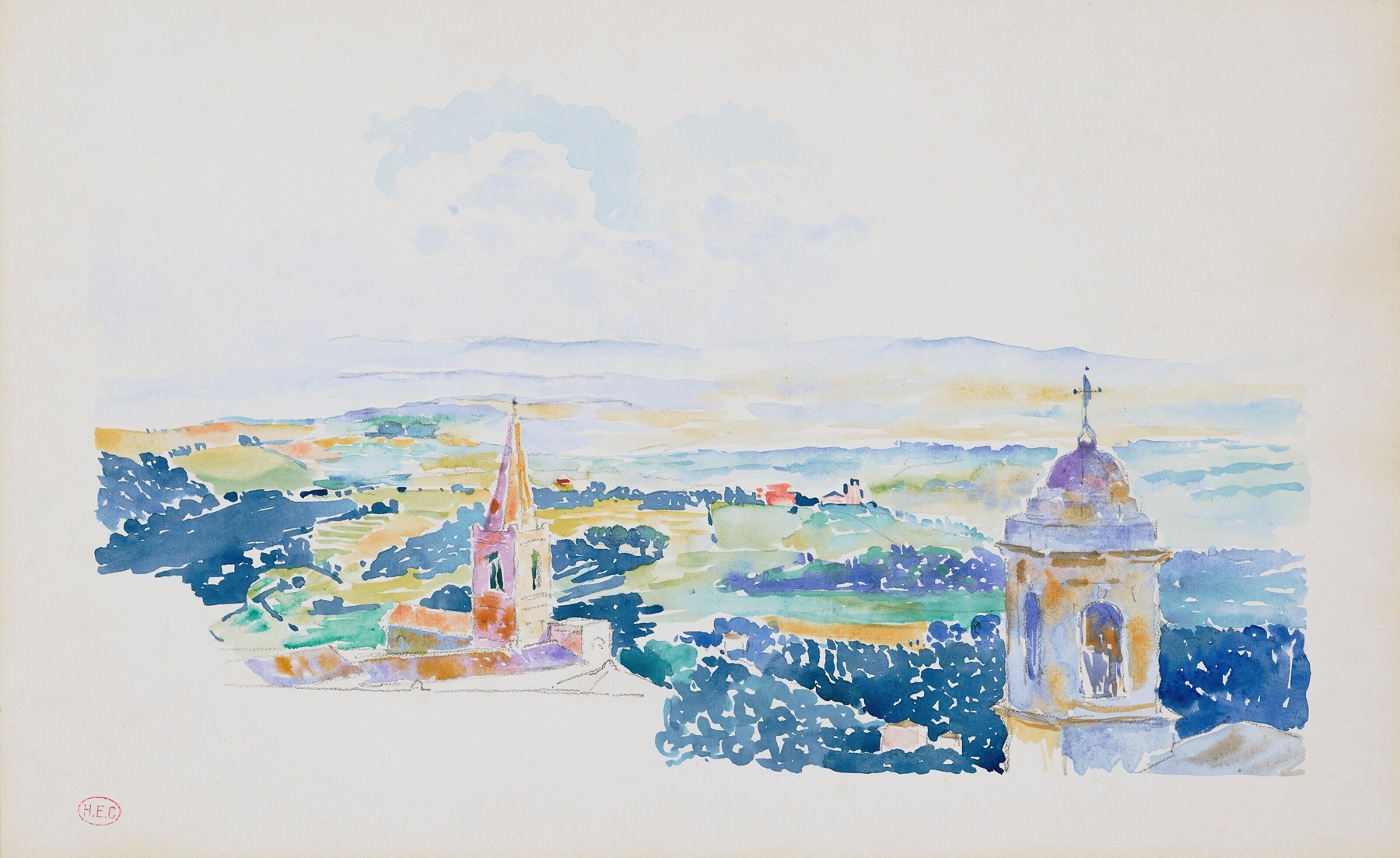
“Under the brush, chaos becomes grace.” How does memory shape the landscapes we hold dear? In Cap Nègre, vivid colors and soft strokes intertwine to evoke not just a place but the essence of nostalgia, inviting us to lose ourselves in the recollection of sun-soaked shores. Look to the center of the canvas, where the brilliant azure sea gently caresses the golden sands. Notice how the light dances across the water, creating a sparkling reflection that almost pulsates with life. The painter's technique, with its quick, broken brushwork, suggests movement and warmth, enticing viewers to step closer as if they could feel the sun on their skin.
Flashes of greens and yellows create a harmonious palette, drawing attention to the lush vegetation that frames the scene, while the distant horizon invites contemplation of what lies beyond. Beneath the serene beauty lies an emotional tension—a juxtaposition of tranquility and the fleeting nature of memories. The soft merging of colors implies a world in transition, a moment suspended in time. Each brushstroke hints at personal stories, evoking the bittersweet nature of recollection; it’s a reminder that while we may cherish these memories, they are often tinged with longing.
This interplay of harmony and impermanence resonates deeply, inviting viewers to reflect on their own experiences. Henri-Edmond Cross painted Cap Nègre in 1909 while living in the vibrant artistic community of the South of France. During this period, he was immersed in the evolving world of post-impressionism, exploring techniques that would later influence the Fauves. The early 20th century was marked by experimentation in color and form, and Cross’s work reflects both a personal journey and the broader movements that were reshaping art at the time.