Castel dell’Ovo in Naples — History & Analysis
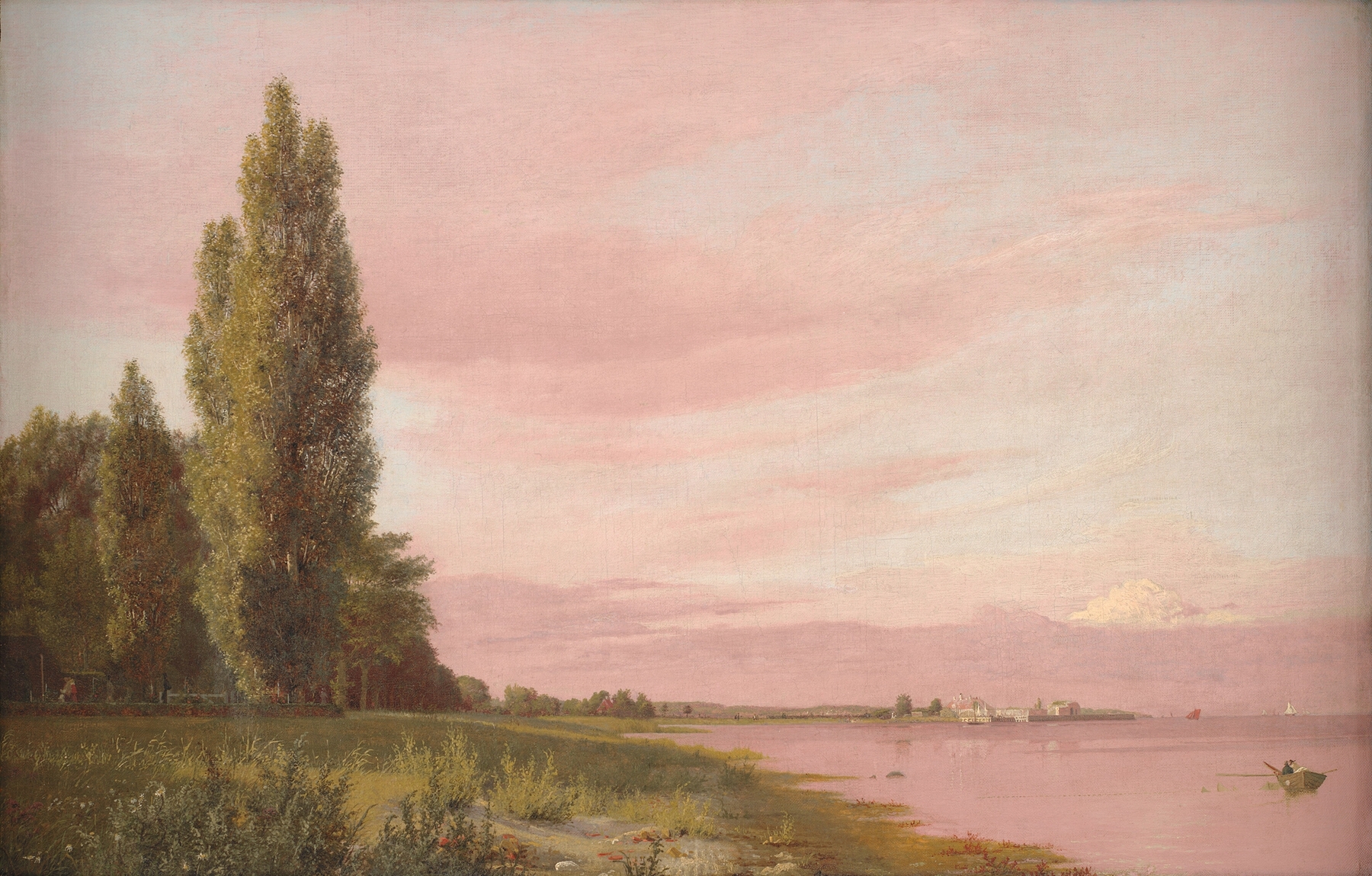
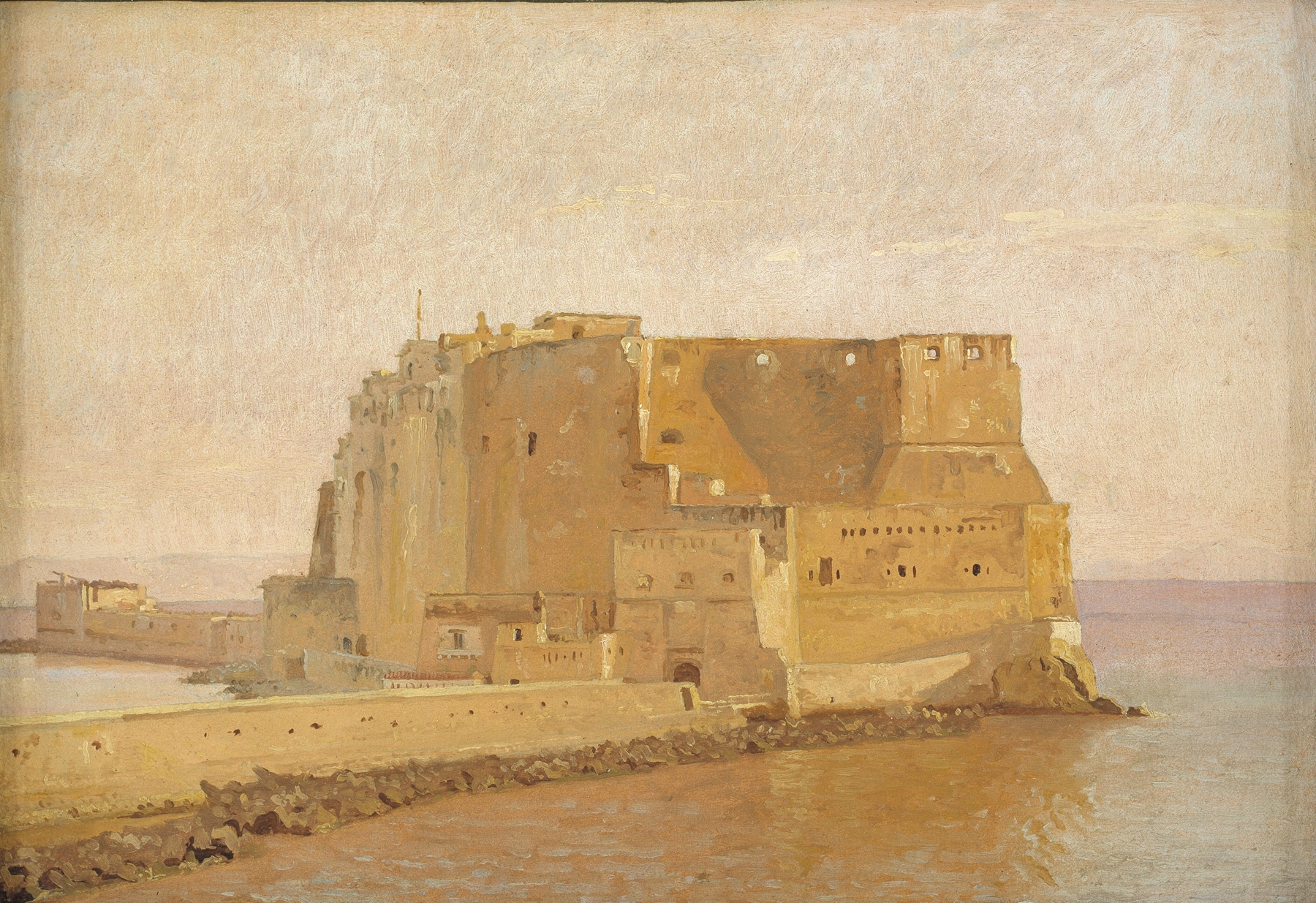
“To paint is to remember what time wants us to forget.” In the delicate balance between permanence and decay lies a haunting reverence for the past, captured poignantly in this work. Look closely at the foreground, where the cerulean waters of the Bay of Naples gently lap against the rocky shore, instilling a sense of calm that contrasts sharply with the looming fortress in the background. Notice how the sunlight dances upon the waves, each glimmer a fleeting moment that reflects the artist's mastery of light and shadow. The soft hues of ochre and soft gray in the castle structure highlight its age, while the billowing clouds overhead seem to whisper secrets of bygone eras.
Yet, beneath the serene surface lies an unsettling tension. The imposing castle stands as a silent guardian of history, embodying both protection and the fear of what lies beneath its watchful gaze. The interplay of light reveals not only beauty but also a sense of foreboding—an acknowledgment of the fragility of memory and the inevitability of change. Each brushstroke is imbued with the weight of history, reminding us that even the most picturesque scenes carry the shadows of their past.
In the late 1830s, Christen Købke painted this piece during a time of personal introspection and broader artistic transition in Denmark. As the Romantic movement was taking shape, he sought to explore the intersections of nature and architecture, capturing the essence of his surroundings while grappling with the passage of time. In Naples, he found both inspiration and reflection, intertwining the beauty of his subject with the universal themes of memory and fear, ever aware of the relentless march of time.