Castles and Hills — History & Analysis
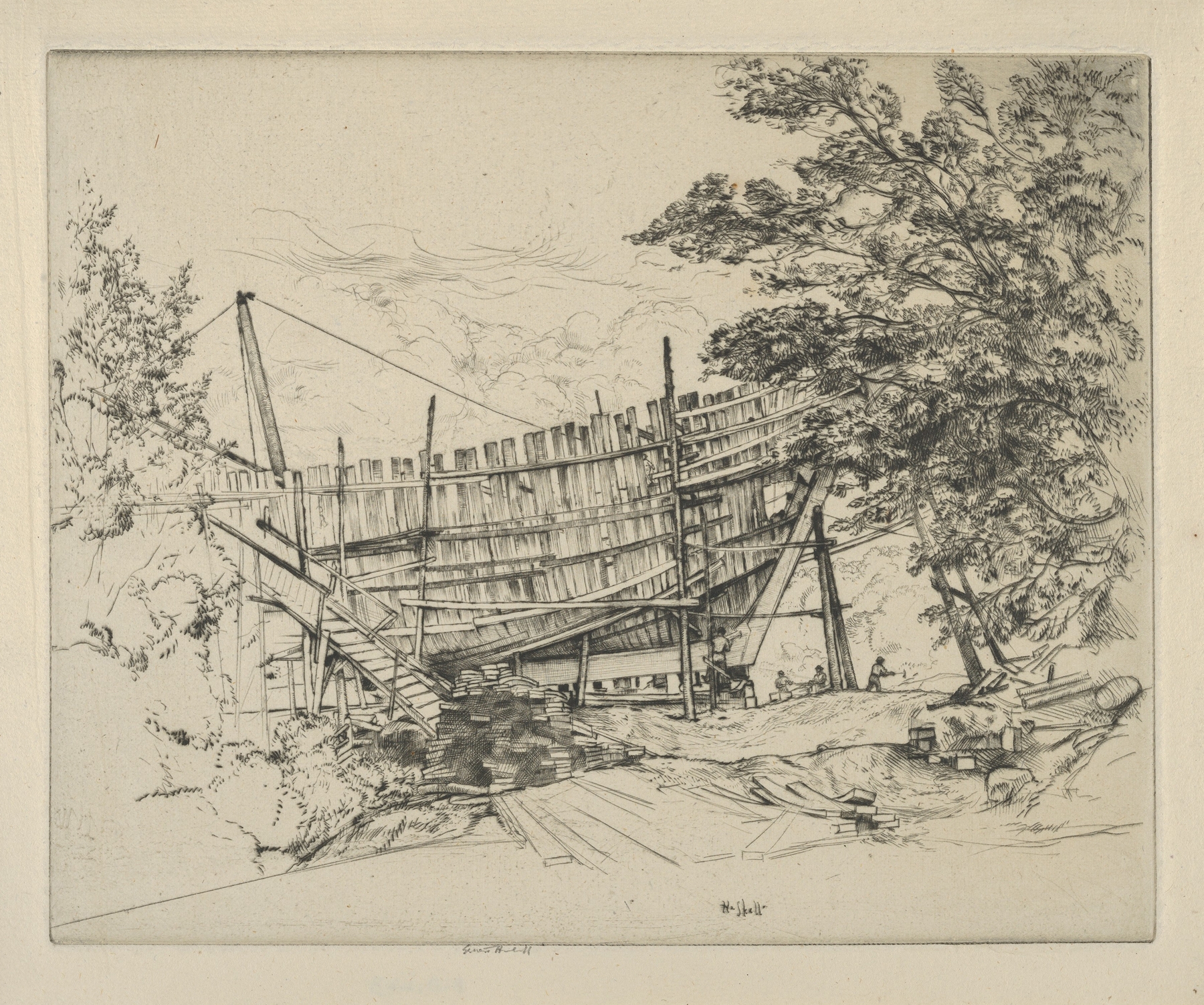
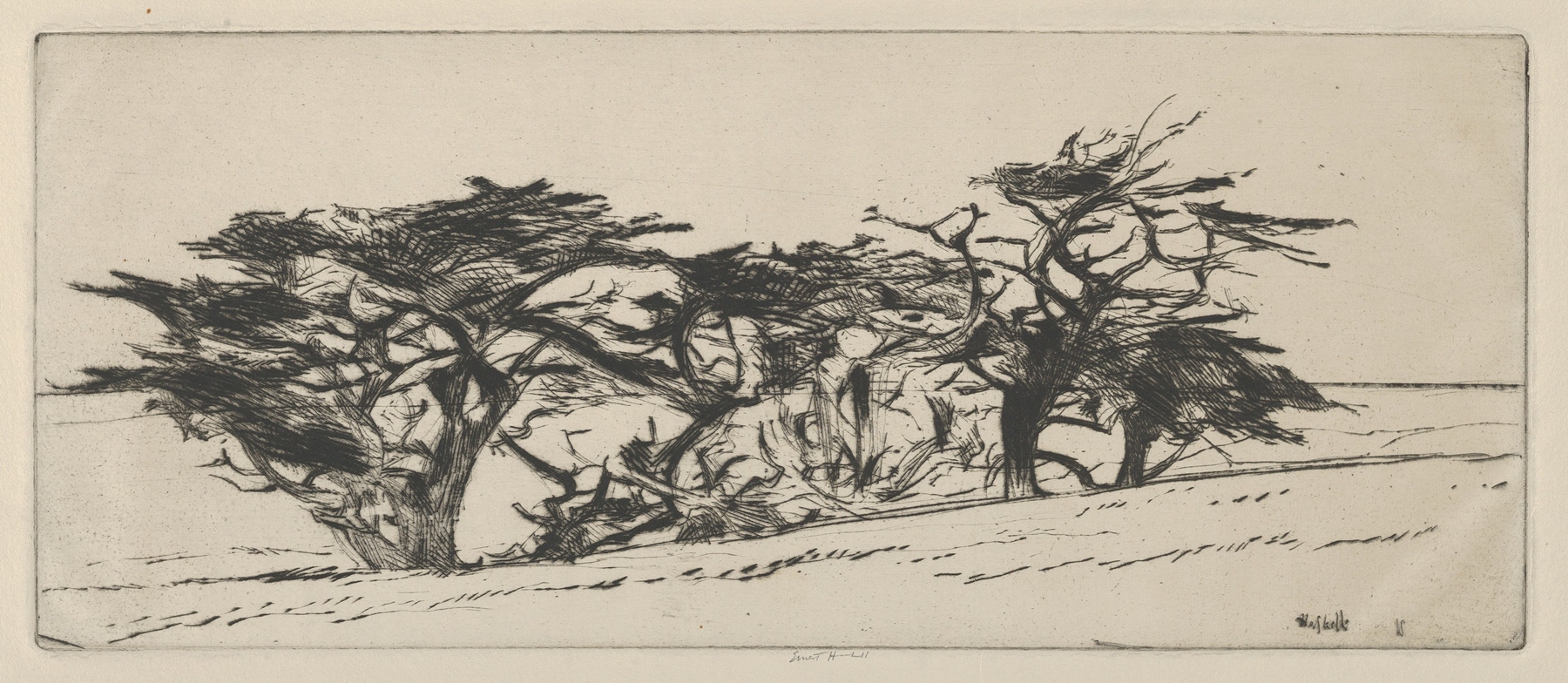
“Under the brush, chaos becomes grace.” In Castles and Hills, the riotous interplay of color transforms the ordinary into the extraordinary, inviting the viewer to explore a world of vivid landscapes and distant dreams. Focus first on the tapestry of hues that dance across the canvas. The rich greens of the hills contrast sharply with the deep blues of the sky, drawing the eye to the horizon where castles rise like forgotten memories. Notice how the brush strokes are both swift and deliberate, creating a sense of movement that breathes life into the scene.
The interplay of light and shadow sculpts the rolling terrain, suggesting depth and inviting contemplation of the unseen. Delve deeper into the hidden meanings within the artwork. The castles, formidable yet distant, represent aspirations or remnants of the past, standing resilient against the passage of time. The vibrant colors evoke a sense of nostalgia, reflecting a longing for the beauty of bygone eras.
This emotional tension between the stability of the castles and the fluidity of the landscape hints at the transient nature of life itself. In 1920, amidst the post-World War I landscape, Castles and Hills emerged from Ernest Haskell's brush in a time of reflection and rebirth. Living in a rapidly changing world, Haskell's work encapsulated both a yearning for stability and the vibrant chaos of modernity. This painting serves as an echo of an artist navigating through the complexity of his own experiences while contributing to the evolving landscape of American art.