Cathedral at Monreale, Sicily — History & Analysis
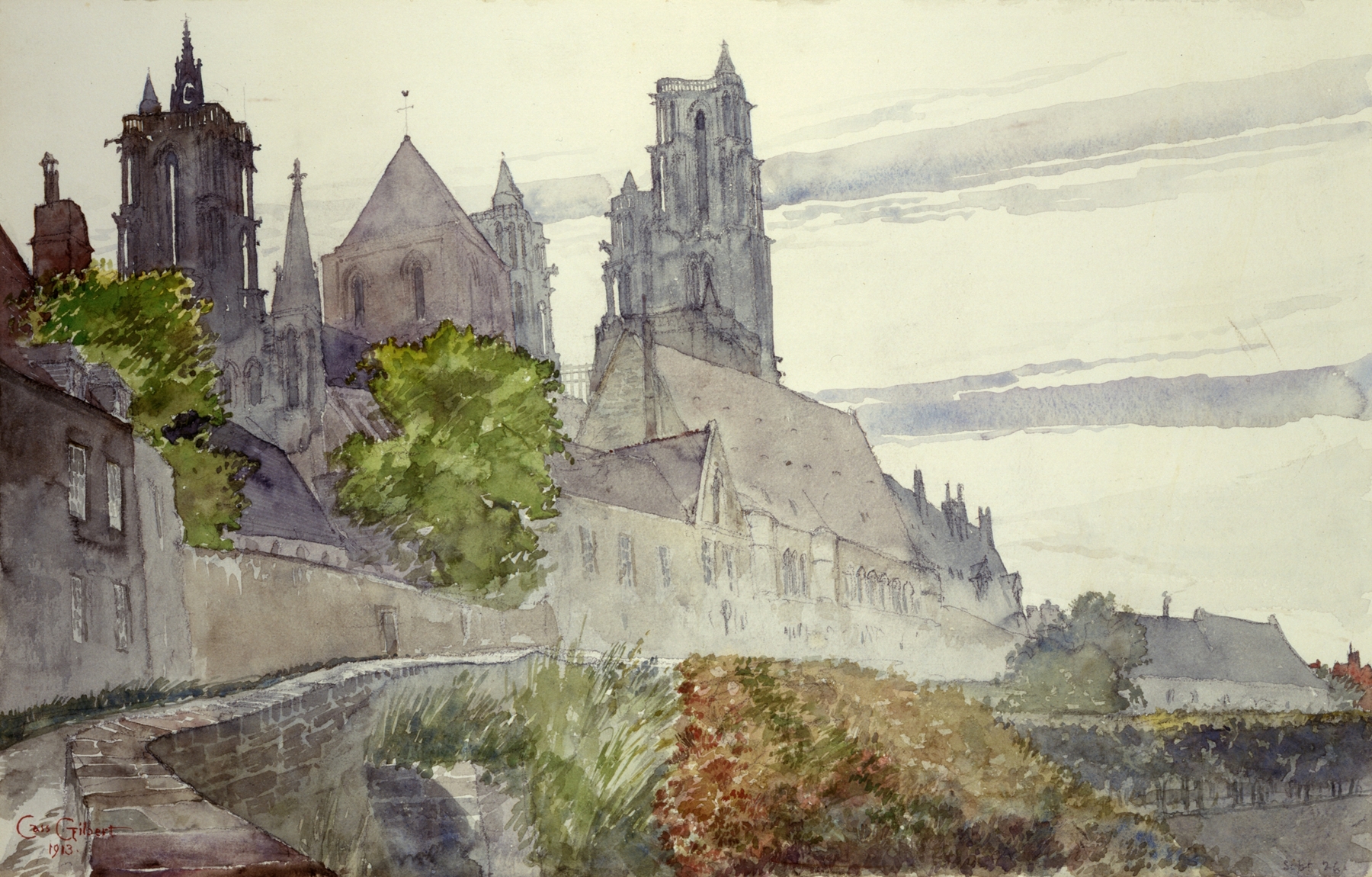
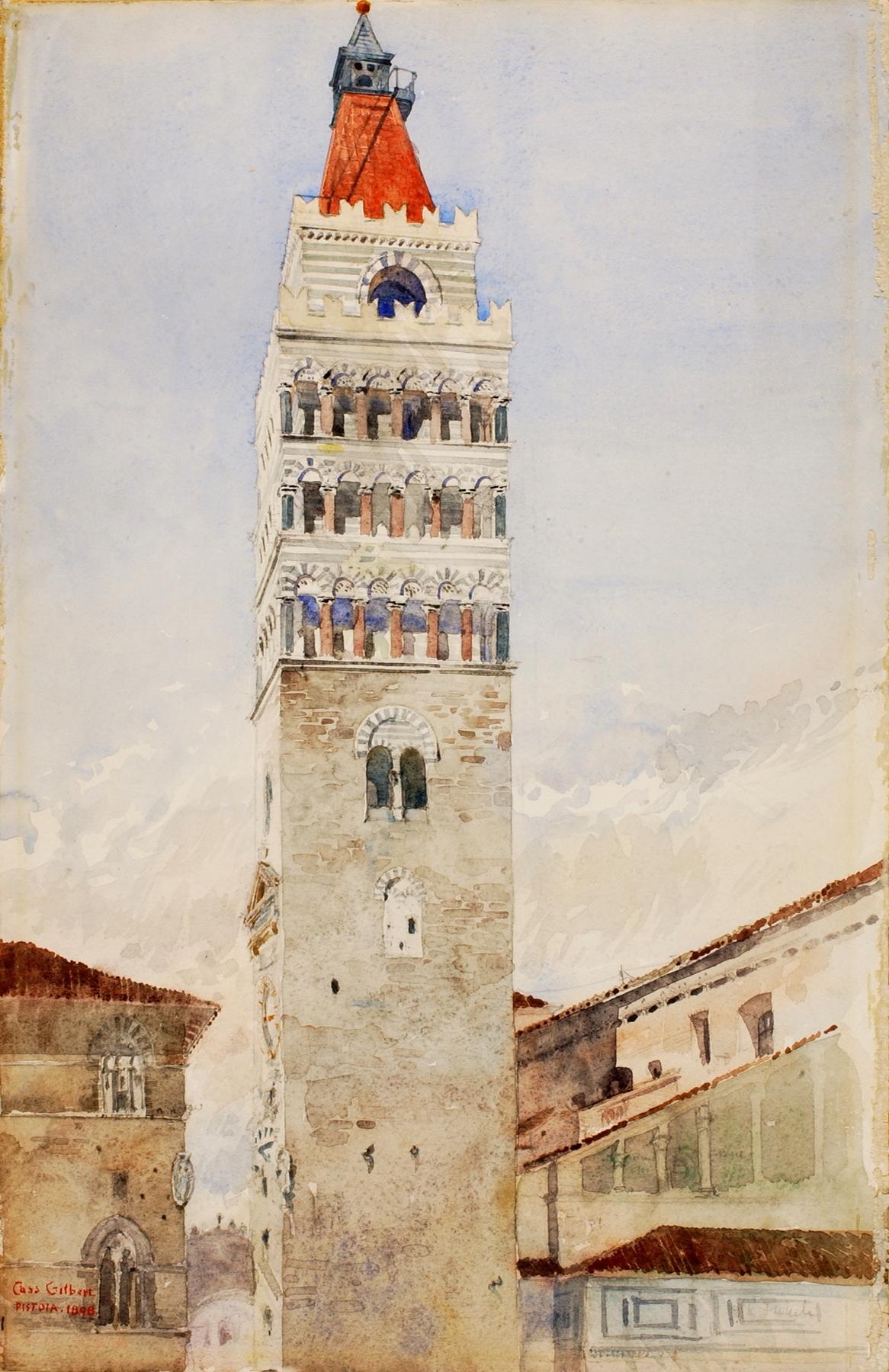
“The canvas doesn’t lie — it simply waits.” The essence of yearning permeates the air, echoing the unspoken desires that lie within us all. This work doesn’t merely depict a structure; it invites us to reflect on what we crave in both beauty and spirituality. Focus on the towering façade, a testament to architectural grandeur. Notice how the light dances across the intricate mosaics, illuminating the vibrant hues of gold and azure that seem to pulse with life. Look closely at the arches that stretch skyward, framing the doorway as if inviting the viewer into a sacred space filled with history and reverence.
The meticulous details hint at the artist's understanding of both form and divine proportion, creating an atmosphere that balances the earthly and the ethereal. Beneath the surface of this majestic cathedral lies a deep tension between permanence and transience. The enduring stone appears almost to whisper secrets of centuries past, while the brilliant colors suggest the fleeting moments of joy and worship. This contrast evokes a longing for connection — not just to the divine but to the shared human experience that transcends time.
Each tile and curve serves as a reminder that our desires are often rooted in the search for something greater than ourselves. In 1902, Cass Gilbert was engaged in a prolific phase of his career, having already gained acclaim for his architectural designs. Working primarily in the United States, he had begun to explore themes of spirituality and grandeur in his art, influenced by the Beaux-Arts movement. The world was witnessing rapid industrial change, and Gilbert’s work emerged as a counterpoint to the era’s mechanical progress, emphasizing beauty, craftsmanship, and a profound connection to the past.