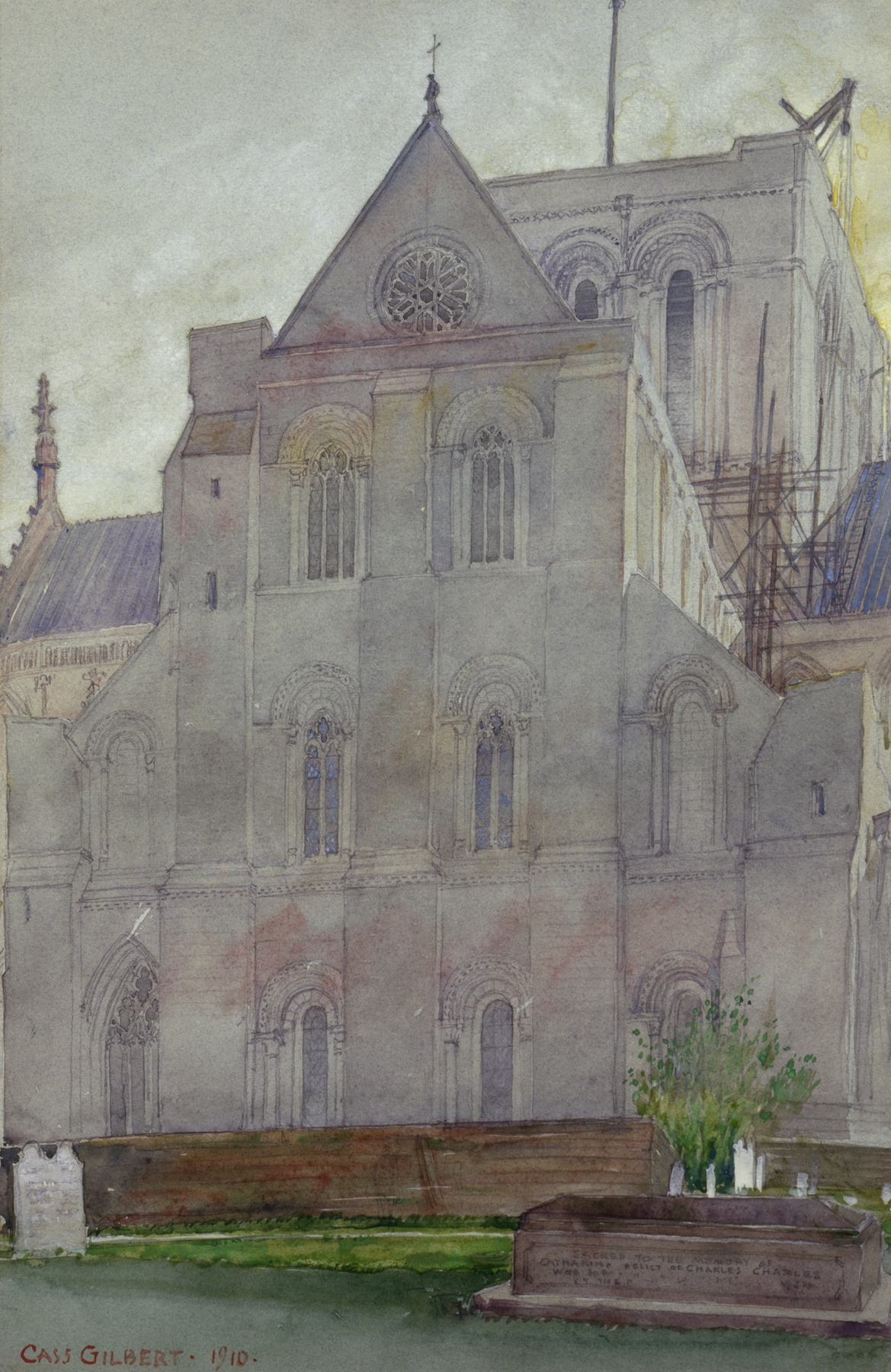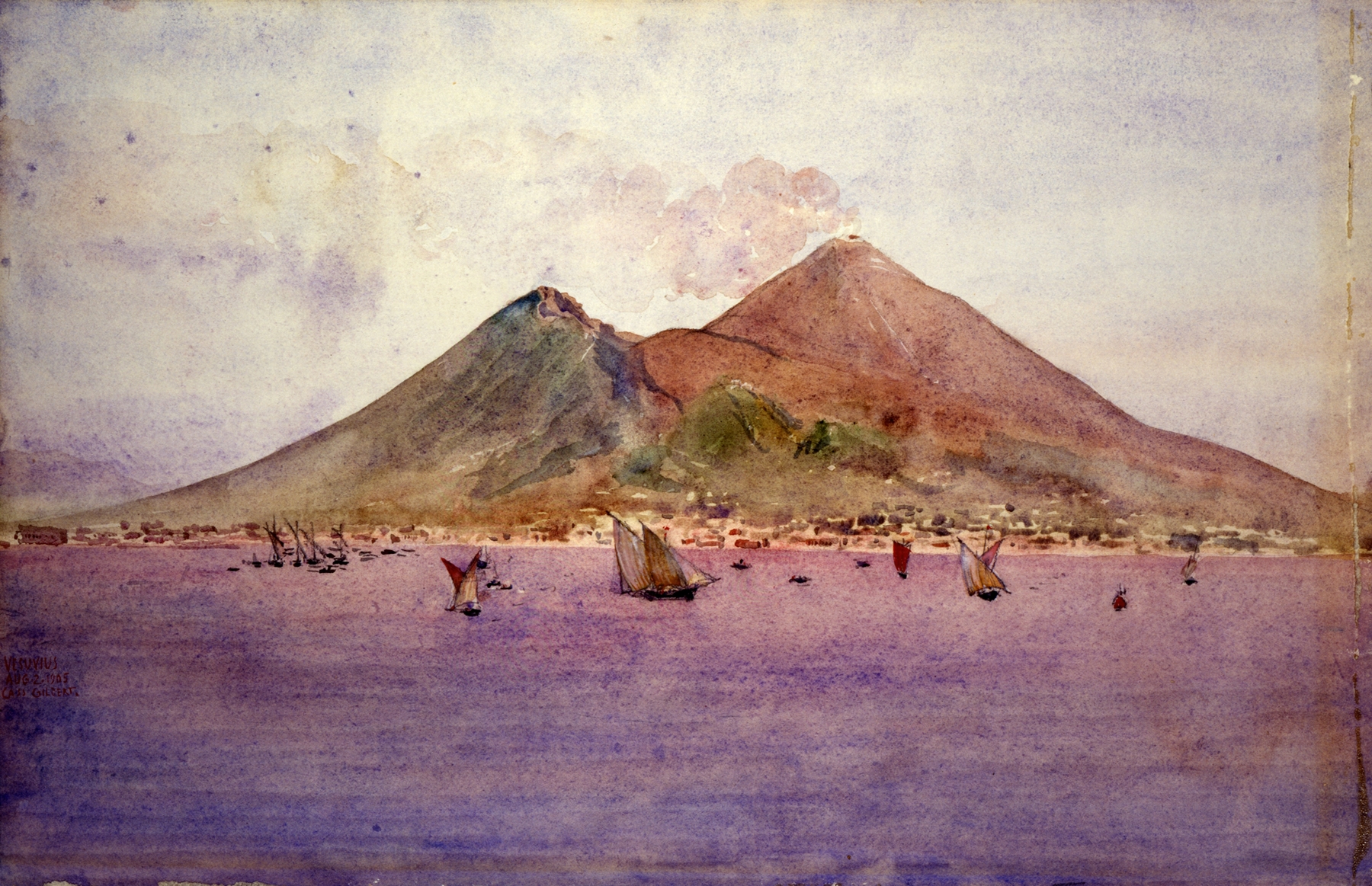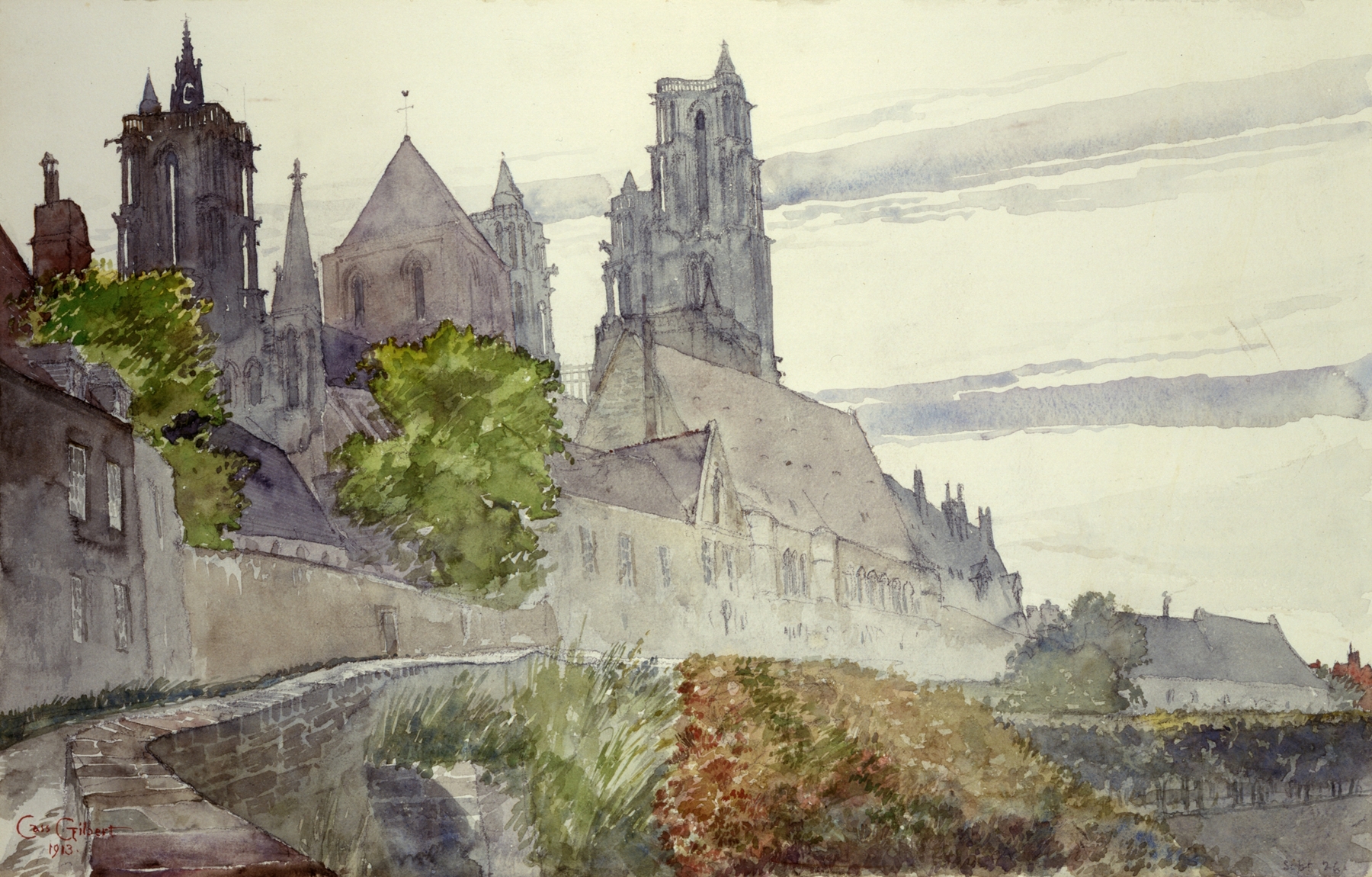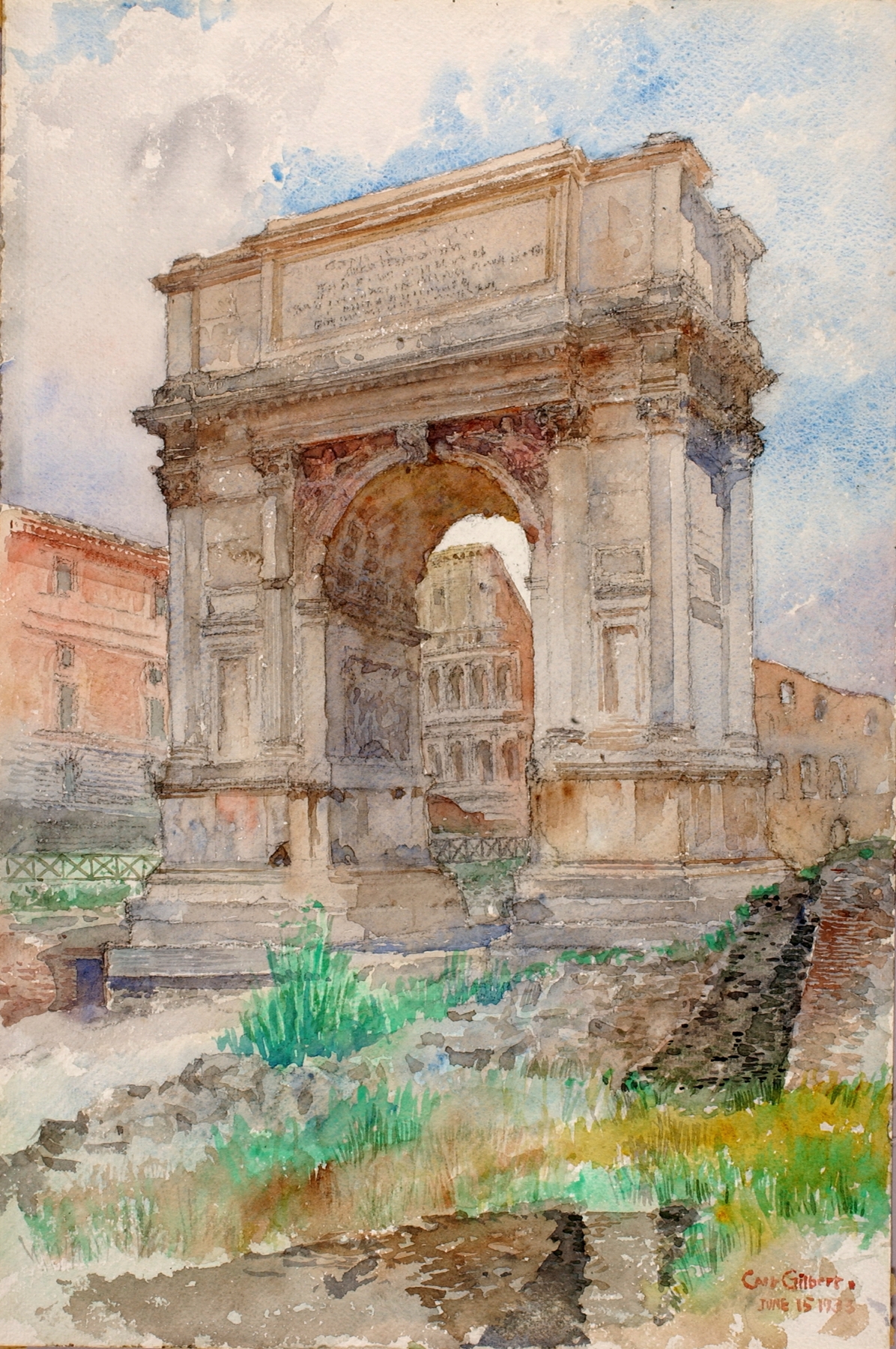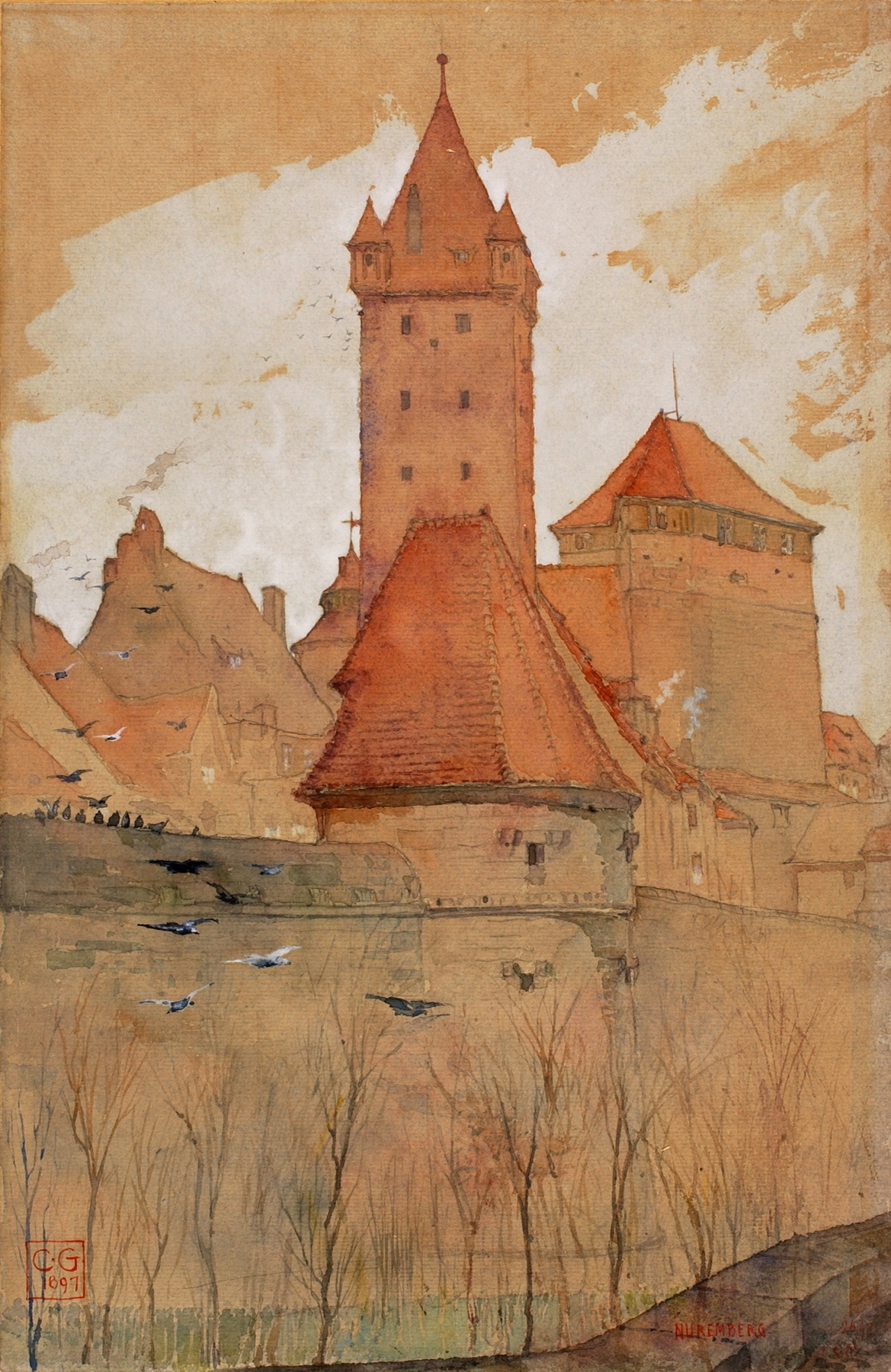
“Every silence here is a confession.” In the stillness of a cityscape, the weight of grief lingers, palpable and profound, amidst the hardened stones and towering spires. The echoes of a lost past resonate with every shadow that dances across the canvas, inviting viewers to confront their own memories and melancholies. Look to the left at the stark outline of the ancient towers, their formidable presence juxtaposed against the delicate hues of the twilight sky. Notice how the subtle play of light graces the weathered surfaces, emphasizing both grandeur and decay. The palette of muted blues and grays imbues the scene with a sense of somber reflection, guiding your gaze upward to the verticality of the structures, which almost seem to reach for a vanished time. Delve deeper, and you’ll find the interplay between nature and architecture speaks volumes—a tree, leafless and fragile, stands beside the stone, a poignant reminder of fragility amid permanence. The horizon, where earth meets sky, hints at unfulfilled potential, echoing the artist's own struggles with the passage of time and memory. These contrasts reveal a narrative of grief that transcends mere visual representation, inviting a conversation about loss and remembrance. In 1897, Cass Gilbert was immersed in the architectural landscape of America while designing notable structures like the Minnesota State Capitol. This period marked a time of transition, both for Gilbert and the art world, where the remnants of the past inspired new visions for the future. *Towers from the City Wall, Nuremberg* captures this duality, reflecting his engagement with historical themes while exploring the emotional depths of grief and memory.