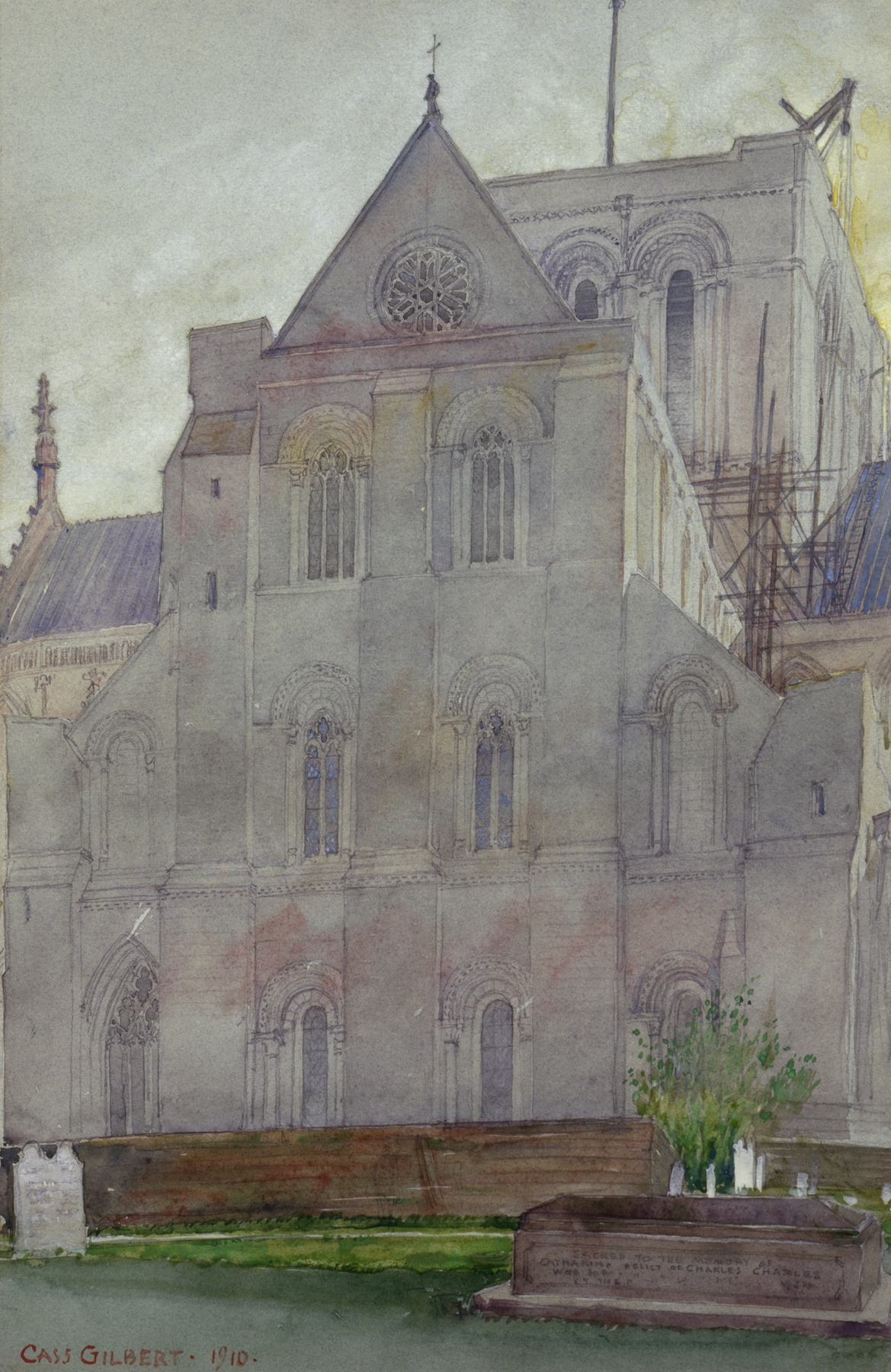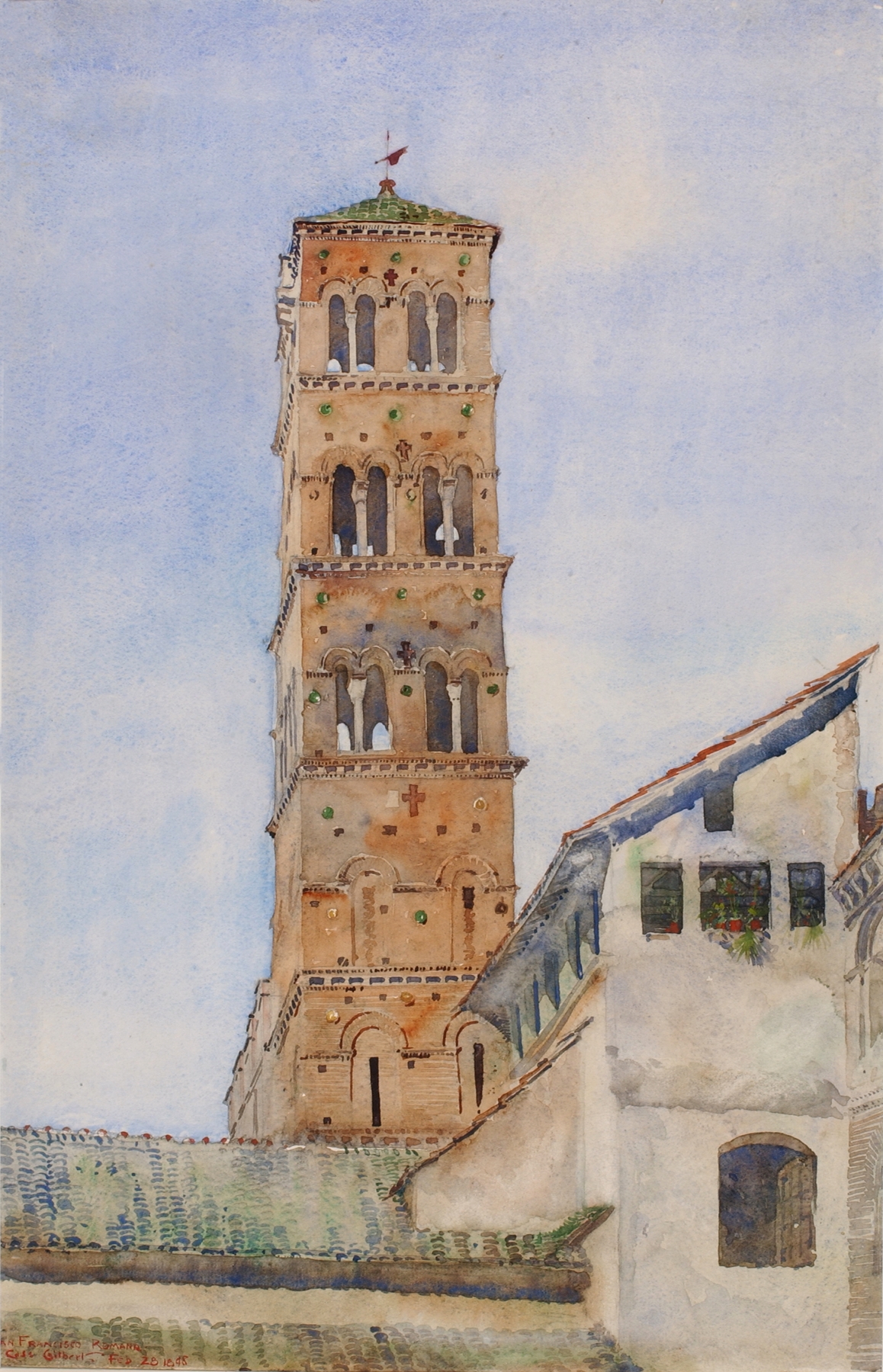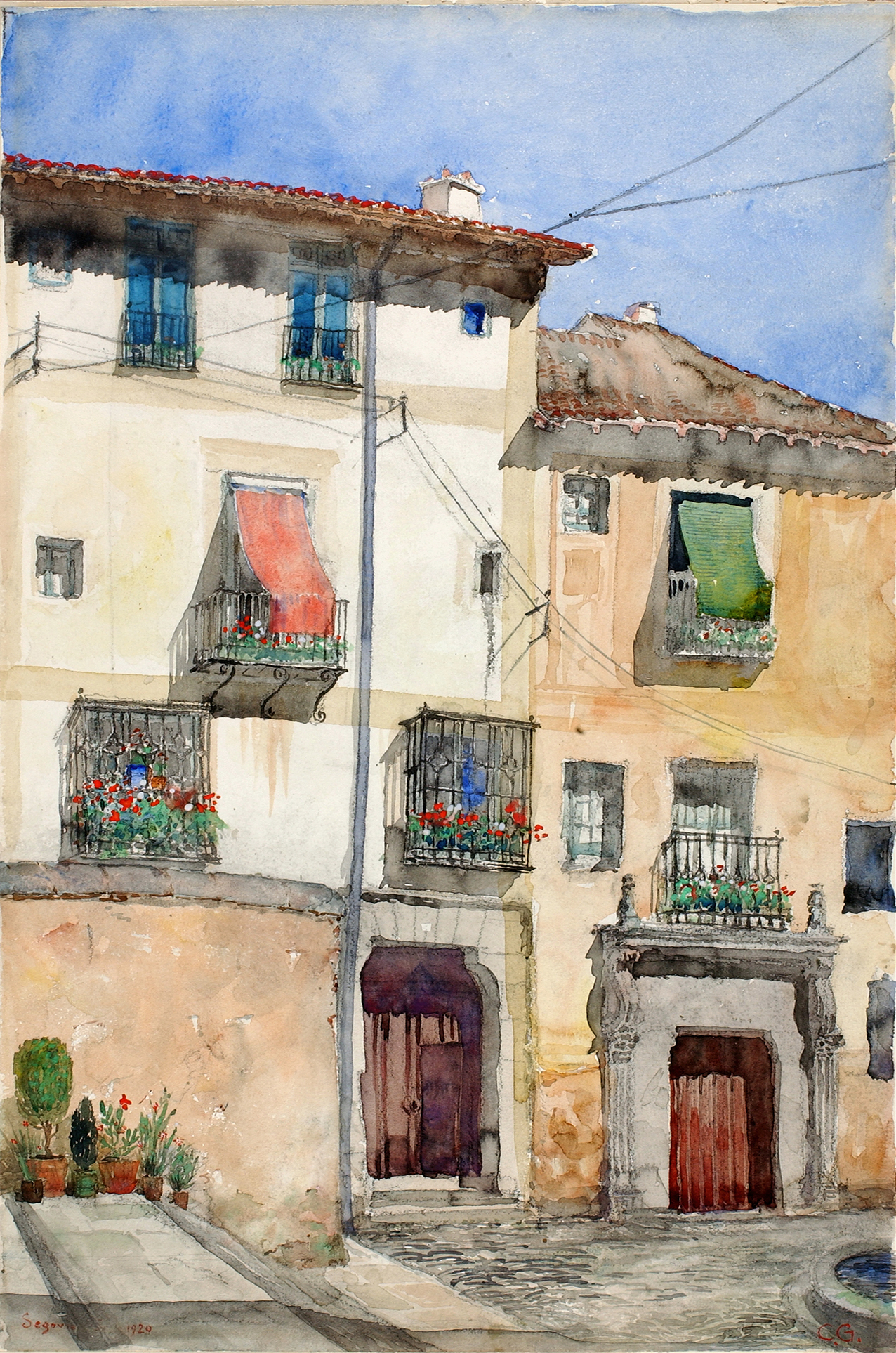
What secret hides in the quiet of the canvas? The stillness of time can often conceal a frenzy just beneath the surface, a madness that echoes in the walls of forgotten places. Look to the left at the crumbling facade of the old house, its weathered stones telling stories of years gone by. Notice how muted earth tones dominate the palette, each hue selected with care to evoke a sense of history. The gentle slant of light reveals shadows that stretch across the ground, inviting the viewer to ponder the lives once lived within these walls. The asymmetry of the structure contributes to an unsettling beauty, as if the house itself is leaning into the abyss of its own past. In this piece, tension arises from the contrast between the tranquil landscape and the dereliction of the house. The surrounding greenery flourishes, a stark juxtaposition to the decay, hinting at nature's indifference to human endeavors and the madness that can engulf a place once filled with life. The carefully rendered details—a broken window, scattered debris—whisper of stories untold, evoking a sense of unease, as if the house’s silence is a cover for deeper disturbances. In 1920, amid a world reshaped by war and upheaval, the artist found himself exploring themes of isolation and the passage of time. Living in the United States while grappling with the remnants of a once grand European architecture, Gilbert's work here reflects not only his own fascination with the fading grandeur but also a collective cultural anxiety, where the remnants of the past become vessels for both memory and madness.