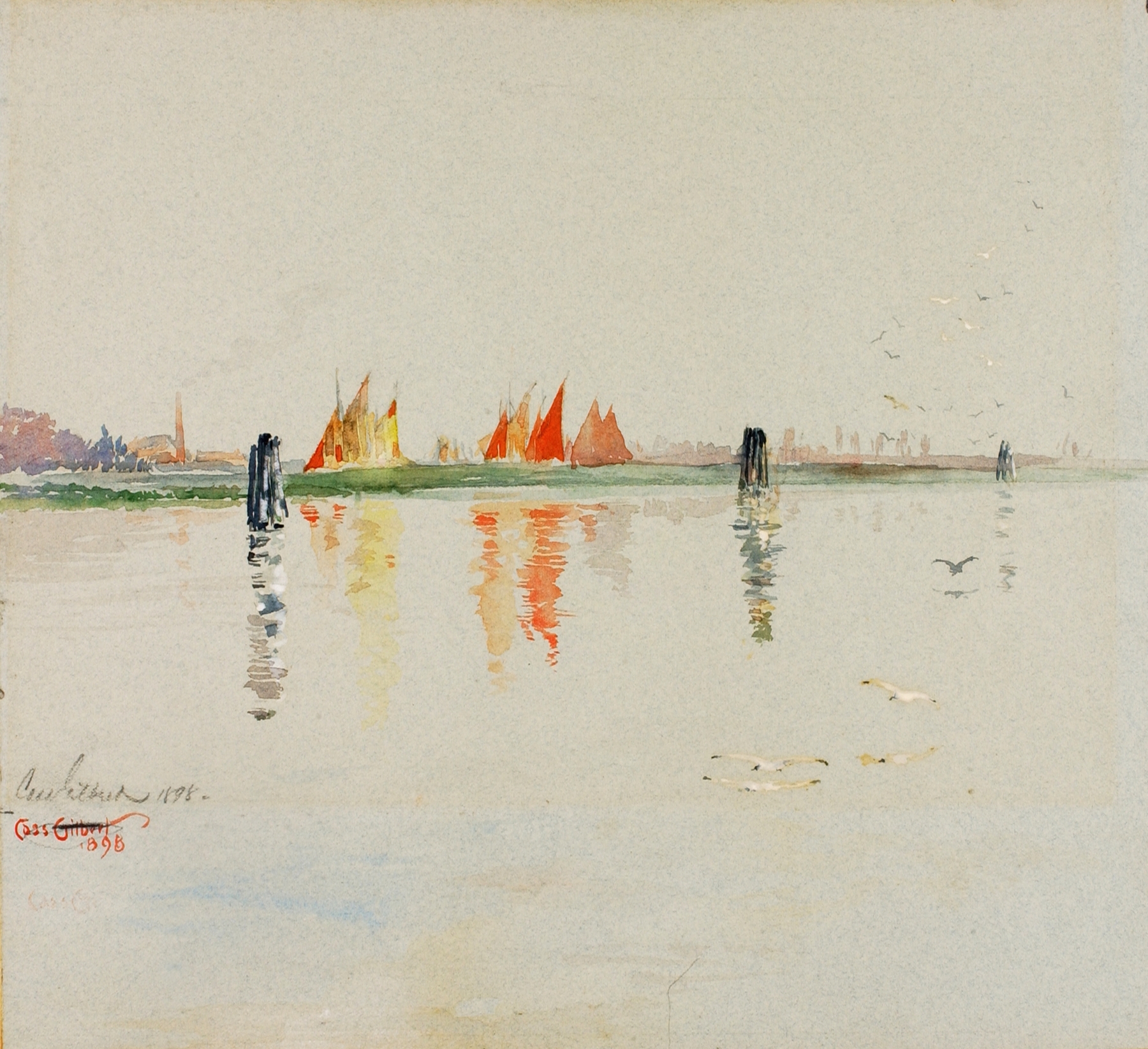
“Under the brush, chaos becomes grace.” In the swirling depths of grief, we uncover beauty's fragile essence, mirrored in a serene yet haunting landscape. Focus on the elegant hues in the foreground, where the soft blues and greens meld into one another, inviting you into the tranquil waters of the lagoon. Notice how the delicate strokes create a subtle texture, evoking the gentle ripples that dance across the surface, reflecting hints of a dusky sky. As your gaze drifts further back, observe the silhouettes of Venice’s iconic architecture rising gracefully from the water, their forms softened by the twilight's embrace; they stand like whispers of memories lost, yearning for connection beneath the stillness. The interplay of light and shadow encapsulates a poignant tension within the work. While the luminous sky hints at hope and renewal, the muted tones of the buildings suggest a sense of nostalgia and longing. This contrast mirrors the complexity of grief — a process that can reveal both the melancholy of absence and the beauty of remembrance. The water, while ethereal and calming, also evokes the unpredictable depths of emotion, suggesting that even in sorrow, there lies a promise of grace. In 1898, Cass Gilbert was immersed in a period of artistic exploration, having just returned from a trip to Europe. This era saw the rise of impressionism, yet his approach in this piece leaned toward a unique blend of realism and abstraction. During these years, he grappled with personal loss while navigating the evolving landscape of American architecture and art. His experiences in Venice profoundly shaped his vision, allowing him to capture the essence of a city steeped in both beauty and nostalgia.