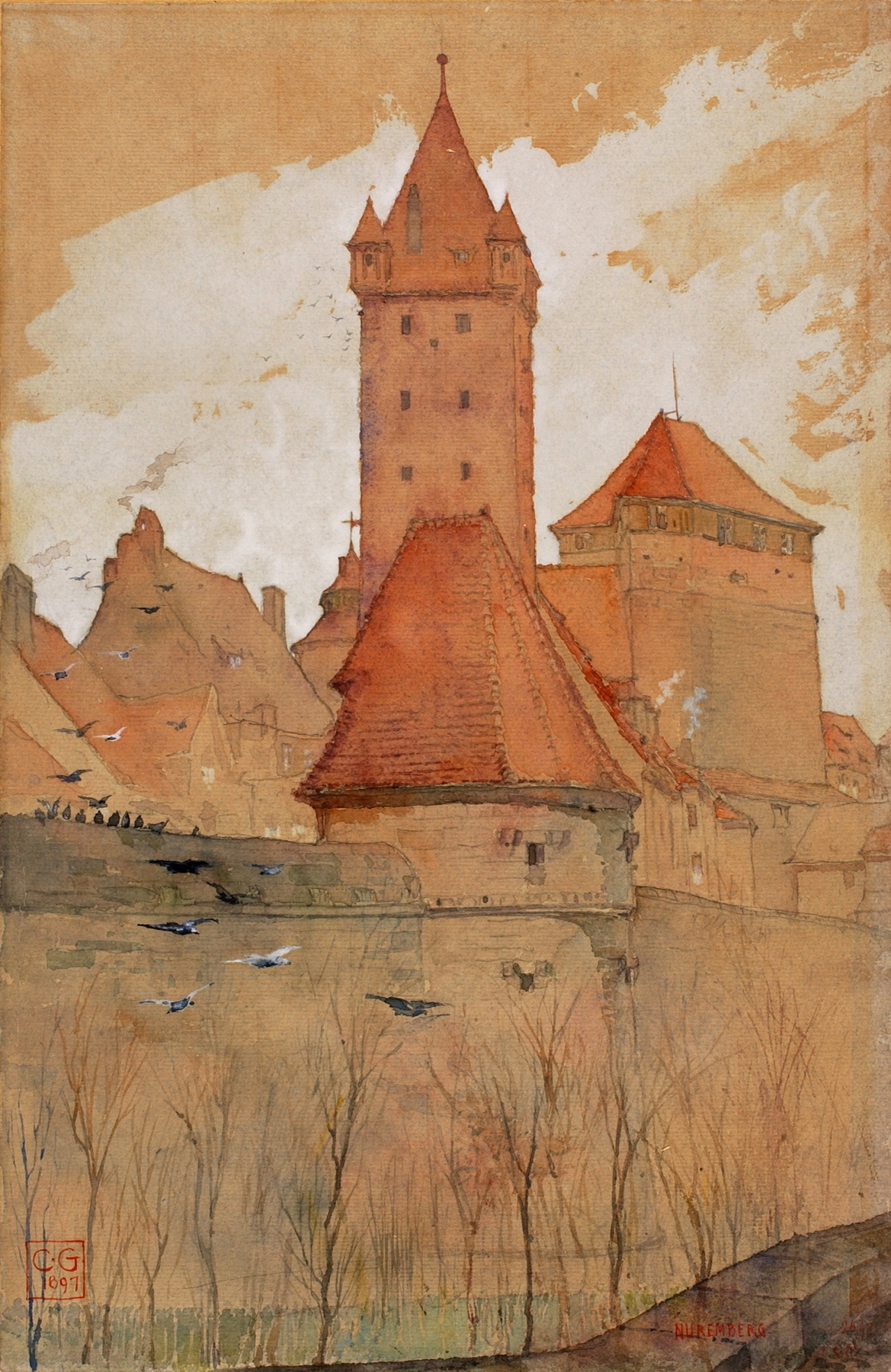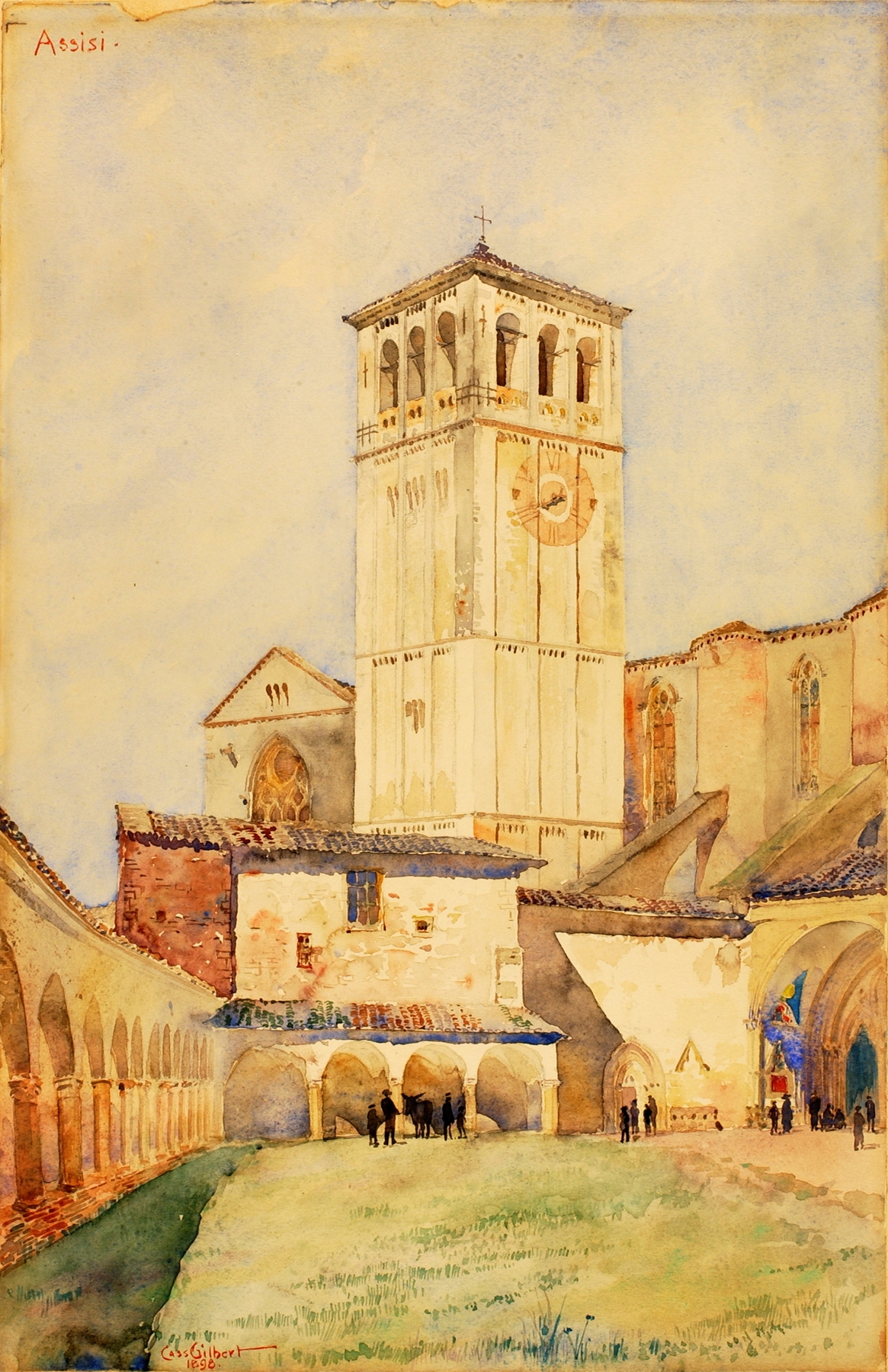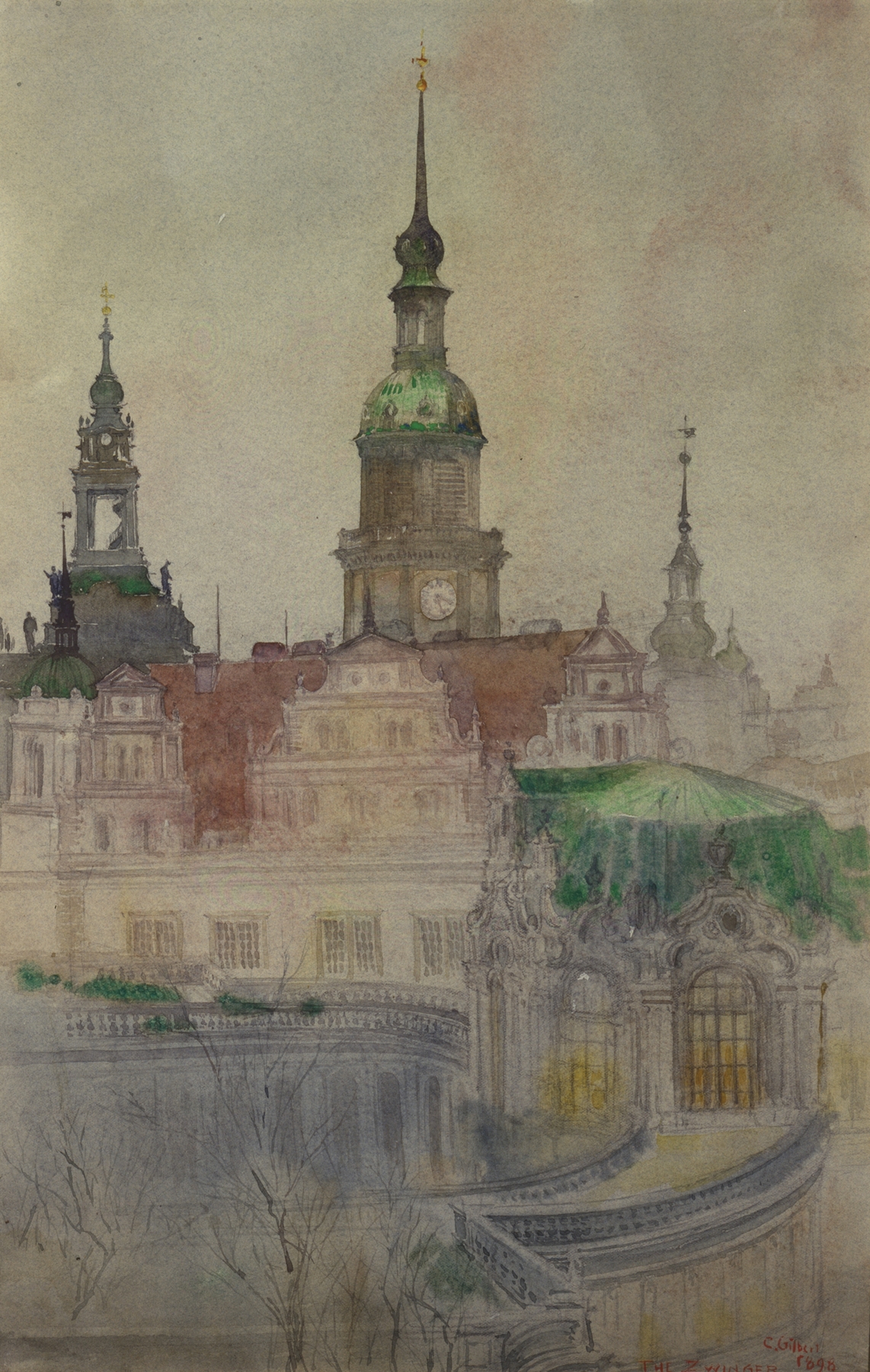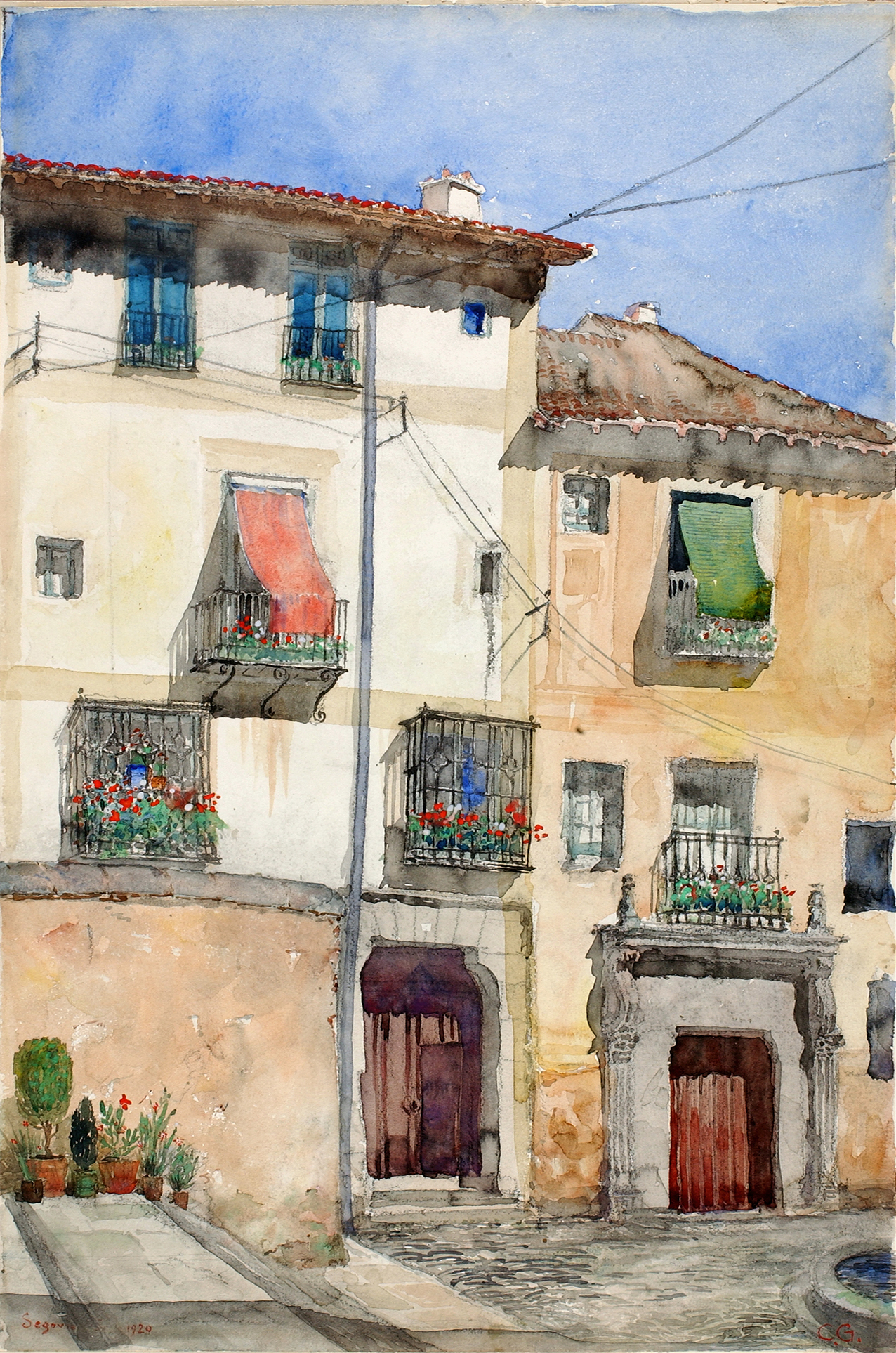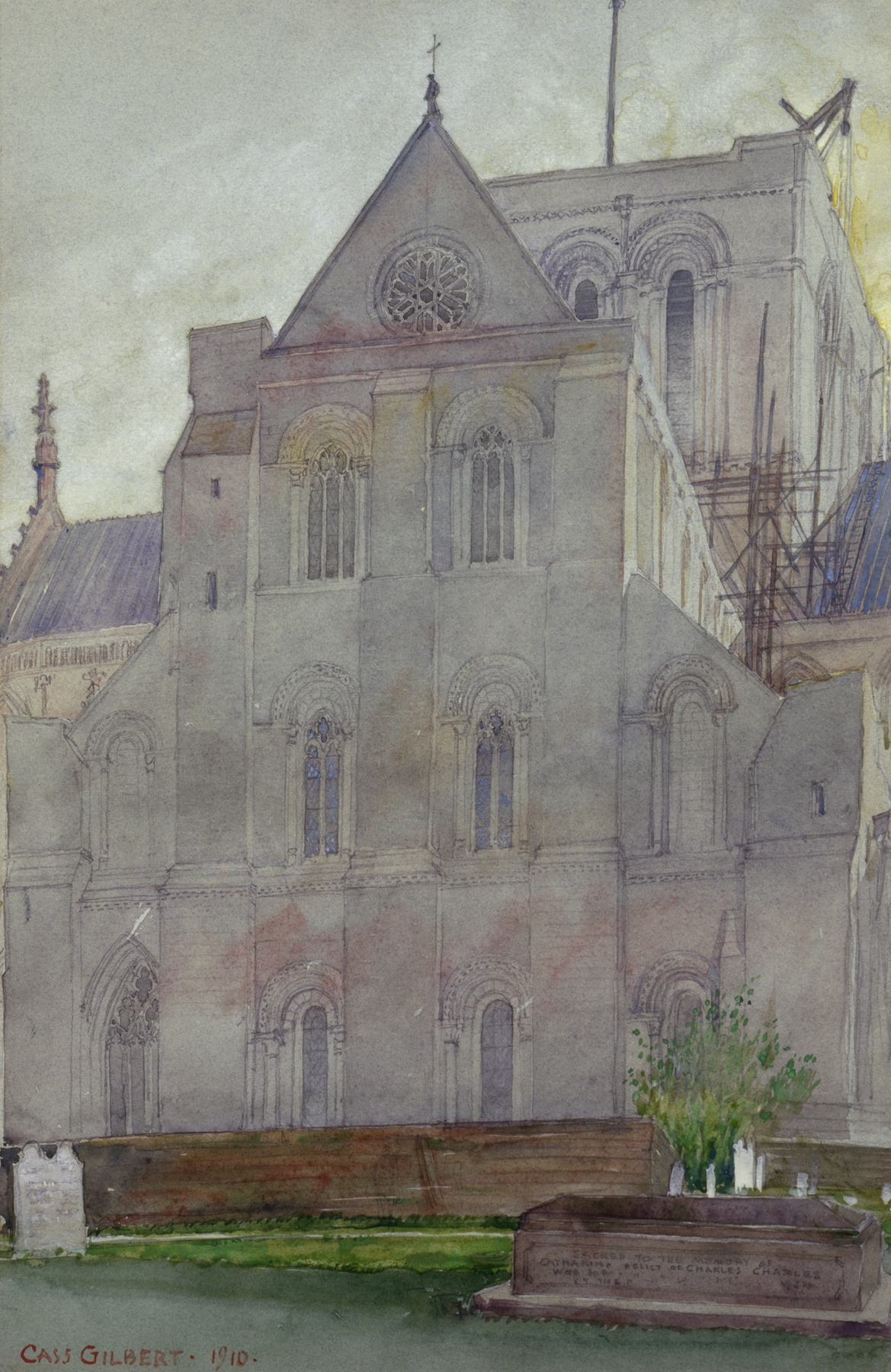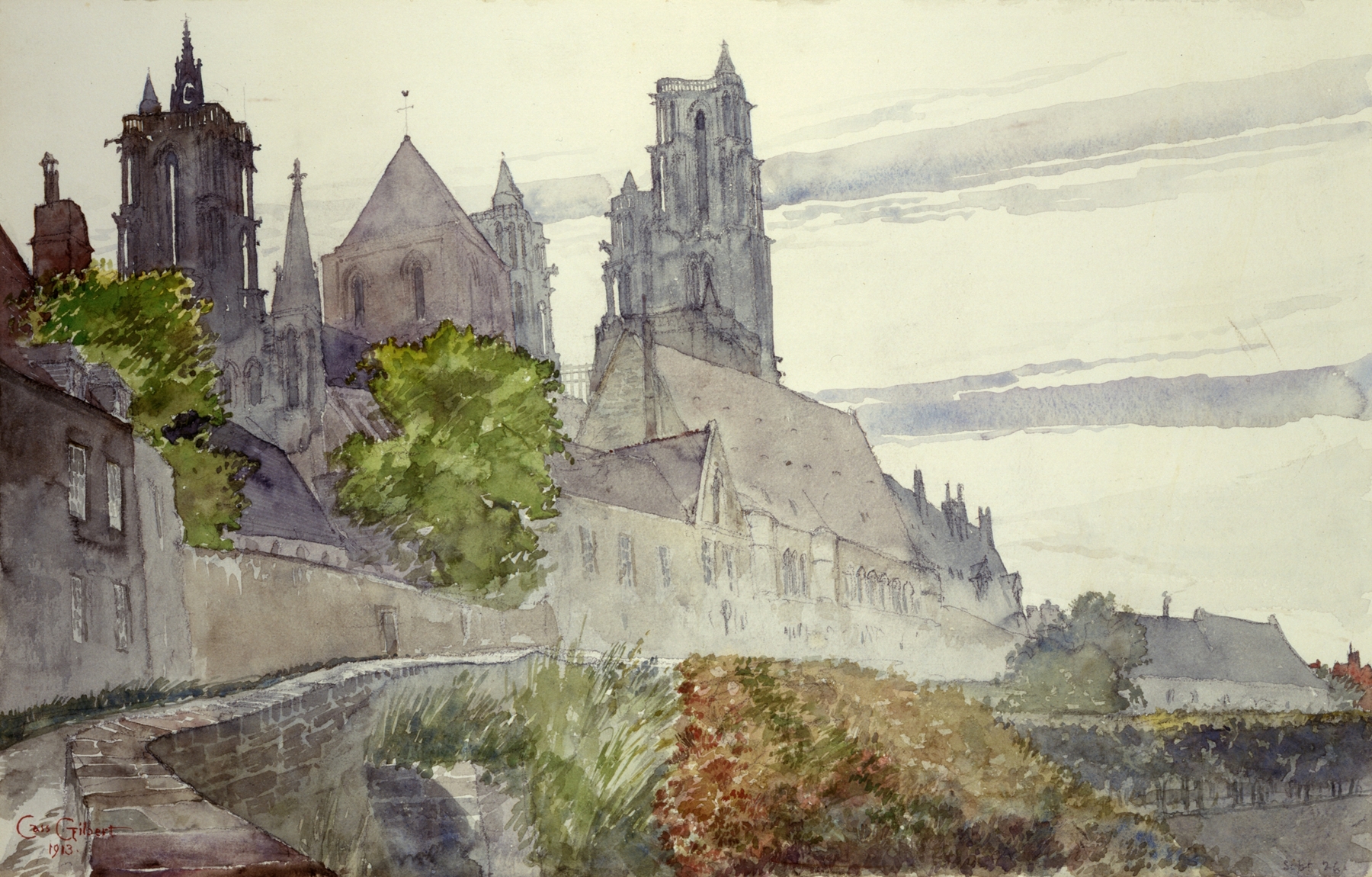
What if beauty was never meant to be finished? The grand facade stands as a testament to the lingering conversation between nature and humanity, inviting us to contemplate the layers of truth embedded in stone. Look to the towering spires that pierce the sky, their intricate details drawing your eyes upward. Notice how the sunlight dances upon the cathedral’s weathered stones, revealing a palette of soft grays and warm yellows that evoke both majesty and melancholy. The meticulous craftsmanship encapsulated in each arch and column tells a narrative of devotion, while the shadows that blend into the recesses suggest the passage of time, a reminder of the impermanence of beauty itself. Beneath the surface, the painting reveals a tension between the finished and the unfinished—an embodiment of aspirations that stretch beyond the limits of human endeavor. The cathedral, though completed, conveys an essence of longing, a testament to the vastness of truth that remains elusive. Each figure that inhabits the scene, whether alive or carved in stone, embodies a yearning for connection, whispering secrets of faith, artistry, and the inevitable decay that follows creation. In 1913, as Cass Gilbert painted this architectural marvel, he was immersed in the burgeoning world of American architecture, blending influences from both Europe and the United States. At this time, he was recognized for his mastery of monumental design, working on several significant projects while navigating a rapidly changing cultural landscape. This piece reflects his admiration for Gothic architecture, a style that spoke to both tradition and the pursuit of transcendent beauty—demonstrating his commitment to crafting spaces that inspire reverence and contemplation.