Sunrise in the Catskills — History & Analysis
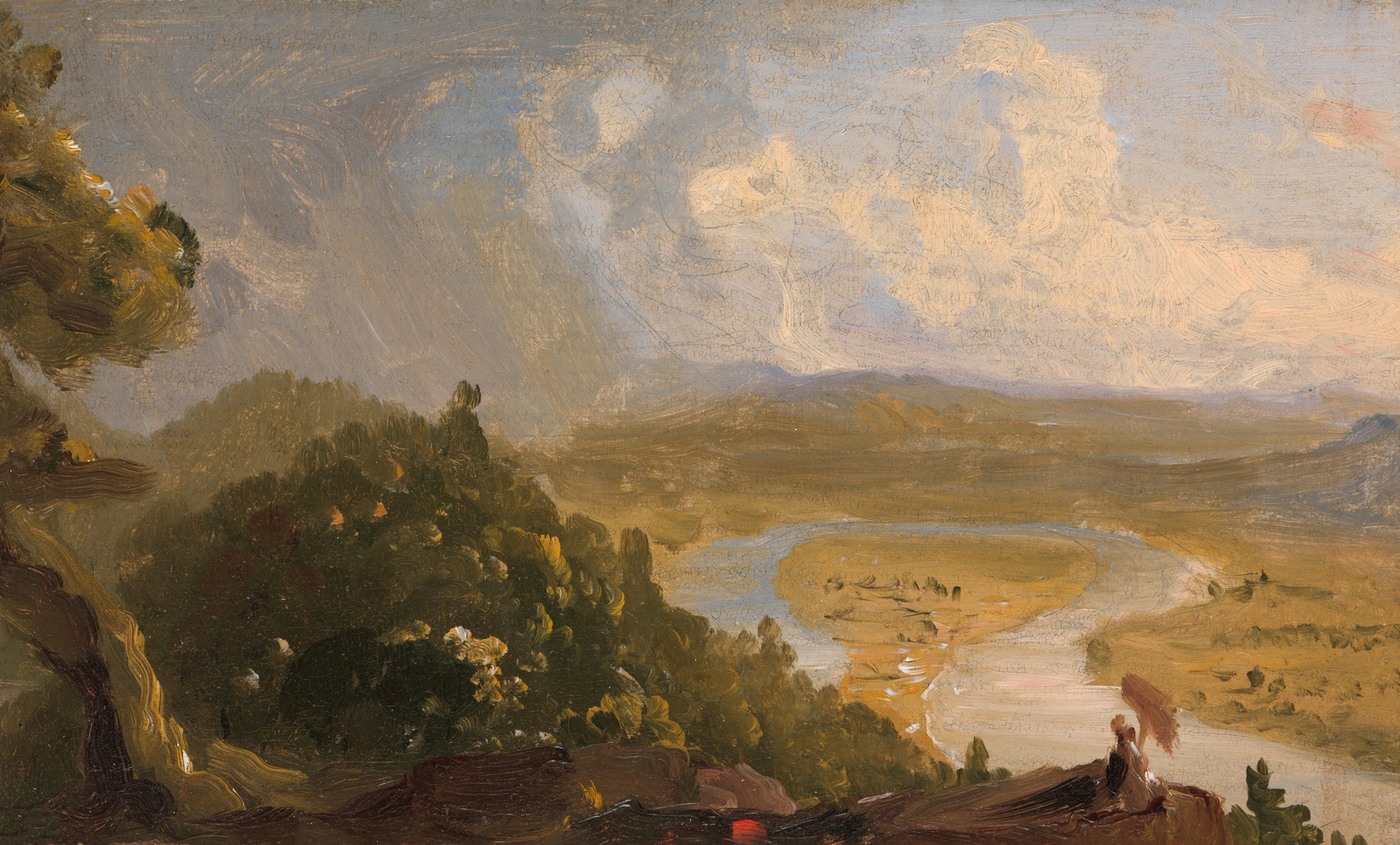
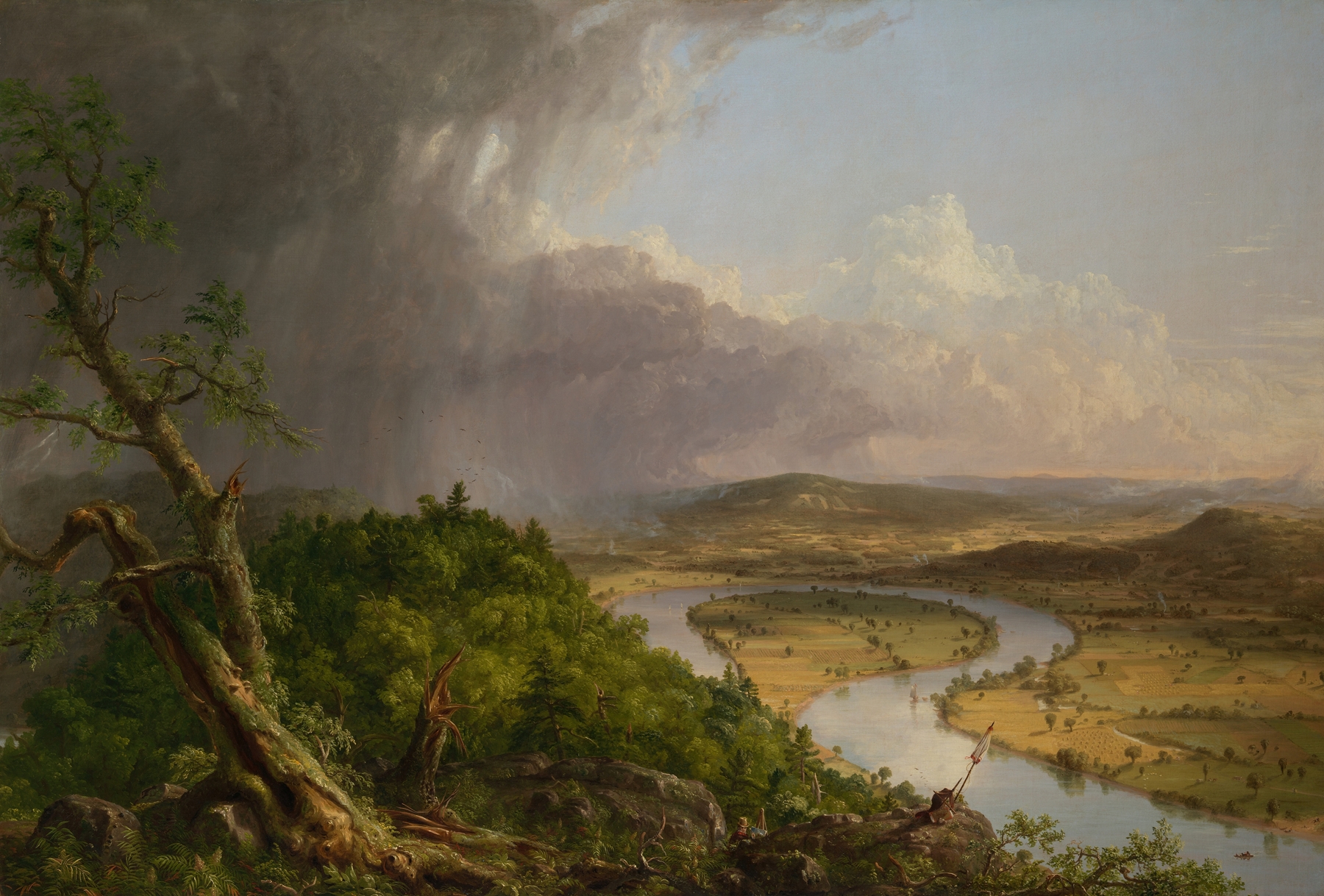
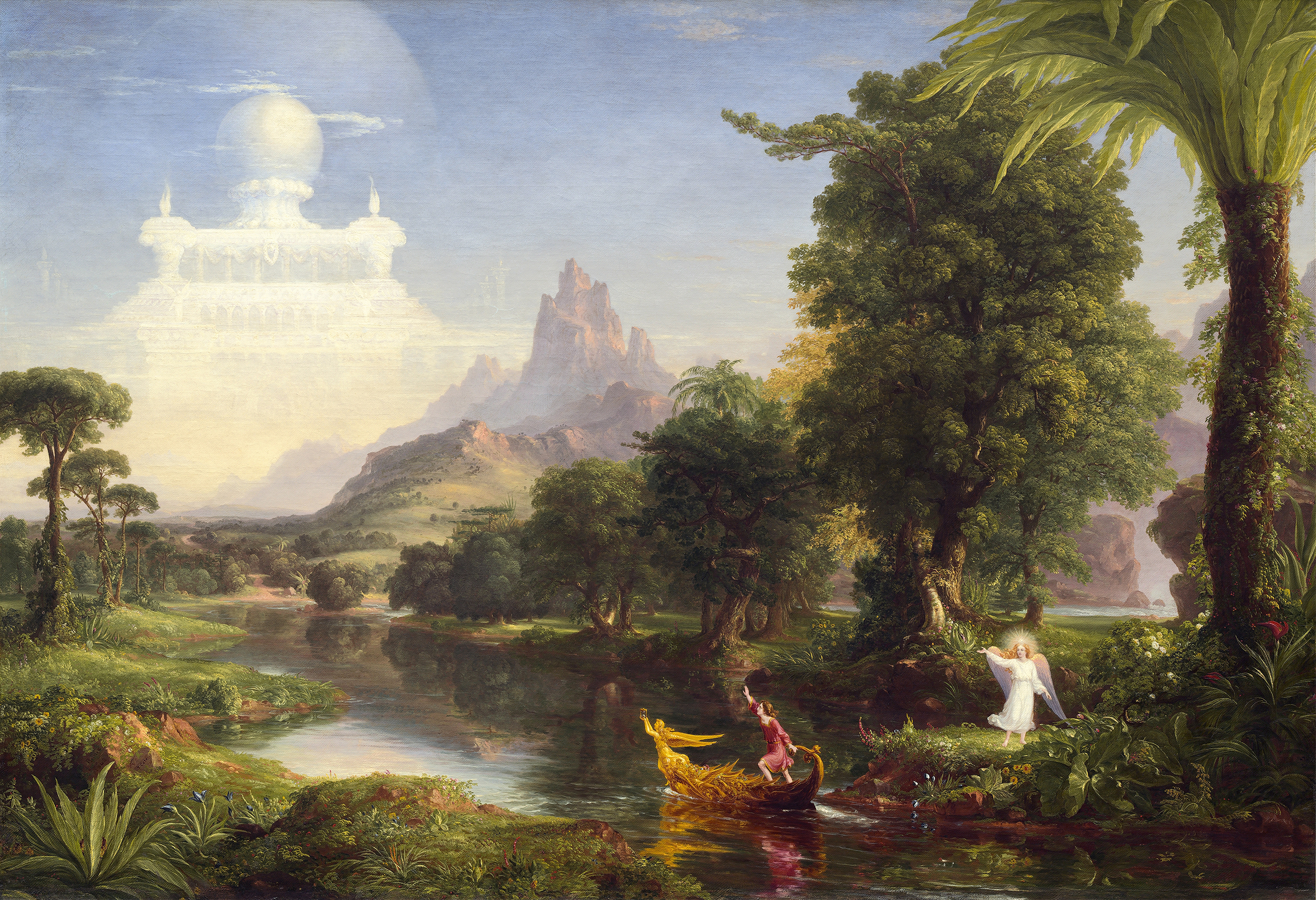
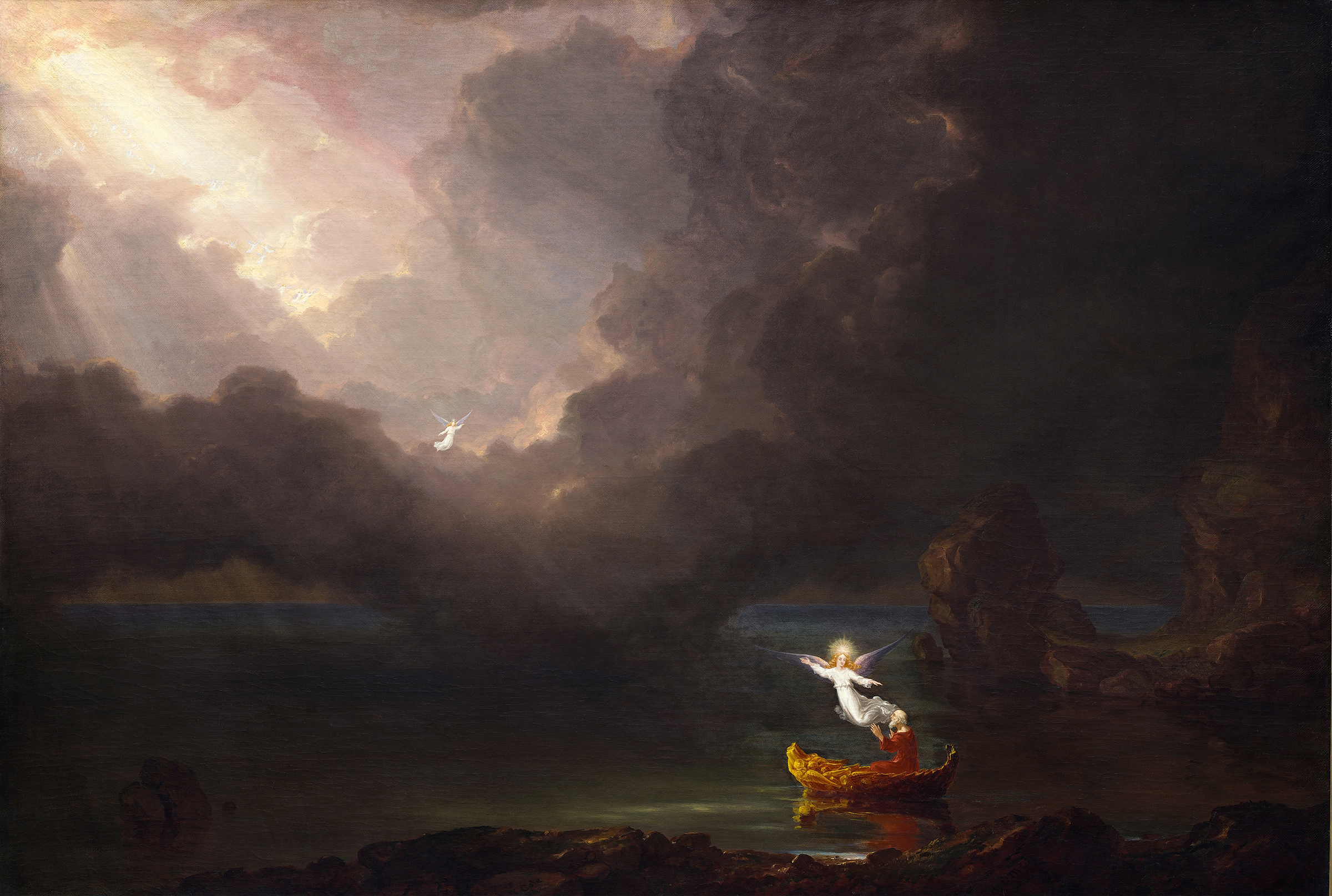
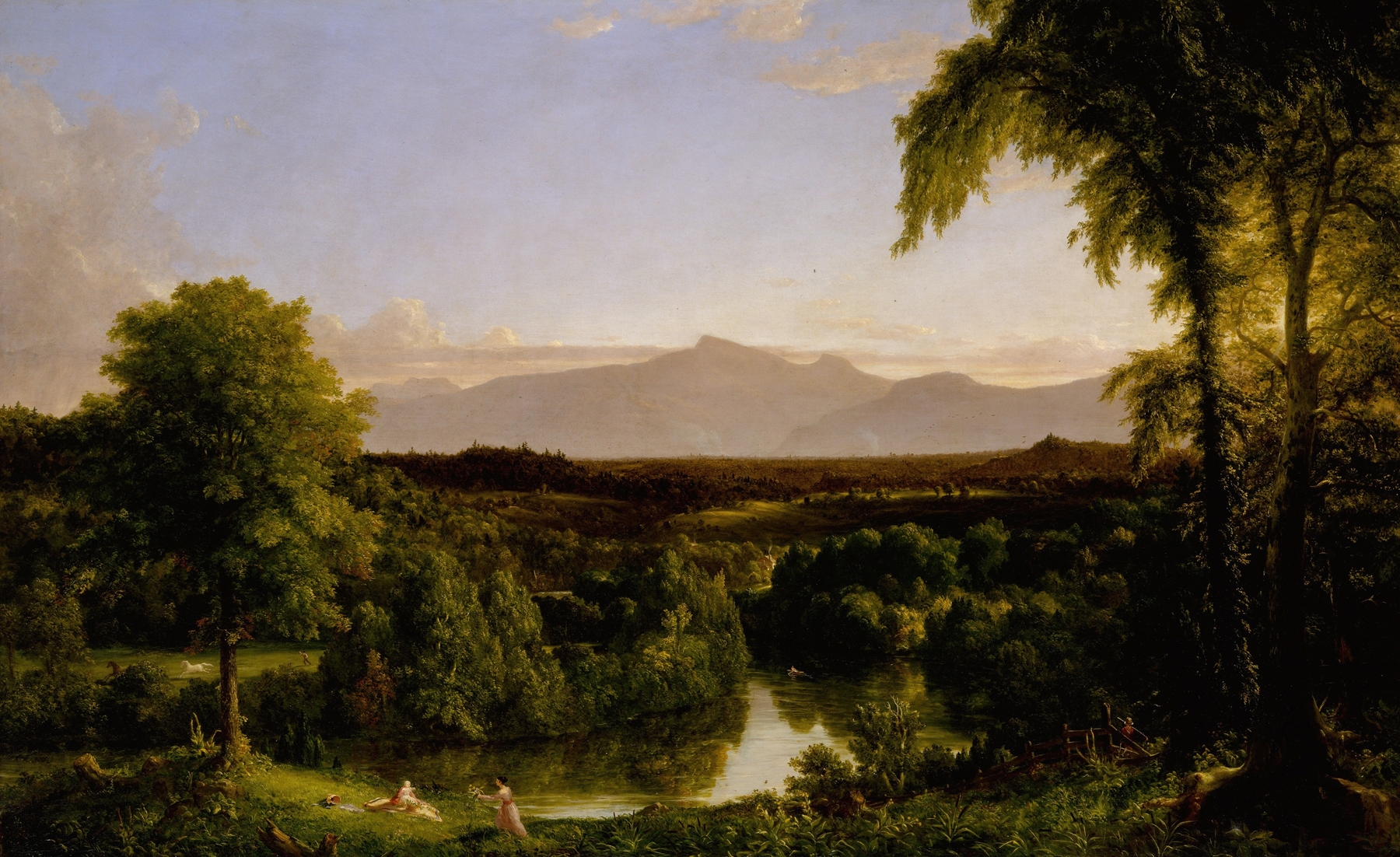
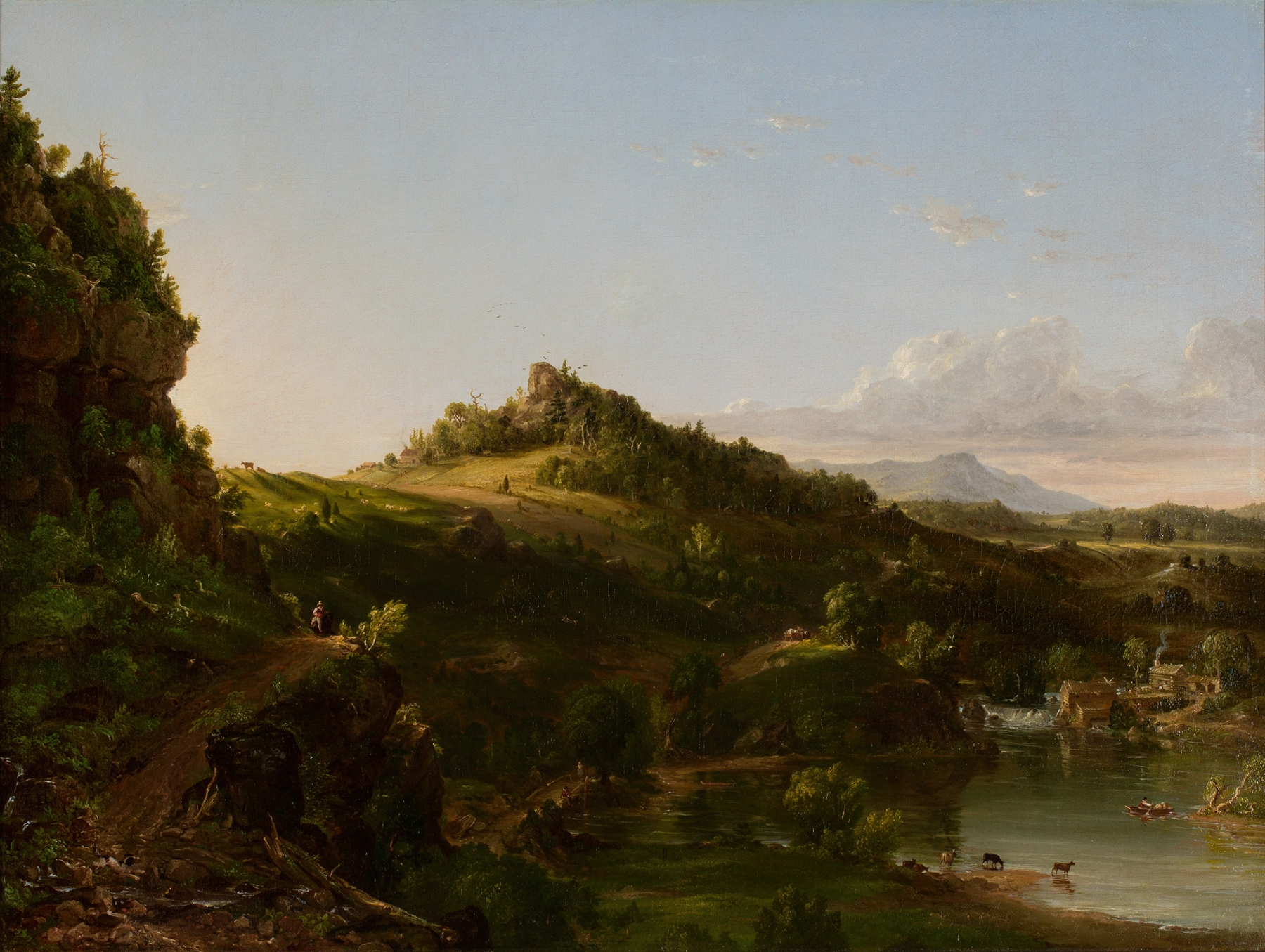
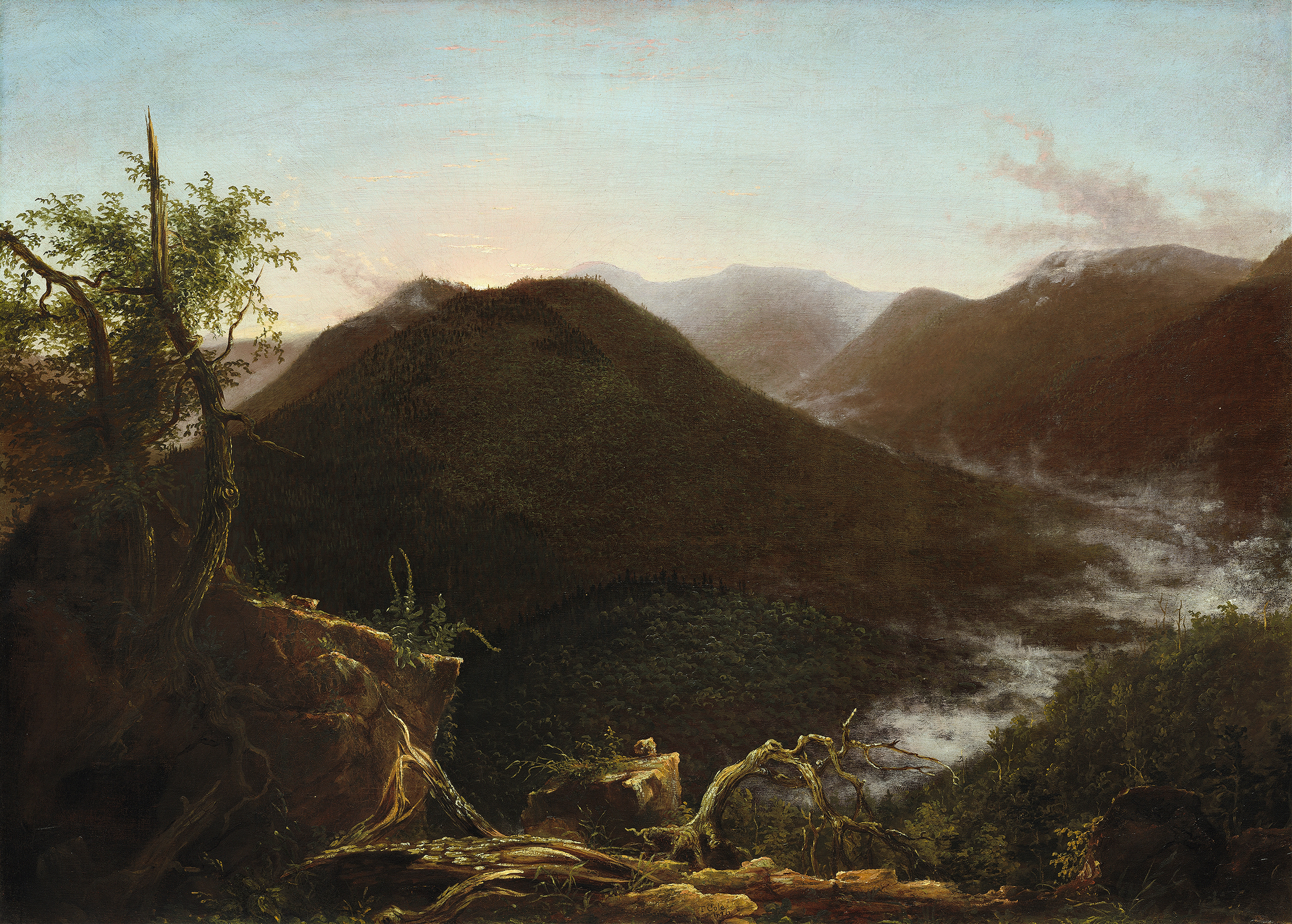
“Sometimes beauty is just pain, disguised in gold.” The gentle hues of dawn wrap the landscape in a tender embrace, hinting at the day’s potential while shadowing the night’s lingering sorrows. A quiet sense of awakening permeates this moment, suggesting both hope and introspection as nature casts off the veil of darkness. Look to the center of the canvas, where the sun breaks over the horizon, casting soft golden light that dances across the rolling hills. Notice how the artist meticulously layers warm yellows and cool blues, creating a stunning contrast that reflects the balance between light and darkness.
The foreground, lush with vibrant greens, invites the viewer to step closer, while the distant mountains loom, shrouded in mist, evoking a sense of mystery and depth. The emotional tension in the painting lies in this delicate interplay between serenity and the unknown. The brightness of the sunrise suggests a fresh start, yet the shadows clinging to the hills remind us of the past. The vibrant colors symbolize hope, but the vastness of the landscape can also evoke feelings of isolation and introspection, inviting viewers to reconcile their personal journeys with the beauty surrounding them.
In 1826, the artist painted this work during a period of profound change in American art, as Romanticism began to take hold. Living in the Catskills, he sought to capture the sublime beauty of nature as a reflection of the human spirit. This painting stands as a testament to his commitment to portraying the awe-inspiring landscapes of America, inviting viewers to both appreciate and ponder the natural world.