Cattle Market — History & Analysis
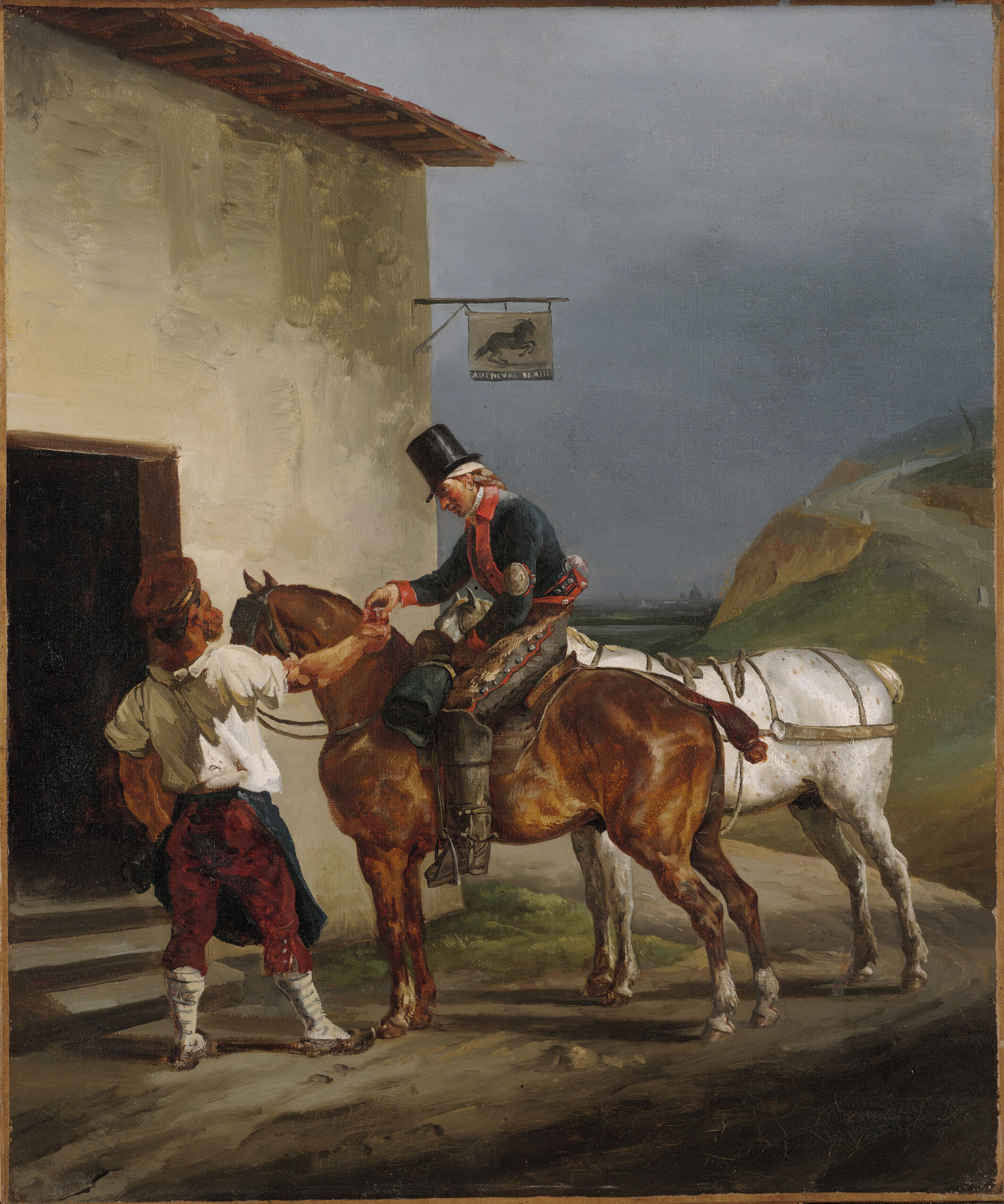
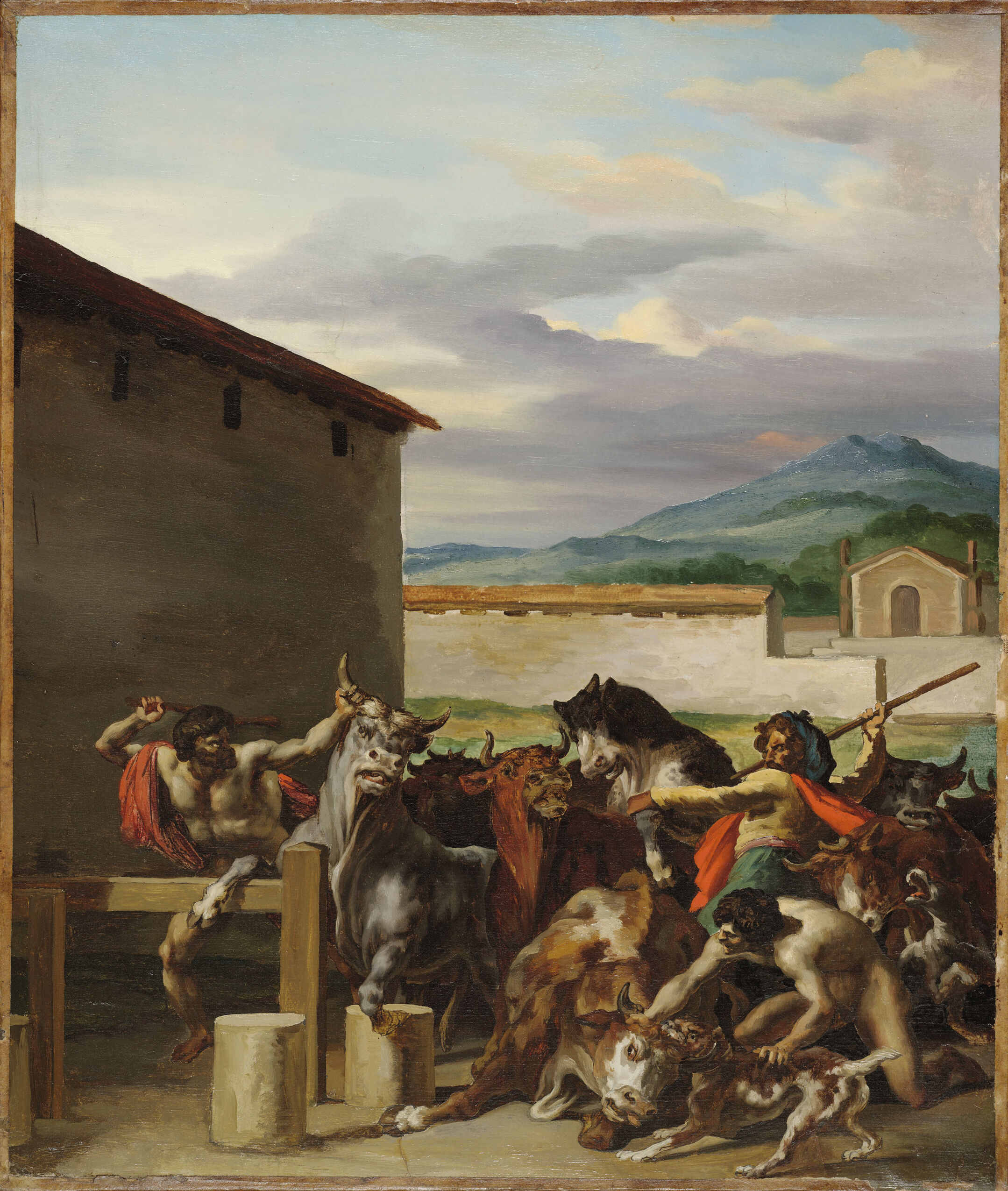
“To paint is to remember what time wants us to forget.” In the world of art, moments of ecstasy often reside within the most ordinary scenes, waiting to be summoned forth. Look to the left at the bustling figures, animated in their interactions. Géricault captures the essence of a lively market: the chaos of livestock and voices, rich earth tones contrasting with the sharp glint of sunlight reflecting off metal tools. The artist’s brushwork creates a sense of movement, as if the scene could leap from the canvas, immersing you in the very air thick with anticipation and fervor.
Notice how the foreground draws the eye; the farmers, their faces flushed with excitement and effort, bring a palpable energy to the tableau. Beneath the surface, the painting reflects a tension between prosperity and the fragility of life. The crowded market hints at the struggles of the agricultural classes amidst the socio-political changes of early 19th-century France. Each figure, though filled with passion, embodies the weight of their labor, juxtaposing joy with the somber reminder of their dependency on the land and livestock.
The cattle stand as silent witnesses, symbolizing both sustenance and the relentless cycle of commerce and nature. During the years of 1818-1819, Géricault was deeply engaged in exploring human emotion and the raw essence of life through his art. Living in Paris, he was influenced by the Romantic movement, which sought to express the tumultuous feelings of the age. This painting emerged from a time of personal and societal tumult, reflecting the artist's desire to capture both the ecstasy and the struggle of existence.