Paysage italien au tombeau — History & Analysis
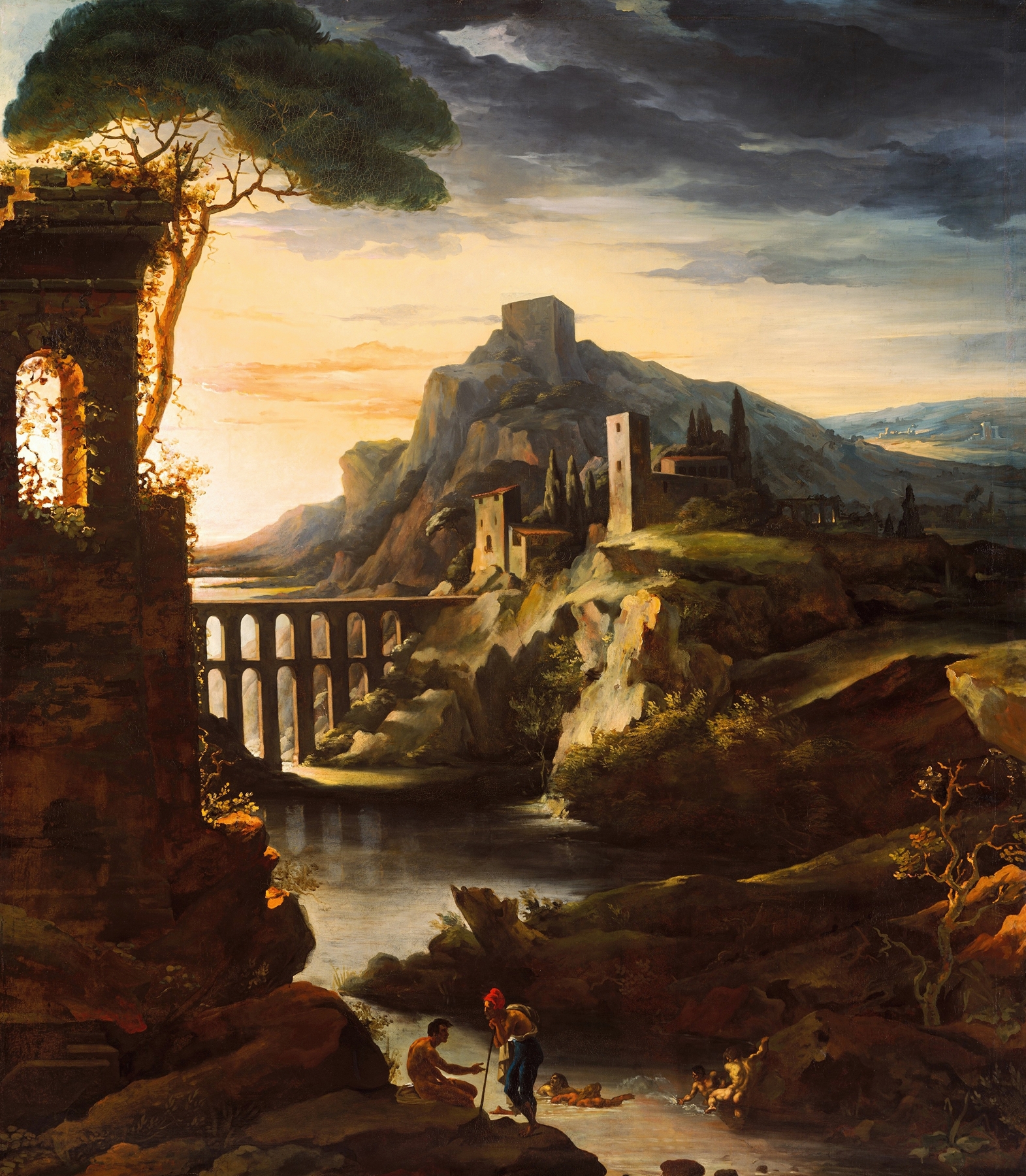
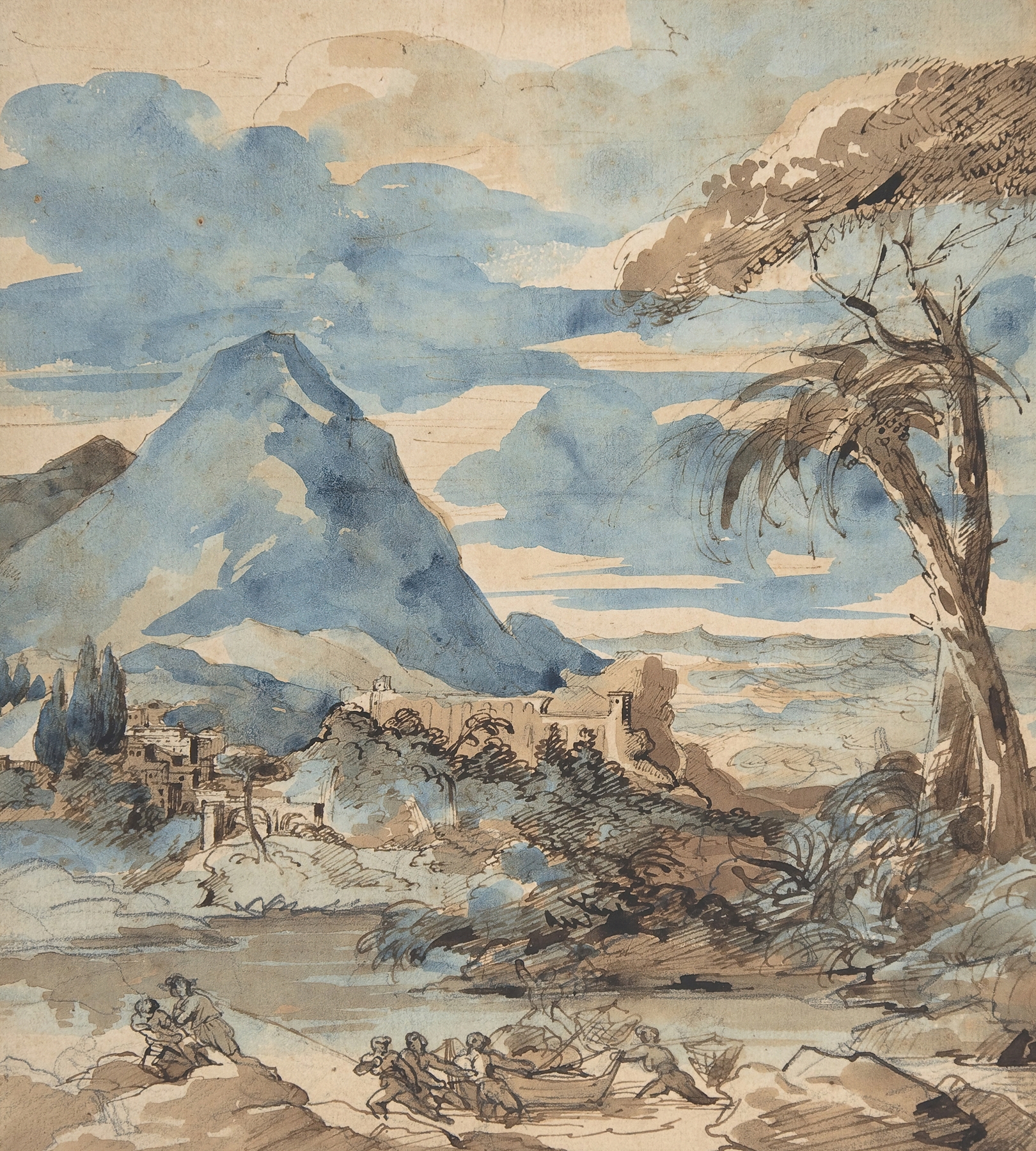
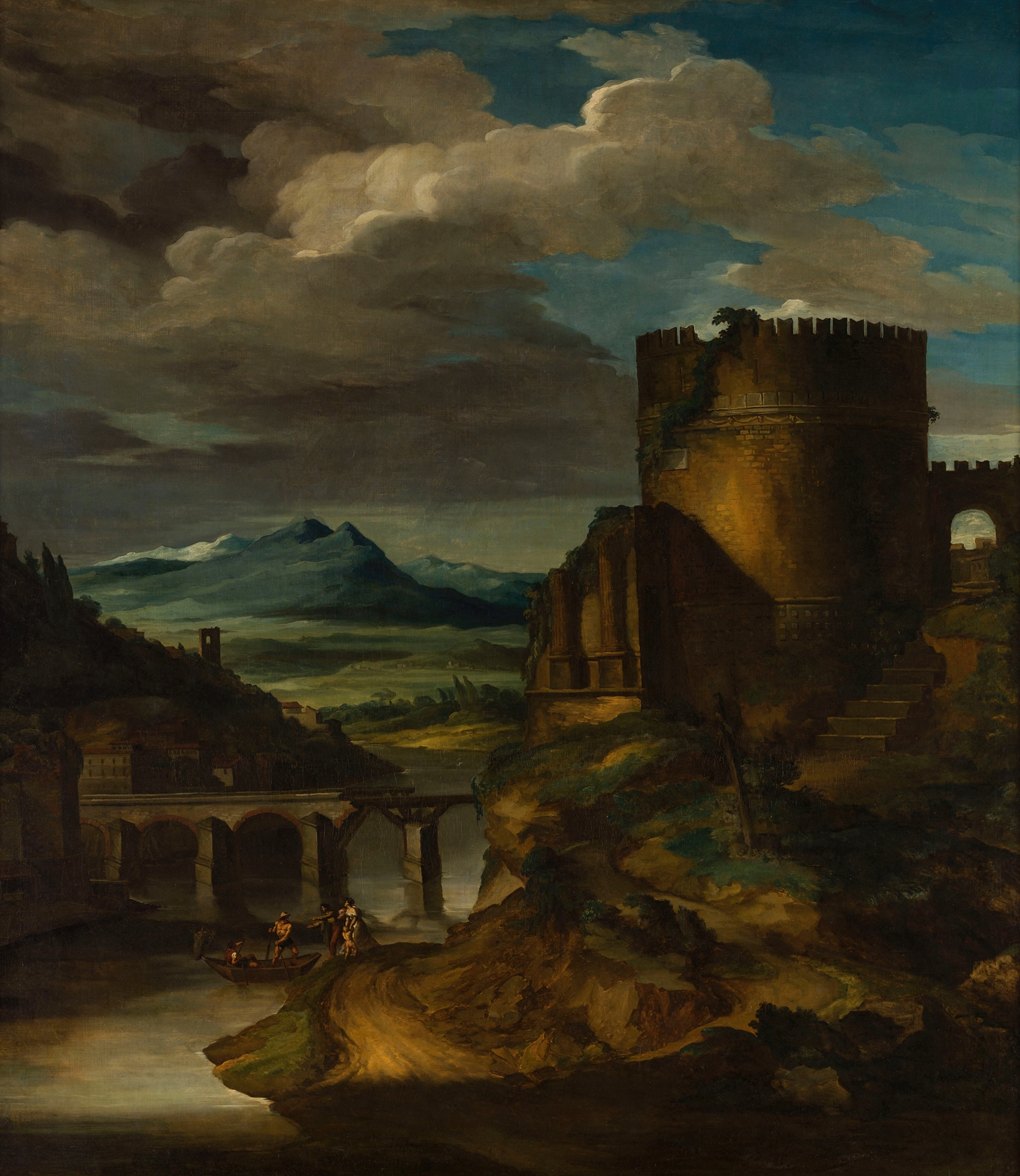
Can paint confess what words never could? In Paysage italien au tombeau, we are invited to experience a world where illusion and reality intertwine, transcending verbal expression. Look to the center of the canvas, where a solitary tombstone emerges from lush, undulating hills. The deep greens and earthy browns are punctuated by soft, golden light that captures the moment just before dusk, casting a warm glow over the landscape.
Notice how Géricault skillfully employs chiaroscuro to create depth, with shadowed valleys contrasting against the radiant sky, drawing your gaze towards the horizon and evoking a sense of longing. Hidden within the serene beauty lie layers of emotional tension. The tombstone, though a symbol of mortality, is cradled by nature’s vibrant embrace, suggesting a harmony between life and death. The lushness of the landscape acts as a reminder of time's passage, emphasizing the fleeting nature of existence.
This juxtaposition of beauty and transience invites contemplation on the illusions we create about permanence and our place within the cycle of life. In 1818, while Géricault painted this work in France, he was immersed in the early Romantic movement, exploring themes of emotion, nature, and the sublime. The artist had recently gained recognition for his groundbreaking composition, The Raft of the Medusa, but he continued to seek inspiration in landscapes that blended reality with vivid imagination, ultimately shaping his legacy as a master of emotive visual storytelling.