Portrait of a Young Man — History & Analysis
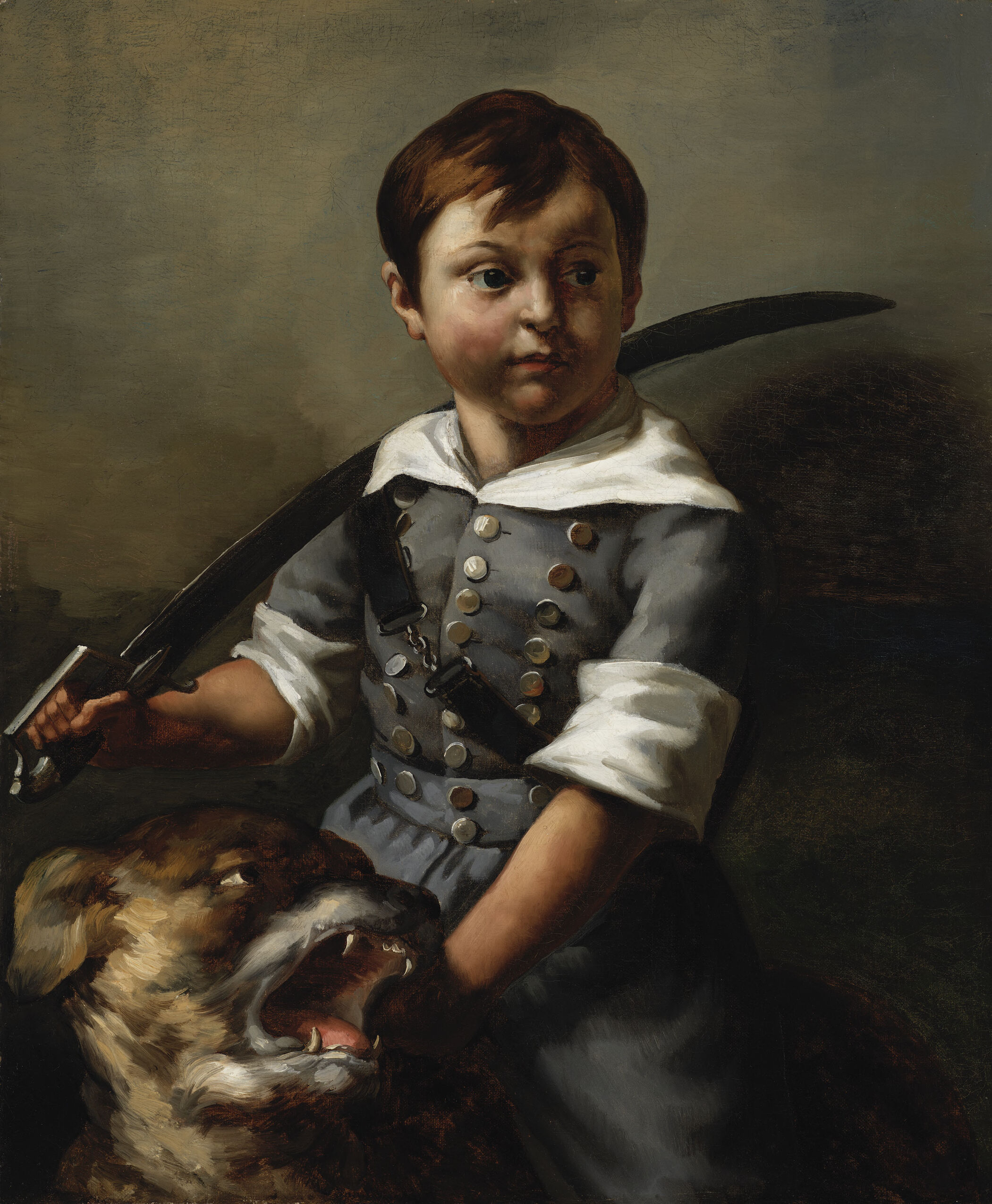
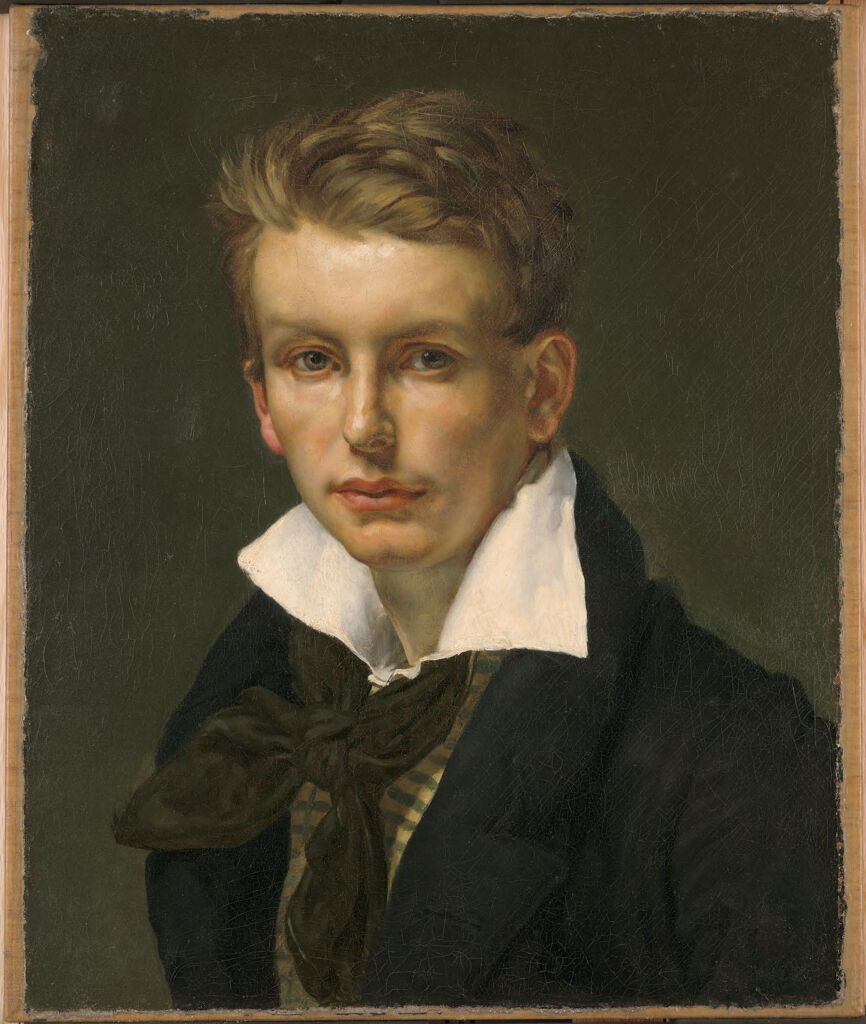
Did the painter know this moment would outlive them? In Portrait of a Young Man, that flicker of life seems to reach out from the canvas, beckoning us to explore the depths of its emotional resonance and the themes of rebirth intertwined with youth. Focus on the young man's gaze, compelling and introspective, as it draws you in with an intensity that feels deeply personal. Notice how Géricault skillfully employs a dark, muted palette that contrasts against the luminescent glow of the subject's skin, highlighting the youthful vitality that permeates the composition.
The delicate handling of light creates a gentle chiaroscuro, revealing the contours of his features while also enveloping him in a mysterious aura, suggesting untold stories and dreams yet to be realized. As you observe the subtle nuances of expression, a sense of melancholy and hope emerges. The slight curve of his lips hints at a past filled with sorrow, while his bright eyes seem to gaze toward an optimistic future. This duality of emotion—a tension between vulnerability and strength—invites the viewer to ponder the fleeting nature of youth and the rebirth that comes with every new dawn.
The juxtaposition of shadows and light serves as a metaphor for life's transient moments, reminding us of the fragile balance between despair and renewal. Géricault created this portrait around 1822-1823, during a time when he was gaining recognition in the art world. He was influenced by the Romantic movement, focusing on the human experience and emotional expression. The artist, known for his ability to capture the intensity of life, likely sought to convey a sense of individuality and timelessness in this work, reflecting the broader themes of human existence that resonate across generations.