Sailboat on a Raging Sea — History & Analysis
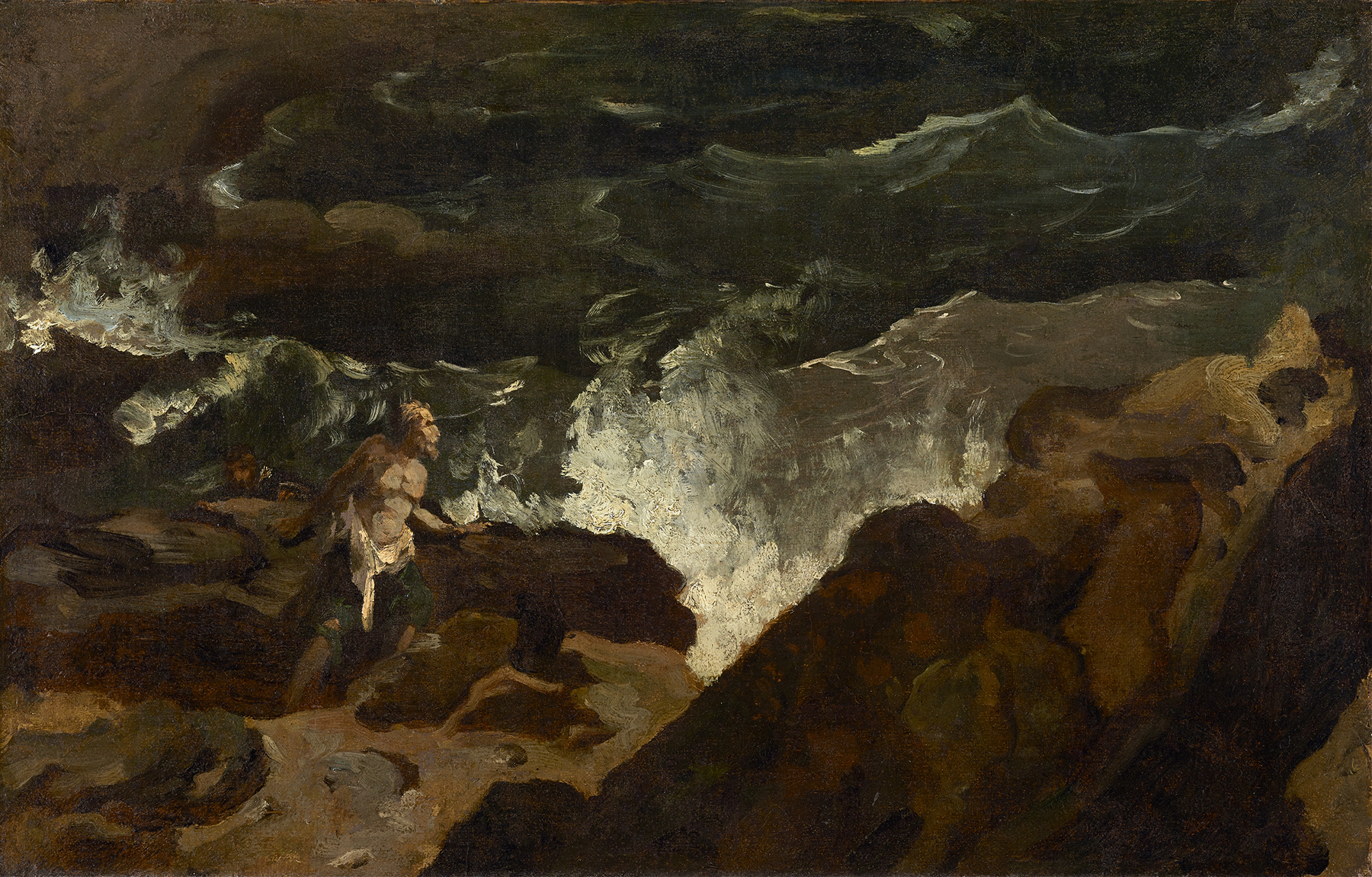
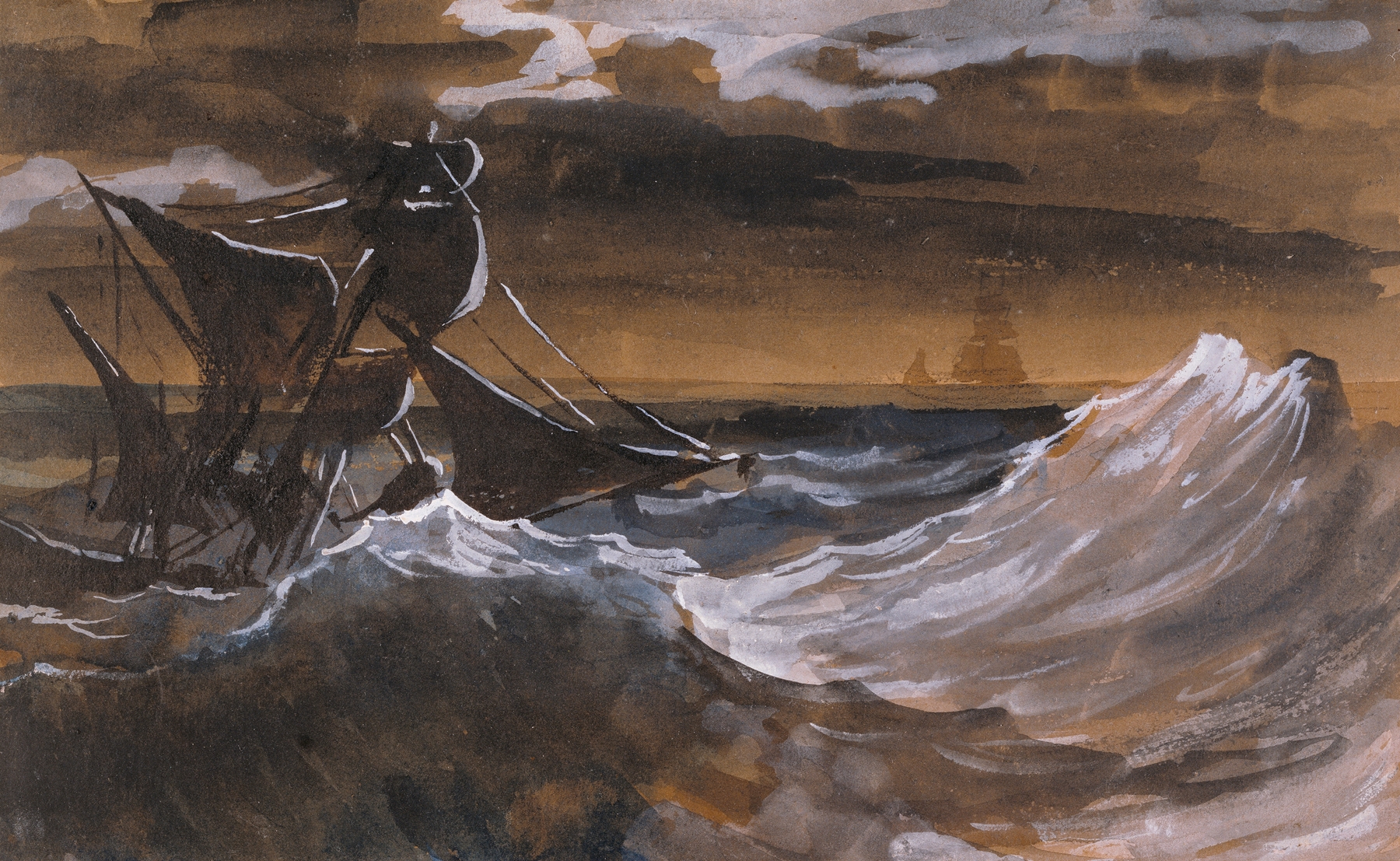
“To paint is to remember what time wants us to forget.” The void between the artist’s brush and the canvas speaks of fragility amidst chaos, where nature’s fury meets the human spirit’s resilience. Focus first on the turbulent waves, rolling with a life of their own, approaching the viewer with a palpable intensity. The sailboat, central yet dwarfed by the enormity of the sea, wrestles against the electric blue and deep greens that convey both motion and turmoil. Notice how Géricault employs bold brushstrokes to create a sense of urgency, the white froth of the waves contrasting starkly with the dark hull of the ship, hinting at both peril and determination.
In the cacophony of the raging sea, psychological tensions emerge. The boat, a vessel of hope, clings to survival amidst the void of the ocean, representing humanity's struggle against insurmountable odds. The contrasting colors echo a deeper emotional interplay: the vibrancy of life against the inevitability of death, and the precariousness of existence that defines the human experience. Each detail, from the twisting sails to the churning water, invites contemplation of fate and fear.
During the years 1818–1819, Géricault was deeply influenced by the Romantic movement, emphasizing emotion and the sublime in nature. Working in Paris, he was a young painter experimenting with themes of struggle and heroism, informed by contemporary events such as shipwrecks and the power of the sea. This period marked a shift toward exploring the darker aspects of human existence, capturing both beauty and despair in a single frame.