The White Horse Tavern — History & Analysis
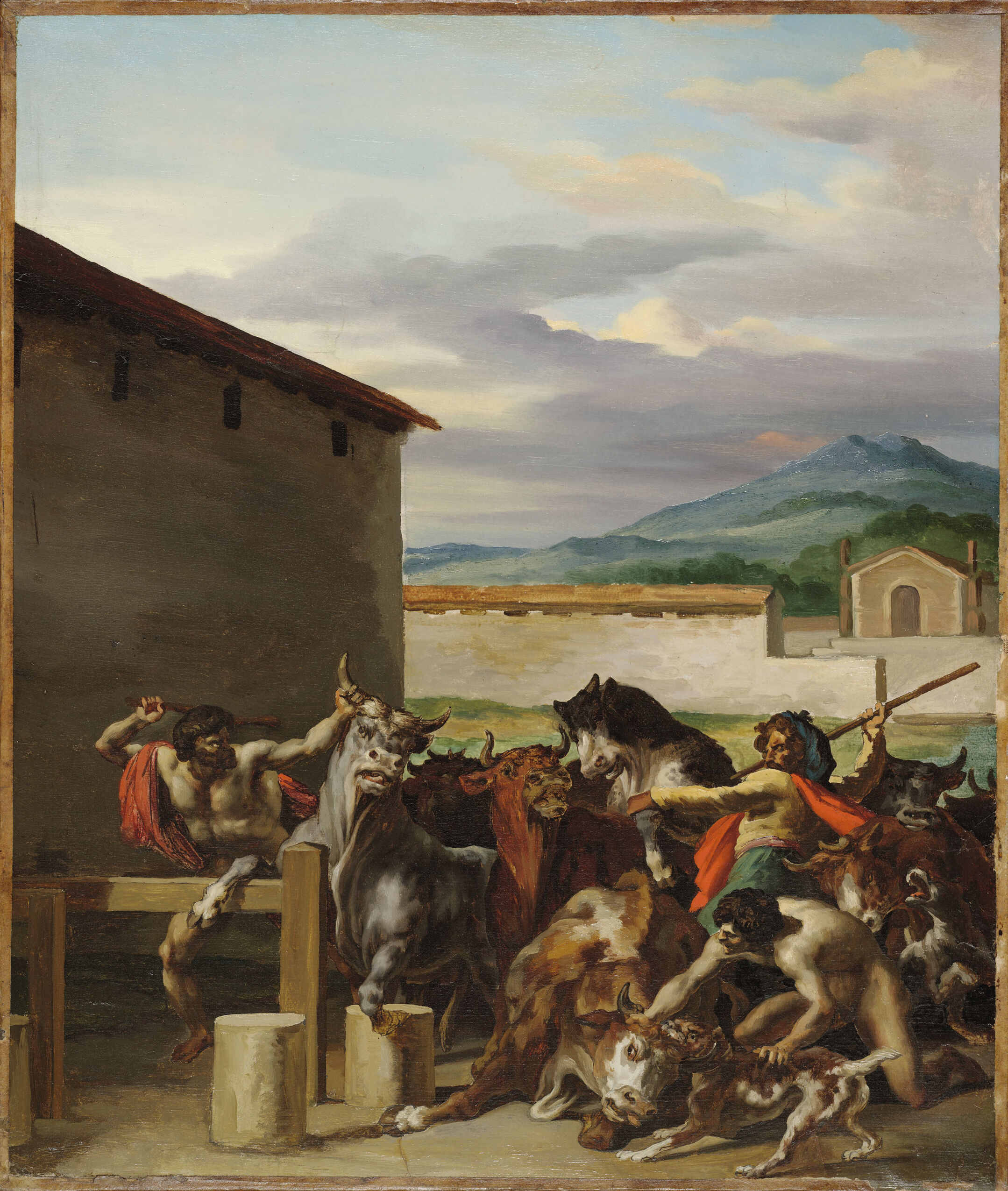
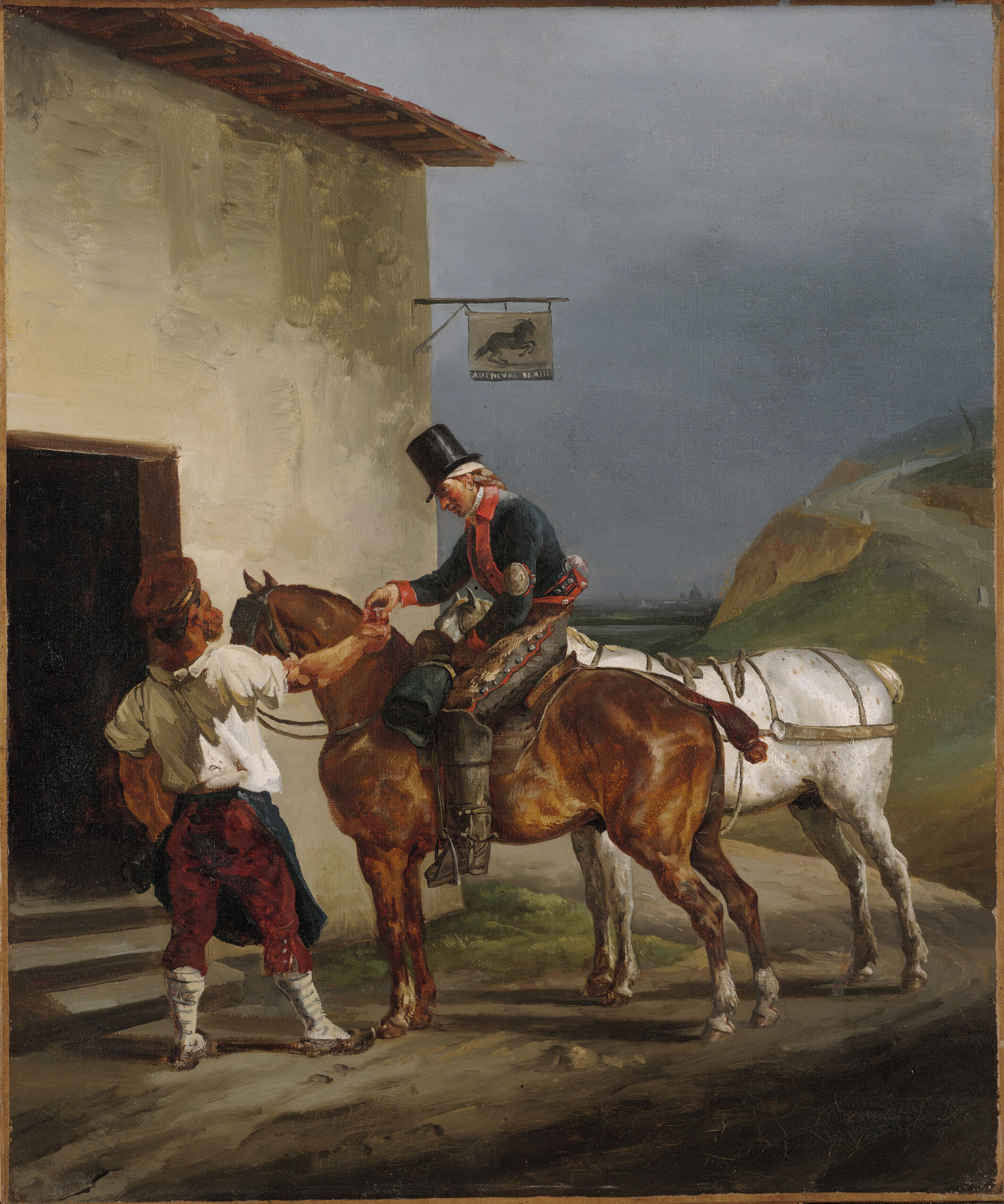
Can paint confess what words never could? The brushstrokes of The White Horse Tavern whisper the unspoken narratives of life, capturing a moment where stories intertwine and legacies are forged. Look closely at the gathering in the tavern; notice how the figures emerge from the shadows, their postures a mix of camaraderie and contemplation. The warm glow of candlelight dances on their faces, revealing a spectrum of emotions — laughter mingles with the weight of unvoiced fears.
The deep, earthy tones of the wooden interior contrast vividly with the bright white of the horse, symbolizing not just a place, but a haven for dreams and conflicts alike. Among the painted details, the horse stands as a striking symbol of freedom and burden, evoking the duality of human existence. The tension between the lively figures and the stillness of the animal hints at the balance between aspiration and reality. Each character's subtle expression reflects personal histories that resonate beyond the canvas, suggesting that every gathering carries its own legacy, an echo of shared experiences and unseen struggles.
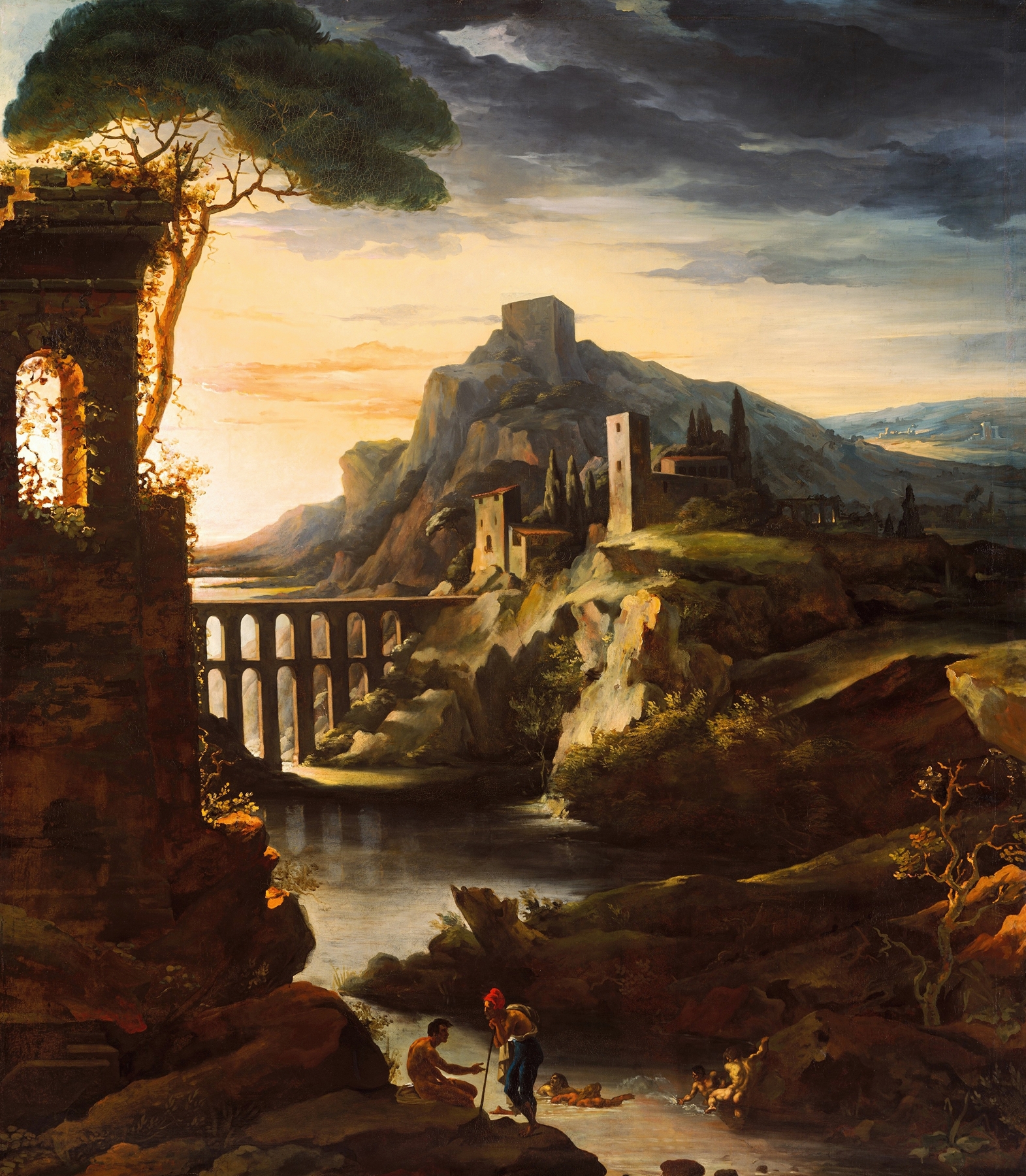
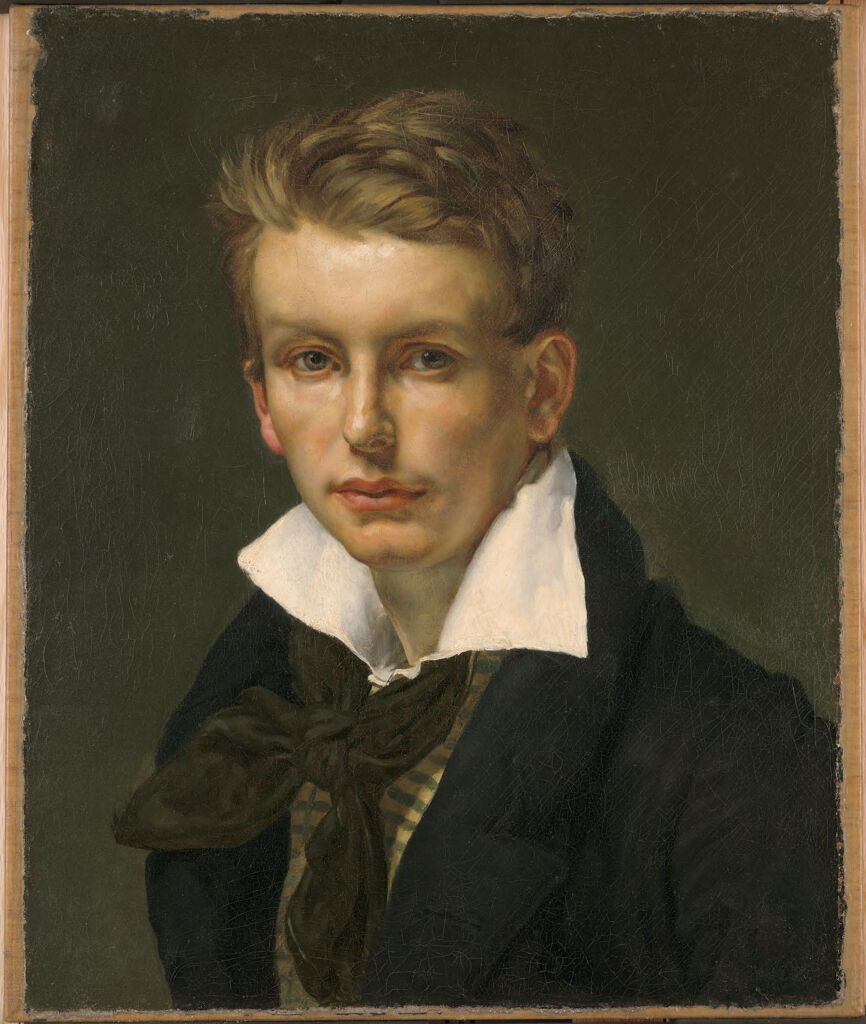
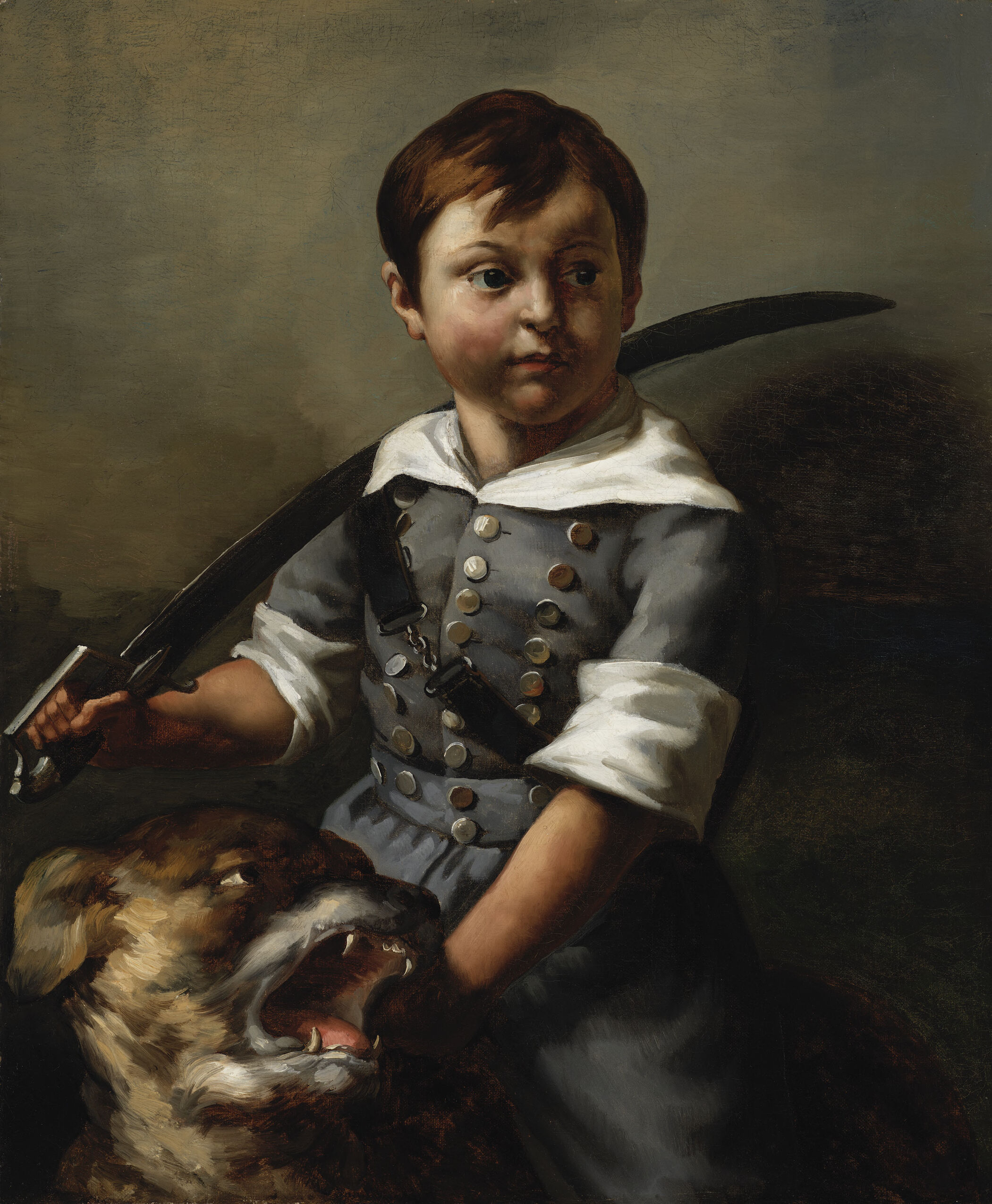
During the years 1821-1822, Géricault painted this work in Paris, a city teeming with artistic innovation and political upheaval in the wake of the Napoleonic Wars. At this time, he was grappling with his own legacy, having recently gained acclaim for The Raft of the Medusa. Engaged with themes of human emotion and social commentary, he sought to reveal both the grandeur and the plight of everyday life, capturing the essence of the human condition in an era of transformation.