Cemetery and rectory in Kochel — History & Analysis
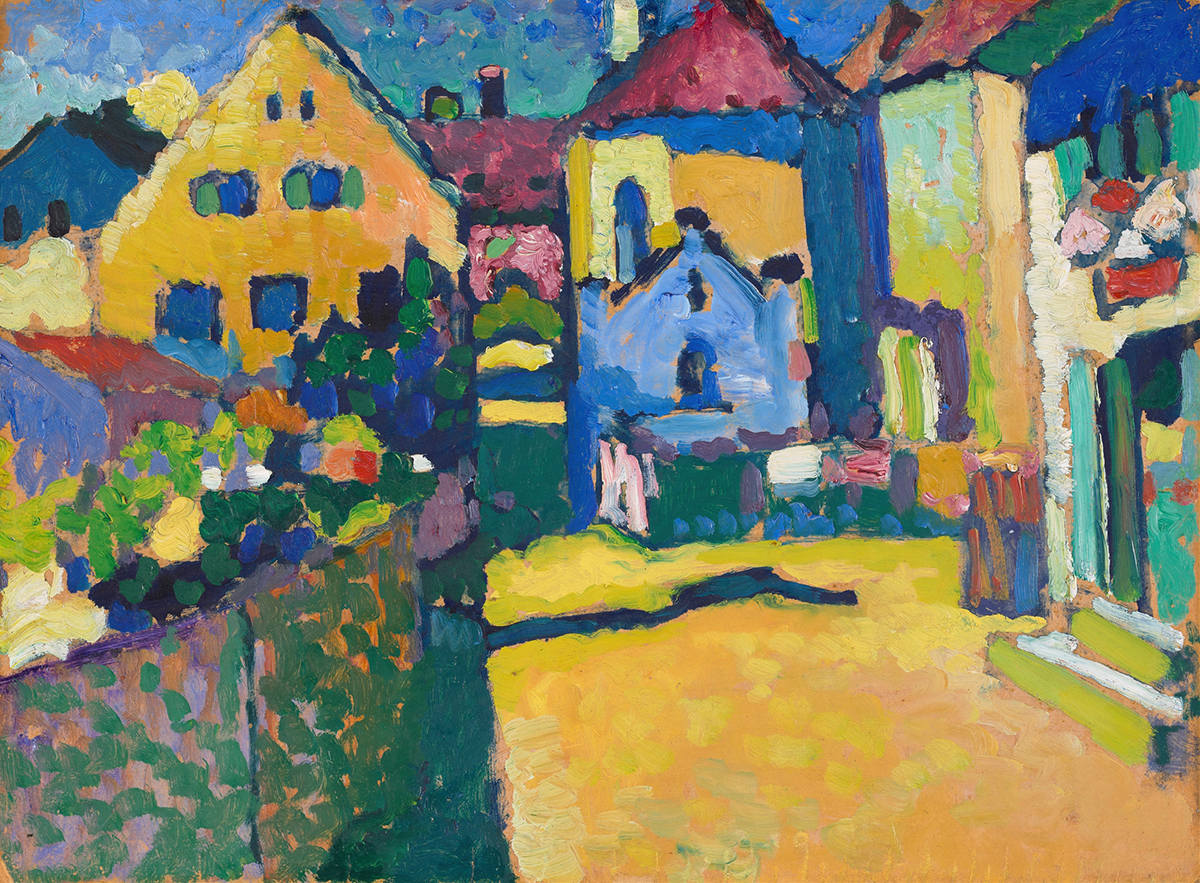
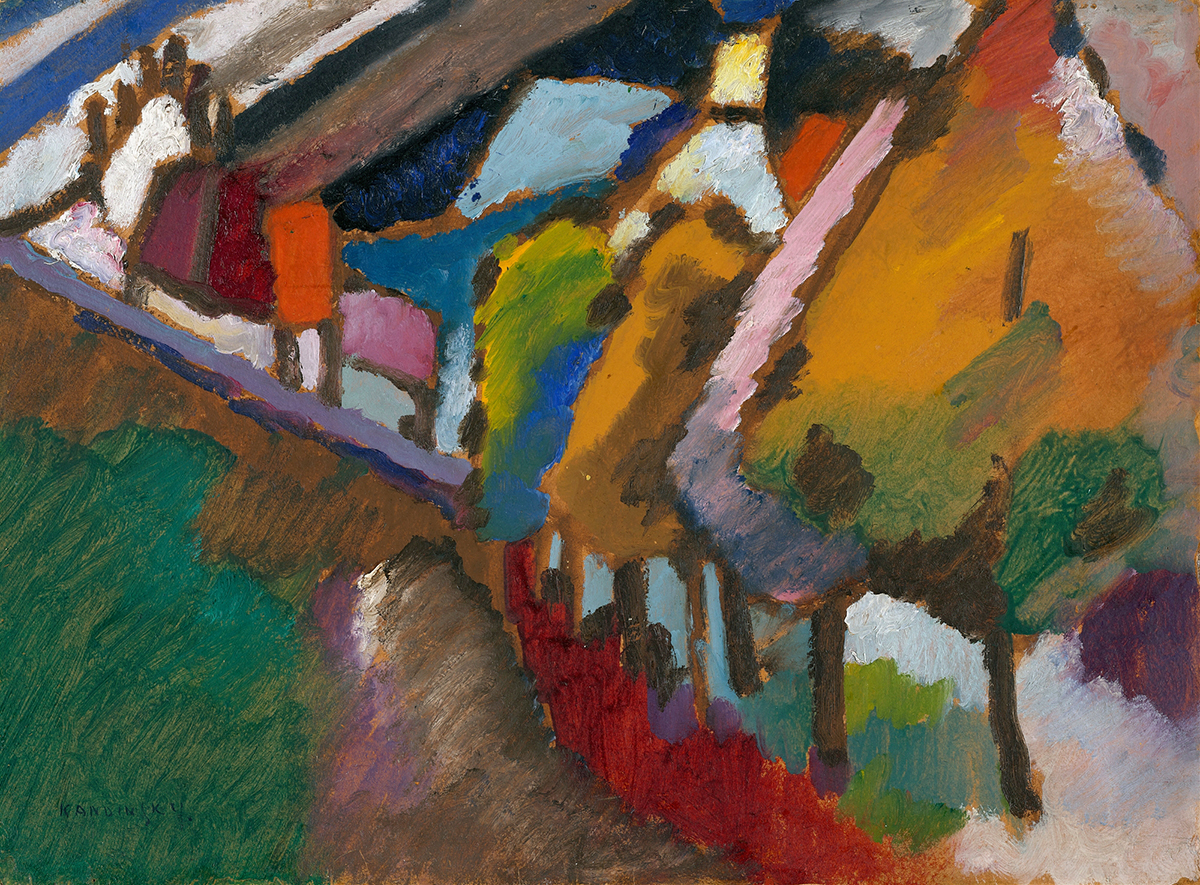
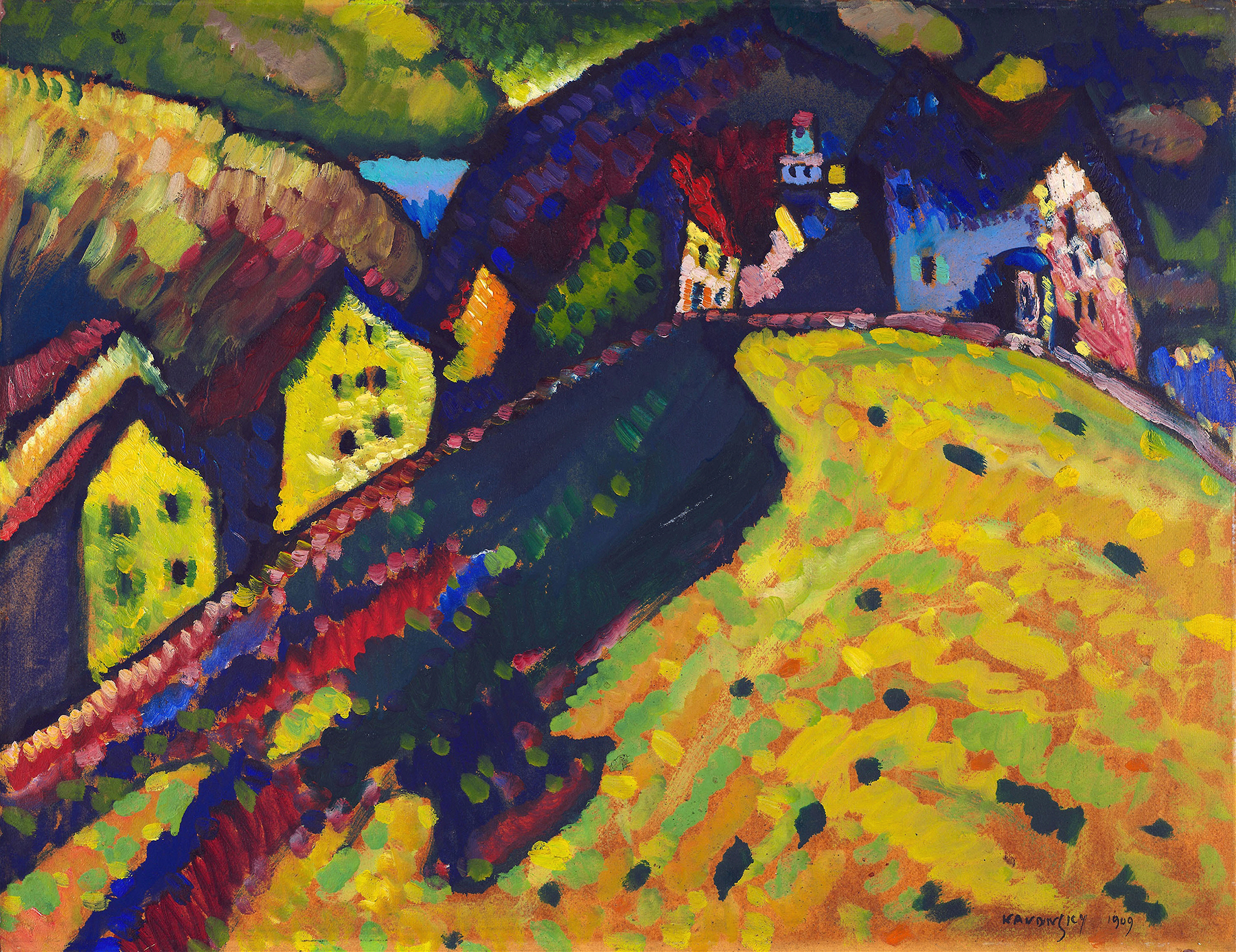
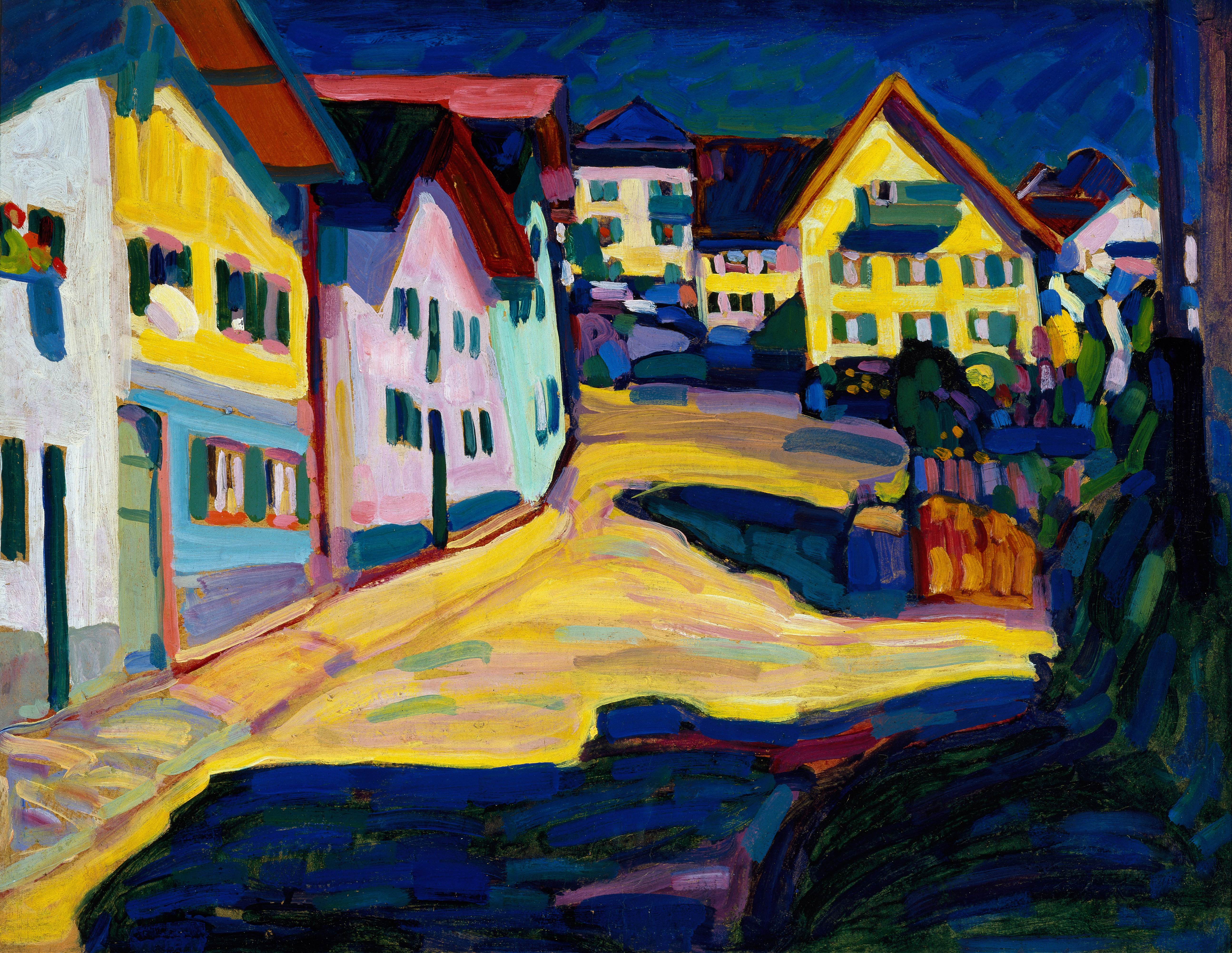
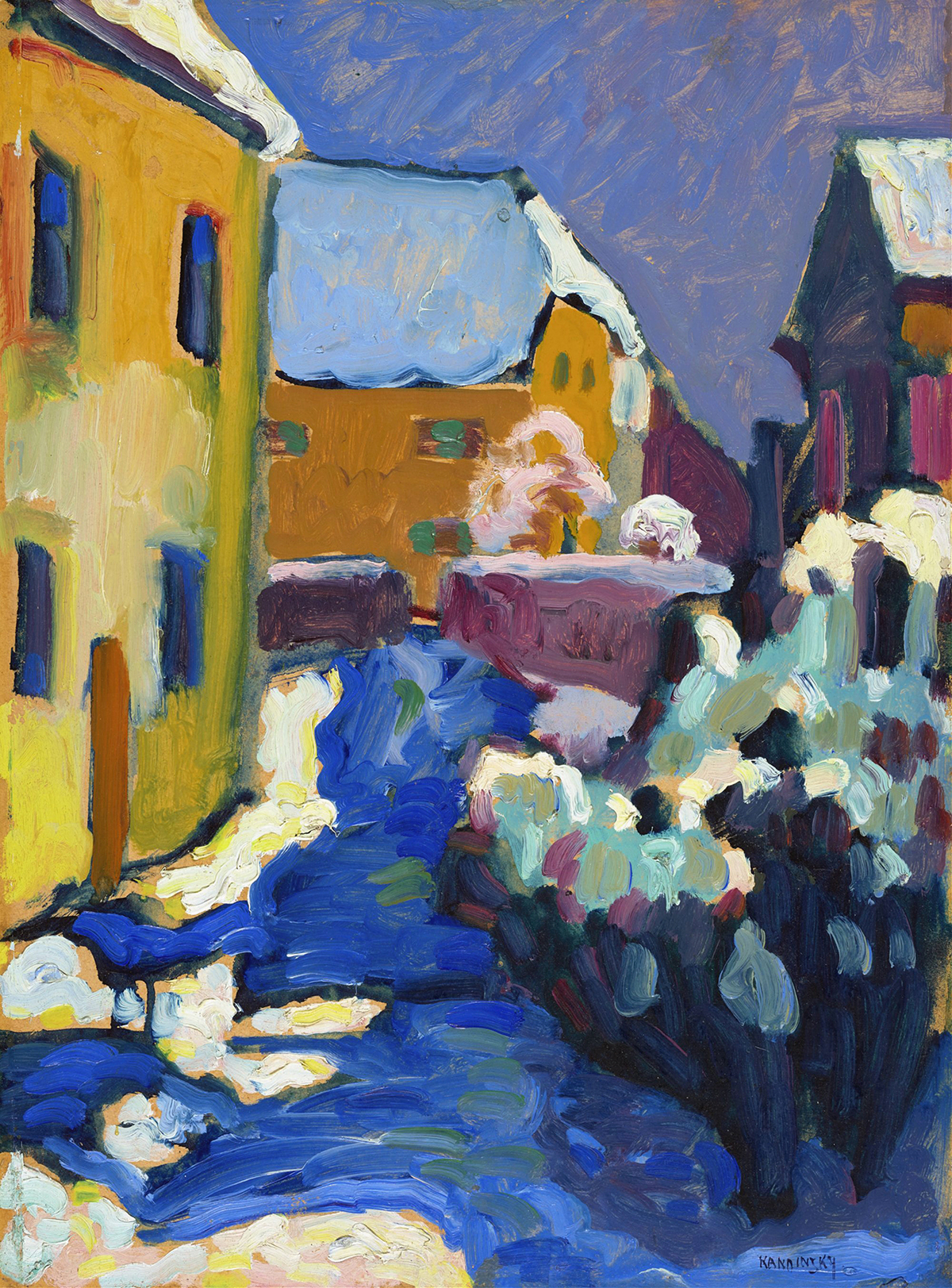
Can paint confess what words never could? In Cemetery and Rectory in Kochel, the layers of color and shape tell a story of decay and renewal, intertwining life's impermanence with a yearning for transcendence. Look to the left at the crumbling gravestones, their muted hues of gray and brown speaking volumes about what once was. Notice how the rectory stands in contrast, its warm ochres and vibrant greens suggesting a flicker of life amidst the stillness.
The composition draws the eye upward, from the earthbound gravestones to the bright sky, using diagonal lines to create dynamic tension, as if the viewer is caught between the weight of the past and the promise of the future. Delve deeper into the emotional undertones: the juxtaposition of death and daily life creates a poignant duality. The flicker of light breaking through the clouds hints at hope, while the looming presence of the cemetery evokes melancholy. Each brushstroke encapsulates a dialogue between sorrow and serenity, challenging the viewer to reconcile their relationship with both time and space.
In 1909, Kandinsky painted this work during a period marked by both personal upheaval and an artistic awakening. Living in Munich, he was at the forefront of the avant-garde movement, exploring the intersection of abstraction and spirituality. As he grappled with his own artistic voice, the themes of decay versus renewal began to emerge, capturing the zeitgeist of an era on the brink of modernity.