Houses at Murnau — History & Analysis
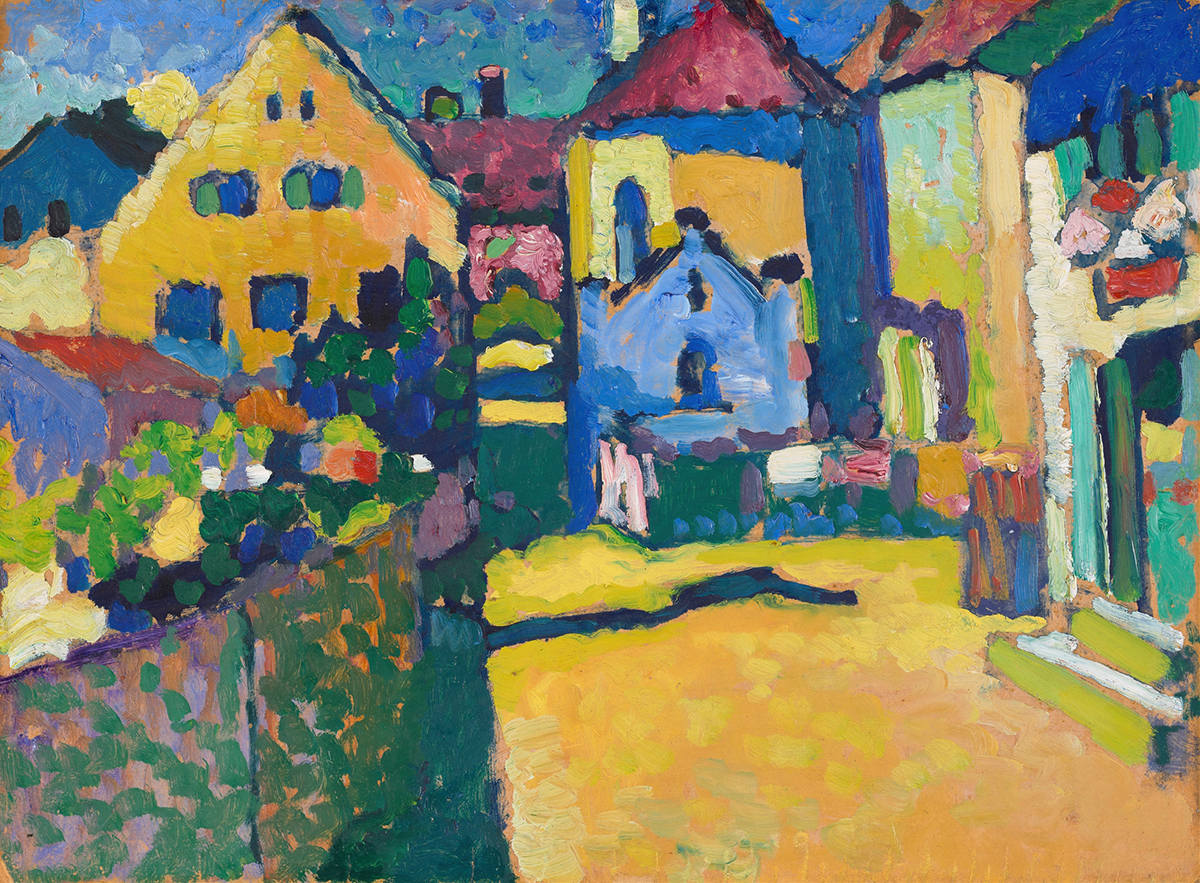
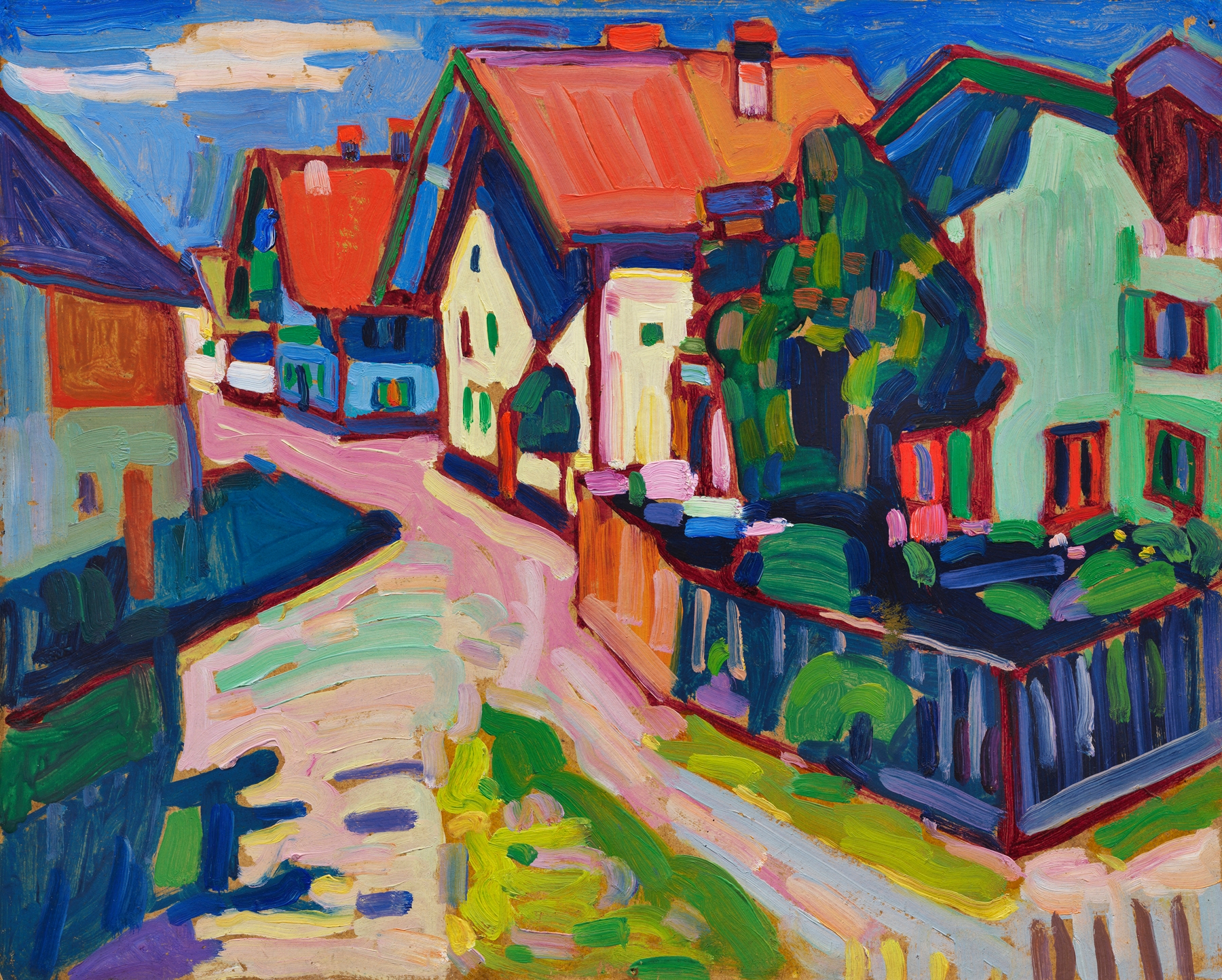
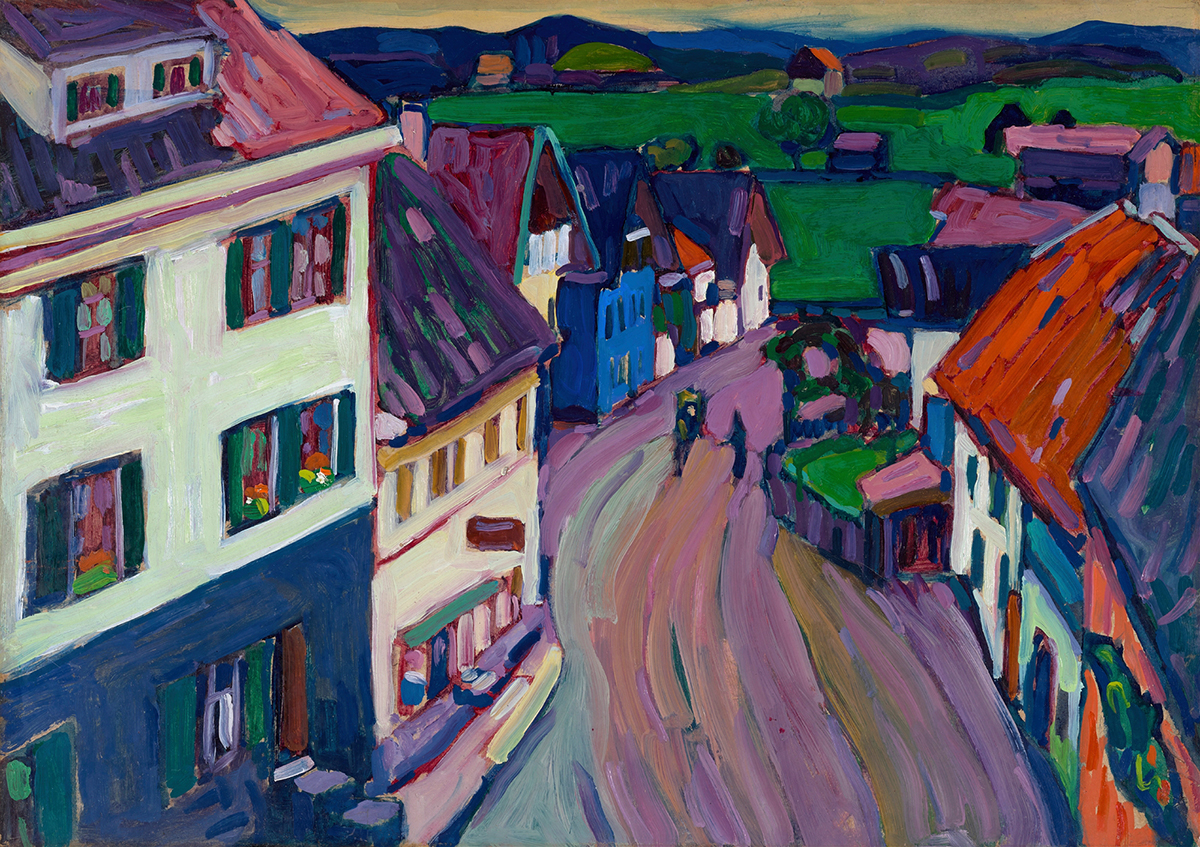
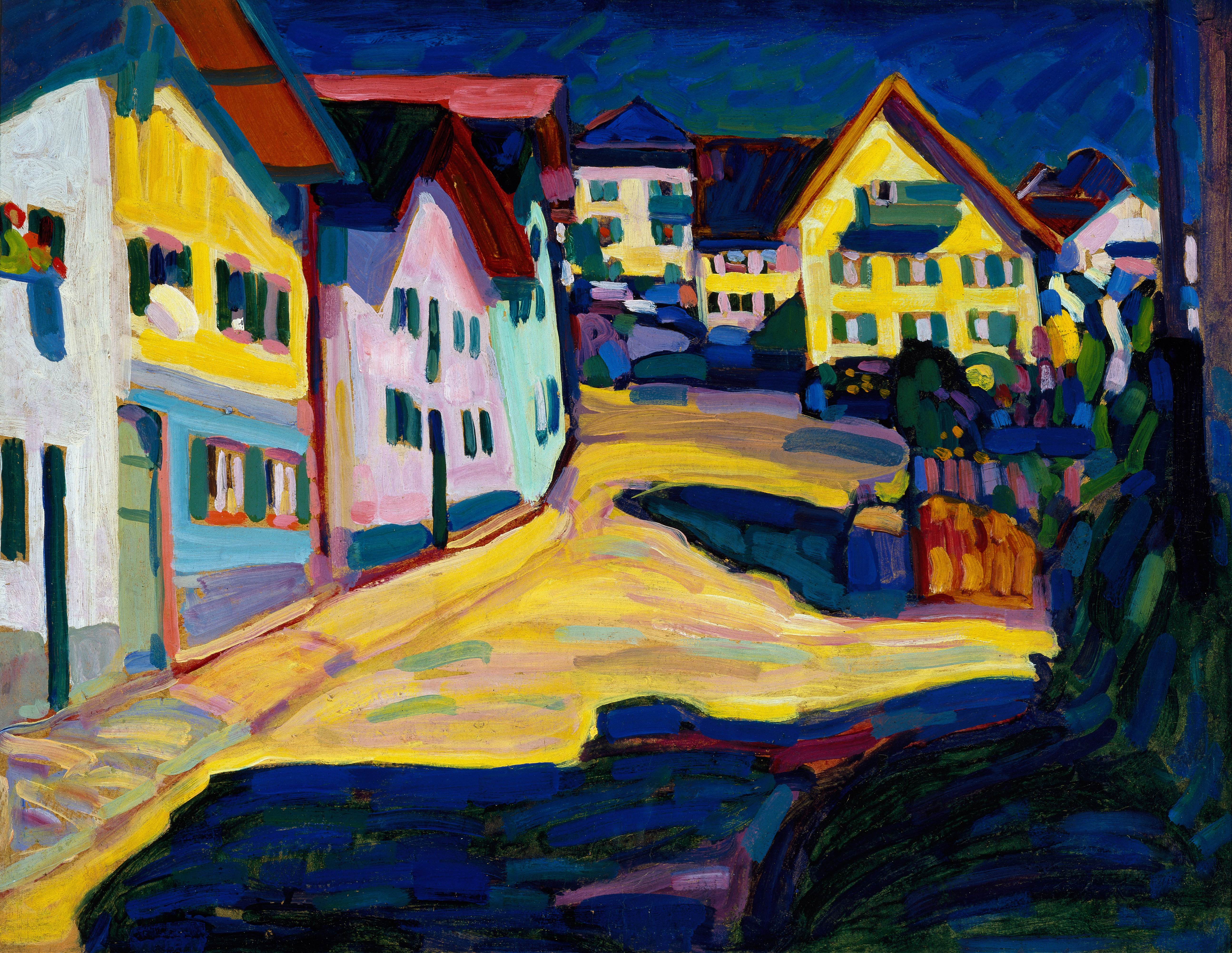
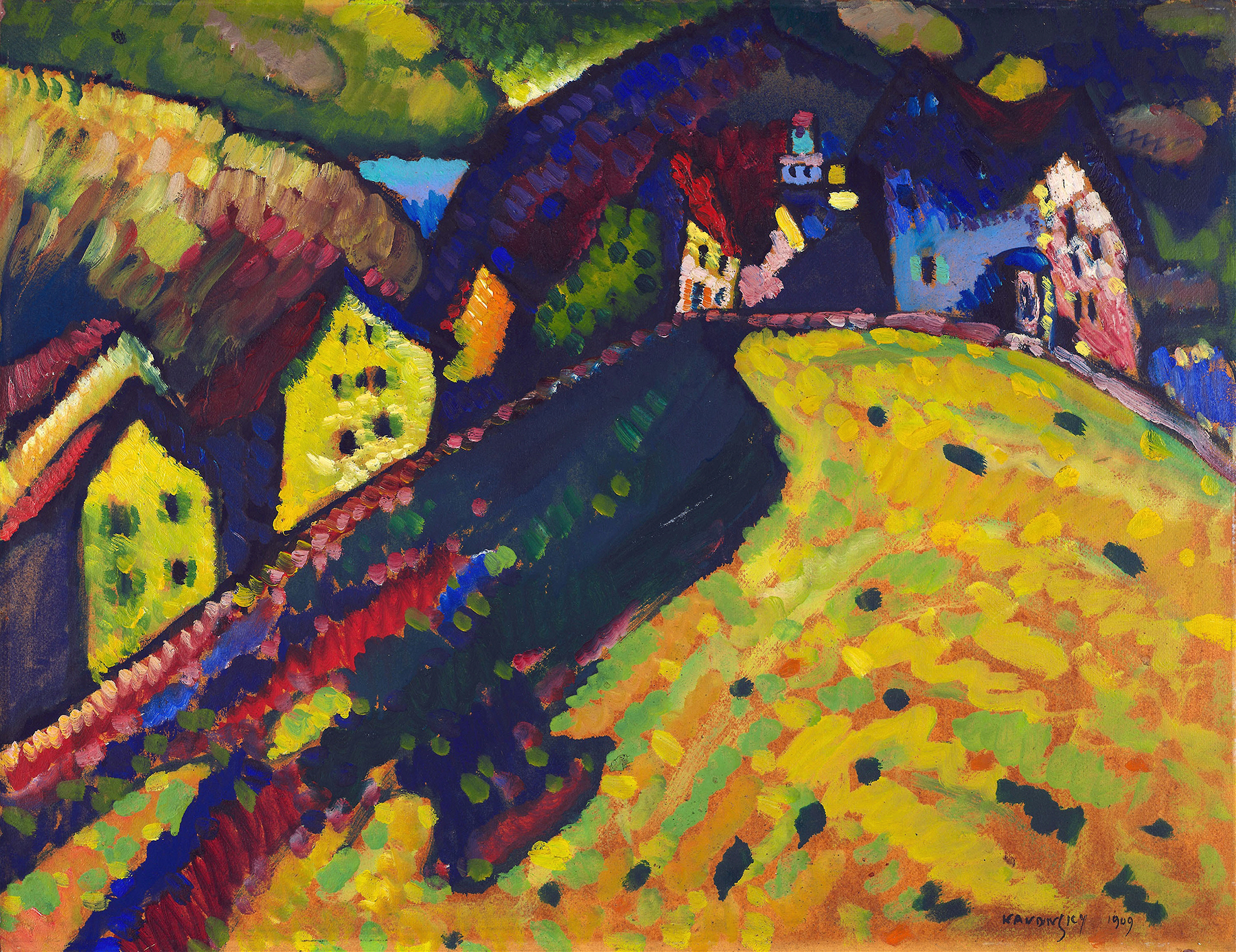
“Every silence here is a confession.” In the stillness of Houses at Murnau, the layers of creation echo with the essence of a transformative moment in art history. This piece invites deep reflection on the interplay between structure and emotion, challenging our perceptions of reality through color and form. Look to the left, where bold strokes of blue and earthy tones merge to form the quaint houses. Notice how the angular rooftops stretch towards the sky, painted with a vibrant palette that pulls your gaze across the canvas.
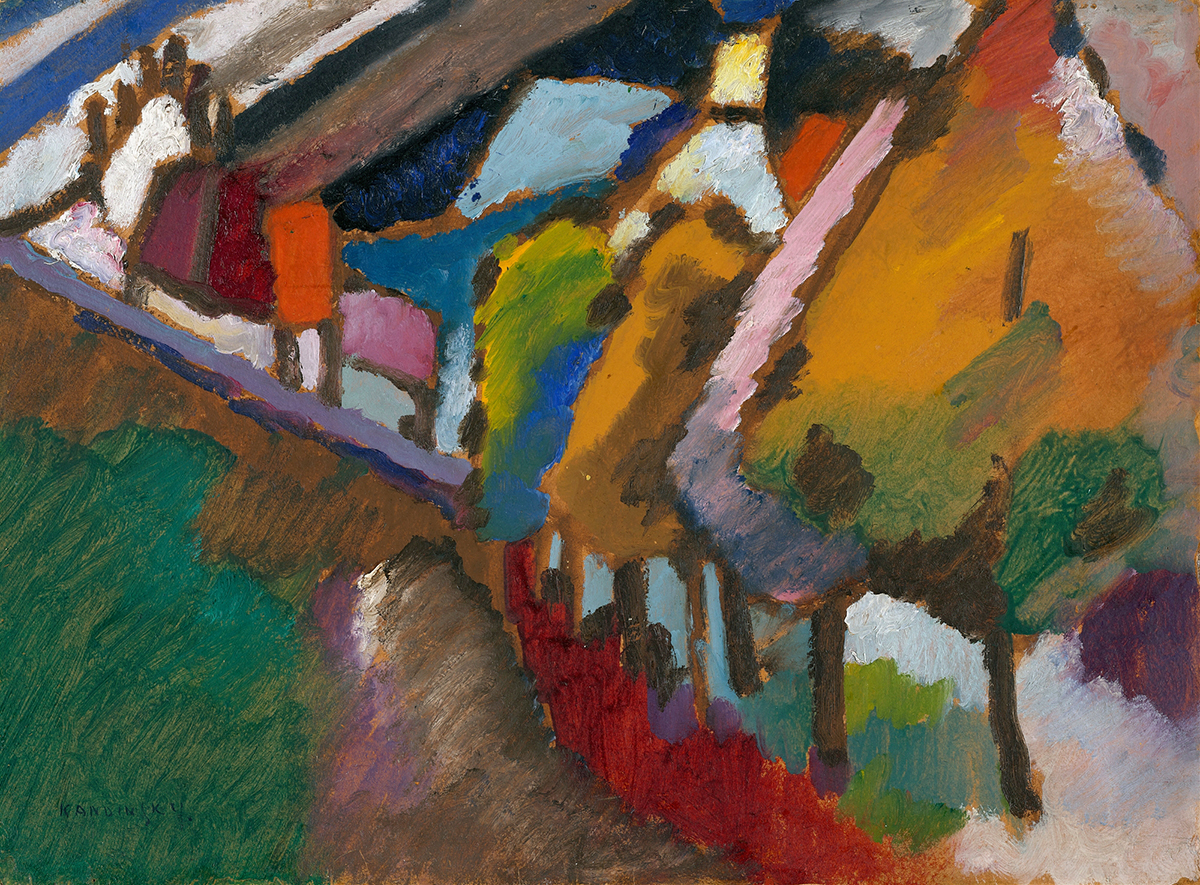
The contrasting shades—warm yellows against deep indigos—create a dynamic tension that breathes life into the scene. Kandinsky's use of geometric shapes and flowing lines captures not just architecture but the spirit of a place pulsating with vitality. Hidden beneath the surface lies a rich emotional tapestry; the harmony of colors reflects not only a tranquil village but also the artist’s inner turmoil. The juxtaposition of rigid structures with fluid brushwork suggests a clash between order and chaos.
Each color choice seems to whisper secrets about the connection between the artist’s personal experiences and the world around him, revealing a longing for freedom and expression. In 1909, Kandinsky was living in Munich, a hub of artistic innovation. This period marked a pivotal point in his career, as he began to break free from traditional representation, embracing abstraction and exploring color theory. Amidst the burgeoning avant-garde movement, this work signifies not just a moment of creation but a step towards a new language in art, fundamentally reshaping how we perceive the world.