Green Lane in Murnau — History & Analysis
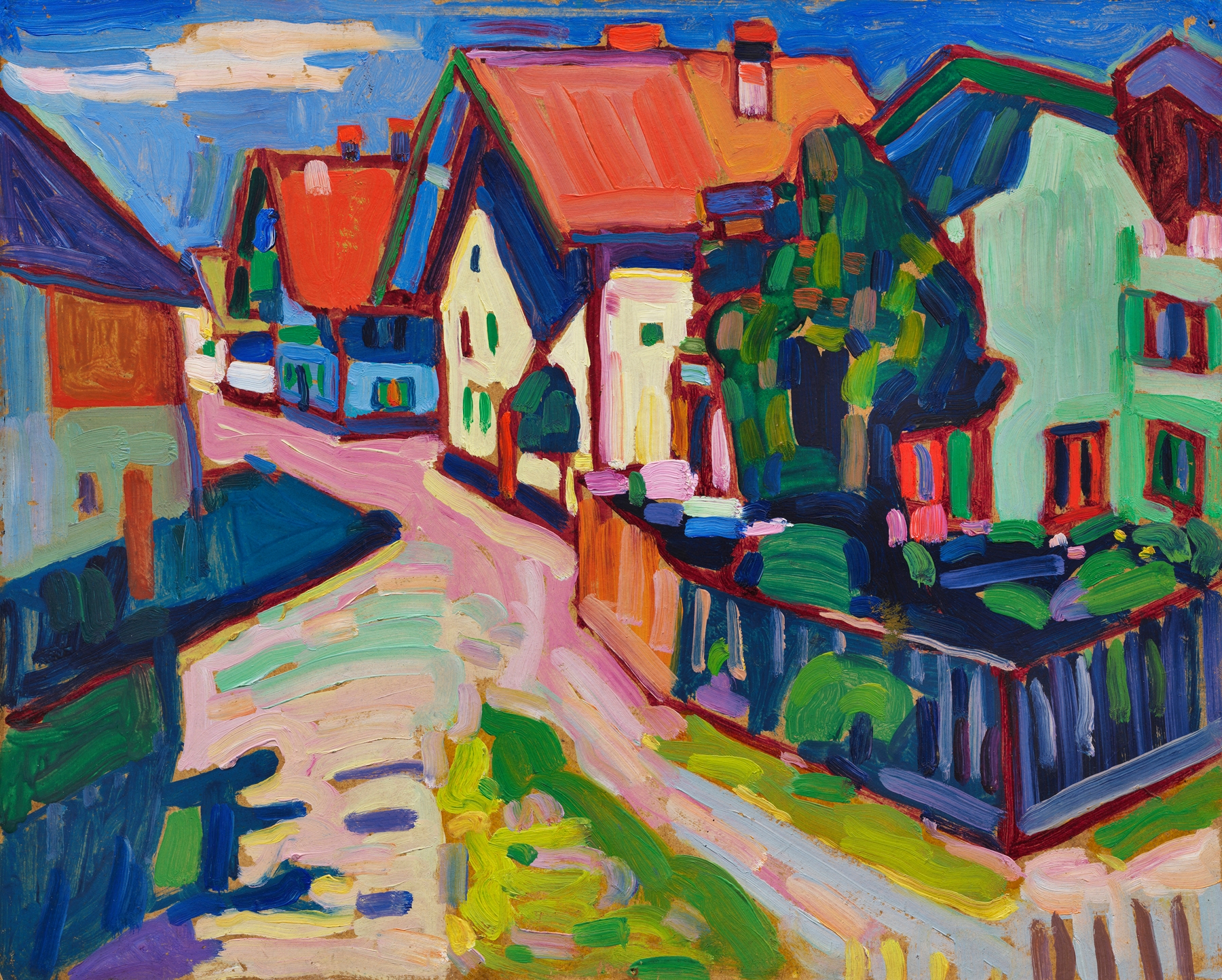
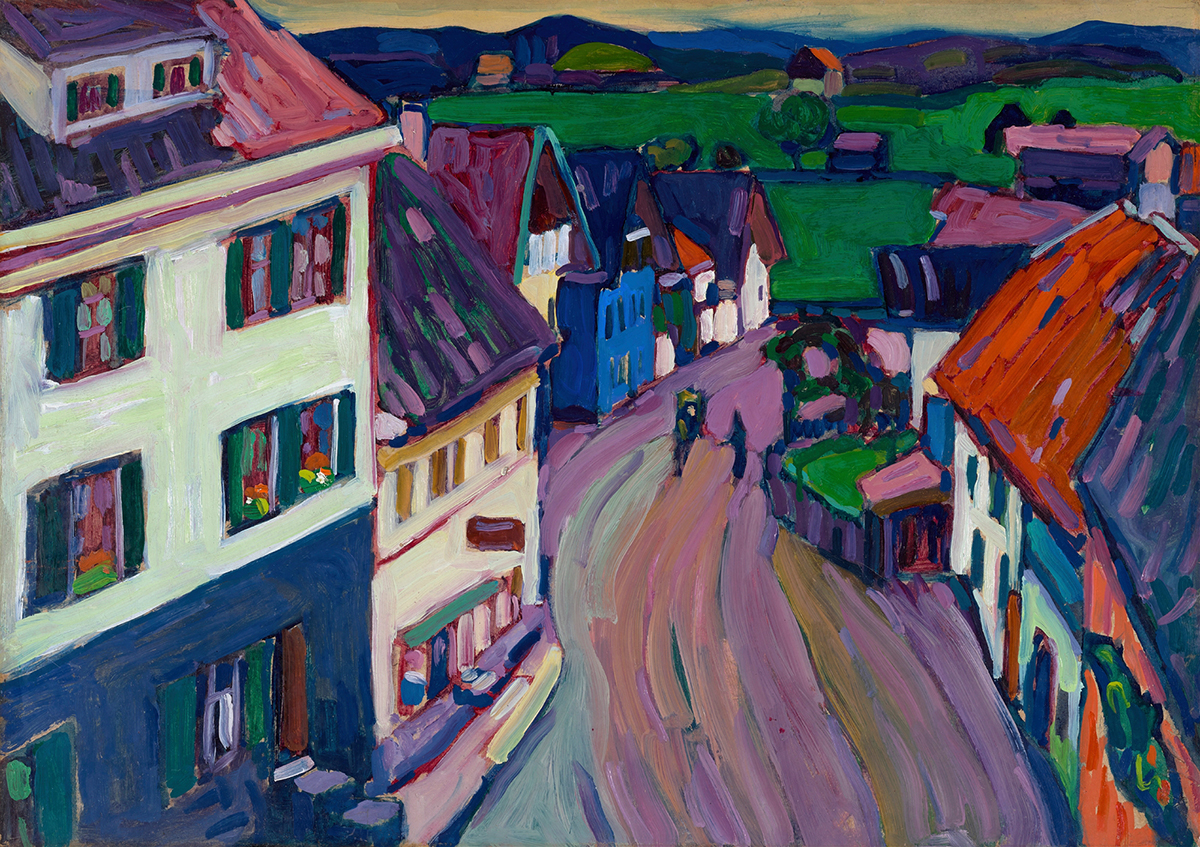
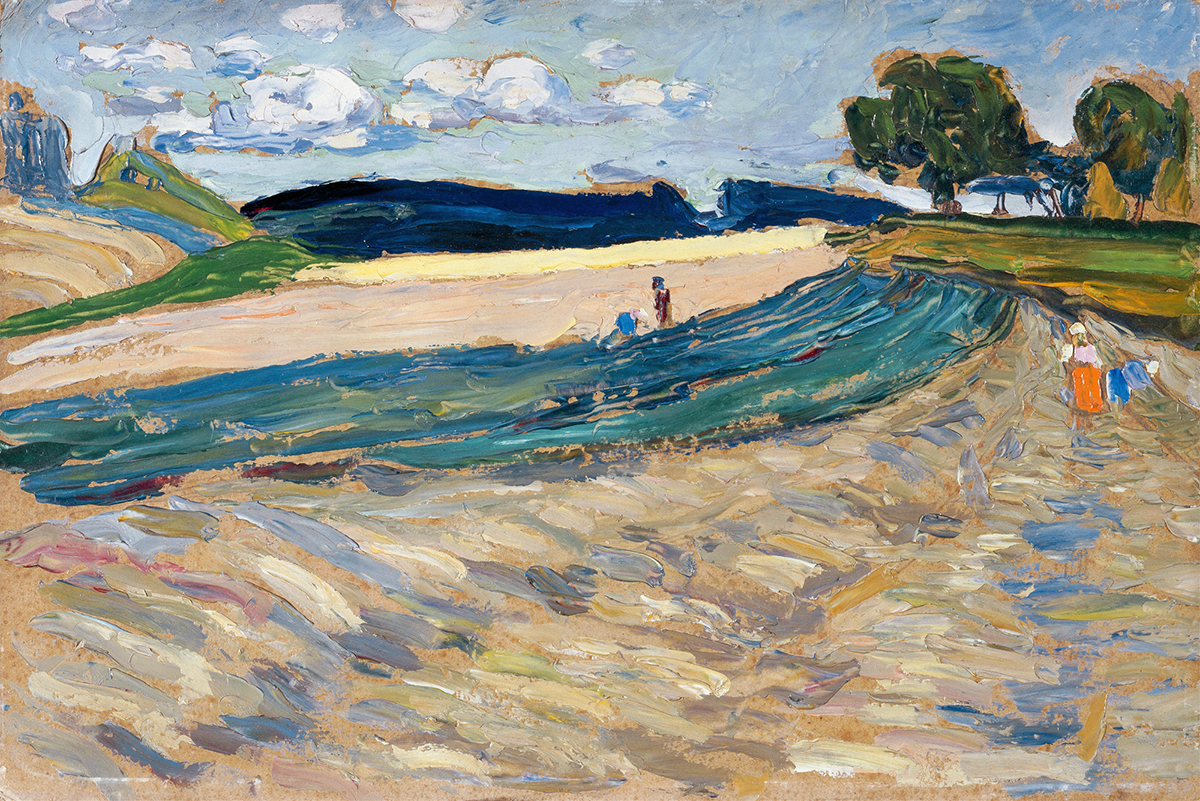
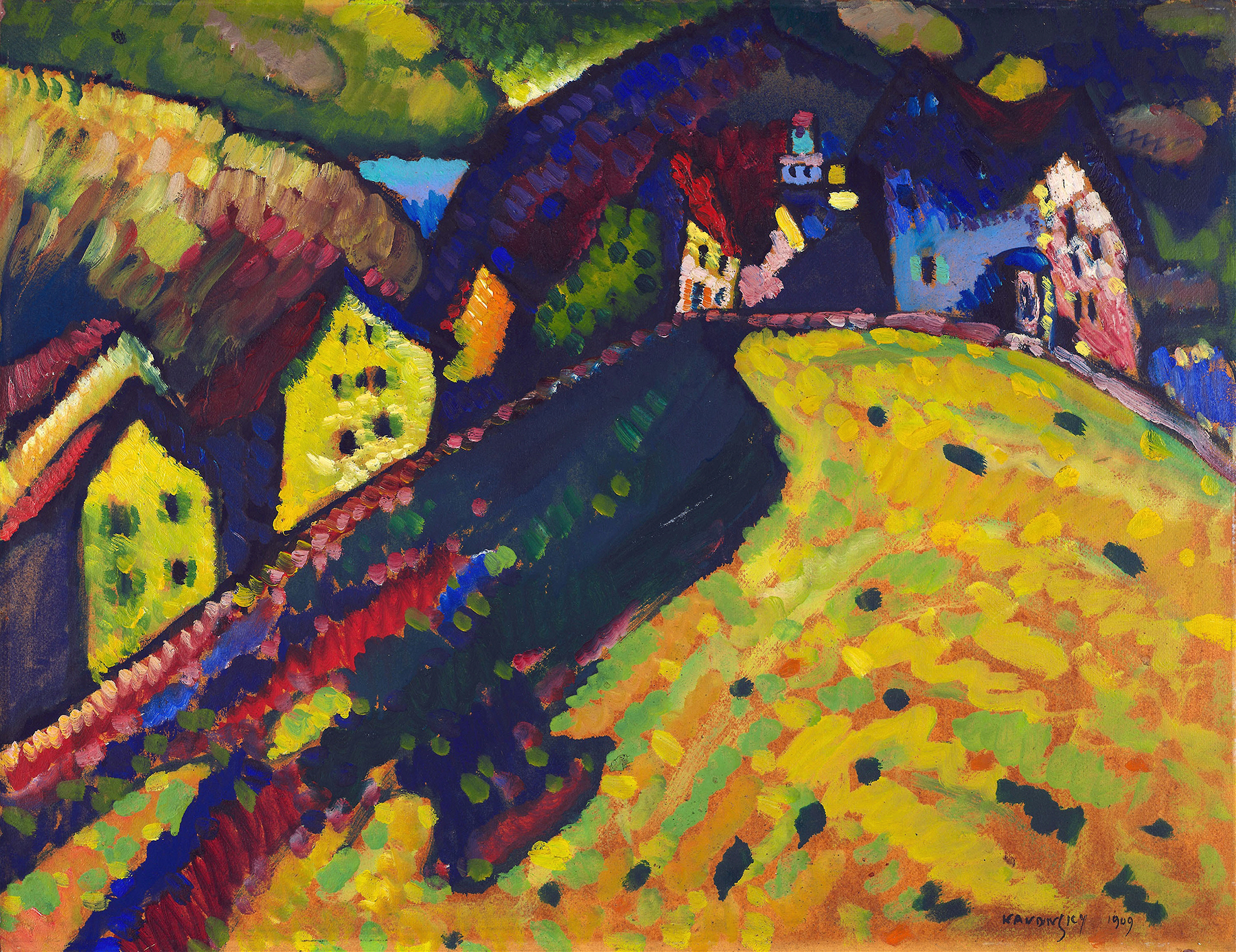
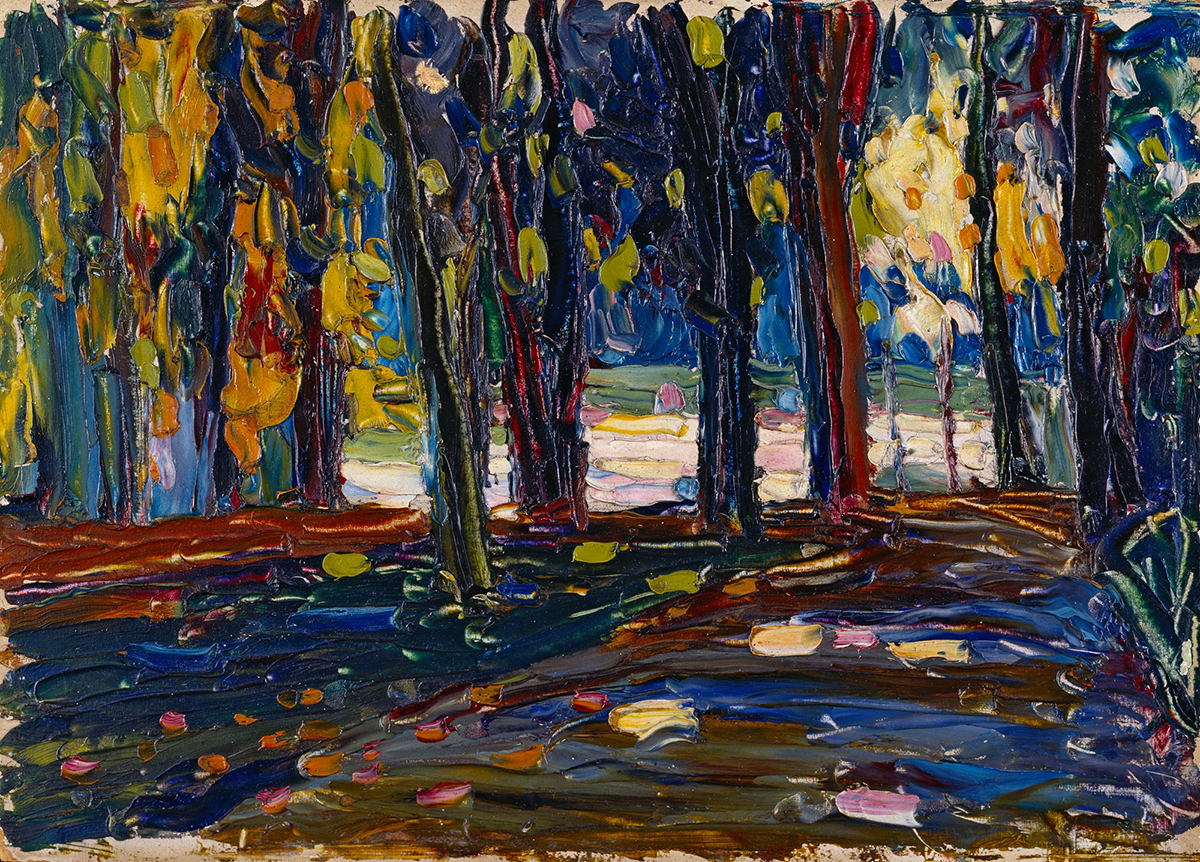
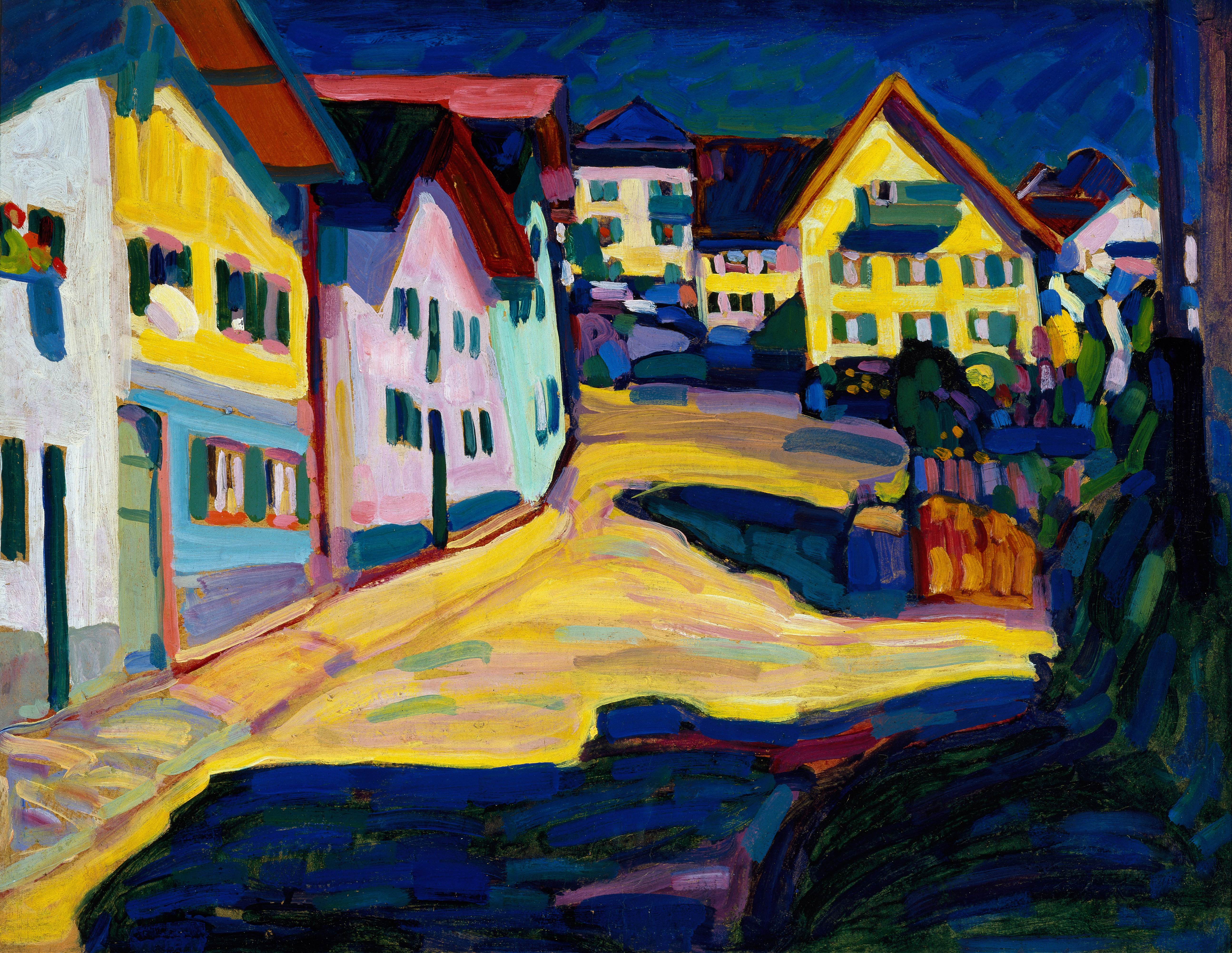
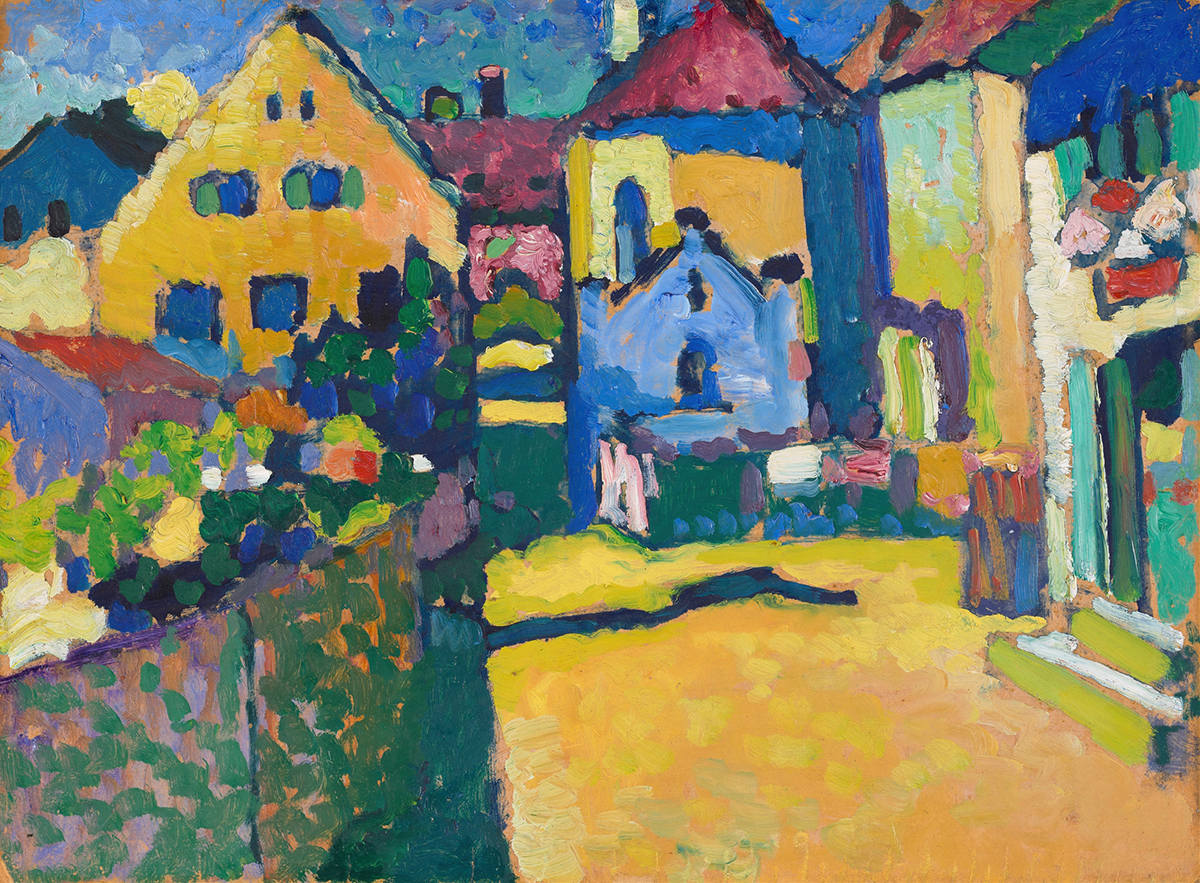
Is this a mirror — or a memory? The interplay of color and form invites us to question our perception and the echoes of our experiences. In Green Lane in Murnau, the viewer is drawn into a world where the vibrance of nature meets the depths of emotional resonance. Look to the center of the canvas, where a winding path leads the eye through a lush landscape bathed in verdant hues. The bold strokes of green, punctuated by bursts of yellow and hints of blue, create a rhythm that feels both spontaneous and deliberate.
Notice how the textured brushwork gives life to the foliage, while the layered colors convey a sense of movement, as if the scenery breathes with the pulse of an unseen force. Yet, beneath the vivid surface lies a complex interplay of light and shadow, evoking feelings of nostalgia and longing. The sharp contrasts between the illuminated areas and darker swathes suggest that memory is not just a reflection of what was seen, but also of what was felt. The shadowy elements cradle the bright colors, hinting at the emotional weight carried by moments captured in time and space.
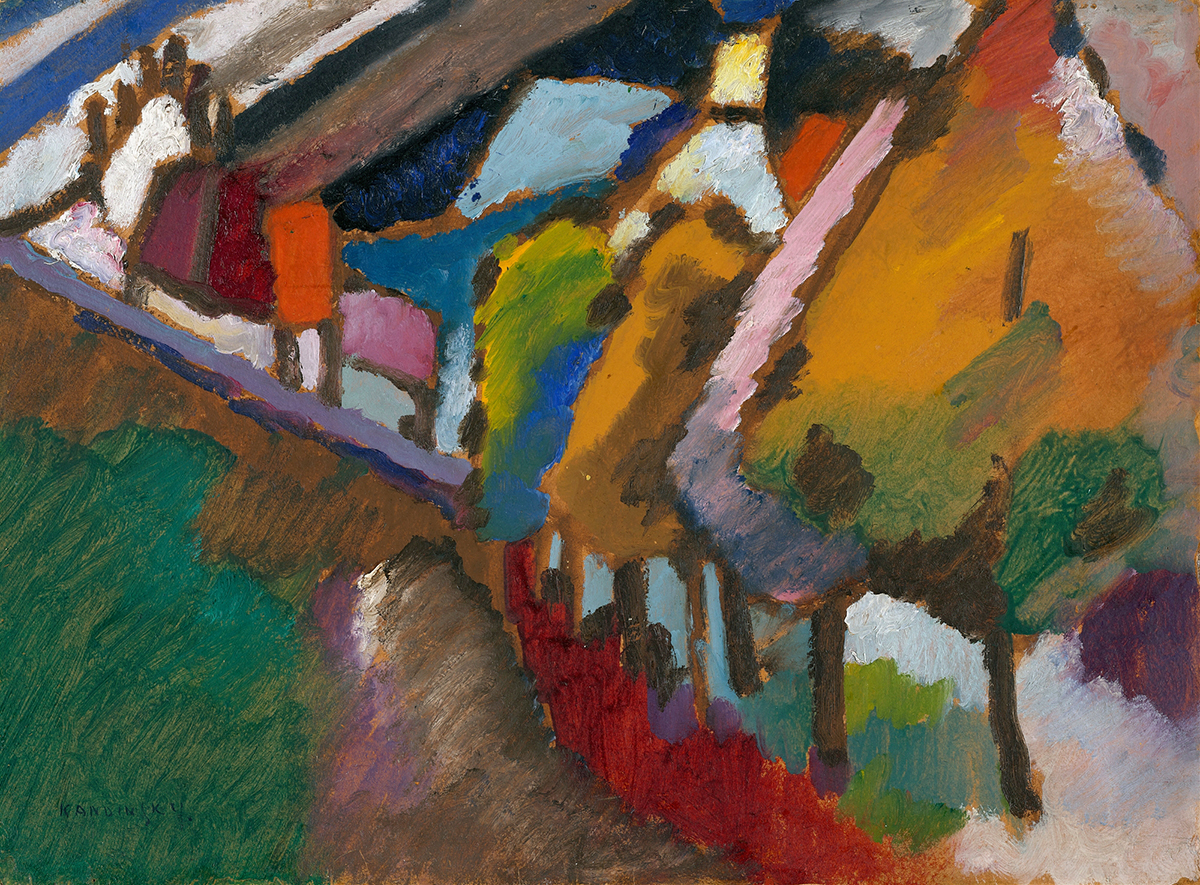
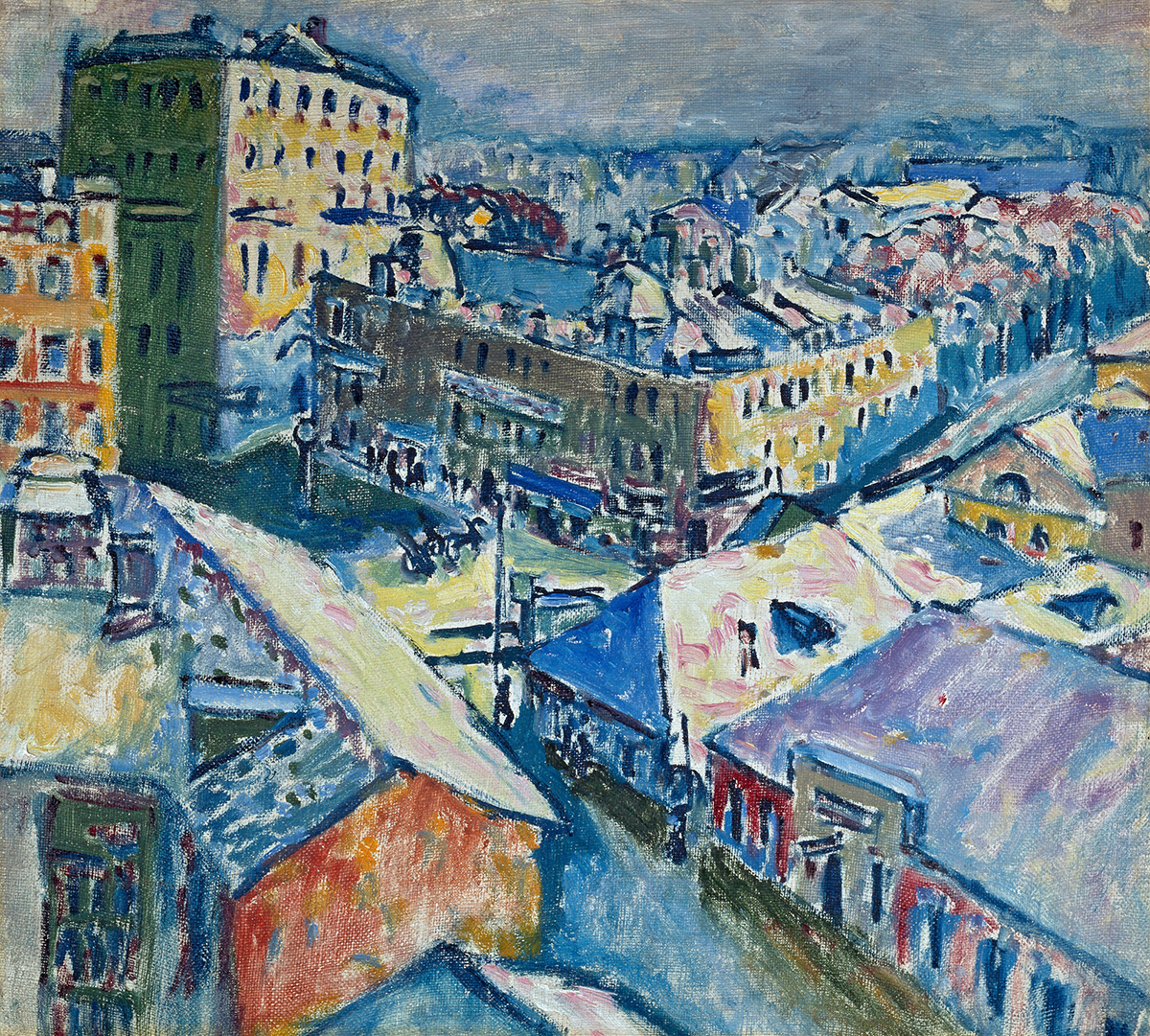
In 1909, Wassily Kandinsky was immersed in a transformative period of his career in Murnau, Germany. This was a time when he began to break free from representational forms, embracing abstraction as a means of expression. The early 20th century was marked by an artistic revolution, and Kandinsky was at the forefront, exploring the connection between color, form, and spirituality. This piece captures the essence of that exploration, as he sought to translate his inner experiences onto the canvas.