Jocular Sounds — History & Analysis
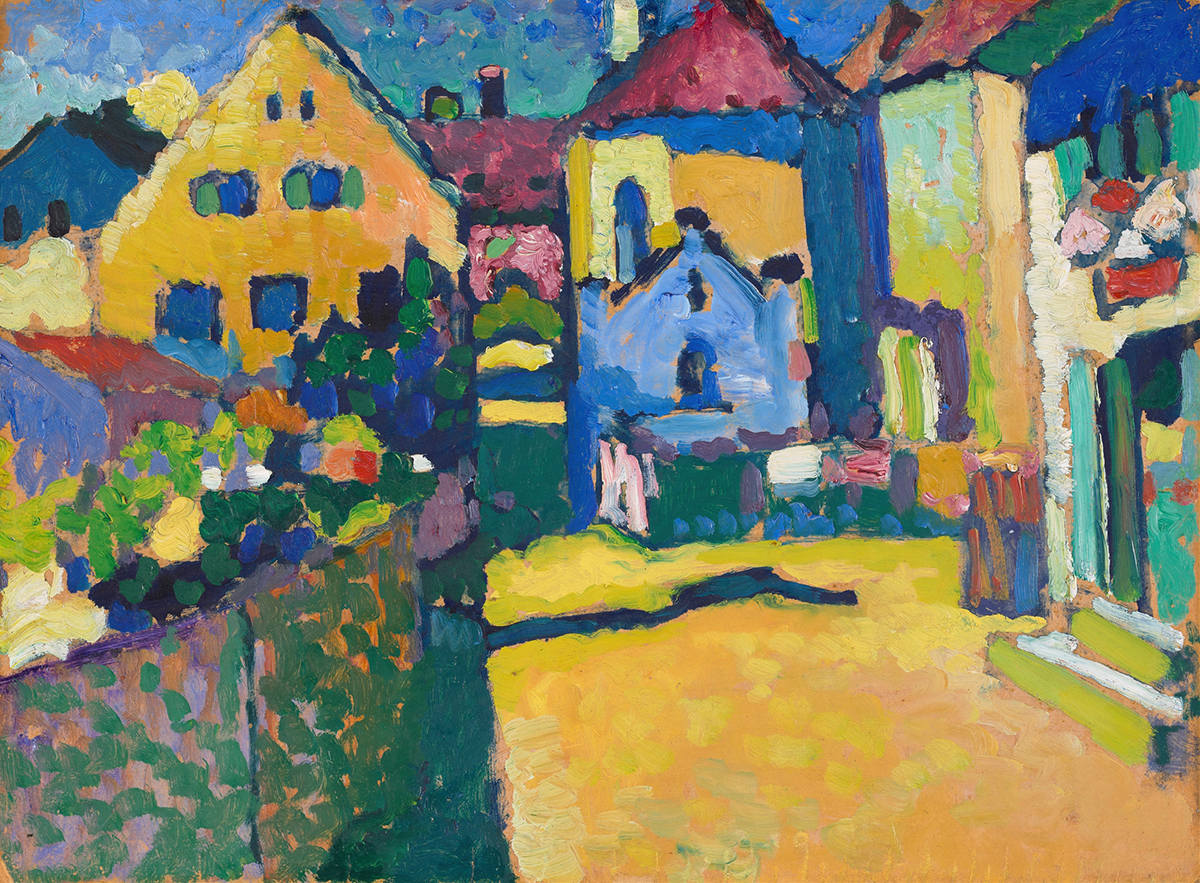
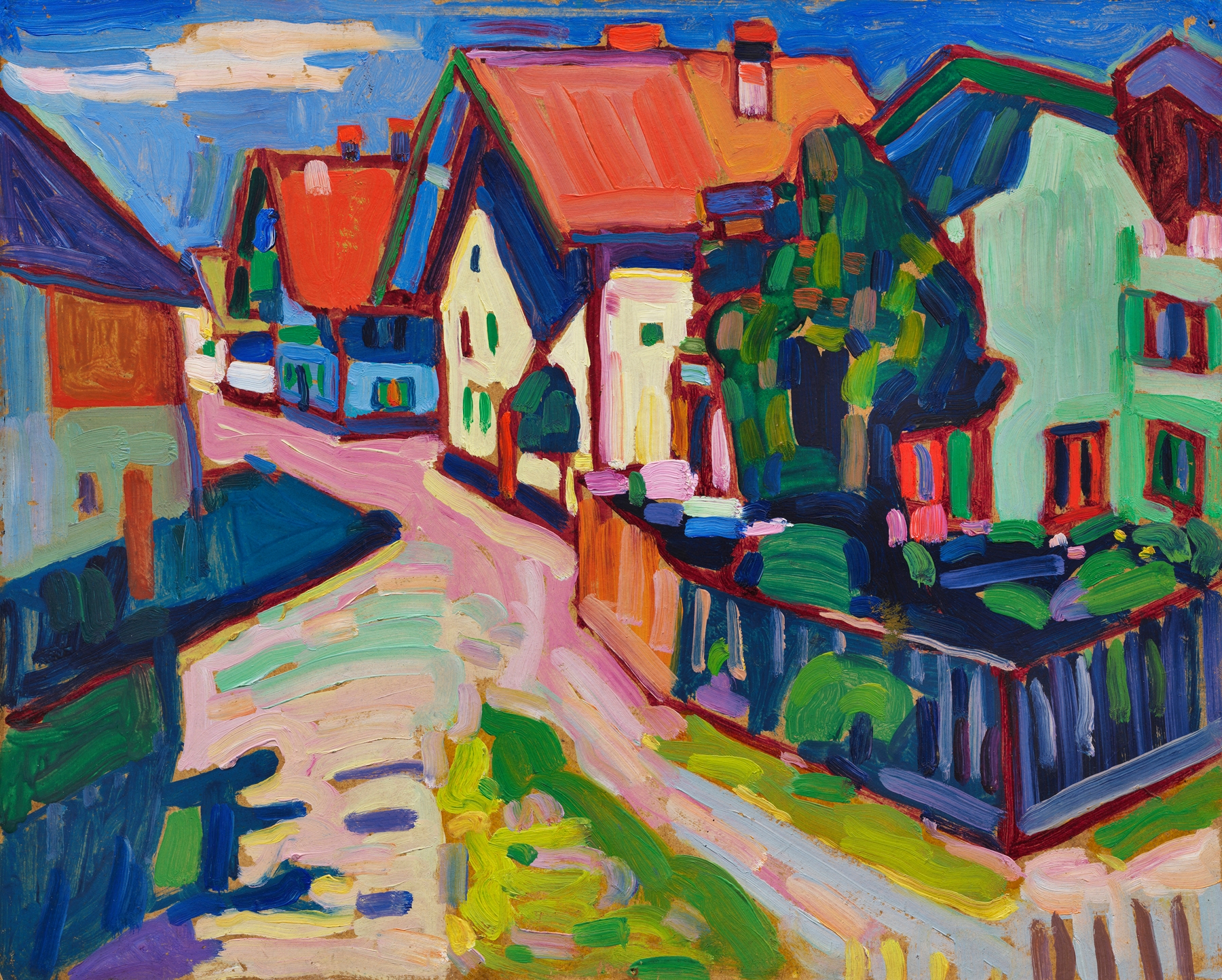
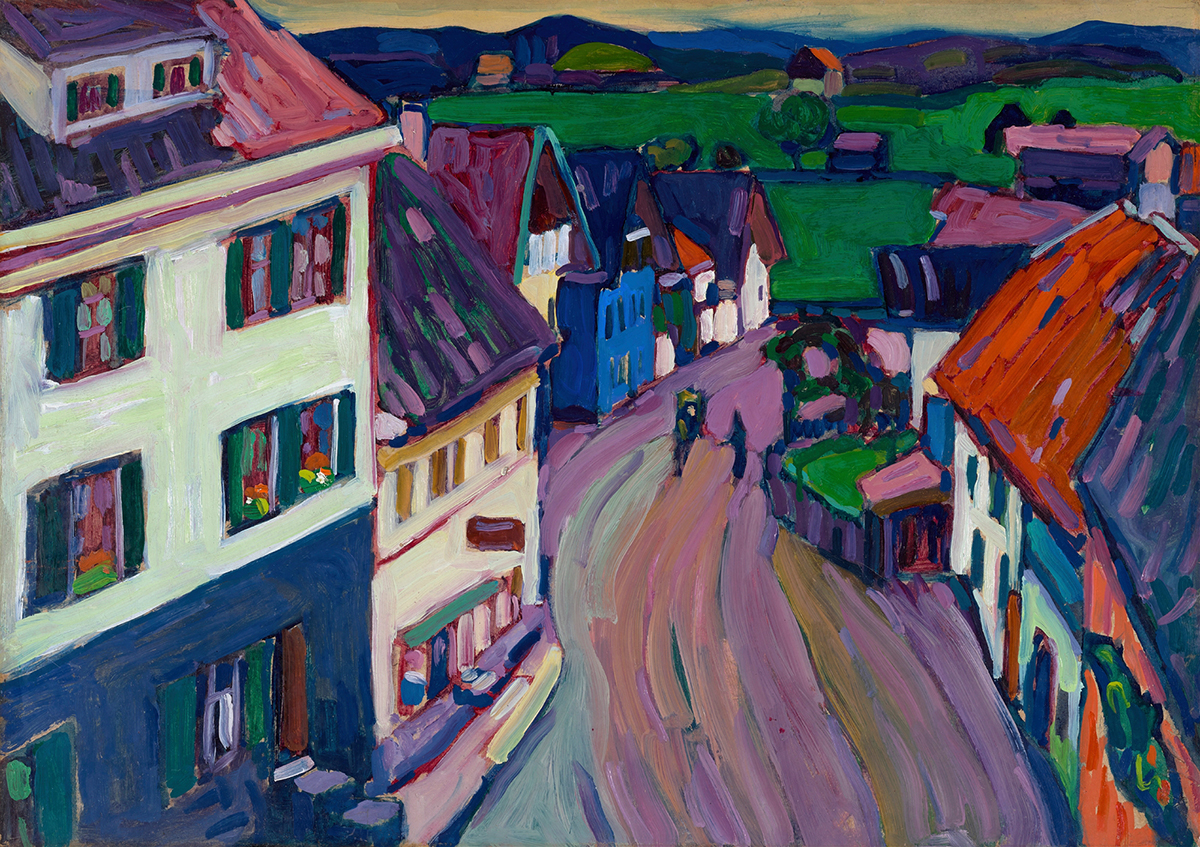
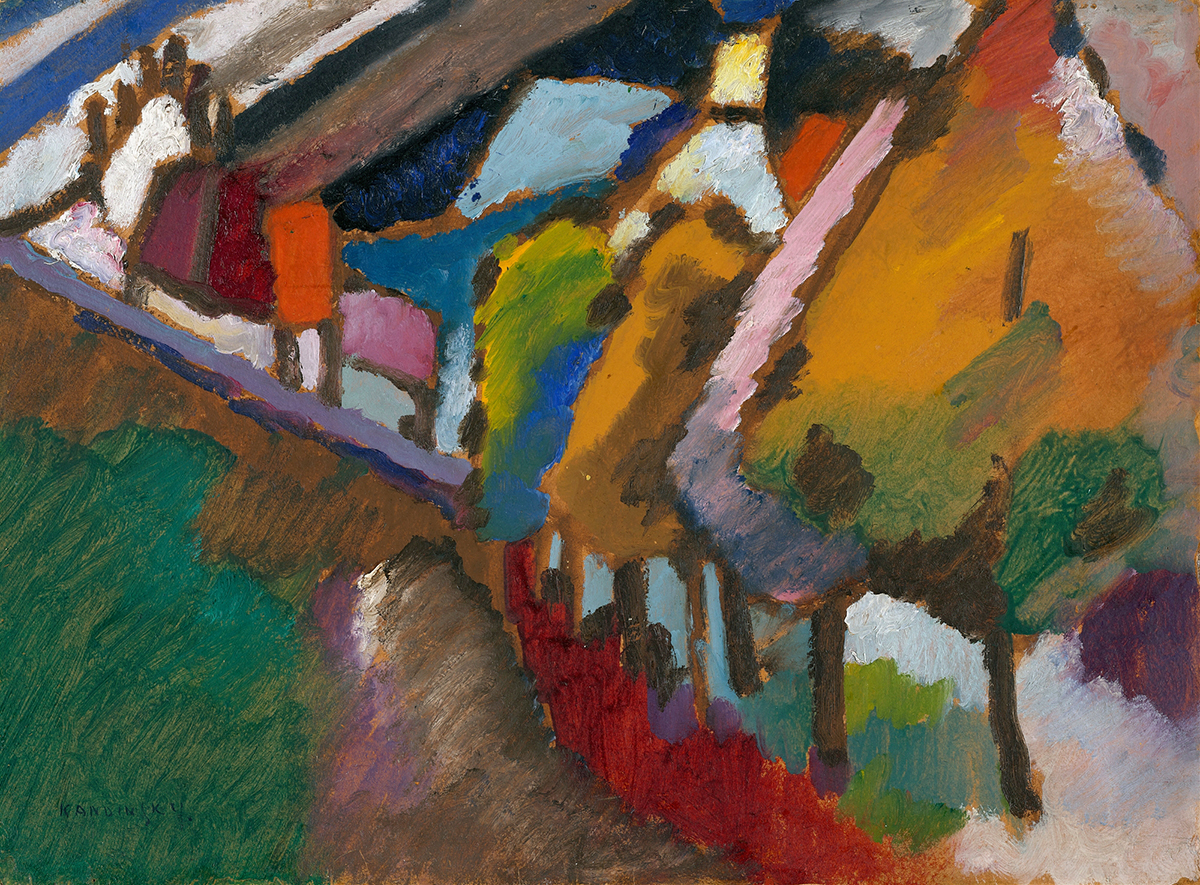
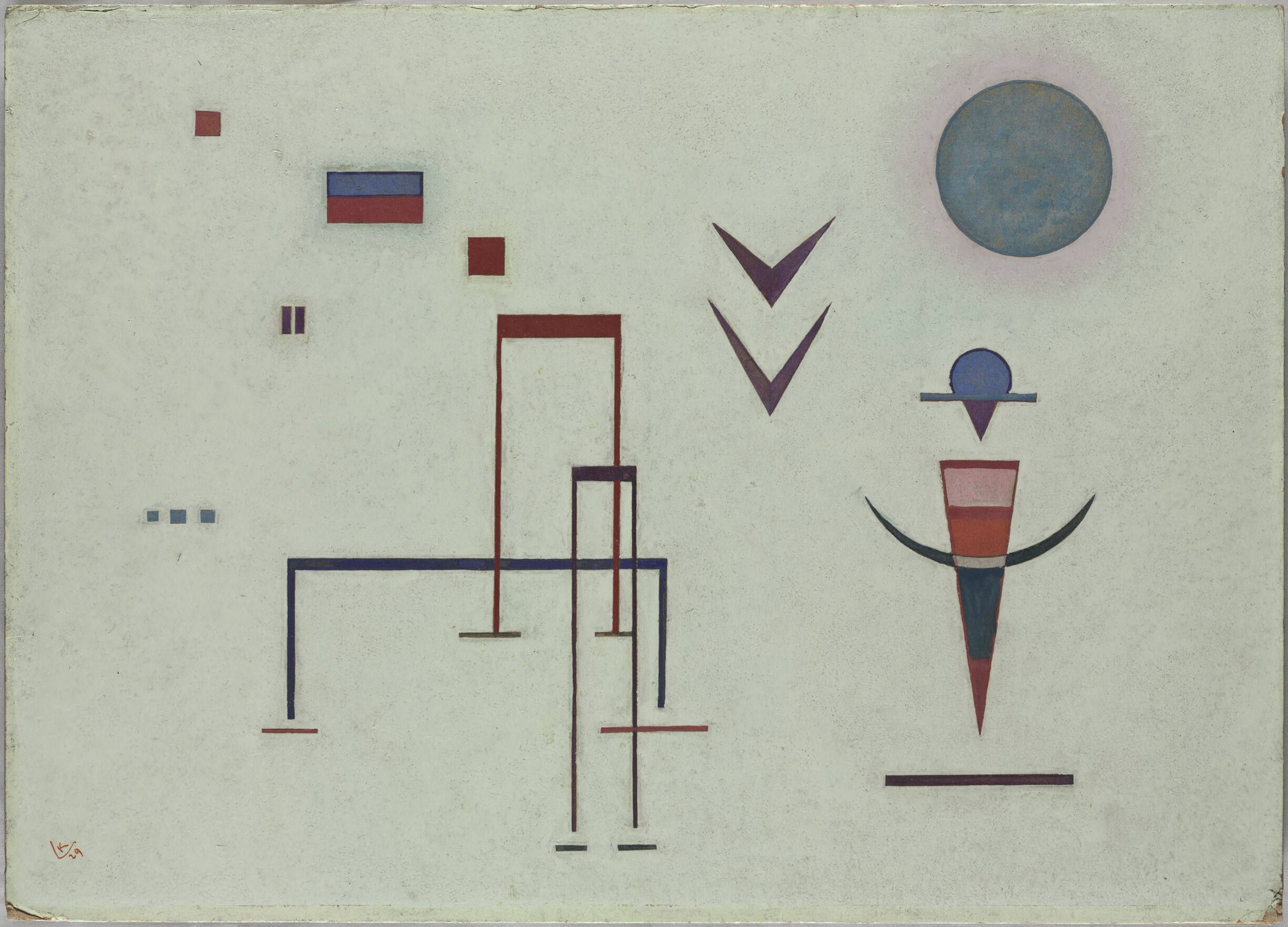
Could beauty survive in a century of chaos? In Jocular Sounds, Kandinsky explores this question through a vibrant tapestry of color and form, crafting a visual symphony that invites us to contemplate the tension between joy and desolation. Look to the center of the canvas where swirling lines and geometric shapes converge, revealing a dynamic interplay of warm and cool colors. The bold strokes radiate energy, drawing your eye into a rhythmic dance that shifts and pulses, like sound waves in a playful cacophony.
Notice how the various shapes seem to collide and harmonize, their edges softened by gentle gradients—this fusion creates a palpable sense of movement, as if the forms are alive and laughing amidst the surrounding discord. As you delve deeper, observe the contrast between the vibrant foreground and the muted backdrop, echoing the duality of joy and decay. The playfulness of the colors is tinged with an underlying melancholy; the seemingly carefree patterns hint at the fragility of happiness in a tumultuous world. Each stroke carries the weight of history, reflecting not just a moment of bliss but also the echoes of a society grappling with its own existential fears.
In 1929, Kandinsky painted this work while living in Germany, amid the rise of socio-political unrest that would soon engulf Europe. This period marked a significant evolution in his artistry, as he shifted towards abstraction, influenced by both personal introspection and the broader currents of modernist thought. In a world increasingly defined by chaos, Jocular Sounds stands as a testament to the resilience of beauty, a vibrant counterpoint to the surrounding decay of the human spirit.