Murnau — History & Analysis
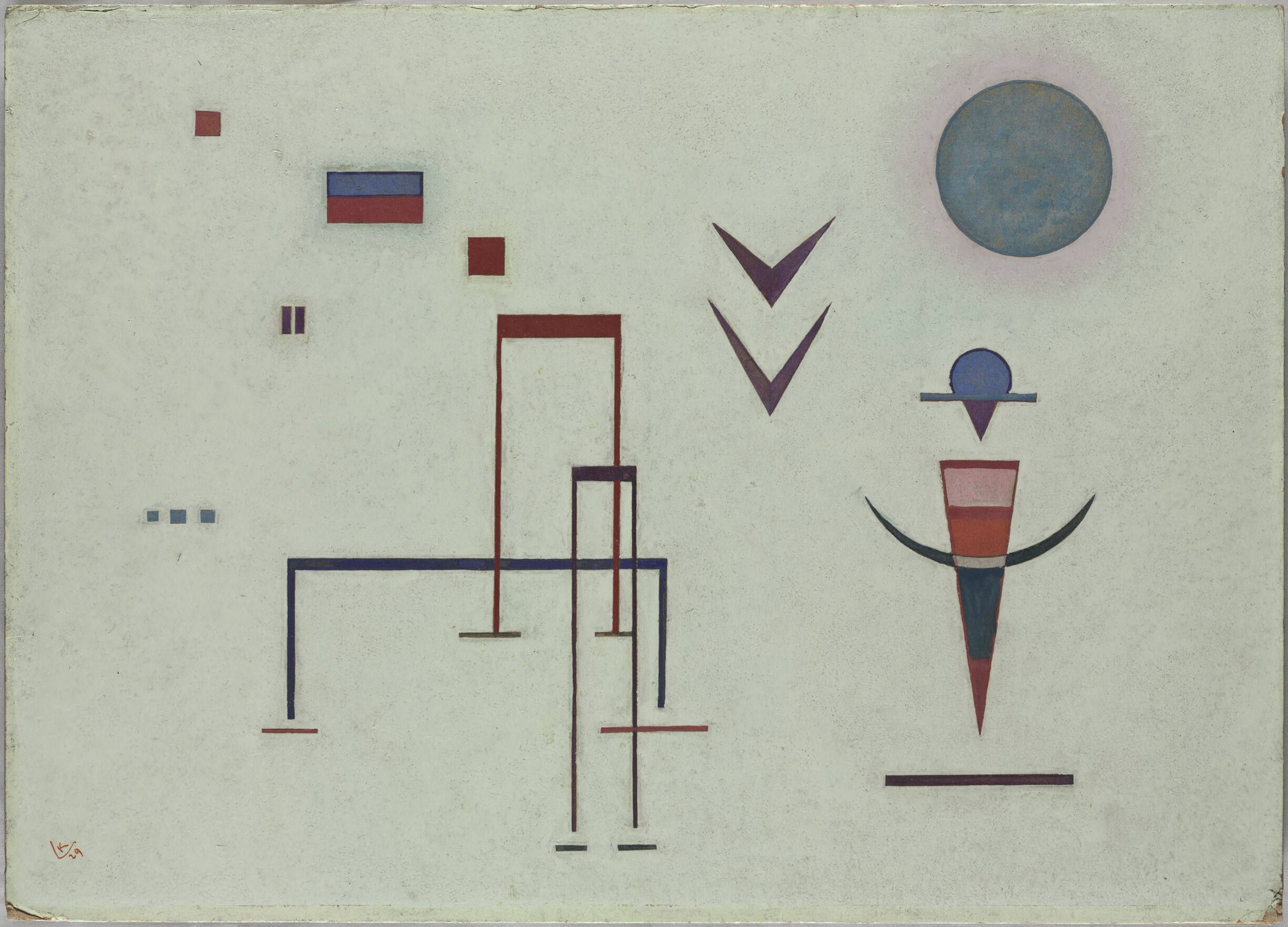
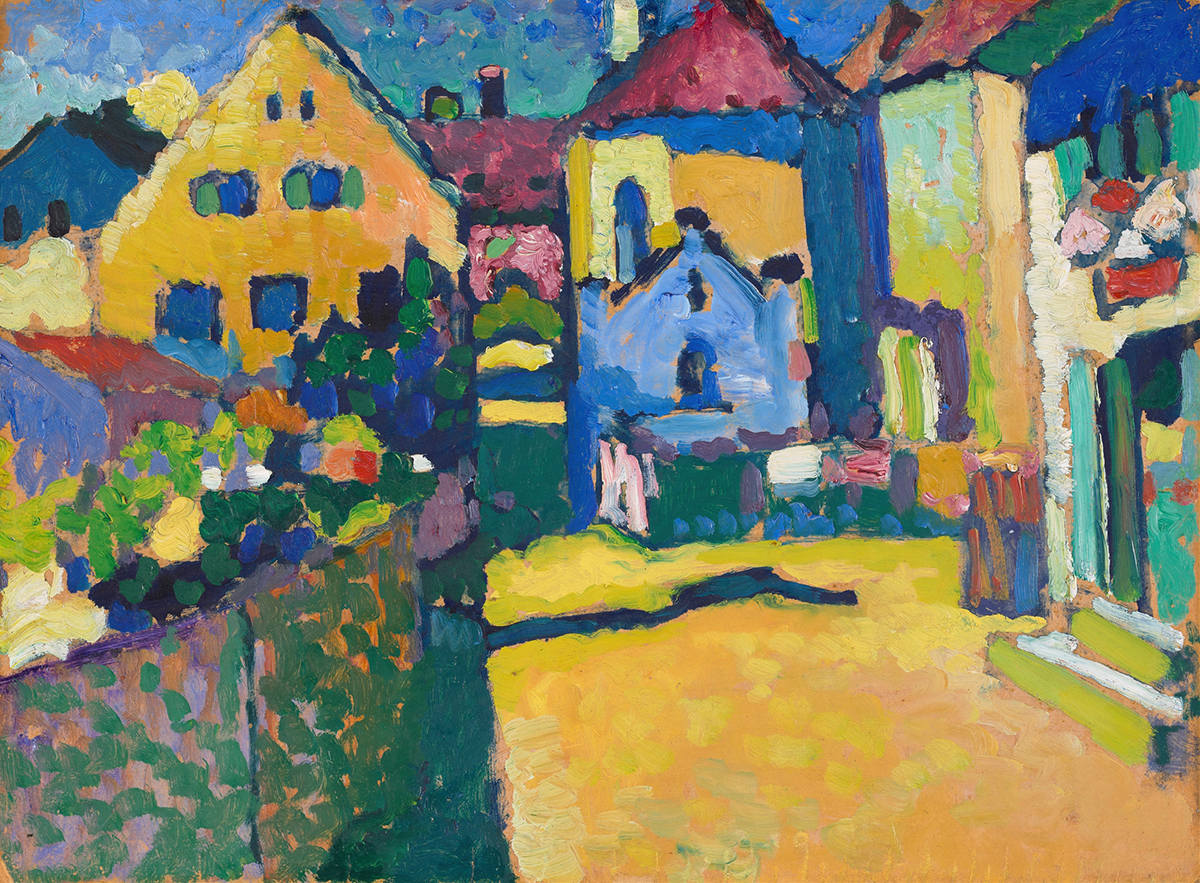
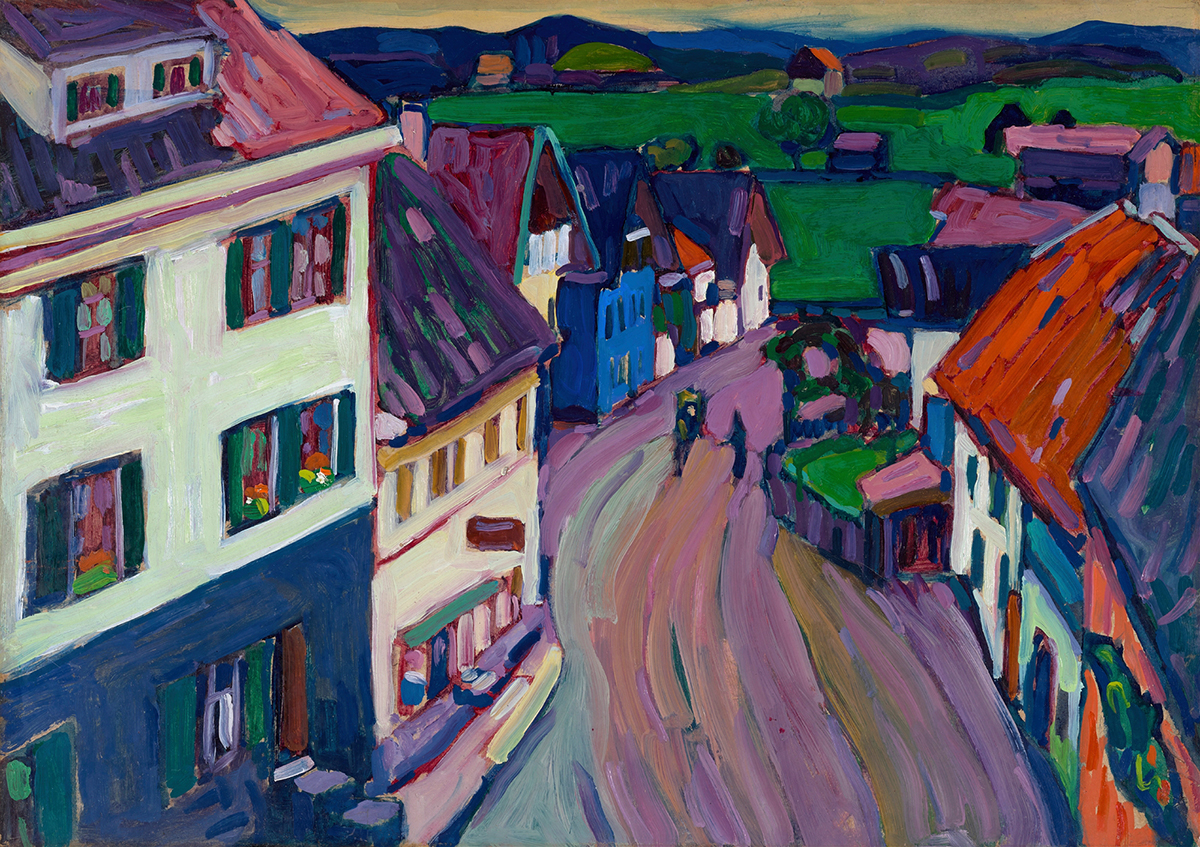
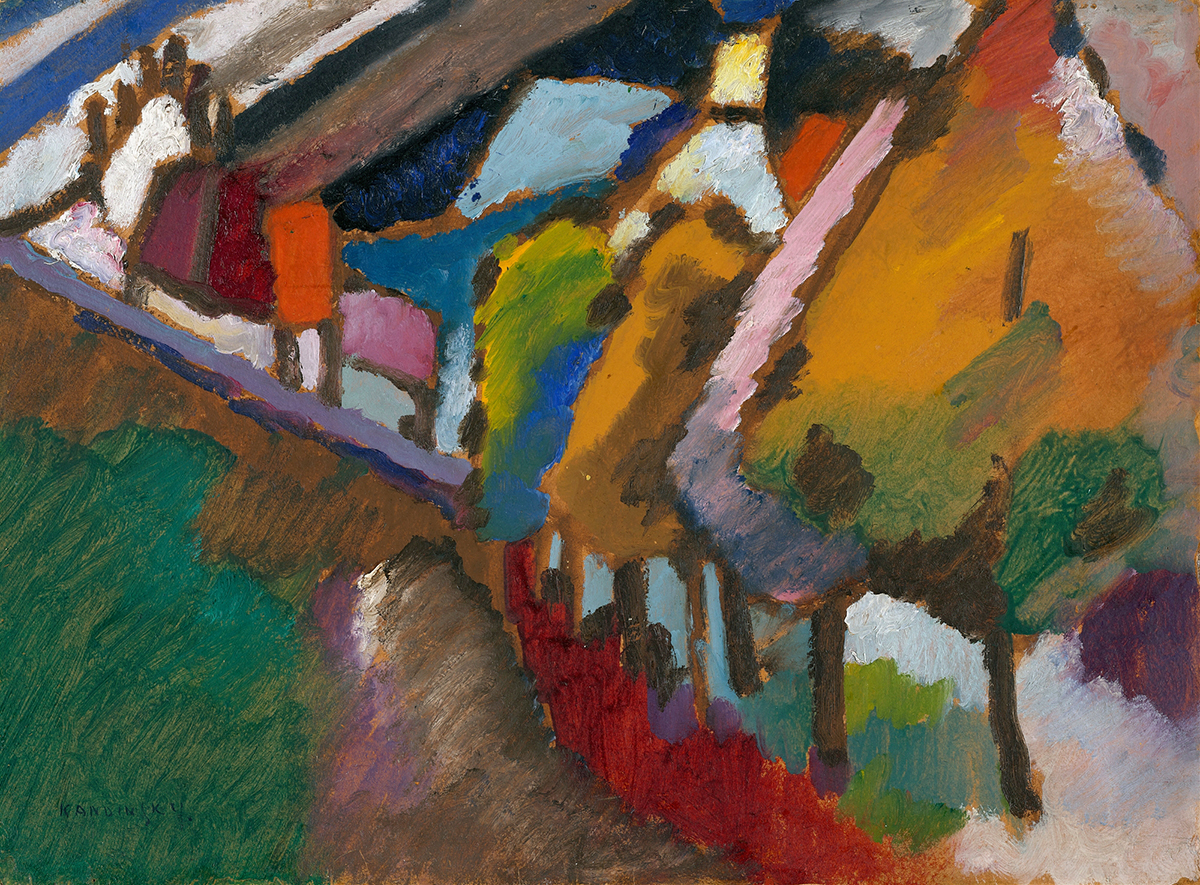
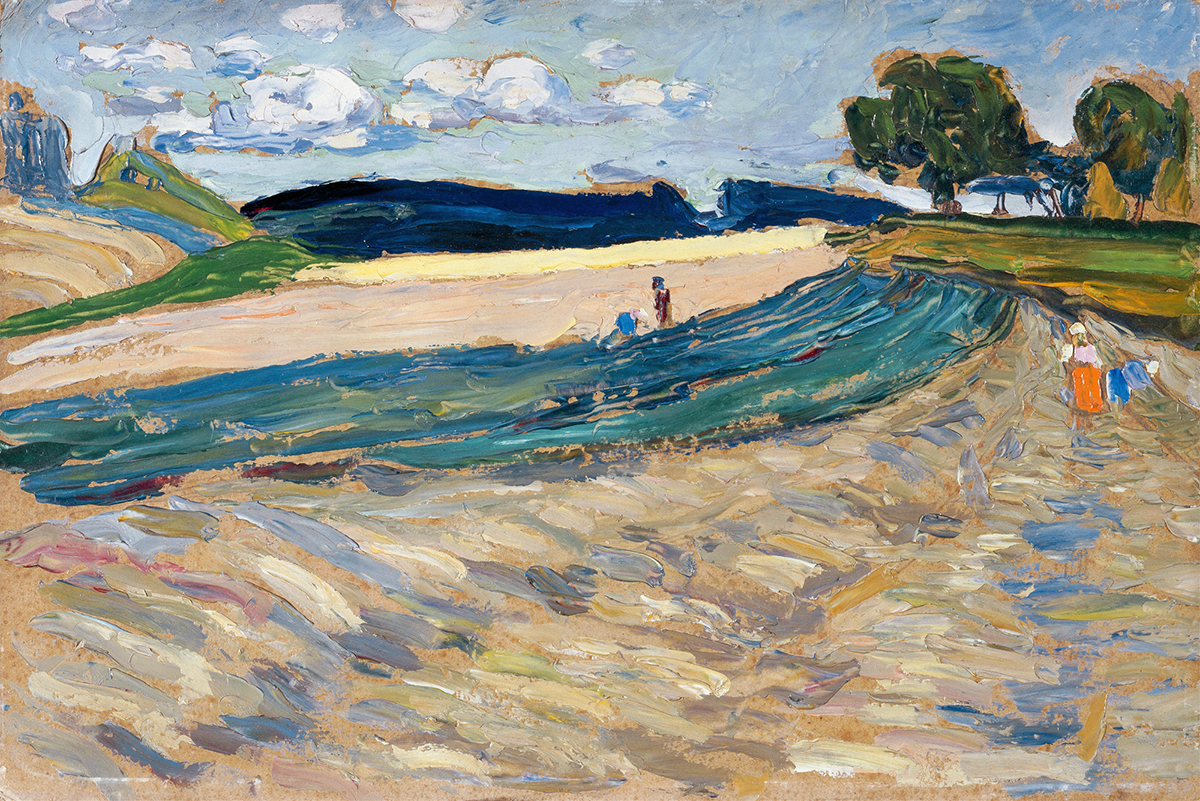
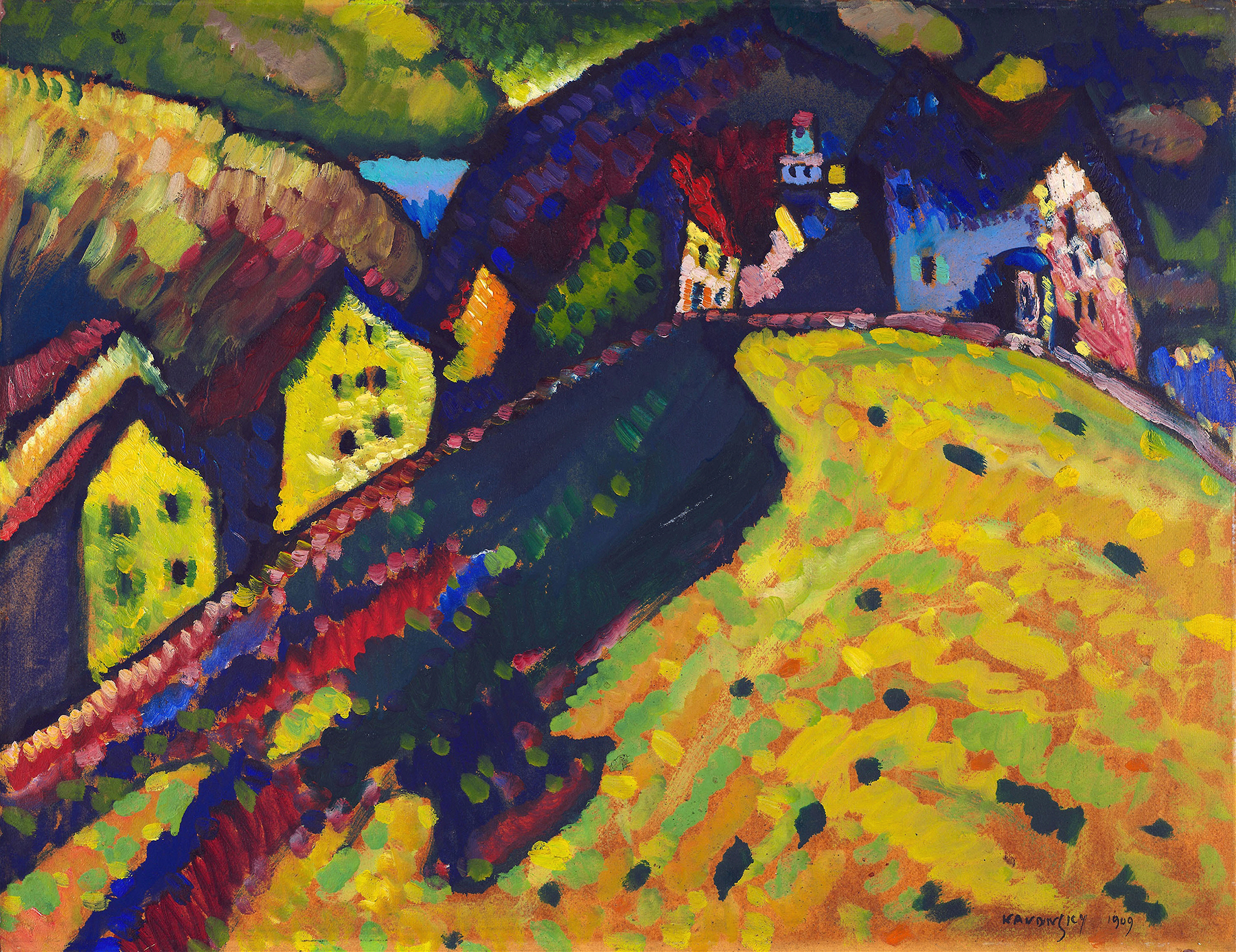
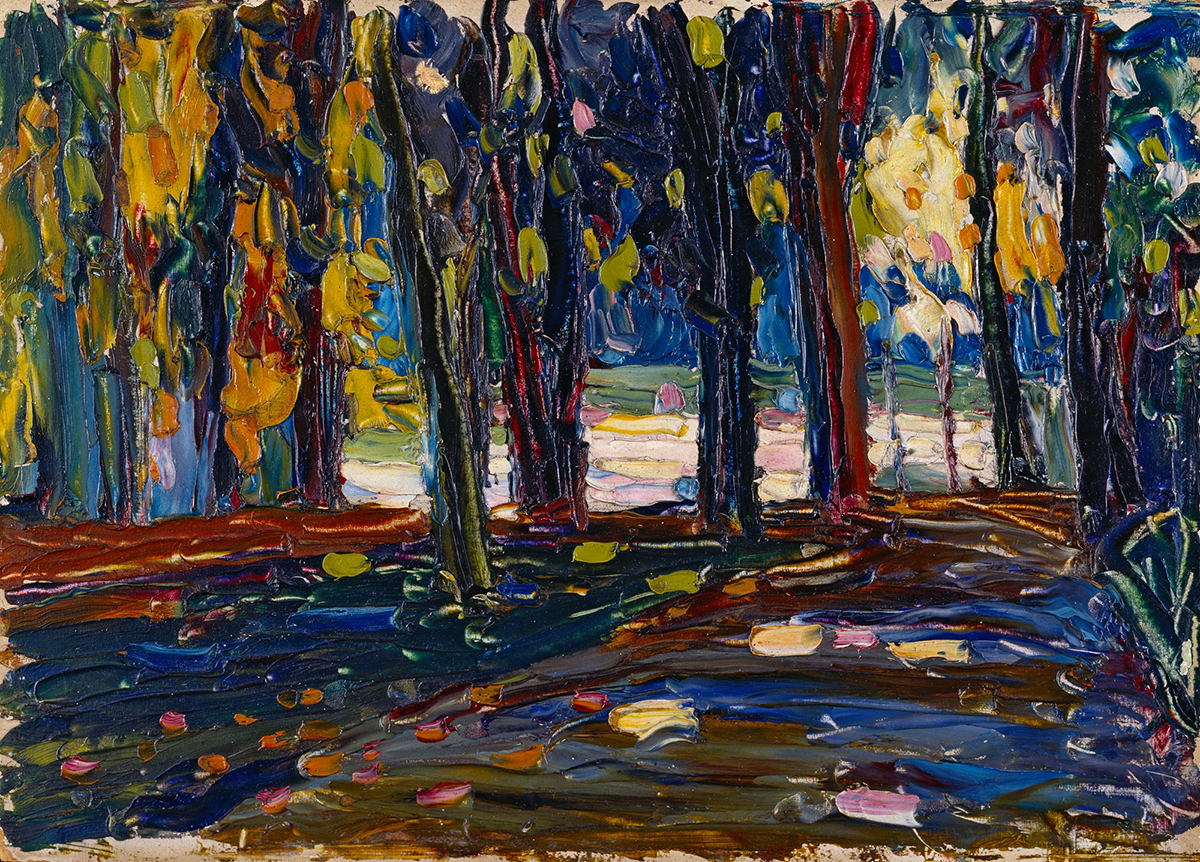
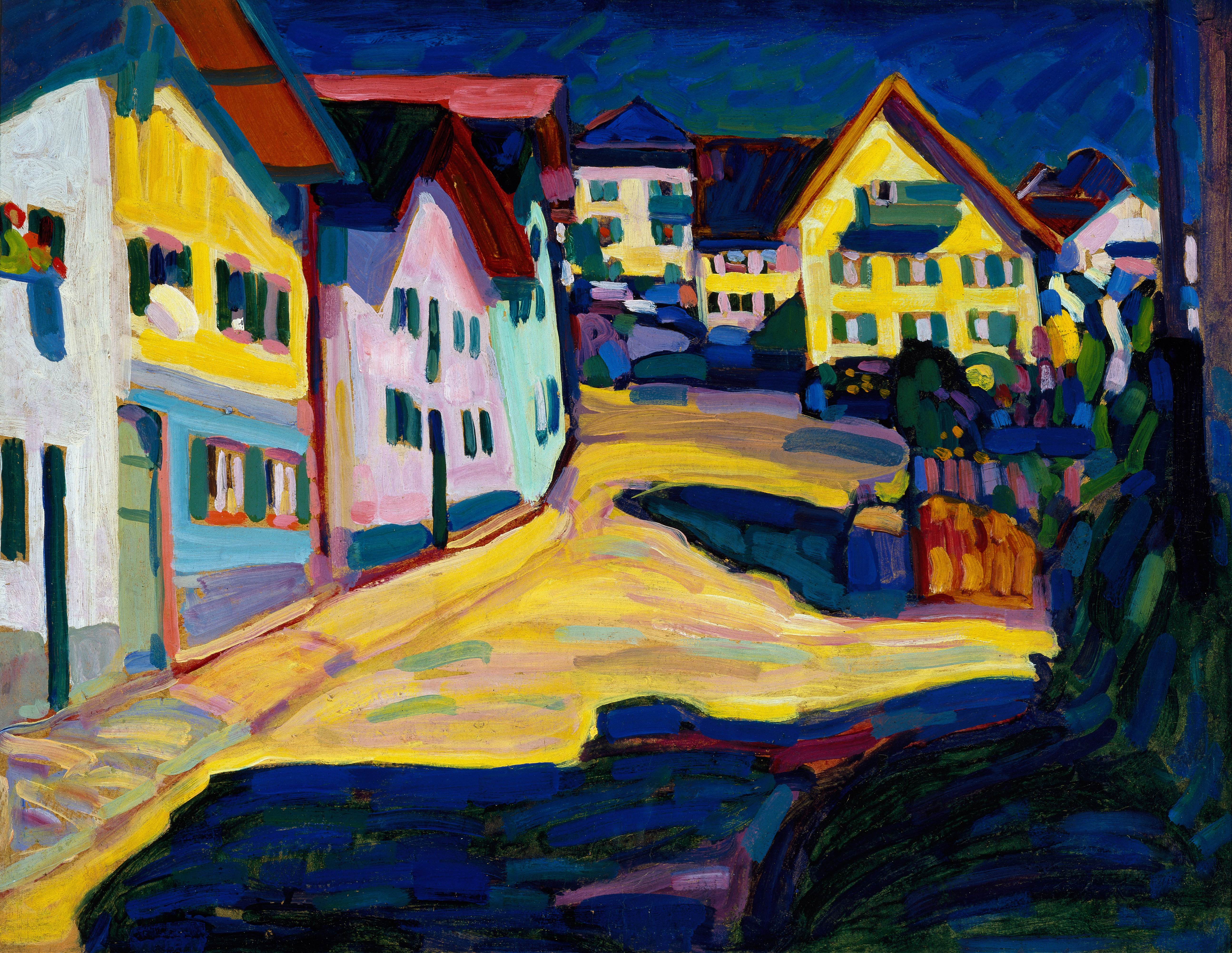
“To paint is to remember what time wants us to forget.” This notion resonates deeply within the swirling colors and forms of a masterpiece that captures the essence of memory itself. Look to the bottom left, where vibrant greens and deep blues intermingle, creating an inviting landscape that beckons the viewer. Notice how the layered brushstrokes shift in intensity, with lighter hues illuminating the upper right, suggesting the emergence of thoughts or ideas. The gentle curves and sharp angles coexist, evoking a feeling of nostalgia as they dance together, a manifestation of human emotion frozen in time.
Delving deeper, one can find a juxtaposition between the organic shapes that evoke nature and the geometric forms that imply structure and reason. This blend reflects the inner conflict of remembering — the desire for freedom countered by the constraints of reality. Each color choice serves as a reminder of fleeting moments, while the rhythmic composition illustrates the ebb and flow of memory, both cherished and elusive.
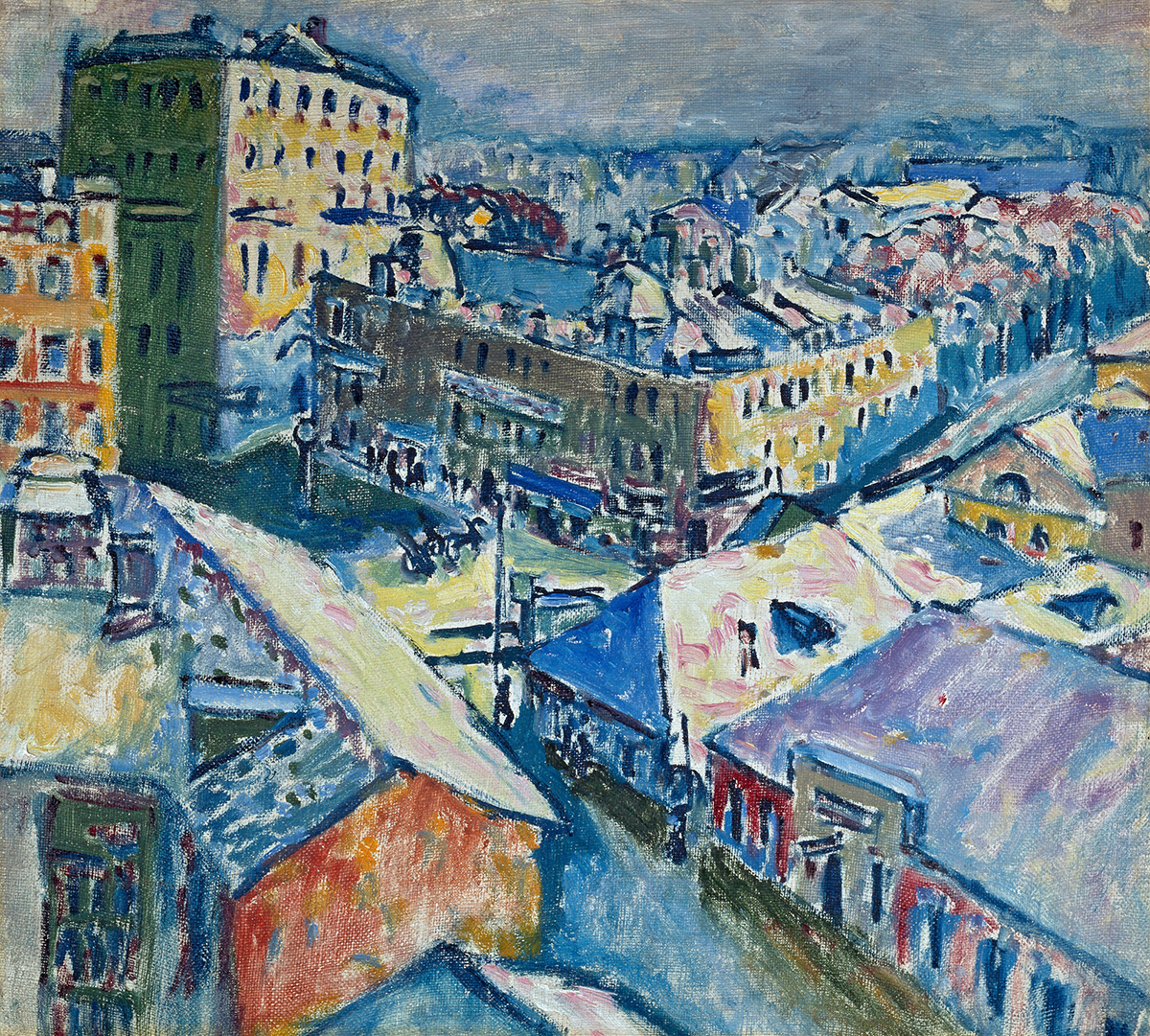
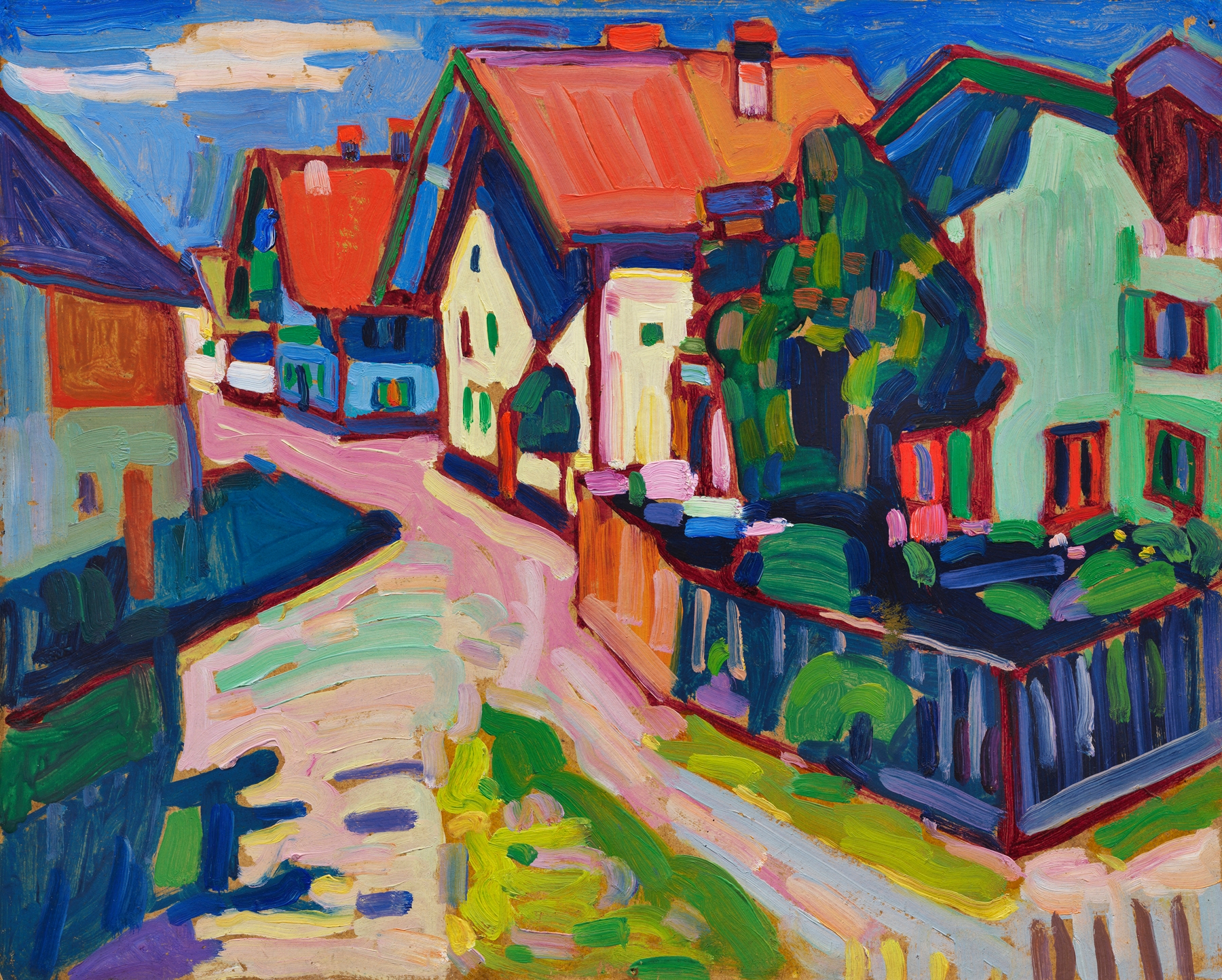
In 1908, Kandinsky resided in Murnau, a small Bavarian town in Germany, during a transformative period in his artistic journey. He was deeply influenced by the surrounding landscapes and the burgeoning expressionist movement, which sought to capture emotional experiences rather than mere representation. This painting emerged as he began to explore the relationship between color and sound, laying the groundwork for his future innovations in abstract art.