Murnau – View from the window of the Griesbräu — History & Analysis
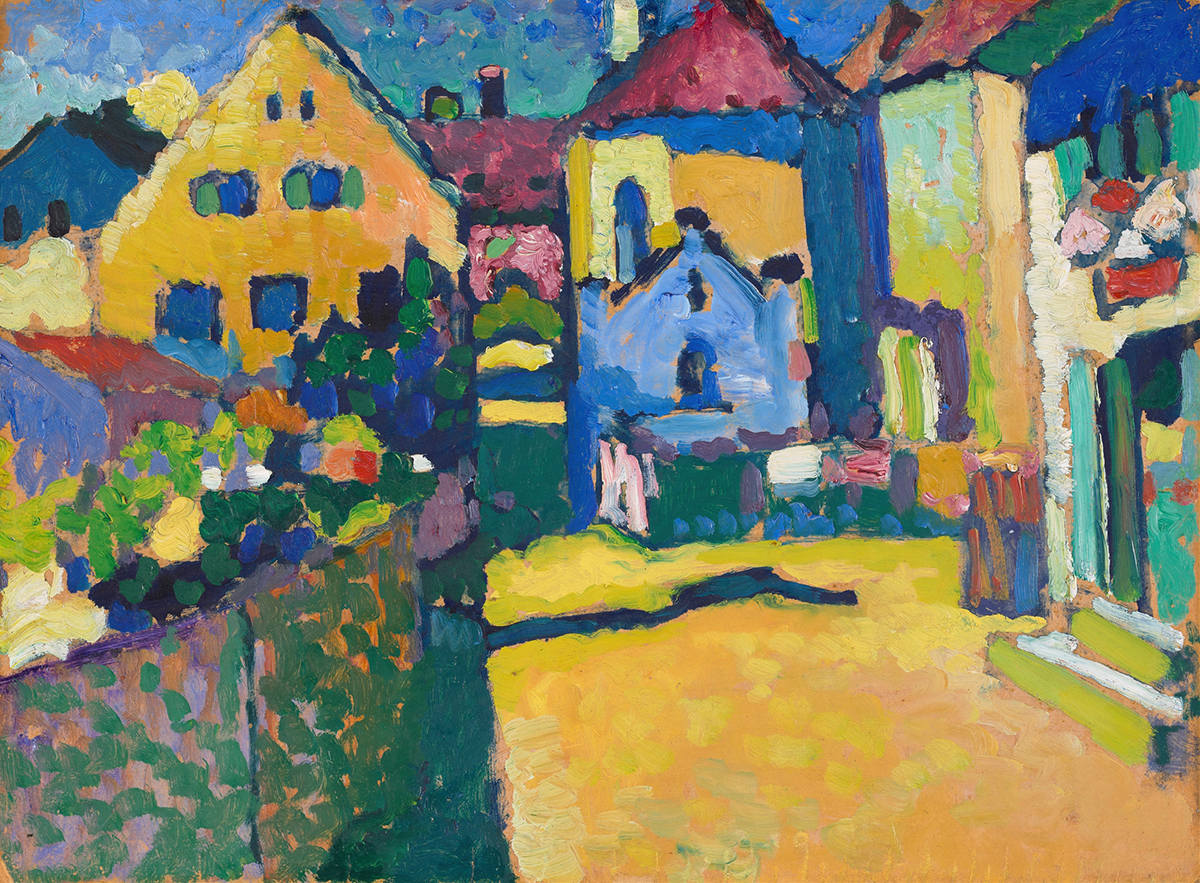
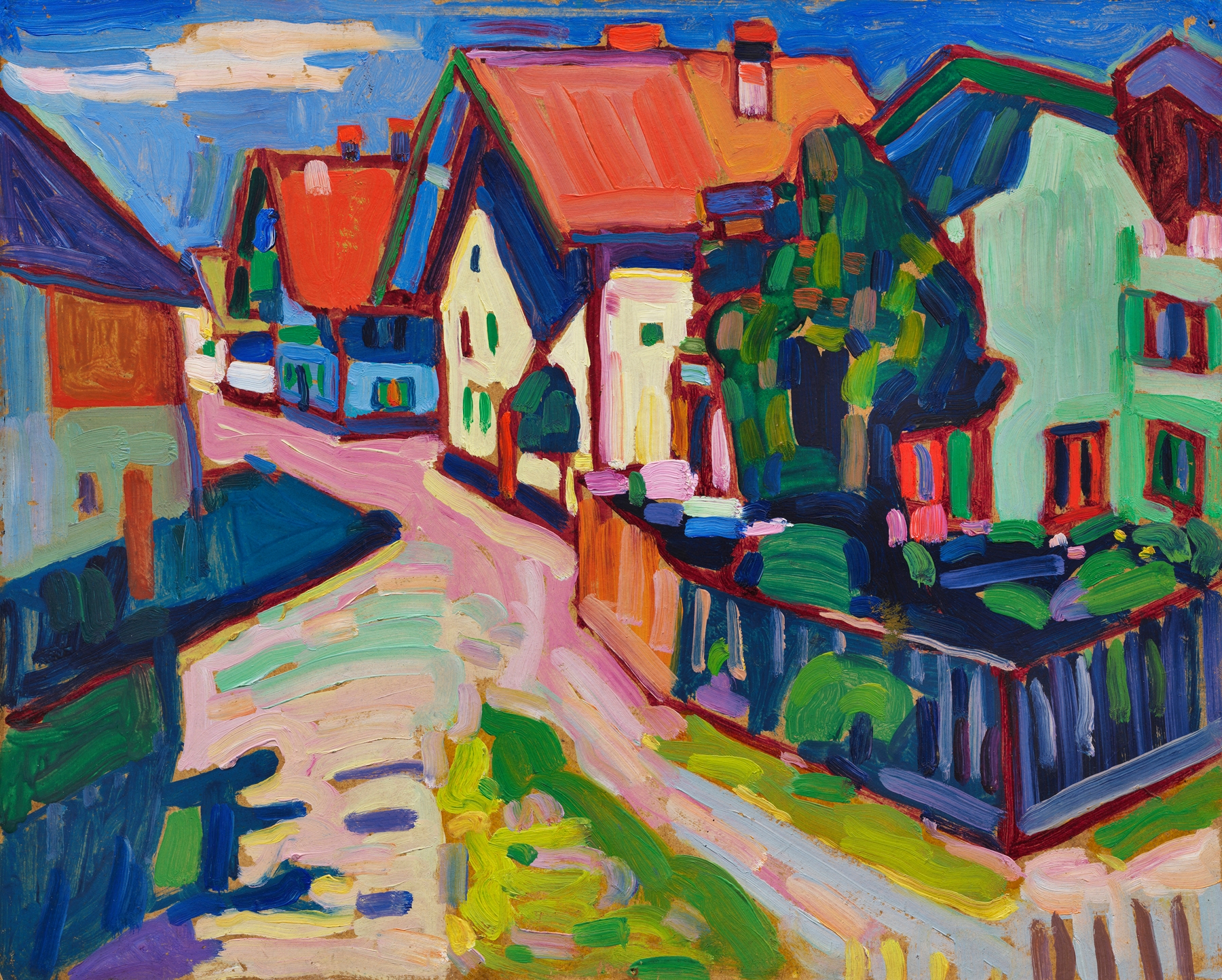
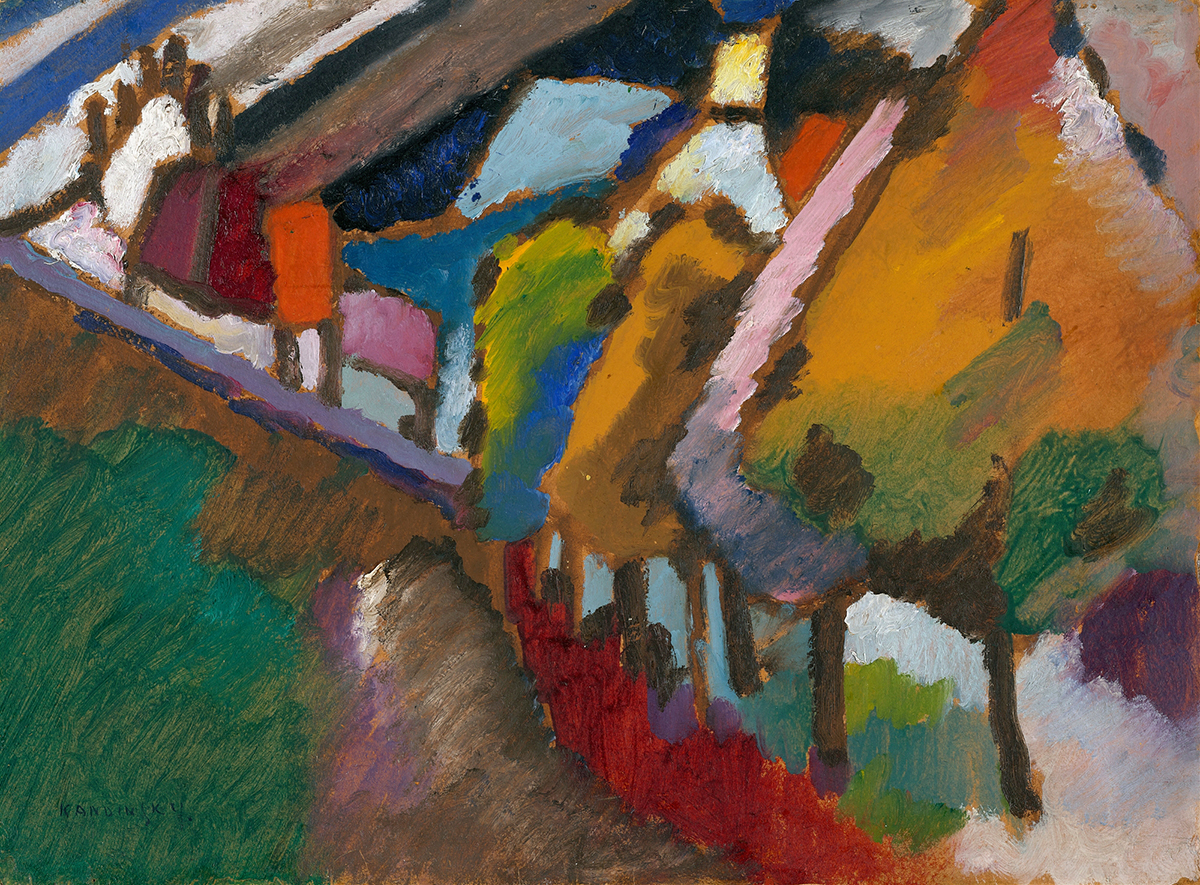
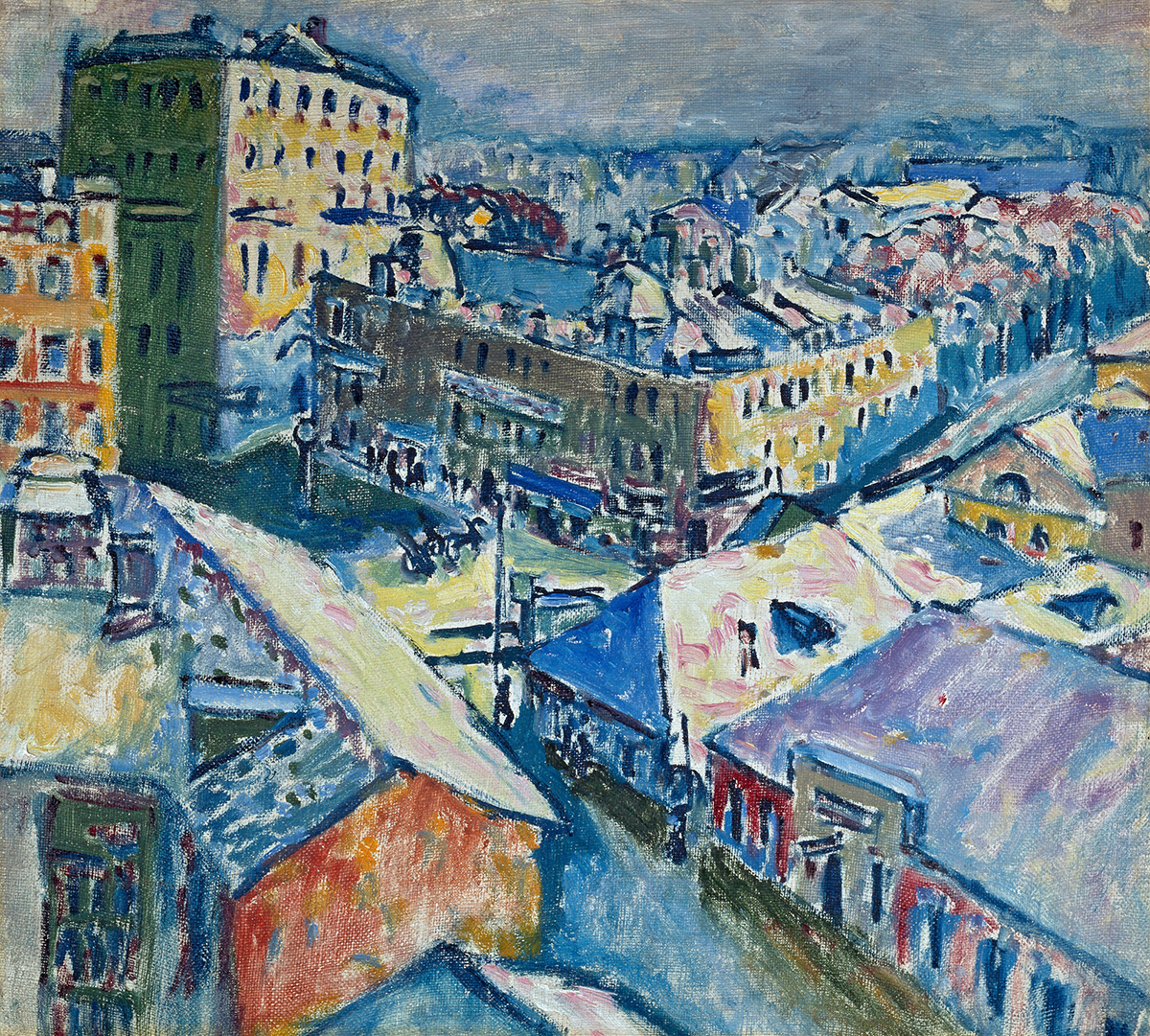
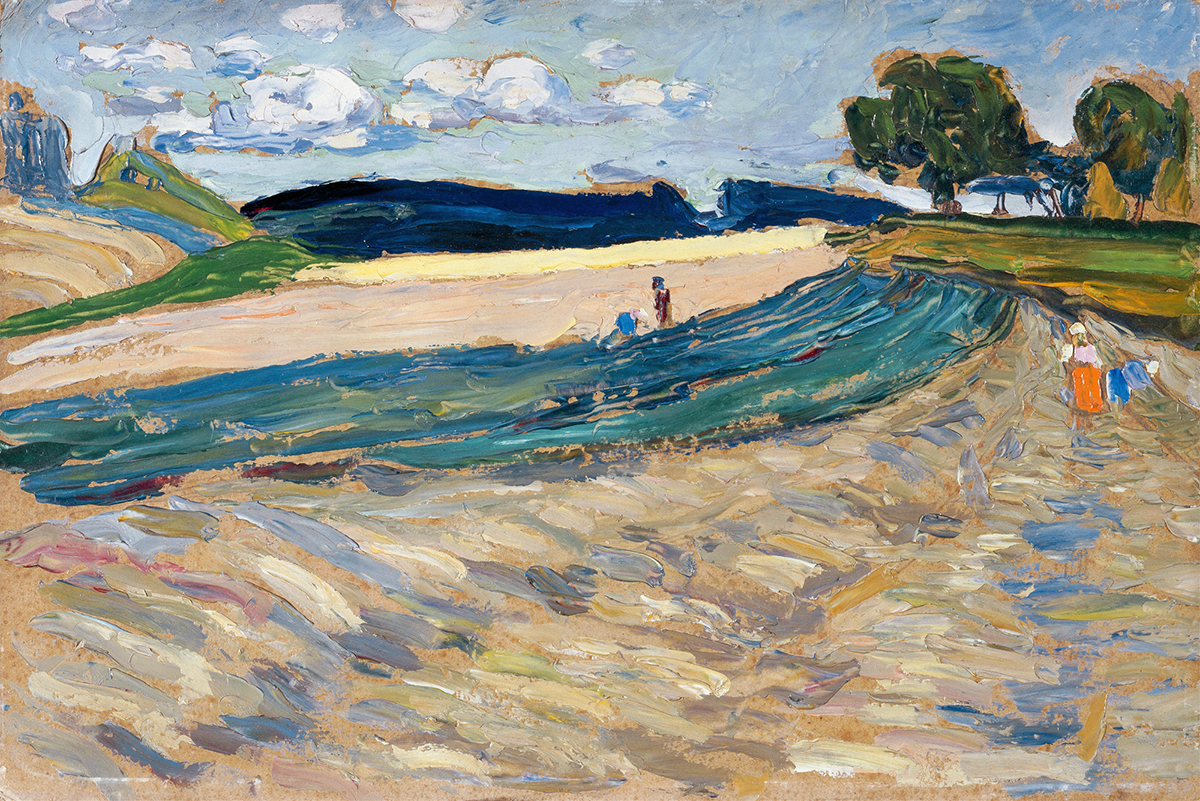
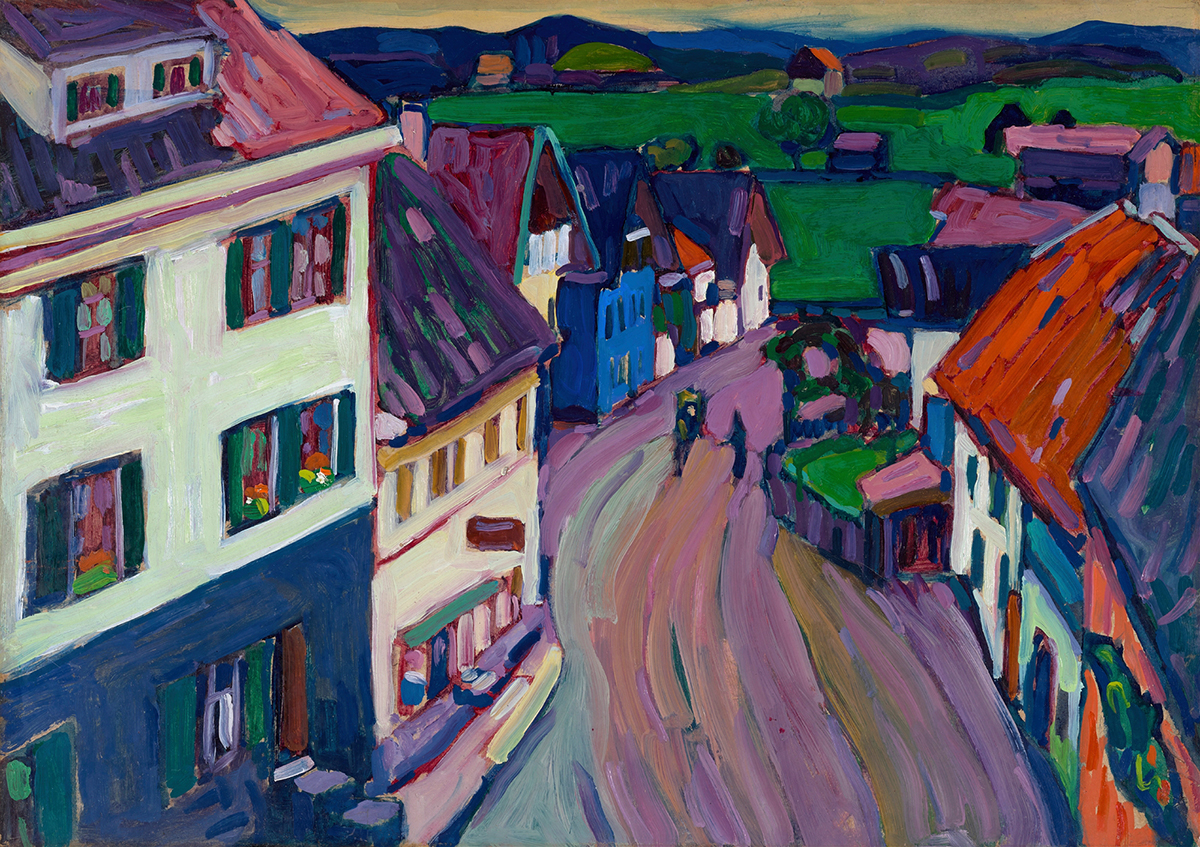
Can paint confess what words never could? The canvas breathes with an unexplained longing, capturing a moment that whispers of desire and the simple beauty of existence. Focus on the central horizon, where rolling hills embrace the sky. Here, soft curves of green meld into vibrant blues, inviting the eye to traverse the landscape. The brushstrokes, thick and expressive, weave a tapestry of texture that pulses with life.
Notice how the light dances across the scene, illuminating sections with warmth while shrouding others in a gentle shadow, creating an atmosphere thick with emotion. Hidden in the undulating forms of nature lies a dialogue between the seen and the felt. The juxtaposition of the sturdy, earthy tones and the fragile sky hints at tension between stability and yearning. The viewer is compelled to ponder the artist's connection to this place, as if each stroke of color is a caress of nostalgia, a fleeting glimpse of a world forever just out of reach.
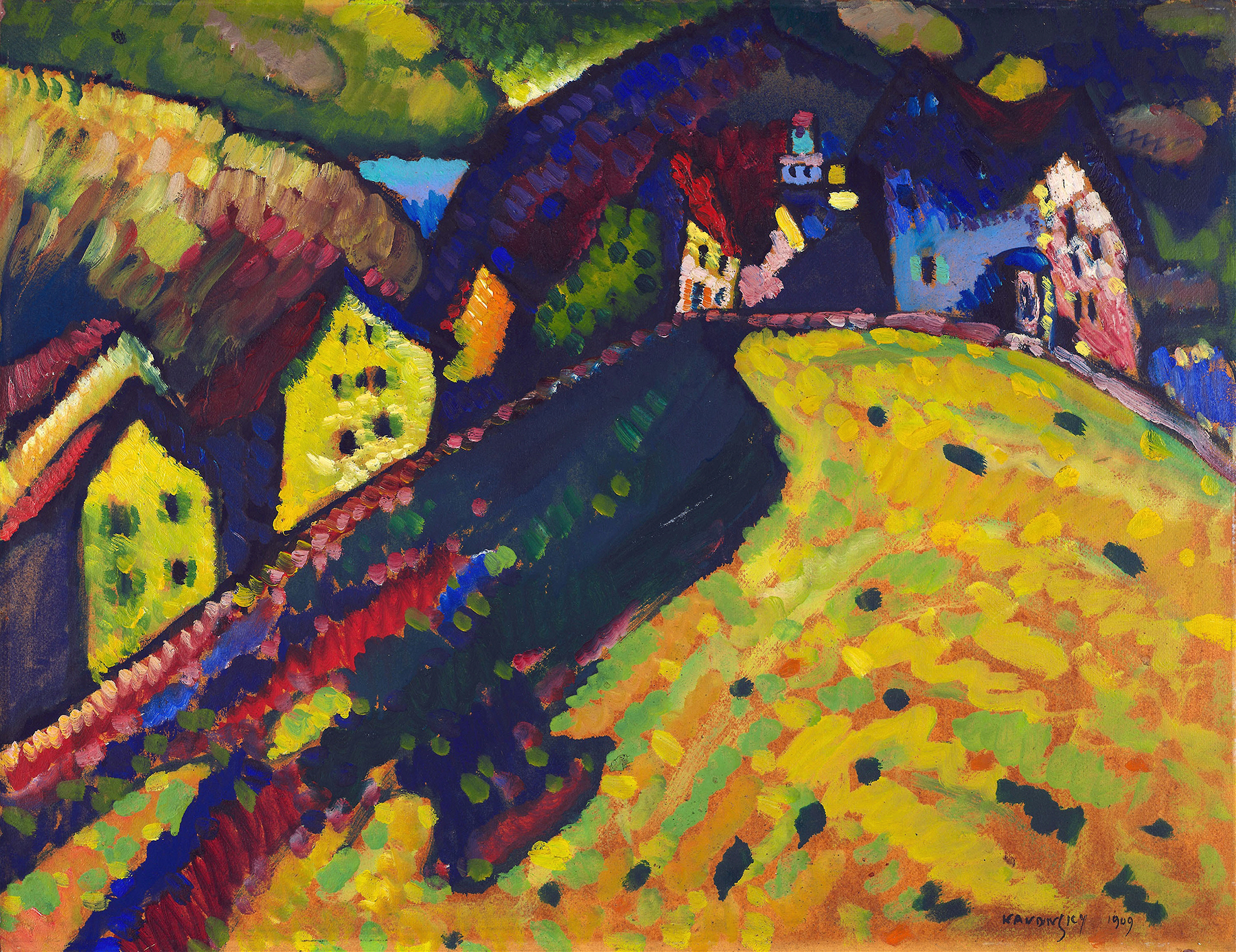
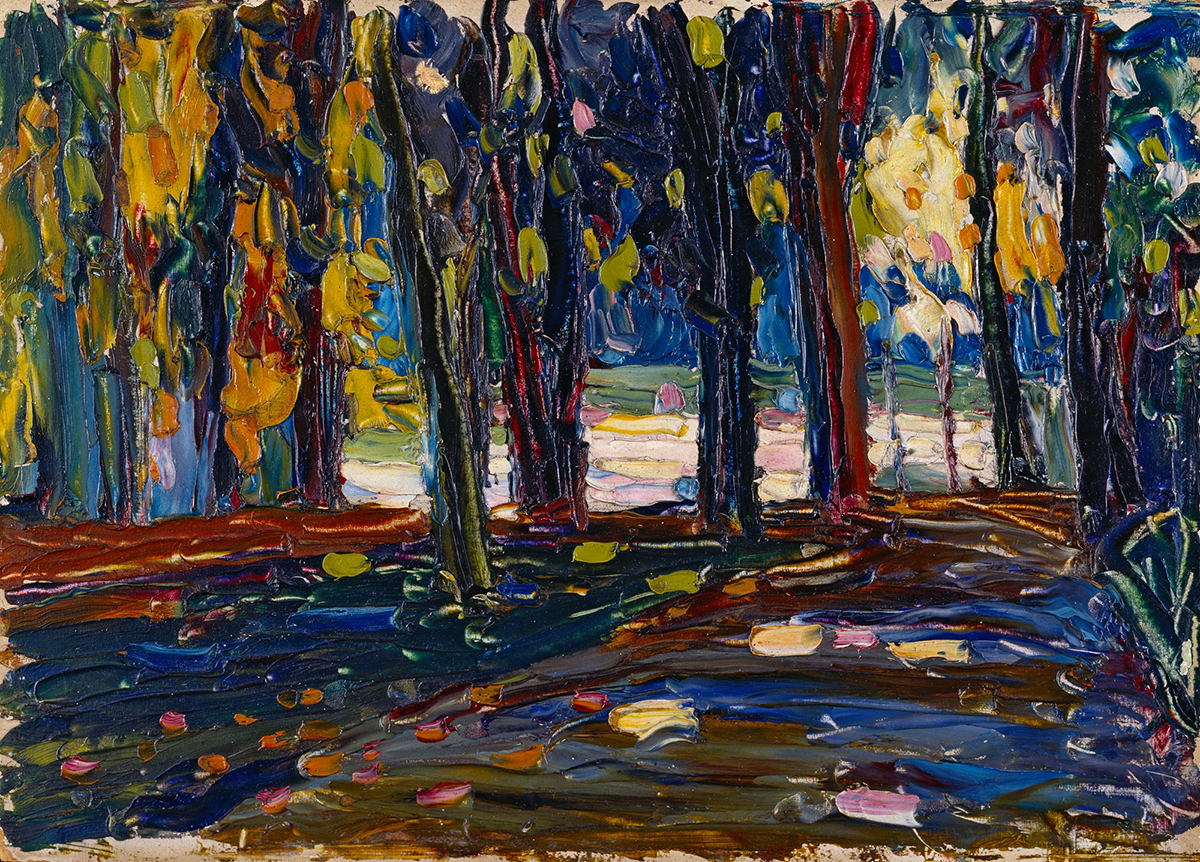
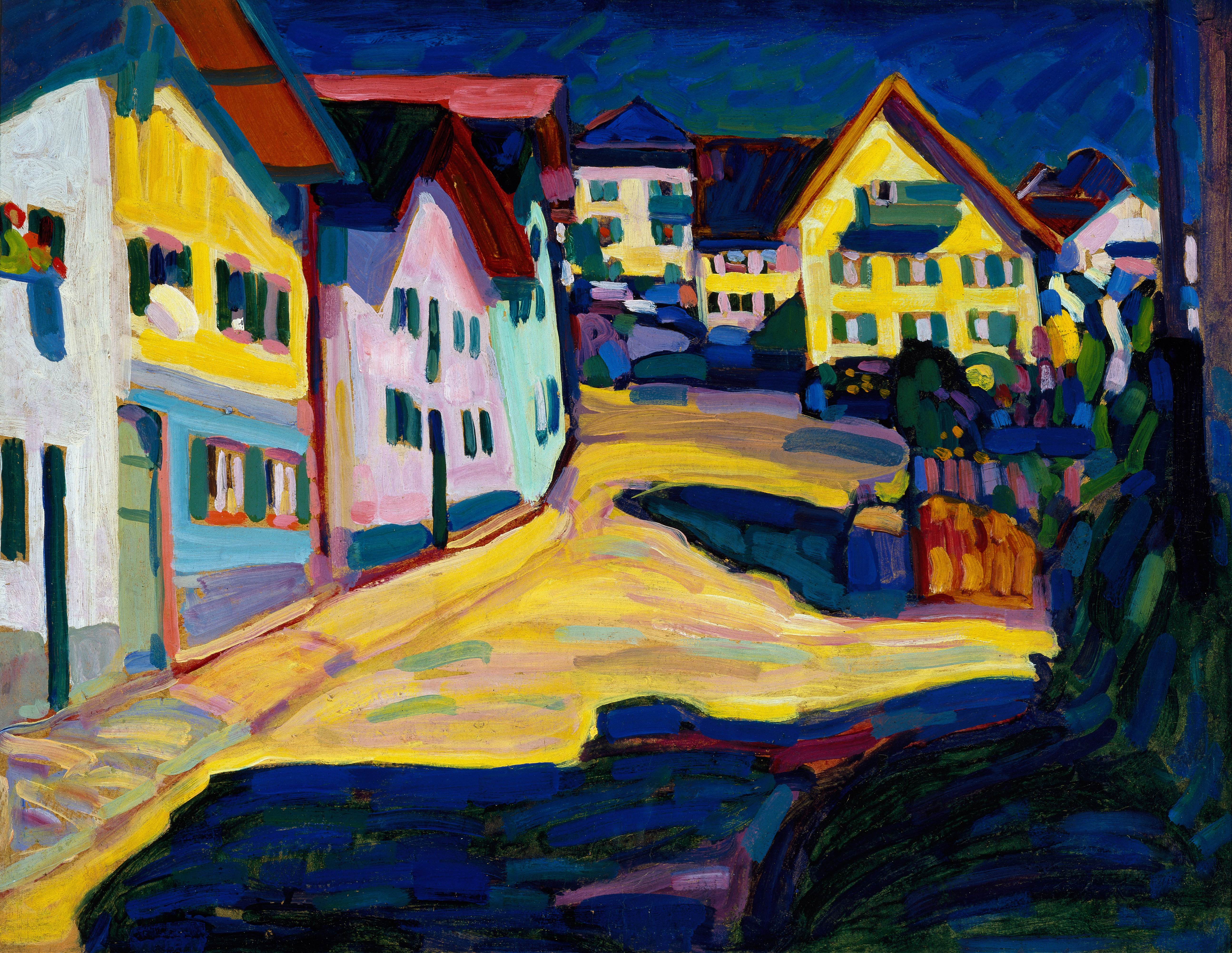
The desire captured here is not only for the physical landscape but for a deeper understanding of one's own identity and place within it. Wassily Kandinsky painted Murnau – View from the window of the Griesbräu in 1908 while residing in Murnau, Germany. This period marked a significant evolution in his artistic journey, as he began to explore abstraction and emotional expression more fervently. Amidst the vibrant artistic climate of the early 20th century, Kandinsky sought to break free from traditional representation, utilizing color and form to convey the inner workings of the soul.