Charing Cross Bridge — History & Analysis
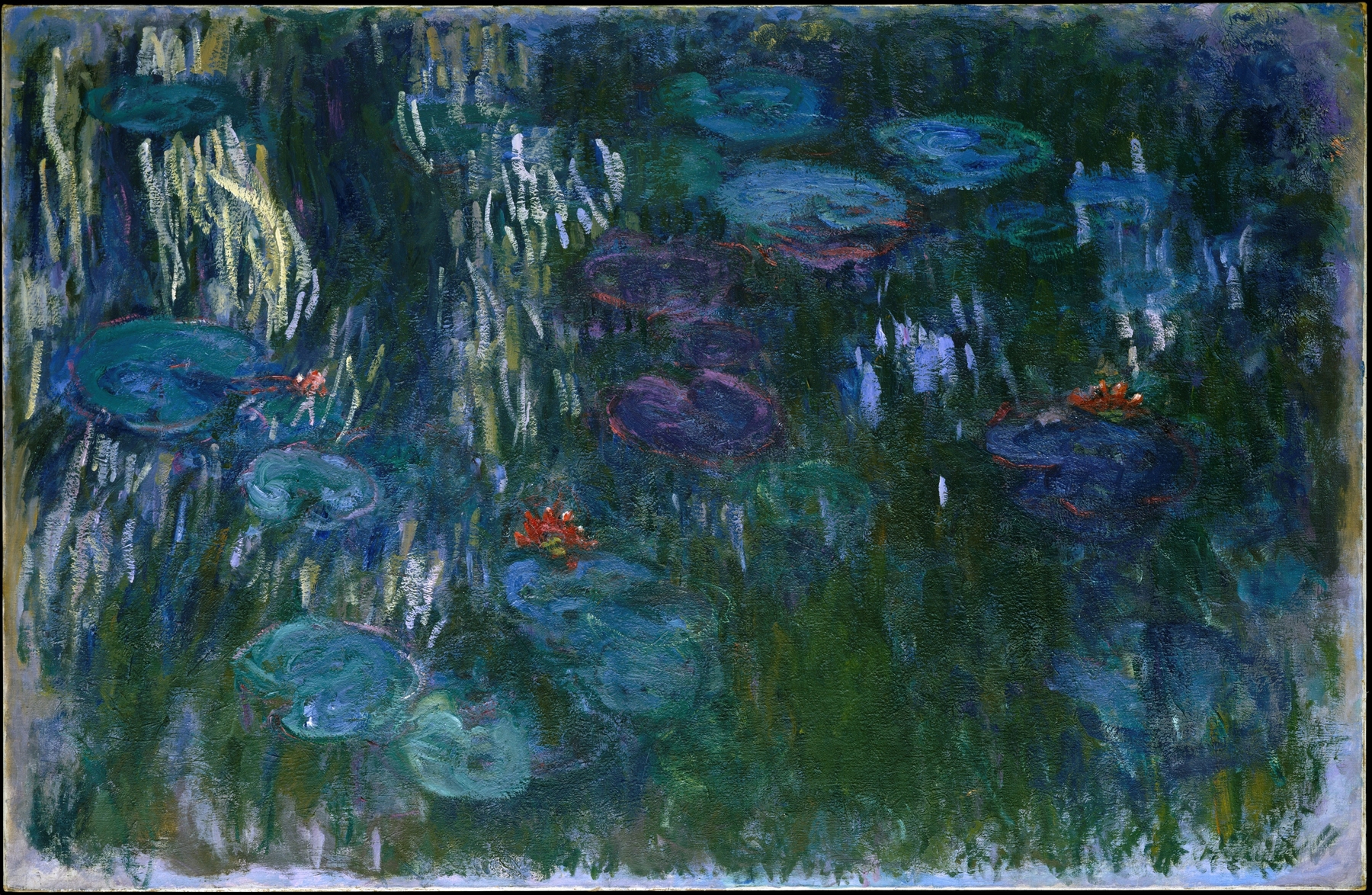
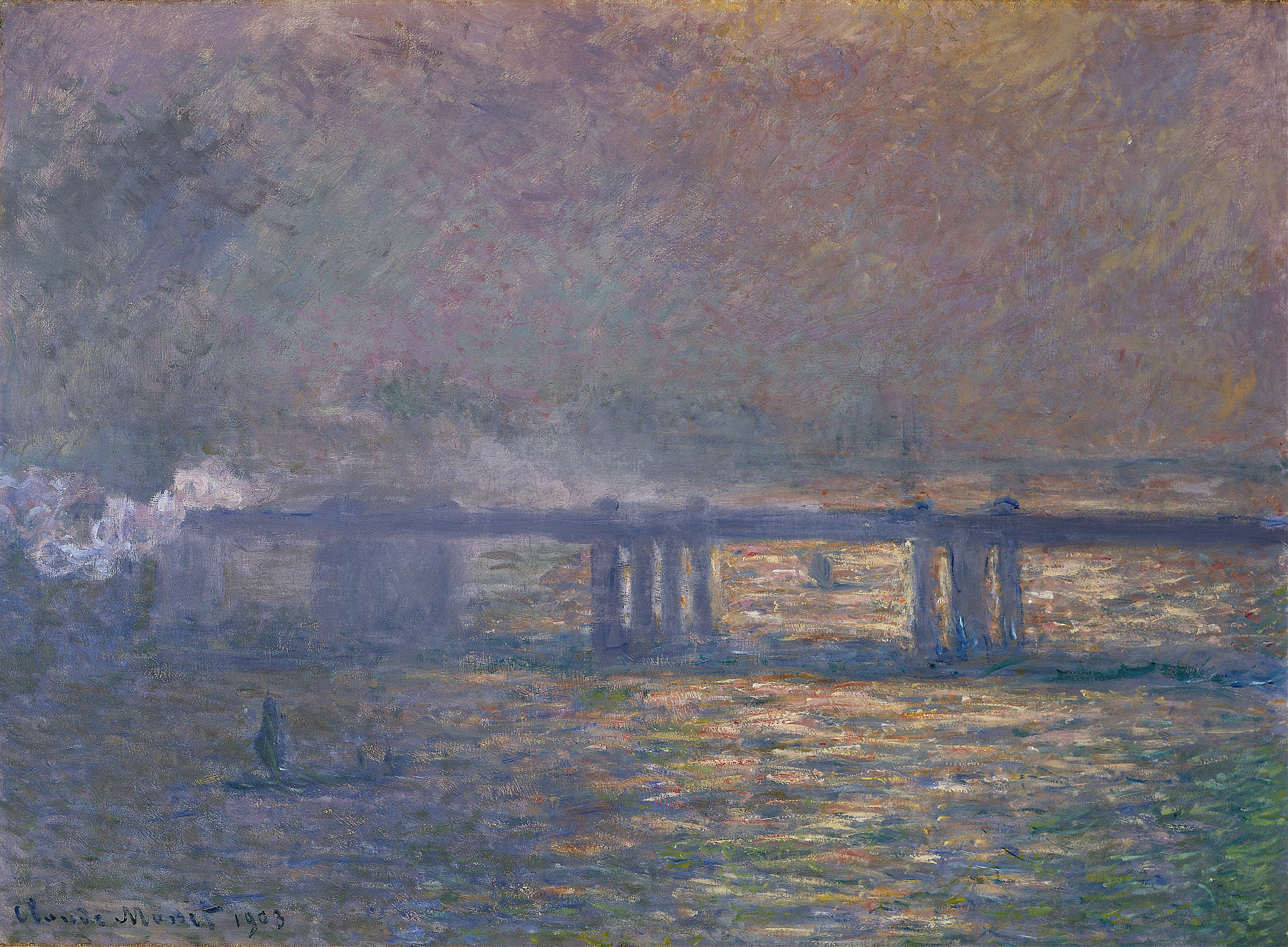
Can beauty exist without sorrow? Charing Cross Bridge suggests that yearning permeates even the most picturesque moments, forever entwined in the fabric of life. Look to the left, where the soft blues and grays of the Thames blend with the delicate strokes of the bridge, creating a serene yet ephemeral atmosphere. The impressionistic technique draws you in, revealing layers of light that dance across the water's surface, mirroring the clouds above.
Focus on the reflections rippling beneath; they evoke a sense of transience, as if the scene might dissolve into memory with the next gust of wind. In the distance, a silvery fog cloaks the scene in mystery, hinting at hidden stories and unfulfilled desires. Notice how the figures in shadow appear both connected and isolated, their presence lingering like whispers in the air. This duality of movement and stillness echoes the longing that exists within the heart of the city, capturing a moment that is both beautiful and melancholic.
In 1903, Monet found himself in England, immersed in the cityscape of London, where he painted Charing Cross Bridge during a period of personal growth and experimentation. This era marked a shift in his artistry, as he sought to explore the interplay of light and atmosphere. The work reflects not only his evolving techniques but also the vibrant yet tumultuous nature of turn-of-the-century Parisian life, filled with industrial progress and the shadows of a changing world.