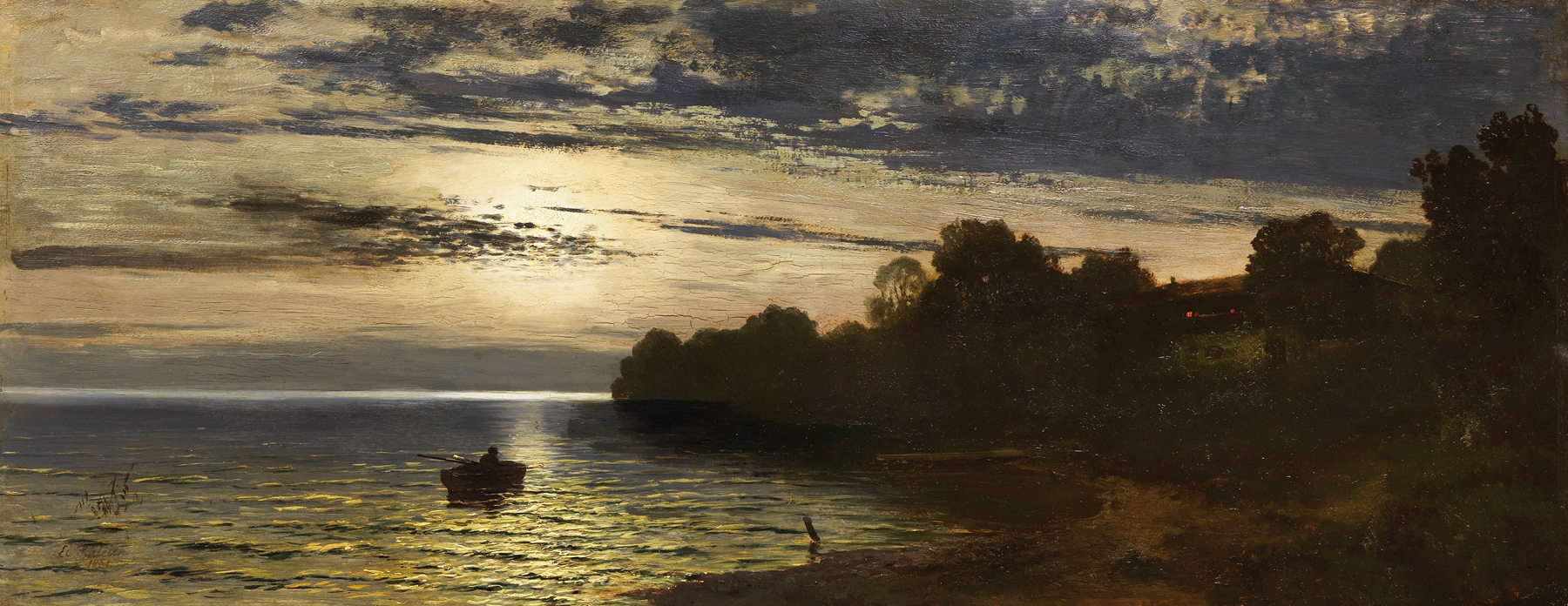
Chiemsee mit einem Angler — History & Analysis
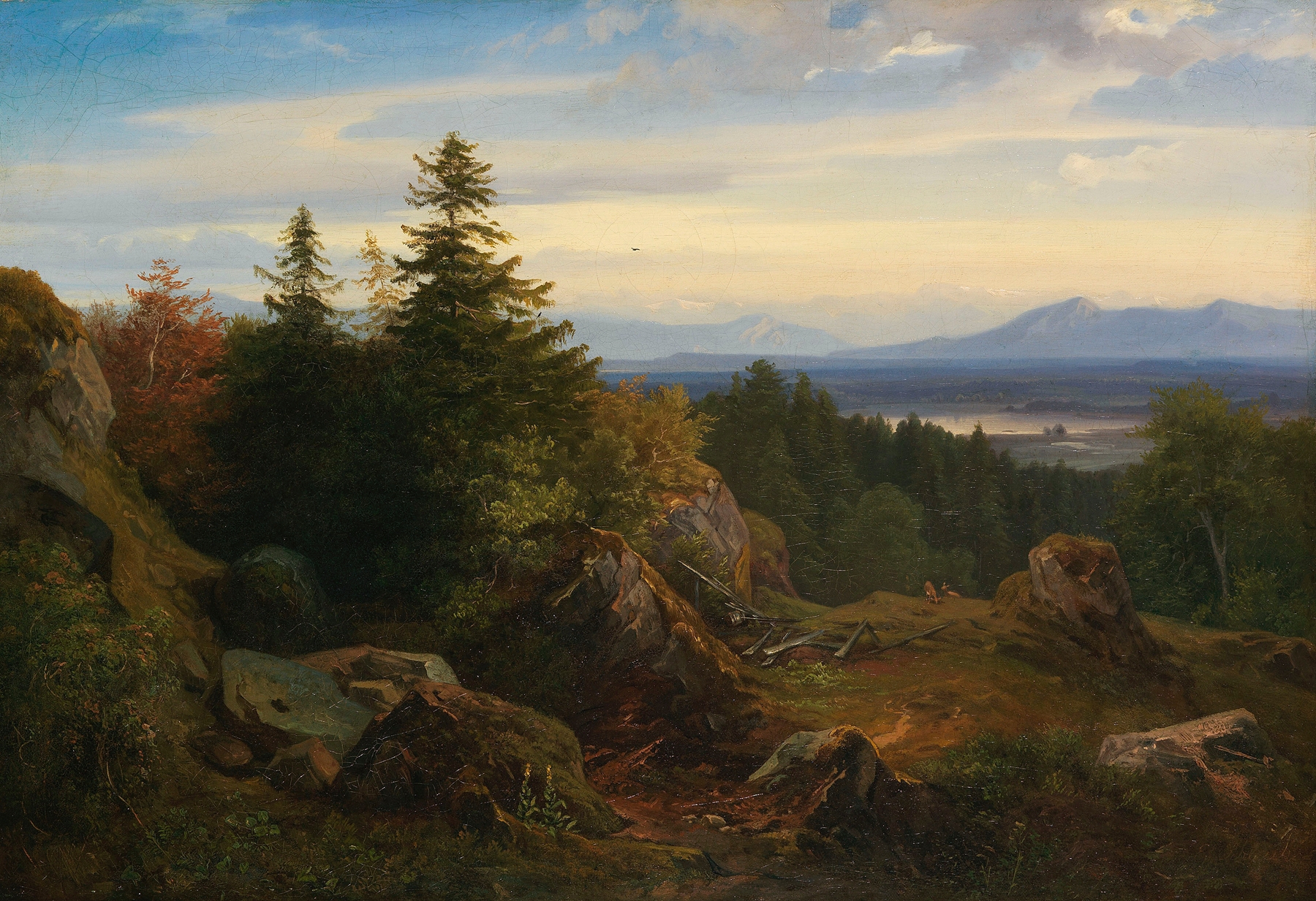
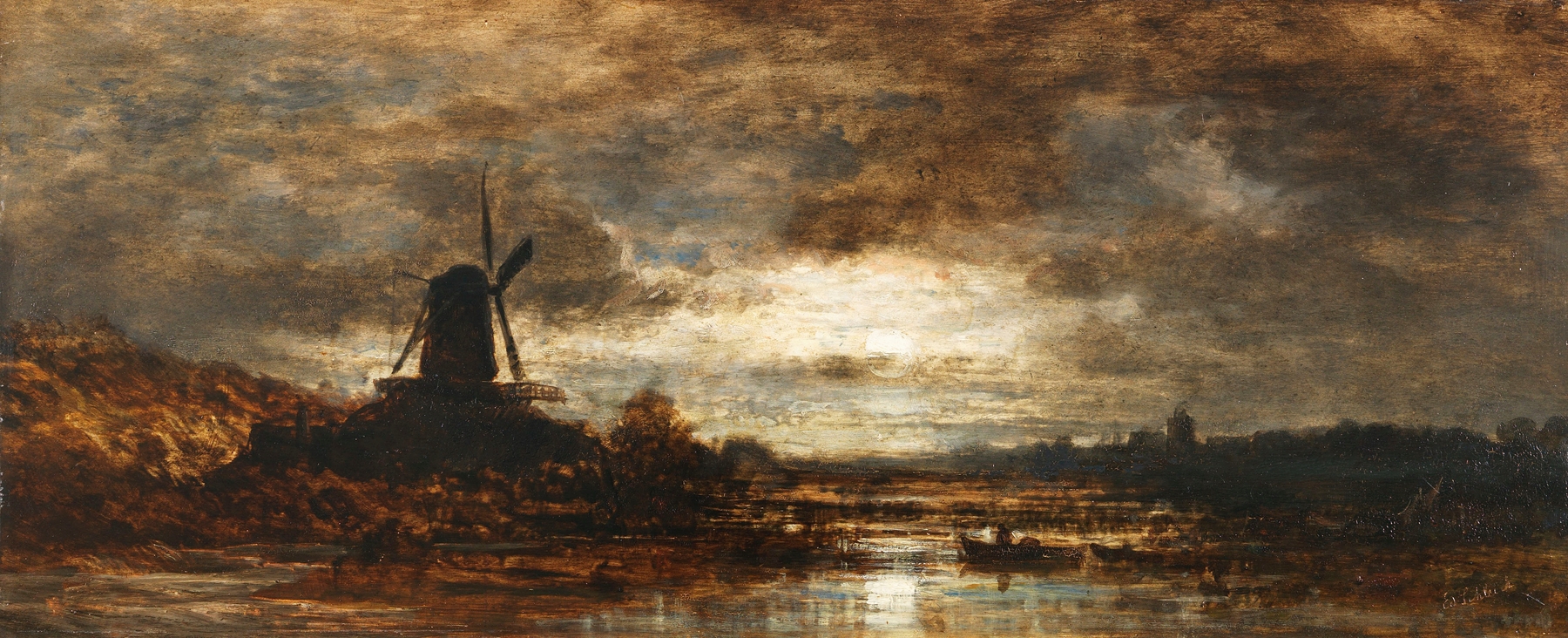
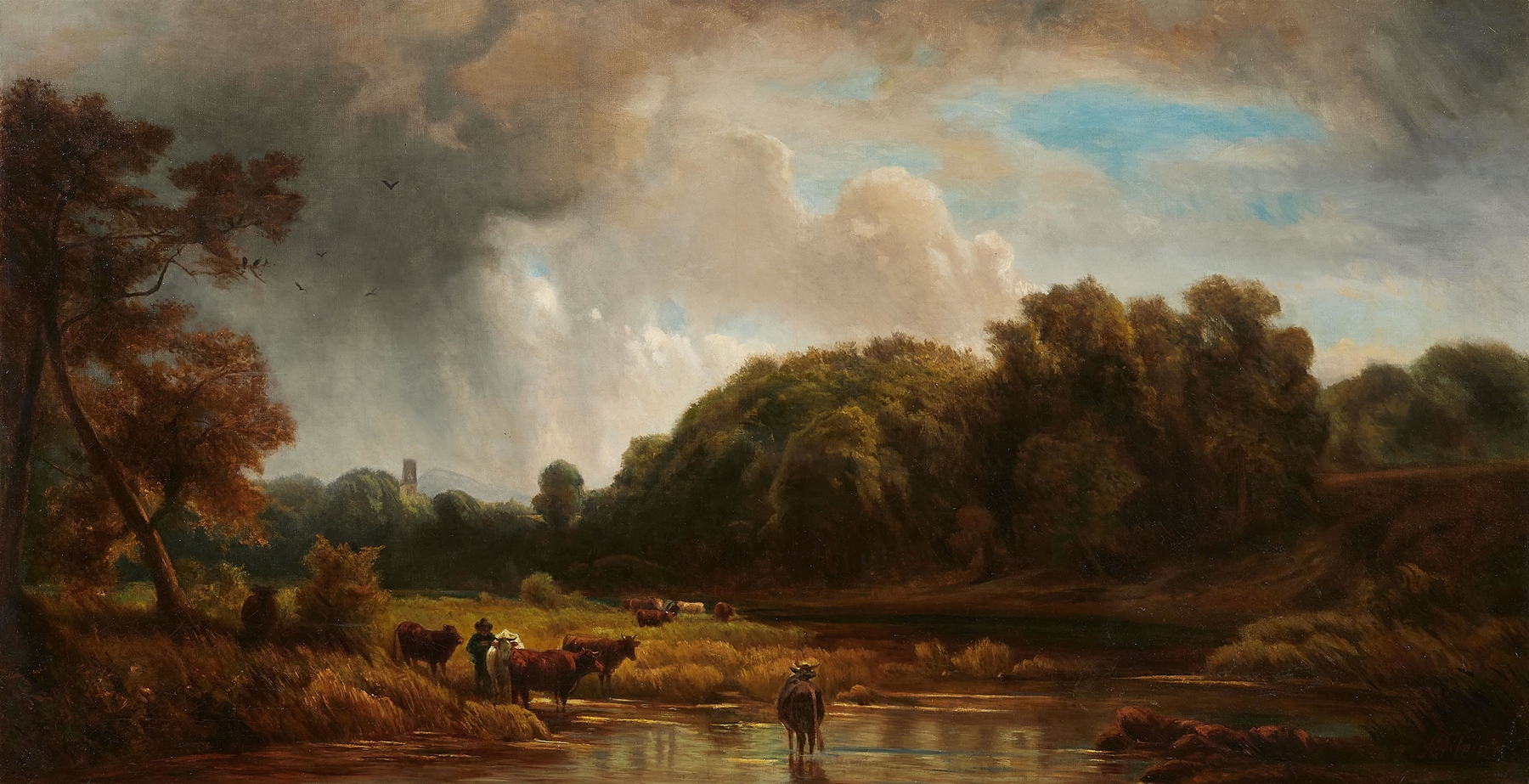
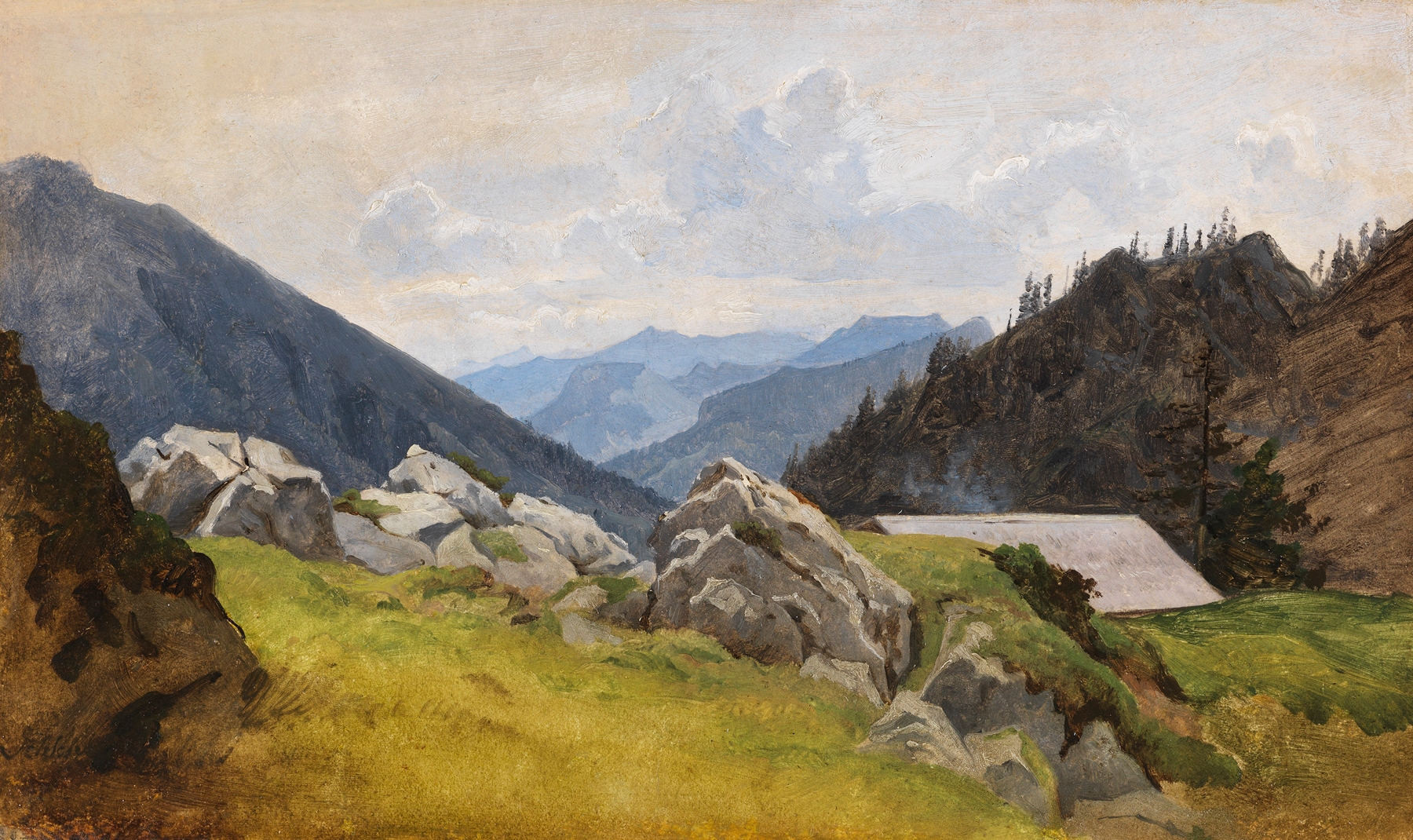
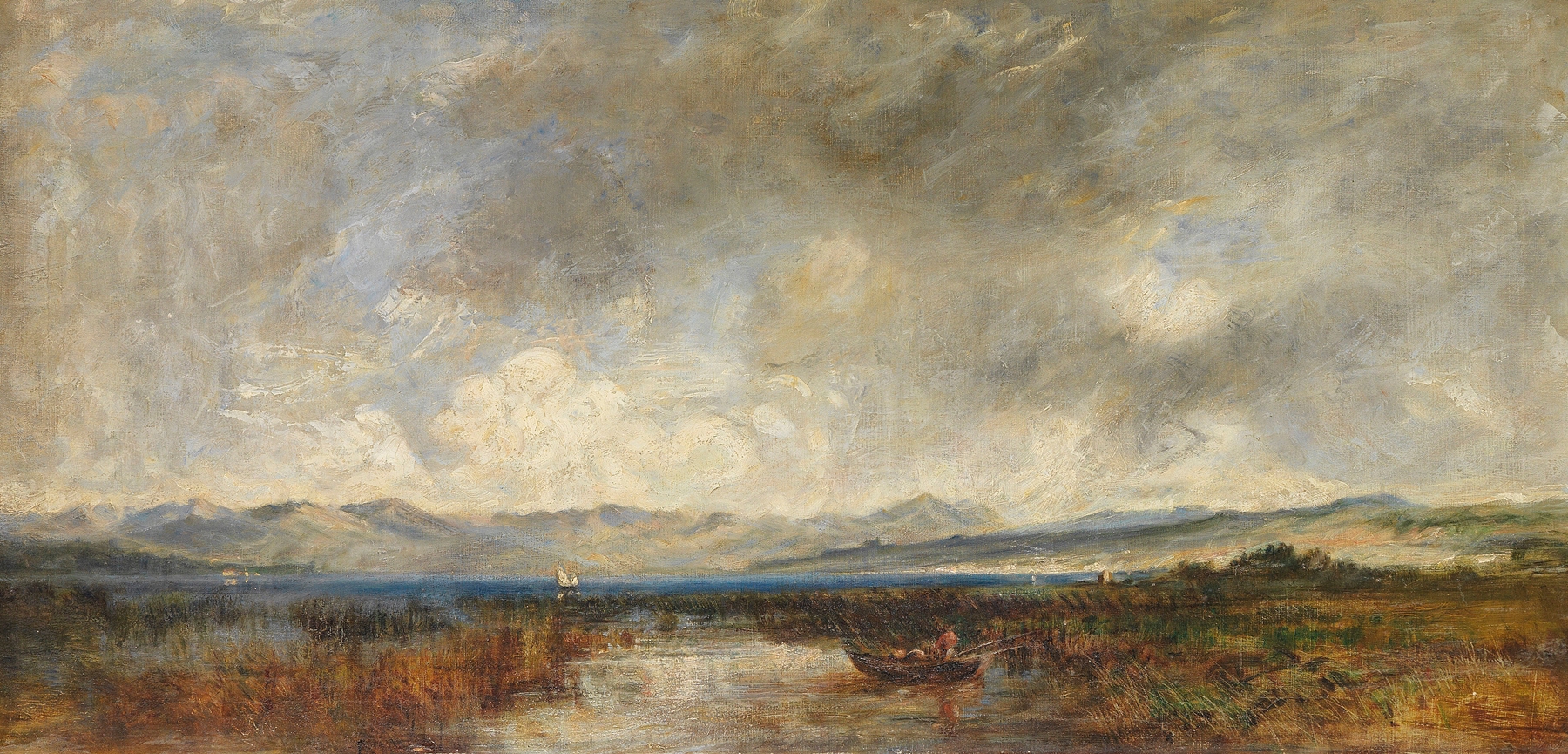
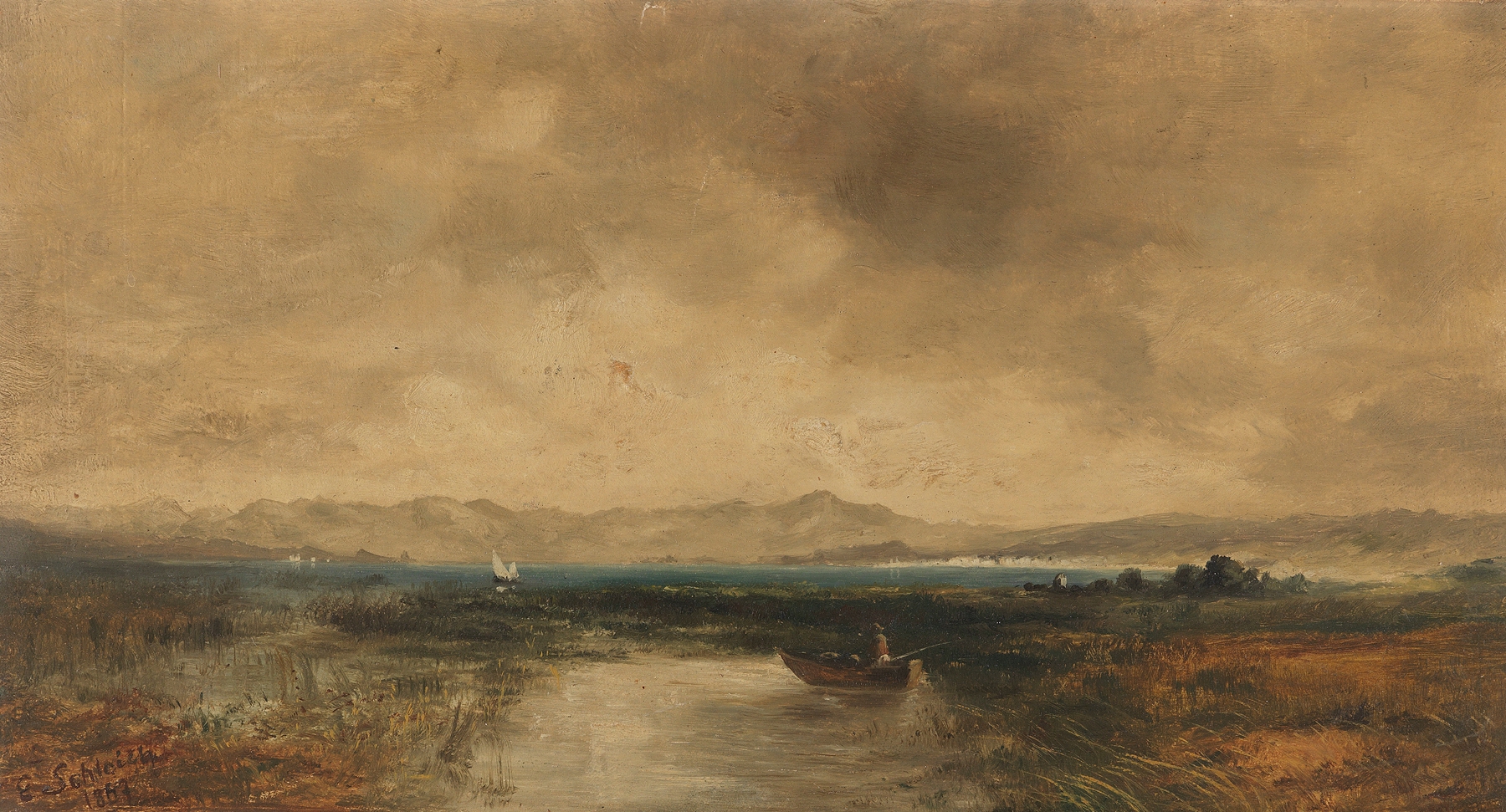
When did color learn to lie? The hues of blue and green play tricks, whispering secrets of the tranquil lake while masking the deeper currents beneath its surface. Look to the foreground, where a solitary angler crouches at the water’s edge, casting a delicate line into the shimmering depths. Notice how the light dances off the rippling surface, illuminating the gentle contours of the fisherman’s form, rendered with both precision and tenderness. The backdrop bursts with rich greens of the surrounding foliage, framing the scene in a soft embrace, as if the world is quietly holding its breath.
This orchestrated play of light and shadow invites the viewer to pause and consider the fragile balance between nature and human presence. Delve deeper, and one might sense a contrast between the serene beauty of the landscape and the solitude of the figure. The angler appears both at peace and isolated, embodying a profound sense of innocence as he seeks sustenance from the lake. The stillness of the scene contrasts with the vibrant colors, hinting at an underlying tension between the simplicity of life and the complexities of existence.
Each brushstroke serves to remind us that nature can be both a sanctuary and a mirror reflecting our innermost thoughts. Eduard Schleich The Elder created this work during a period when the Romantic movement was flourishing, characterized by its emphasis on emotion and the sublime in nature. Likely painted in the late 19th century, this piece reflects the artist’s affinity for pastoral scenes and his desire to capture the essence of tranquil moments. At this time, Schleich was gaining recognition for his depictions of landscapes infused with a sense of serenity and introspection, resonating with the broader artistic exploration of humanity's connection to the natural world.