Gebirgslandschaft — History & Analysis
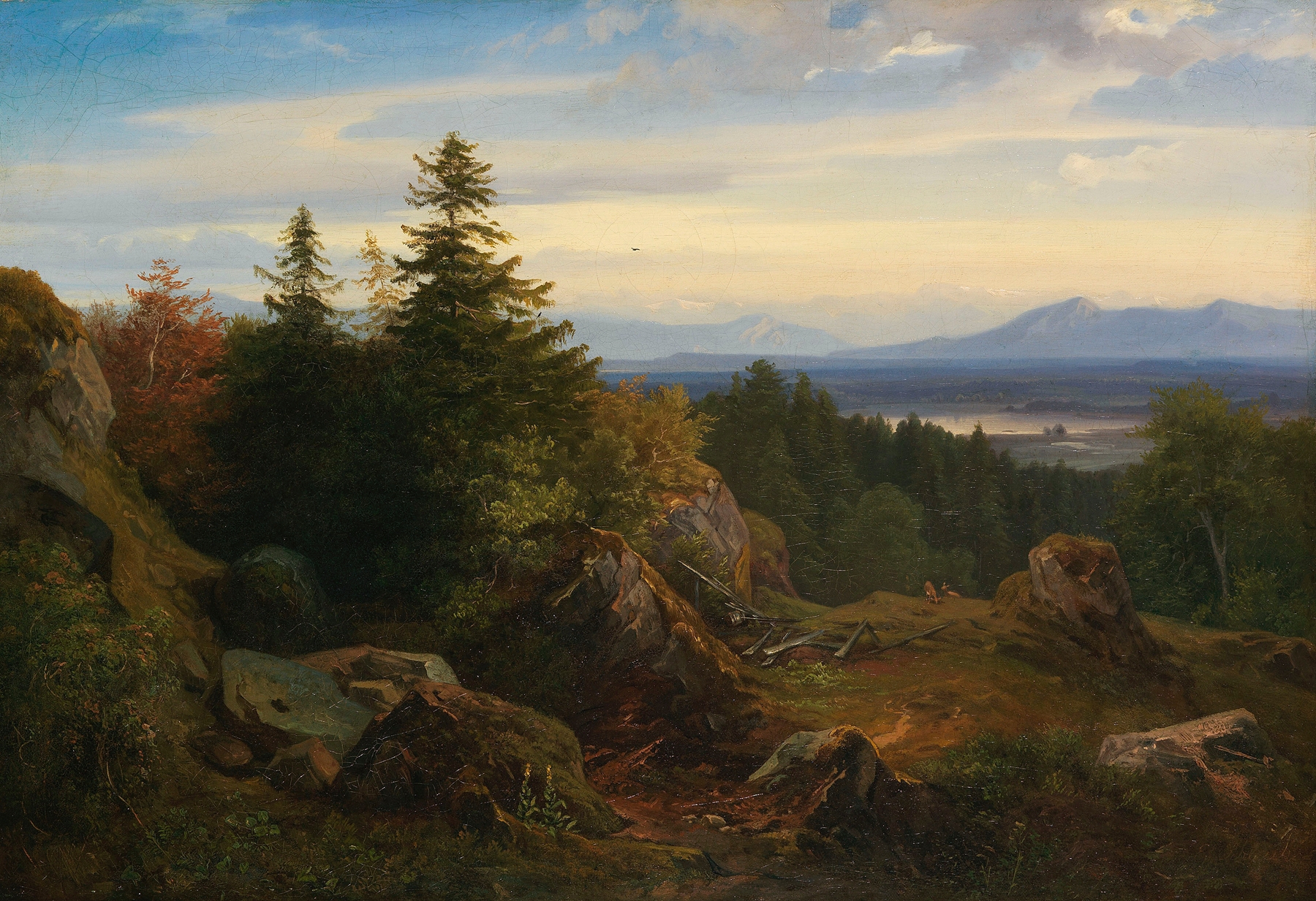
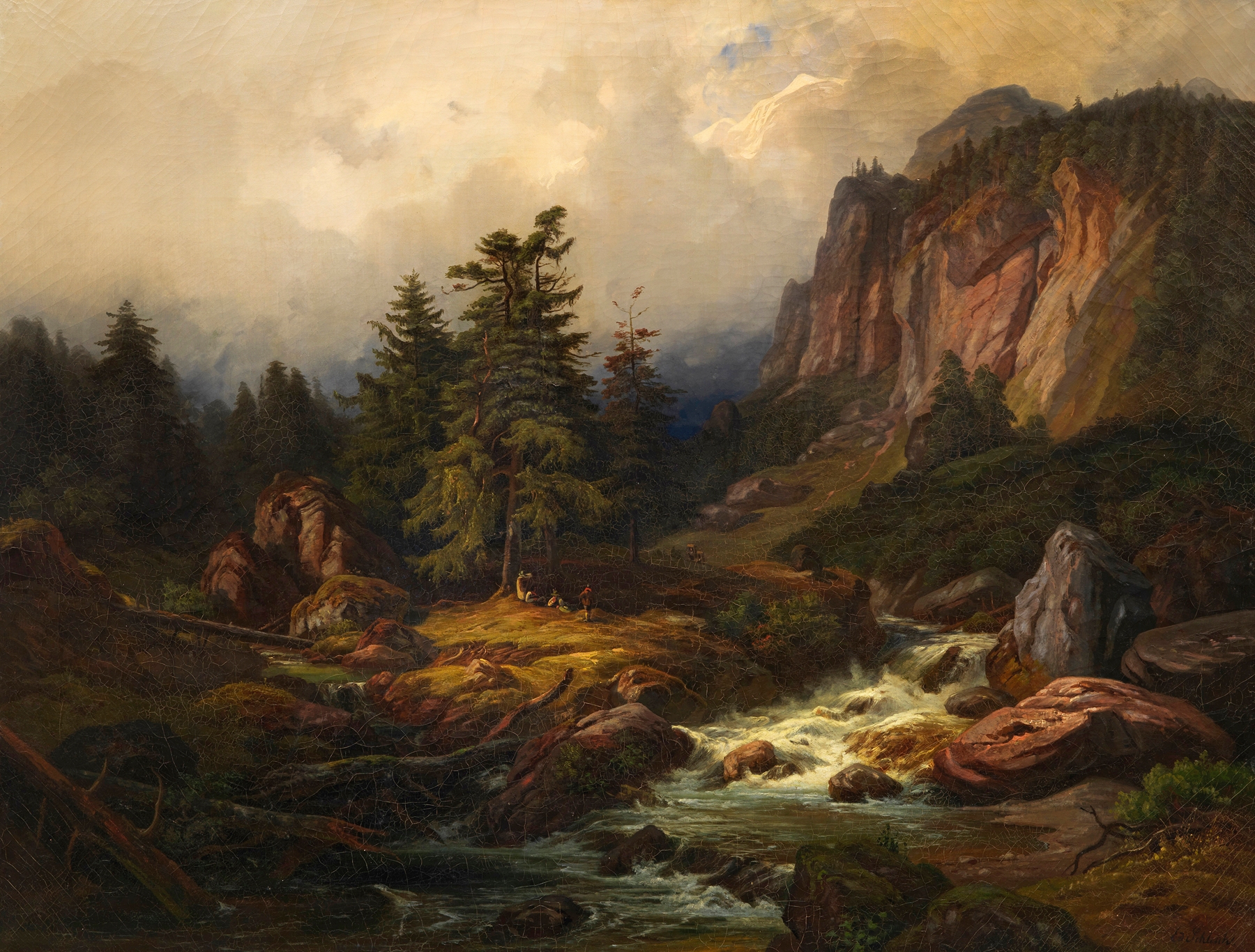
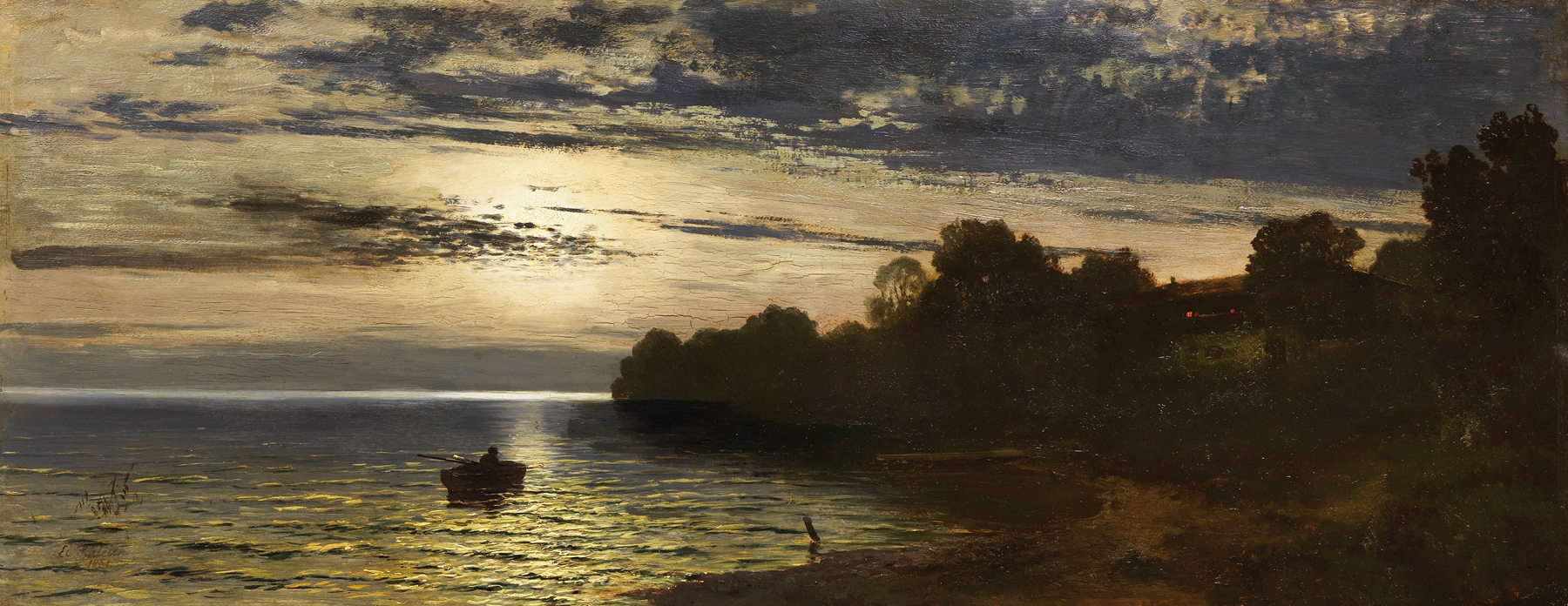
Art reveals the soul when the world turns away. In the stillness of nature, emotions intertwine with the landscape, whispering tales of grief and solitude. Look to the left, where towering mountains rise majestically against a soft, fading sky. The interplay of muted greens and deep blues envelops the scene in a hushed embrace, while a scattering of clouds adds a delicate texture, hinting at the weight of unshed tears.
Notice how the light subtly illuminates the rugged terrain, casting shadows that mirror the complexity of human emotion, inviting you to explore the hidden depths of the artist’s intention. Beneath the serene surface lies a poignant tension — the stark contrast between the grandeur of nature and the vulnerability of the human spirit. The winding path through the valley suggests a journey, perhaps one of contemplation or longing. Each brushstroke captures a fleeting moment, where beauty dances with sadness, echoing the weight of loss that lingers in the air.
It's as if the mountains themselves cradle unspoken fears, offering solace yet reminding us of the isolation grief can bring. Eduard Schleich The Elder created this evocative landscape between 1845 and 1860, during a period marked by Romantic ideals that celebrated the sublime in nature. While navigating personal challenges, he sought refuge in the majesty of the Alps, capturing not just the physical beauty but the emotional essence of the landscape. This work reflects the broader artistic movement of the time, where nature was imbued with human feelings, creating a deep connection between the viewer and the world around them.