Wildwechsel im Haspelmoos — History & Analysis
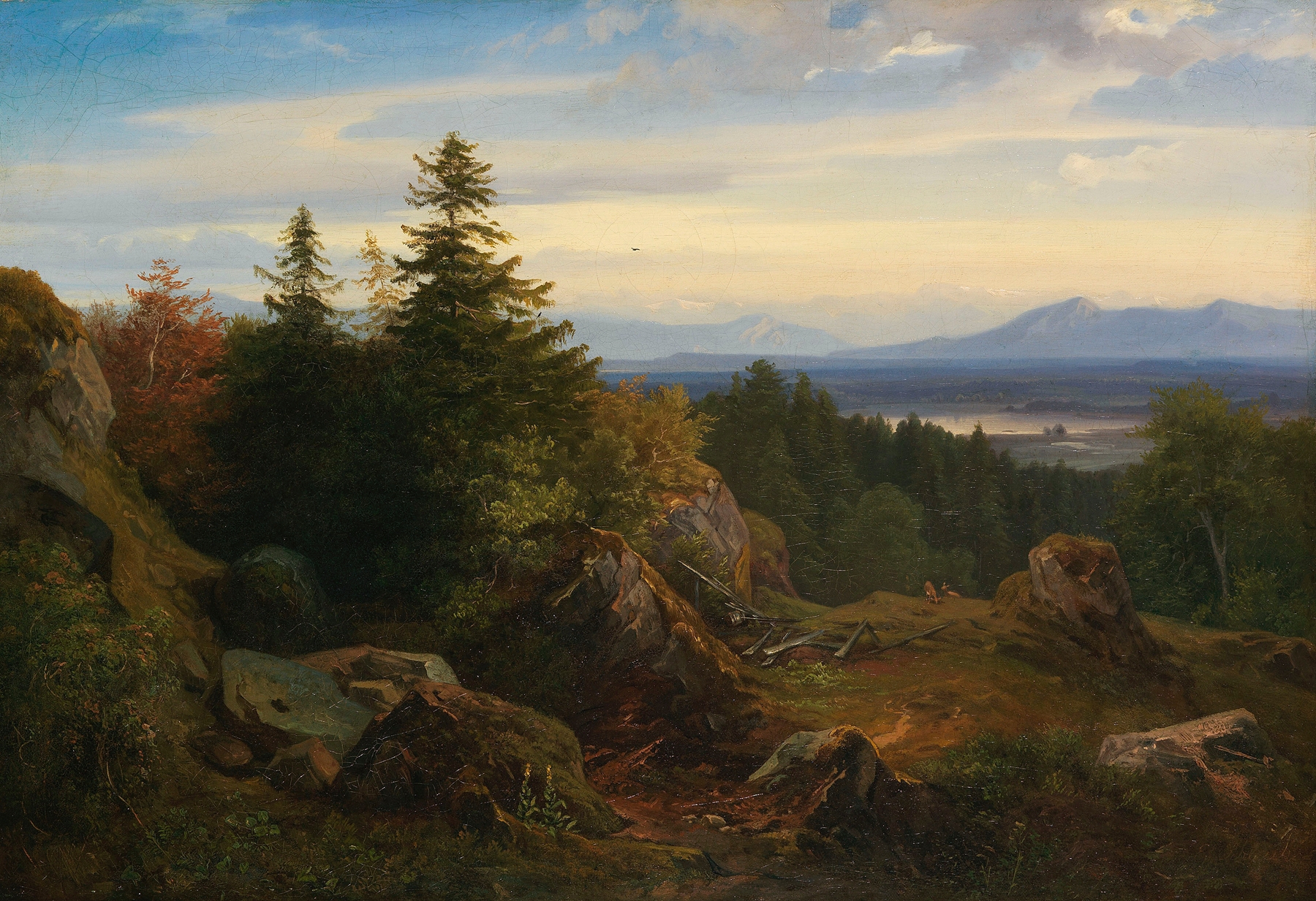
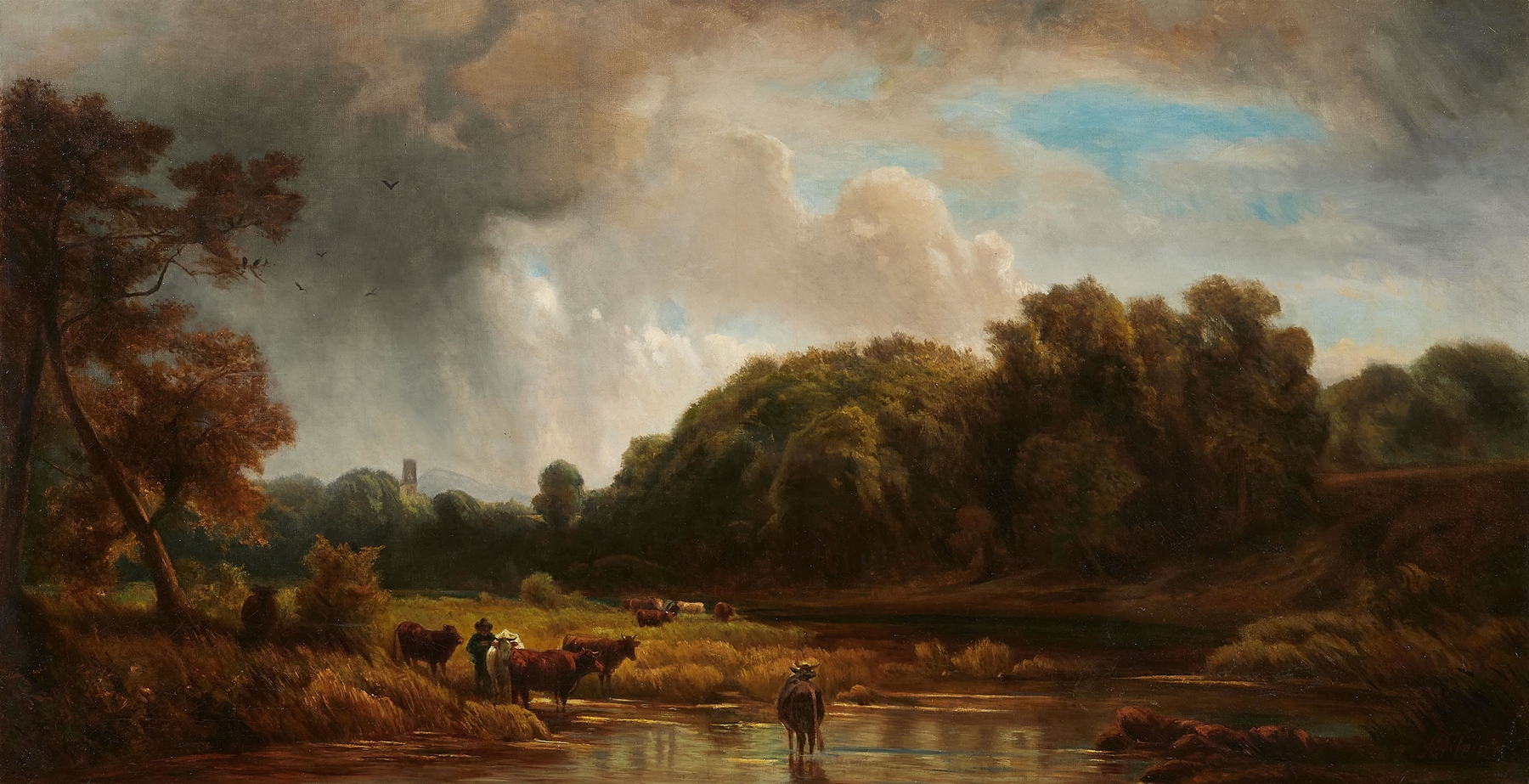
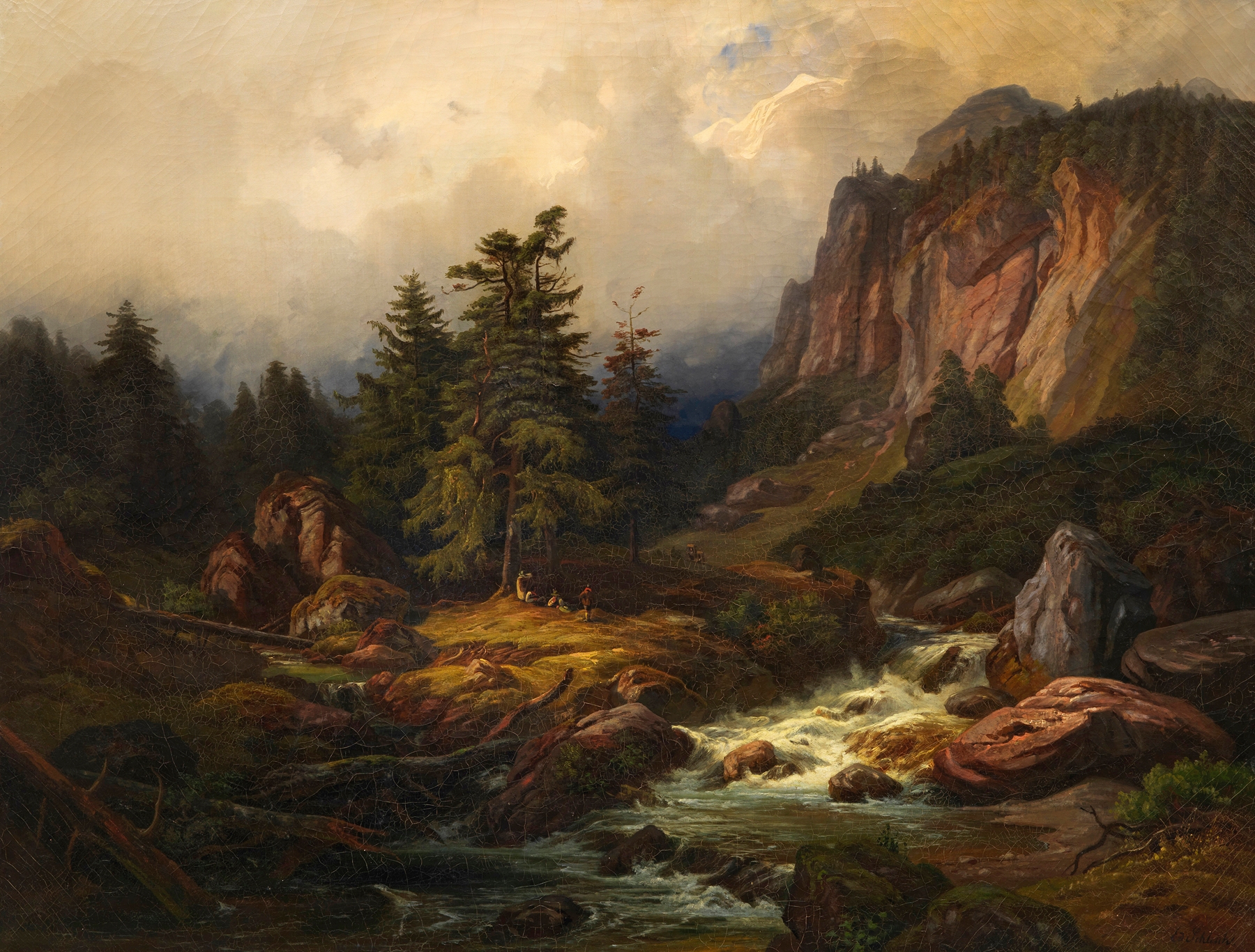
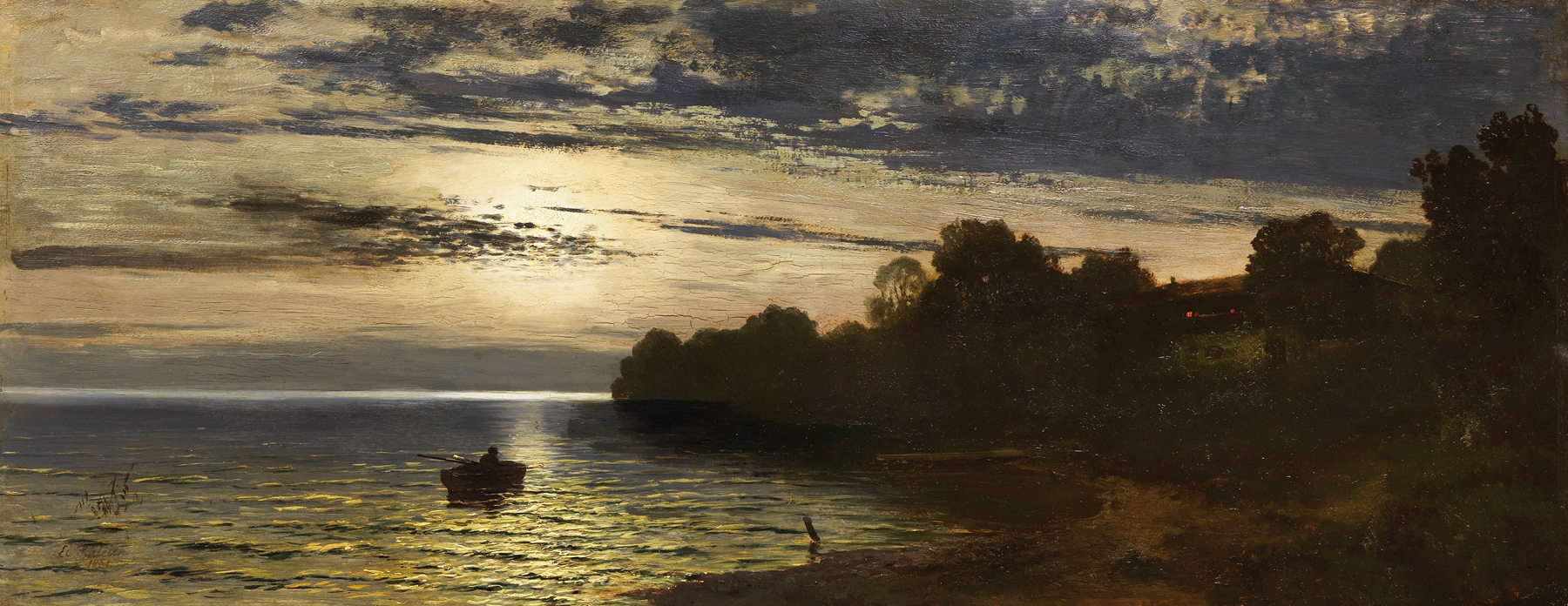
Who listens when art speaks of silence? In a world filled with noise, the subtle whispers of nature capture a legacy that transcends time. Look to the center of Wildwechsel im Haspelmoos, where a tranquil river weaves through a lush landscape, its reflections shimmering like a delicate secret. The painter’s brush evokes a sense of calm as soft greens and deep browns embrace the essence of the scene.
Notice how the light dances across the foliage and glistens on the water’s surface, inviting your gaze to follow the gentle flow of the river, leading you deeper into the serene wilderness. The interplay of light and shadow reveals emotional contrasts; the bright highlights suggest the warmth of a sun-drenched afternoon, while the cool shadows hint at the mysteries of the forest. The grazing cattle, small figures in the vast landscape, embody both the tranquility and the fragility of rural life. There’s a palpable stillness, yet an undercurrent of life runs through the painting, reminding viewers of the fragile connection between humanity and nature.
Created in 1845 while the artist was in Munich, Wildwechsel im Haspelmoos reflects a period rich with Romanticism, where nature was celebrated as a source of beauty and contemplation. Schleich was deeply influenced by the surrounding Bavarian landscape, representing a time when artists sought to forge a legacy by embodying the serene rhythms of rural existence. The work encapsulates a moment that bridges the past and the future, inviting us to listen to the silence that envelops the natural world.