Chinese tent — History & Analysis
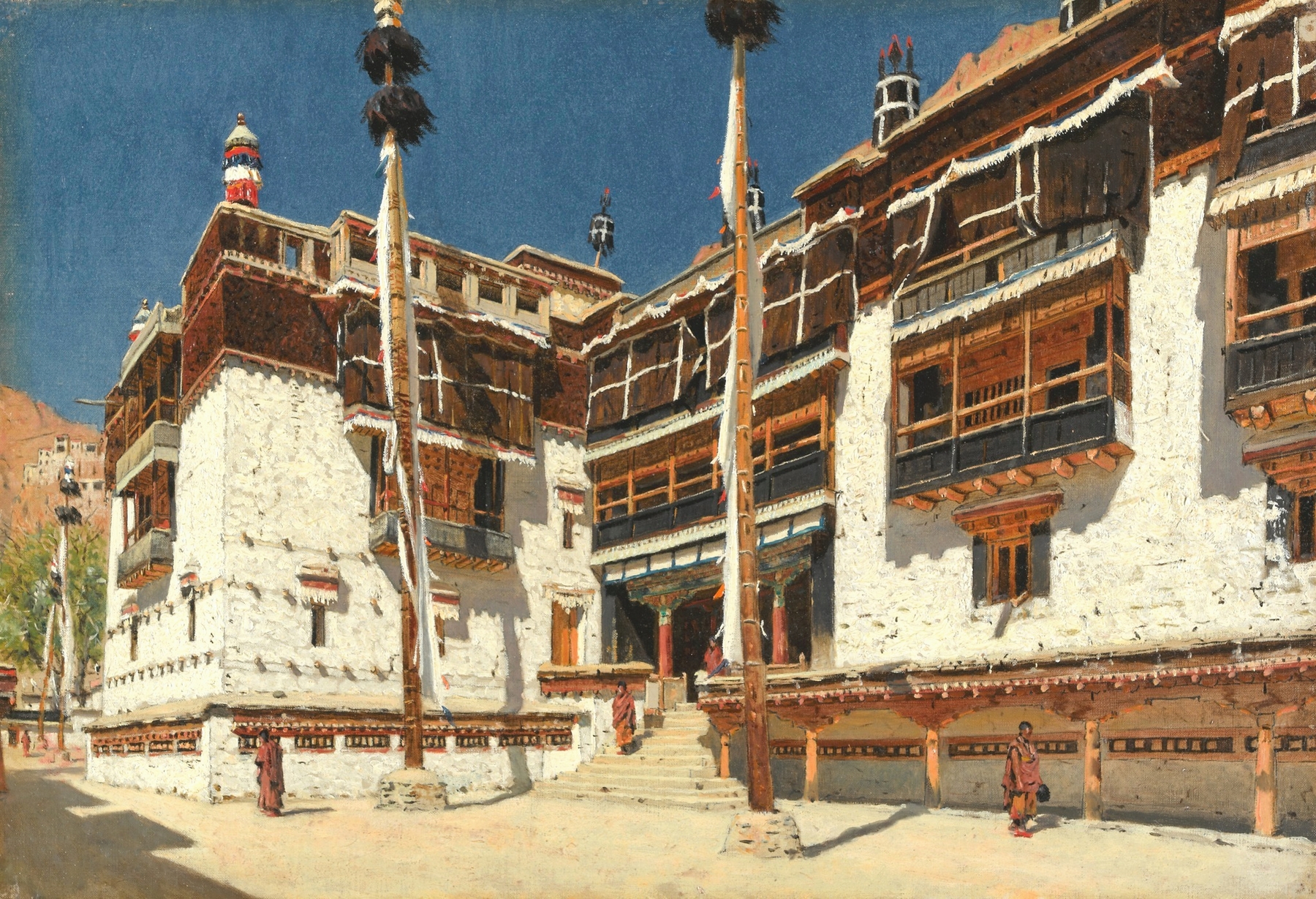
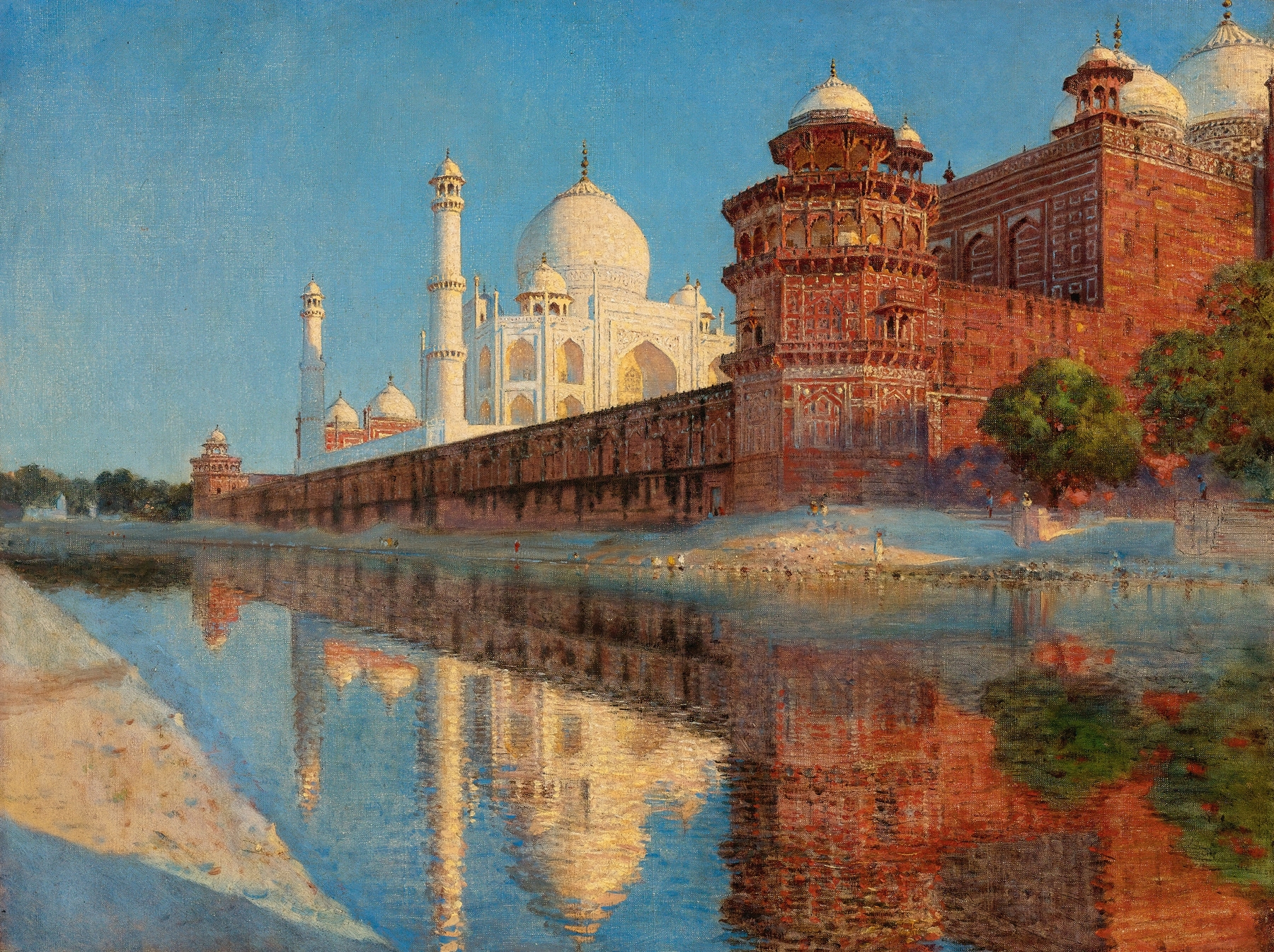
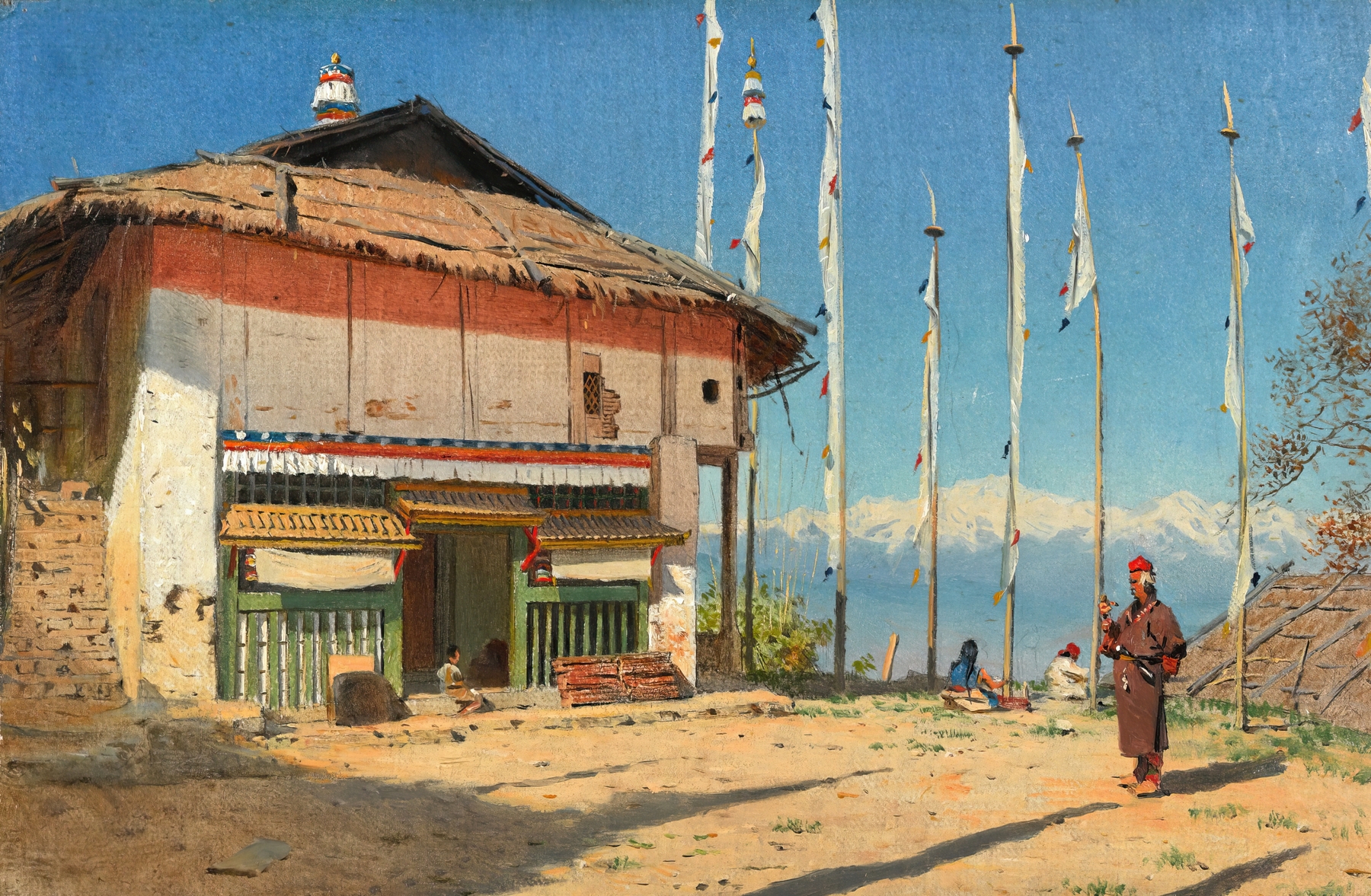
What if beauty was never meant to be finished? In Chinese Tent, this question lingers like a whisper, inviting us to ponder the ephemeral nature of memory and experience. Look closely at the intricate patterns of fabric cascading down the tent, each fold and shadow creating a rhythm that draws the eye inward. The vibrant hues of red and gold intermingle, evoking warmth and an exotic allure, while the delicate brushwork imparts a sense of movement, as if the air within is alive with stories waiting to be told.
Notice how the light filters through, casting gentle highlights that dance across the surfaces, breathing life into each decorative detail. The painting conjures a profound contrast between the tangible and the intangible—between the physical beauty of the tent and the fleeting memories it holds. The almost palpable textures invite a touch, yet they remain forever out of reach, like recollections we cherish but can never fully grasp. This tension between presence and absence resonates deeply, allowing viewers to reflect on their own experiences of nostalgia and the impermanence of beauty.
During the years 1869 and 1870, Vereshchagin was immersed in his travels through Asia, capturing the vibrancy of cultures often overlooked by the West. In this period, he was concerned not only with the aesthetics of his subjects but also with their historical and cultural significance. This painting reflects his evolving vision, as he sought to bridge the gap between Western and Eastern art forms, revealing a world rich with beauty and complexity.