Christus spreekt met de discipelen over de Goede Herder — History & Analysis
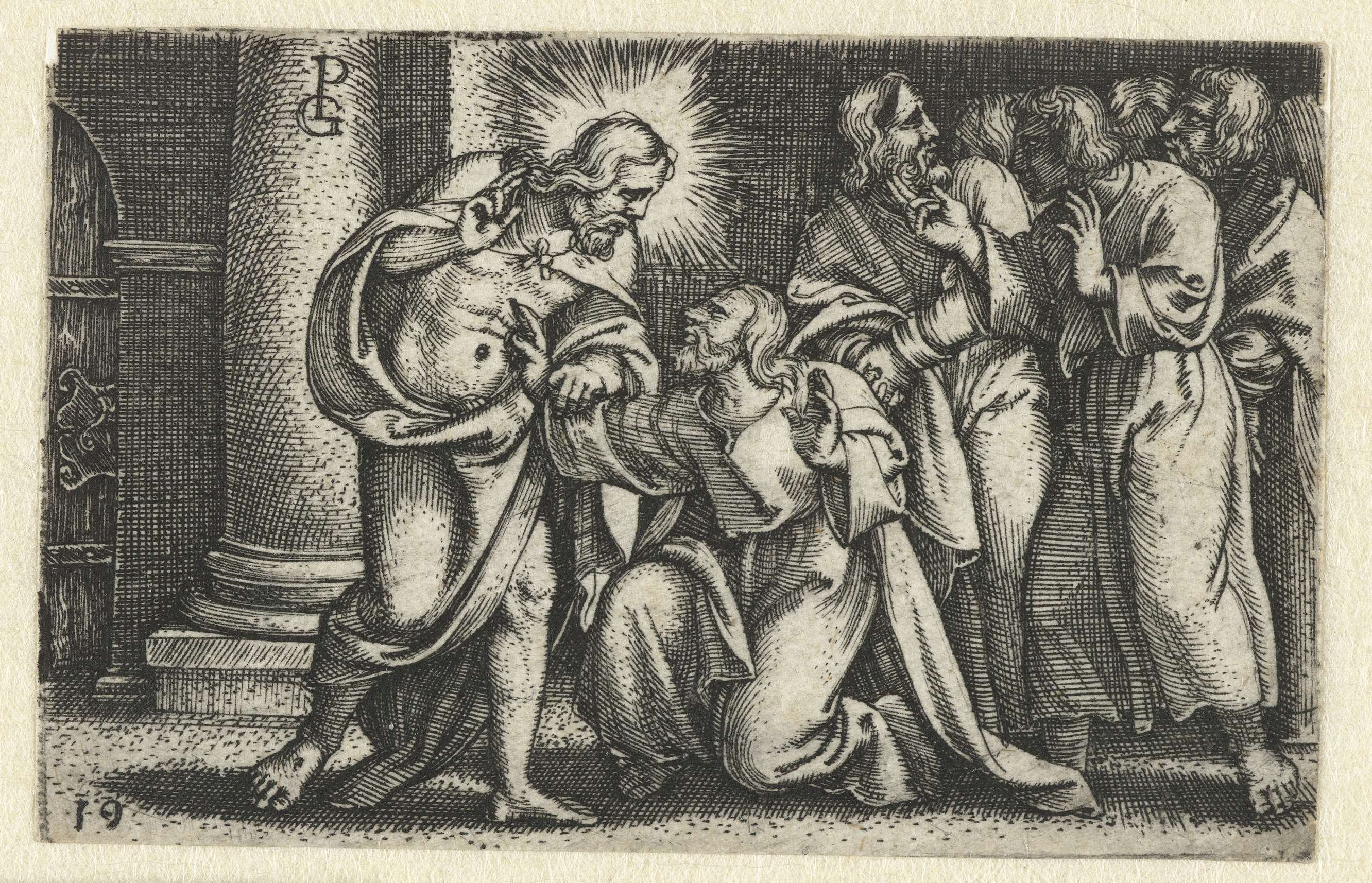
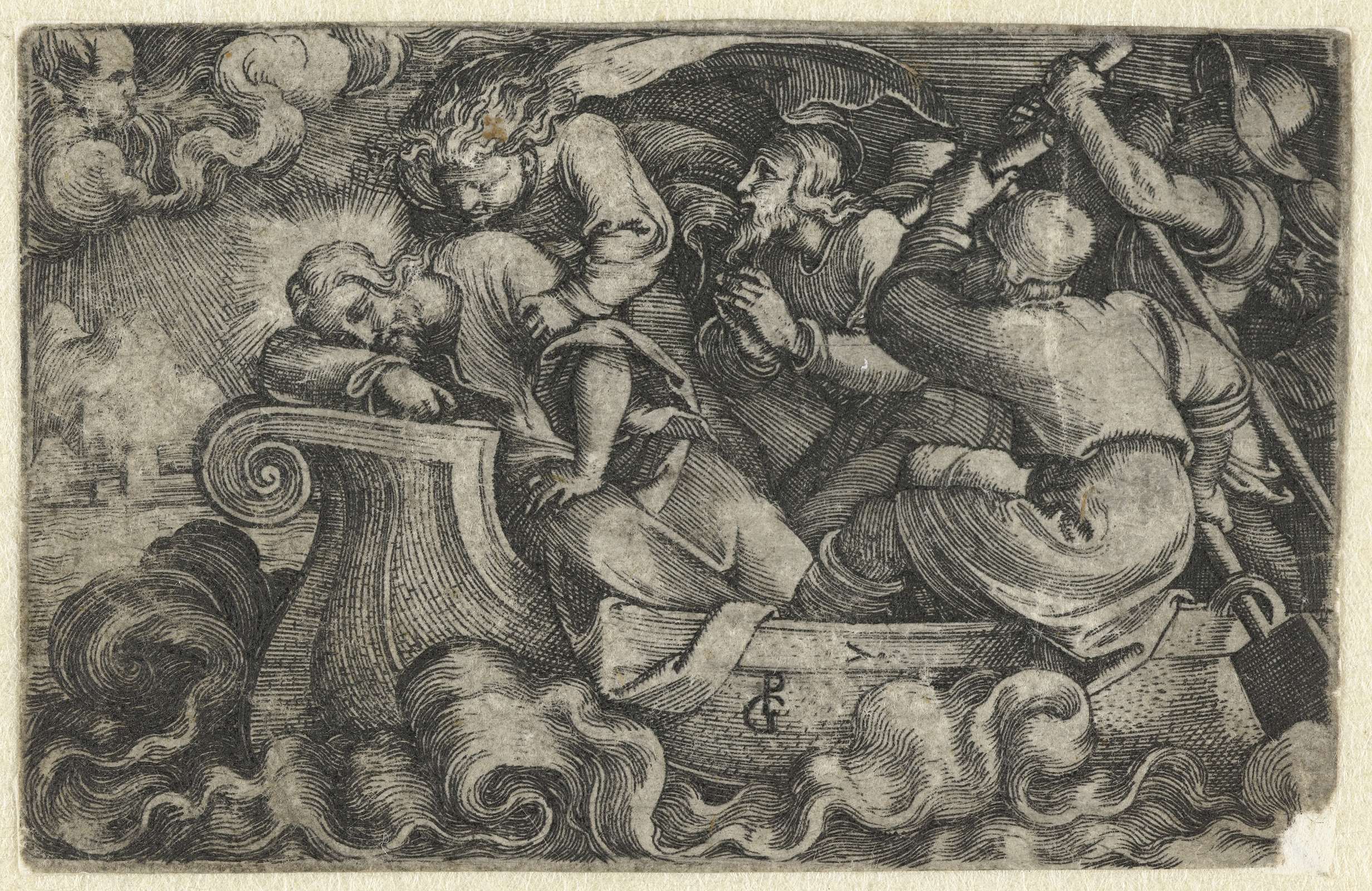
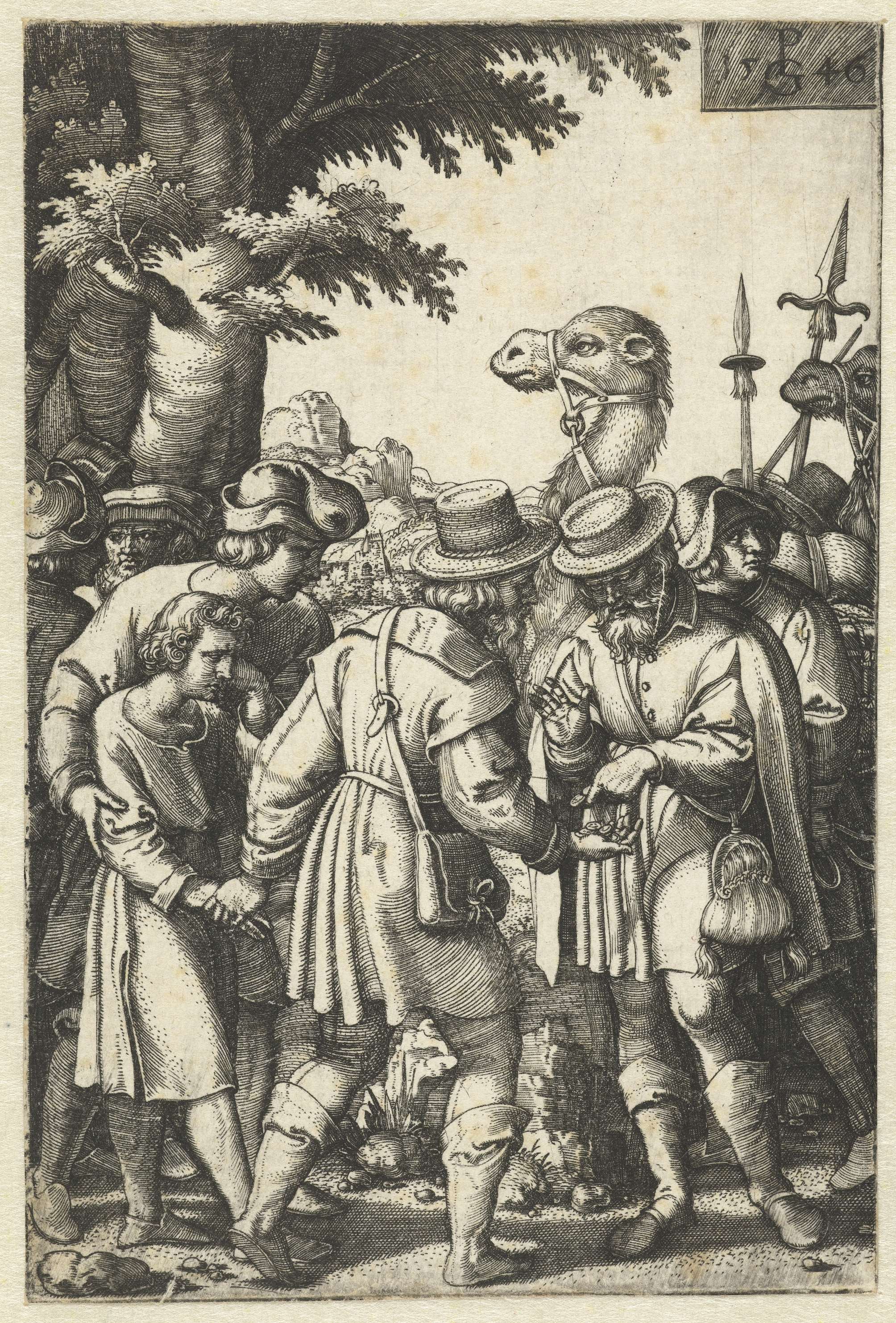
When did color learn to lie? In a world bereft of certainty, Christus spreekt met de discipelen over de Goede Herder invites us to question the very essence of truth and perception. The fragility of belief resonates in every brushstroke, as the painting challenges our understanding of faith and humanity. Look to the center of the composition, where Christ stands, his serene countenance illuminated by a divine light that halos his figure. This ethereal glow contrasts sharply with the muted tones surrounding him, emphasizing the weight of his message.
Notice how the disciples gather around him, their postures conveying a mix of reverence and uncertainty. The delicate interplay of light and shadow creates a palpable tension, inviting viewers to explore the emotional landscape of the scene. Beneath the surface, the artwork reveals deeper themes of guidance and vulnerability. The surrounding figures, while attentive, display a range of expressions that hint at doubt and longing, suggesting that faith is rarely absolute. The shepherd motif embodies not only Christ's role as protector but also the transient nature of trust in the divine—a reminder that even the most steadfast beliefs can waver.
The gentle brushwork captures the fragility of human connection, a poignant observation that resonates through the ages. Georg Pencz painted this piece in Nuremberg between 1534 and 1535, during a time of profound religious upheaval in Europe. Born into the midst of the Reformation, Pencz grappled with the complexities of faith and artistic expression. His work reflects the tumultuous spirit of the period, as artists sought to articulate the struggles of belief, fidelity, and spiritual understanding in an ever-changing world.