Christus vlucht voor de joden die hem willen kronen — History & Analysis
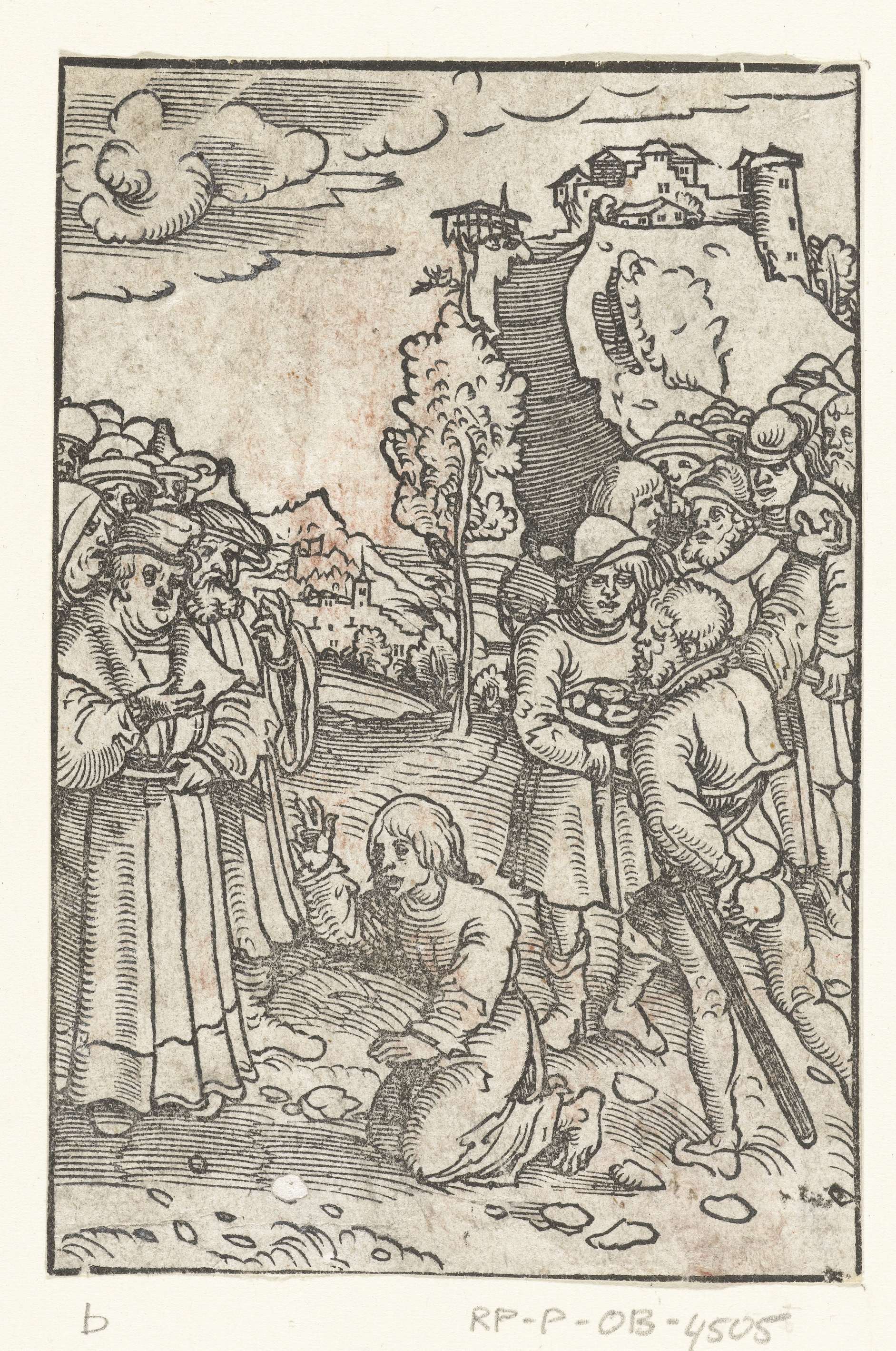
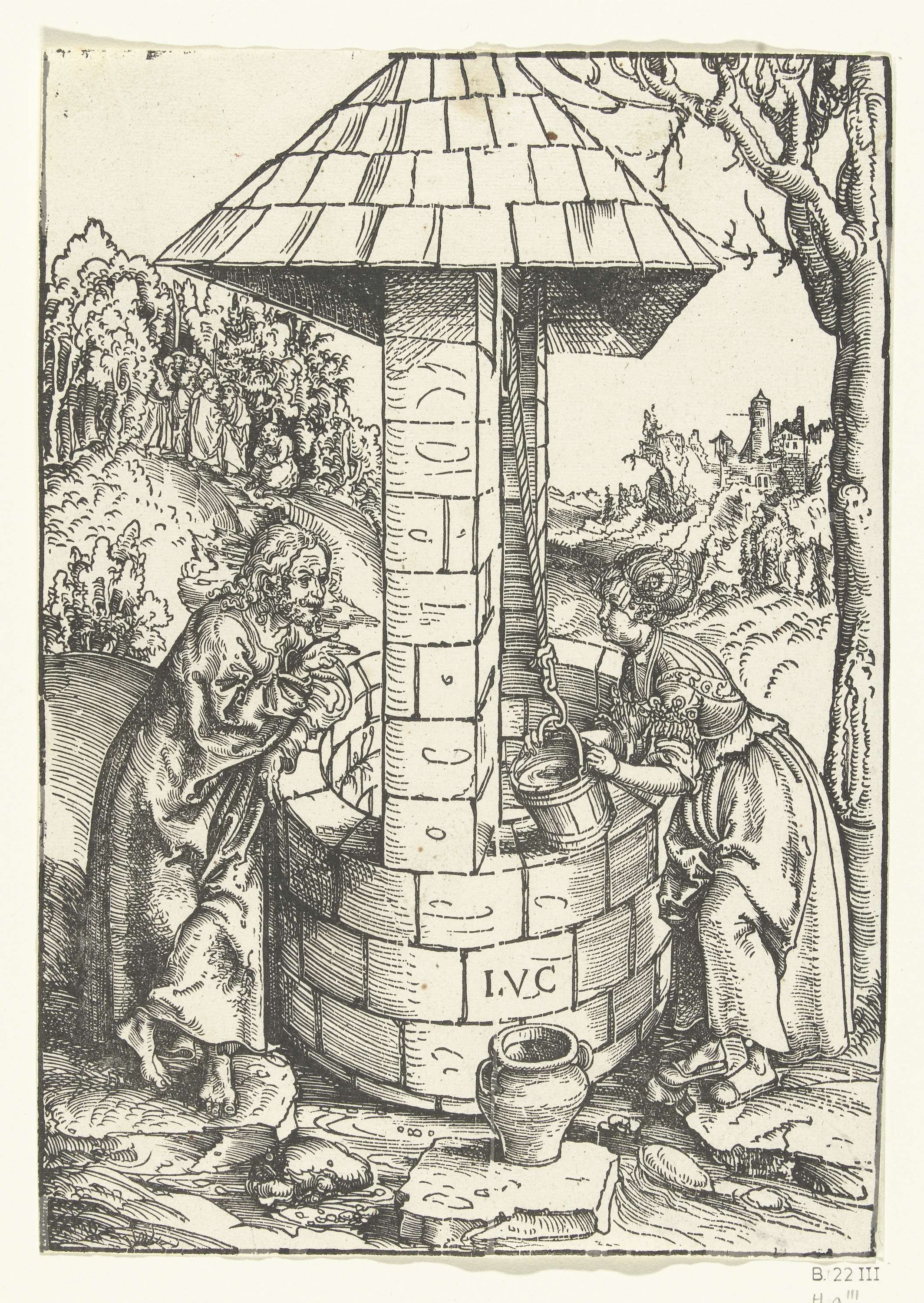
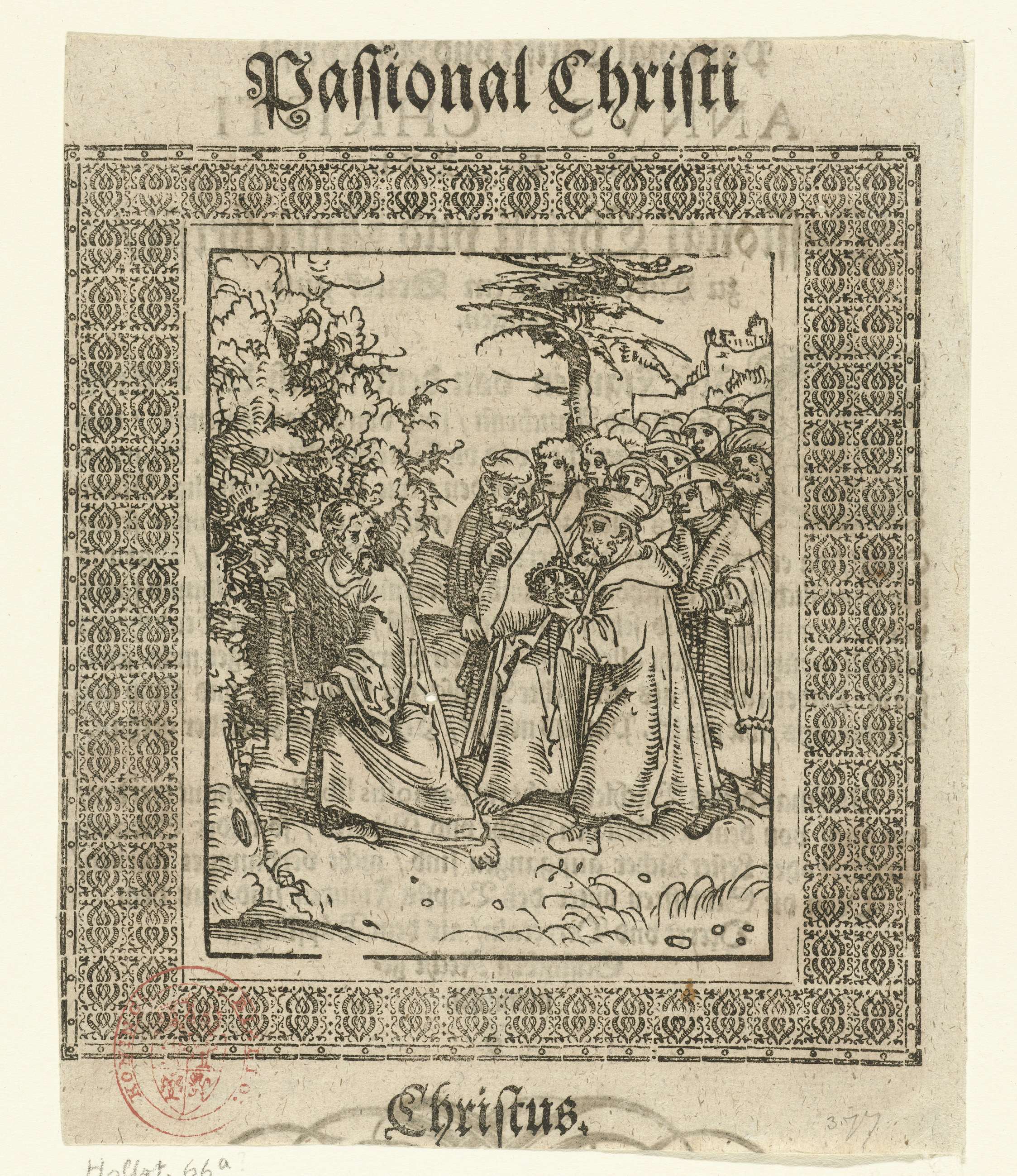
Is this a mirror — or a memory? In Christus vlucht voor de joden die hem willen kronen, the brushwork and composition plunge us into a moment that feels both historical and timeless, awakening the spirit of revolt against oppressive power. Look to the center of the canvas, where figures twist in dynamic tension. The foreground features Christ, a figure of quiet defiance, flanked by a cacophony of gestures. Notice how the light cascades onto His face, illuminating serenity amid chaos, while the surrounding shadows envelop those seeking to impose their will.
The muted palette of earthy tones evokes an atmosphere of desperation, yet the deliberate placement of each character creates a rhythmic movement that draws the eye across the tumultuous scene. Within this striking tableau lies a commentary on the struggle for autonomy. The juxtaposition of Christ’s peaceful demeanor against the fervor of those around Him suggests the conflict between divine mission and human ambition. Each figure is steeped in emotion, representing the clashing ideals of faith and power, as they grapple with the desire to crown versus the call to serve.
It is a moment frozen in time, embodying the tension between reverence and rebellion. Created between 1521 and 1522, this work emerged during a period of significant upheaval in Europe, marked by the Reformation and the challenge to Catholic authority. Cranach, a close associate of Martin Luther, captured not only religious fervor but also the revolutionary spirit of his time. The painting mirrors the societal shifts occurring, with its vivid representation of a pivotal moment in the narrative of faith and freedom.