Château d’If — History & Analysis
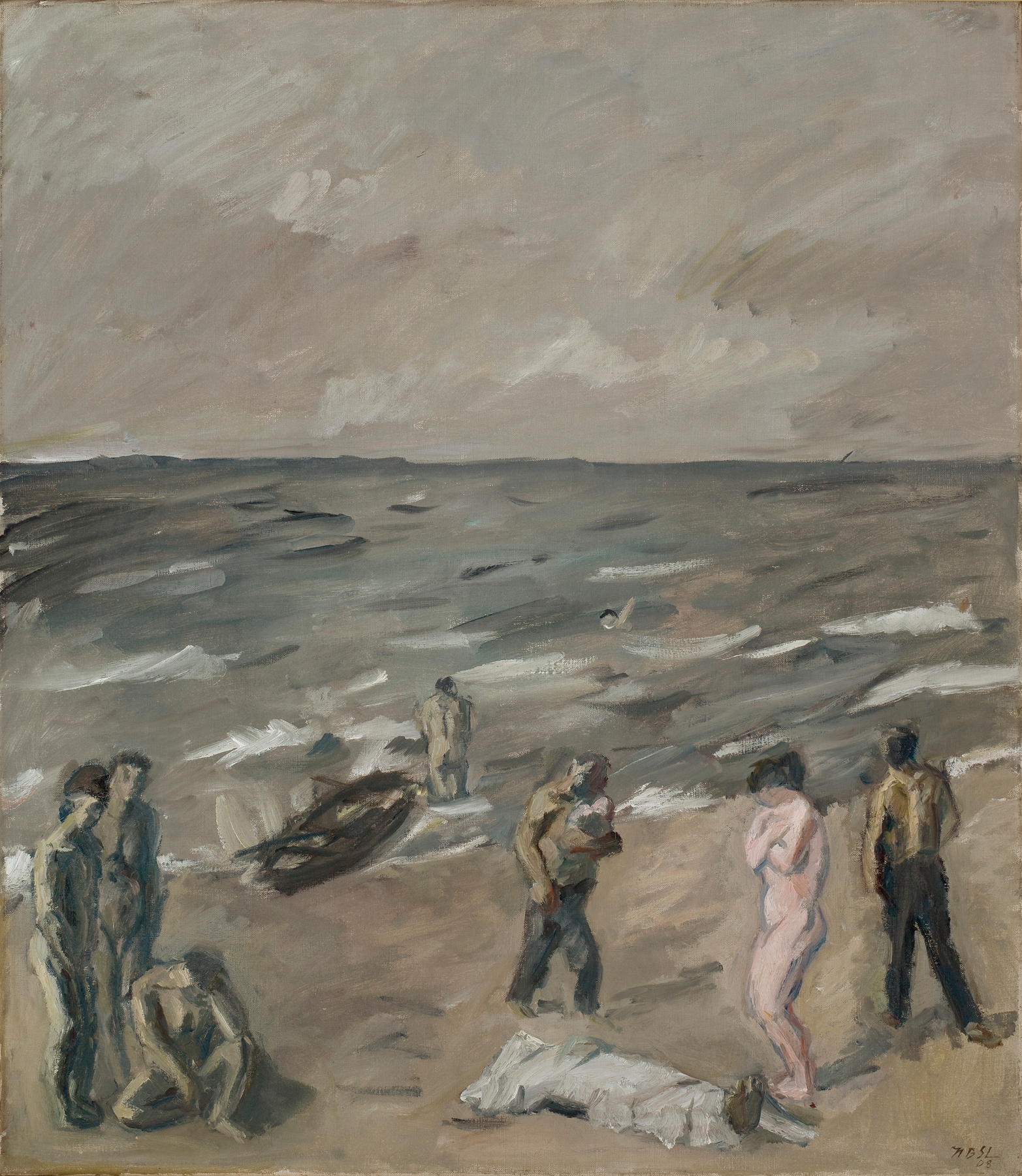
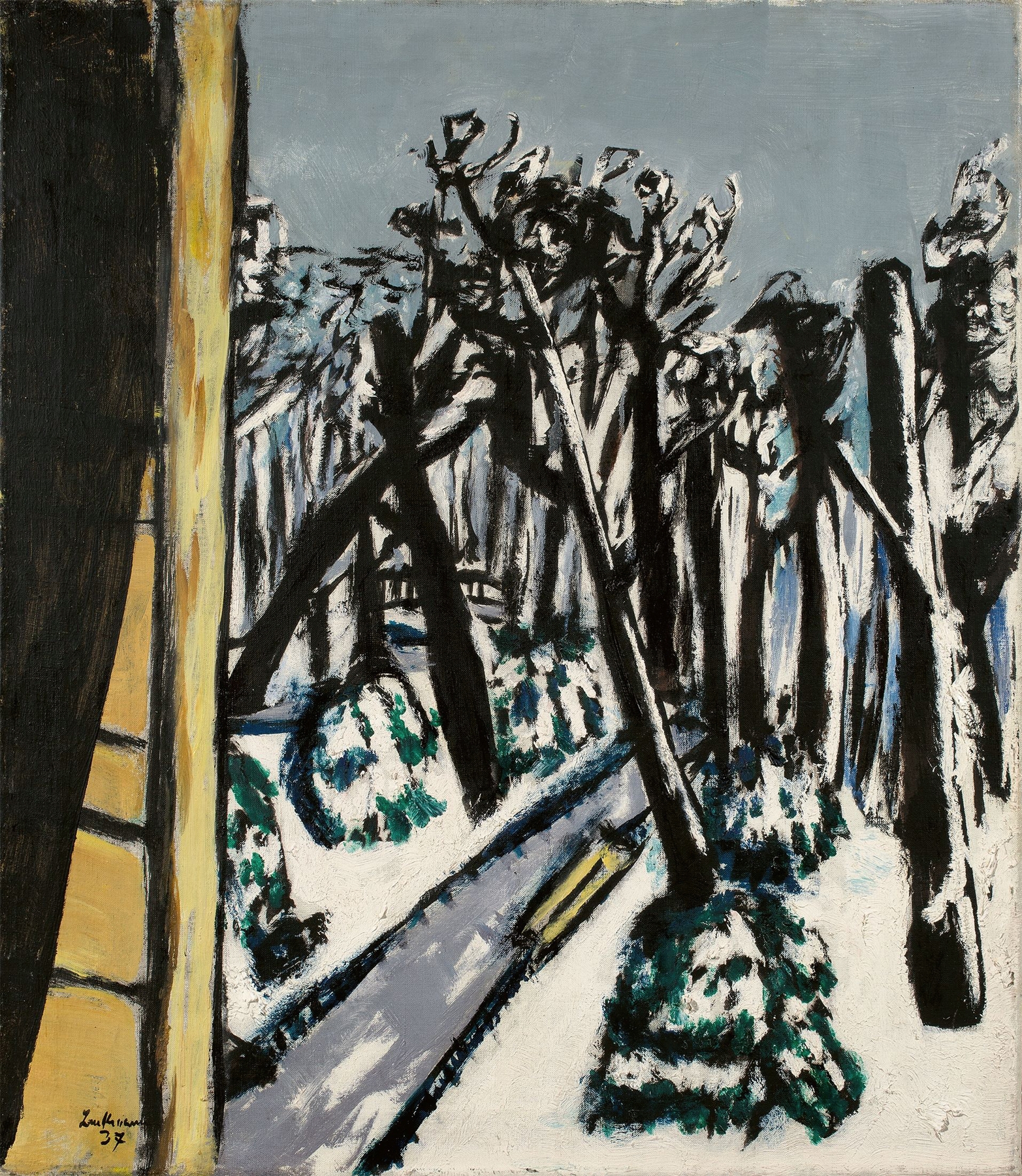
Could a single brushstroke hold eternity? In the silent depths of Château d’If, that question lingers, echoing in the spaces between colors and forms. Look to the center where the fortress looms, imposing and stark against a tumultuous sky. Notice the jagged brushstrokes that create an atmosphere of both strength and isolation. The muted palette of grays and blues is pierced by flashes of warmer tones at the edges, suggesting a fragile light that barely penetrates the fortress’s stronghold.
The composition draws your eye upward, toward the tumultuous clouds, evoking a sense of foreboding yet also a strange allure. In the details, there lies a tension between confinement and freedom. The fortress, symbolizing entrapment, stands resolute, yet the swirling clouds above hint at a world beyond reach. The contrast between the solidity of the stone and the ethereal nature of the sky unfolds a narrative of human struggle—a desire to escape the heavy silence of imprisonment.
Each stroke seems to embrace the weight of the past, while whispers of hope flicker like distant stars. Max Beckmann created this work in 1936 while living in exile in Amsterdam, fleeing the rise of fascism in Germany. This period marked a significant turning point in his life as he grappled with the turmoil of displacement and the loss of his homeland. The painting reflects not only his personal sense of confinement but also the broader anxieties of a world on the brink of war, encapsulating the haunting silence of an age fraught with uncertainty.