Church in Libusza — History & Analysis
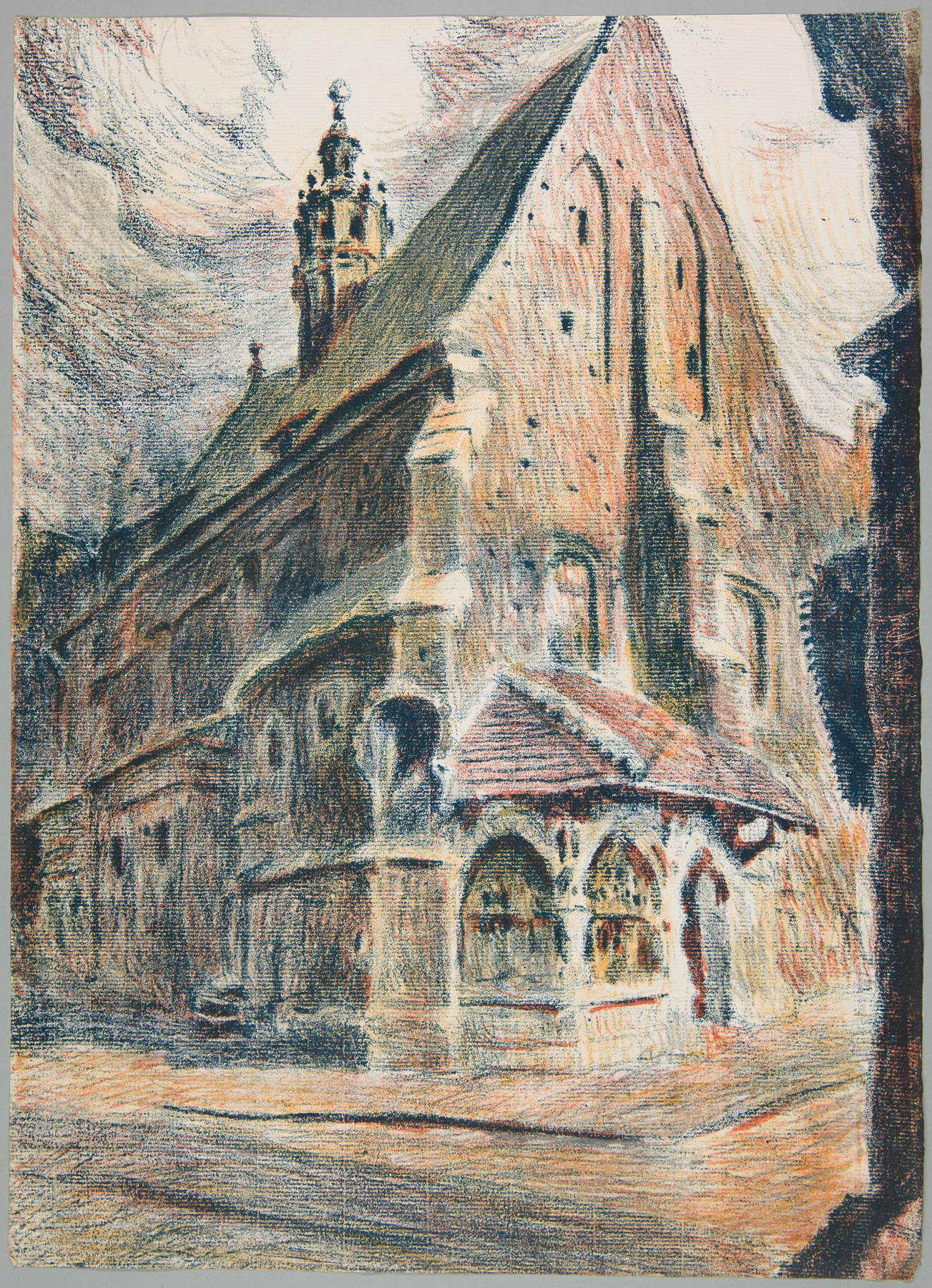
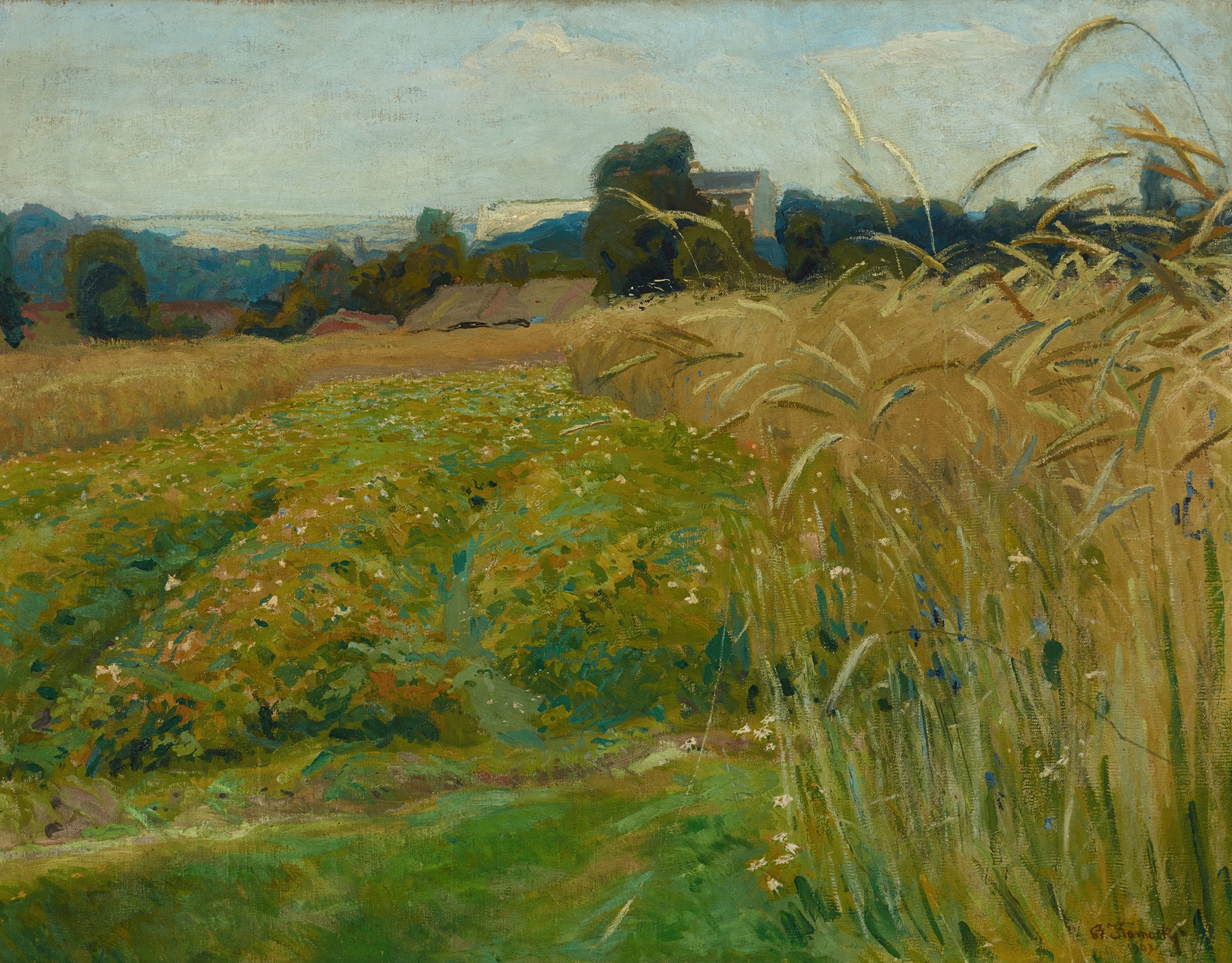
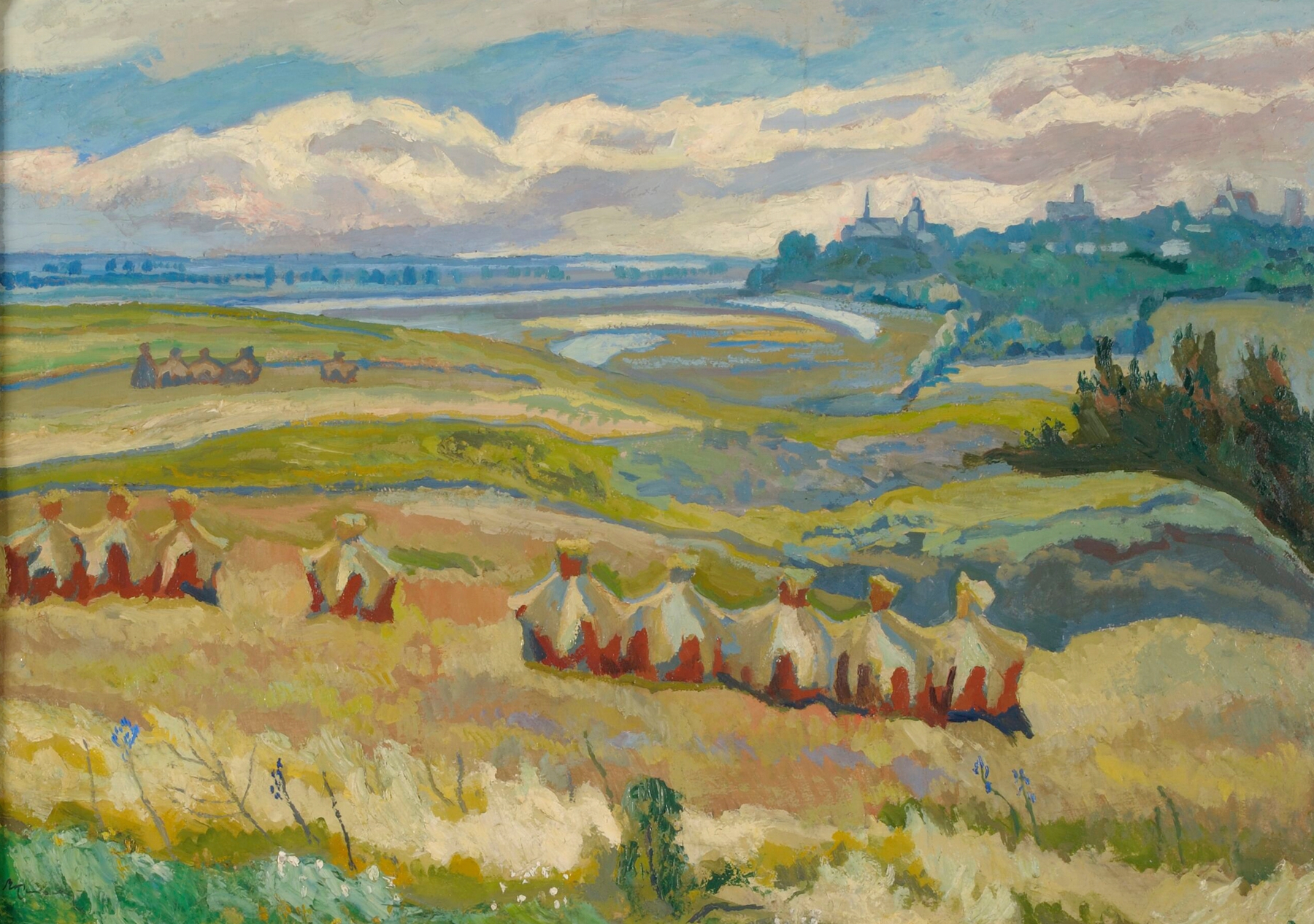
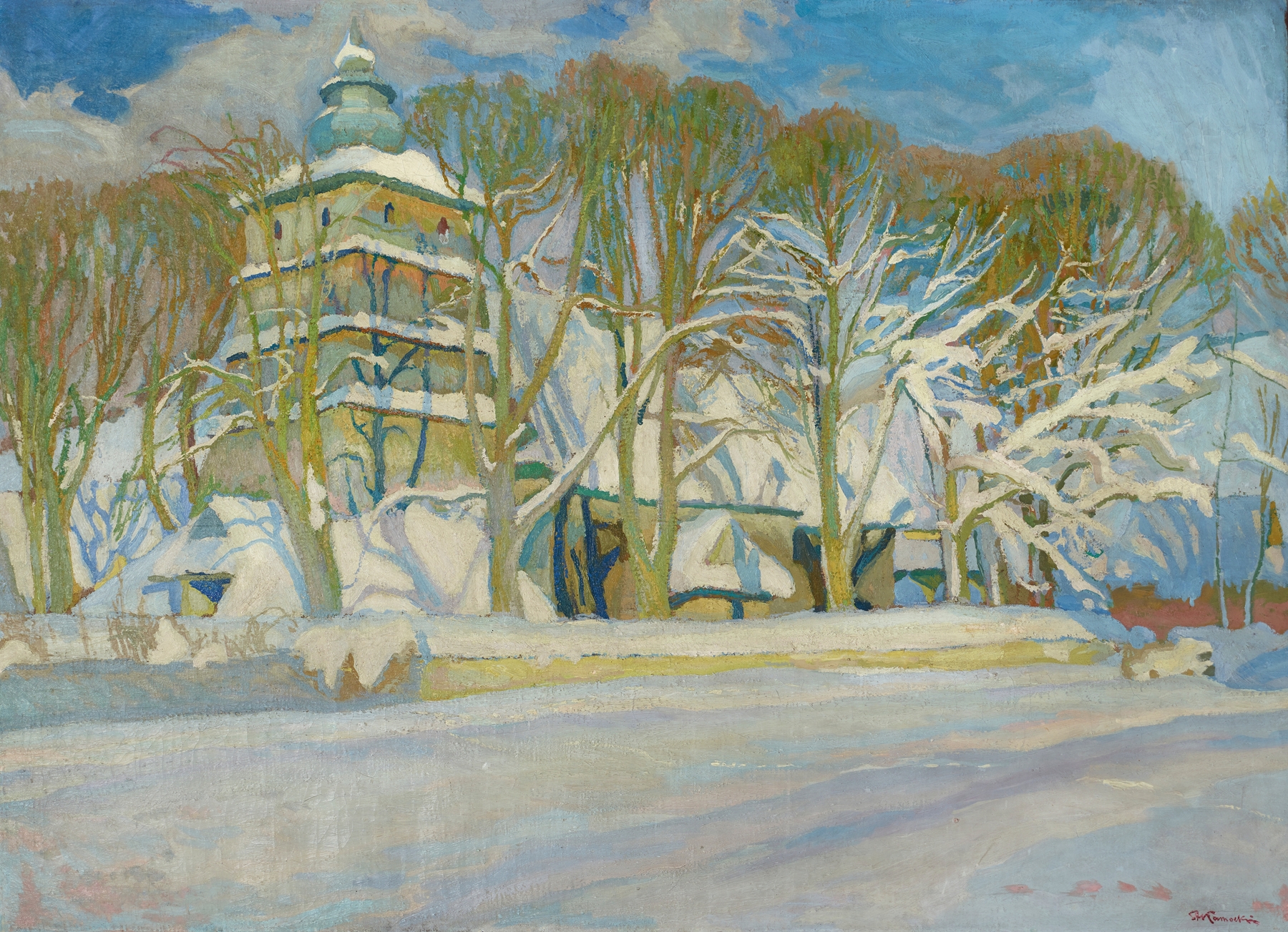
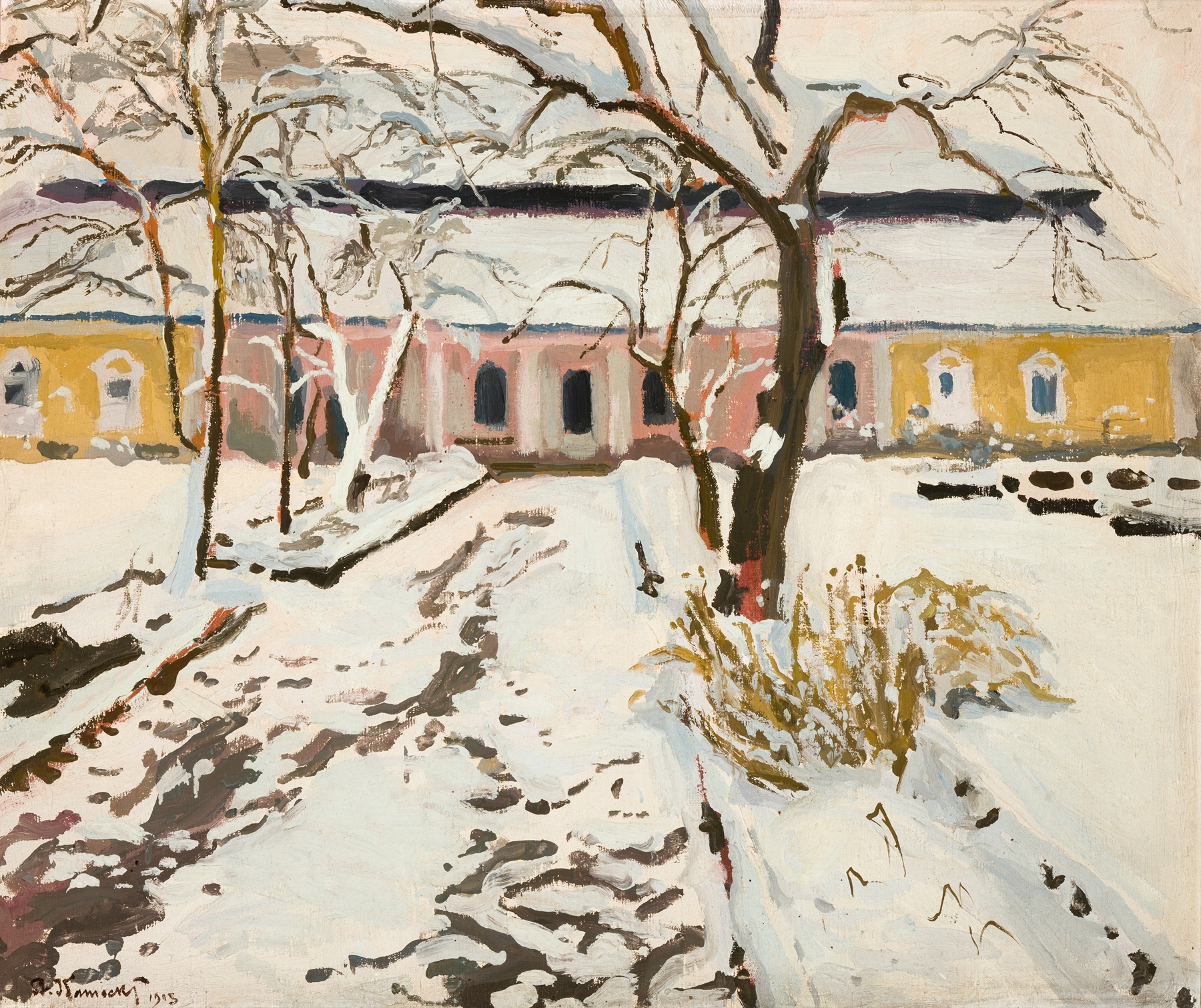
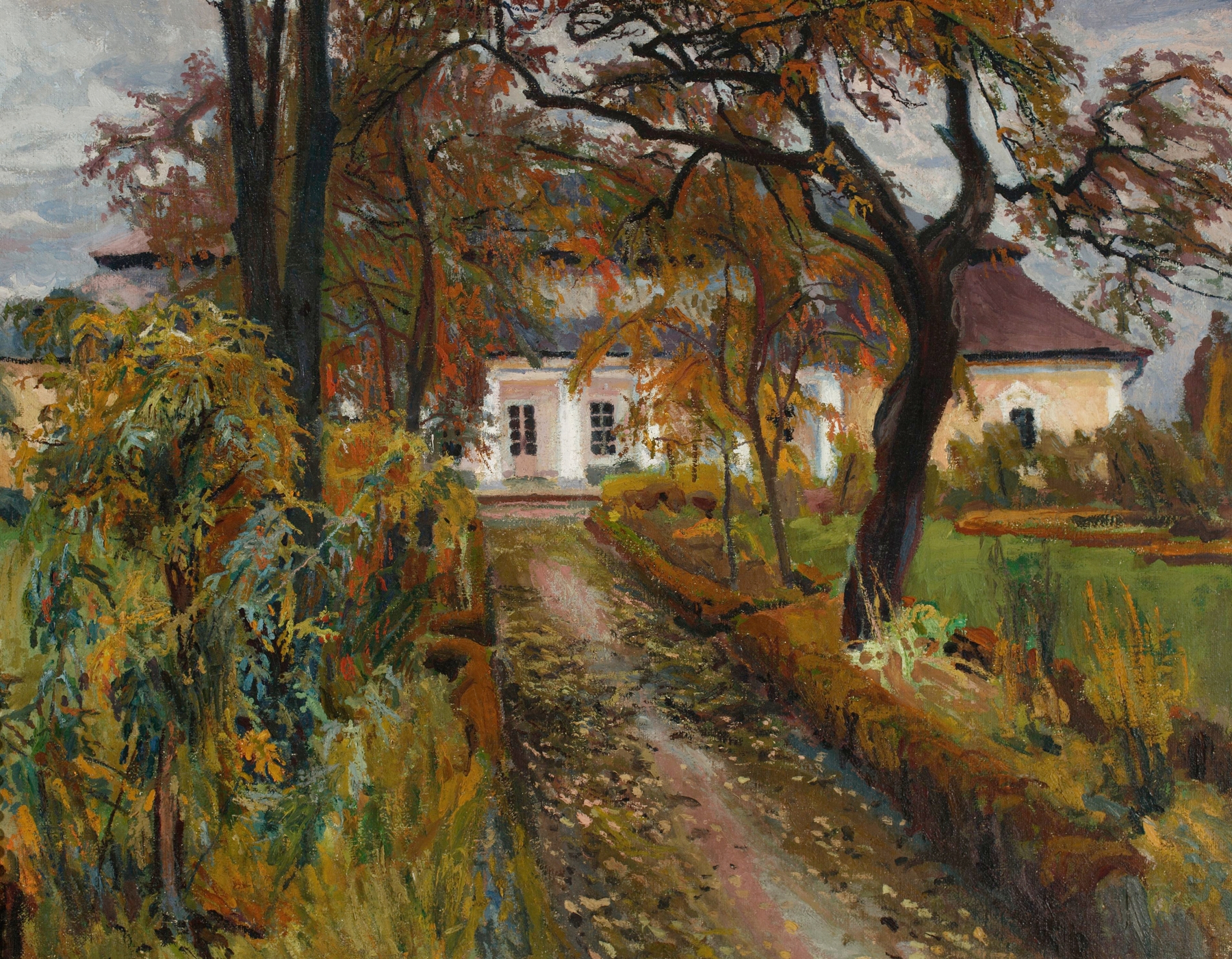
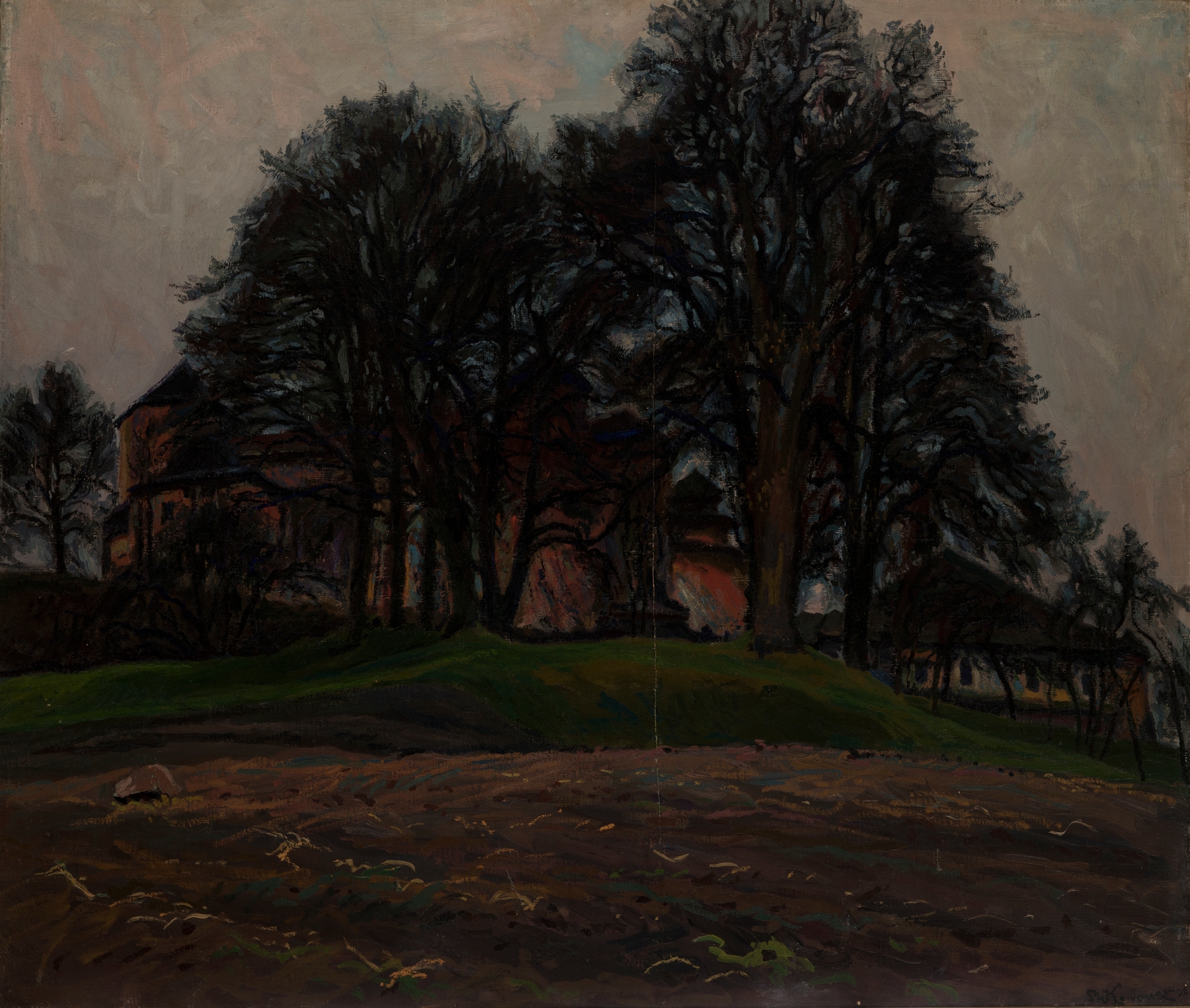
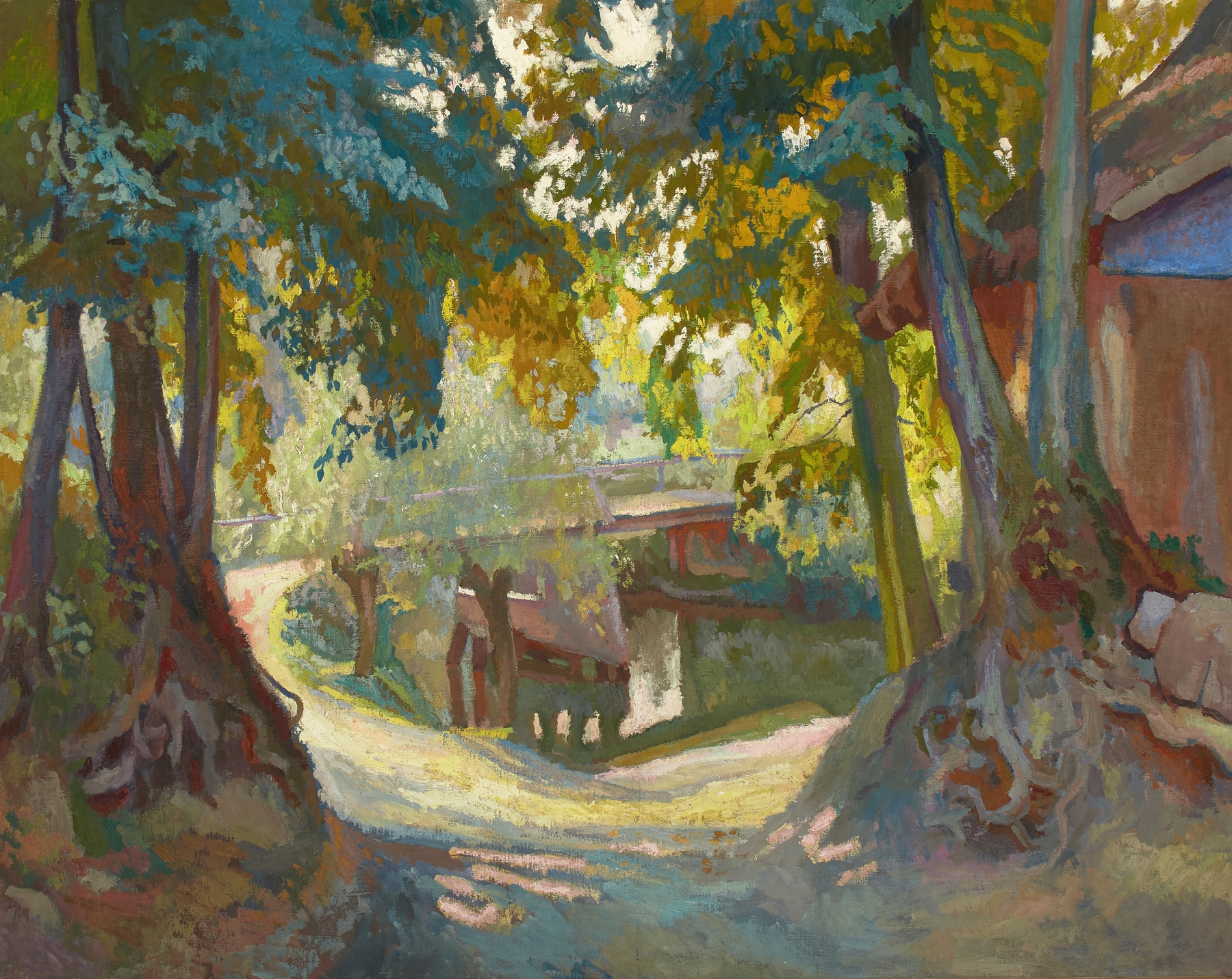
Could a single brushstroke hold eternity? In the delicate interplay of color and form, the notion of mortality weaves itself through the landscape, inviting contemplation and reflection. Focus on the horizon where the church stands—its spire reaching toward the heavens, a testament to human aspiration. Notice how the warm hues of the setting sun bathe the scene, casting long shadows that cradle the structure, while the surrounding fields echo the earth’s quiet beauty.
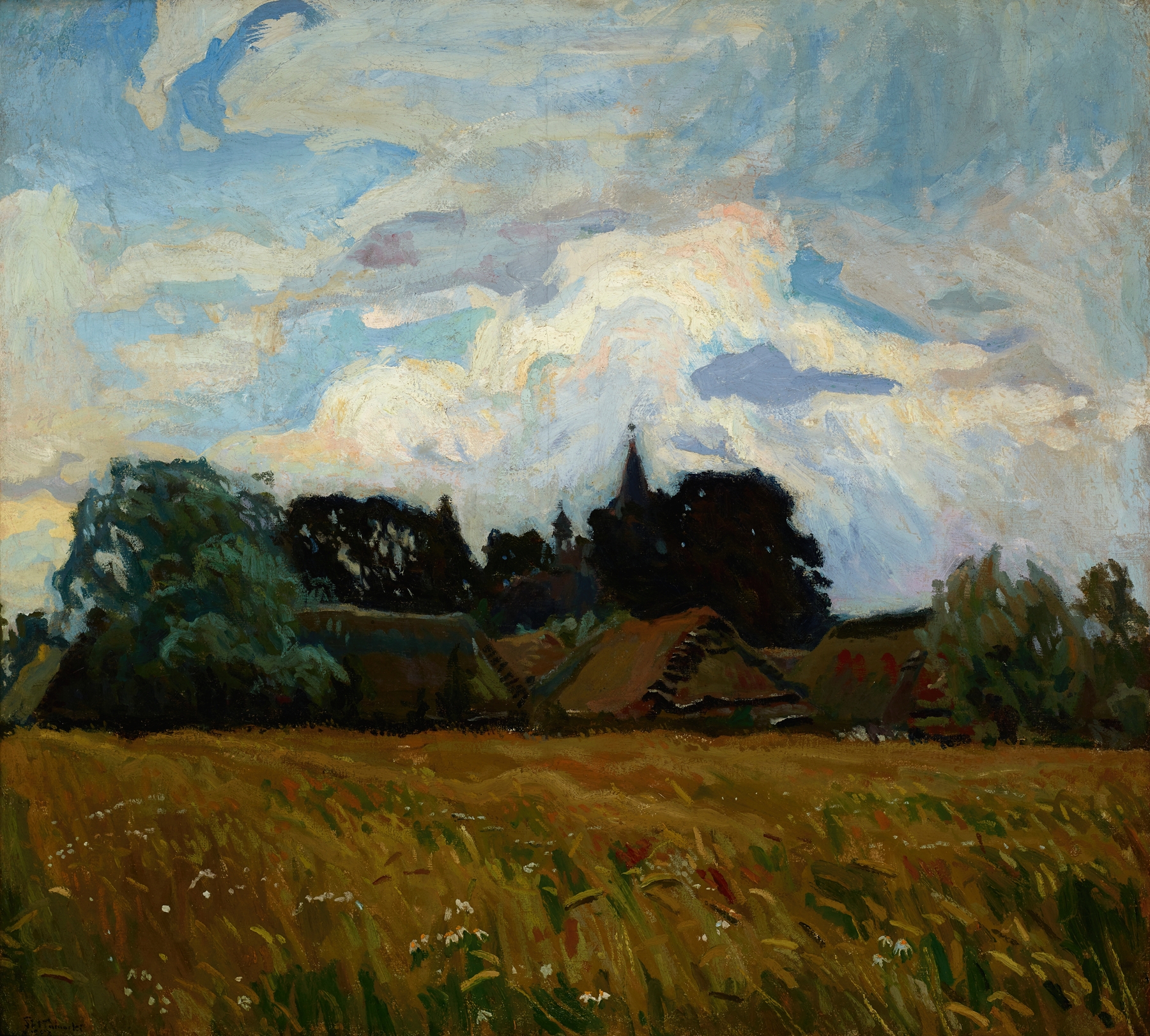
The artist's meticulous brushwork lends a sense of life to the clouds drifting above, as if they carry whispered stories of those who have come before. As you delve deeper, observe the contrast between the solidity of the church and the ephemeral nature of the landscape. The vibrant greens of the fields juxtapose with the church’s steadfastness, suggesting a conversation between the temporal and the eternal. This tension between stability and transience beckons the viewer to ponder the delicate balance of existence, where moments are fleeting yet profoundly impactful.
Created between 1920 and 1924, this work emerged during a period of great change in Poland, as the nation was reshaping itself post-World War I. Reflecting a desire for cultural identity and stability, the artist captured a tranquil scene that resonates with personal and national nostalgia. Kamocki, influenced by the serene beauty of rural life, sought to immortalize the simplicity of faith intertwined with the landscape, offering a glimpse into a world both familiar and timeless.