Day in Autumn — History & Analysis
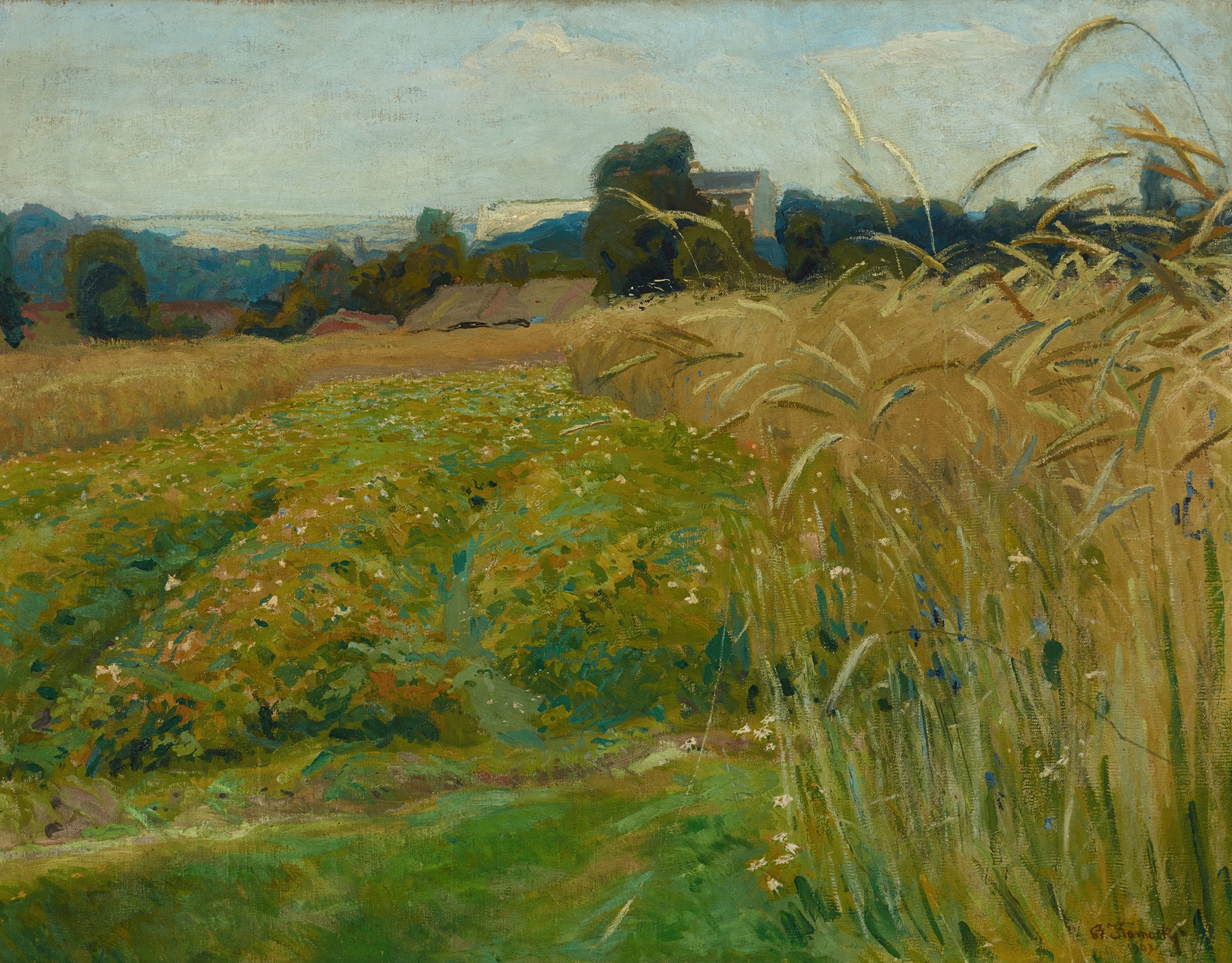
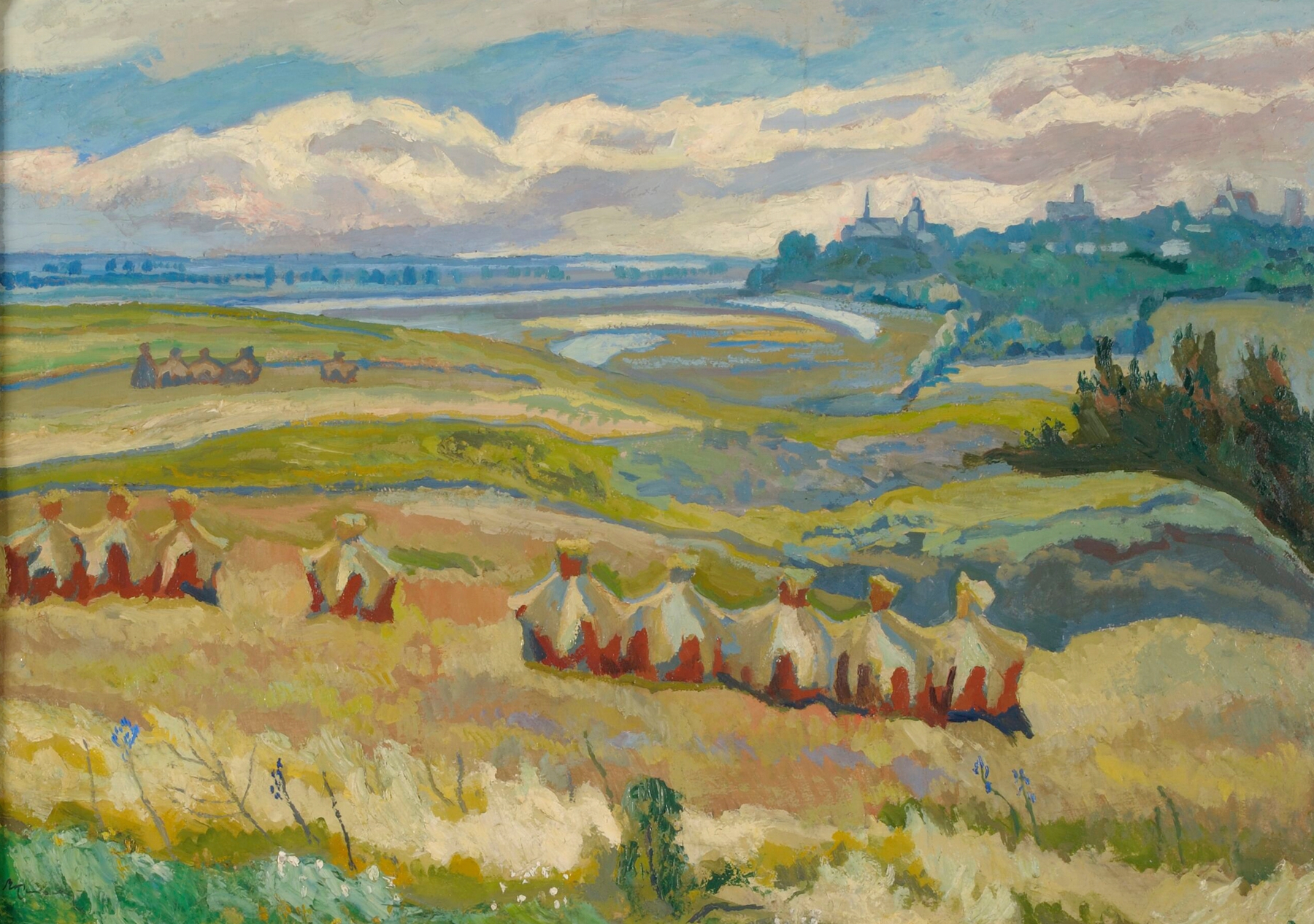
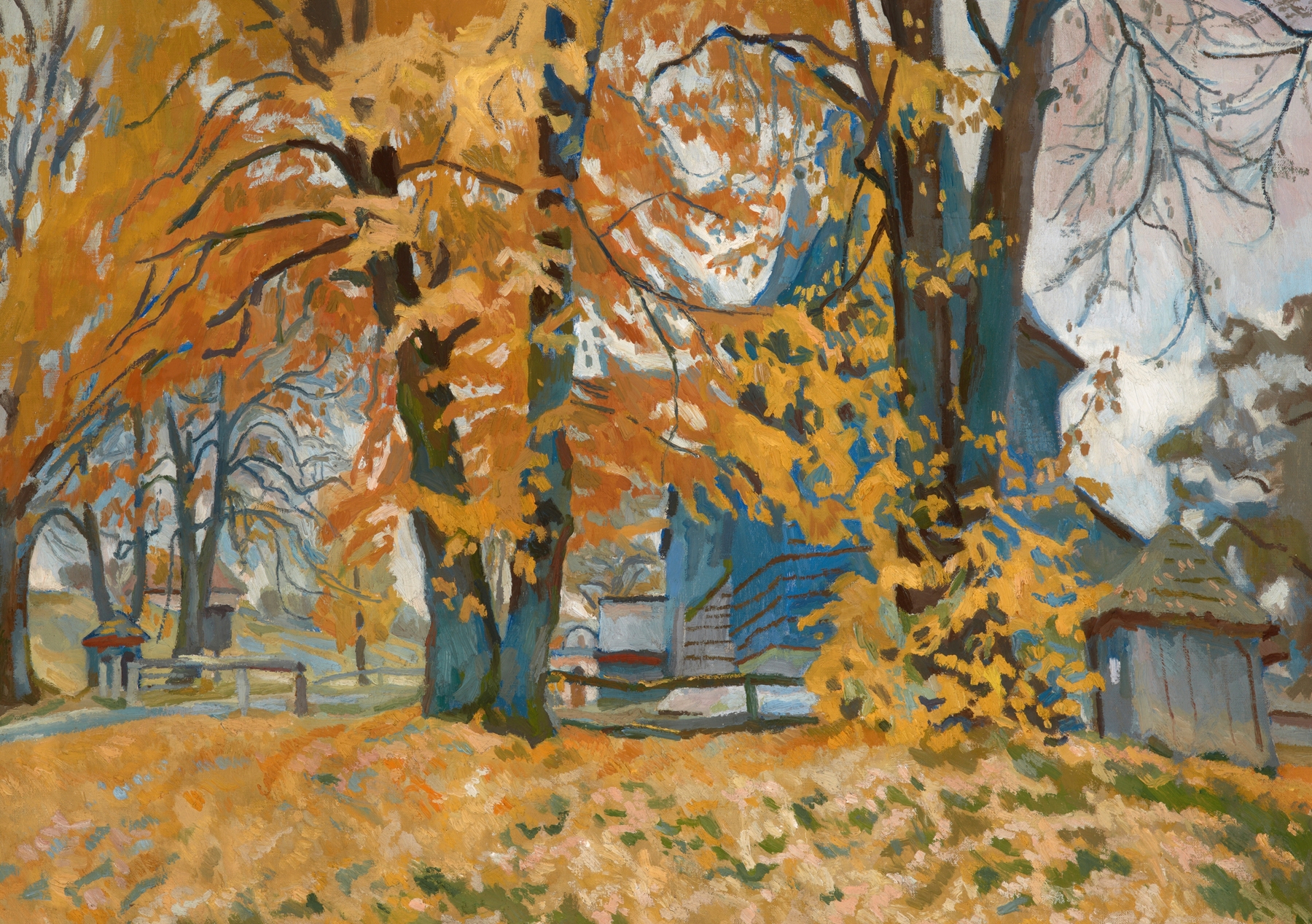
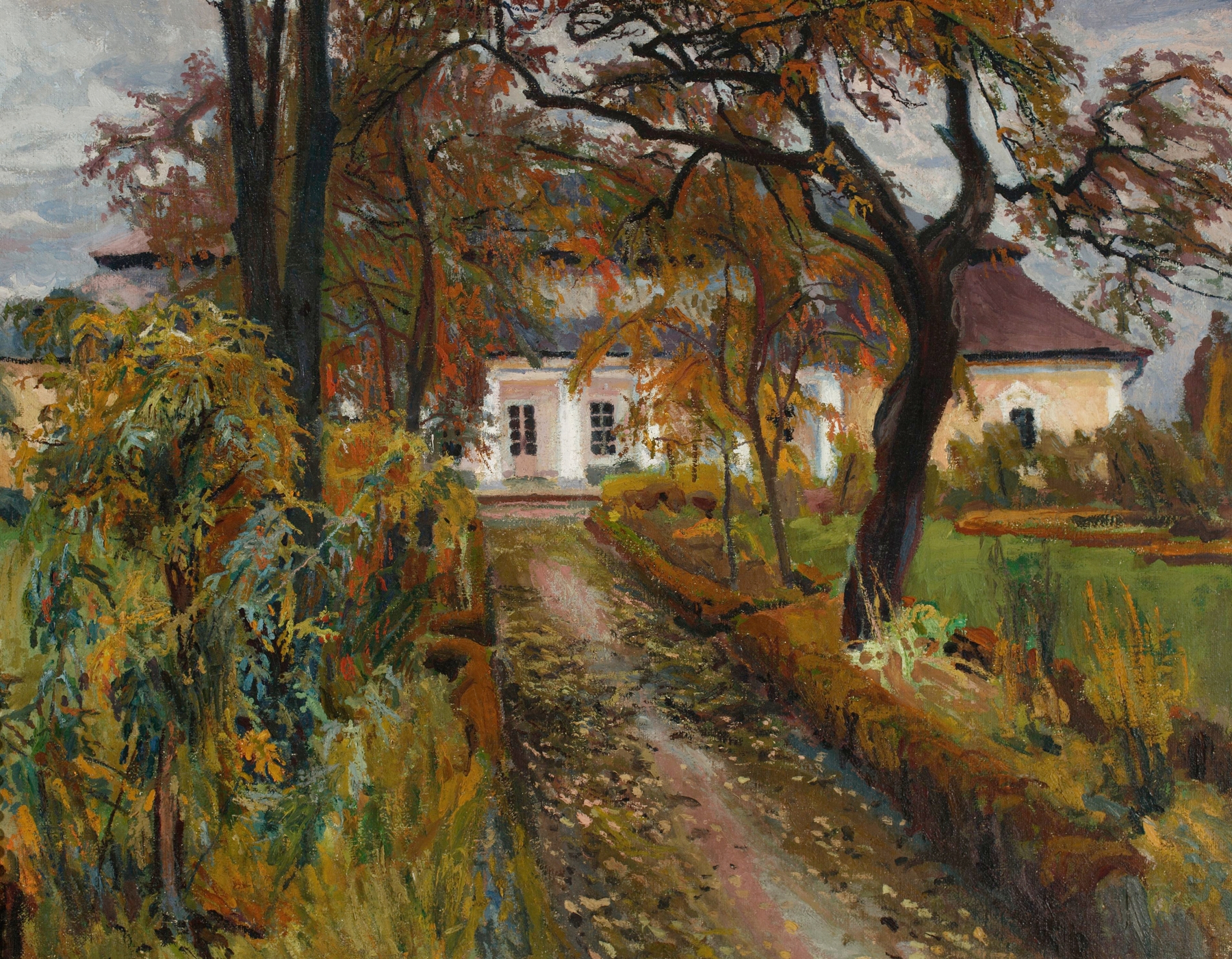
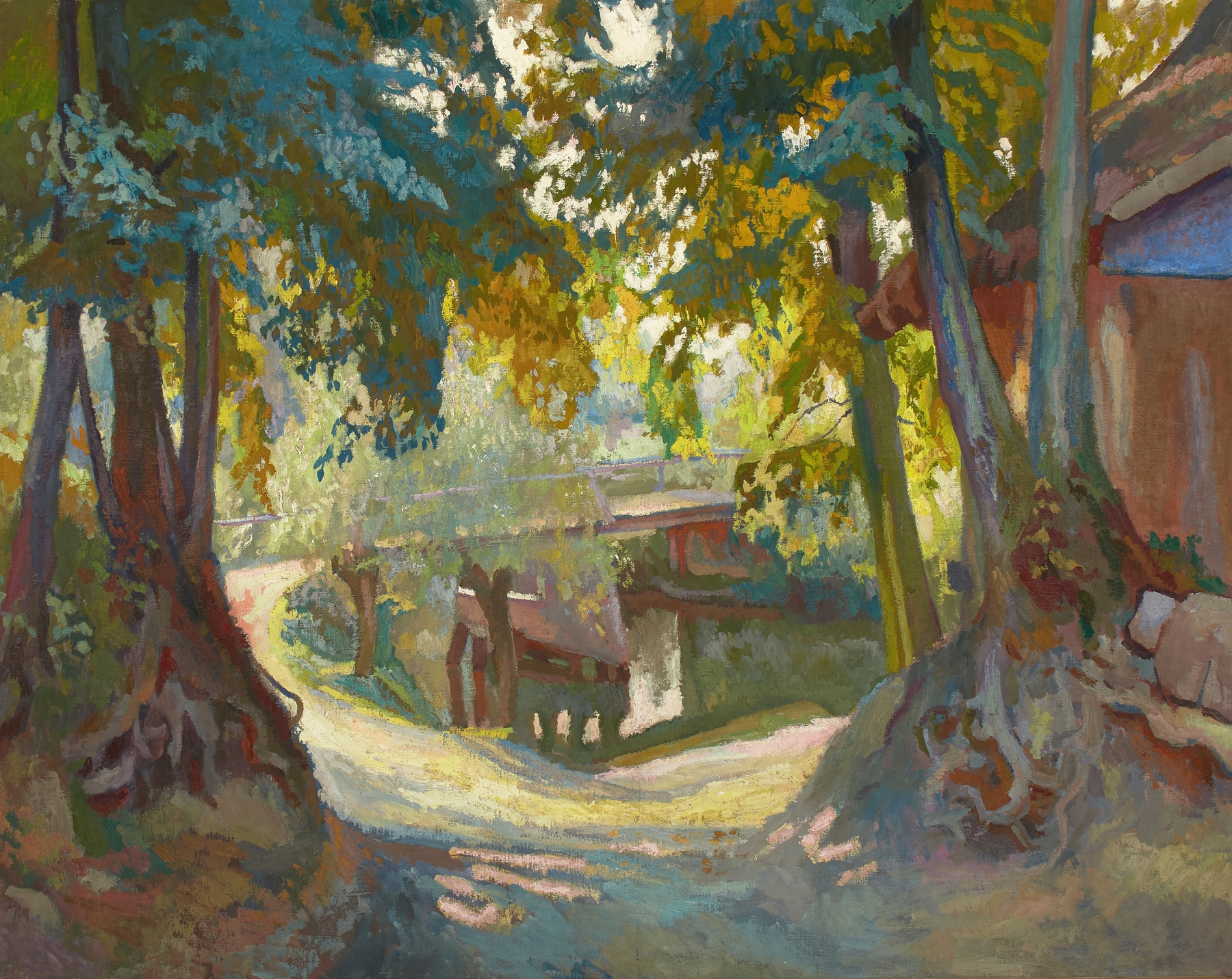
What if silence could speak through light? In Day in Autumn, a symphony of colors and textures invites the viewer to contemplate the delicate interplay between nature and creation. Look to the left at the vibrant tapestry of golden leaves, each brushstroke capturing the essence of autumn's fleeting beauty. The warm sunlight filters through the branches, casting dappled shadows that dance across the path.
Notice how the sky transitions from a soft blue to dusky shades, as if echoing the day's gradual surrender to evening. This masterful use of chiaroscuro enhances the temporal feeling of the scene, encouraging reflection on both the external landscape and the inner emotional landscape of the observer. In this work, the contrast between light and shadow conveys a poignant tension, suggesting the passage of time and the impermanence of life. The lone figure in the distance, seemingly lost in thought, becomes a vessel for the viewer’s introspection, while the surrounding autumnal hues evoke nostalgia and warmth.
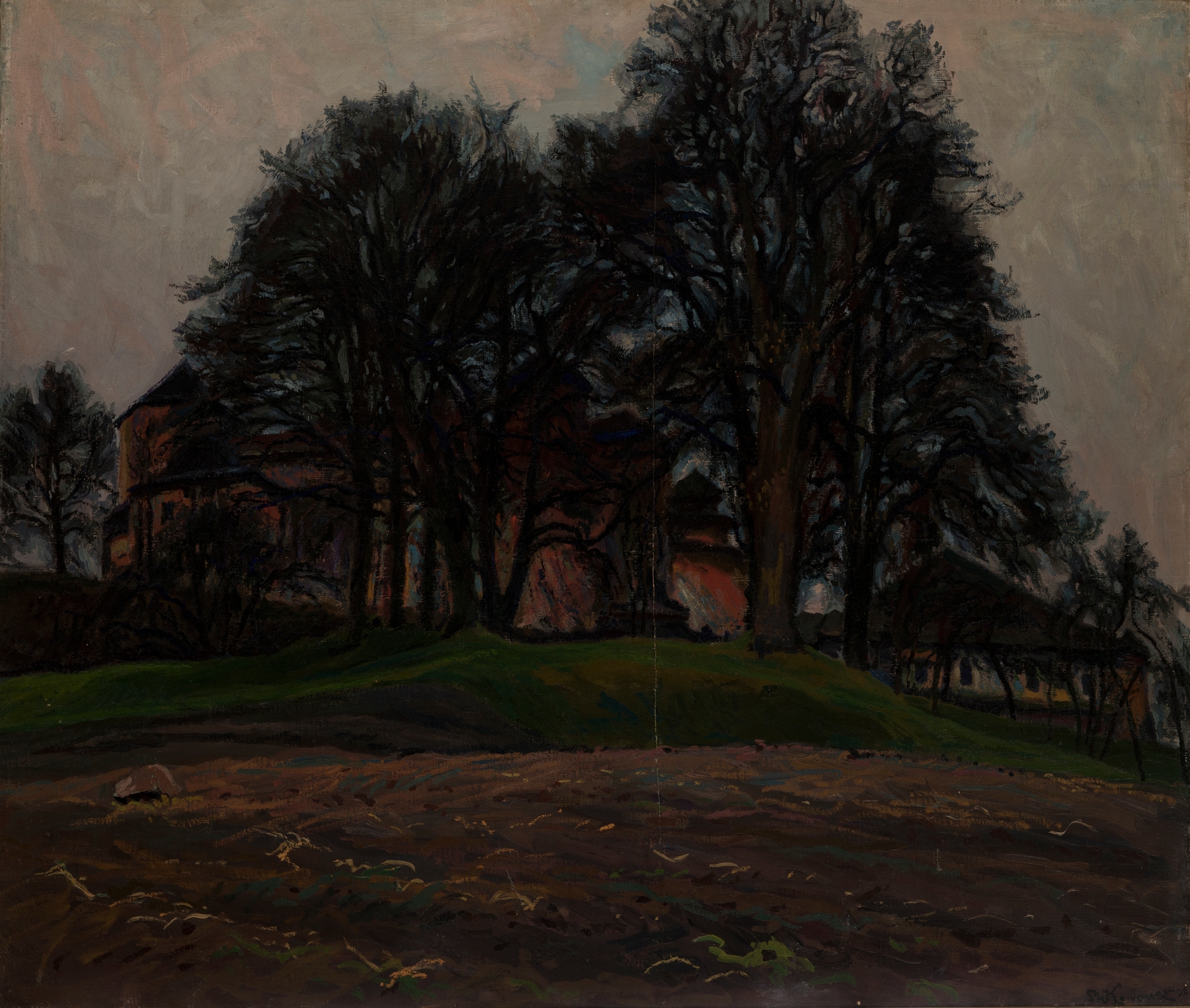
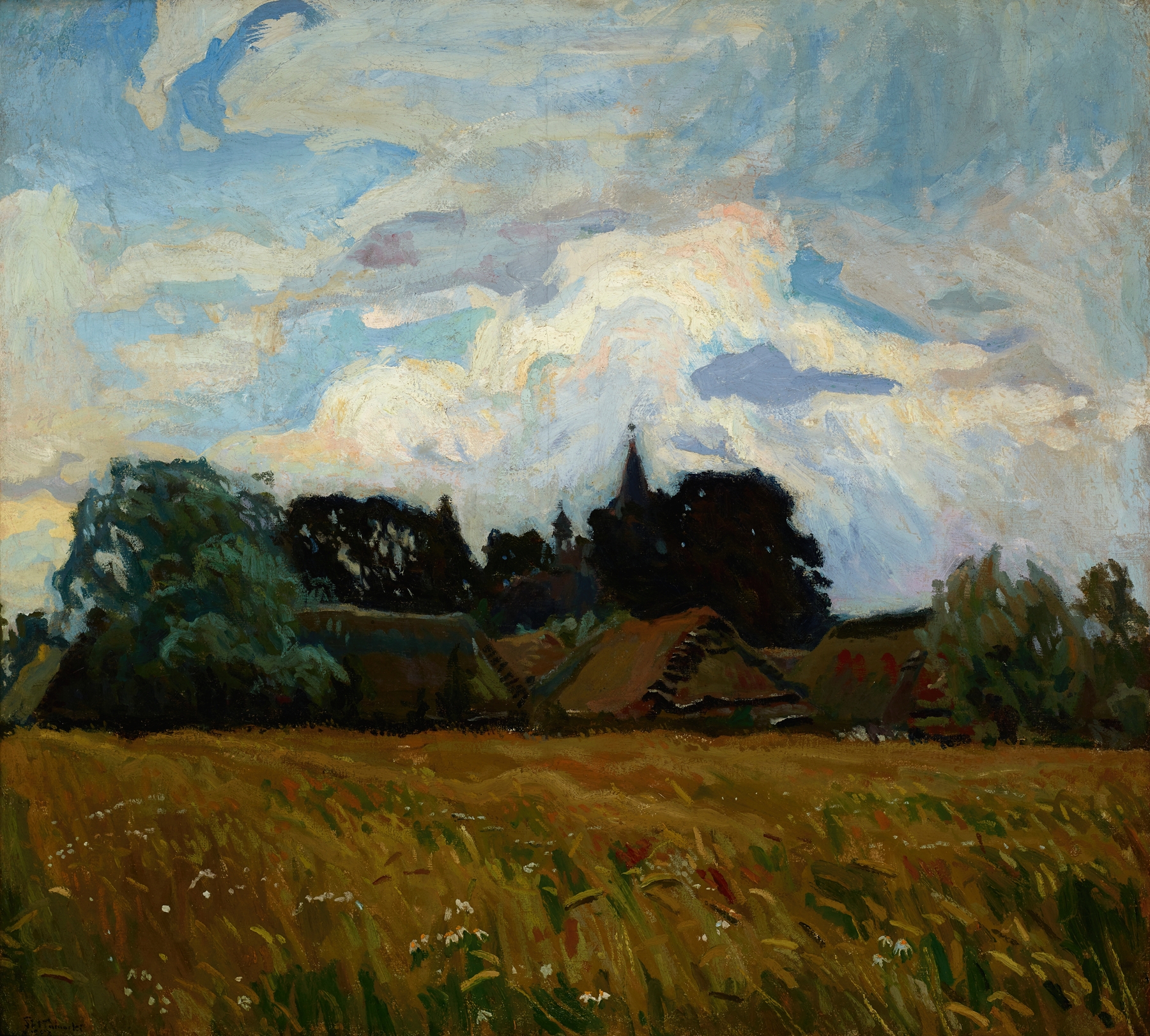
The meticulous detail of the foliage highlights the artist’s reverence for nature, transforming a simple day into an exploration of creation and existence. Painted in 1908, during a period of artistic experimentation in Poland, Kamocki was influenced by the emerging symbolism and Impressionism of his time. Living in a world rich with social and political shifts, he sought to evoke emotion through natural beauty, often reflecting his own experiences of solitude and connection with the landscape. In Day in Autumn, Kamocki captures a moment that resonates across time, inviting us to pause and reflect within the embrace of nature's quietude.