Church of St. Barbara — History & Analysis
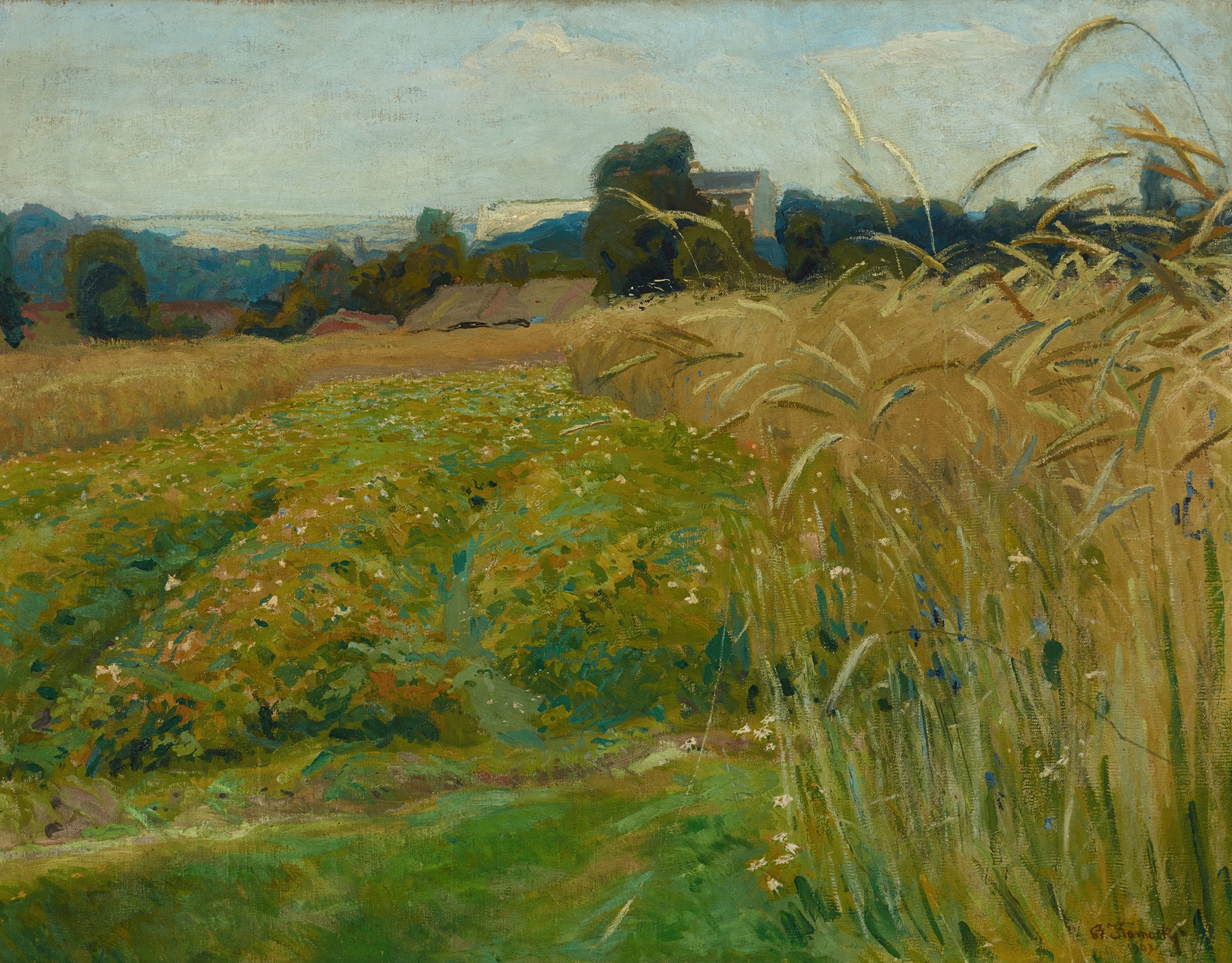
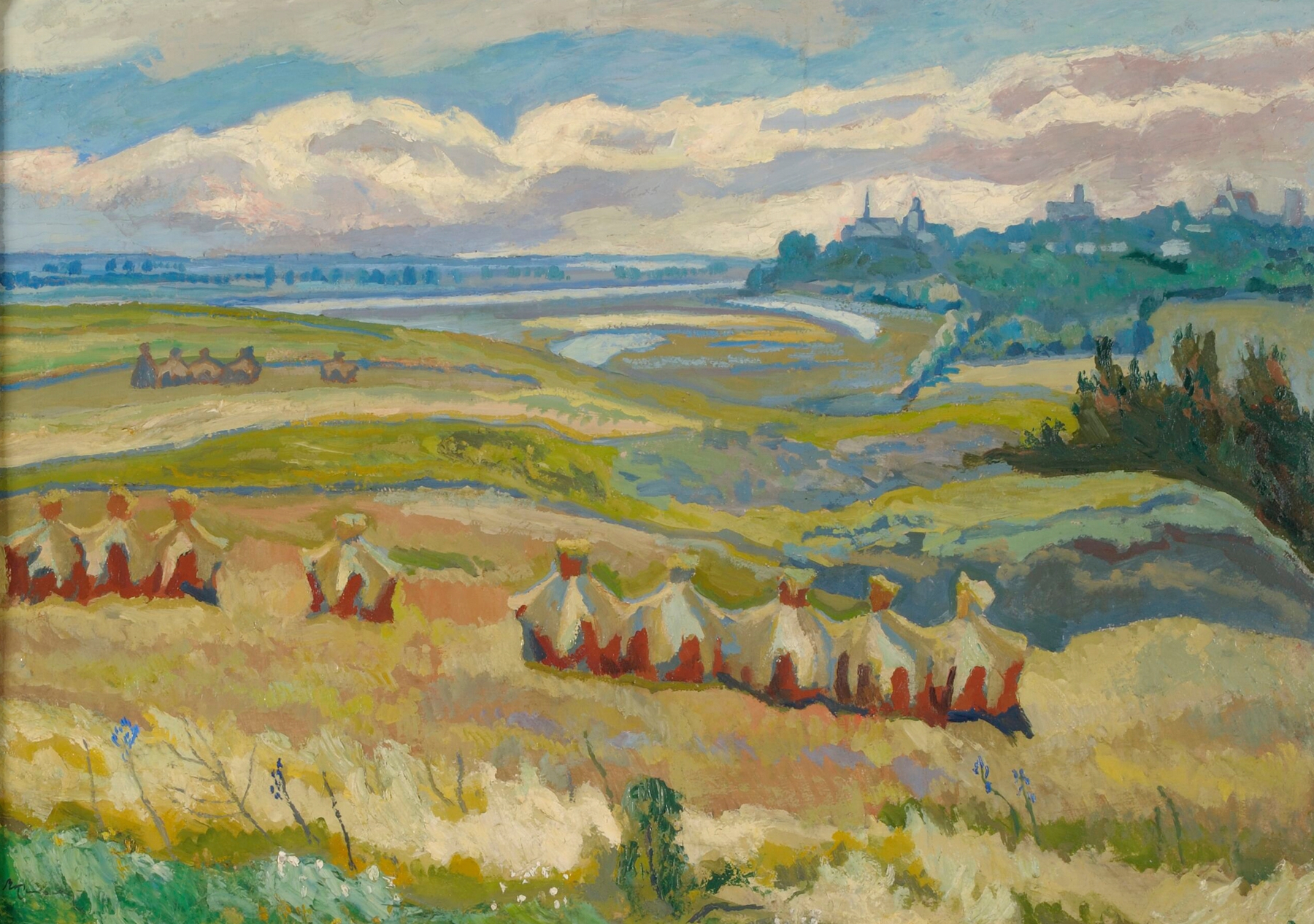
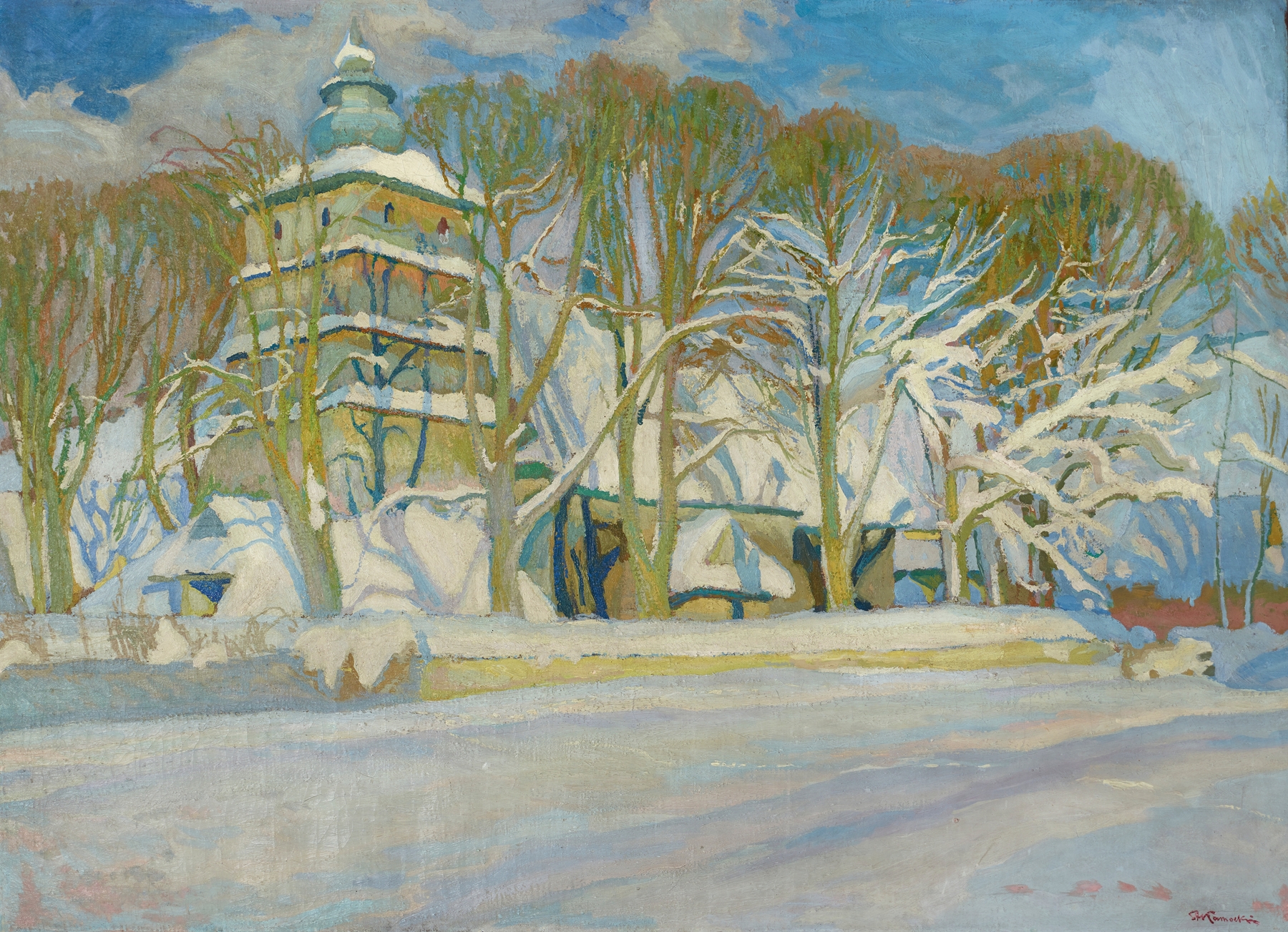
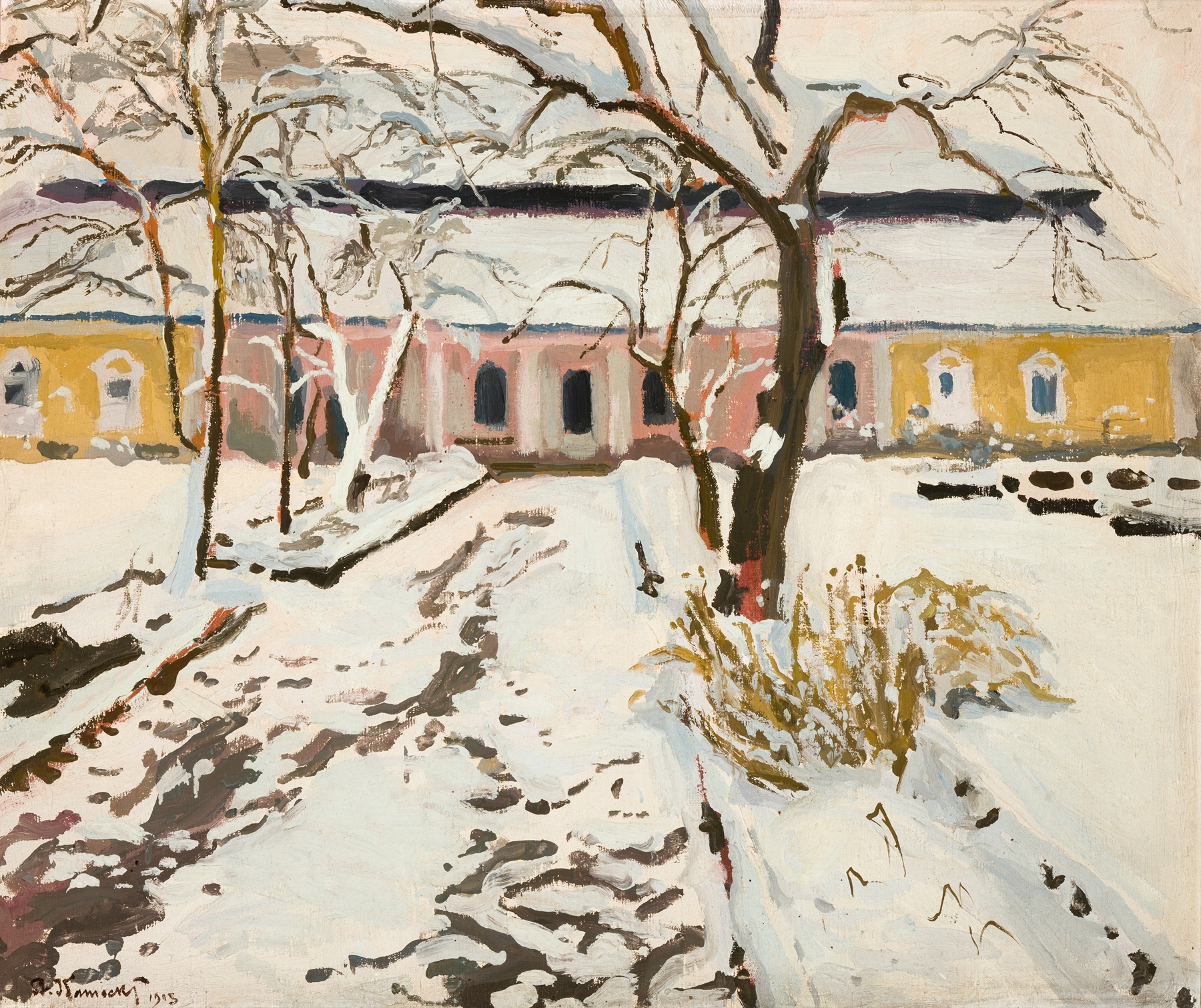
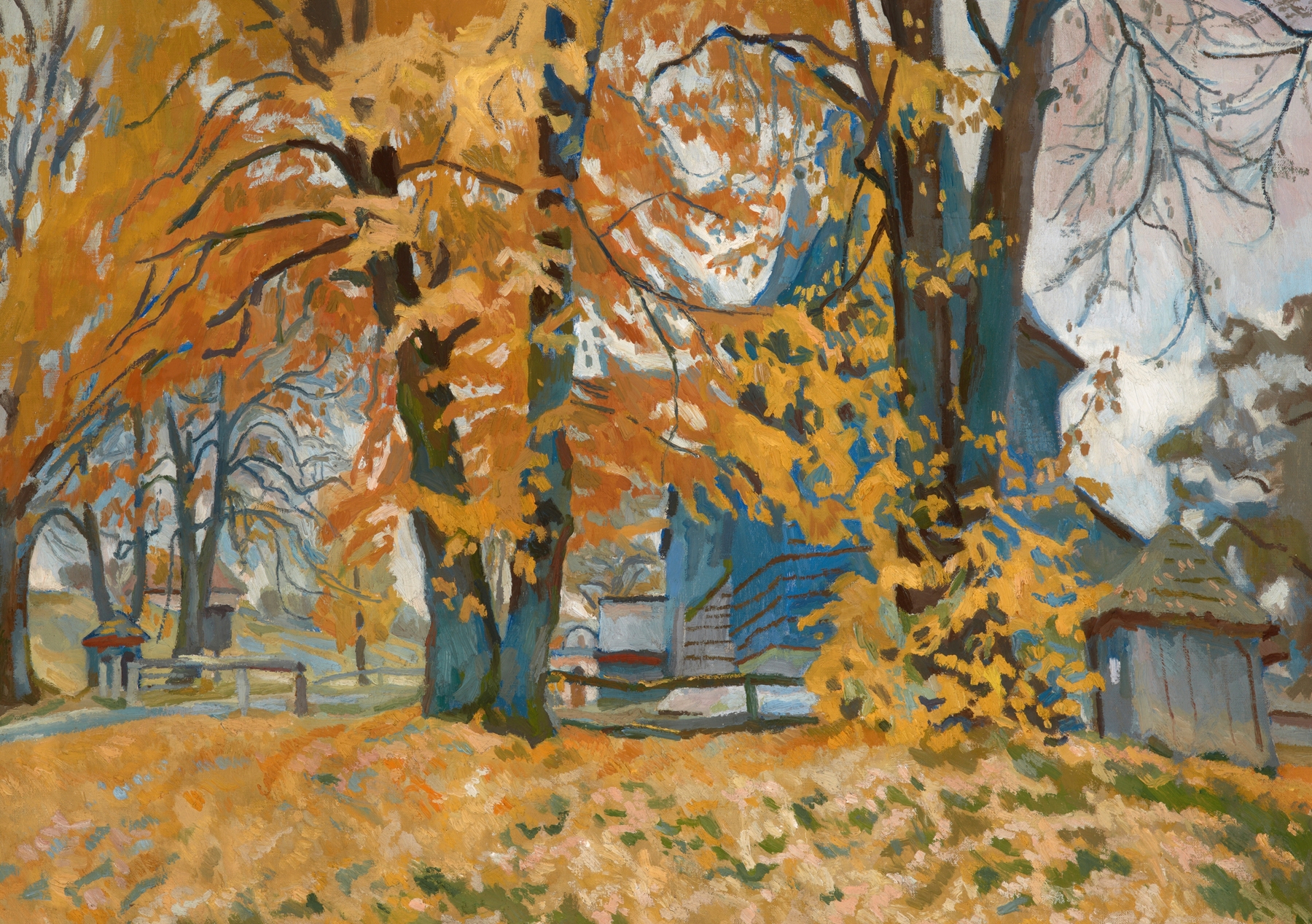
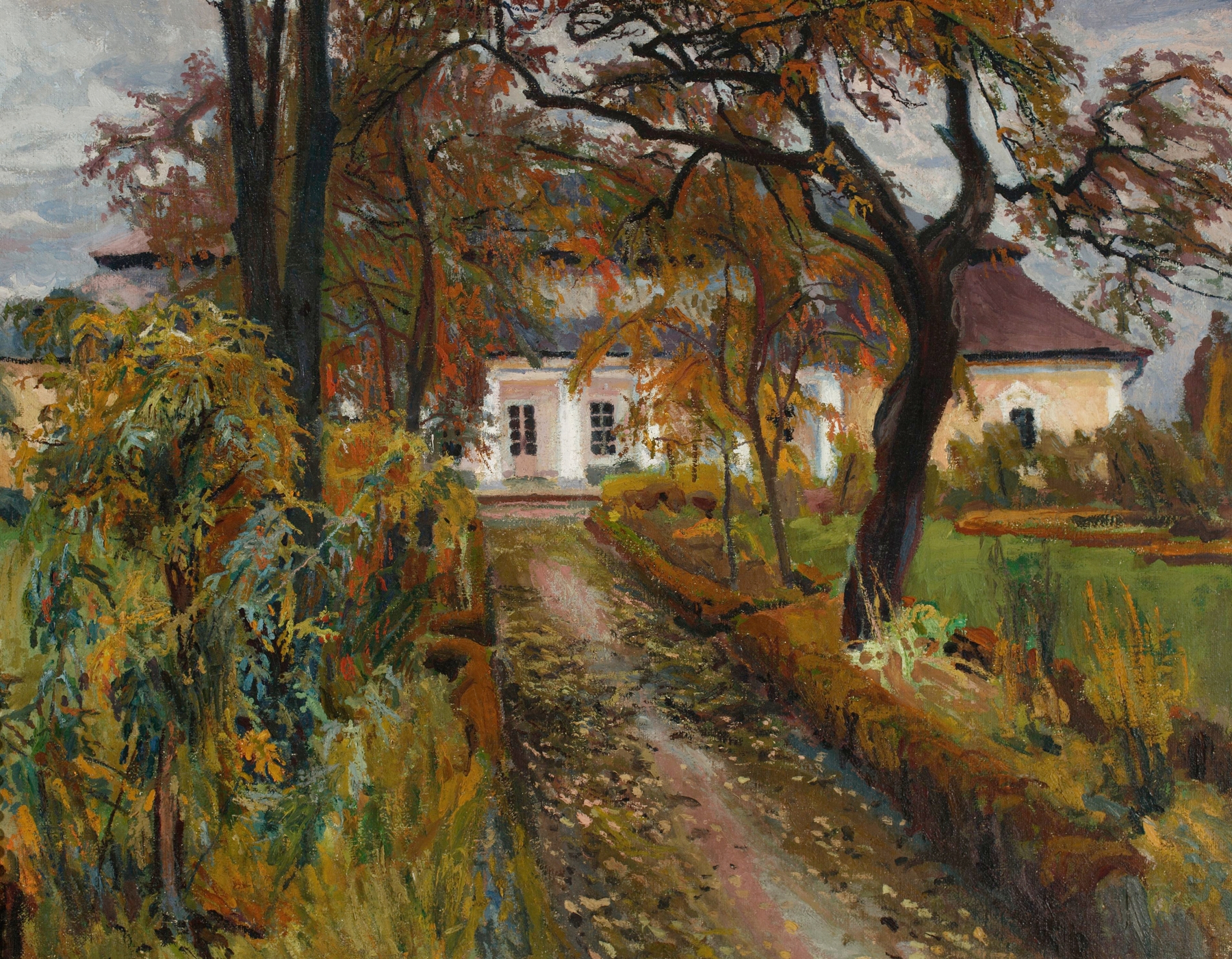
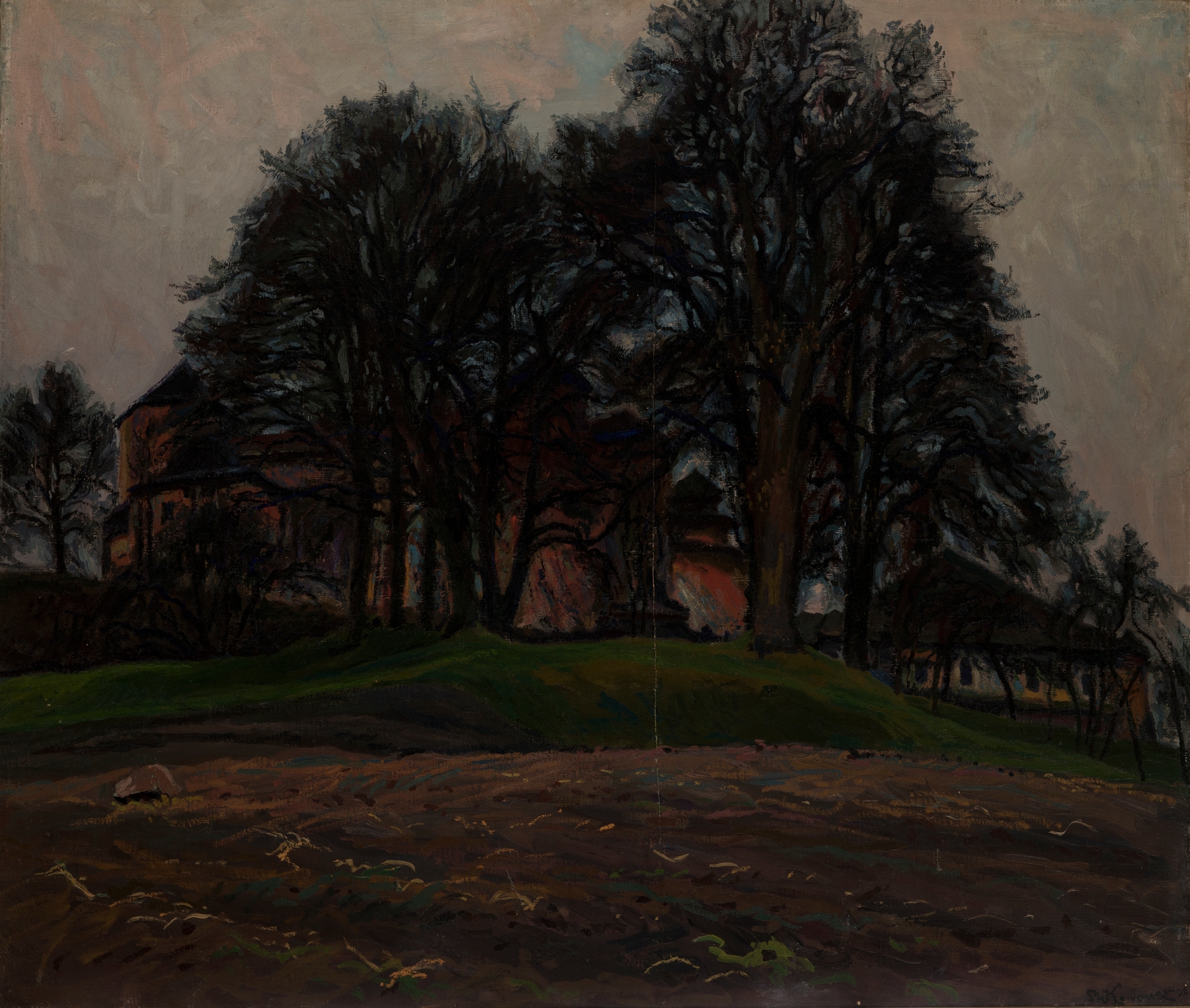
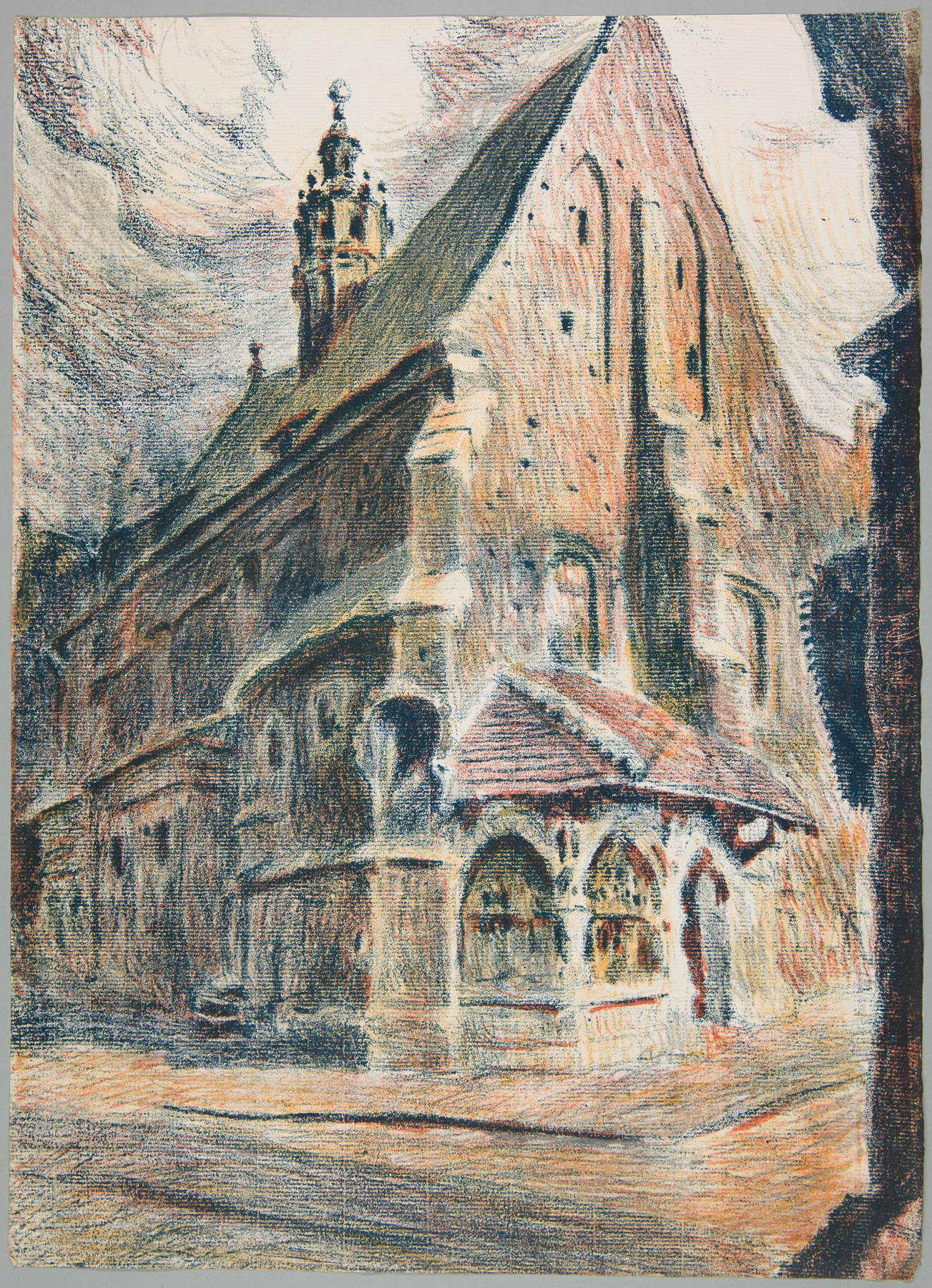
What if beauty was never meant to be finished? This question reverberates through the delicate brushstrokes and vibrant hues of *Church of St. Barbara*, inviting viewers to immerse themselves in a world where the sacred meets the sublime. Look to the left at the soaring spires that pierce the sky, their intricate details meticulously rendered against a backdrop of soft, undulating clouds. The sunlight cascades down, illuminating the church’s façade and creating a dance of light and shadow that breathes life into the stone. Notice how the warm earthy tones of the bricks resonate with the coolness of the surrounding landscape, evoking a sense of harmony and tranquility within the piece. Hidden within the layers of this artwork is the tension between permanence and ephemerality. The architectural grandeur stands resolutely, yet the sky's shifting colors suggest a fleeting moment in time, a reminder of nature’s unyielding force. The juxtaposition of man-made beauty and the ever-changing heavens invites contemplation on the fragility of human creations in the face of time's passage. In 1911, *Stanisław Kamocki* painted this work while living in Poland, a country undergoing significant political and social changes. This era was marked by a growing interest in national identity and cultural heritage, as artists sought to capture the beauty and spirit of their homeland. This painting emerged from a time when the revival of architectural styles that celebrated the past was flourishing, reflecting both personal and collective aspirations for beauty and continuity.