Church in Poronin — History & Analysis
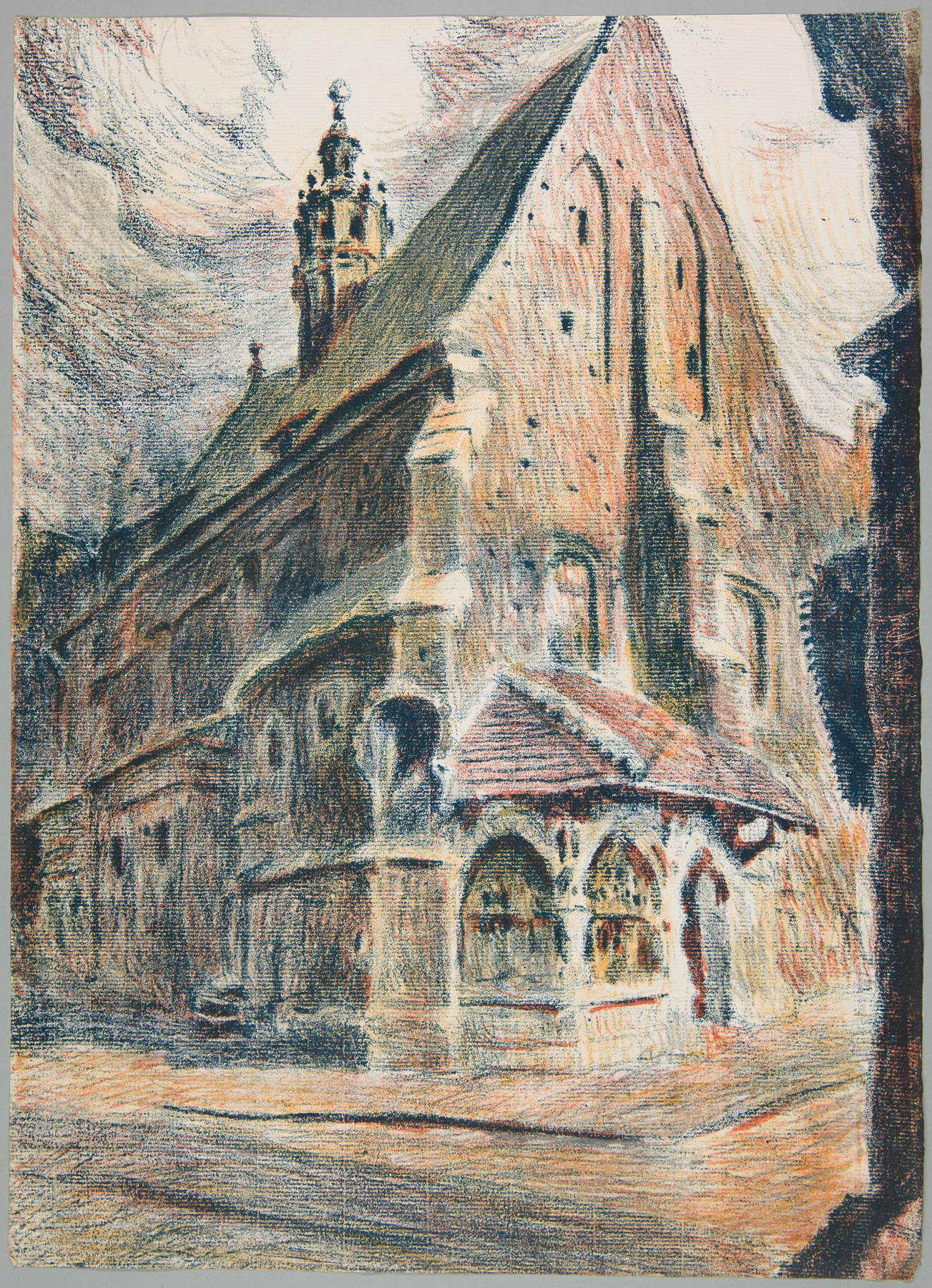
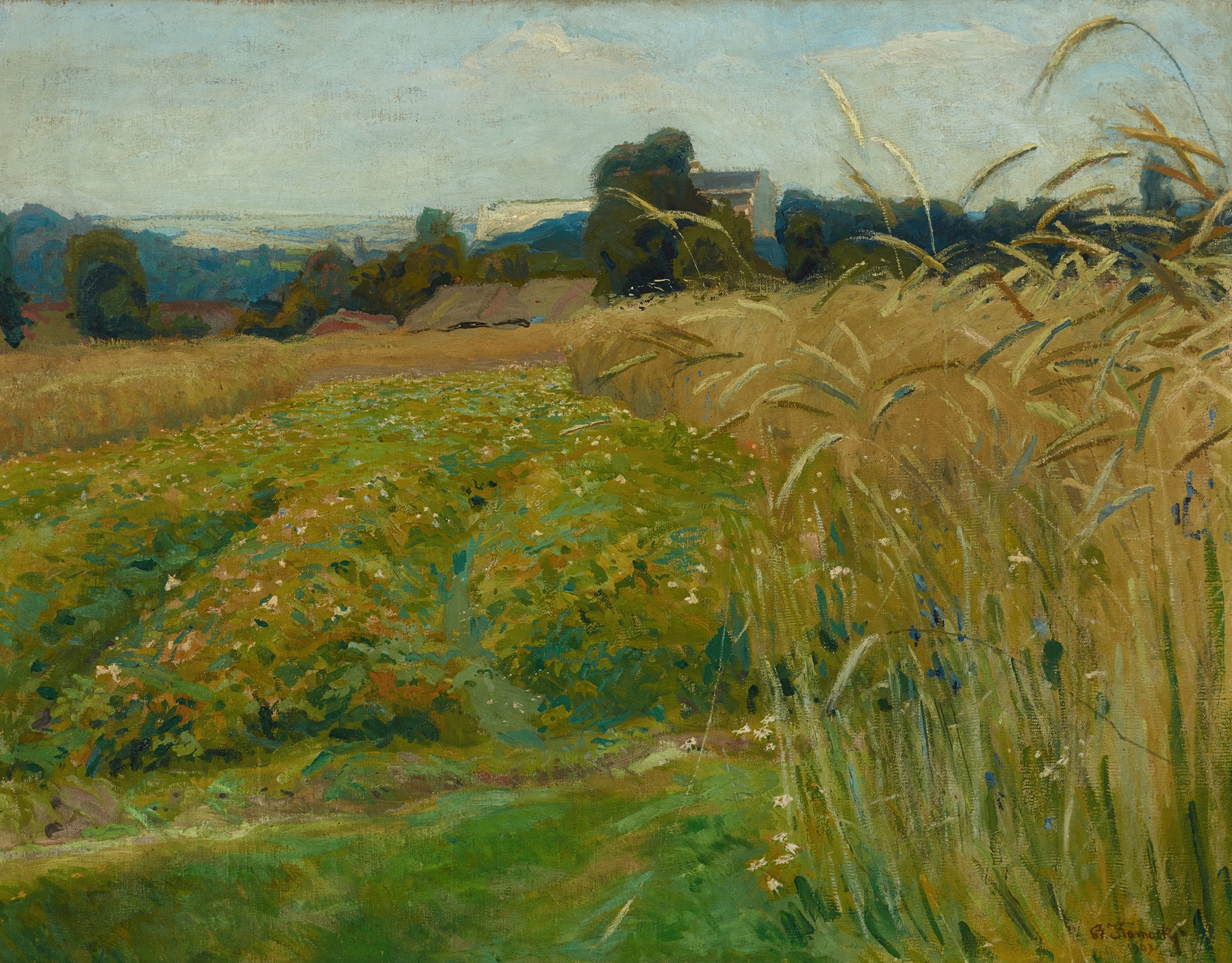
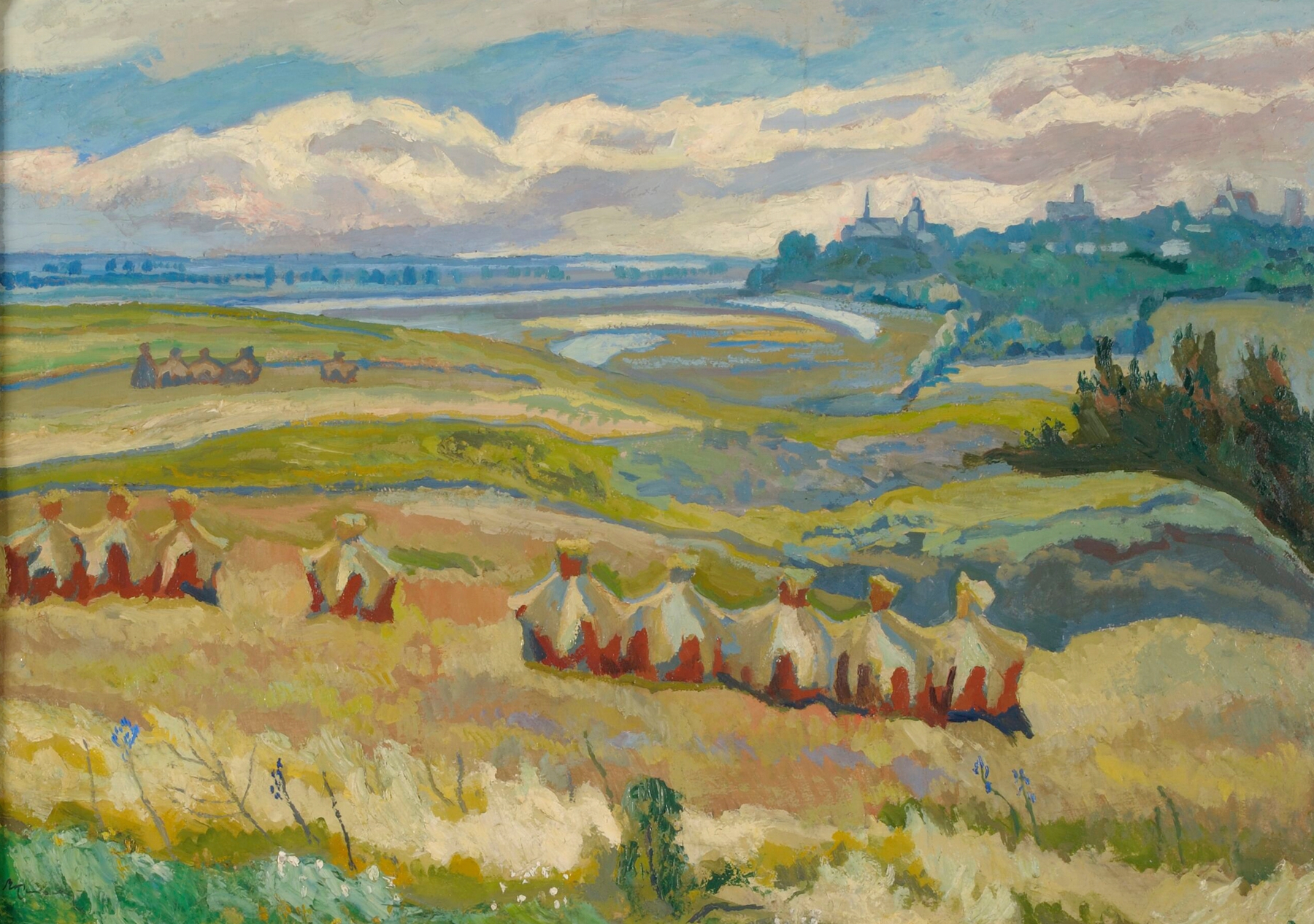
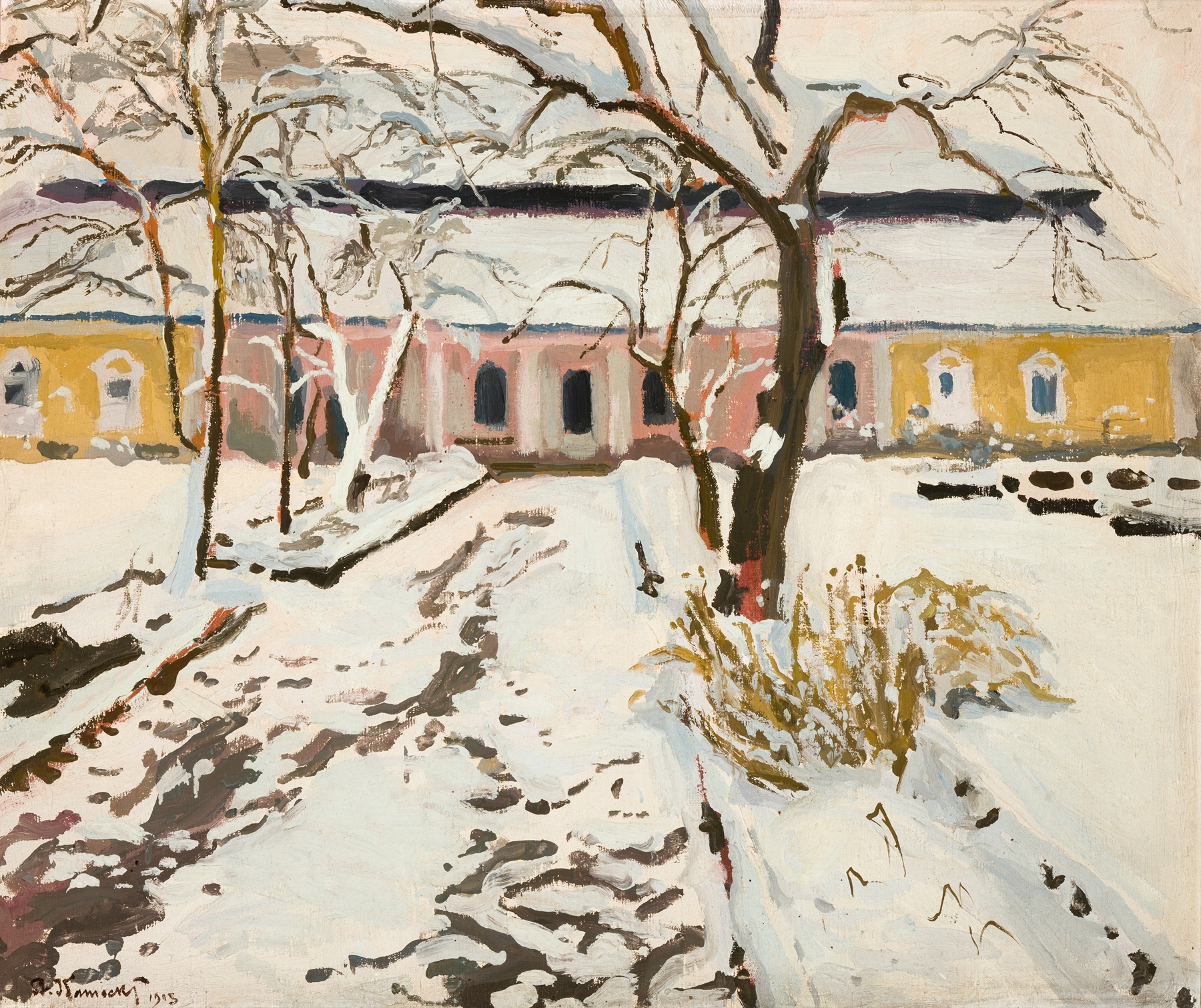
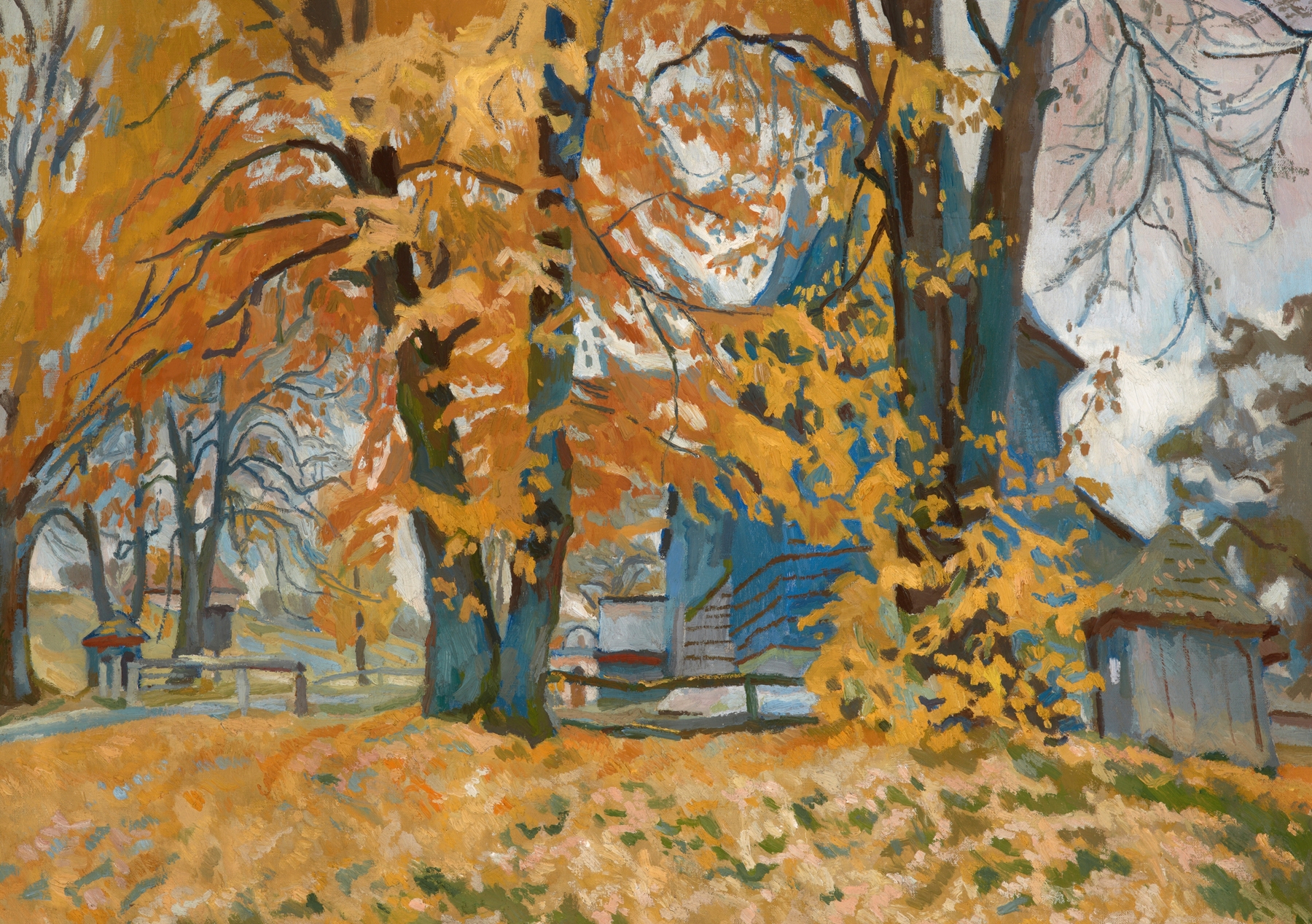
“Every silence here is a confession.” In the delicate stillness of Church in Poronin, a sense of rebirth resonates, echoing the whispers of hope that linger in sacred spaces. Look to the foreground, where the church stands resolute against a backdrop of rolling hills and a tranquil sky. The warm hues of the building contrast beautifully with the cooler shades of the landscape, drawing your eye to its inviting wooden structure. Notice how the light softly bathes the facade, illuminating the subtle textures of the timber and stone, while shadows caress the earth beneath, creating a harmonious balance between the sacred and the natural world.
Beneath this serene exterior lies a deeper narrative. The gentle slope of the terrain seems to cradle the church, as if it were a nurtured child within the embrace of nature. The way the trees arch towards the heavens hints at a yearning for divine connection, while the quiet presence of the church suggests resilience in the face of time’s passage. Together, these elements weave a tapestry of faith and continuity, inviting viewers to reflect on the cyclical nature of life and the enduring spirit of community.
In the years between 1906 and 1910, Kamocki painted this work amidst a burgeoning appreciation for regional identity in Polish art. His focus on local architecture and landscapes emerged during a time when Poland was grappling with its cultural heritage, shaping a narrative that both honored the past and looked toward renewal. This period was marked by a growing nationalism, reflected in the artist’s choice to celebrate the simplicity and beauty of rural life, grounding his artistry in a sense of belonging and hope.