Theme from Radziszów — History & Facts
As you explore the artwork, your gaze is immediately drawn to the shimmering gold leaf that envelops the central figure, making the warmth of the tone radiate with an ethereal glow. Notice how the artist skillfully contrasts this brilliance against the cooler, muted background, setting the figure apart as if it exists in its own sanctified realm. The meticulous brushwork reveals both the softness of the fabric and the strength of the posture, inviting the viewer to delve into the emotional depth of the scene. Hidden within the details are layers of meaning that resonate with the viewer’s own experiences.
The figure’s expression, a complex blend of serenity and melancholy, suggests an inner struggle, perhaps a reflection on the sacrifices made for art and self-expression. The interplay of light and shadow not only highlights the contours of the figure but also symbolizes the duality of creation—where light represents inspiration and shadow embodies the challenges faced along the journey. In 1907, Kamocki created this piece during a period when he was establishing his reputation as a leading painter in Poland. At this time, the art world was undergoing rapid changes, with movements like Impressionism influencing artists to explore new techniques and perspectives.
Amidst these transformations, he sought to capture the essence of his homeland and the emotional depth of his subjects, paving the way for a distinctive Polish artistic identity.
More Artworks by Stanisław Kamocki

Church of St. Barbara
Stanisław Kamocki
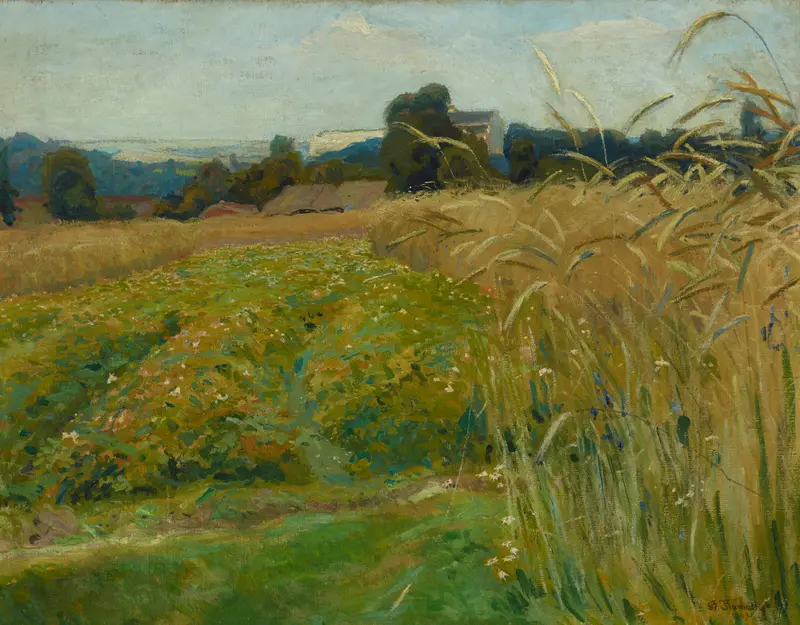
Landscape from the Vincity of Krakow
Stanisław Kamocki
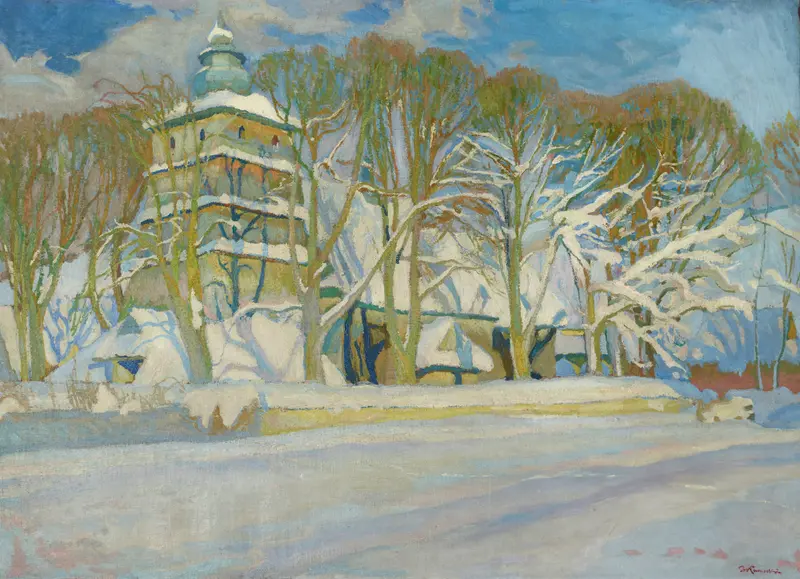
Church in Poronin
Stanisław Kamocki
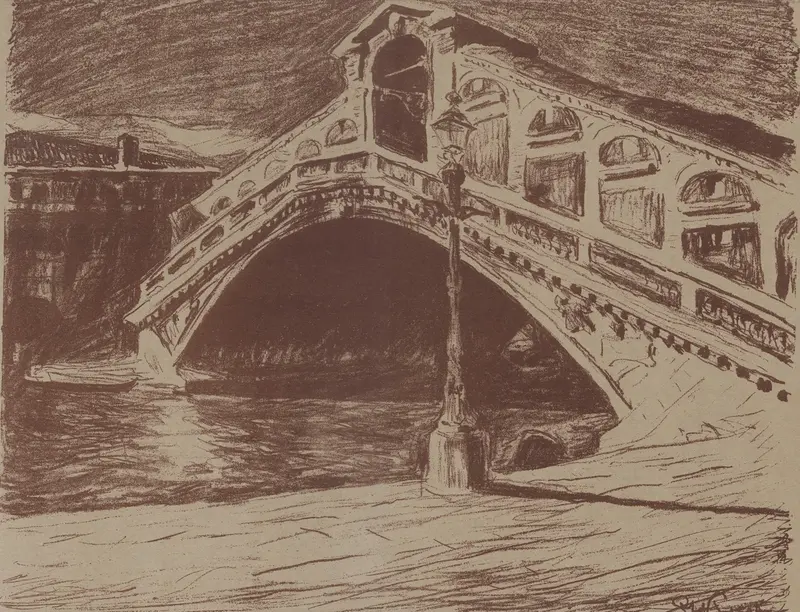
Rialto Bridge in Venice
Stanisław Kamocki
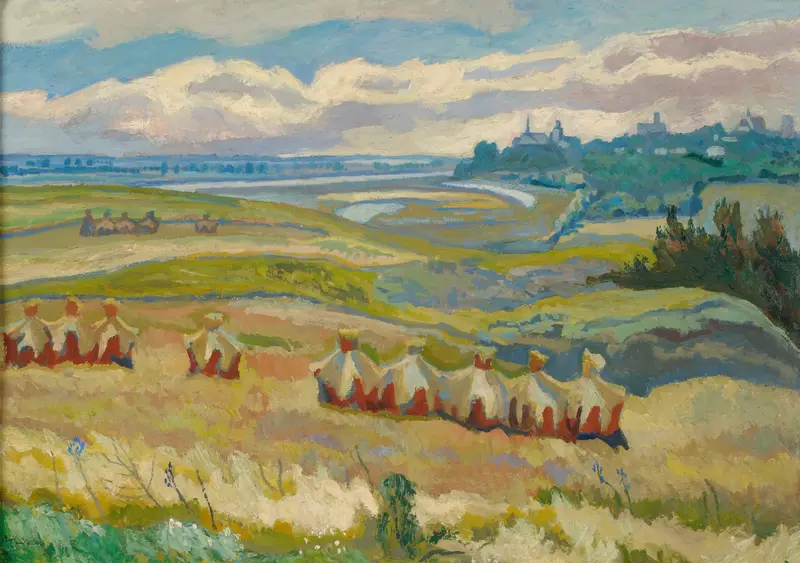
View of Sandomierz
Stanisław Kamocki
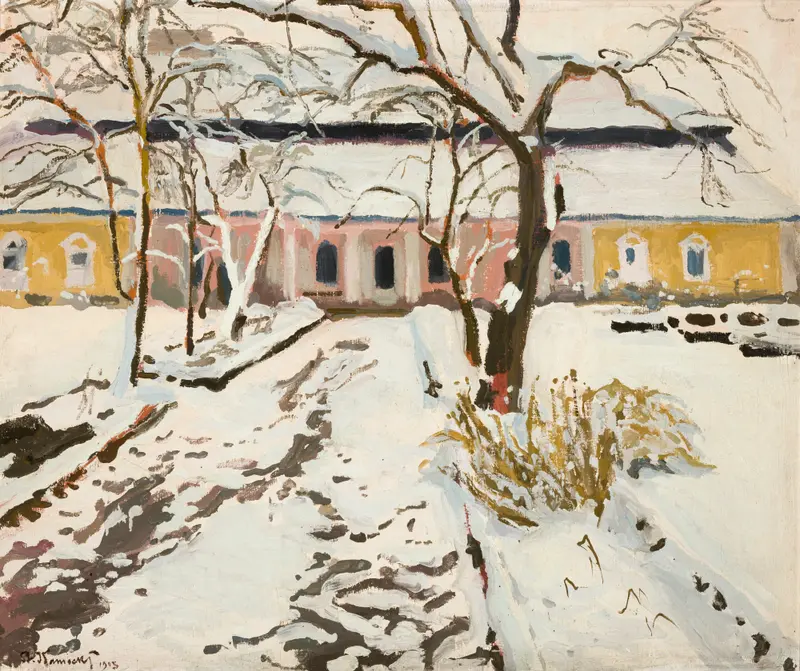
Manor-House at Modlnica in Winter
Stanisław Kamocki
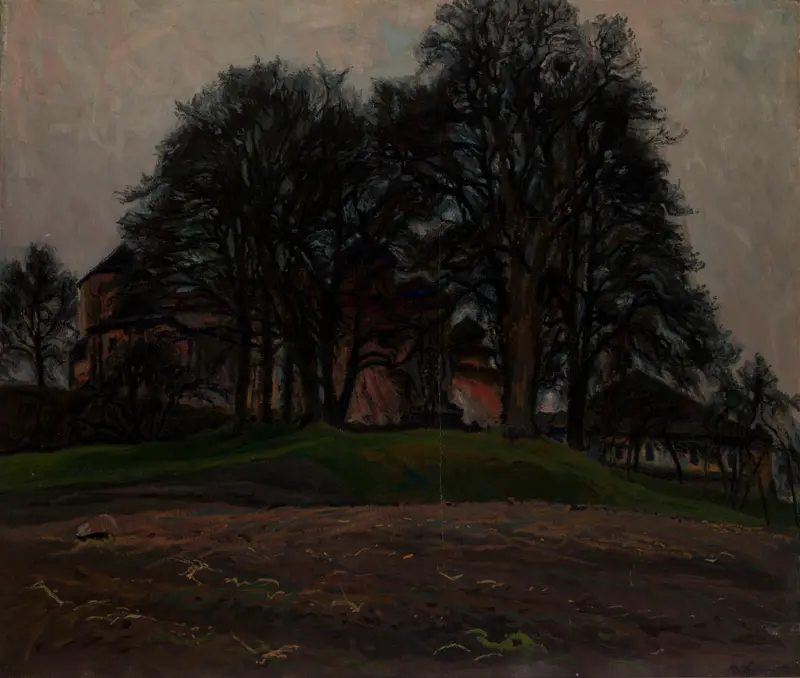
Late Autumn
Stanisław Kamocki
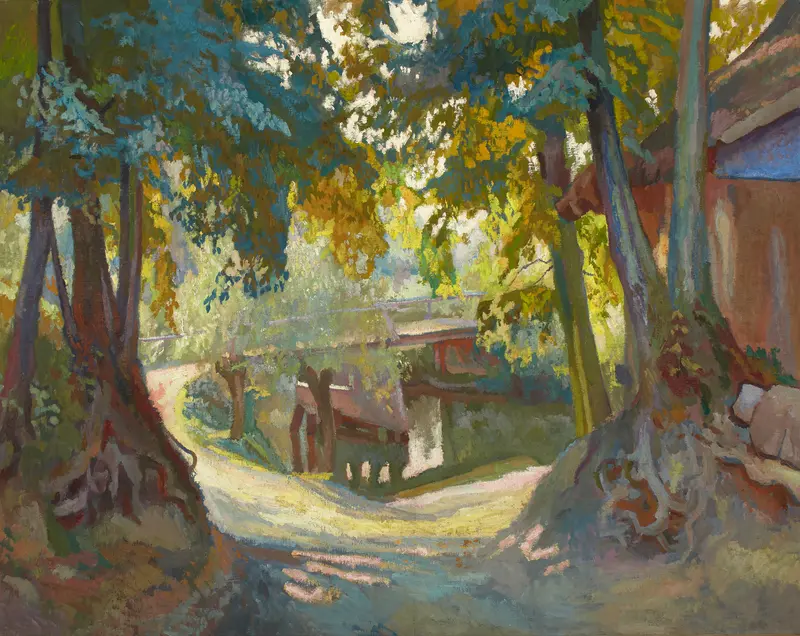
Day in Autumn
Stanisław Kamocki
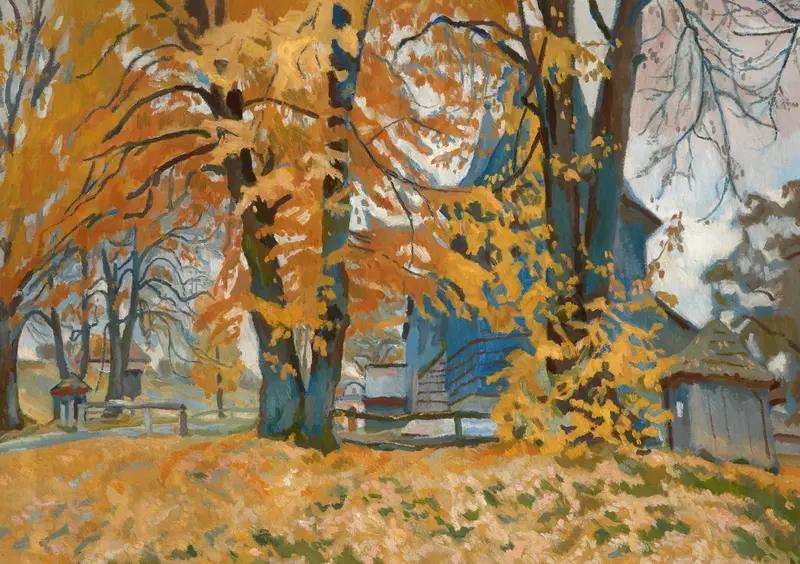
Church in Libusza
Stanisław Kamocki
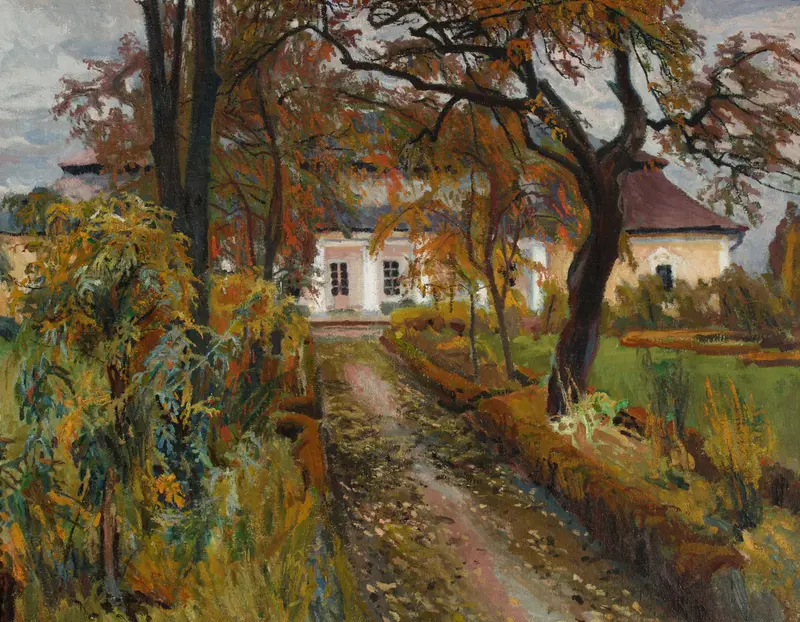
Manor house in autumn
Stanisław Kamocki