View of Sandomierz — History & Analysis
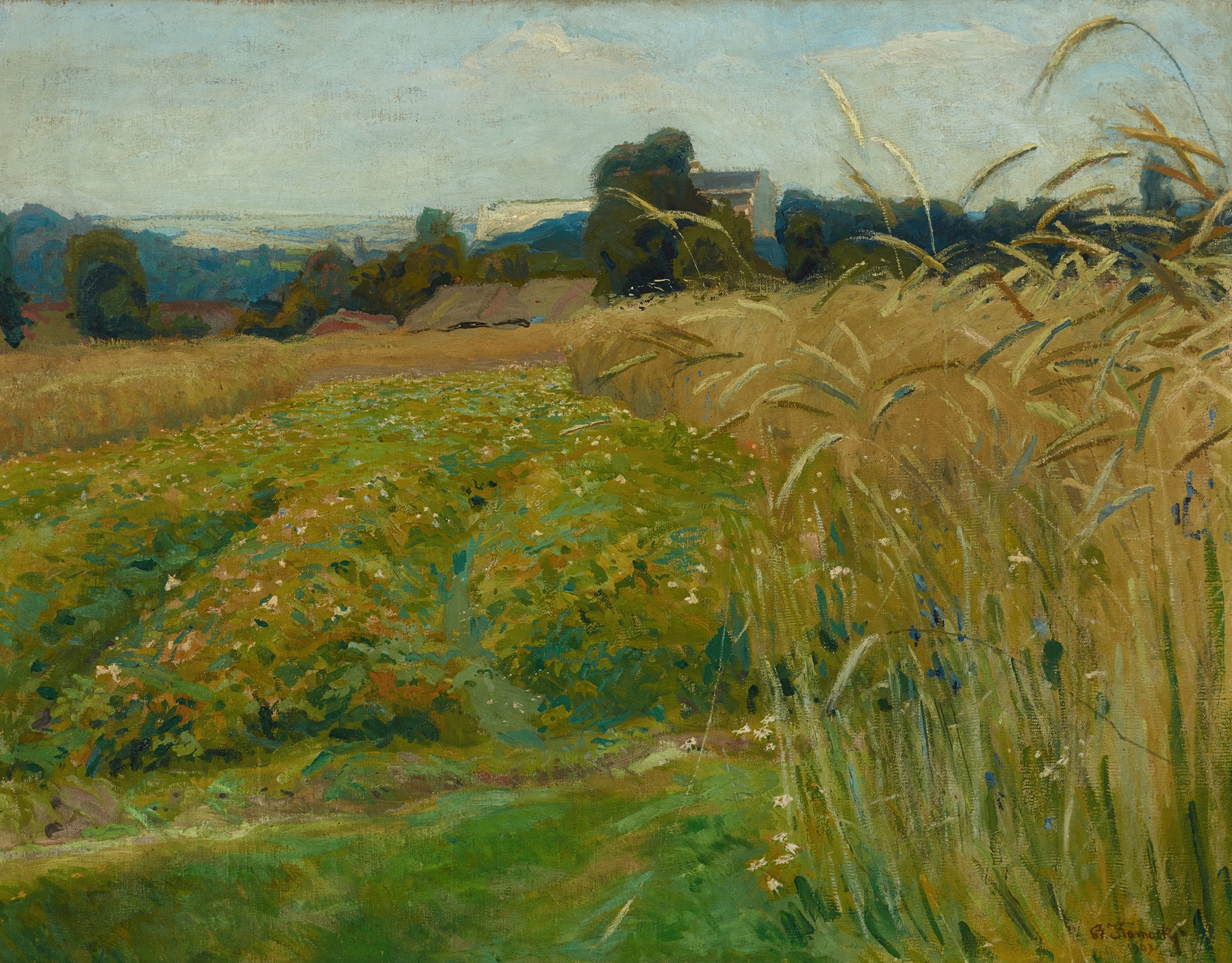
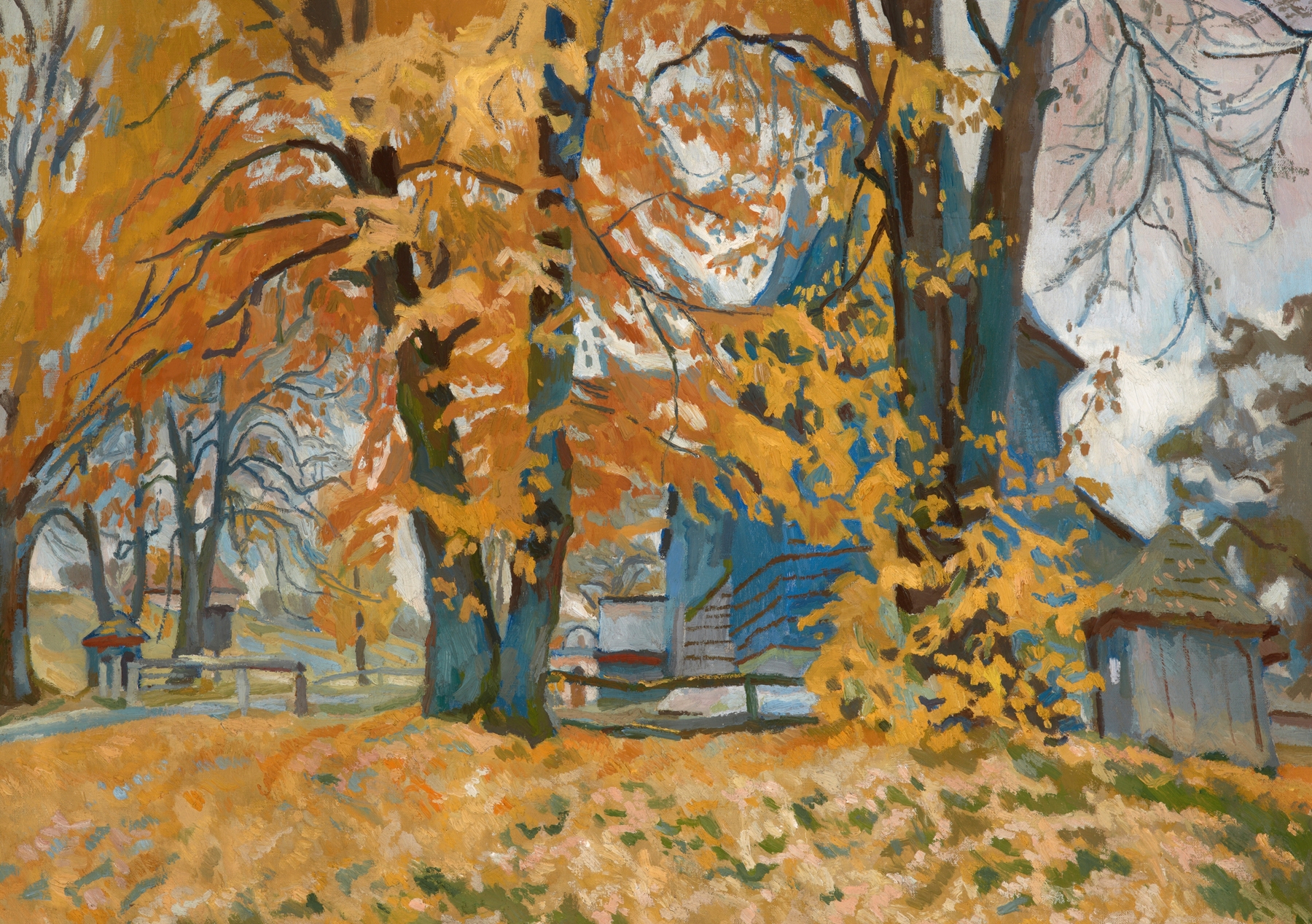
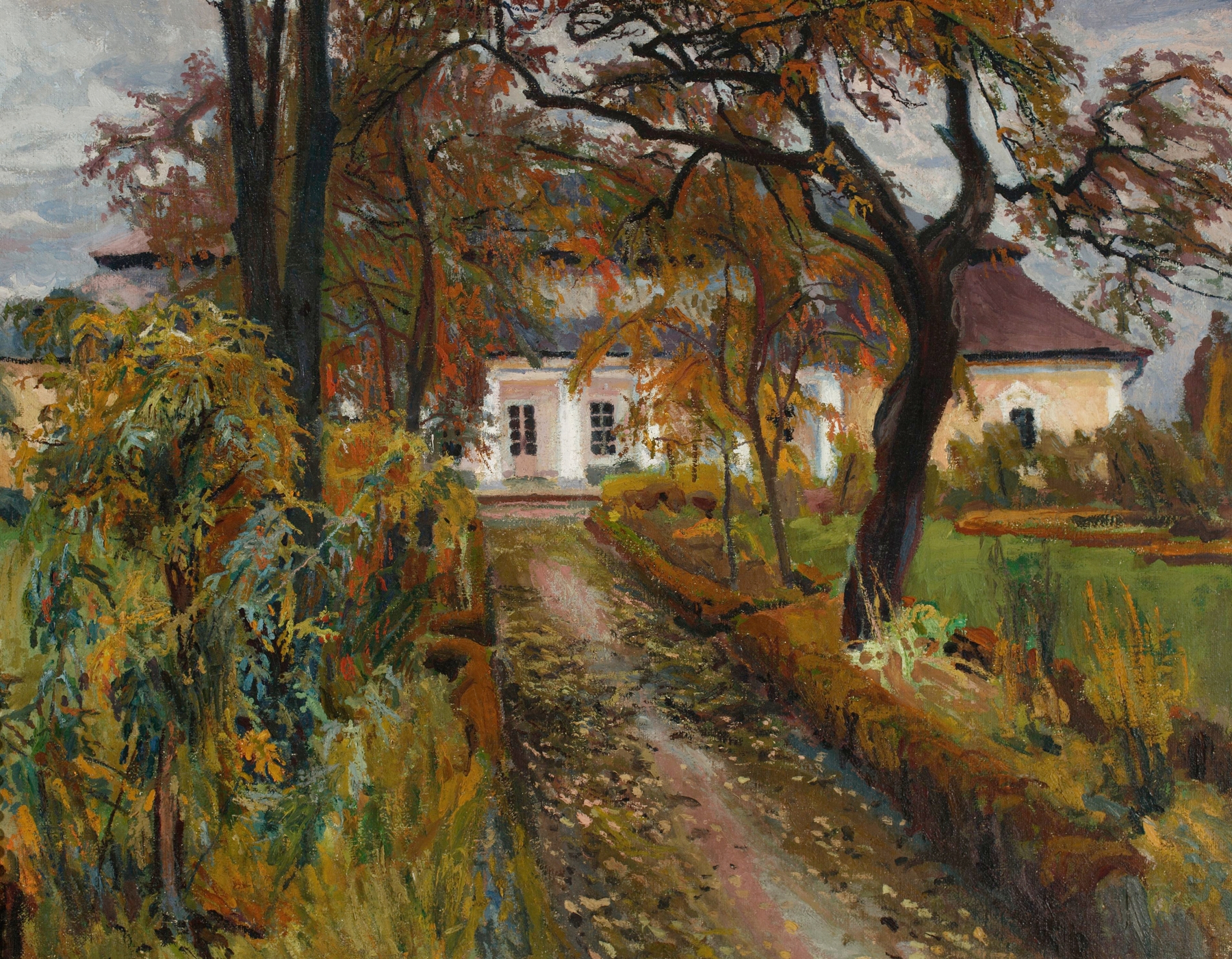
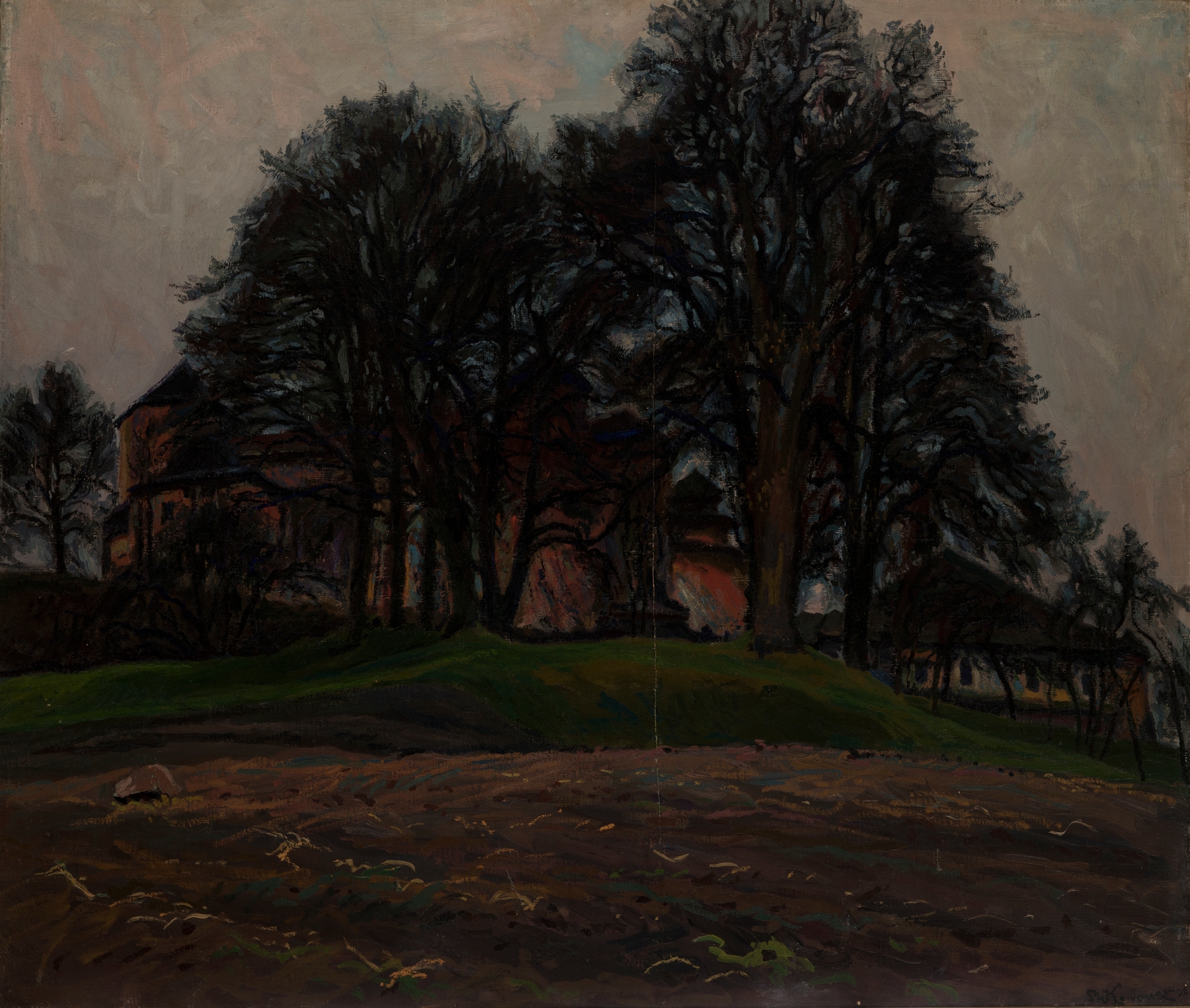
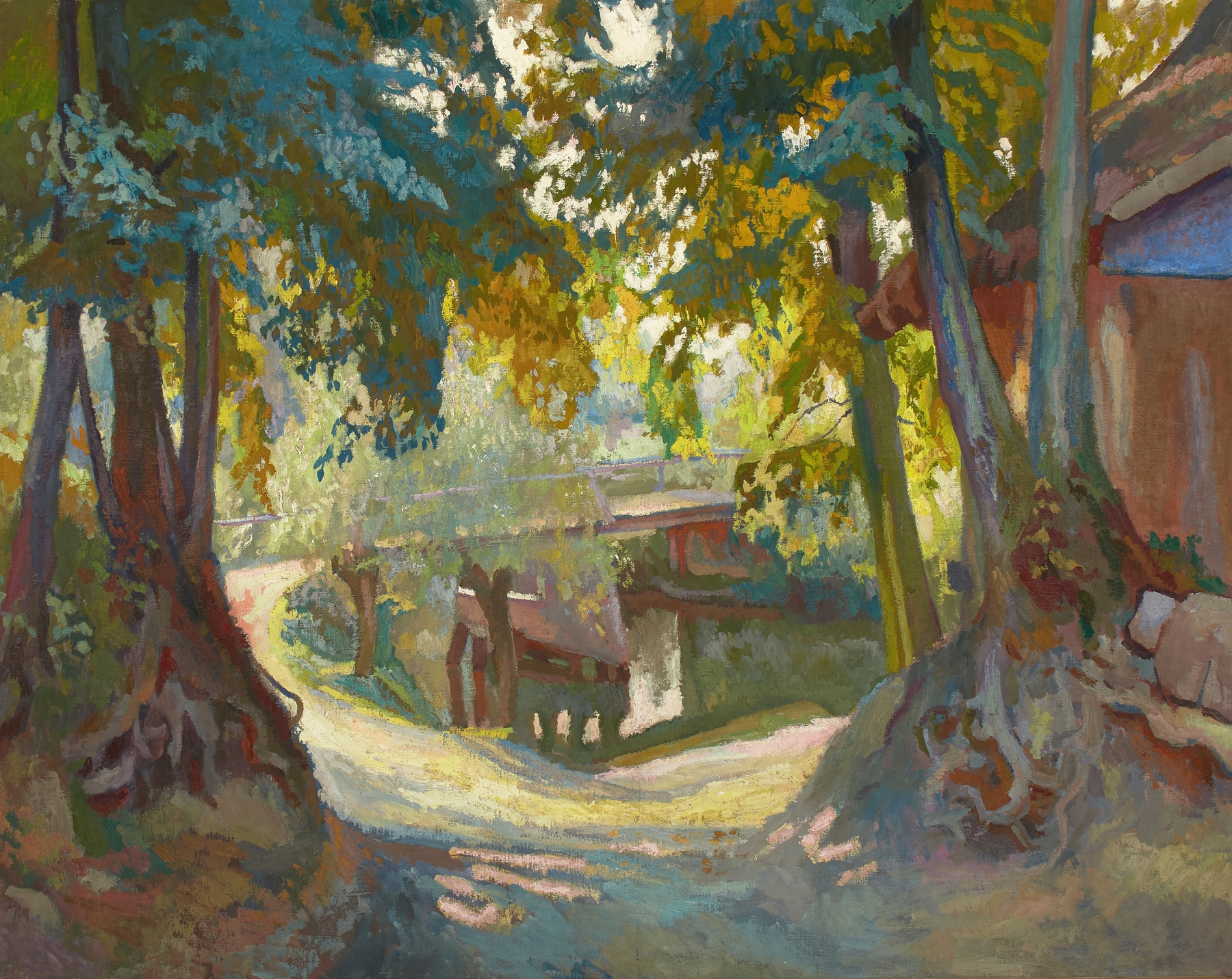
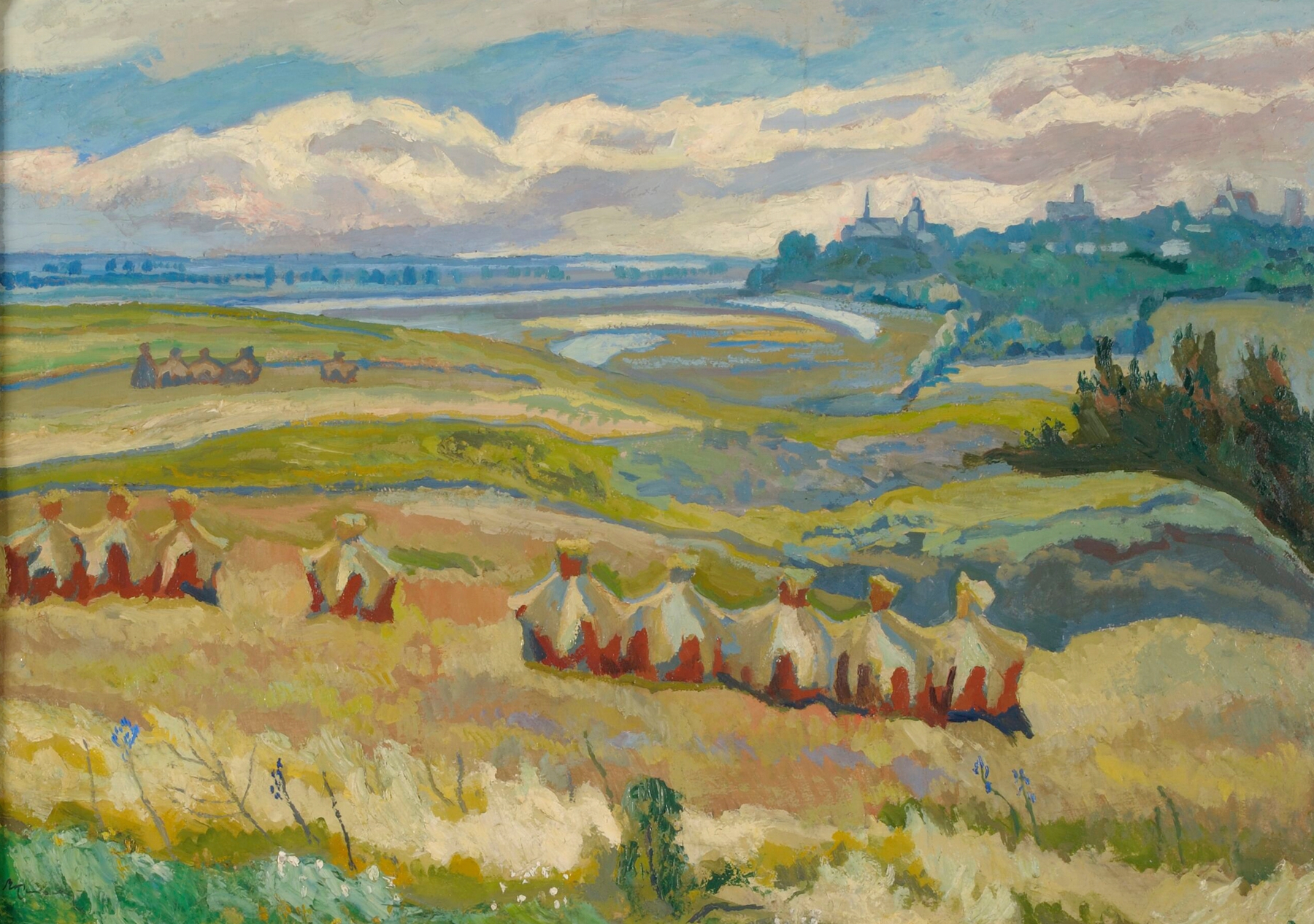
“Sometimes beauty is just pain, disguised in gold.” The tension between solitude and serenity is woven into the delicate strokes of this artwork, whispering to the soul with haunting resonance. Focus on the foreground, where an empty bench invites the viewer to sit and contemplate. The light cascades softly over the landscape, illuminating the surrounding fields and distant town, while the golden hues blend harmoniously with the earthy tones of the village. Notice how the perspective draws our eyes toward the horizon, suggesting infinite distance yet contrasting with the intimate details of the nature surrounding the bench.
The empty seat starkly symbolizes loneliness, echoing the unspoken longing for connection within the scenic beauty. The tranquil river reflects the moody sky, creating a sense of quiet introspection, while the lush greenery embraces the village, hinting at life yet feeling distant. Here, the artist captures the duality of nature—its beauty layered with an undercurrent of isolation.
Stanisław Kamocki painted this piece during a time of artistic exploration in the late 19th century, while he was residing in Poland. This period saw a rise in the appreciation of landscape painting, reflecting the national identity amidst the changing political landscape of Europe. As an artist known for infusing emotion into his depictions of serene vistas, Kamocki sought to connect with viewers on a profound level, revealing both the splendor and solitude of the human experience.