Church Interior — History & Analysis
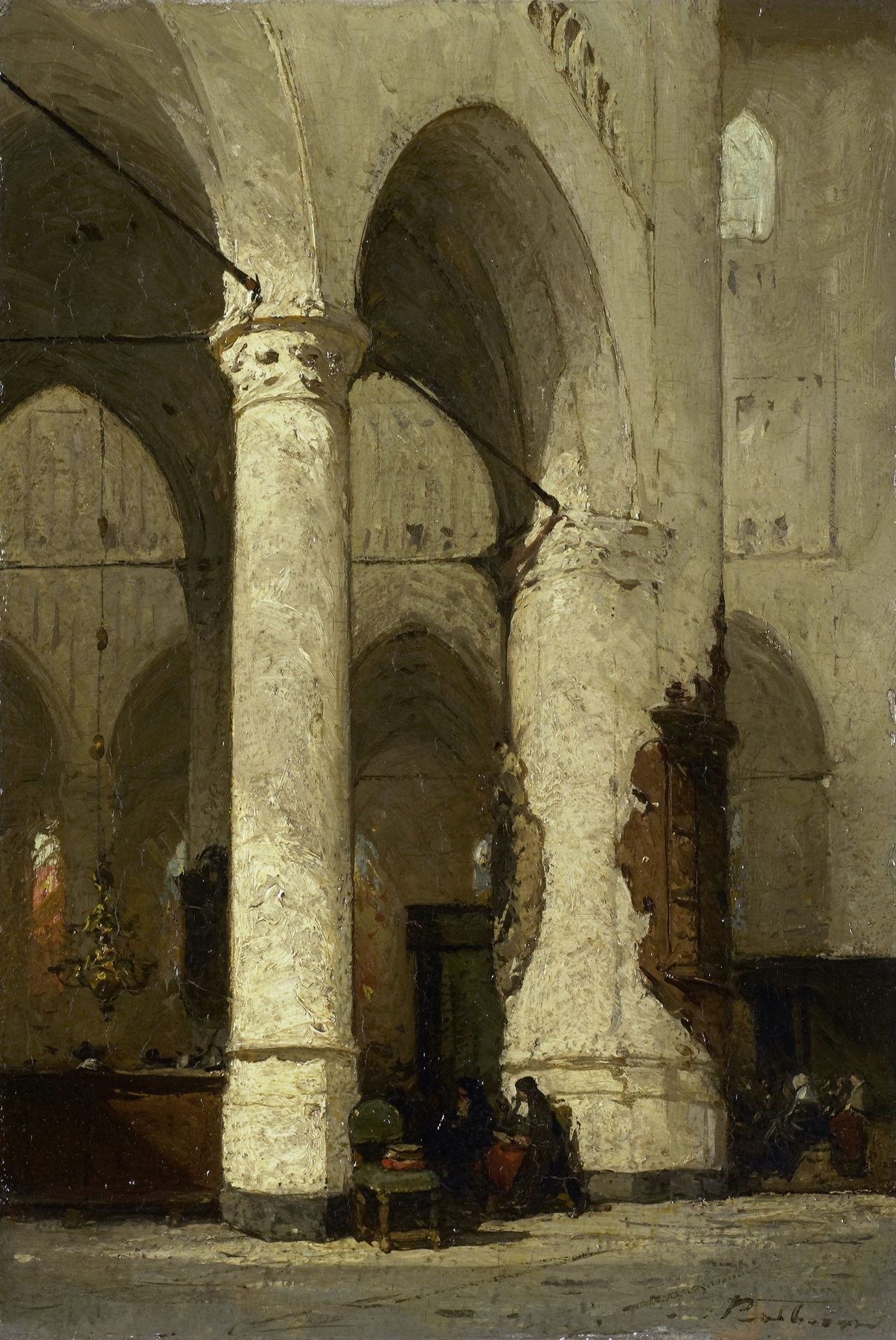
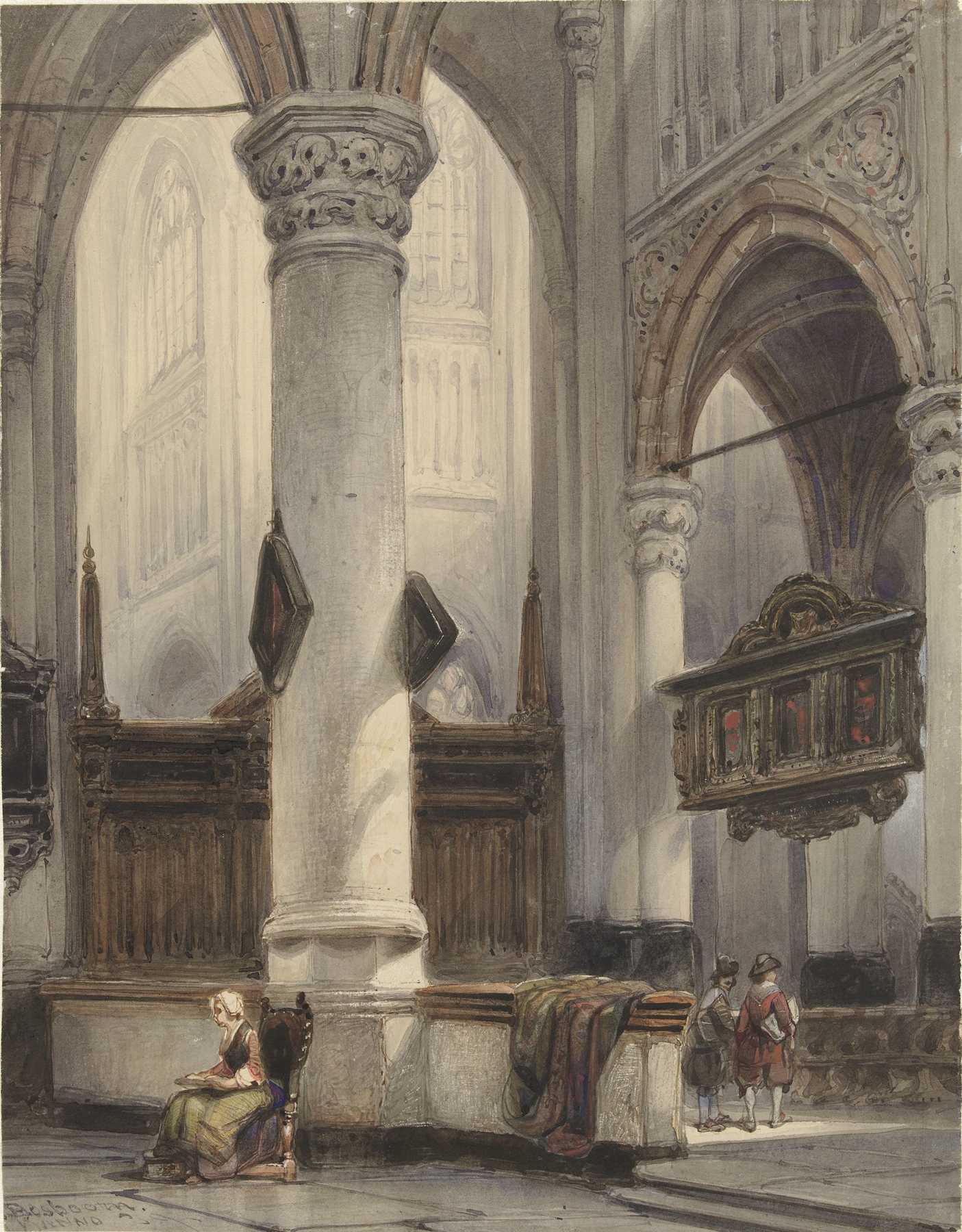
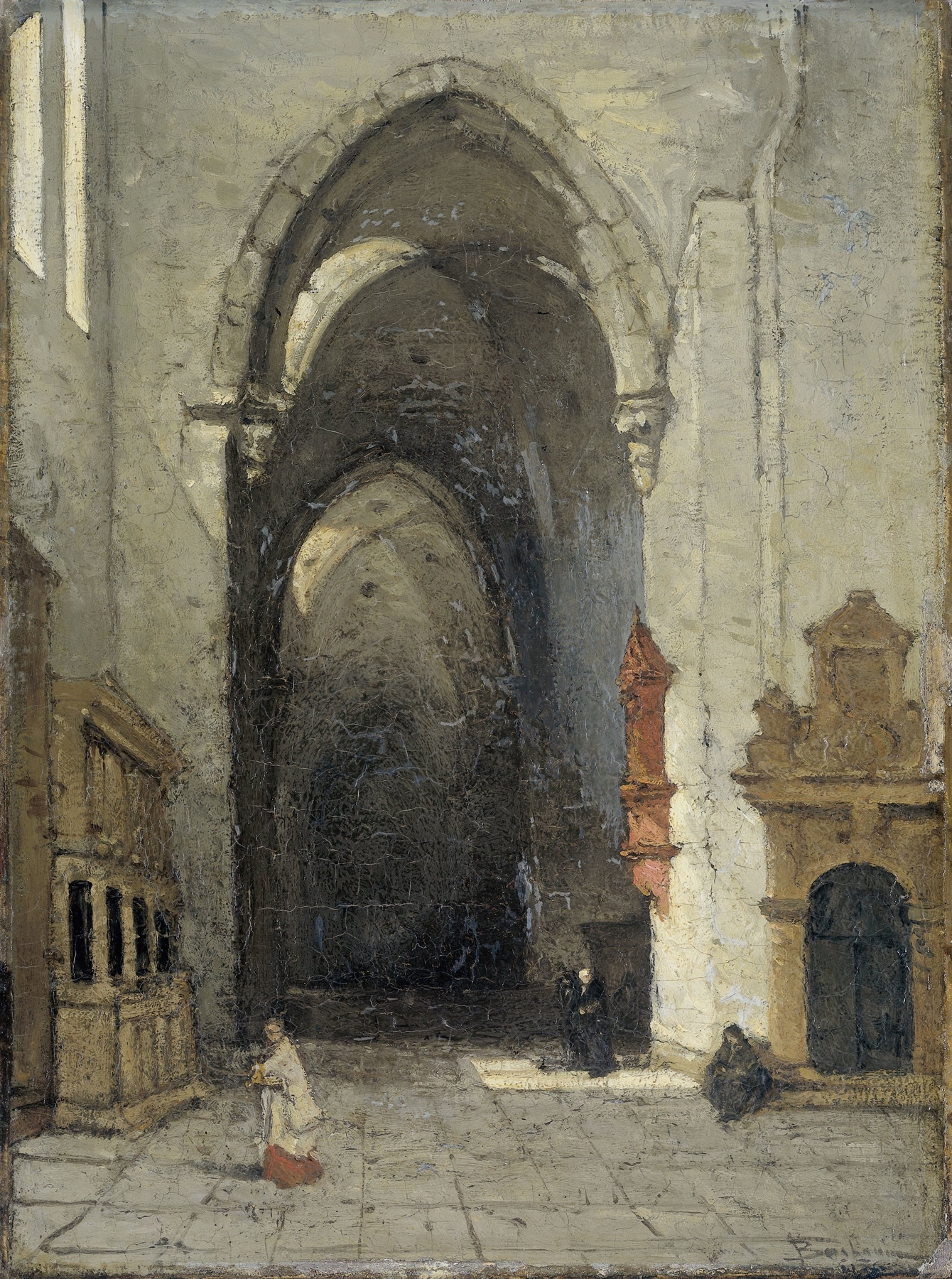
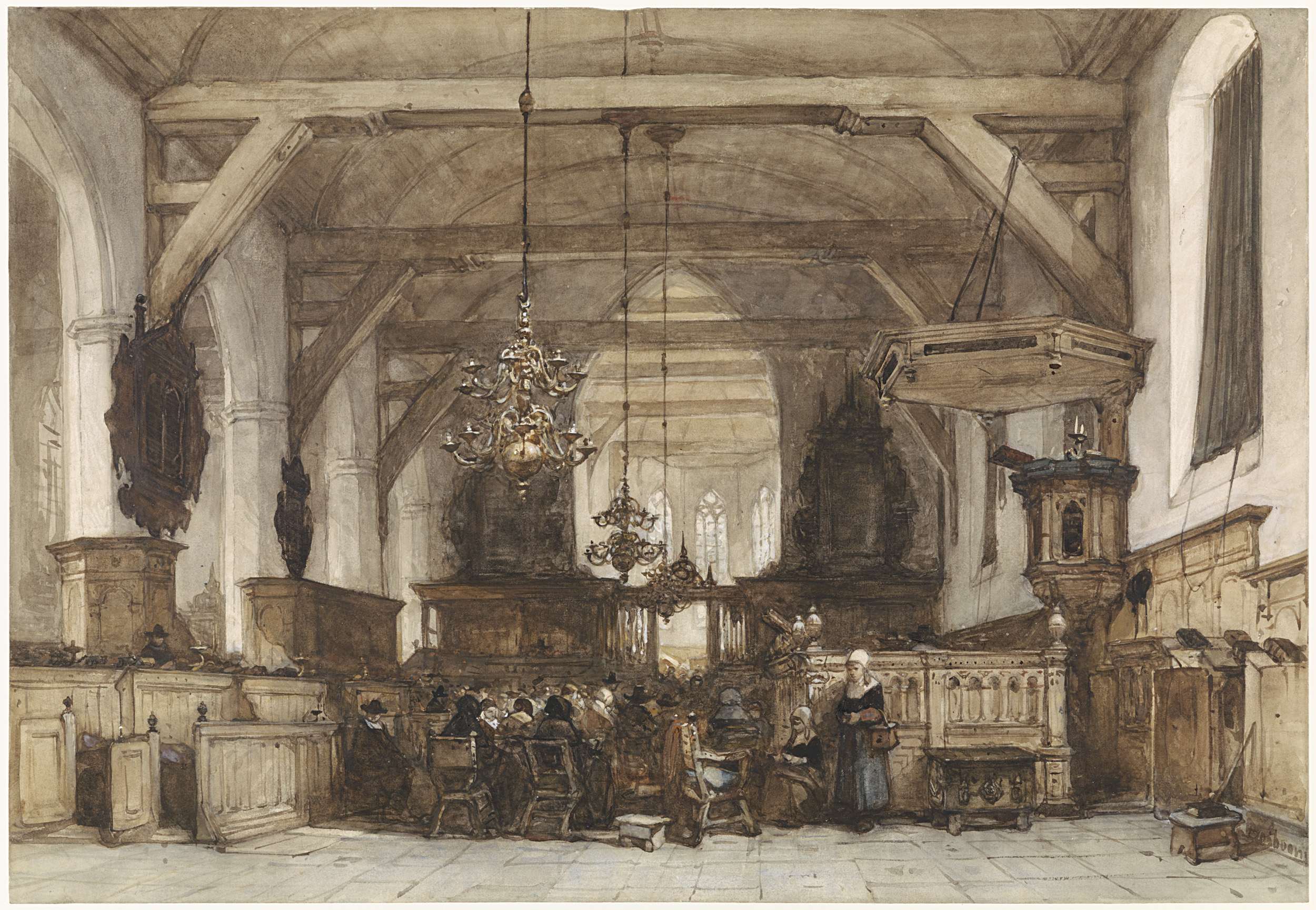
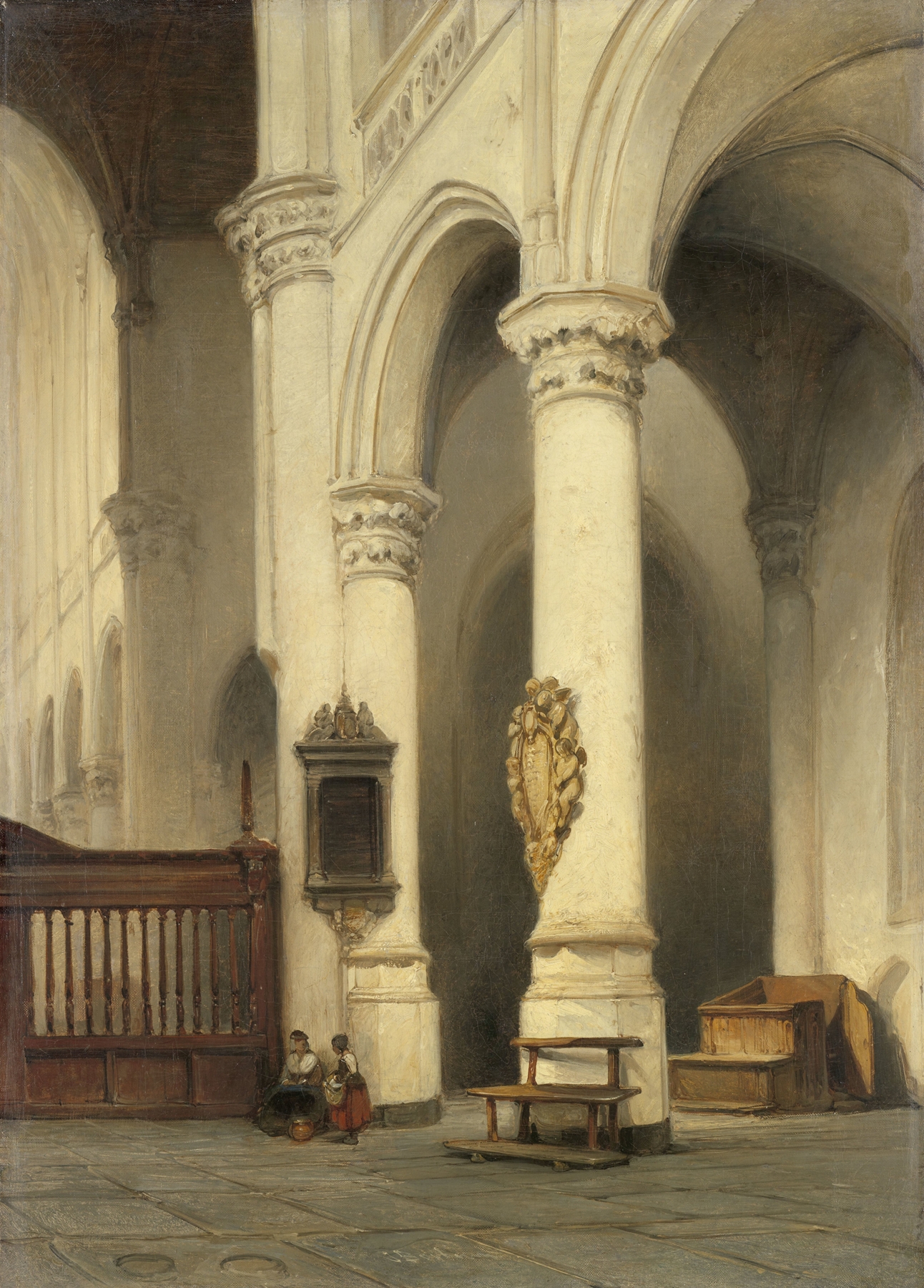
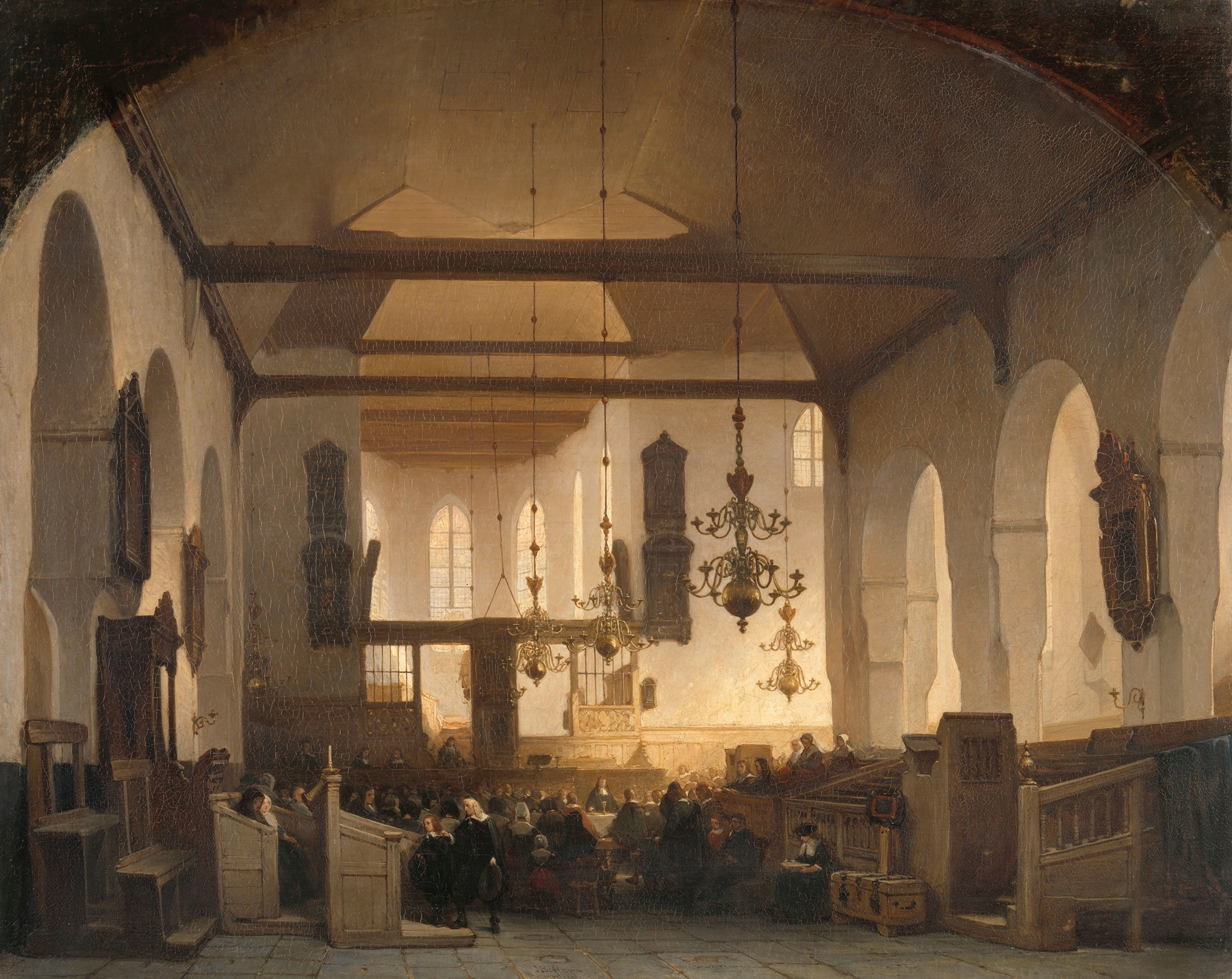
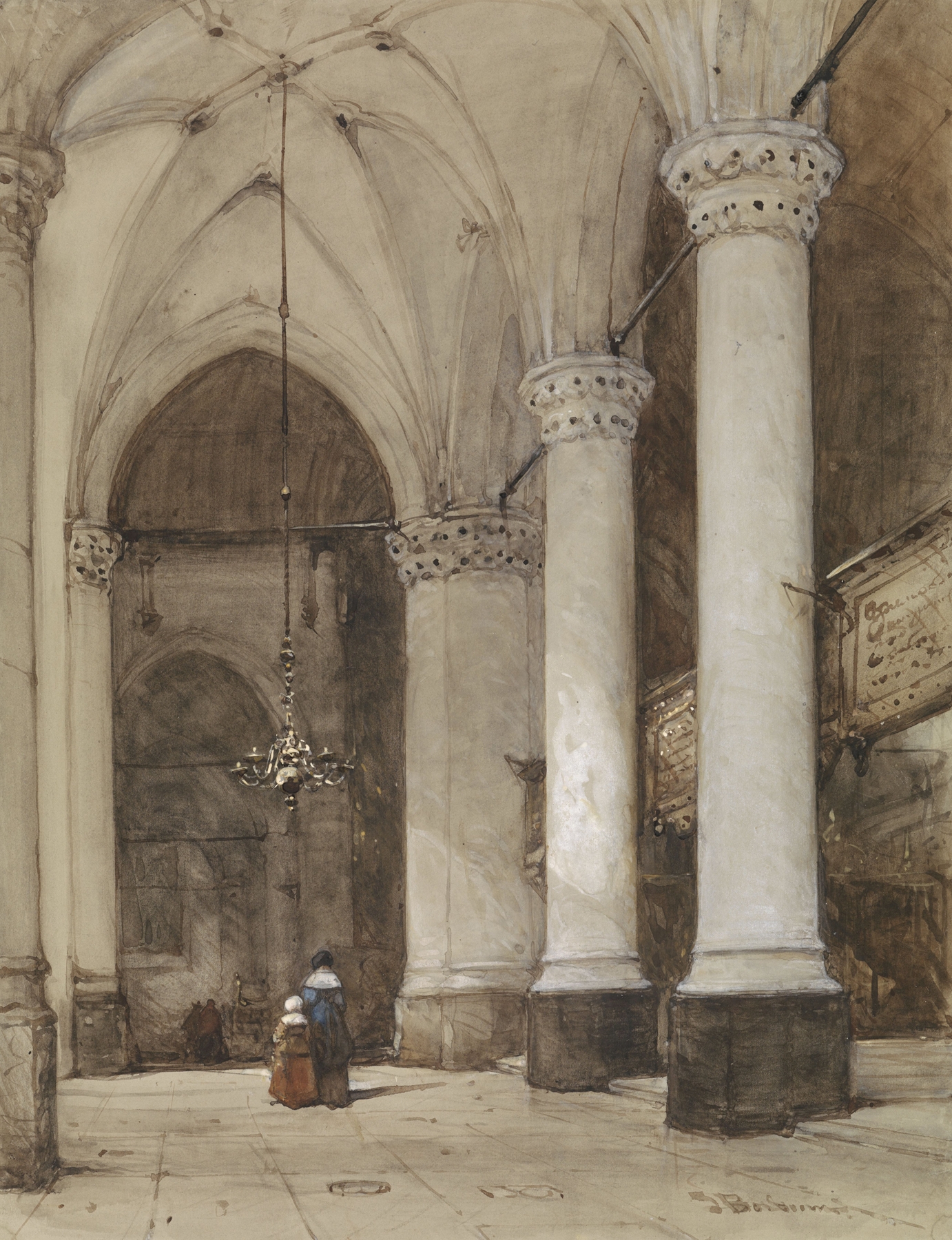
What if beauty was never meant to be finished? In the quiet embrace of reflection, innocence lingers within the walls of sacred spaces, awaiting discovery. Focus on the illuminated archways that stretch gracefully across the canvas, casting gentle shadows upon the polished wooden pews. Notice how the light filters through the stained glass, painting vibrant mosaics on the cool stone floor, guiding your gaze to the intricate details of the church's architecture.
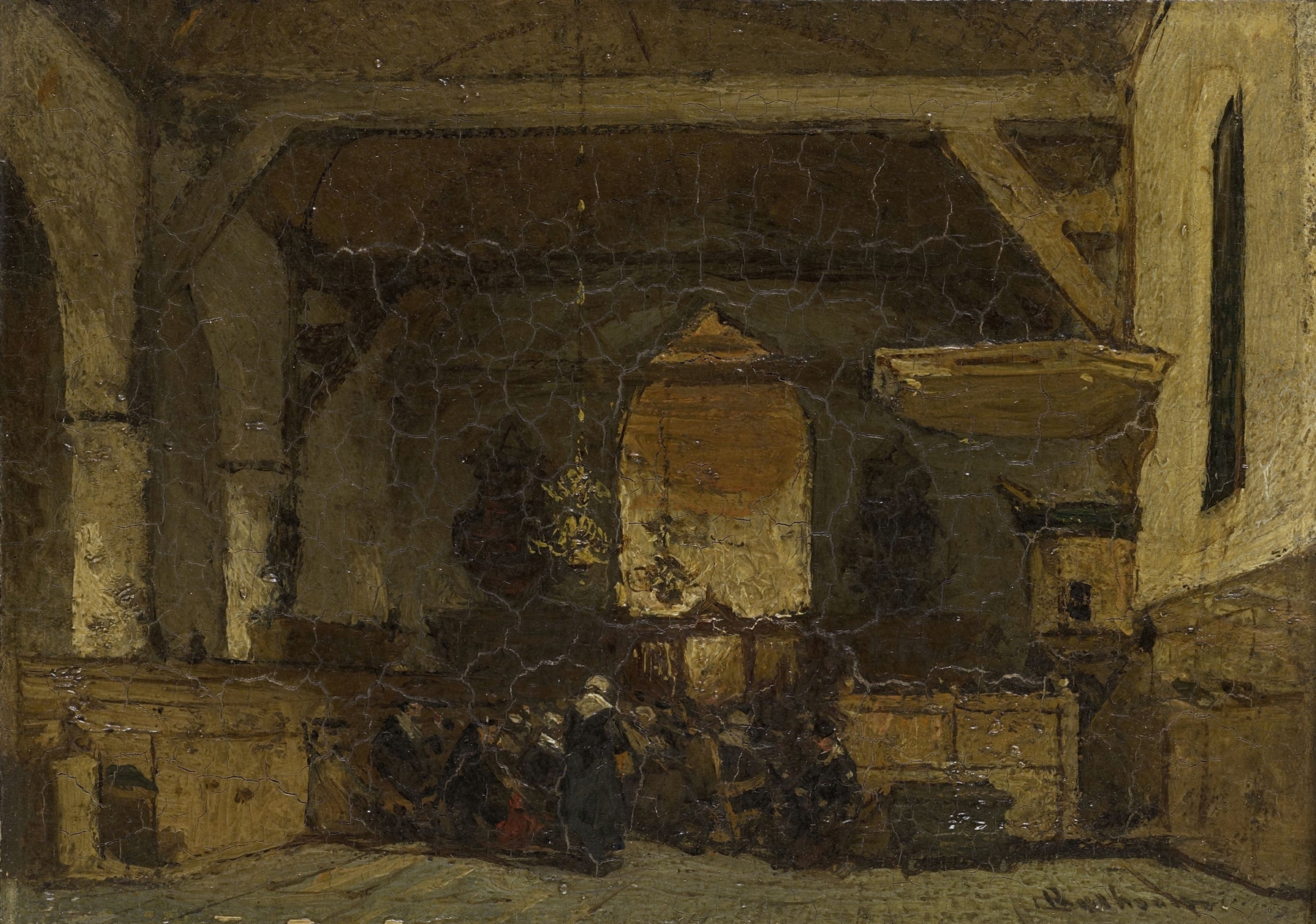
The meticulous brushwork brings texture to both the rough-hewn beams and the smooth surfaces, inviting the viewer to linger in each corner, as if time itself has paused to honor the reverence housed within. There exists a dialogue between the grandeur of the building and the intimacy of quiet prayer, suggesting layers of contemplation and spiritual innocence. The softly rendered figures in the background appear almost ethereal, underscoring the tension between the physical world and the transcendent. Each element contributes to a sense of sanctuary, where beauty is not just seen, but profoundly felt, echoing the question of what we seek in our own sacred spaces.
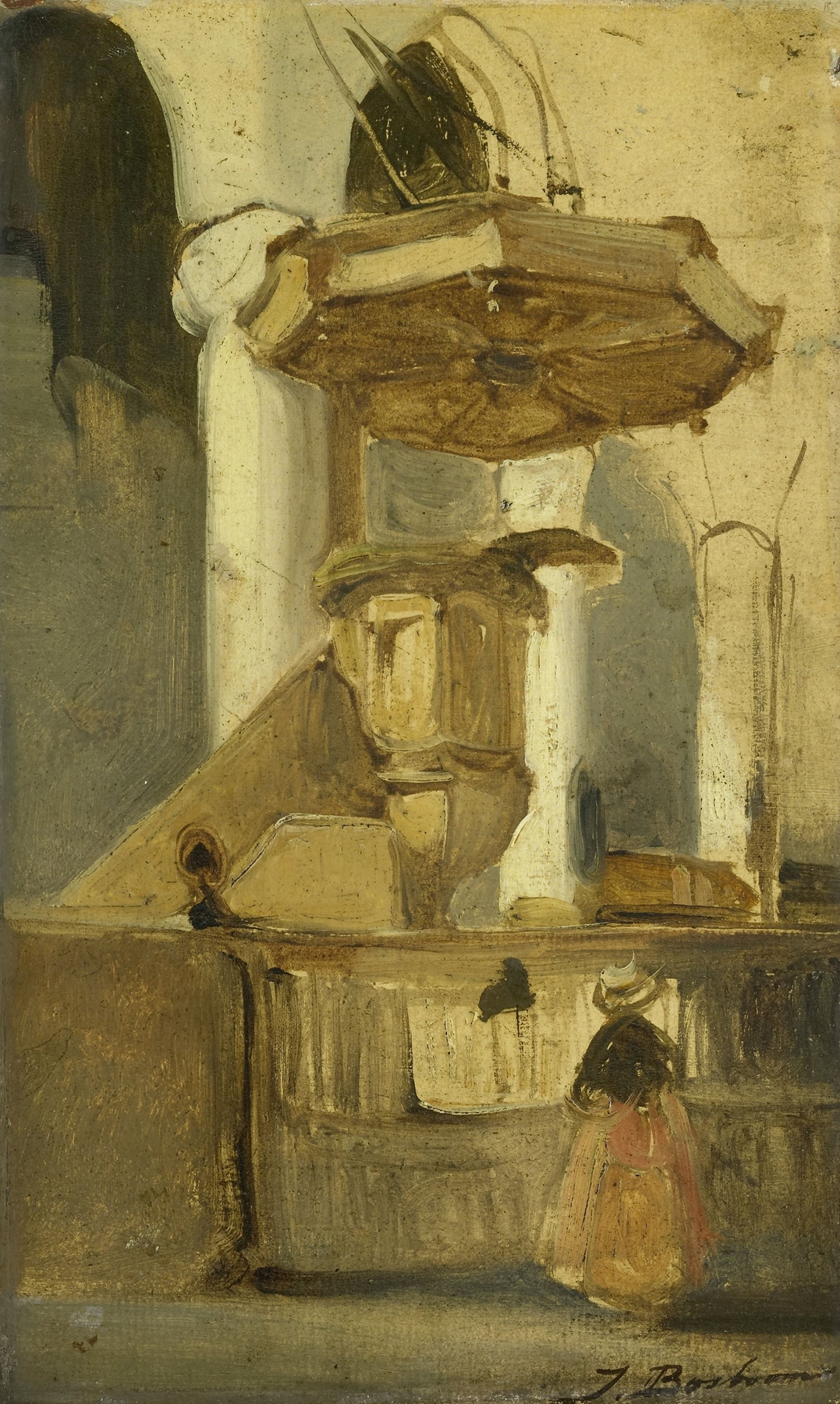
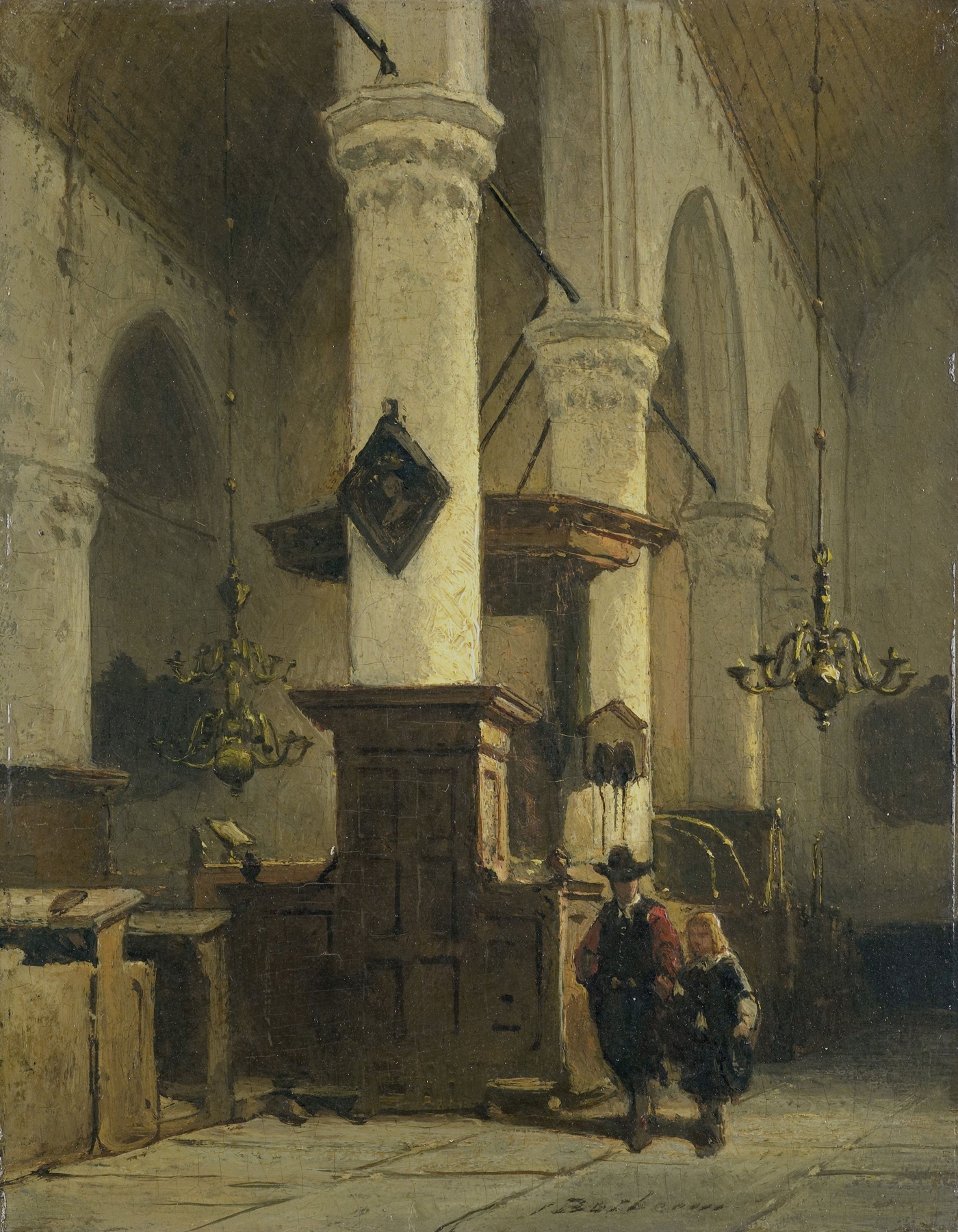
Johannes Bosboom painted Church Interior between 1850 and 1891, a time when the Netherlands was experiencing a resurgence of interest in religious and historical themes in art. The artist, known for his detailed depictions of churches and interiors, created this work during a period of personal and artistic growth, reflecting his fascination with light and architecture. Bosboom's commitment to capturing the essence of spiritual spaces resonated deeply with both his contemporaries and future generations.