Interieur van de Nieuwe Kerk te Delft — History & Analysis
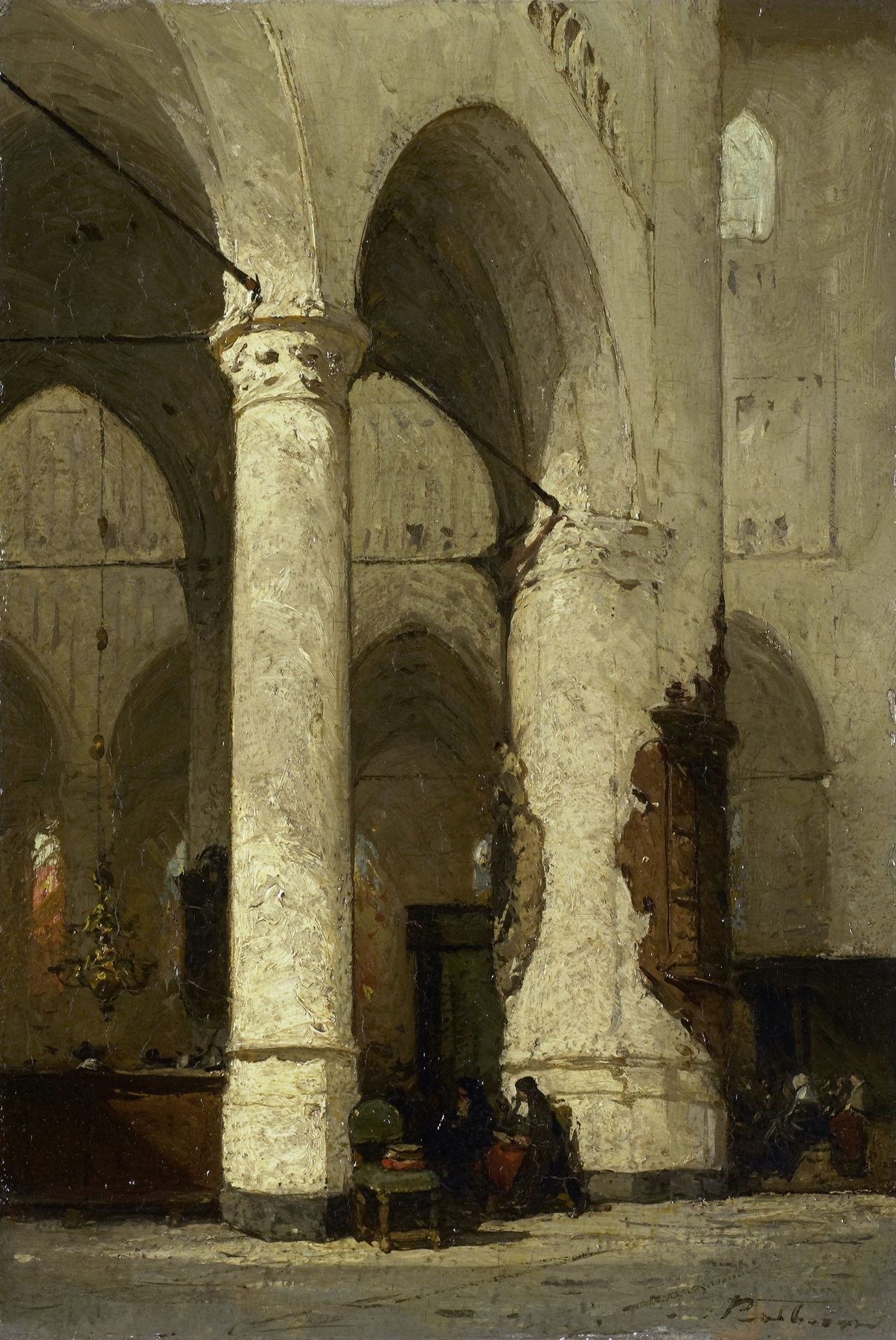
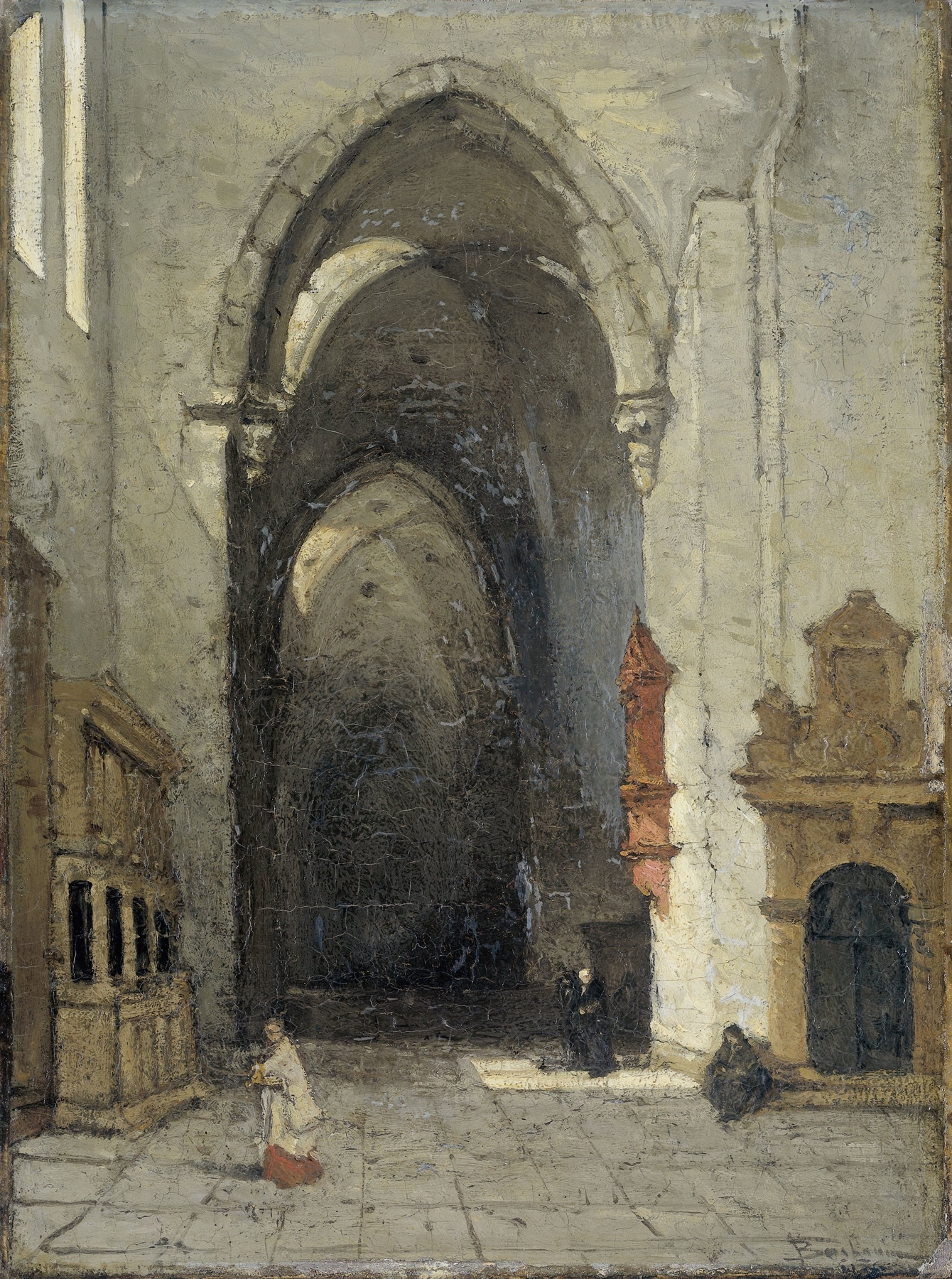
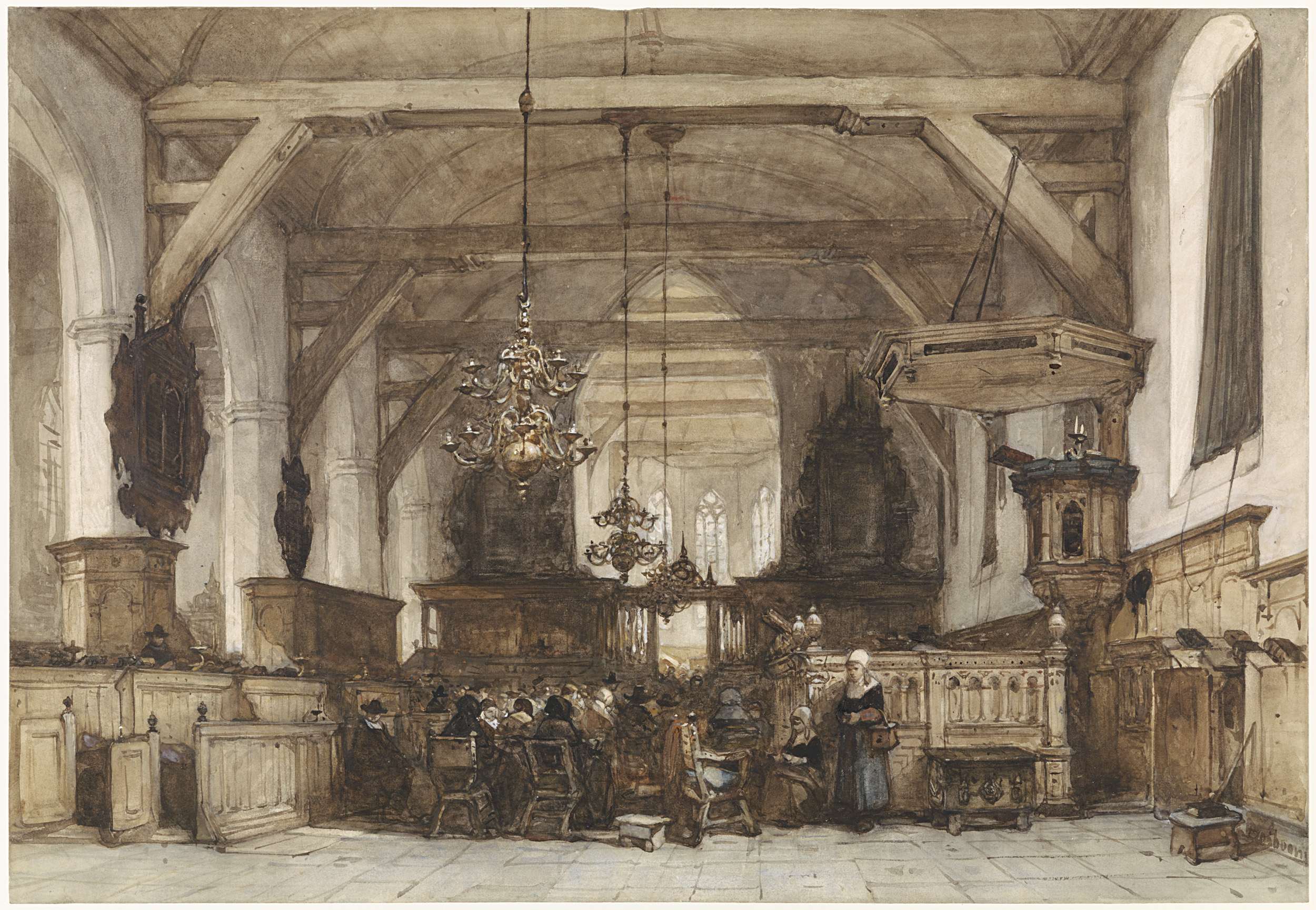
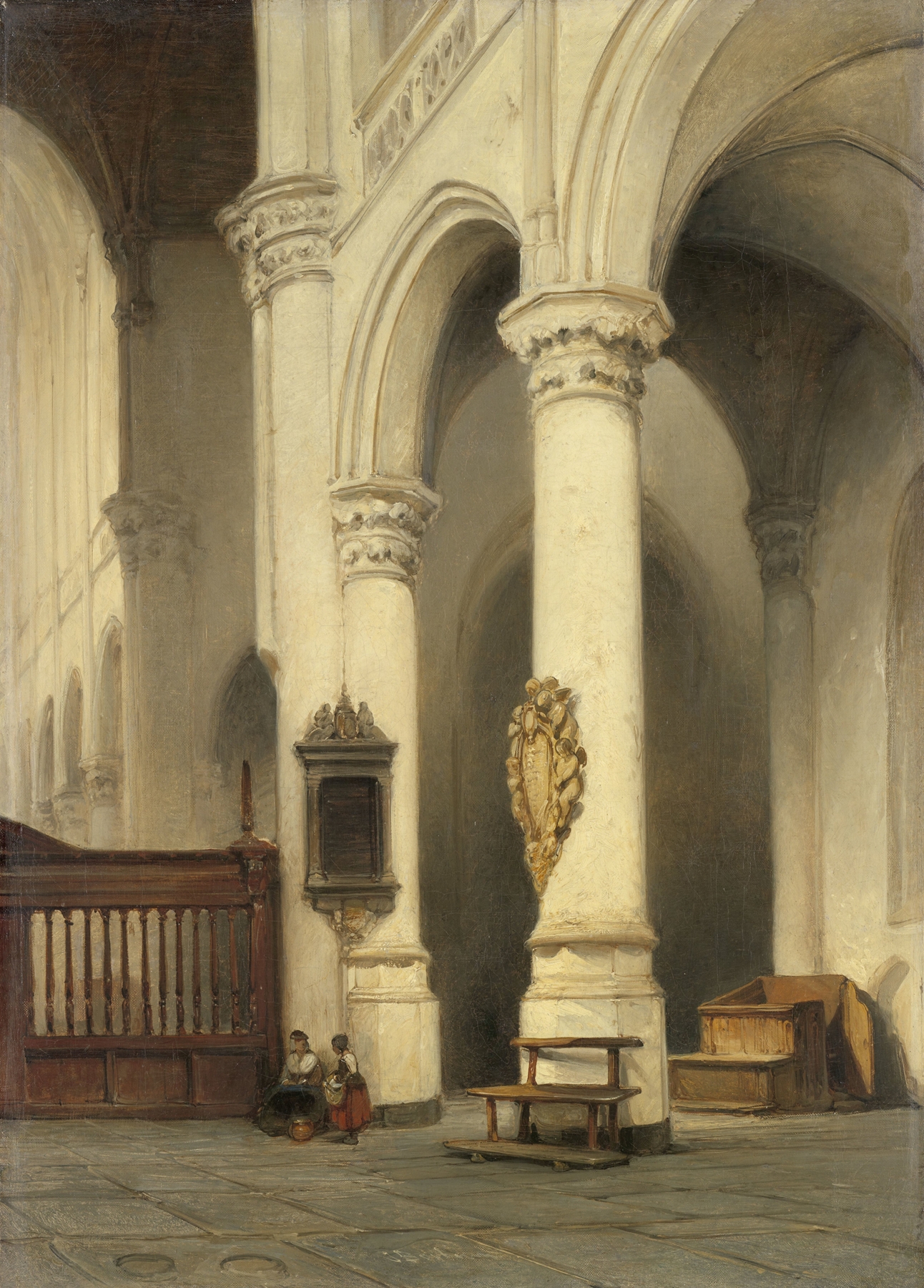
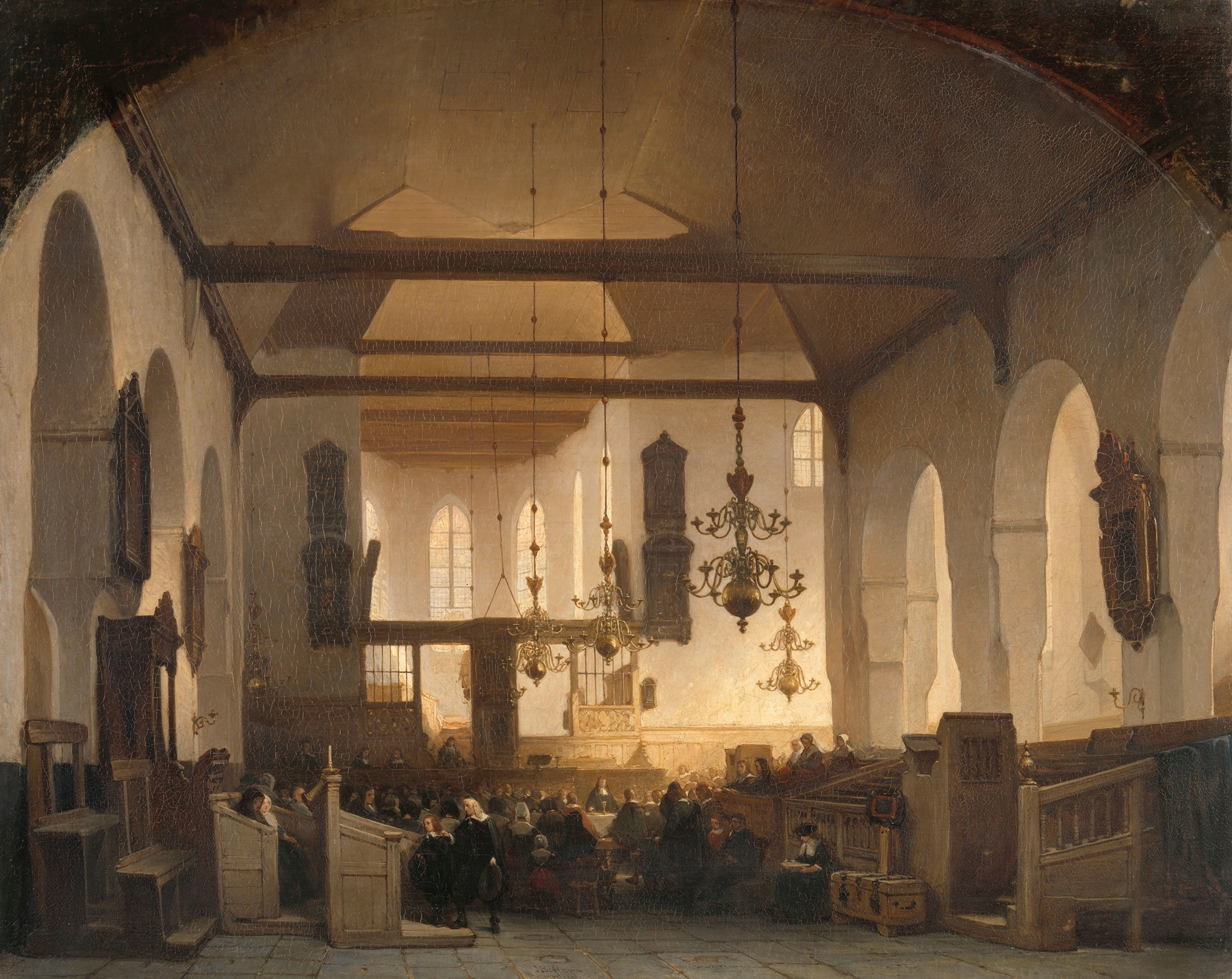
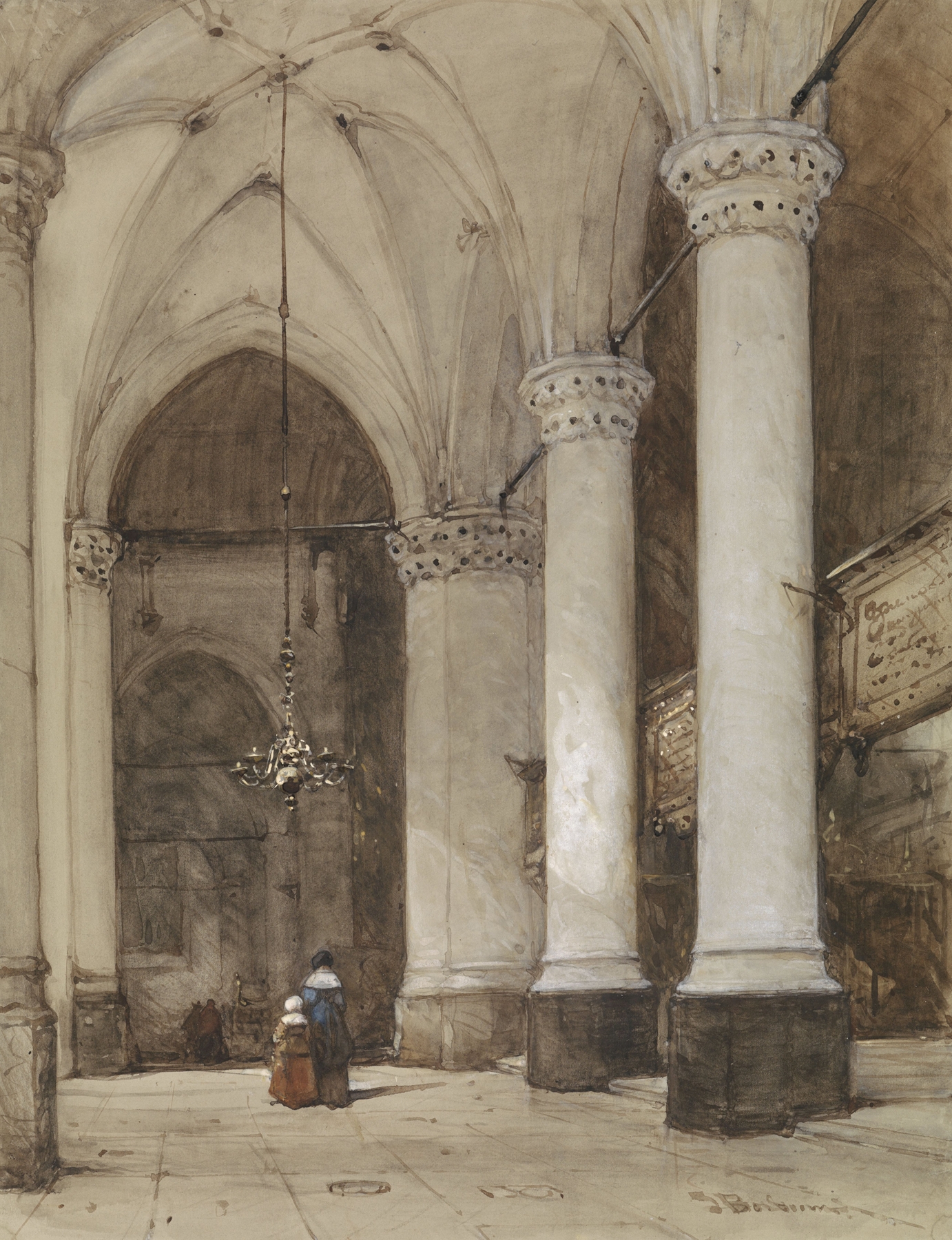
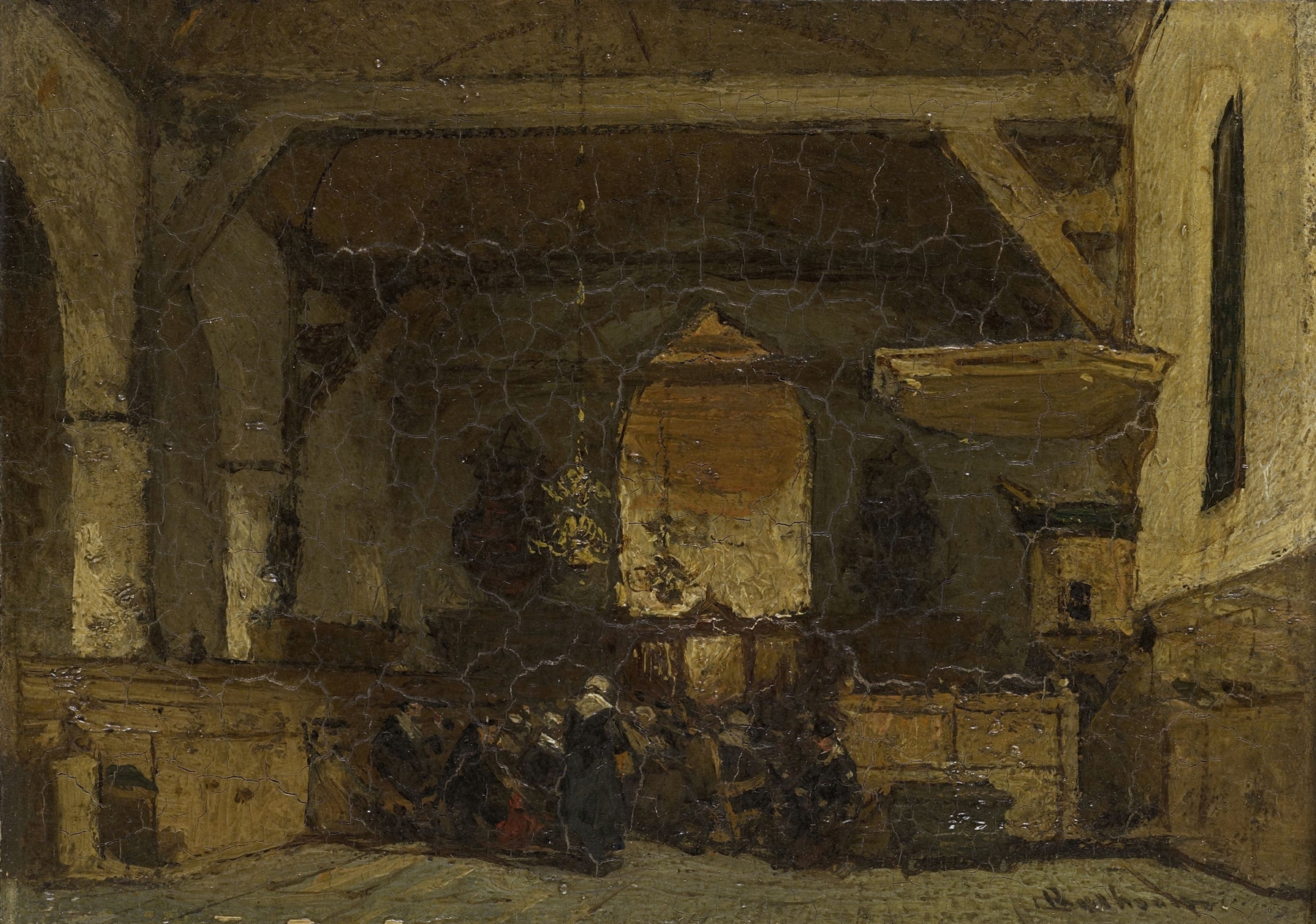
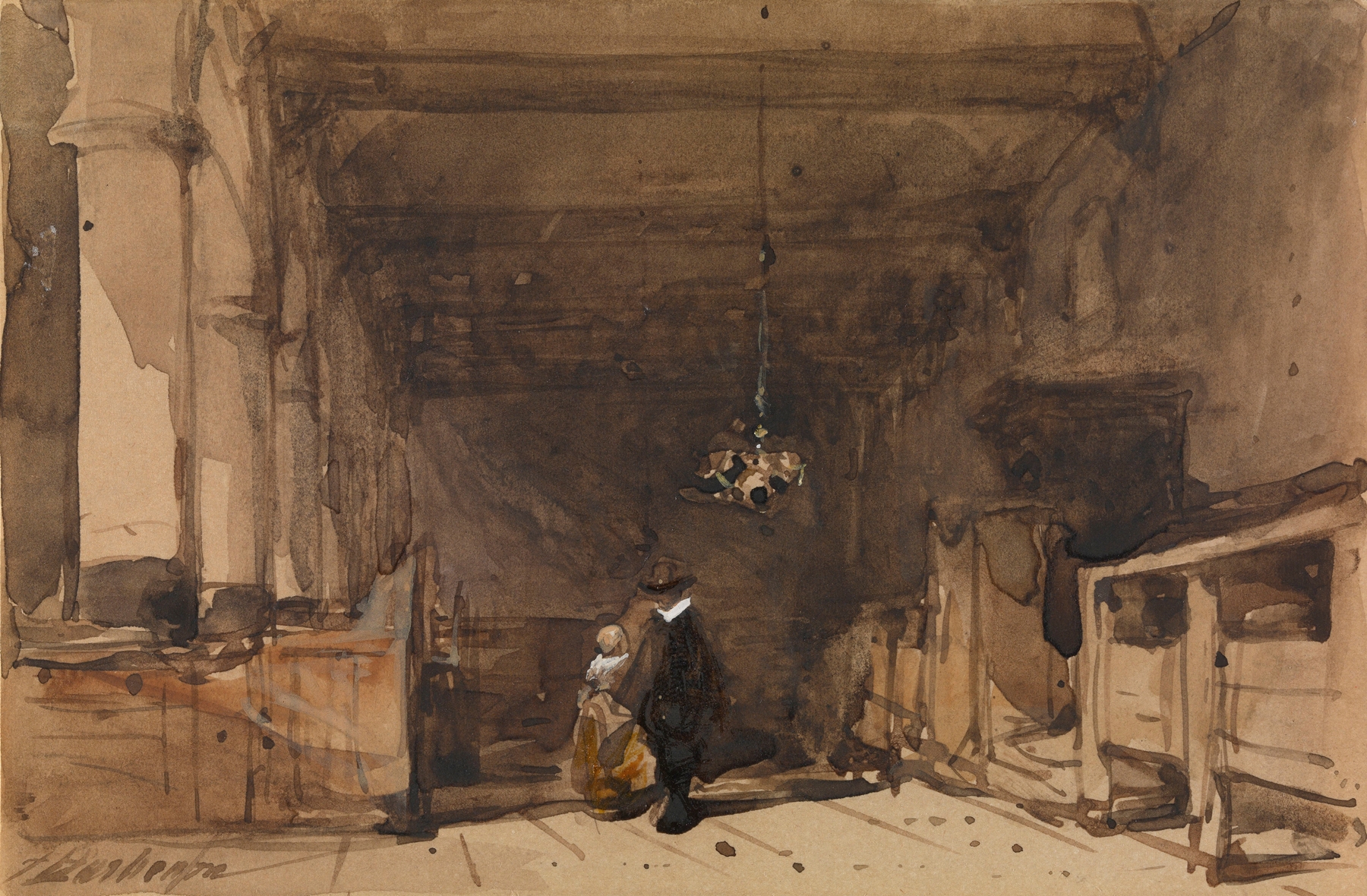
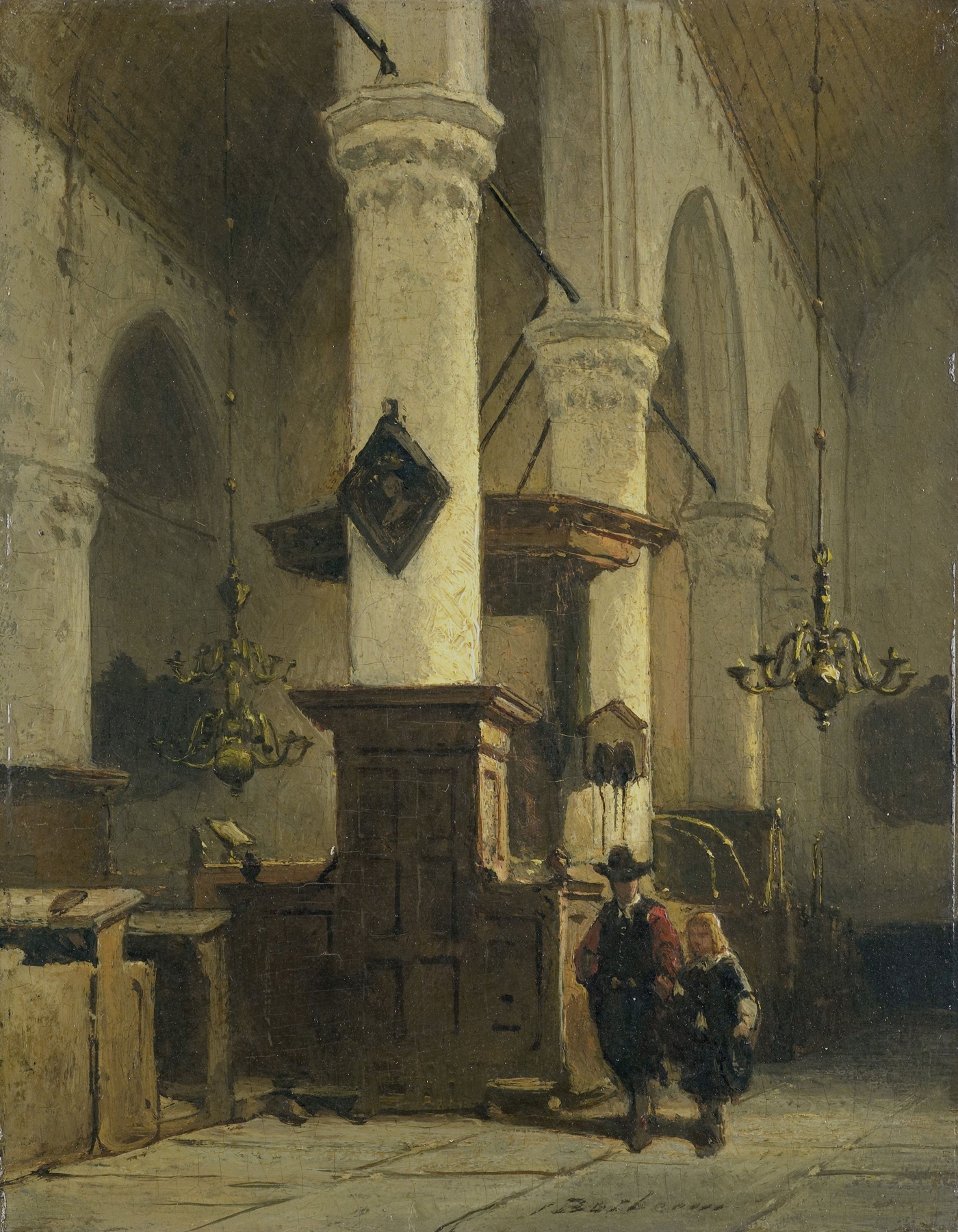
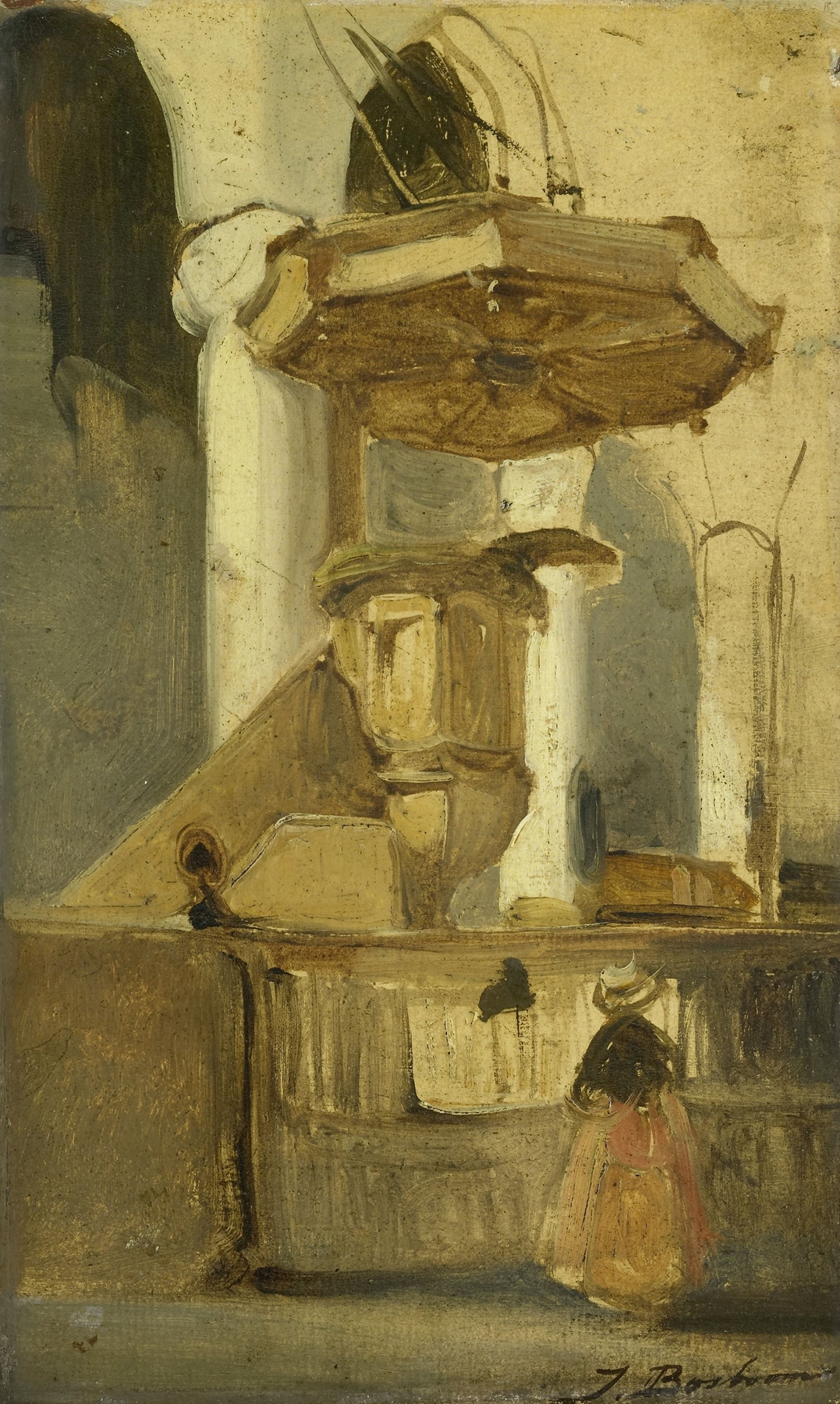
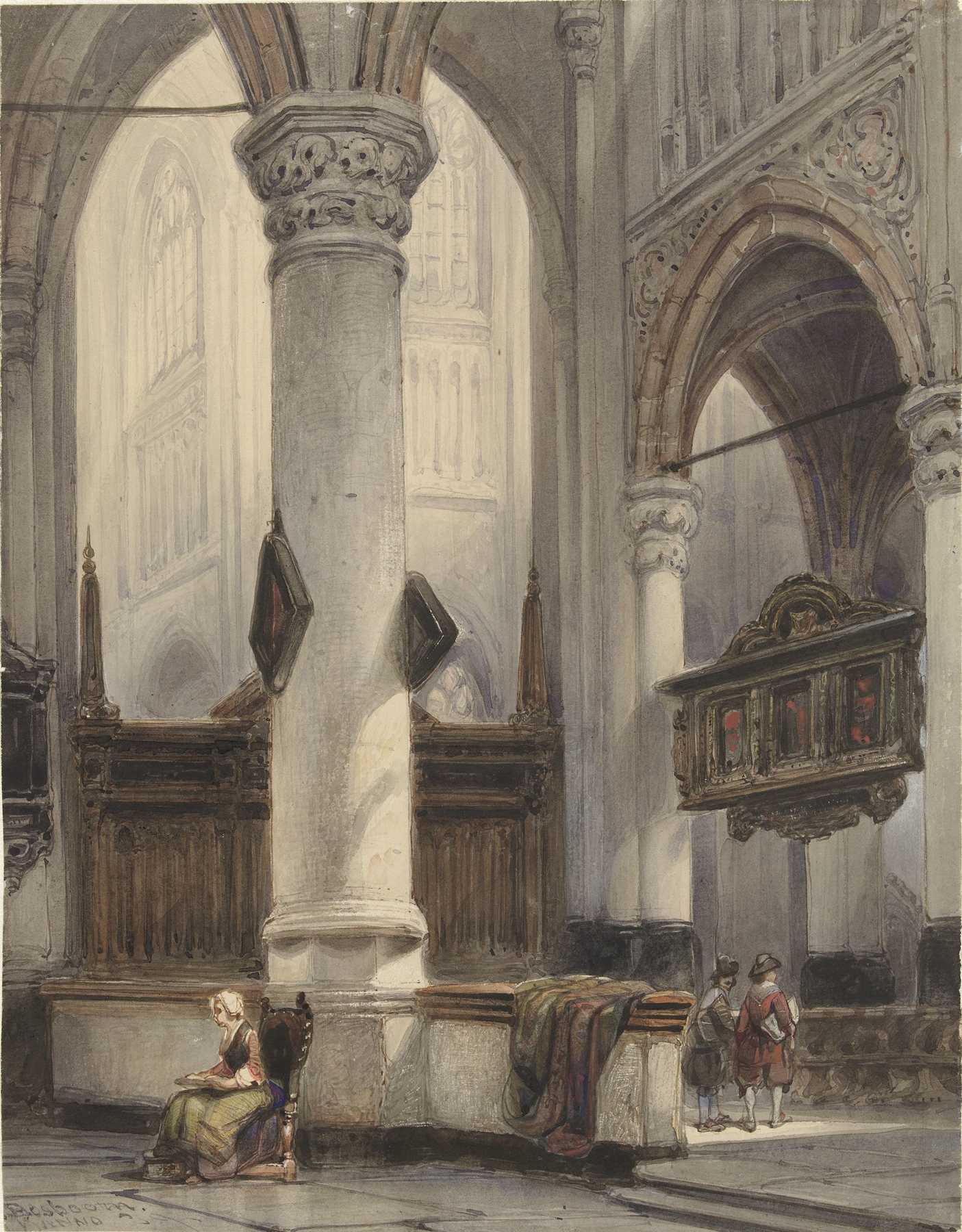
“Sometimes beauty is just pain, disguised in gold.” In the stillness of a sacred space, yearning is palpable, echoing softly against the solemnity of hallowed walls. The interplay between light and shadow weaves a narrative that speaks of longing, both for the divine and for a moment frozen in time. Focus first on the luminous beams cascading from the ornate windows, illuminating the interior with a gentle embrace. Notice how the light dances upon the polished wooden pews, lending them an ethereal glow. The meticulously detailed architecture draws the eye upward, where intricate designs converge at the vaulted ceiling, suggesting a sense of elevation not just in structure, but in spirit.
Each element is masterfully composed, creating a harmonious balance that invites contemplation. Delve deeper into the juxtaposition of tranquility and isolation within the church's confines. The empty pews stand as silent witnesses to collective absence, evoking a longing for connection amid the grandeur. The somber colors — muted browns and soft grays — contrast sharply with the golden light, underscoring a tension between the earthly and the spiritual, the mundane and the miraculous.
This interplay reflects the artist's own moments of introspection, revealing a deeper narrative about human experience. In 1839, while residing in The Hague, the artist captured this scene during a time of fervent exploration in the Dutch art world, where romanticism and realism intertwined. It was a period marked by a quest for authenticity, and this work exemplifies that spirit. Bosboom’s focus on light and architectural detail signifies his commitment to portraying spaces that resonate with emotional depth, echoing the sentiments of his contemporaries while carving out his unique voice.