
Interior of the Church in Maasland — History & Facts
In the stillness of the church, beauty transcends mere existence; it lingers in the air, awaiting discovery. Look to the left at the delicate interplay of light streaming through the stained glass. Each pane, infused with vibrant hues, casts a kaleidoscope of colors that dances across the stone floor, evoking a sense of reverence. The intricate details of the wooden altar and pews frame the scene, guiding the eye towards the rich textures that breathe life into the architecture.
Notice how the artist’s brush captures the serene stillness, embracing the sacredness of the moment. Within this sacred space, contrasts emerge—between light and shadow, warmth and silence. The sunlit areas invite contemplation, while the darker corners seem to guard secrets of centuries past. Subtle nuances, such as the small figures of worshipers, suggest a communion with something greater, while the stillness speaks to the passage of time, urging viewers to ponder their own place within it. During the years 1870 to 1875, the artist painted this scene while exploring themes of spirituality and tranquility.
At this time, he was deeply engaged in capturing architectural beauty, reflecting the growing interest in realism within the art world. The church, a symbol of permanence amidst a rapidly changing society, offered him a canvas to explore the intersection of faith and the ephemeral nature of life.
More Artworks by Johannes Bosboom

Interieur van de Nieuwe Kerk te Delft
Johannes Bosboom

Interior of the ‘Hooglandse’ Church, Leiden
Johannes Bosboom
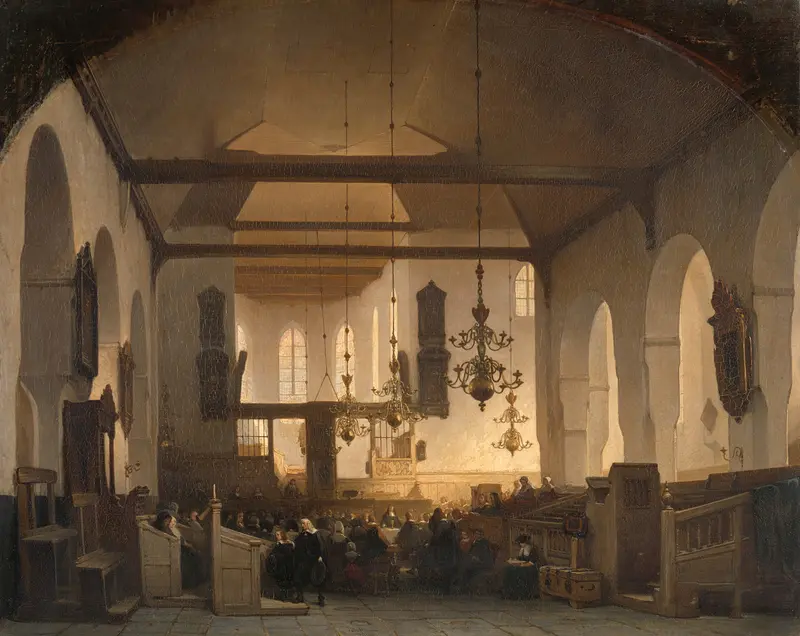
A Service in the Geertekerk, Utrecht
Johannes Bosboom
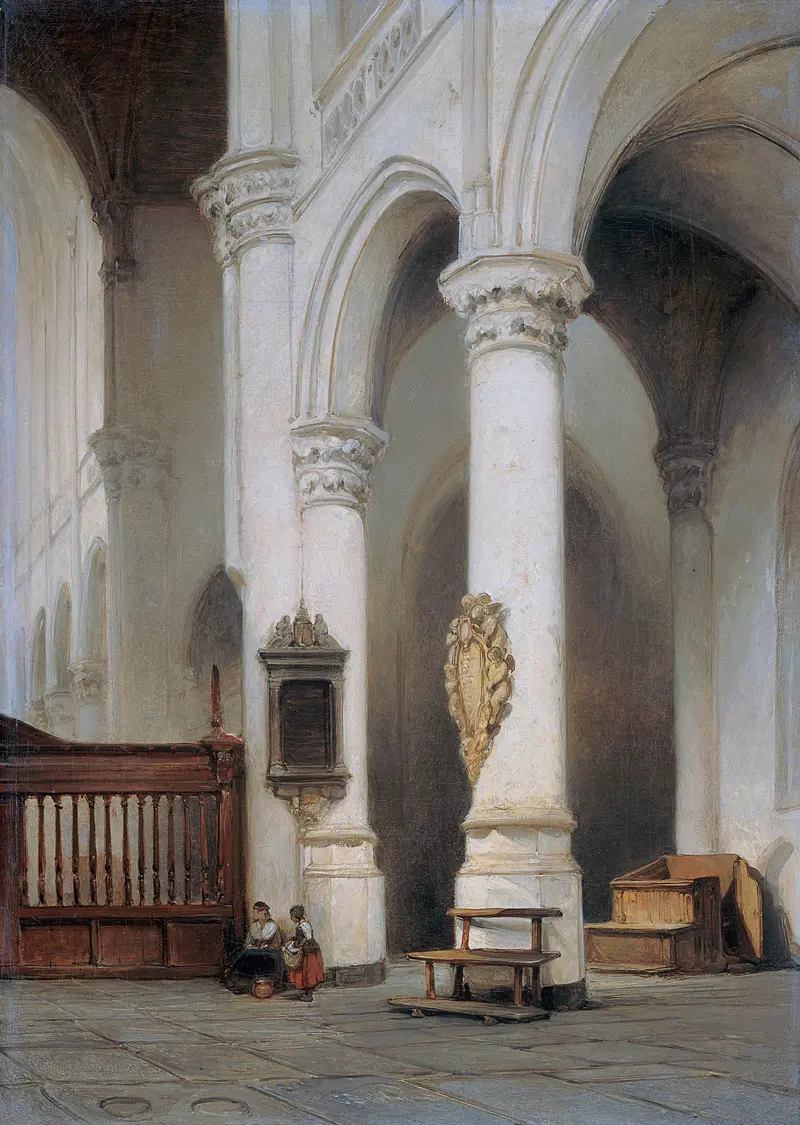
Church Interior
Johannes Bosboom
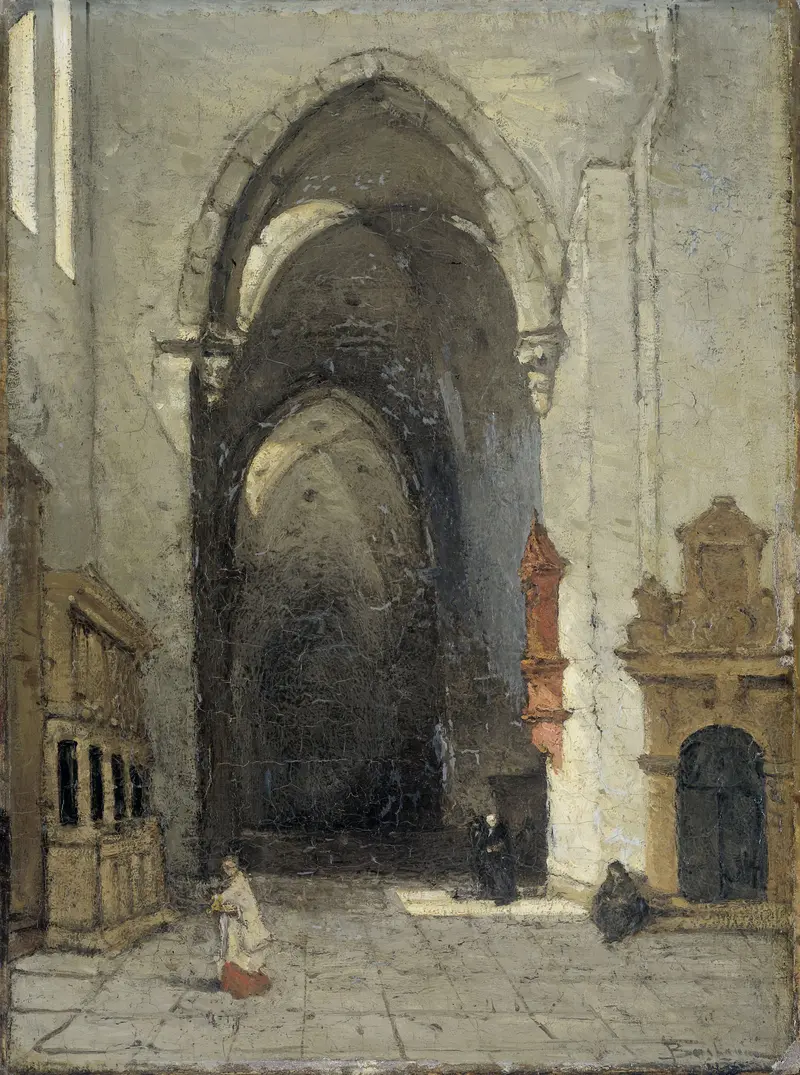
Interior of the Dom in Trier
Johannes Bosboom
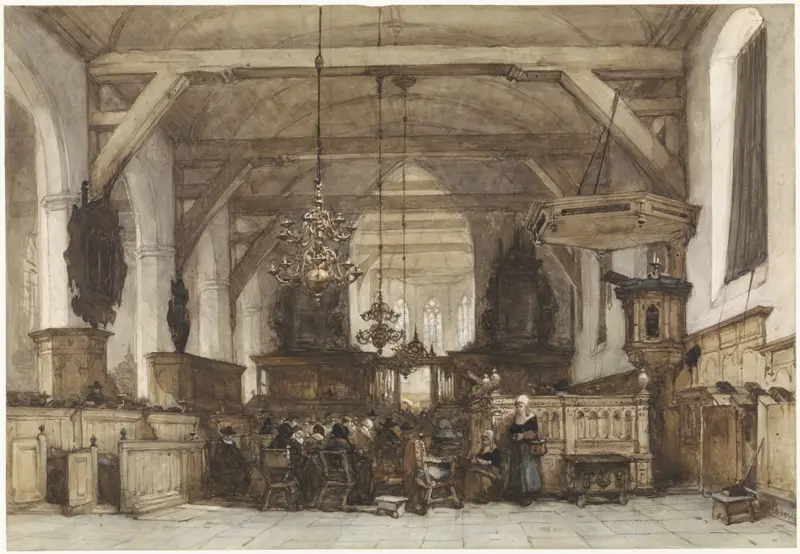
Interieur van de Oude Kerk te Maasland
Johannes Bosboom
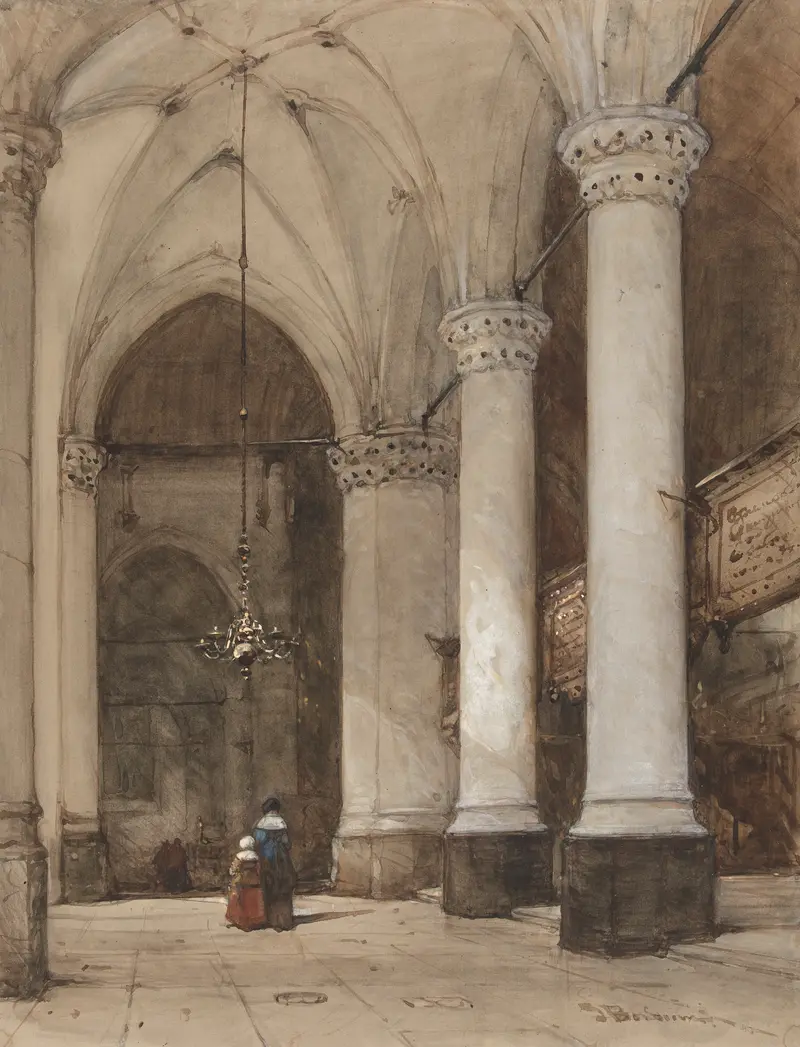
Southern aisle of the Great Church at The Hague
Johannes Bosboom
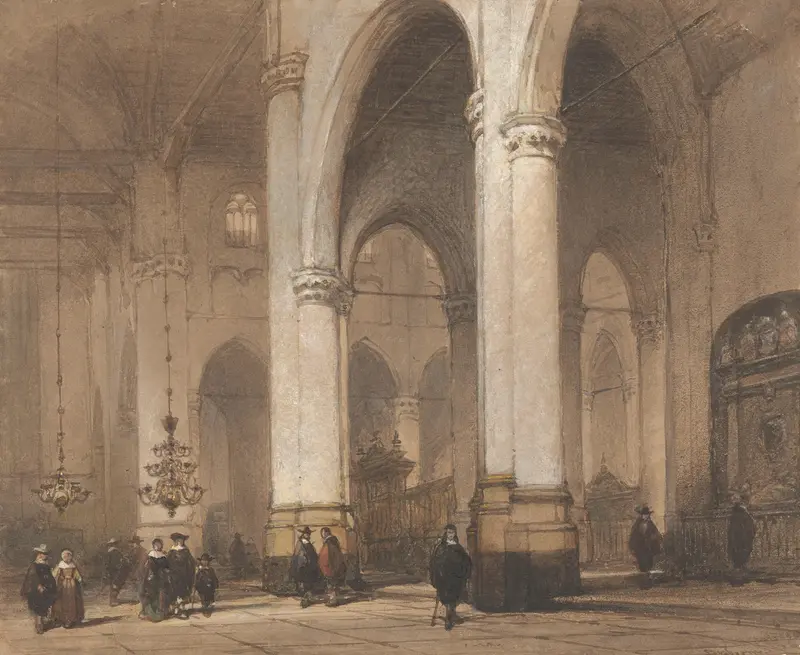
Gezicht in de St.-Laurenskerk te Rotterdam
Johannes Bosboom
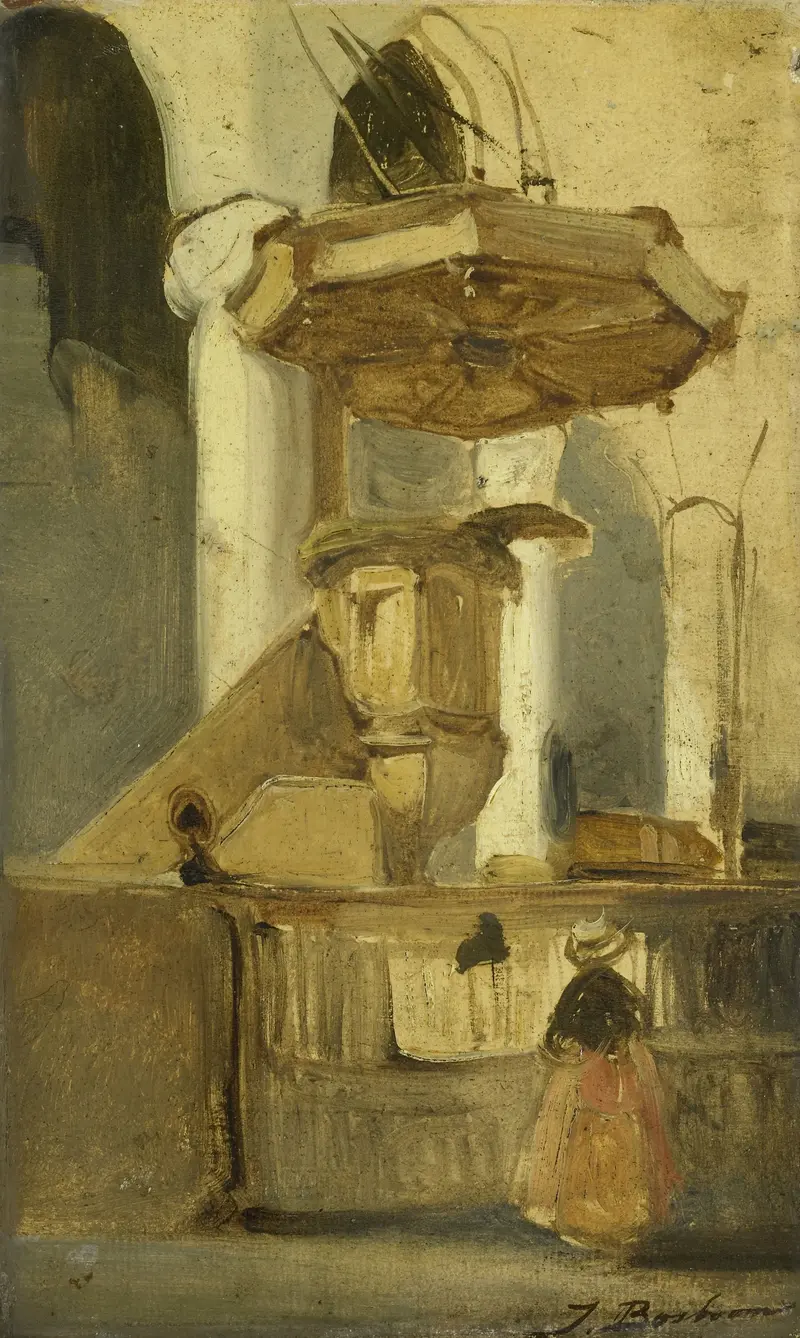
The Pulpit of the Church in Hoorn
Johannes Bosboom
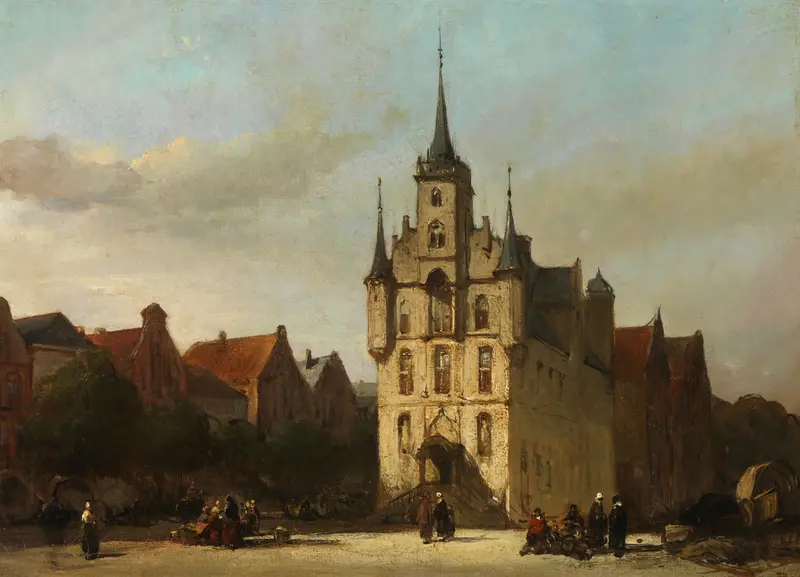
View on the Town Hall of Gouda
Johannes Bosboom





