Interieur van de Oude Kerk te Maasland — History & Analysis
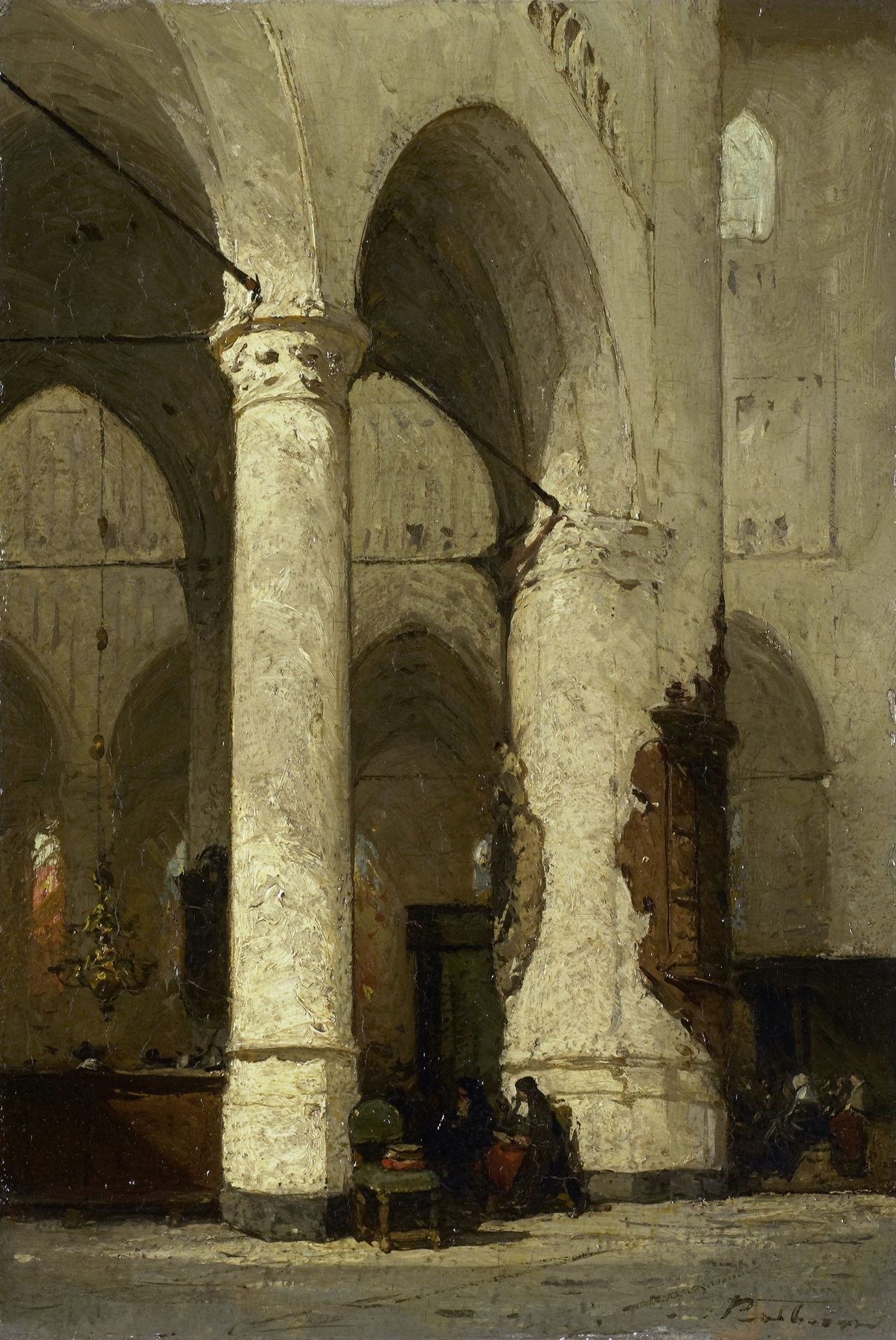
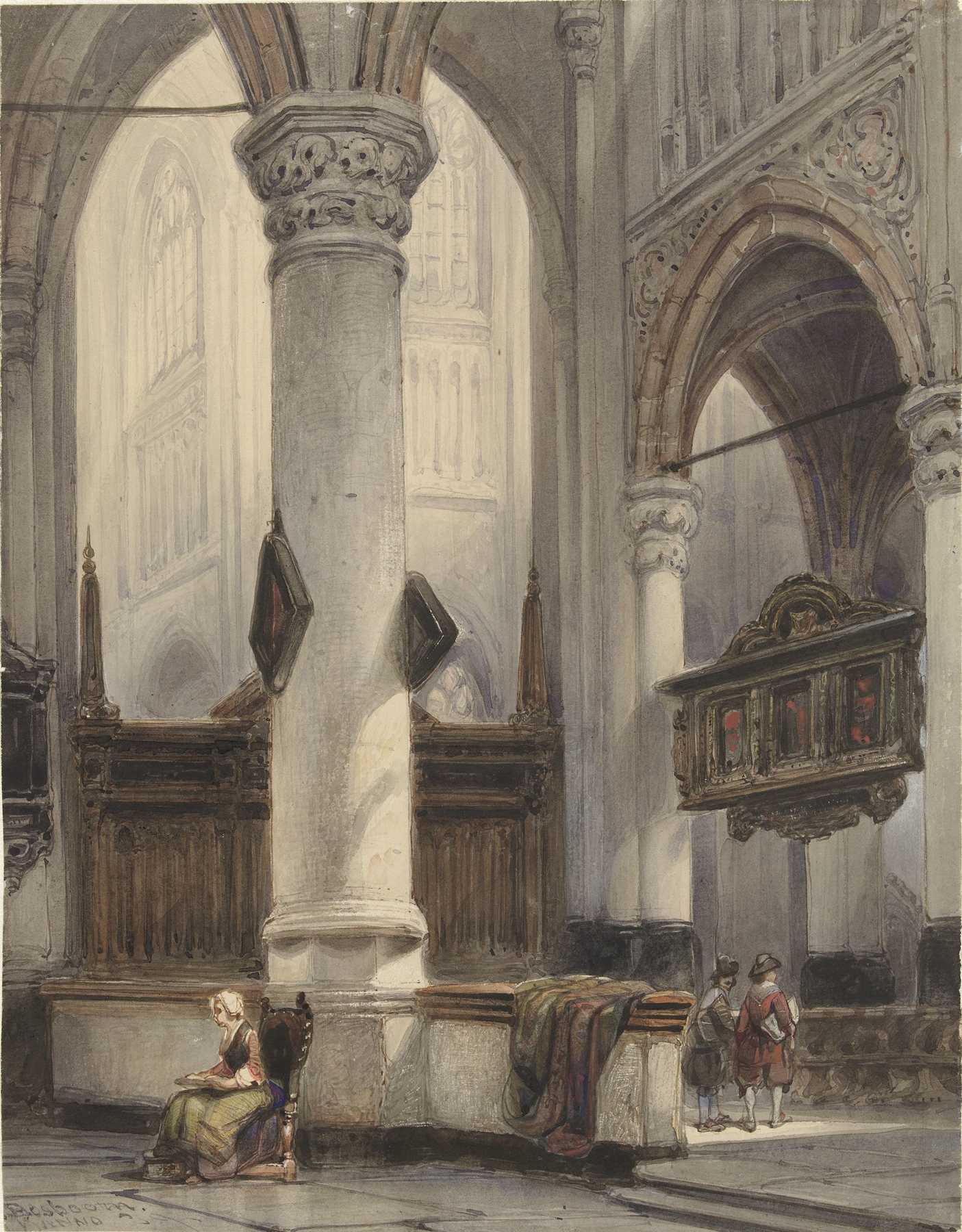
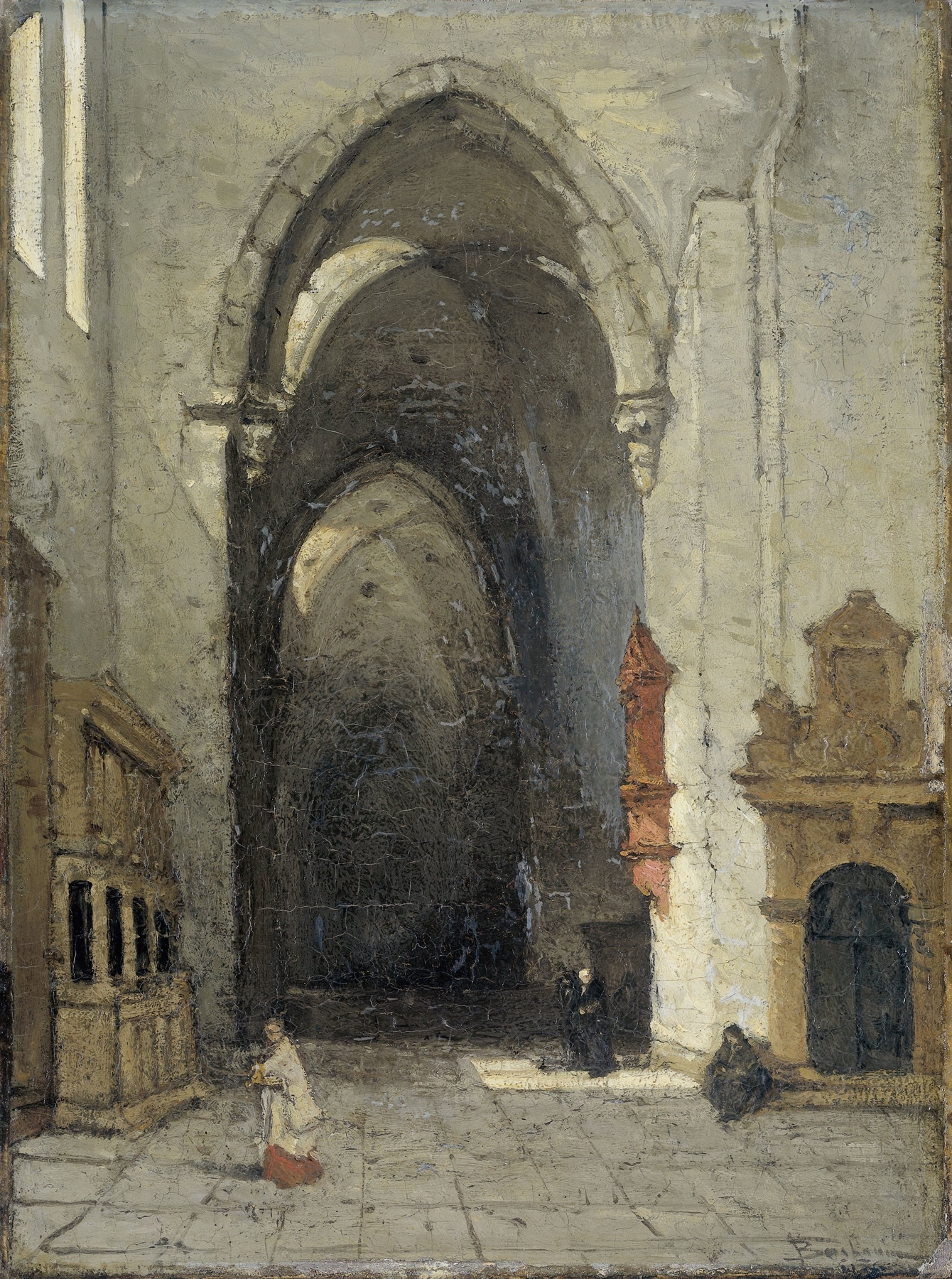
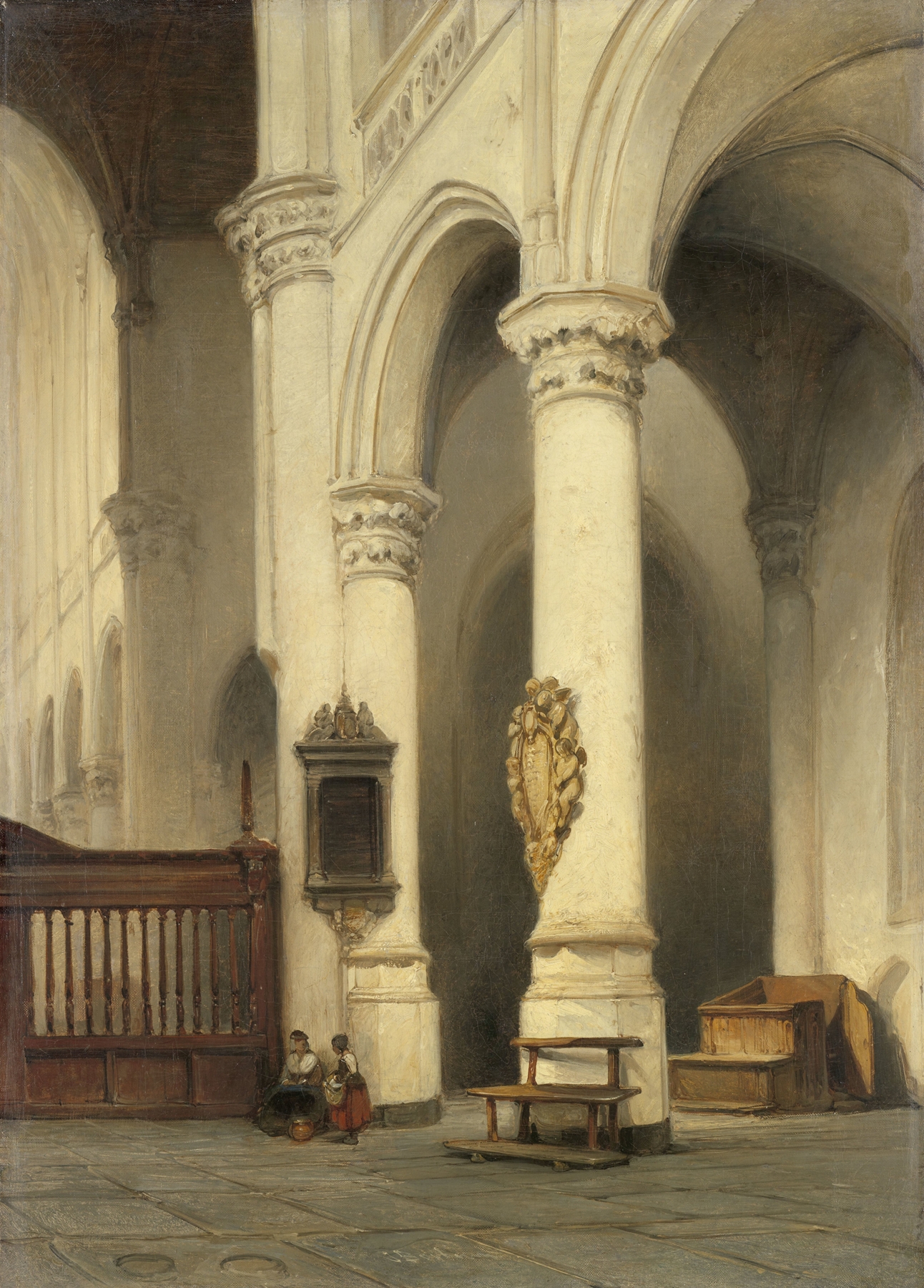
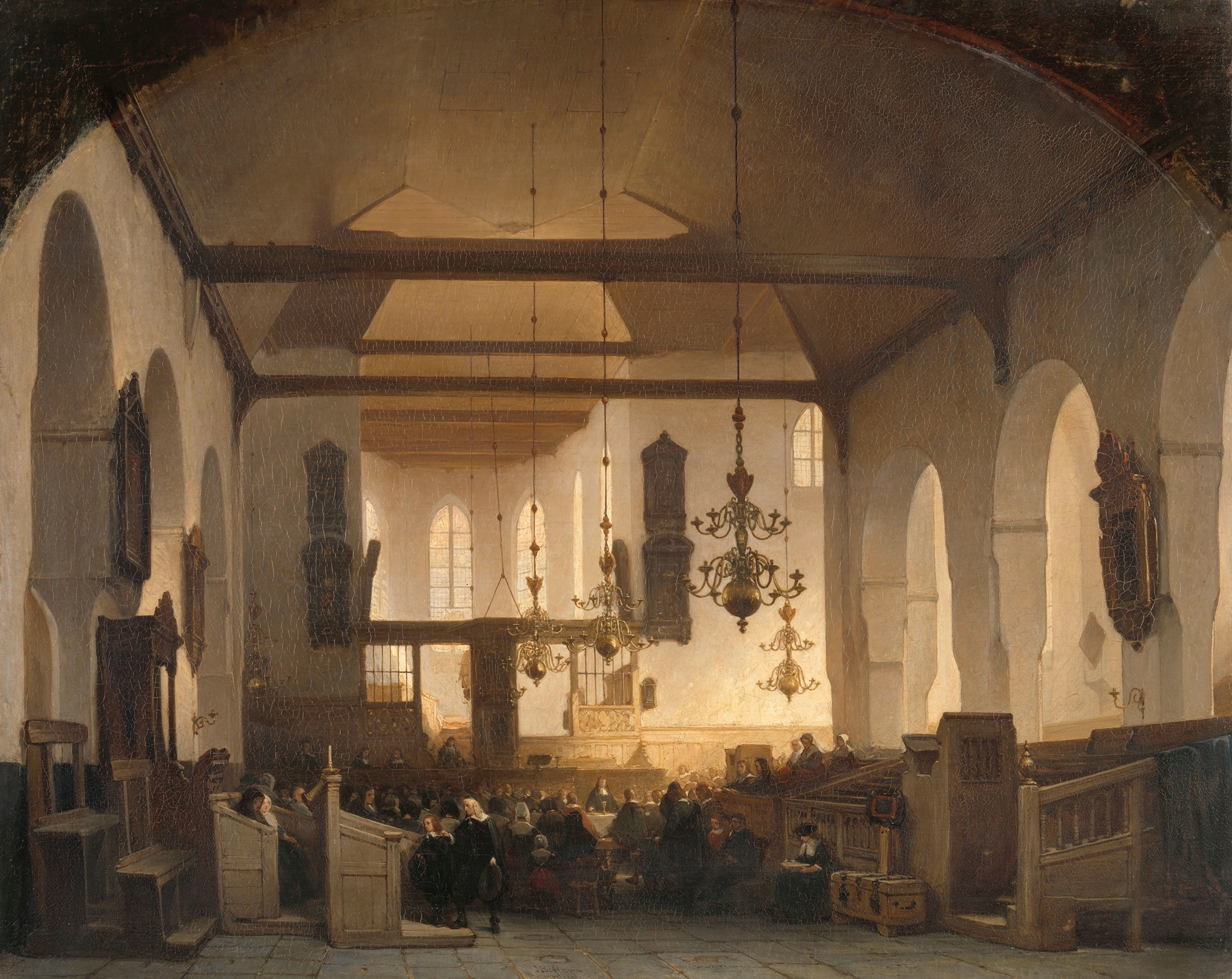
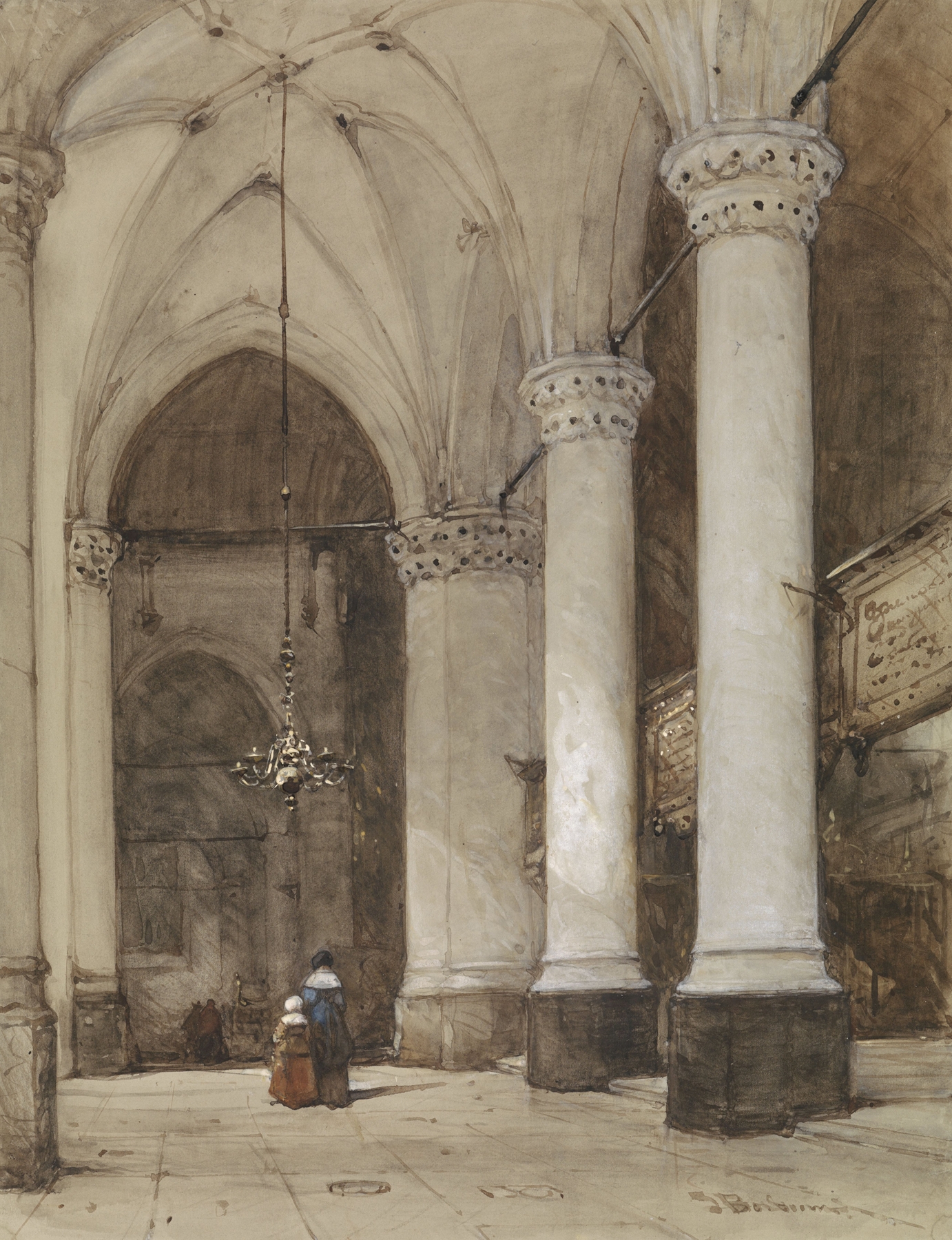
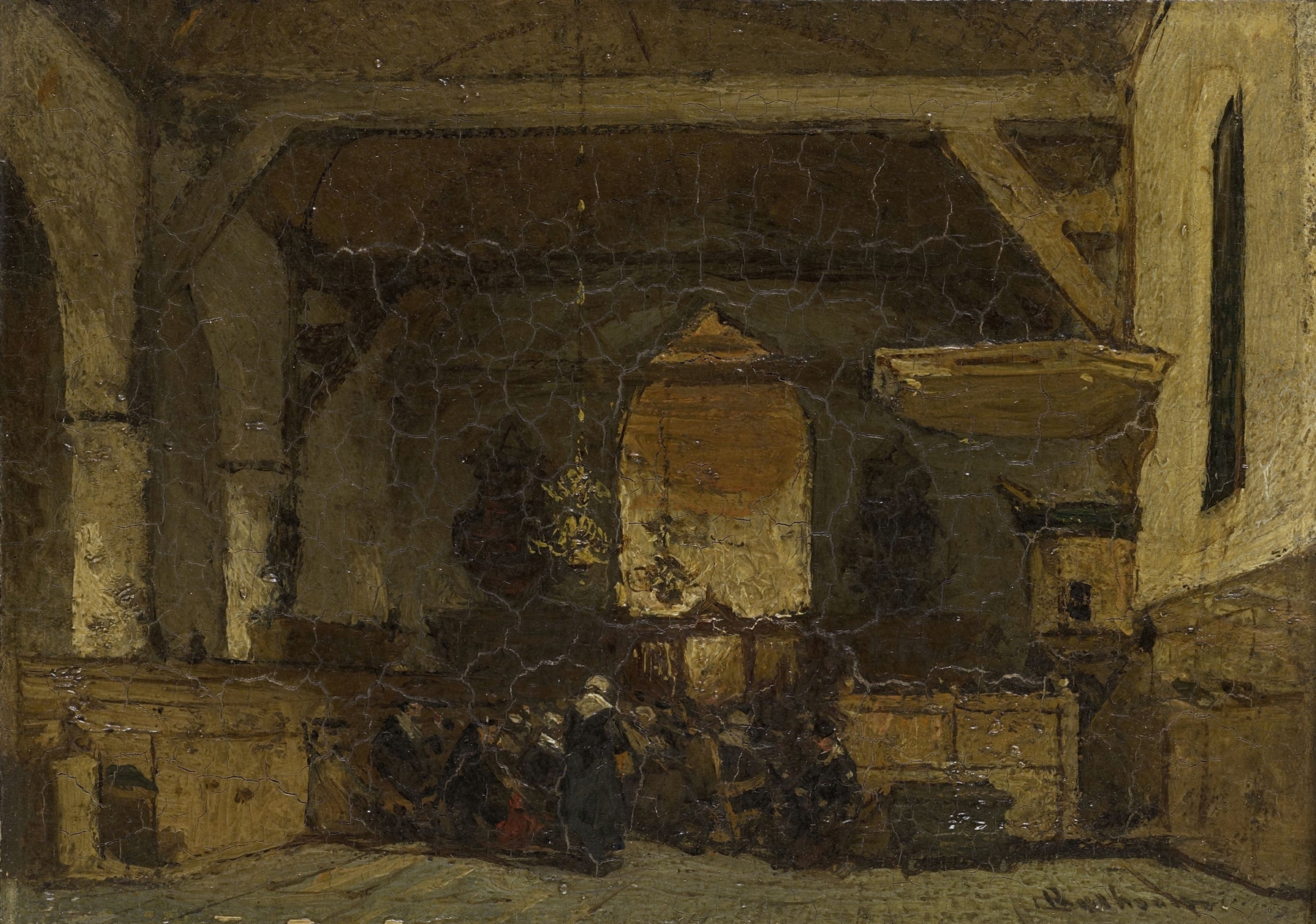
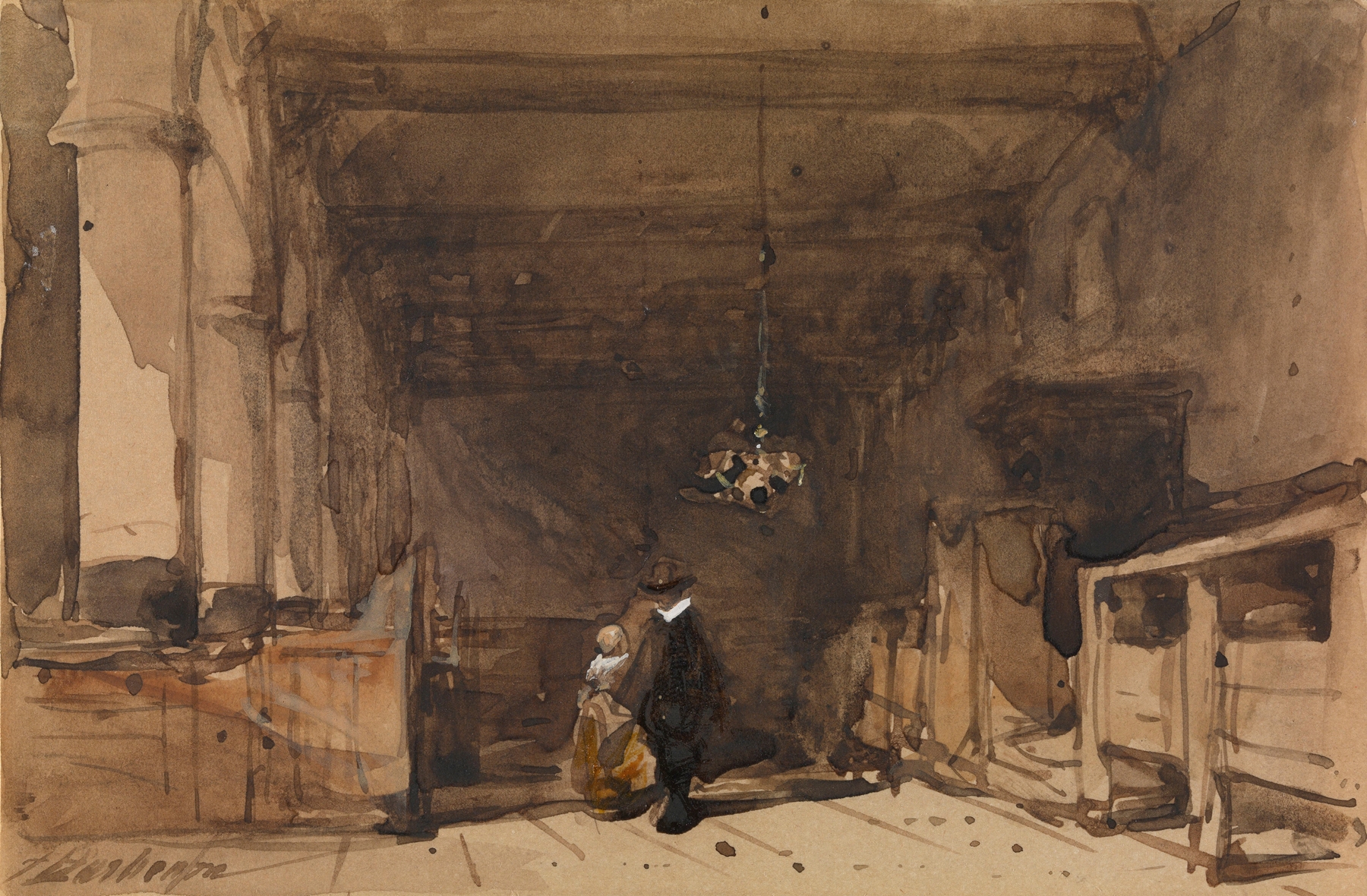
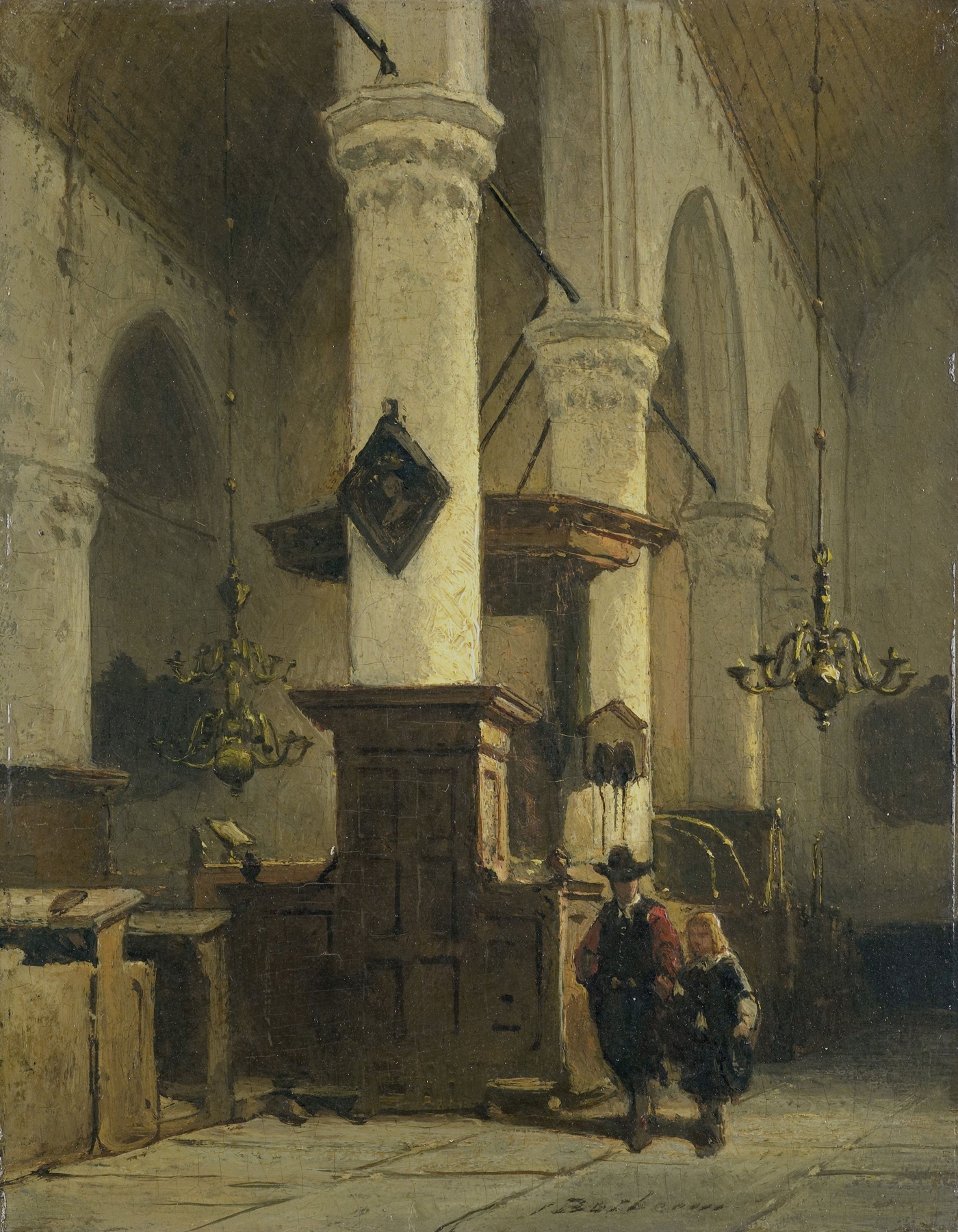
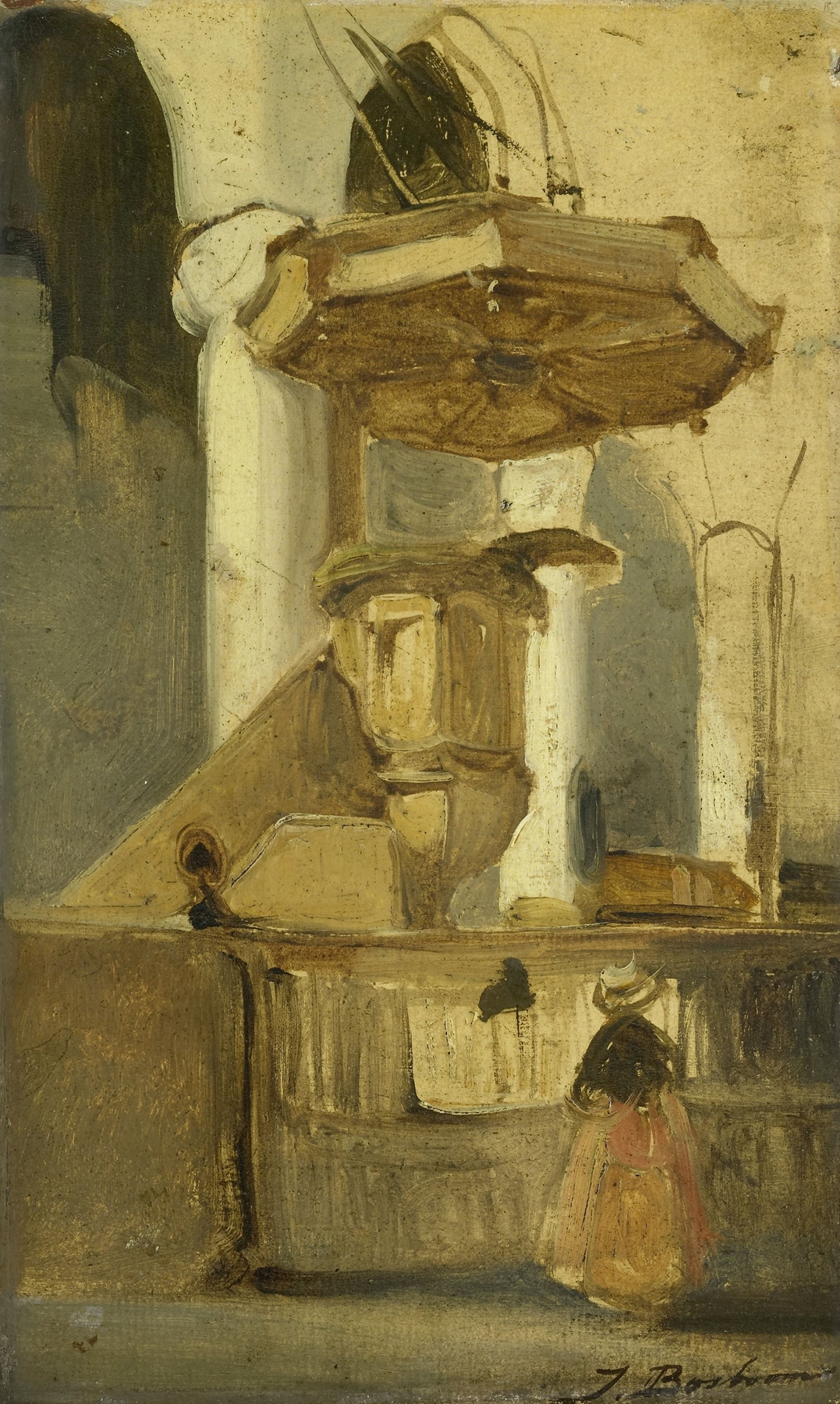
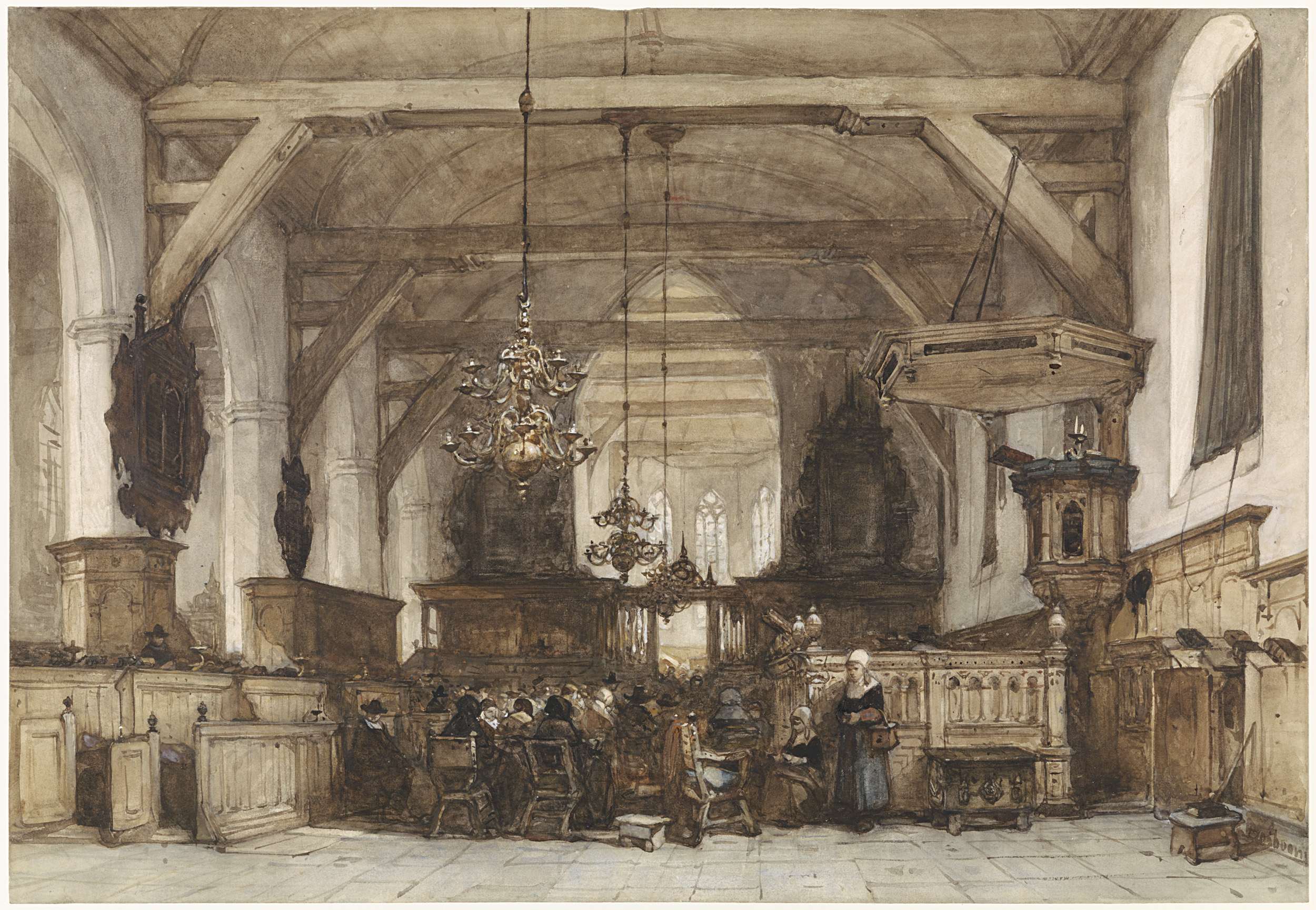
Where does light end, and longing begin? Within the quiet sanctuary of a church, the interplay of shadow and illumination reveals more than mere architectural beauty; it evokes a profound sense of yearning for something beyond the visible. Look closely at the interplay of light filtering through the stained glass, dancing across the worn pews and cool stone floors. Notice how the warm hues of amber and crimson clash against the cooler blues and greens, creating a dynamic tension that invites the viewer deeper into the space.
The meticulous brushwork captures the church’s grandeur while revealing a sense of stillness, as if time itself has paused to admire the spectacle of light. The empty pews echo with unspoken prayers and the specter of past congregants, emphasizing the contrast between faith and solitude. Each detail, from the intricate carvings on the altar to the scattered rays illuminating dust in the air, suggests a narrative of worship and abandonment. The artist subtly infuses the scene with a longing for connection, highlighting the ephemeral nature of spiritual experiences amid physical surroundings.
Johannes Bosboom painted this piece between 1827 and 1891, a period marked by a growing appreciation for realism in art. Working primarily in the Netherlands, he immersed himself in the themes of light and space, reflecting the changing landscape of Dutch art. During this time, Bosboom sought to translate not just the architecture of sacred spaces but the emotional resonance they carry, capturing both their beauty and their haunting emptiness.