Interior of the Dom in Trier — History & Analysis
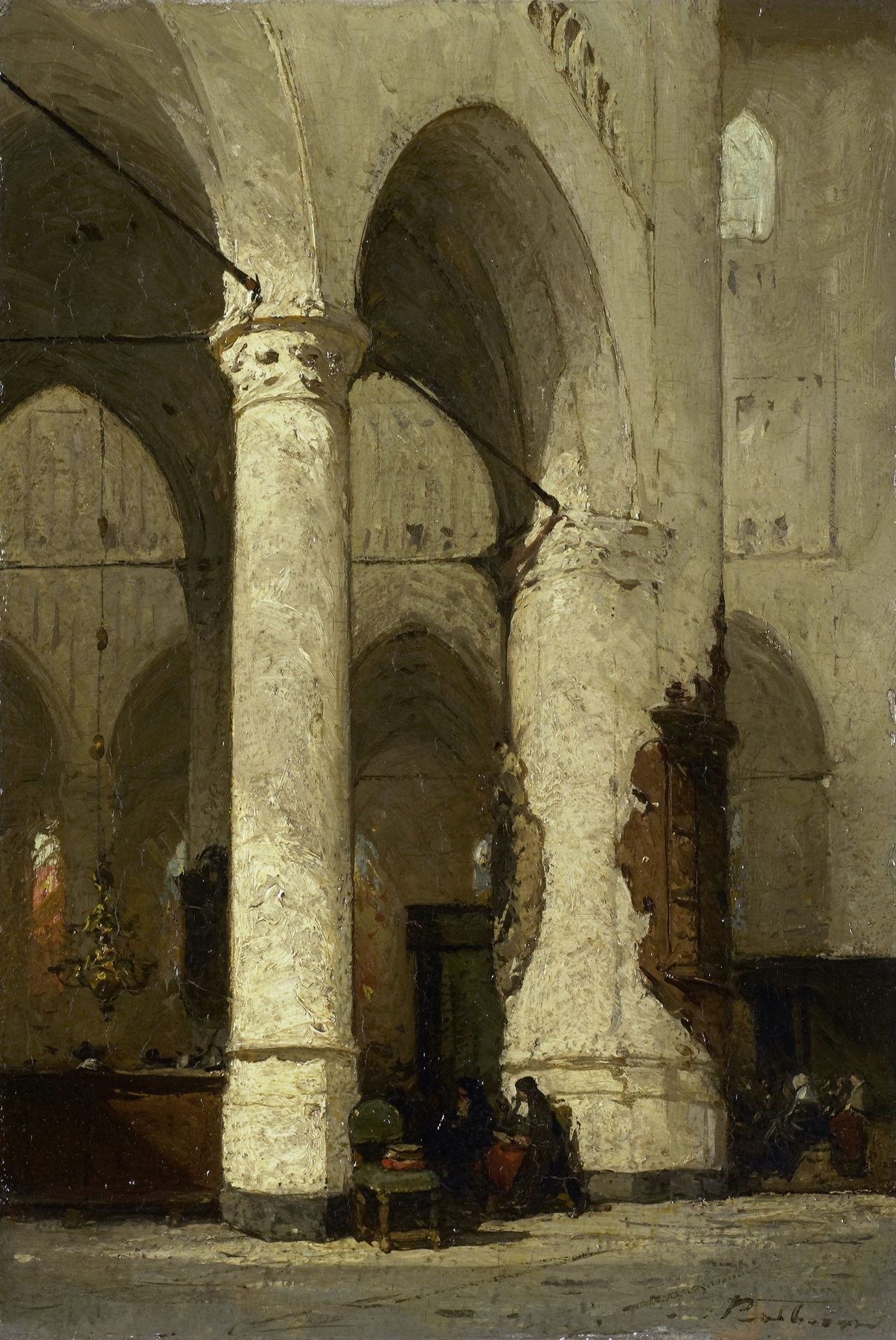
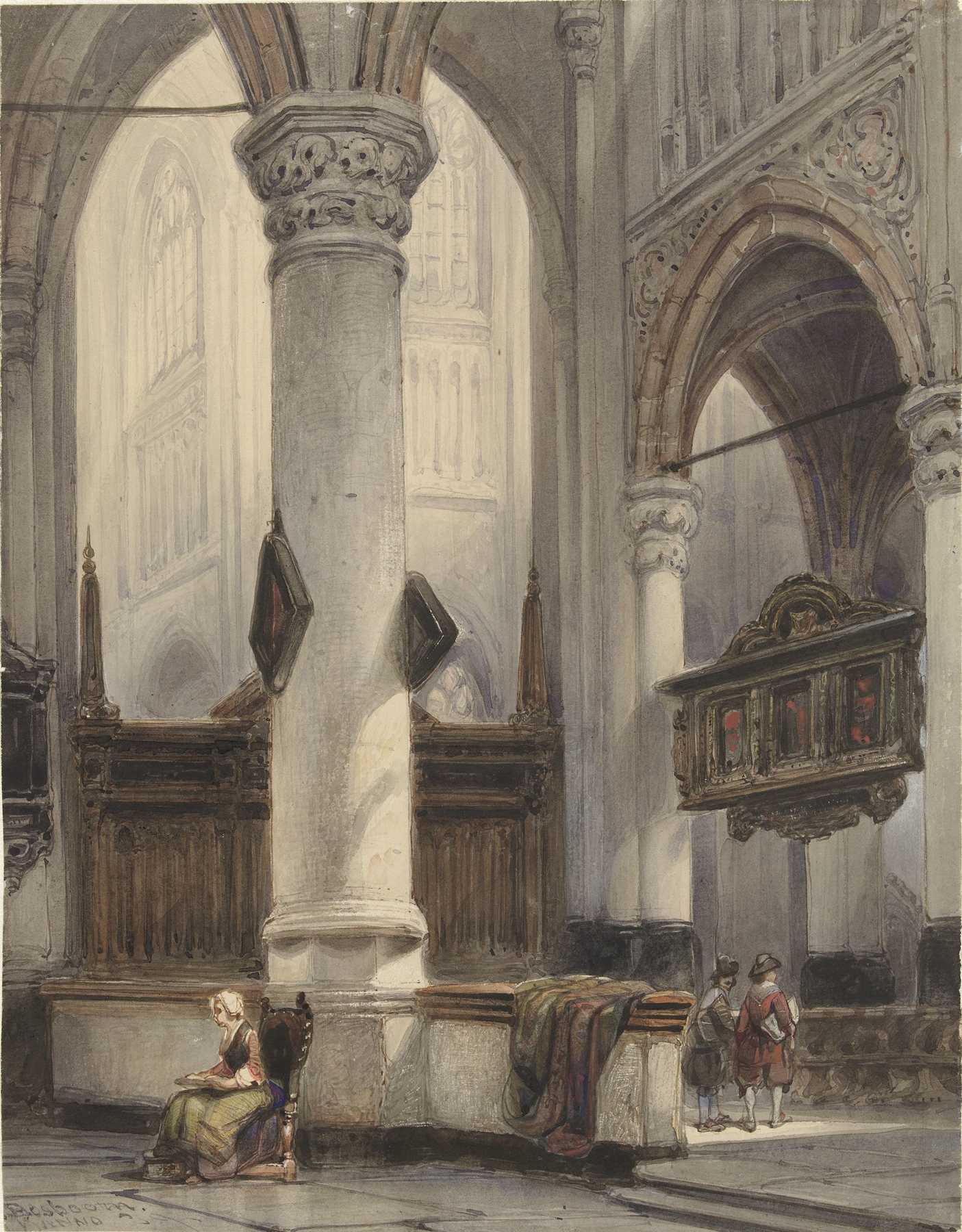
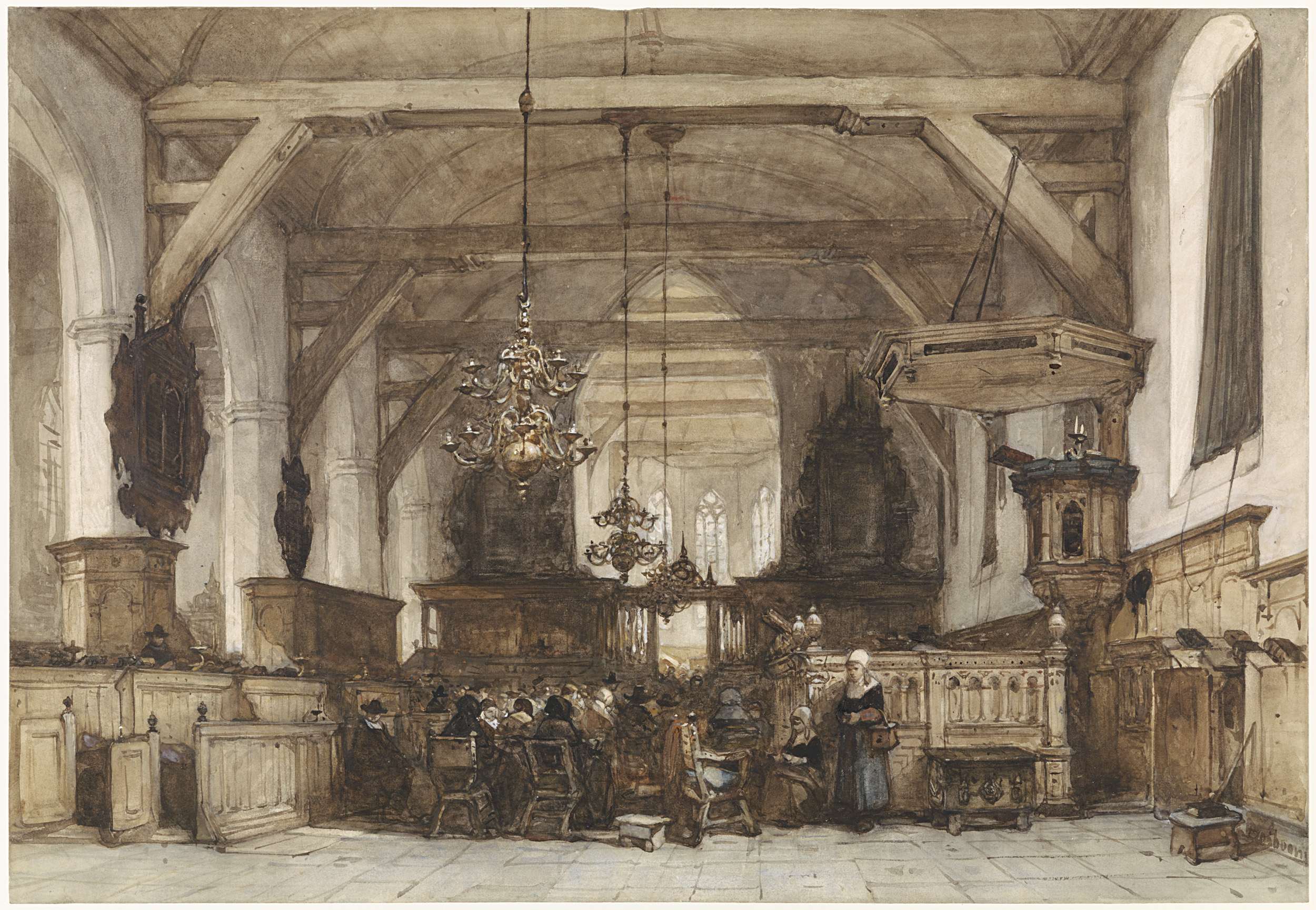
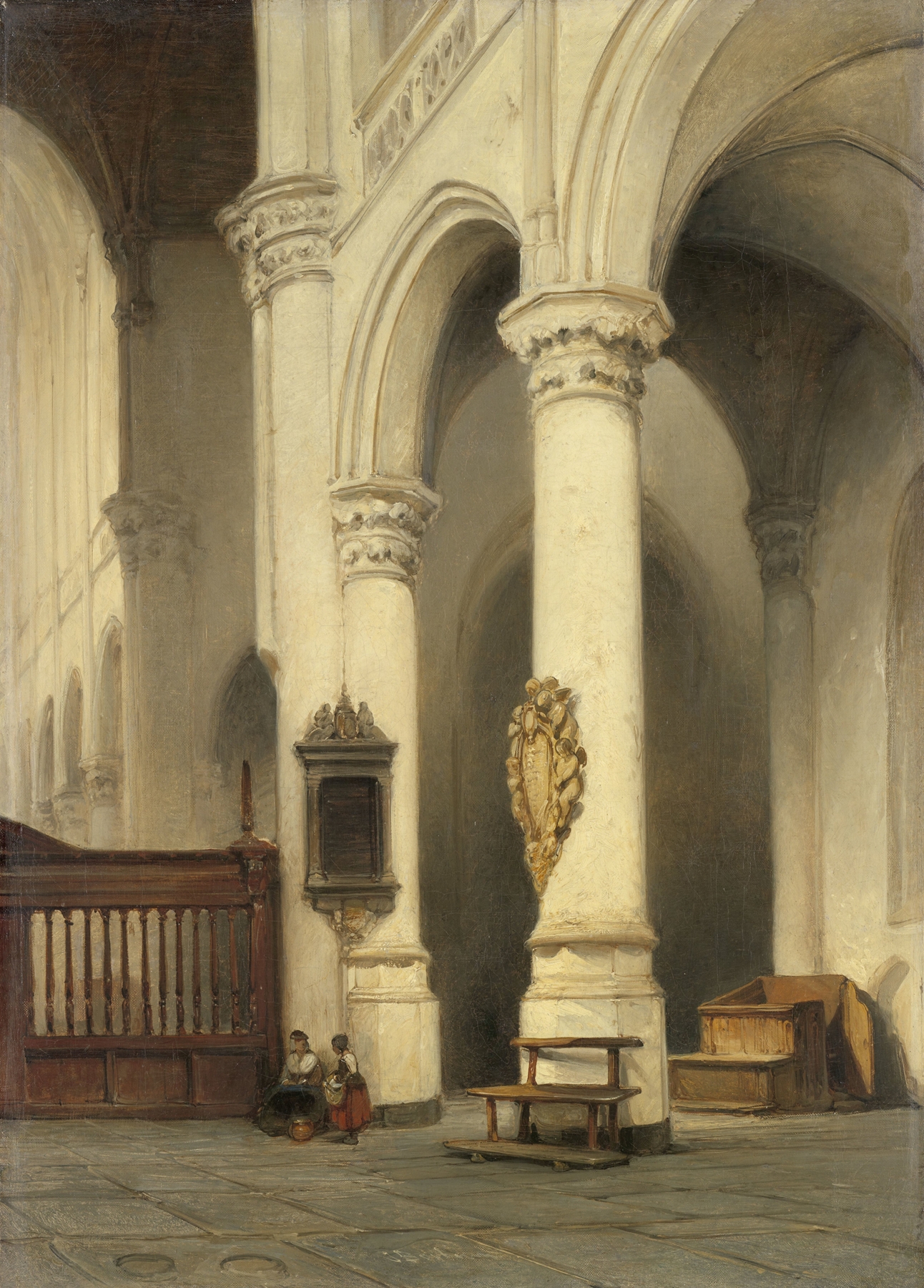
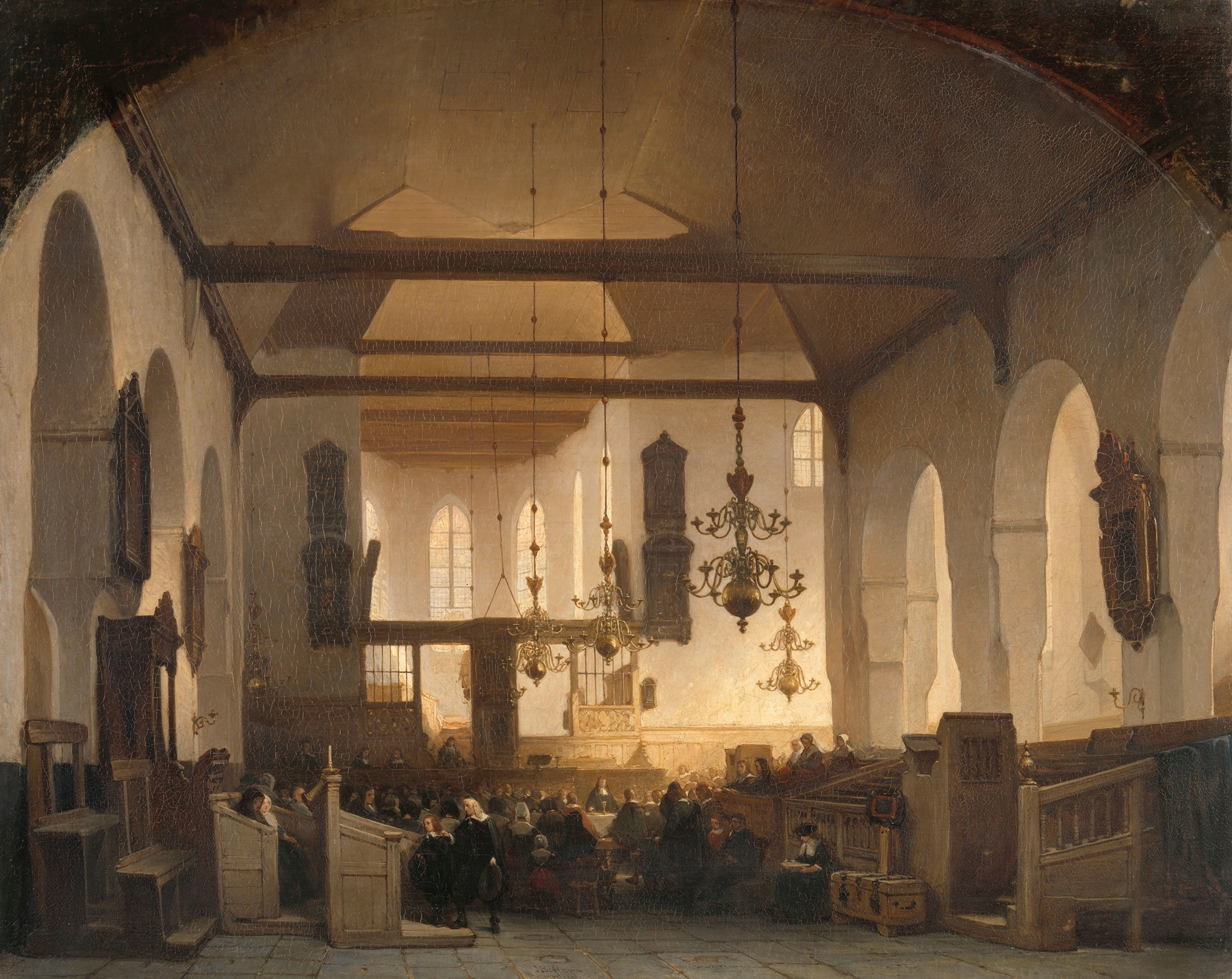
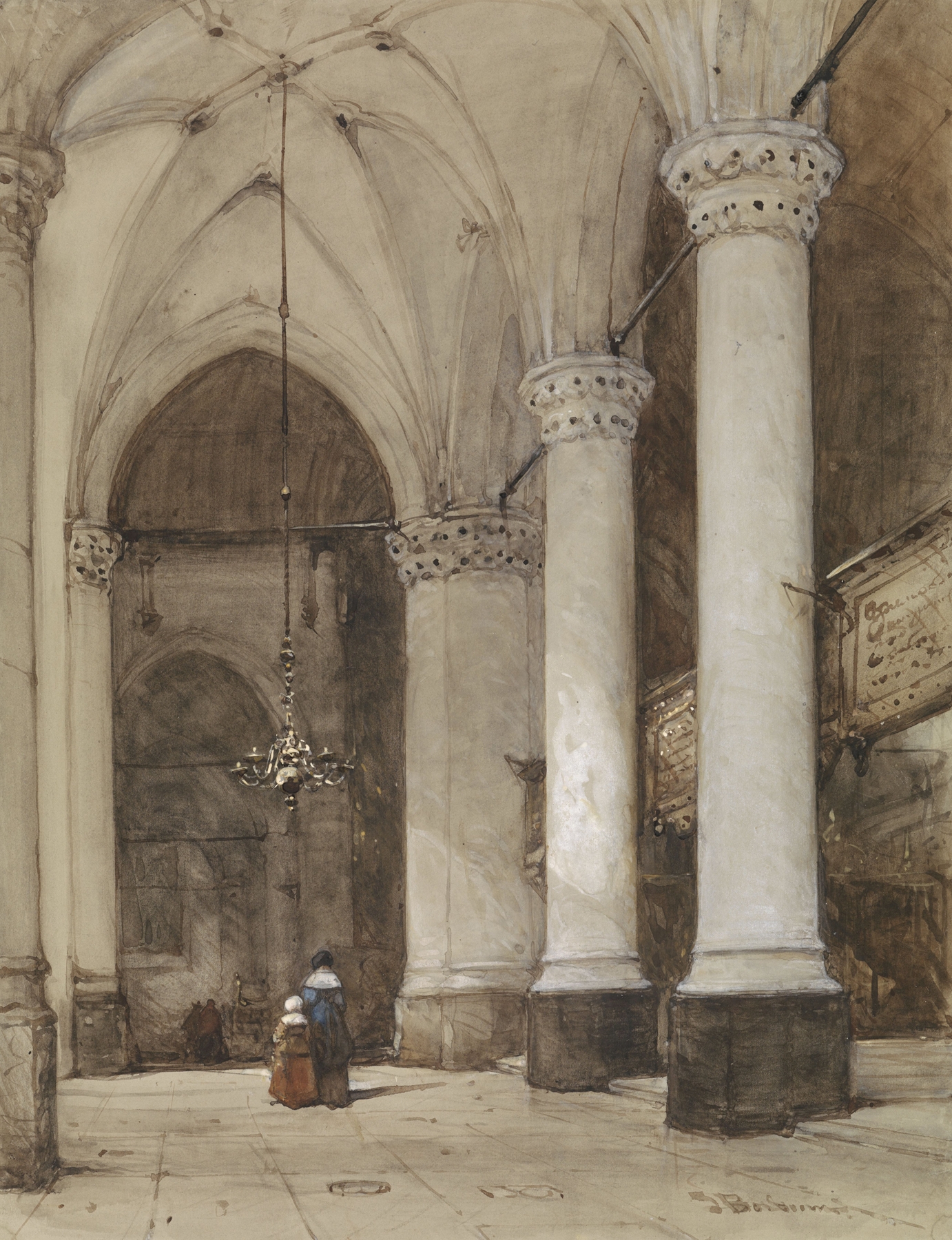
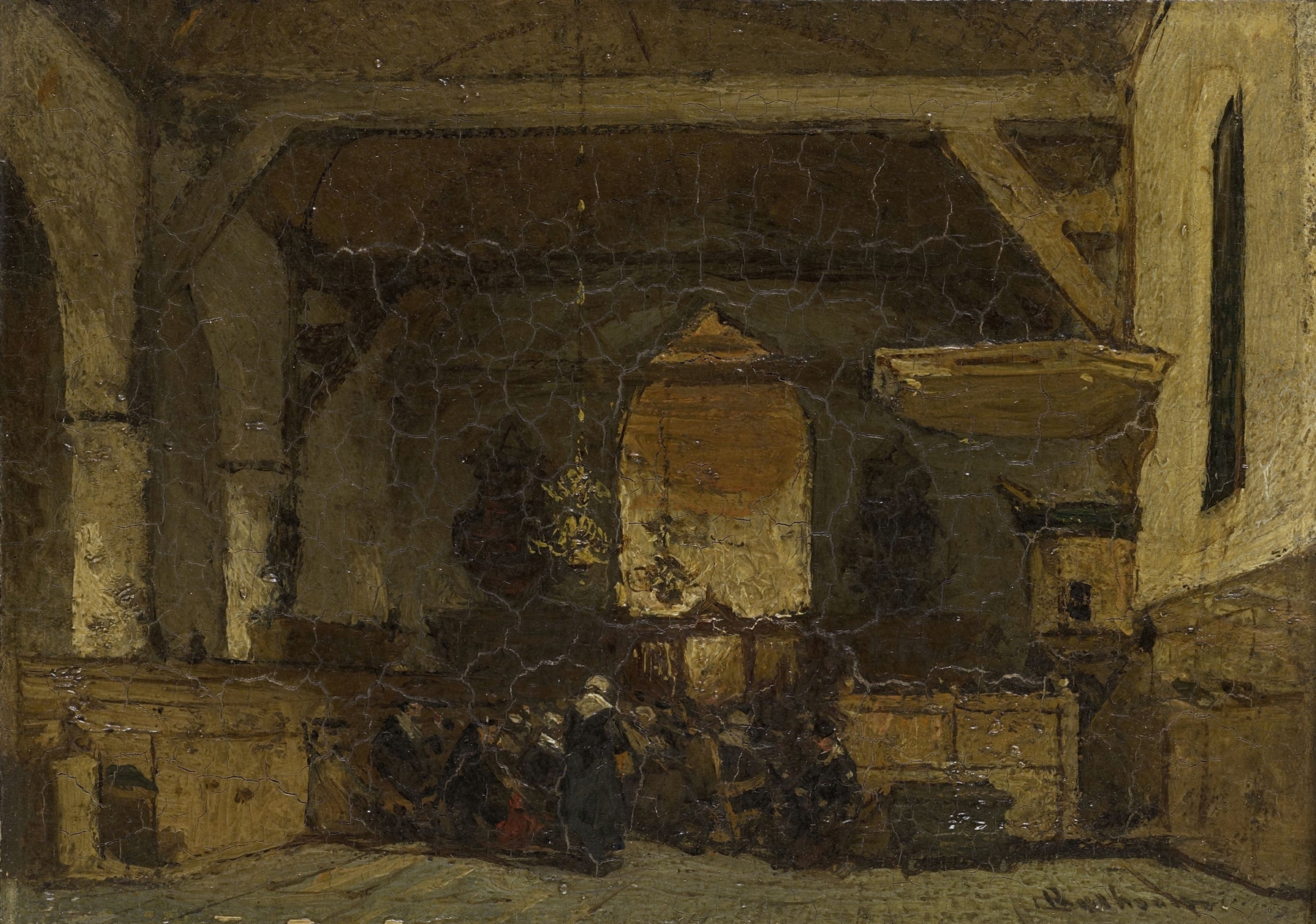
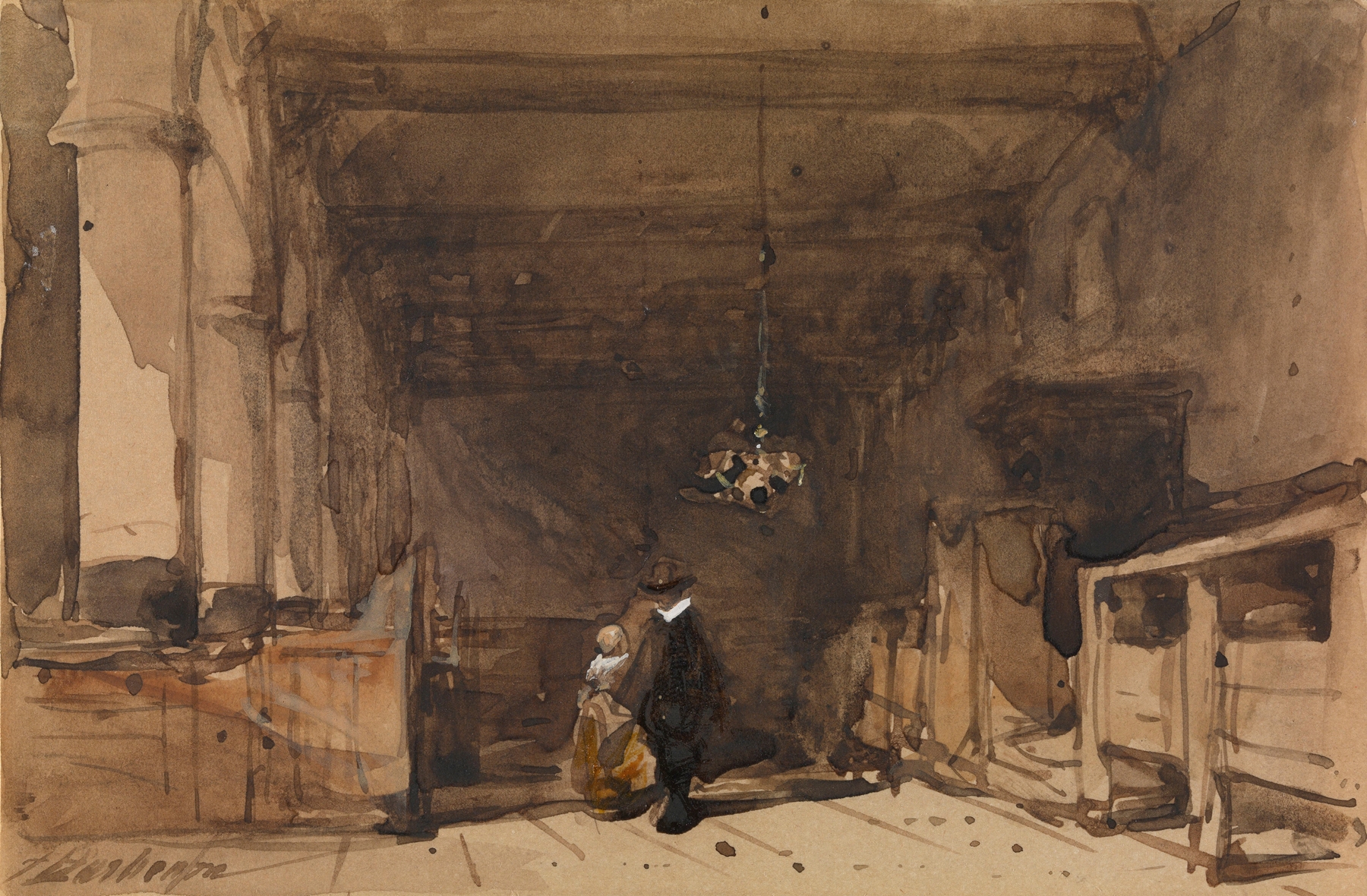
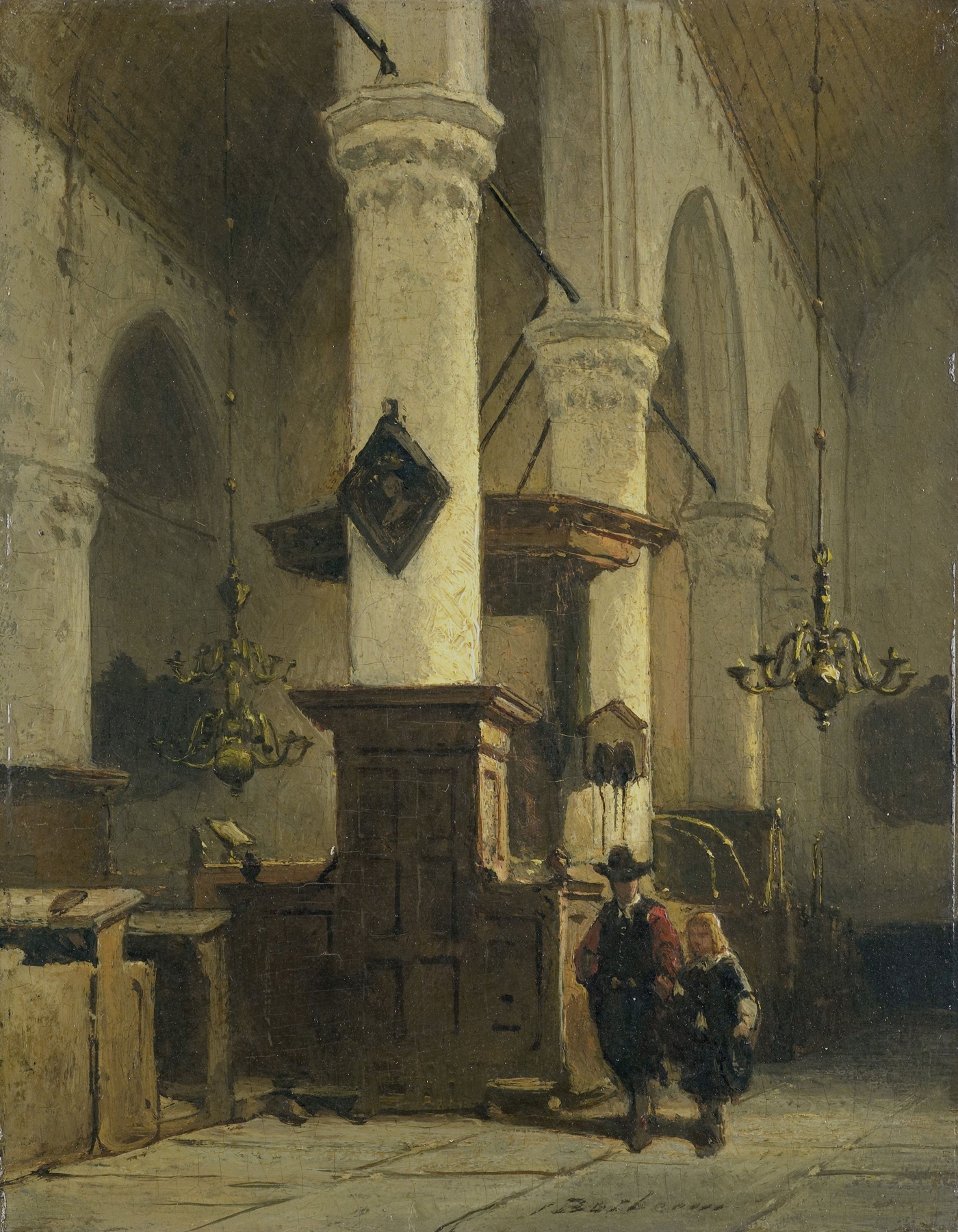
“Sometimes beauty is just pain, disguised in gold.” This sentiment resonates deeply within the hallowed walls of an ancient space, where light flickers and whispers of hope linger amid shadows. Look to the right at the intricate stained glass windows, their vibrant colors bursting forth like a garden after rain. The luminous hues play against the coolness of the stone, creating a harmonious balance that draws the eye and elevates the spirit. Notice how the light falls upon the altar, illuminating its ornate details, while soft shadows envelop the corners, suggesting secrets that time keeps.
Bosboom’s meticulous brushwork captures not merely a room but an atmosphere, where every stroke speaks of reverence and tranquility. Beneath the surface, there lies a contrast between grandeur and solitude. The soaring arches evoke an overwhelming sense of aspiration, yet the emptiness of the space reminds us of fragility and the silence that often accompanies prayer. The interplay of light and shadow symbolizes the delicate dance between despair and hope, hinting that even within sacred places, human emotion is intricately woven into the fabric of existence.
Each element is both an invitation and a reflection, throwing open the doors to personal interpretation. In the years between 1870 and 1880, while creating this piece, the artist found himself navigating the vibrant yet tumultuous art scene of the Netherlands. Bosboom was dedicated to capturing the spiritual essence of architecture, a pursuit that echoed the broader Romantic movement focused on emotion and individual experience. The period was marked by a growing appreciation for historical buildings, and the artist's love for his native land’s heritage shines through in this work, leaving an indelible mark on the viewer’s soul.