Classical Landscape — History & Analysis
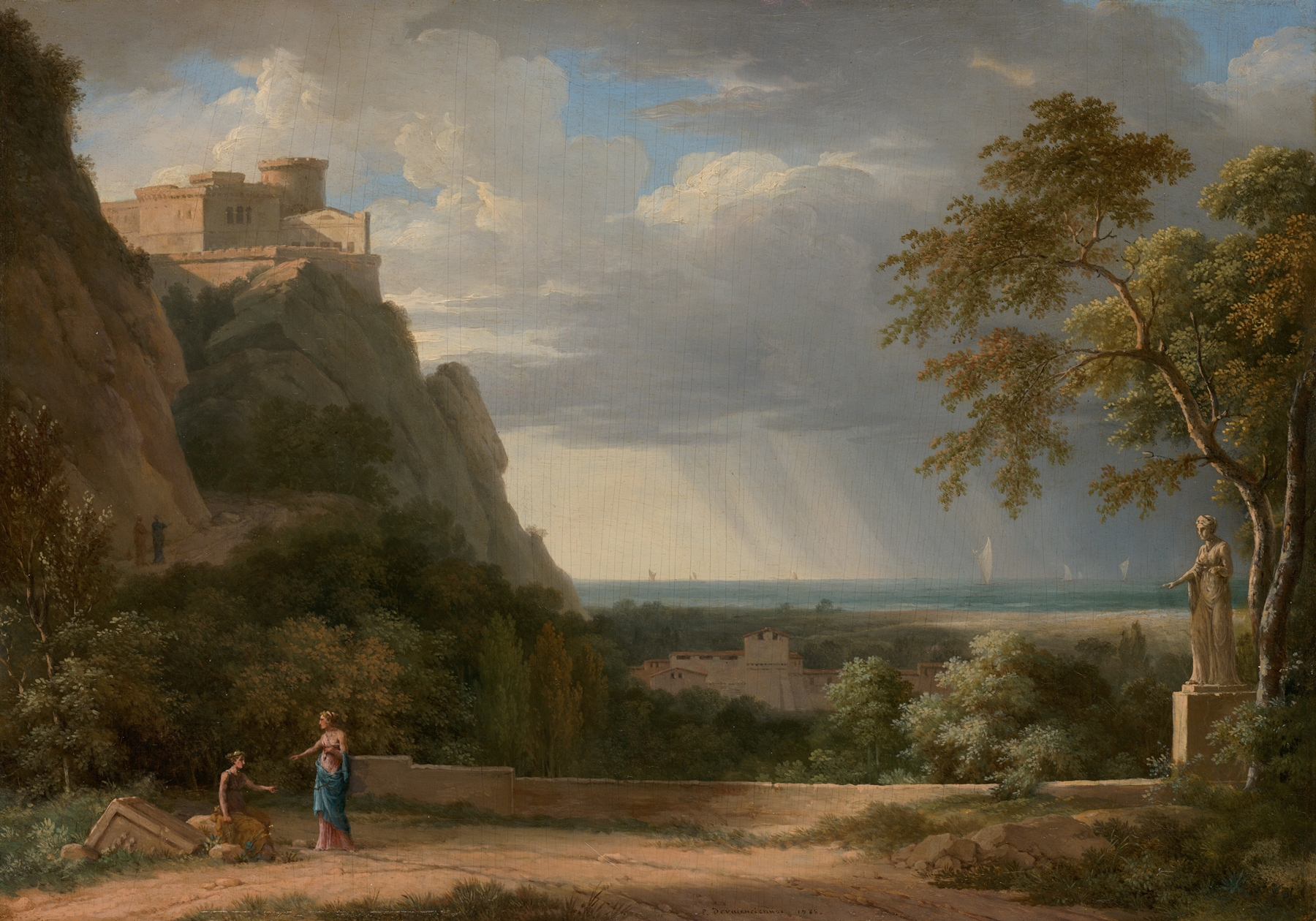
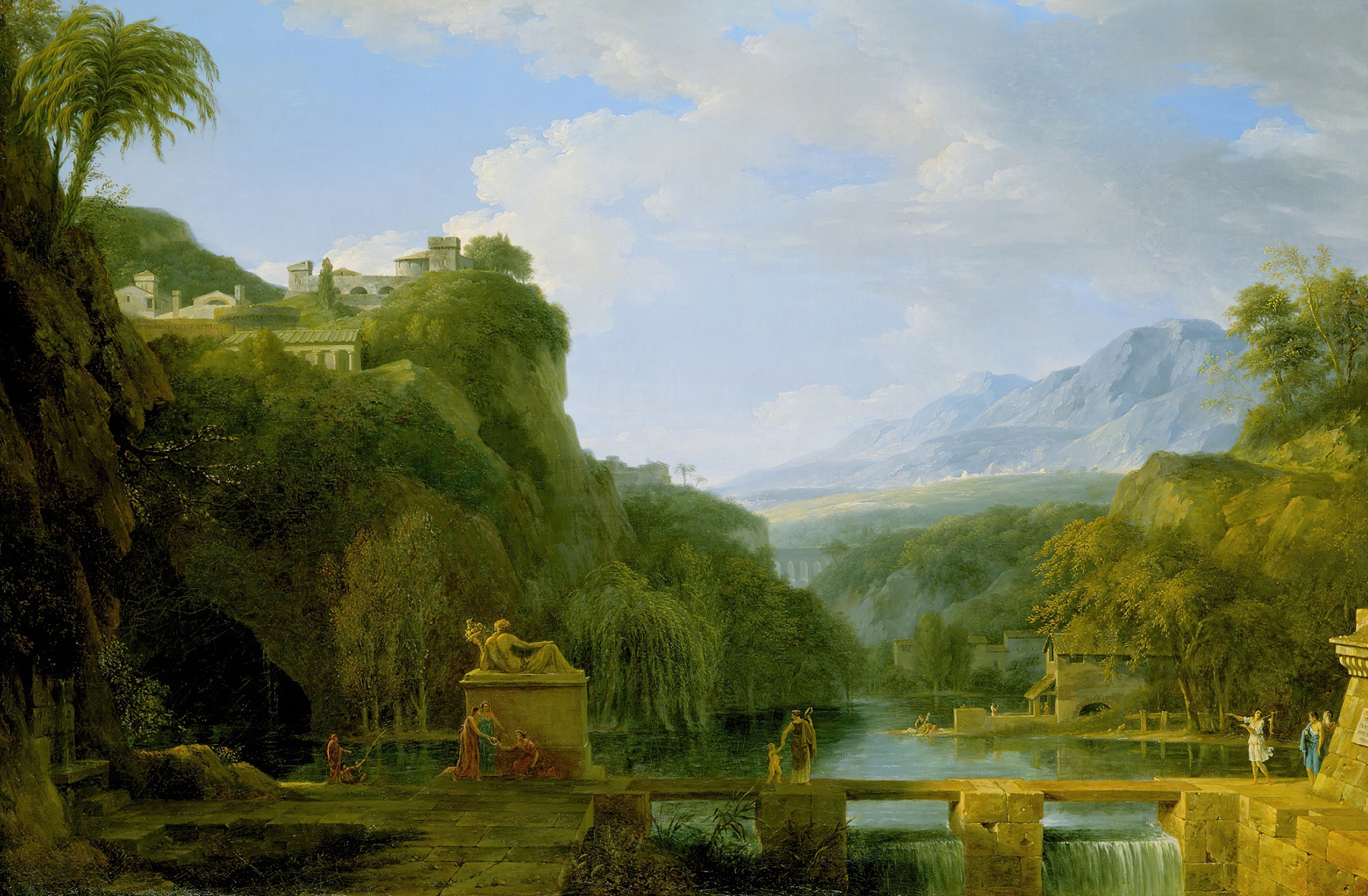
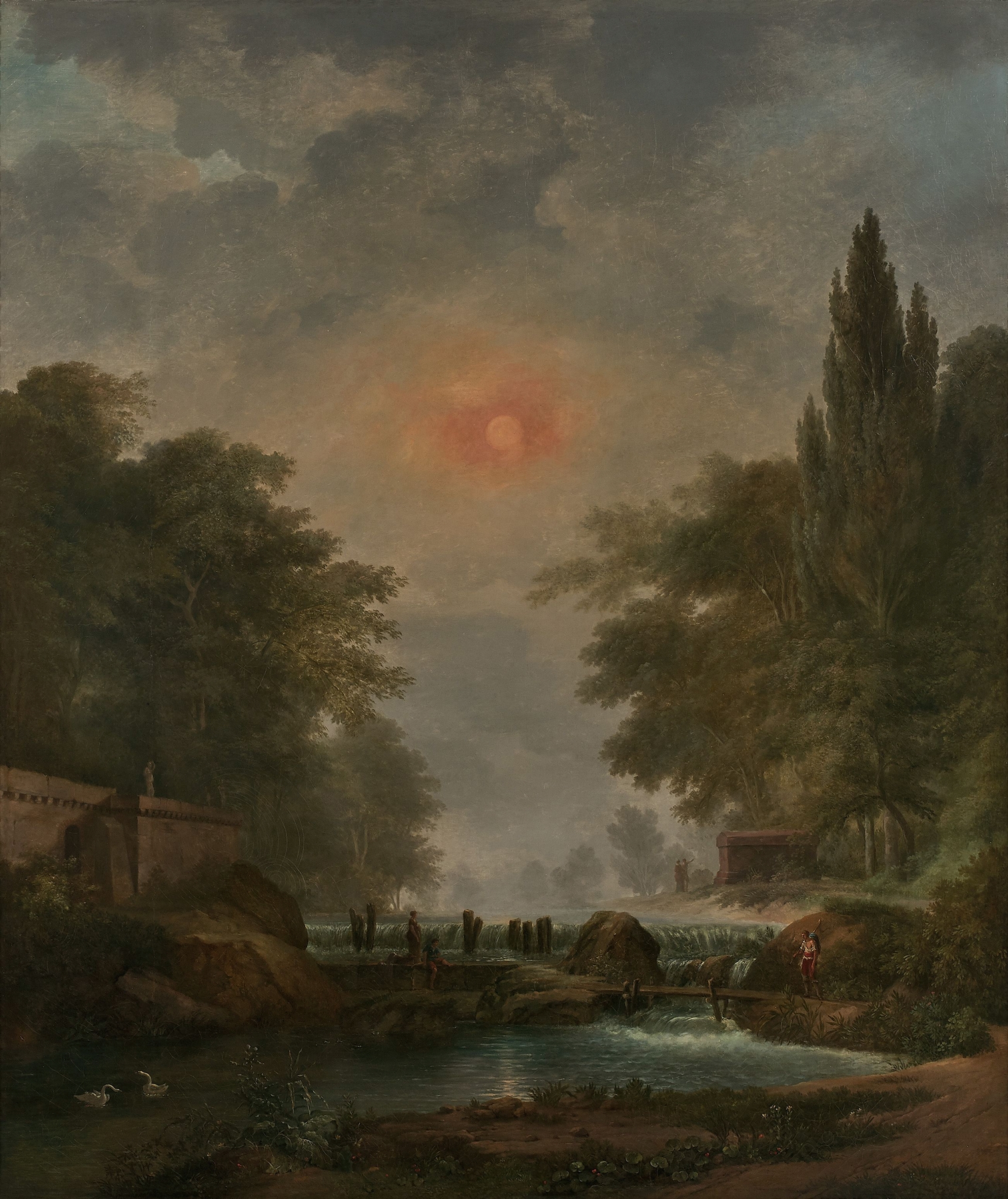
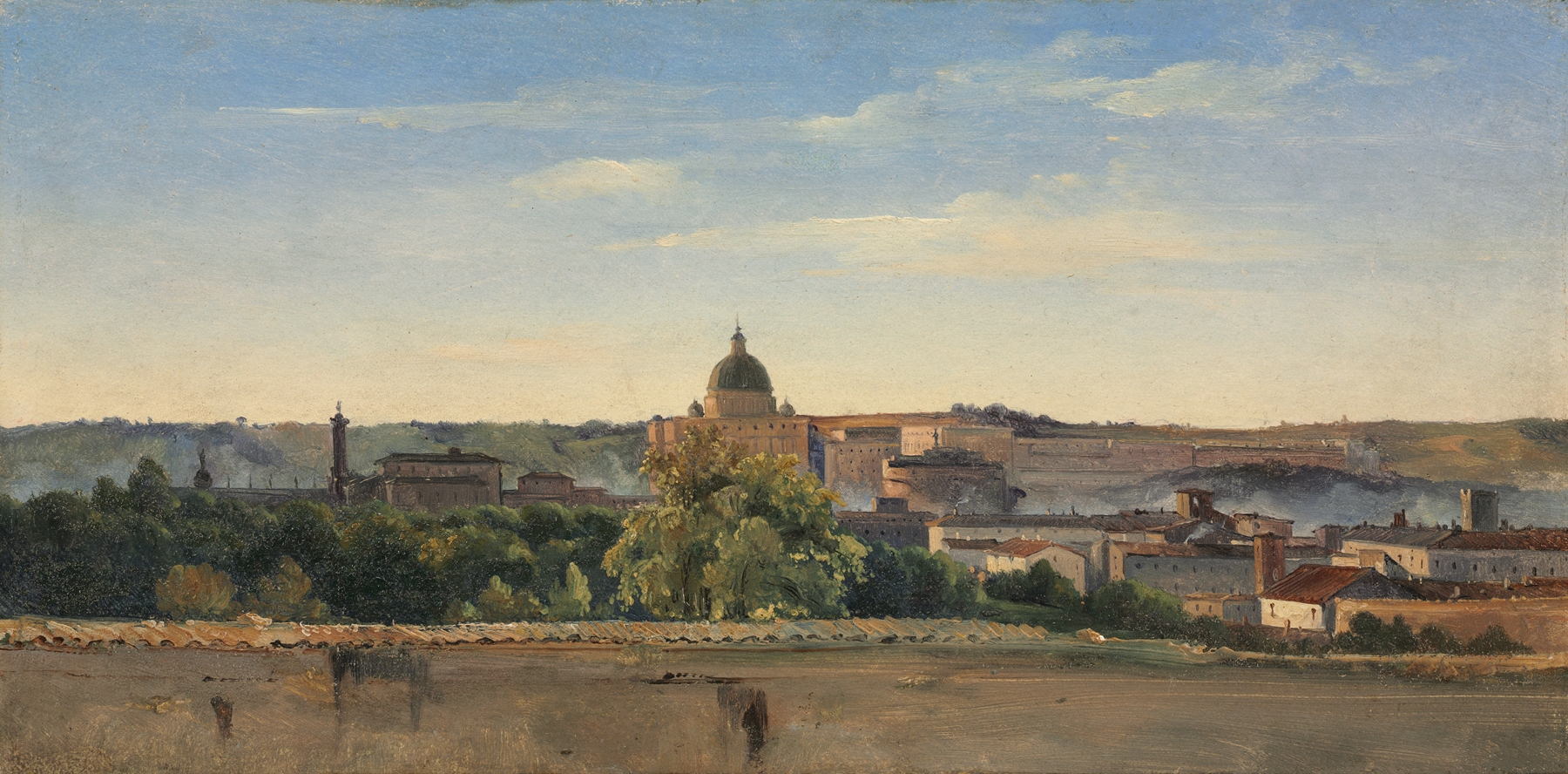
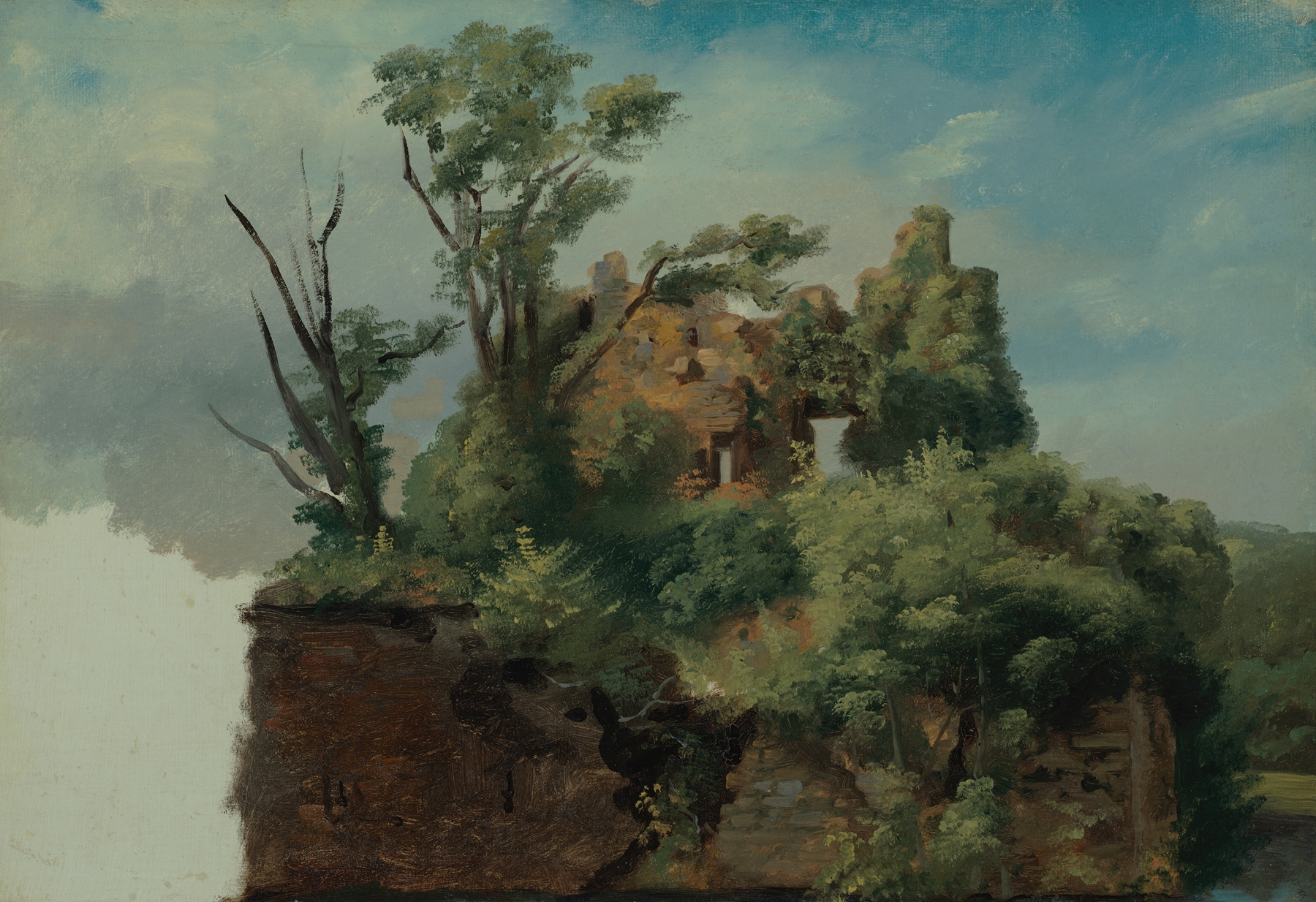
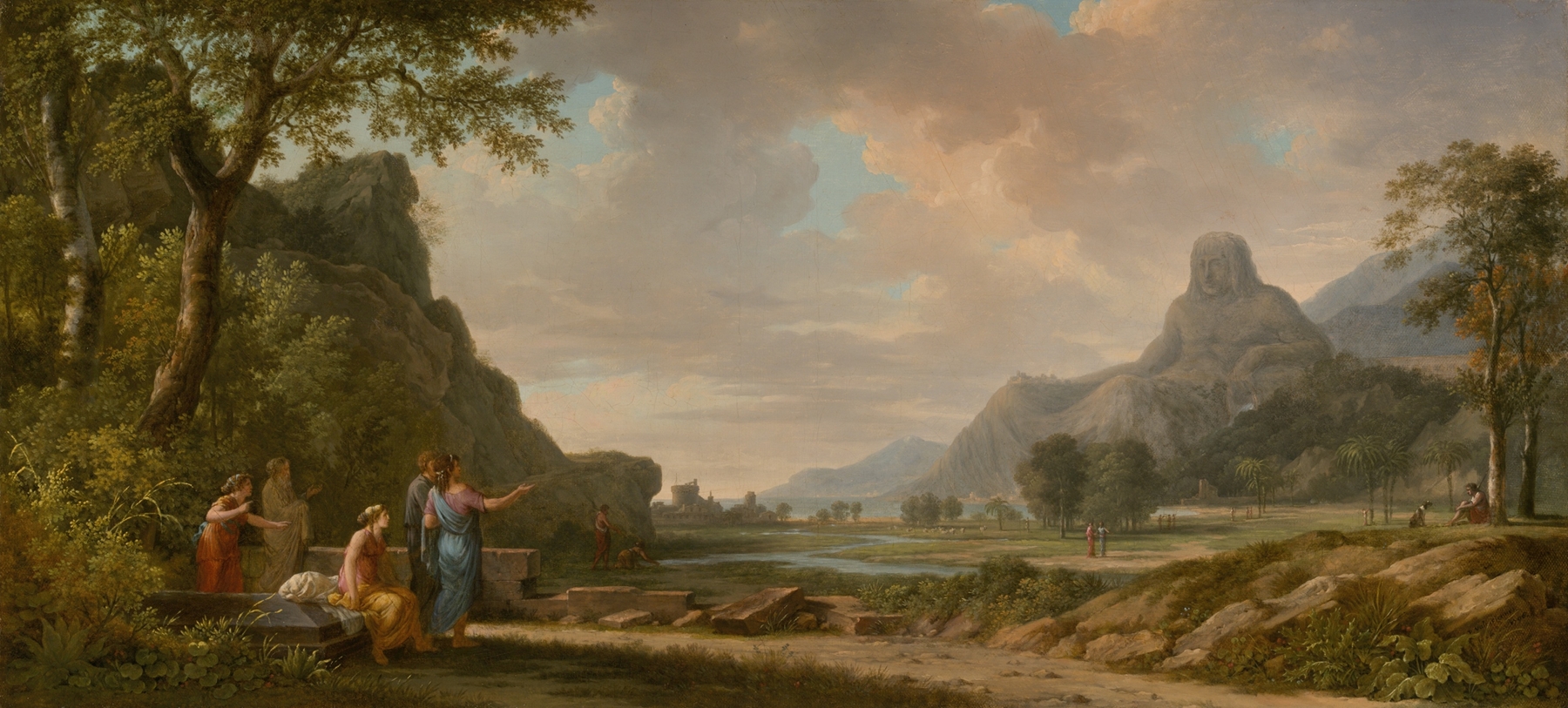
What if beauty was never meant to be finished? As you step into the realm of artistry, you find yourself longing for an eternal exploration of nature's melancholic grace. Look to the left at the delicate arch of trees, their vibrant greens stretching upwards, as if reaching for something just beyond the frame. The soft brushstrokes invite you to linger on the contrasts of light and shadow, where the sun spills golden rays across the landscape, illuminating the distant hills that fade into a wistful haze.
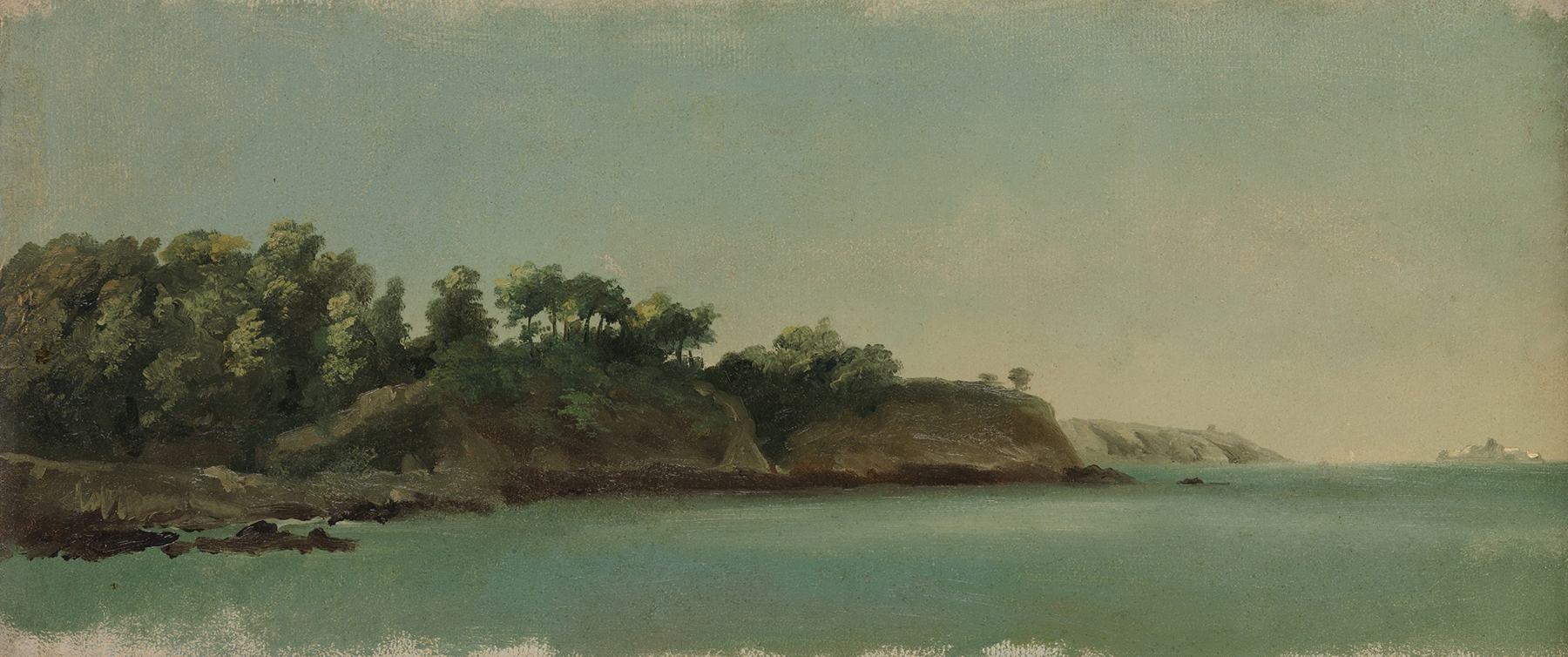
Notice how the horizon, a gentle embrace of blues and earthy tones, brings a profound sense of depth, creating a space where dreams and reality intertwine. Delve deeper into the intricacies of this piece, where each layer reveals a narrative of longing and impermanence. The distant figures, mere silhouettes against the sprawling backdrop, evoke a sense of yearning. Their presence suggests a story unfolding, a connection to nature that feels both intimate and distant—an eternal search for solace amidst grandeur.
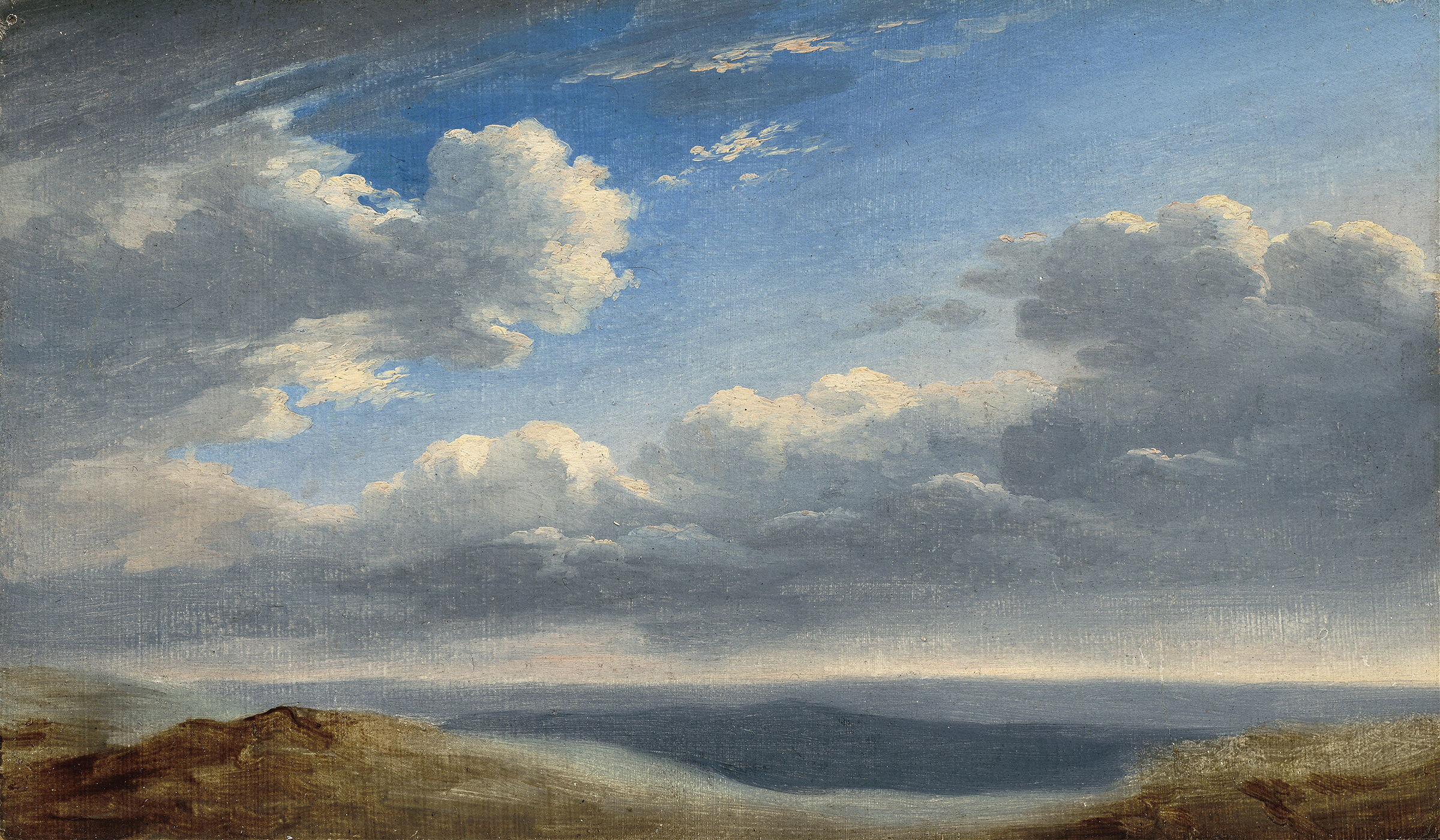
The clouds, swirling softly above, seem to whisper secrets of the past, enhancing the painting's poignant atmosphere. In 1779, Valenciennes painted this work during a period marked by a burgeoning interest in the sublime and the natural beauty of landscapes. Living in France, he was influenced by the Romantic movement, which sought to encapsulate the emotional resonance of nature. As artists began to embrace the inherent beauty and complexity of their surroundings, this piece stands as a testament to the artist's pursuit of capturing not just a scene, but an experience that lingers in the heart.