Mount Athos Carved as a Monument to Alexander the Great — History & Analysis
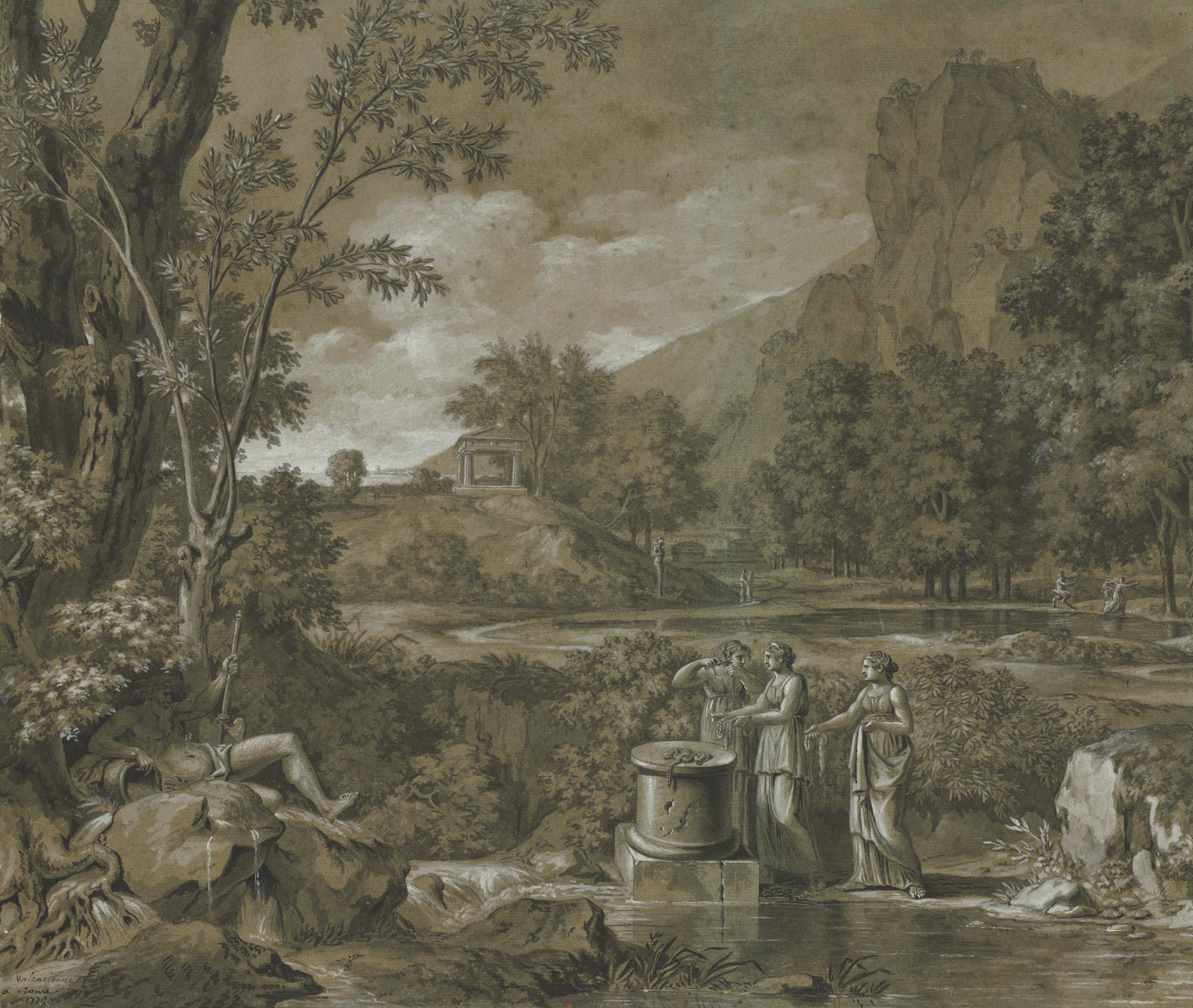
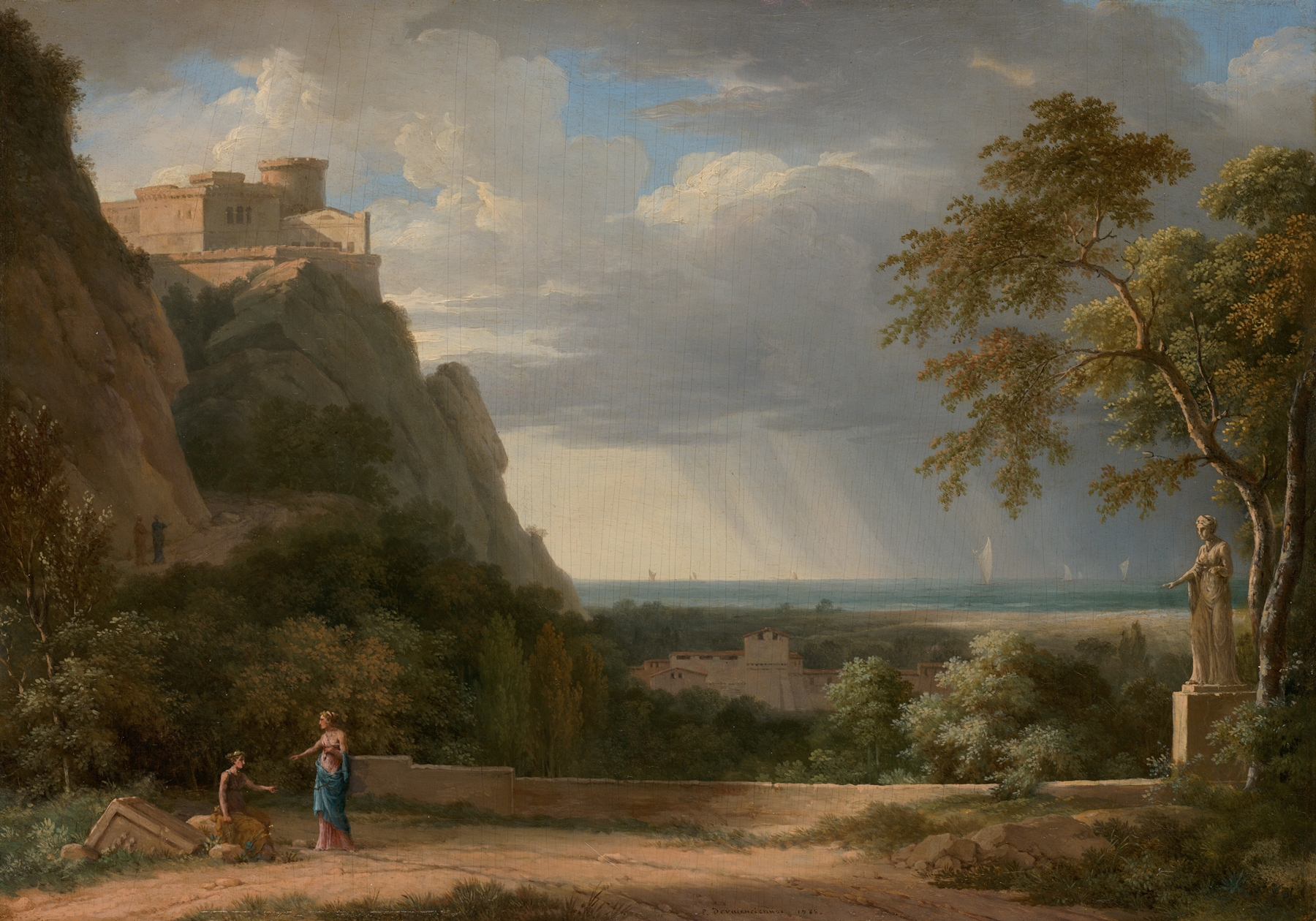
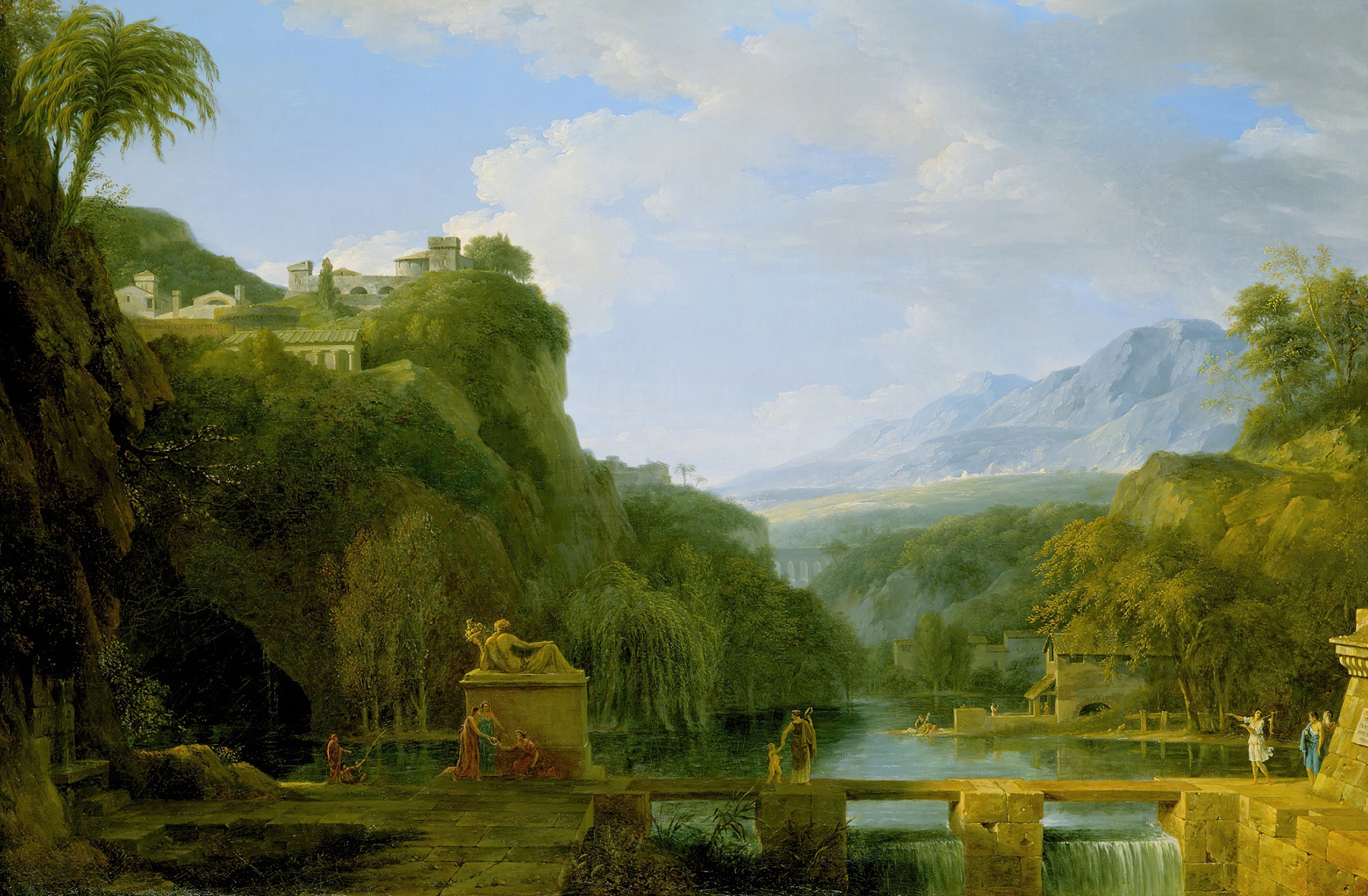
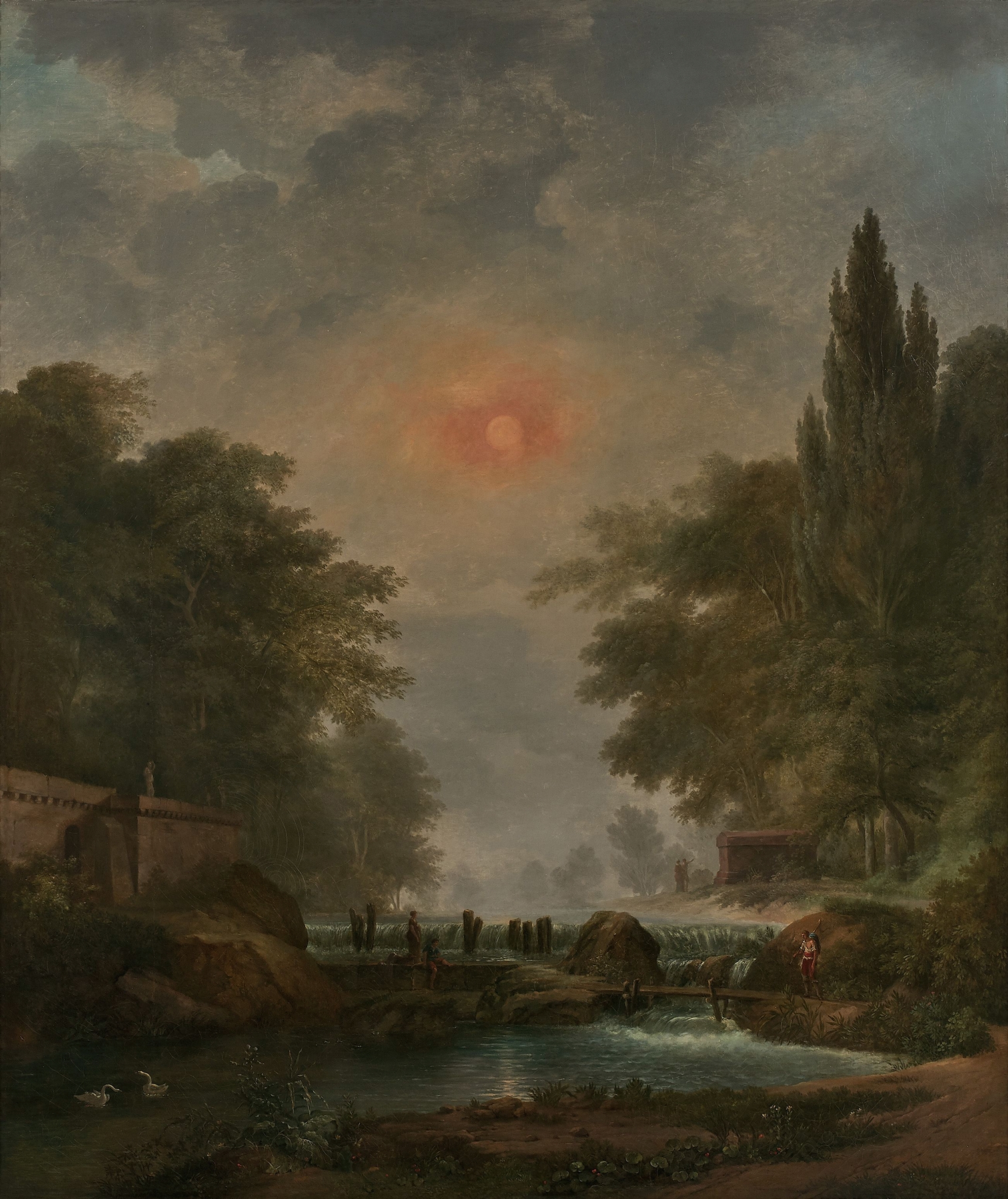
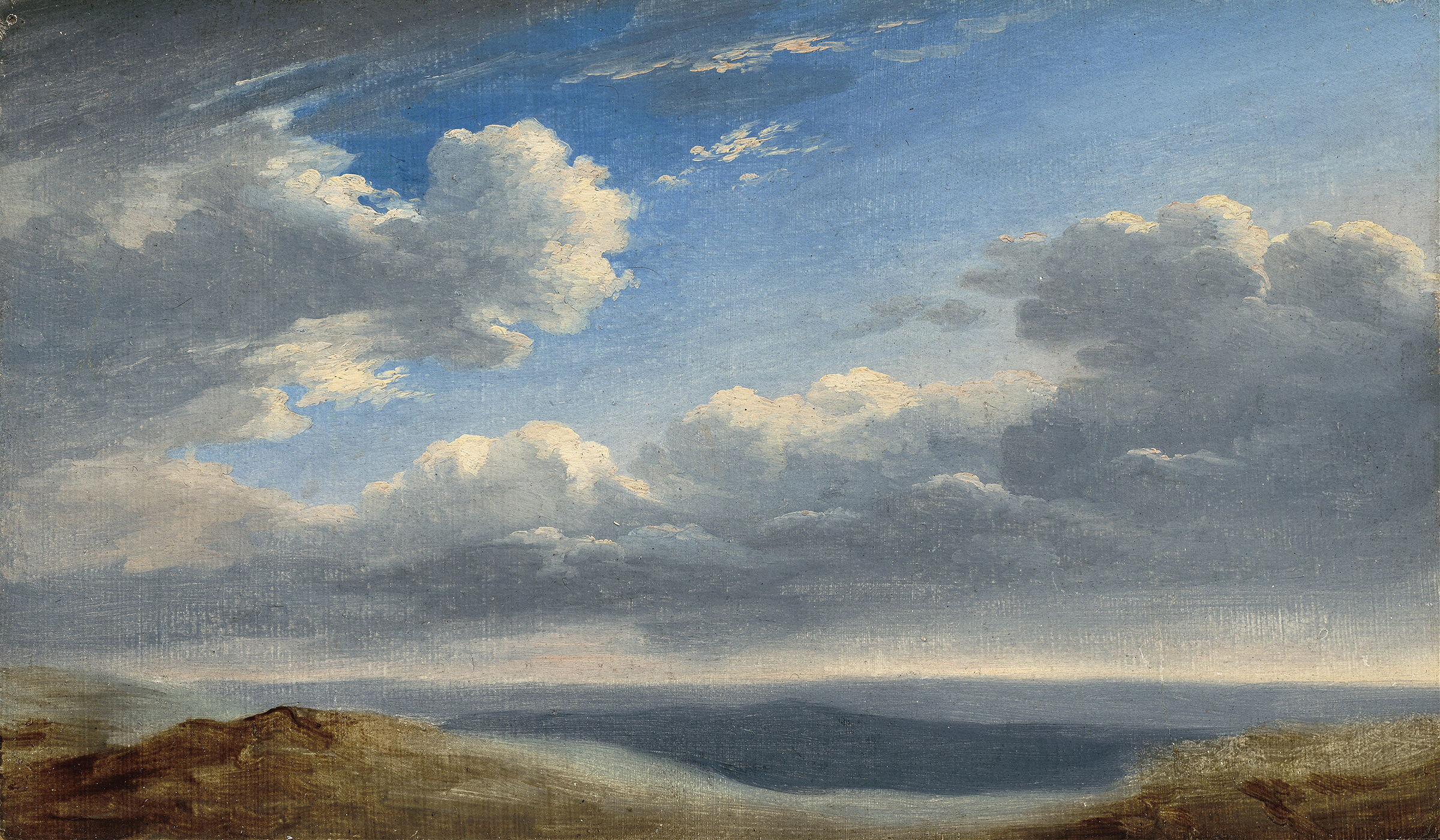
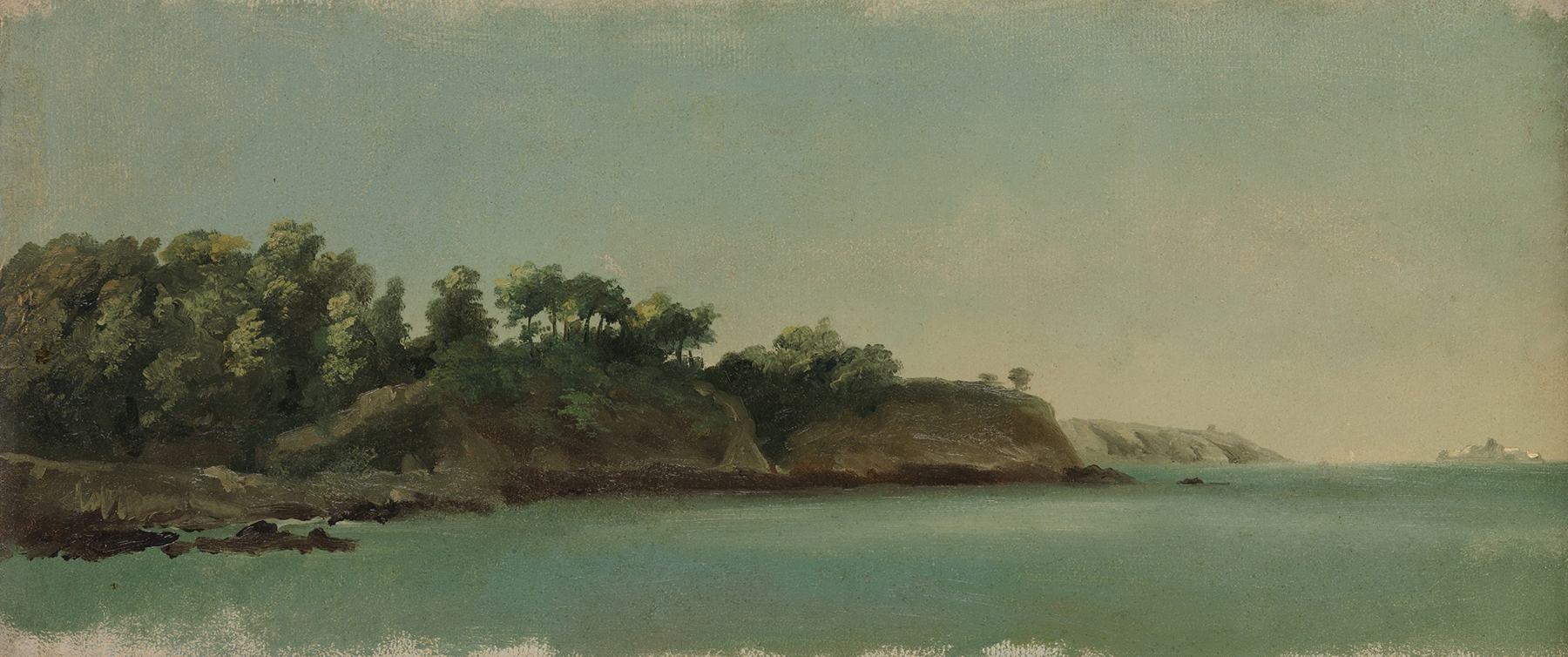
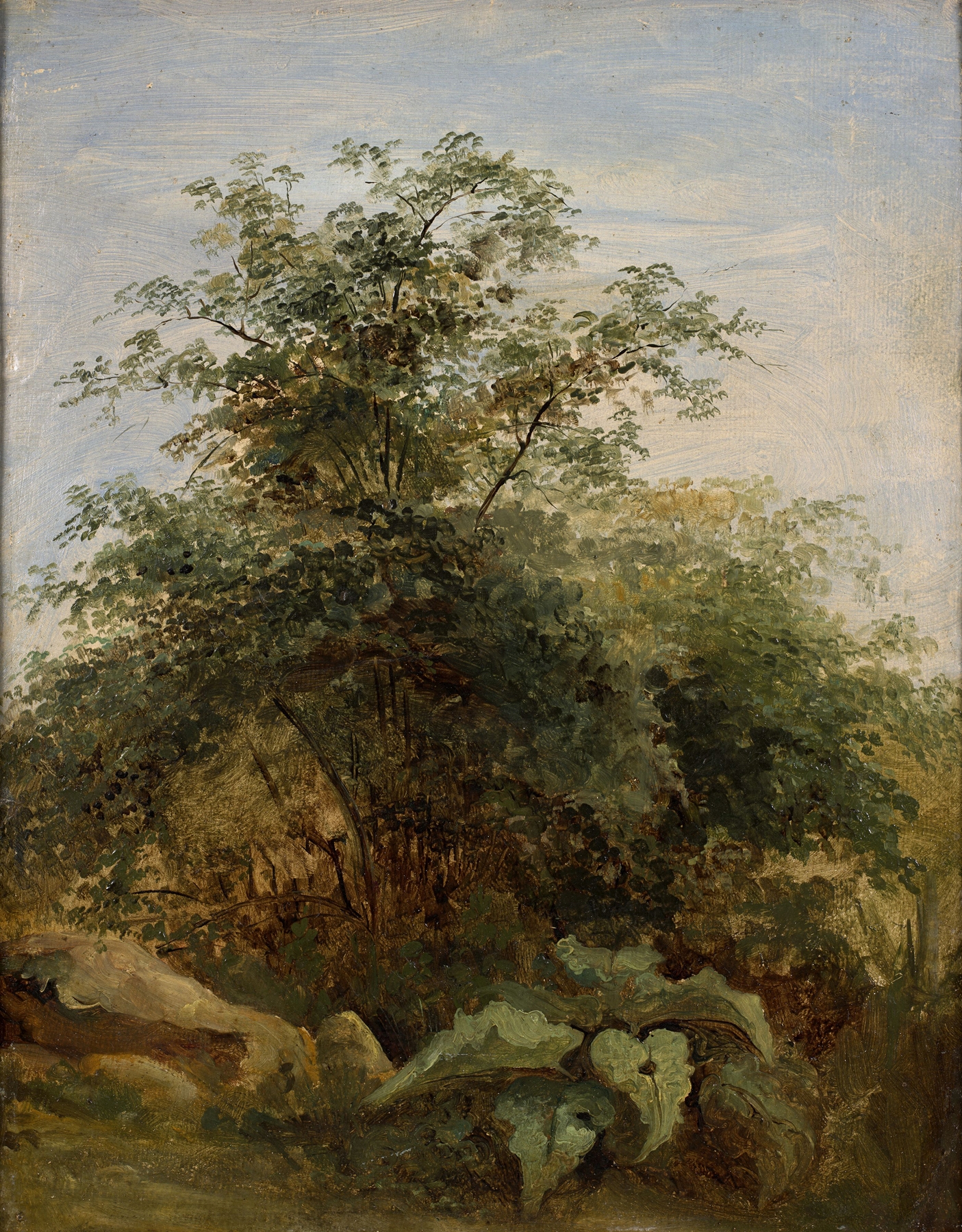
“Sometimes beauty is just pain, disguised in gold.” In the delicate interplay of light and shadow, the allure of grandeur often masks a deeper sorrow. Look to the serene peaks of Mount Athos, where the eye is initially drawn to the majestic mountain range, its contours gracefully carved against the backdrop of an expansive sky. Notice how the interplay of soft blues and warm earth tones creates a harmonious balance, inviting contemplation. The artist’s gentle strokes convey both strength and fragility, as the towering cliffs rise majestically, suggesting both permanence and the fleeting nature of beauty.
Beneath the tranquil surface lies a complex narrative of ambition and legacy. The monument to Alexander the Great, a symbol of valor and conquest, stands in stark contrast to the calm landscape surrounding it. This juxtaposition evokes an emotional tension between glory and solitude, challenging the viewer to consider the cost of such beauty. Each detail, from the delicate foliage at the base to the celestial hues above, speaks of the duality of history—where triumph often shadows untold sacrifices.
Created in 1796, this work emerged during a period of profound change in Europe, reflecting shifting artistic ideals and the growing appreciation for historical themes. The artist, deeply influenced by the neoclassical movement, sought to capture the essence of landscapes imbued with narrative significance. At that time, Valenciennes was navigating a world on the brink of modernity, where the past and present collided, mirroring his own explorations in the realm of beauty.