View of Rome — History & Analysis
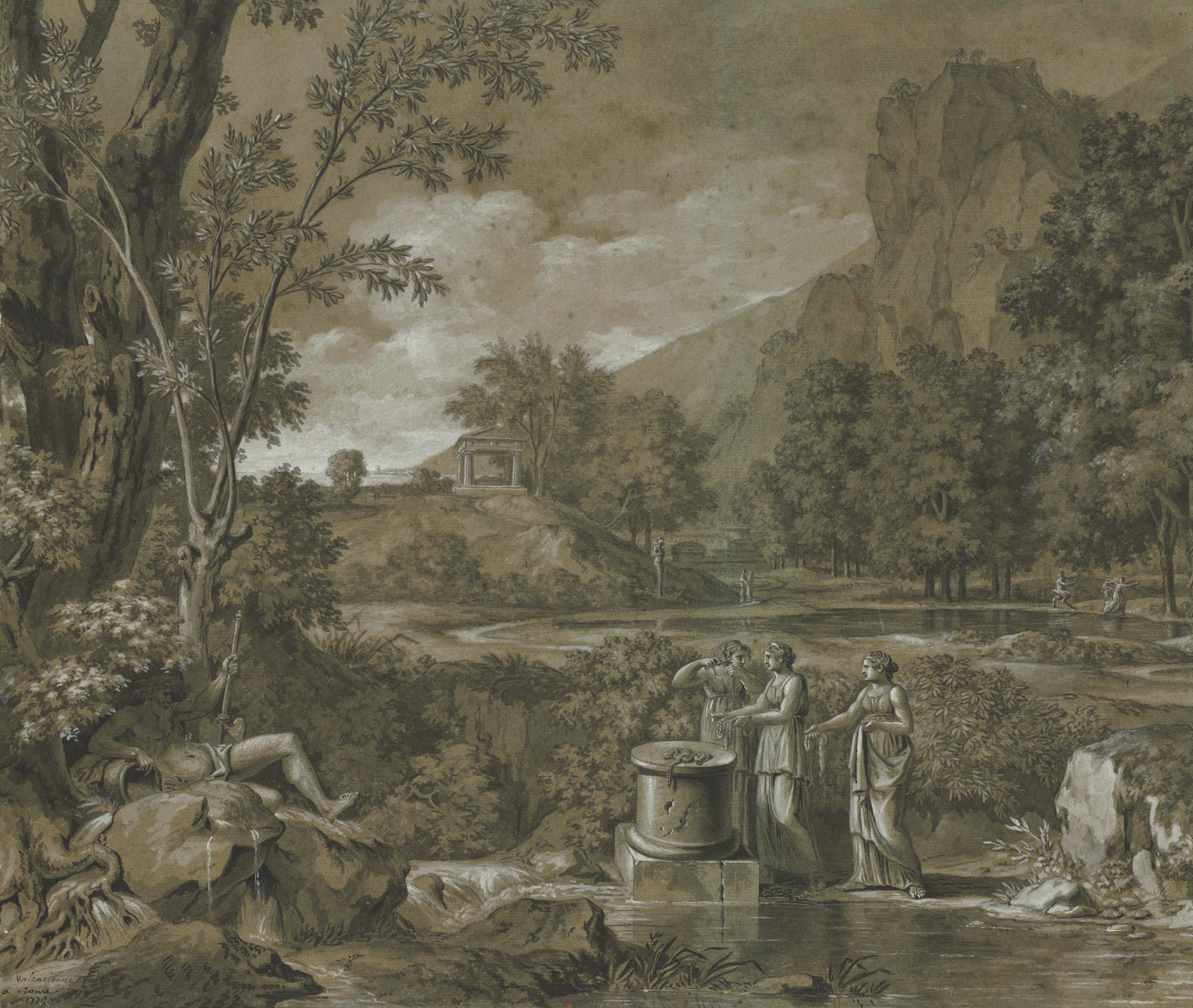
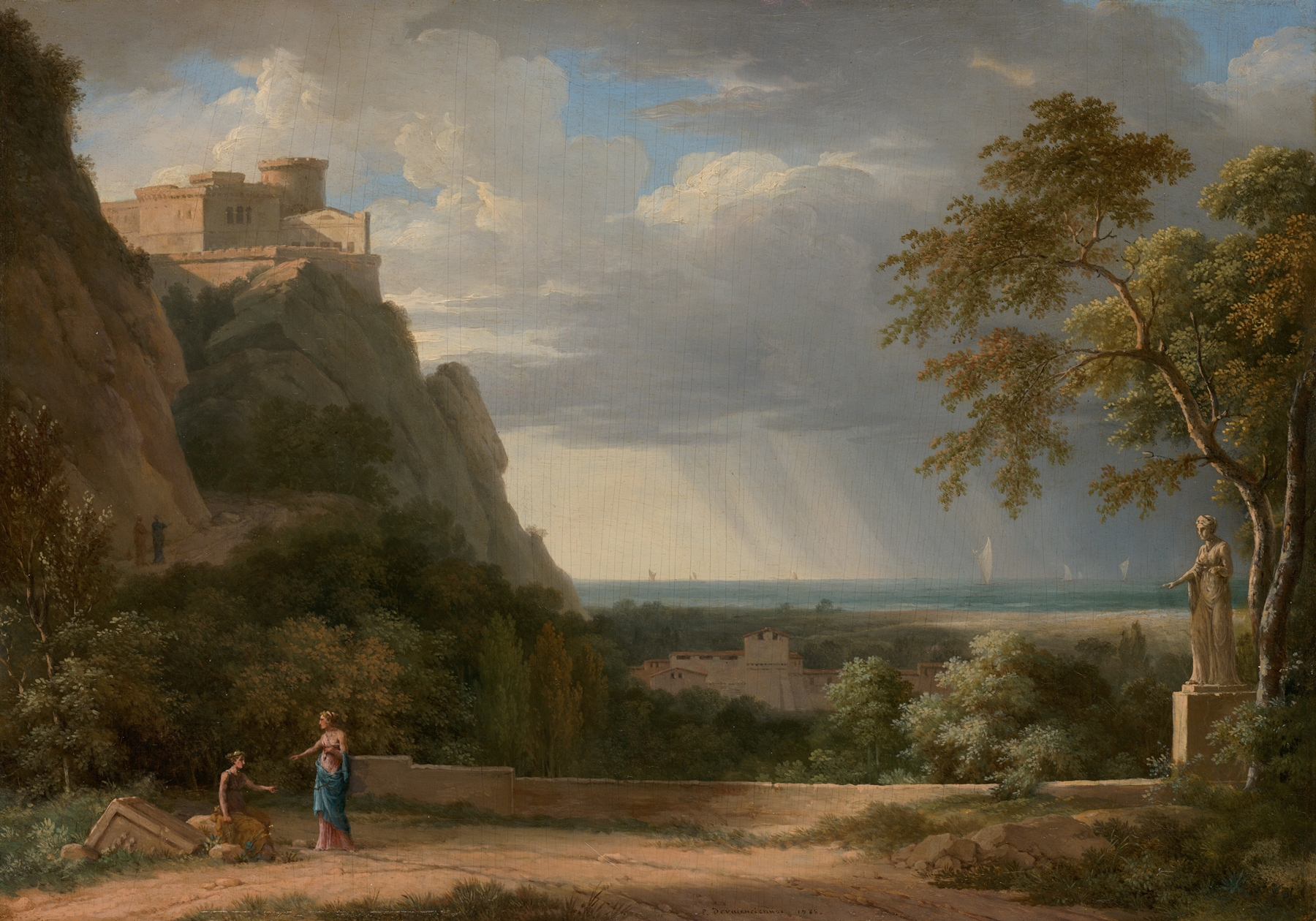
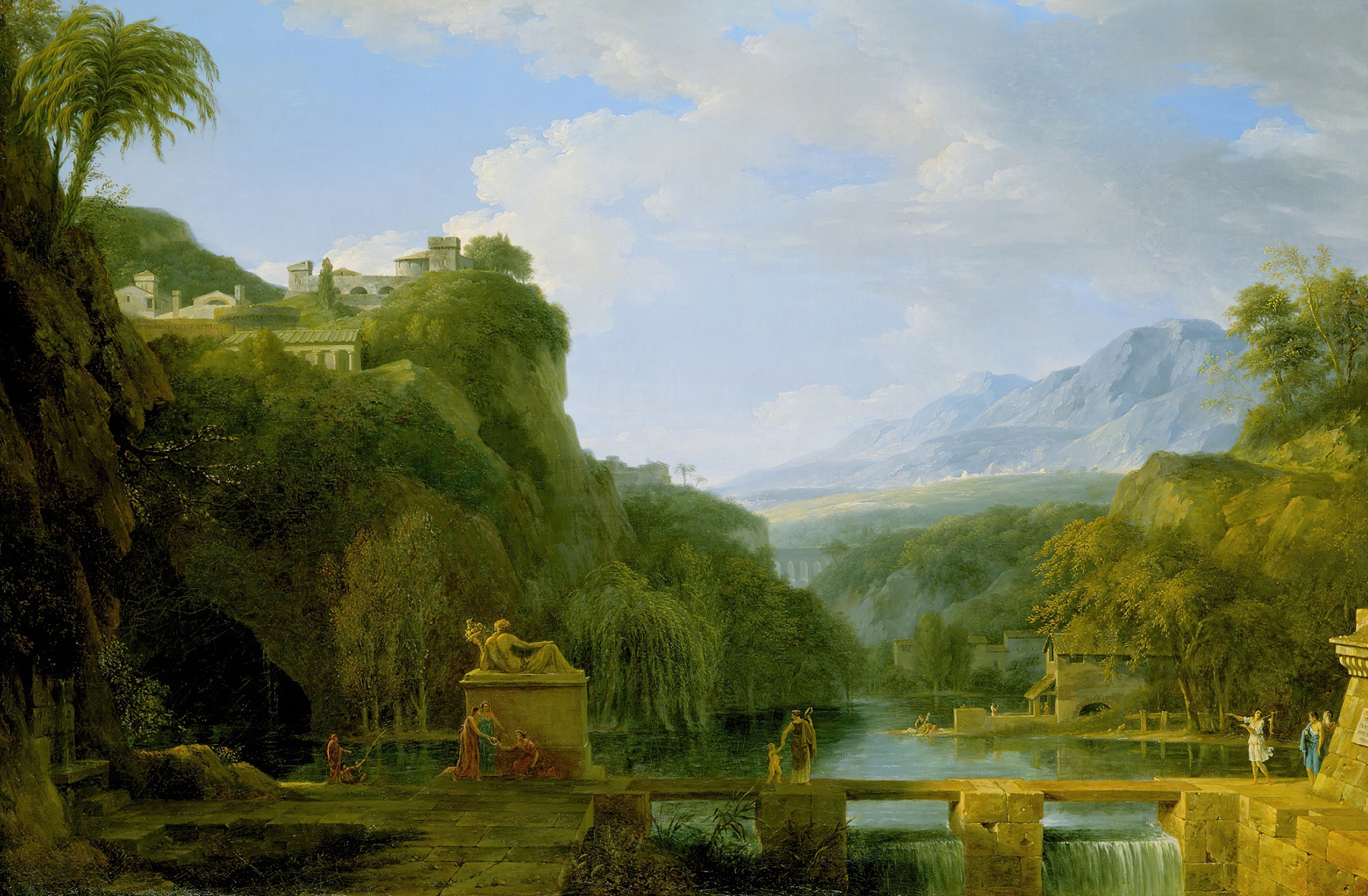
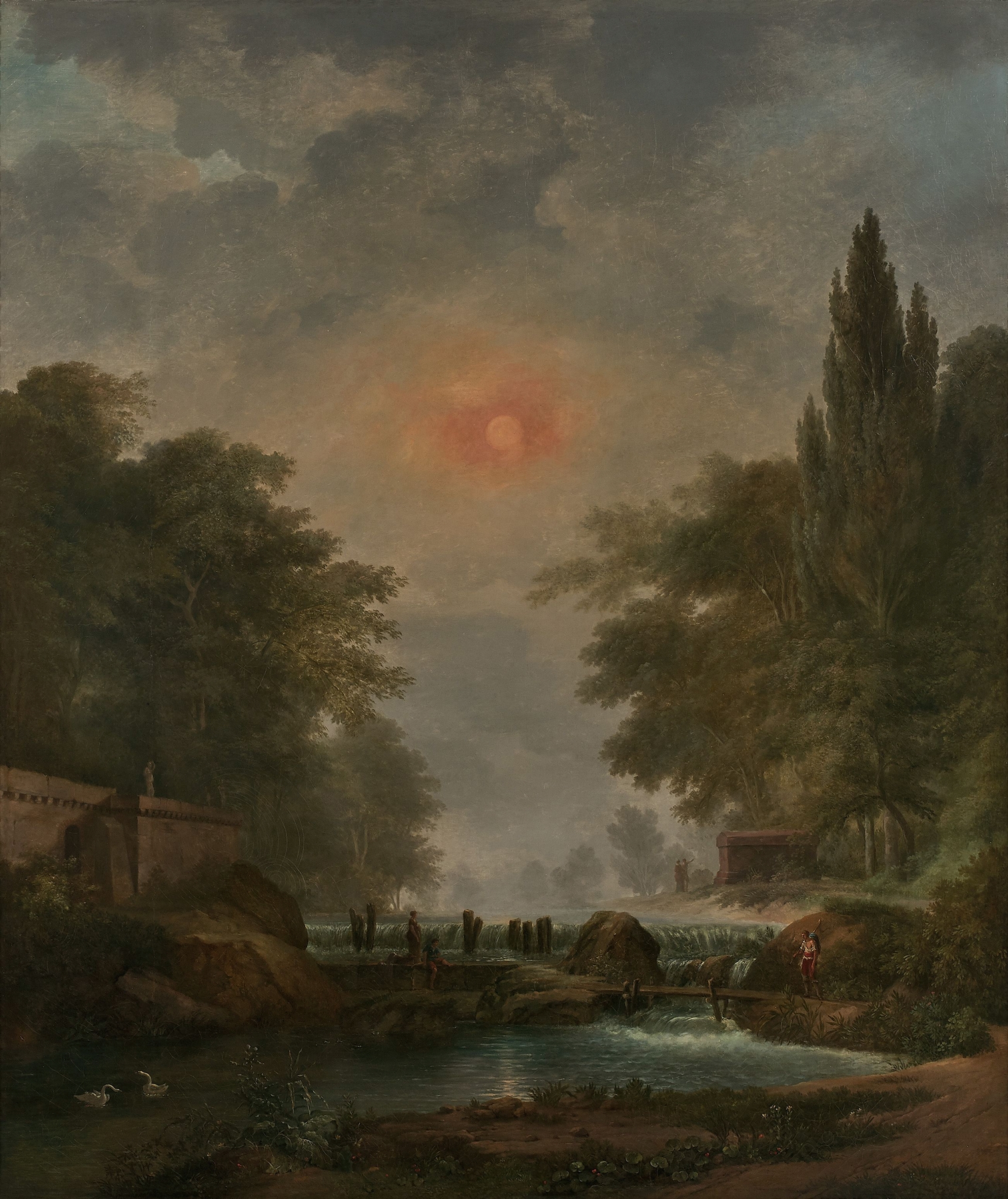
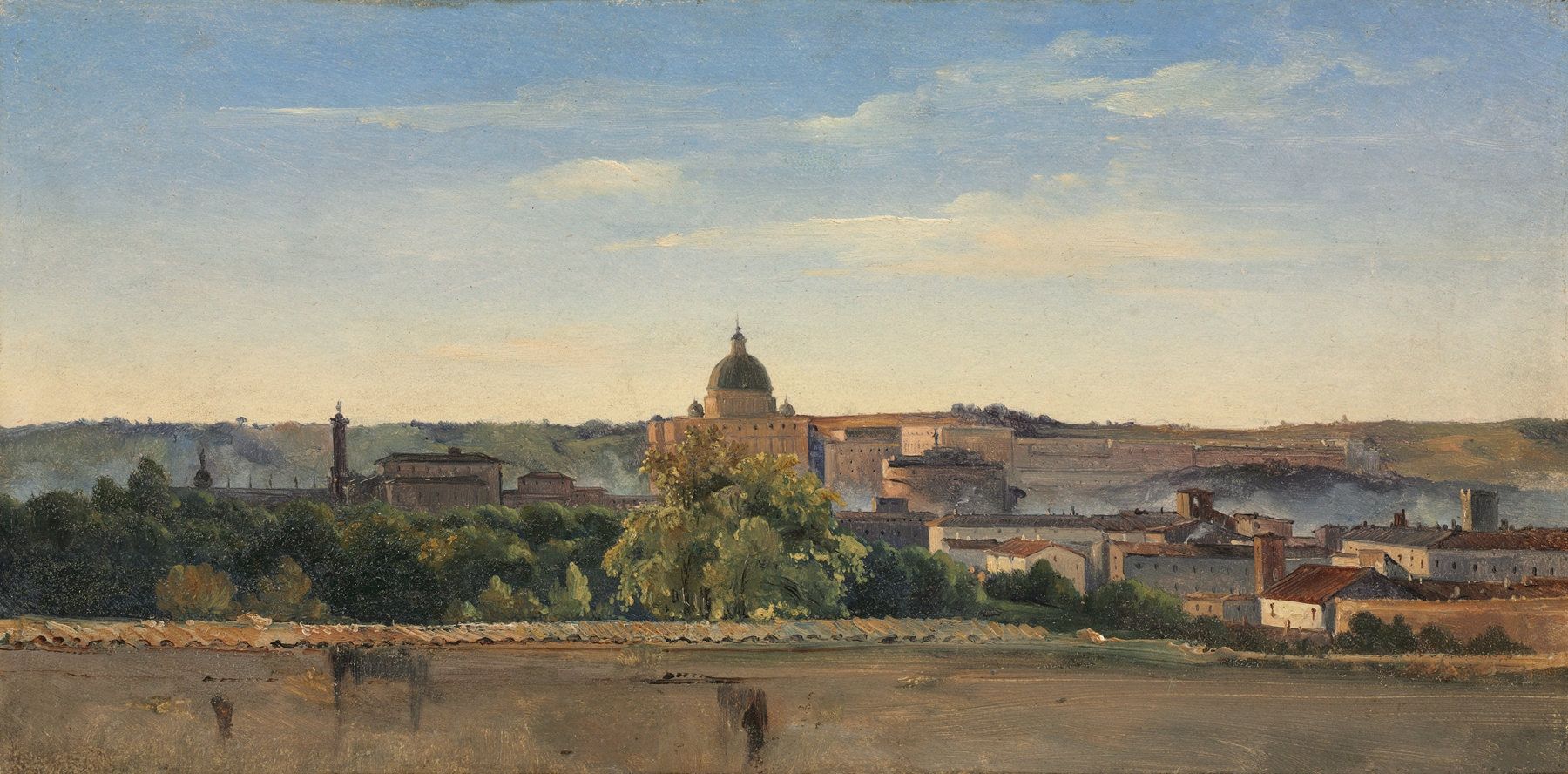
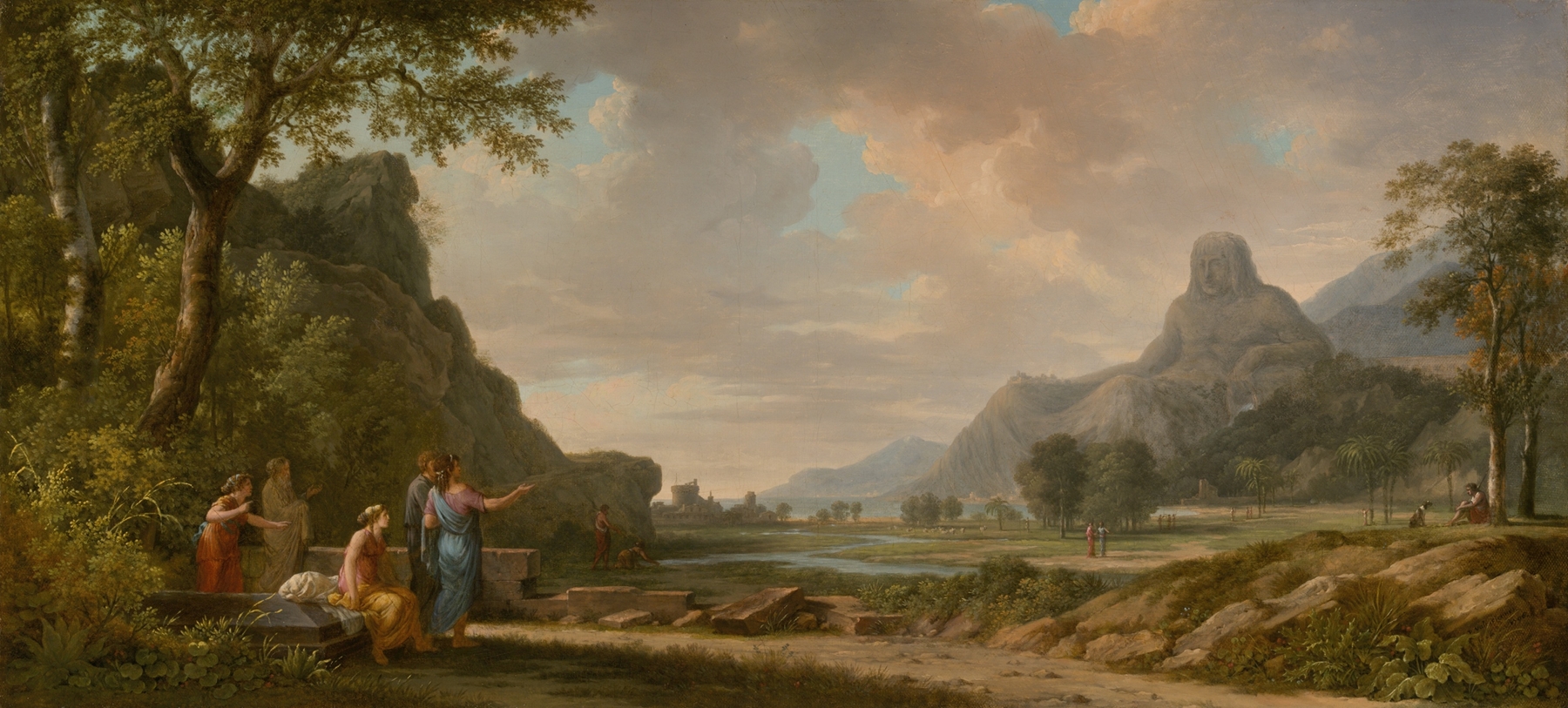
Is this a mirror — or a memory? The delicate interplay of light and shadow invites the viewer to contemplate the very essence of illusion in View of Rome. Look to the center of the canvas and find the majestic grandeur of the Roman skyline, where ancient architecture meets the soft hues of a fading day. The artist employs a harmonious palette of warm golds and cool blues to evoke an ethereal quality, as if the city itself breathes.
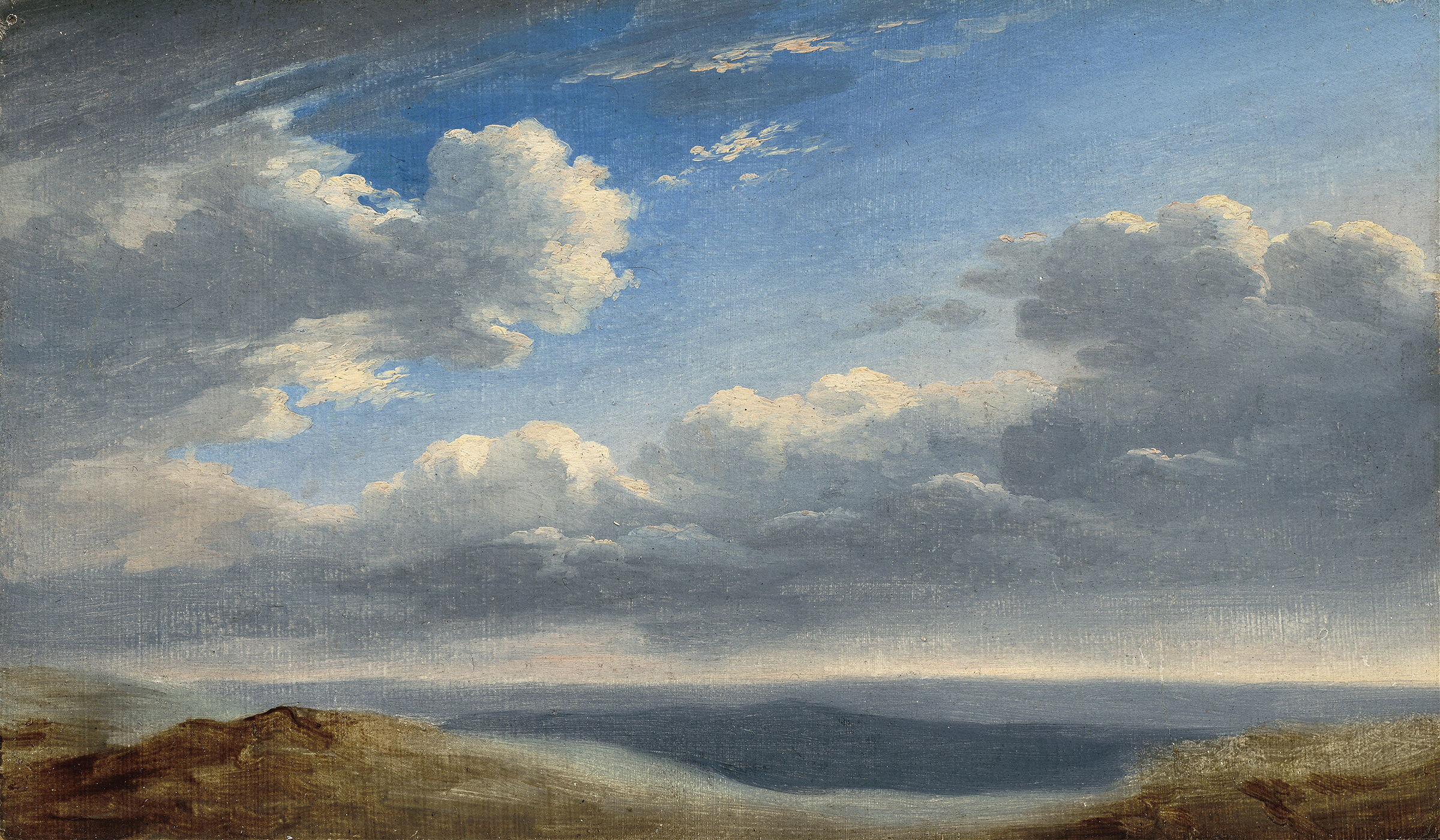
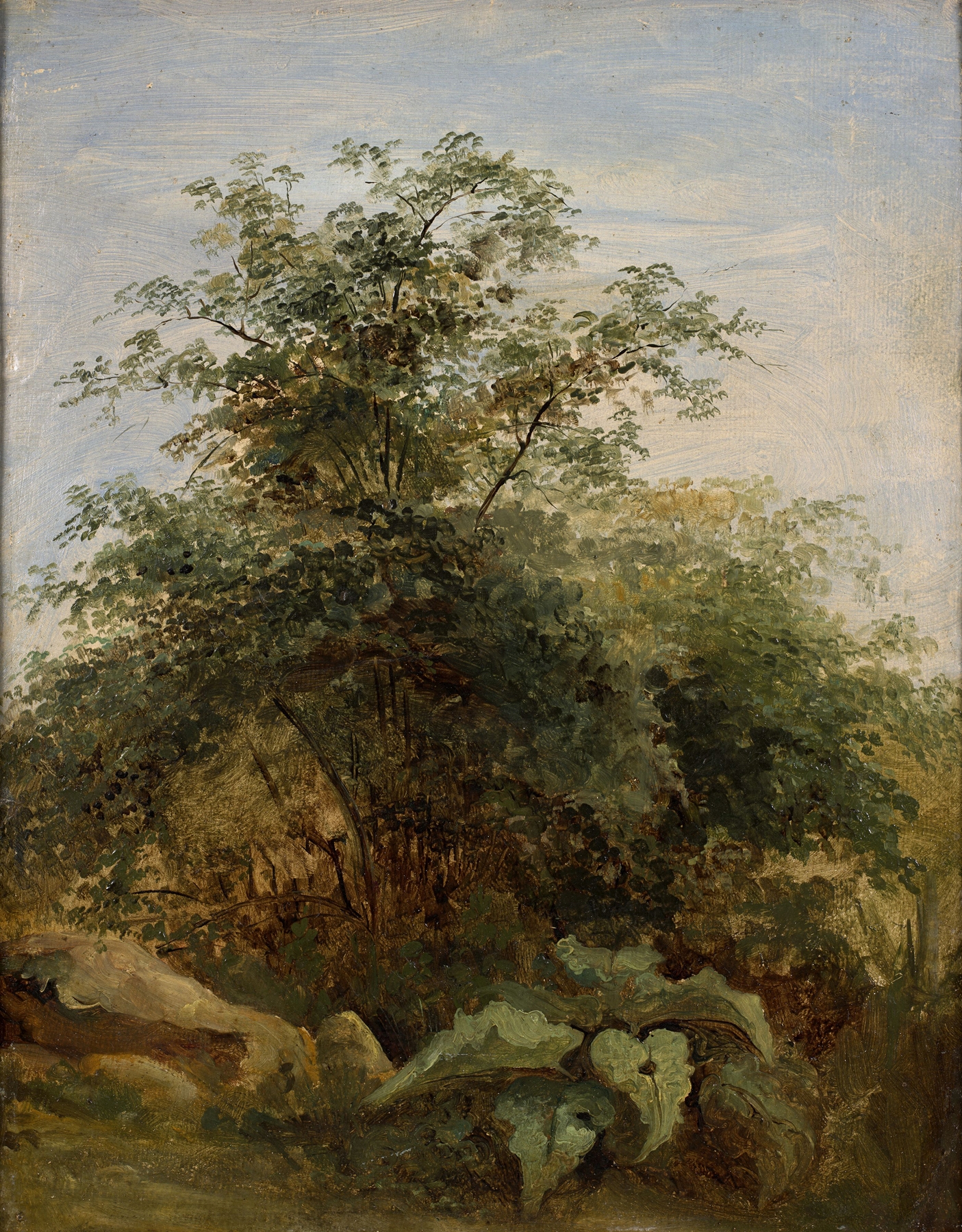
Note how the gentle strokes of the brush define the clouds, while the precise details of the monuments ground this dreamlike vision, creating a tension between reality and reverie. Deeper still, examine the subtle contrasts that lie within the piece. The lush greenery in the foreground juxtaposes the stark, monumental structures in the distance, symbolizing the coexistence of nature and civilization. There’s a dialogue between light and shadow, suggesting both the passage of time and the transient beauty of the city.
These nuanced details invite viewers to reflect on their own memories of this eternal landscape, echoing the artist's intention to capture an illusion that feels both immediate and distant. During the years of 1782 to 1784, Pierre-Henri de Valenciennes was immersed in an artistic climate that celebrated the beauty of landscape painting, influenced heavily by the Neoclassical movement. Living in Rome at the time, he was captivated by its ruins and beauty, and he sought to convey this through his meticulous technique. His work bridges the gap between the Enlightenment's embrace of reason and the Romantic yearning for a connection to the past, reflecting a crucial period of transition within art history.