Classical Landscape with Figures and Sculpture — History & Analysis
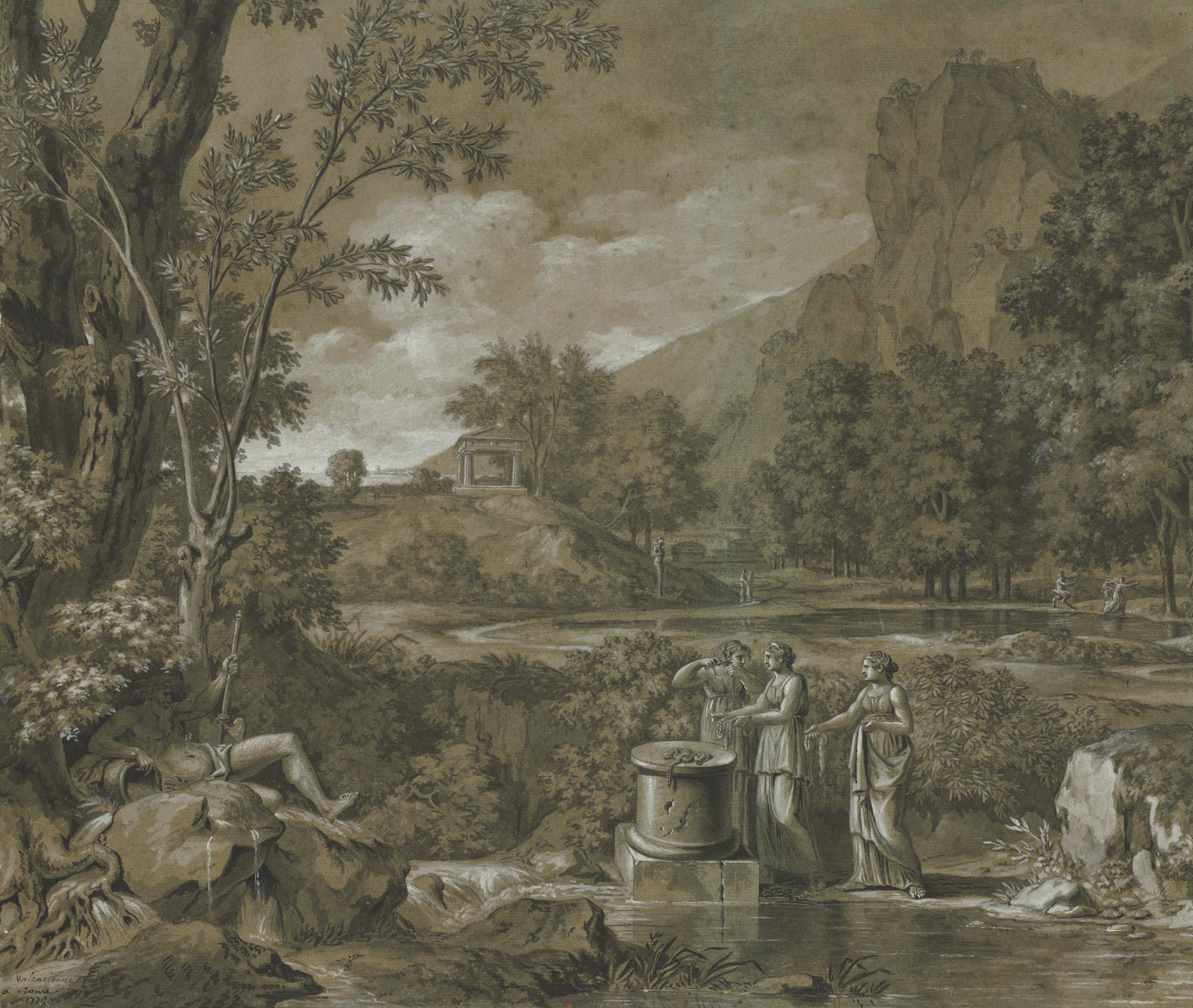
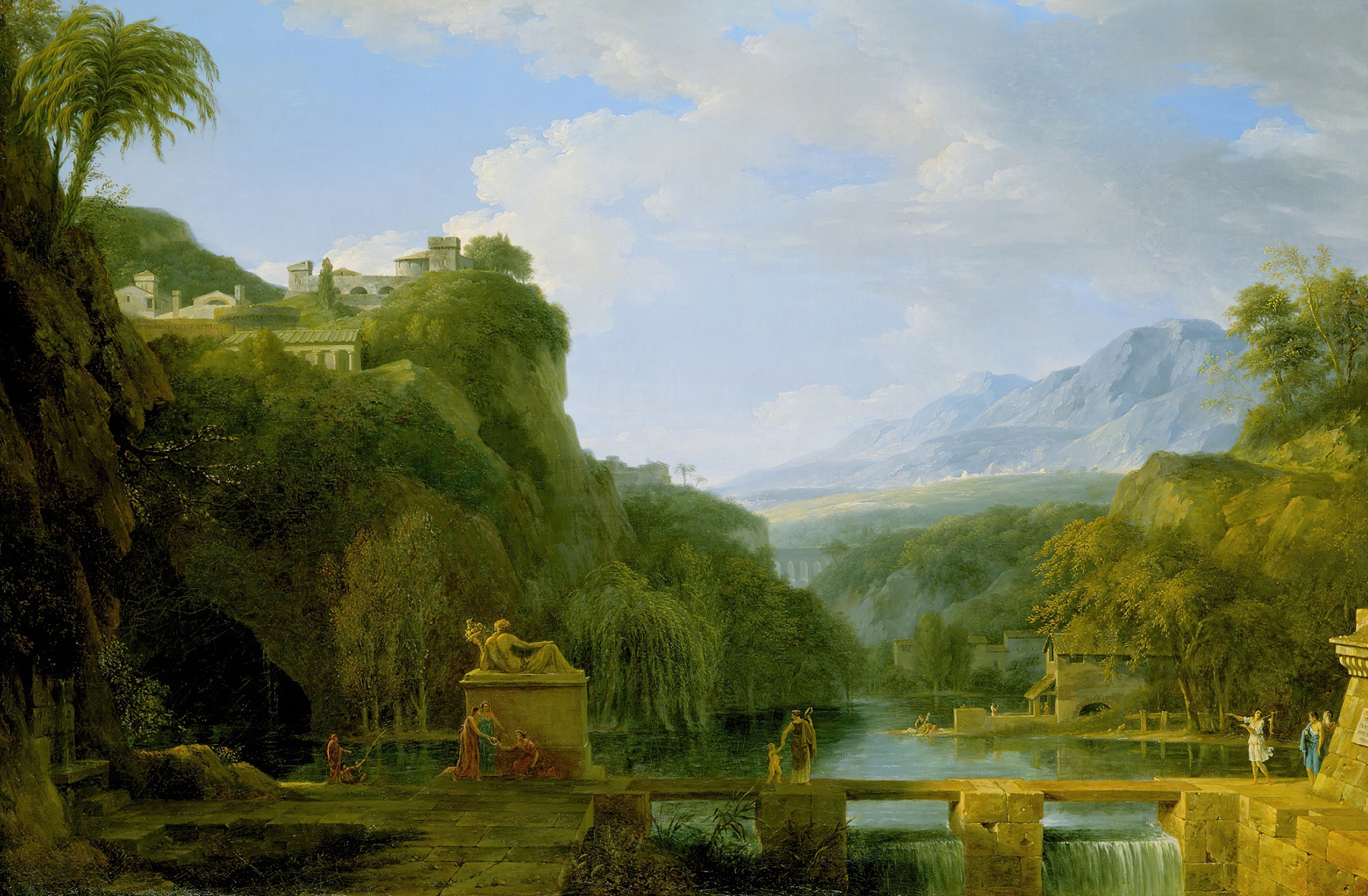
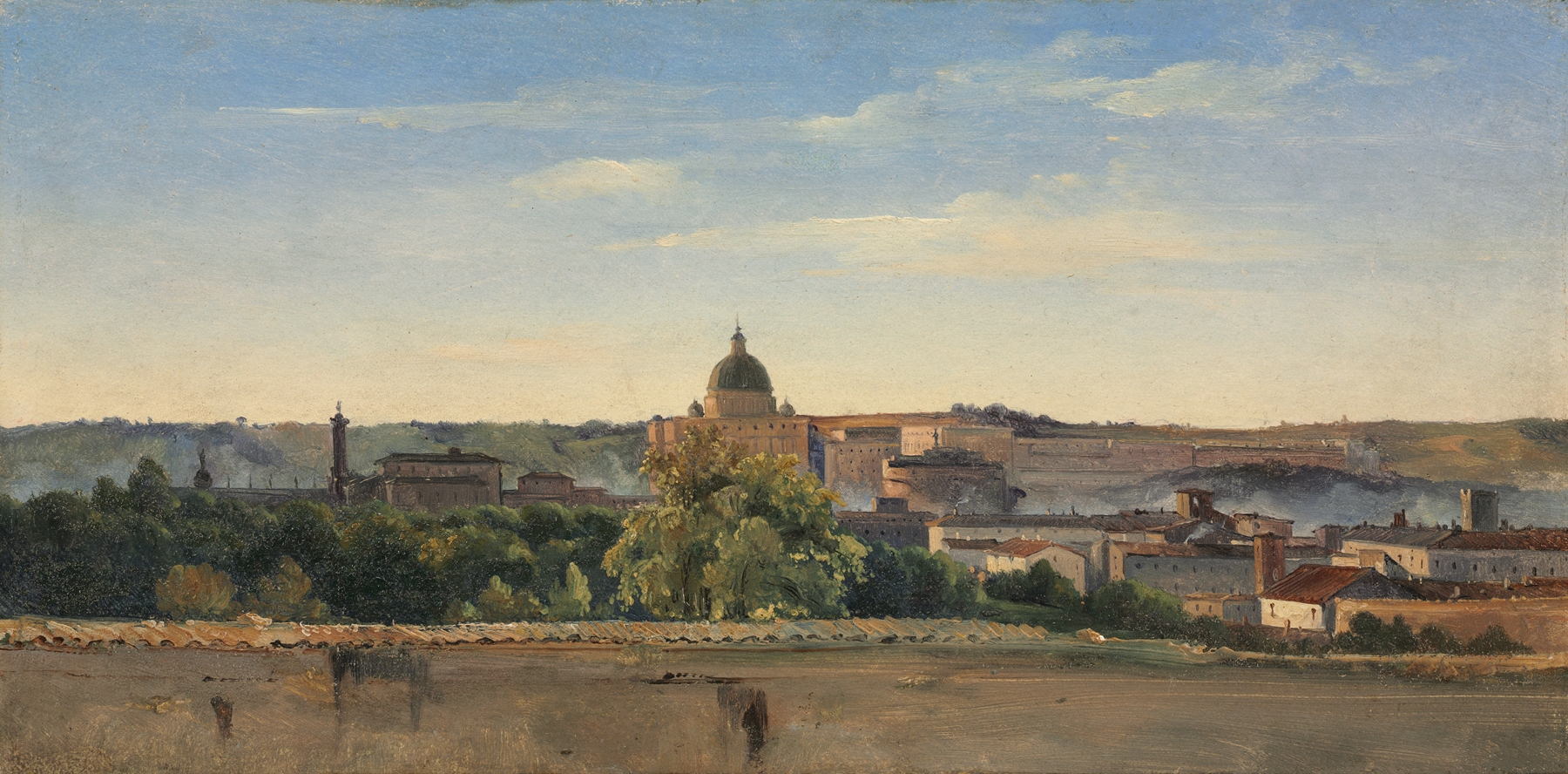
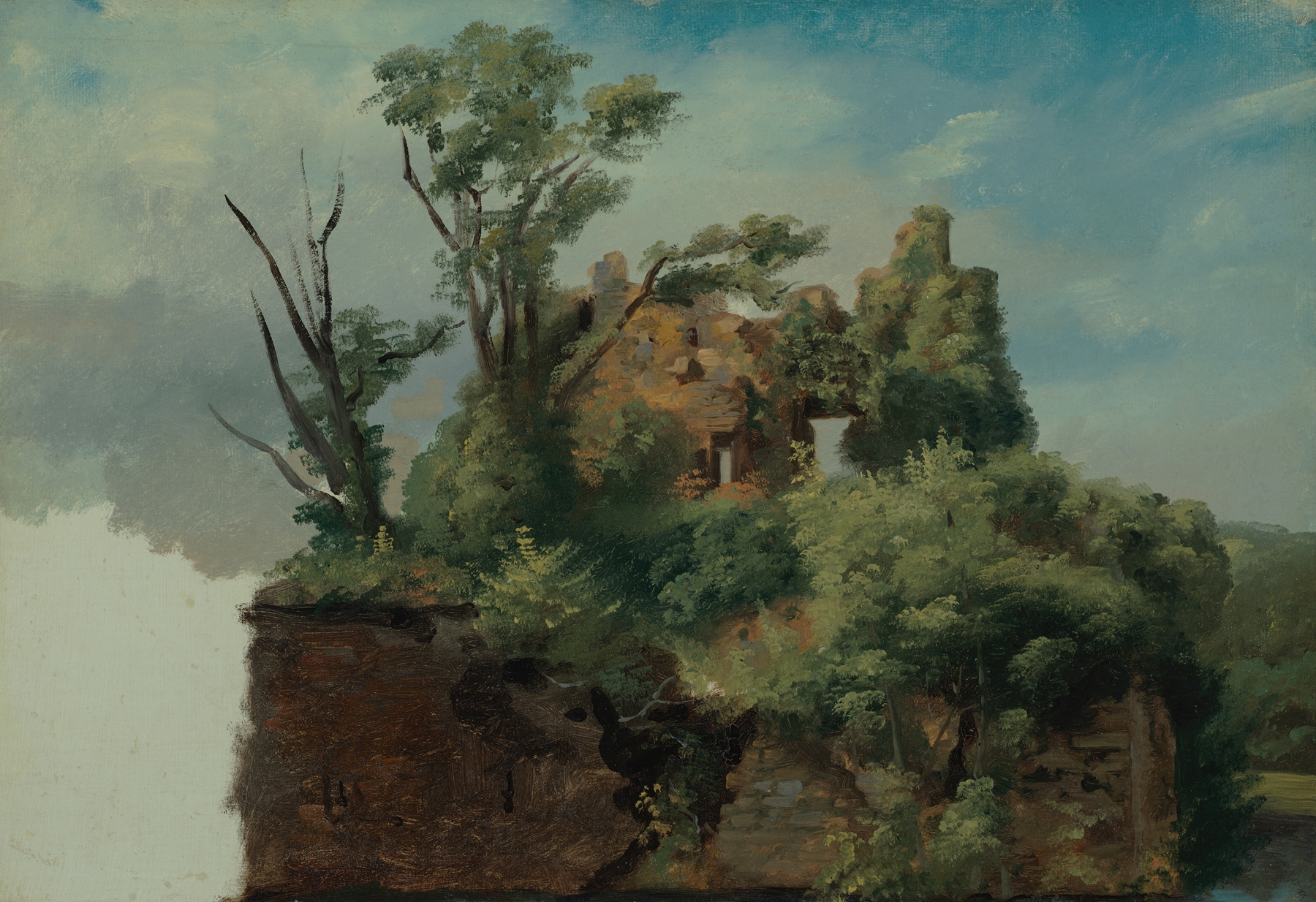
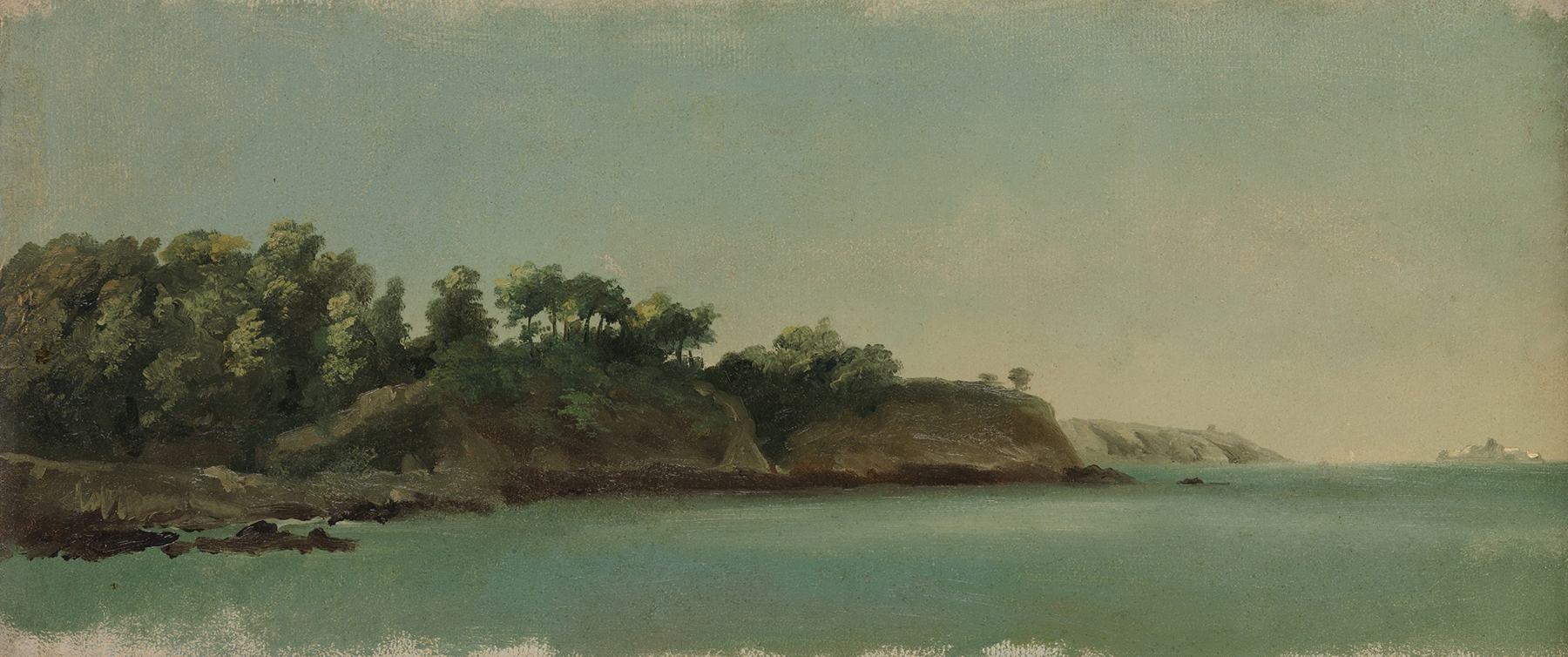
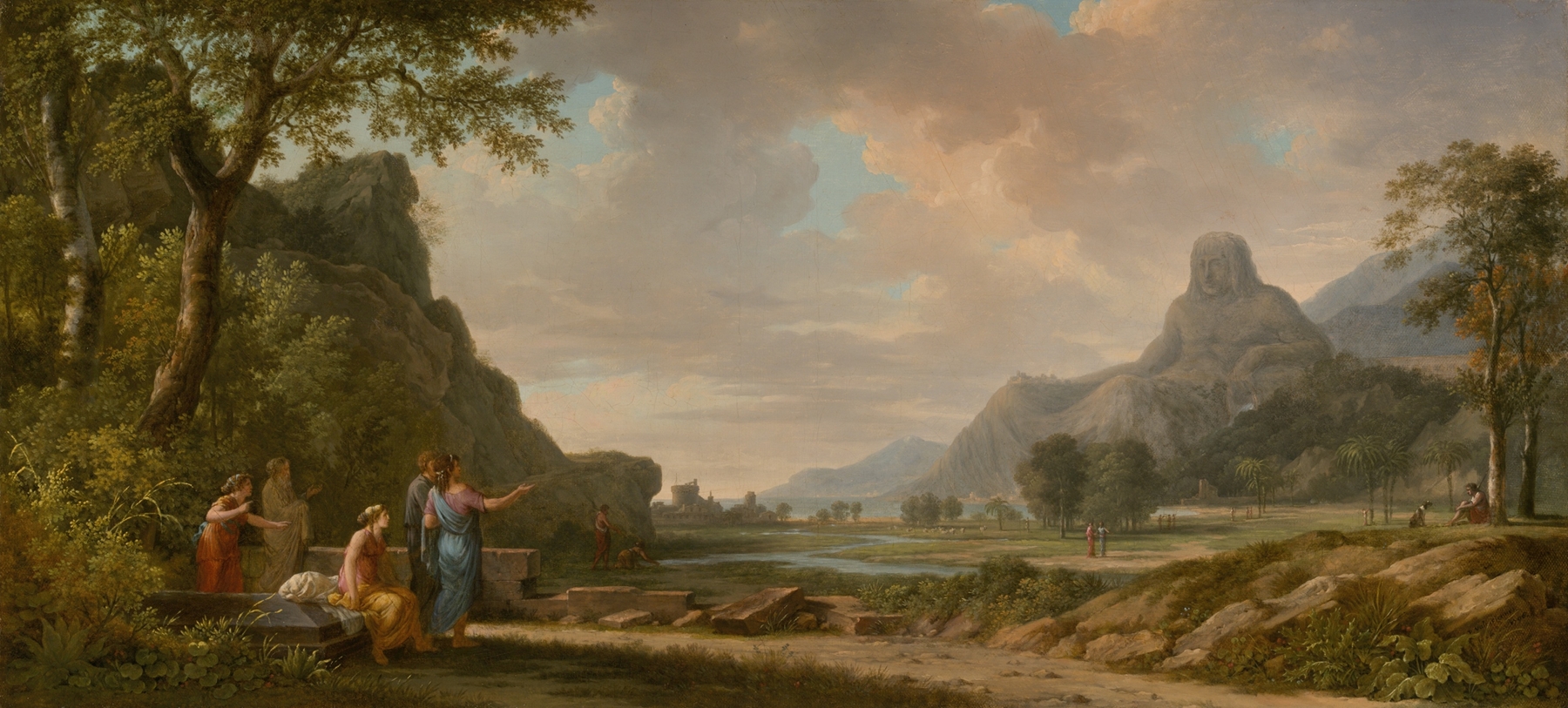
“The canvas doesn’t lie — it simply waits.” In the stillness of a painted moment, transformation unfolds, whispering of untold stories beneath brush strokes and fading light. Look to the left at the lush greenery, where vibrant hues of emerald and moss intertwine, drawing the viewer into a world both serene and dynamic. The distant hills, softly sketched in gentle blues, recede into the horizon, creating a depth that invites contemplation.
Notice how the figures, engaged in conversation, are framed by the elegant sculpture at the center, which stands as a silent witness to their interaction, a bridge between nature and human endeavor. The juxtaposition of the lively figures and the classical sculpture evokes a rich dialogue about permanence and transience. The warmth of the figures contrasts with the cool stone, symbolizing the fleeting nature of human experience against the backdrop of enduring art.
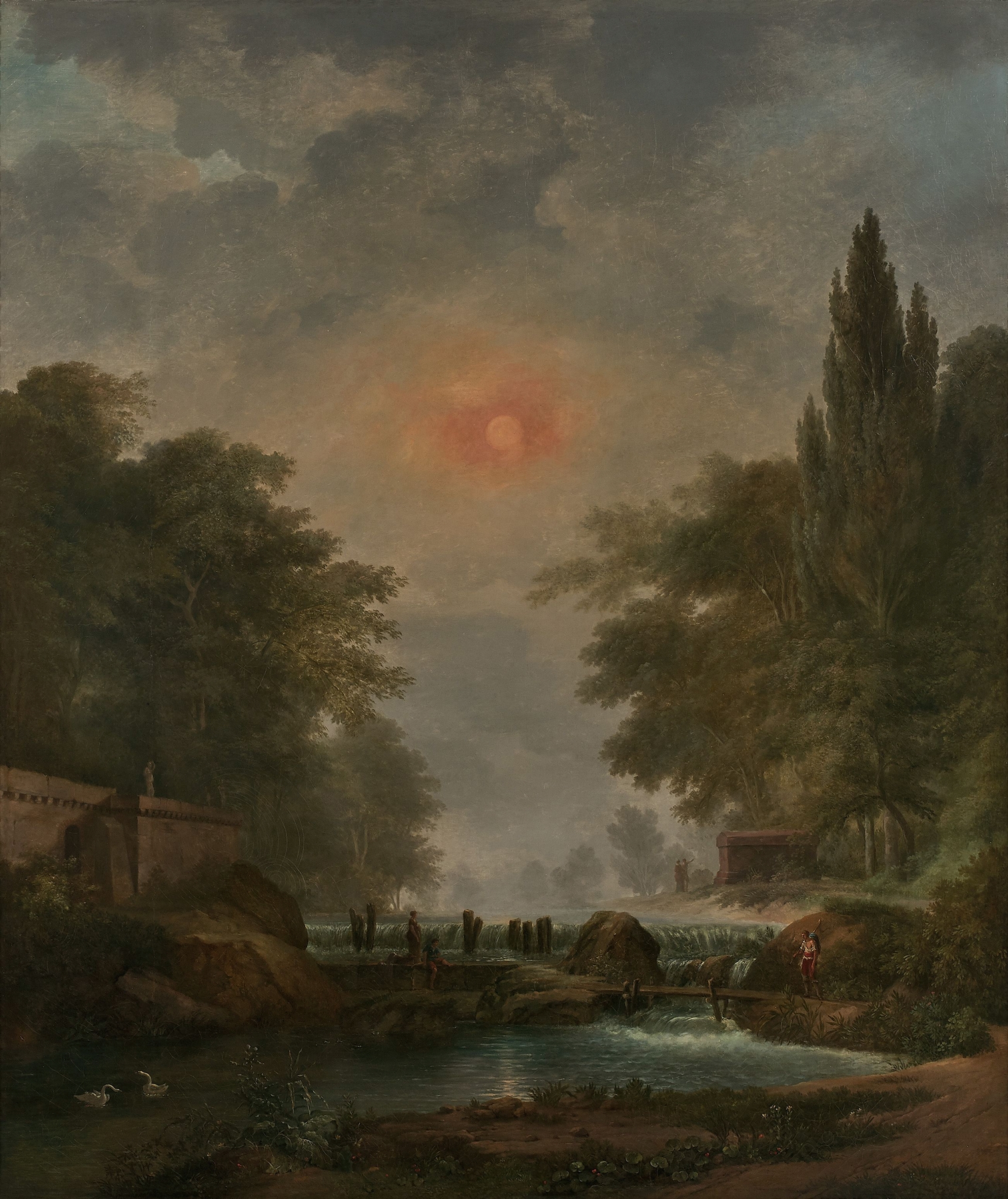
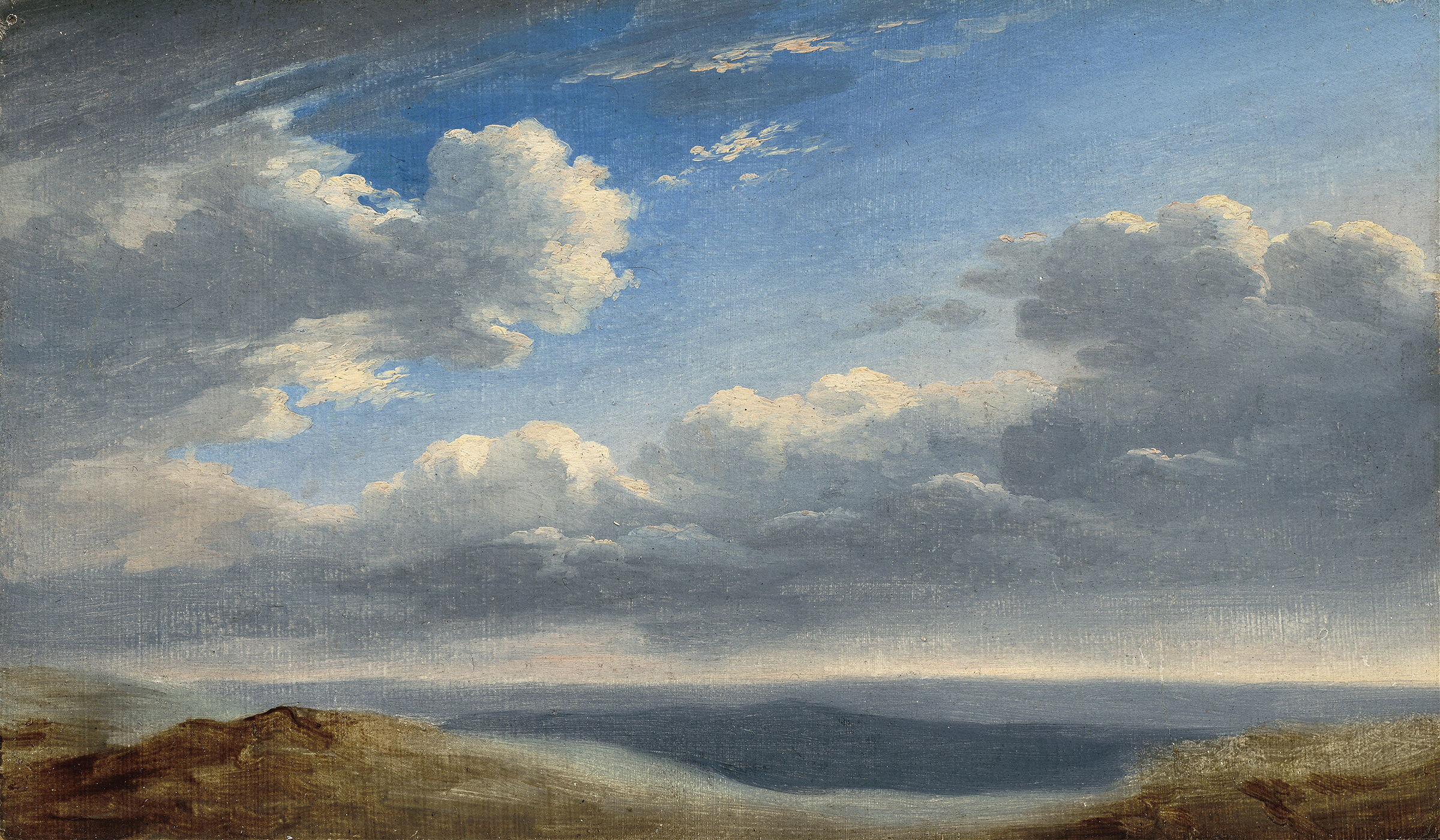
Sunlight filters through the trees, casting soft shadows that dance around the scene, reminding us of the passage of time and the transformations it brings. During the late 18th century, when this artwork was conceived, Pierre-Henri de Valenciennes was deeply immersed in the ideals of neoclassicism, seeking to harmonize nature with artistic perfection. Working primarily in France, he was influenced by the Enlightenment’s emphasis on reason and beauty, while also navigating the evolving art world that increasingly valued realism and emotional expression.