The Banks of the Rance, Brittany — History & Analysis
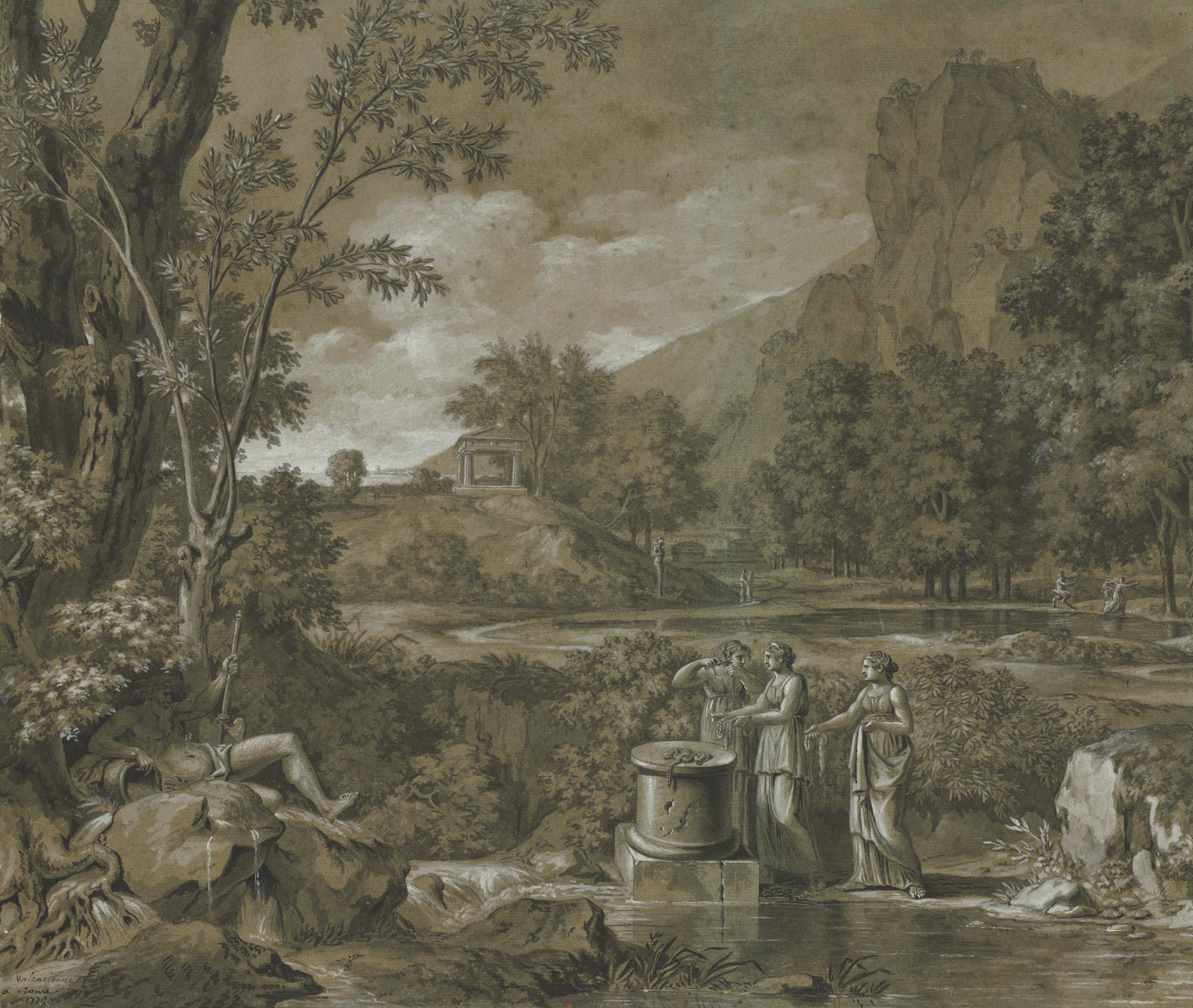
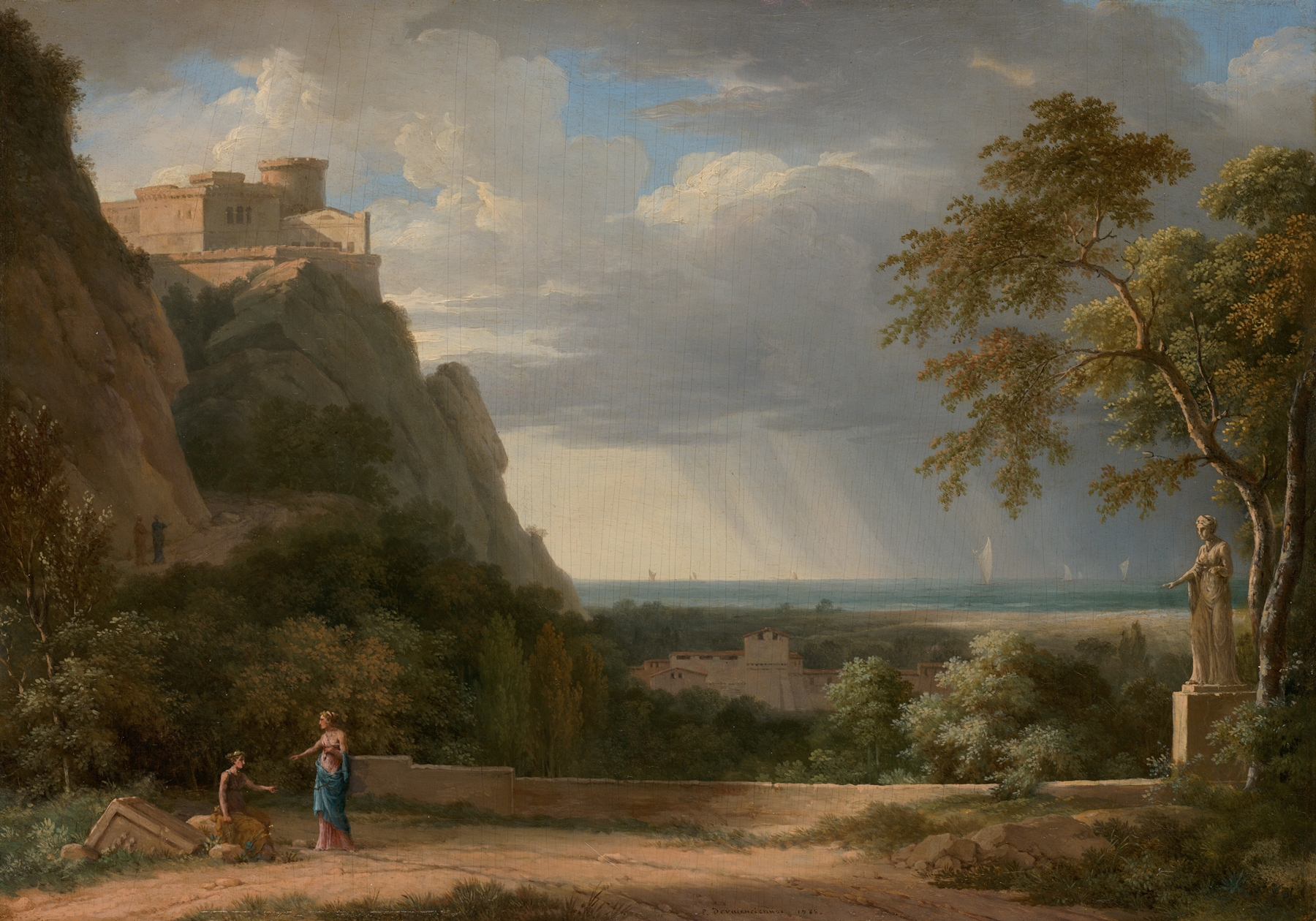
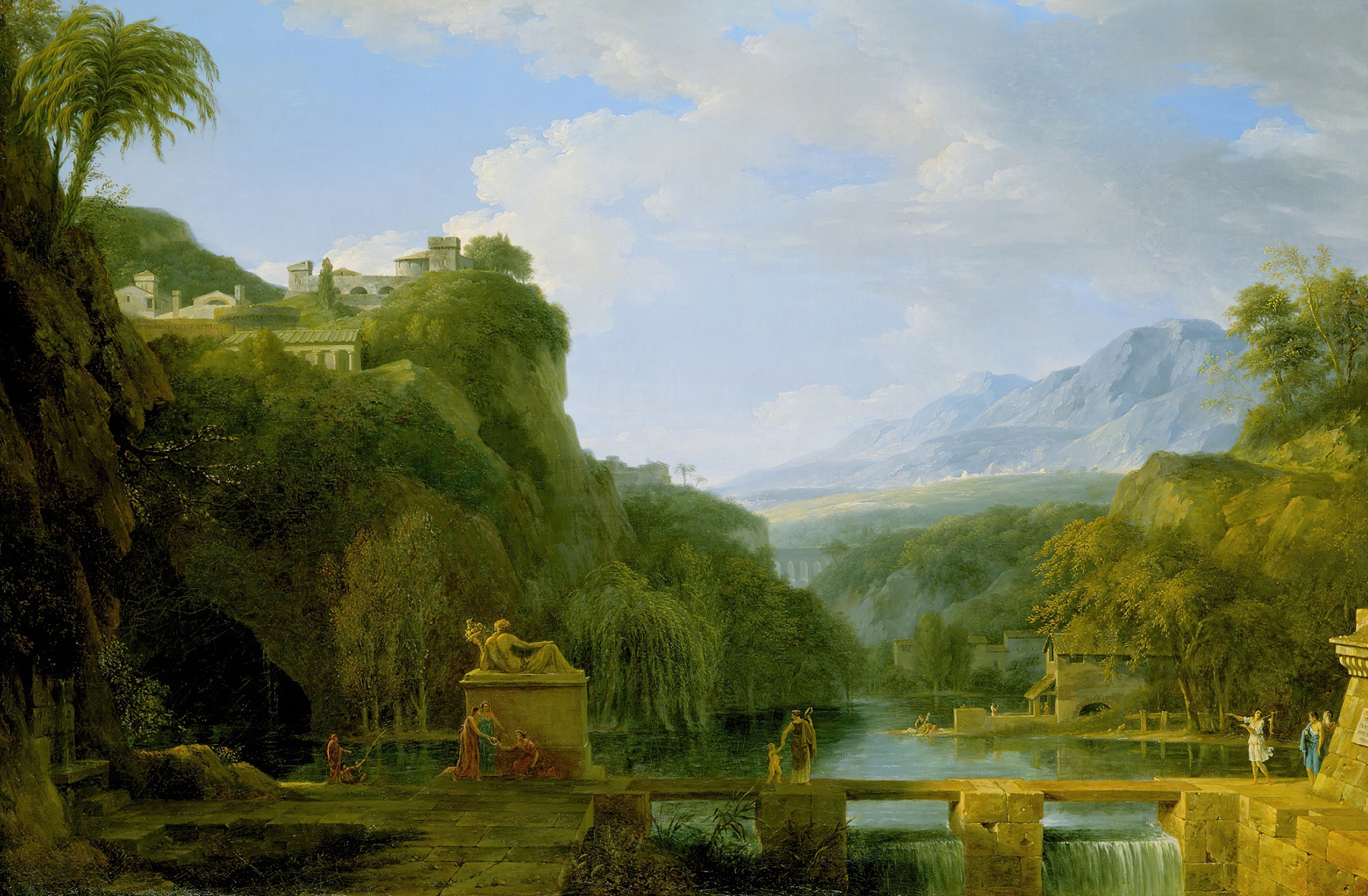
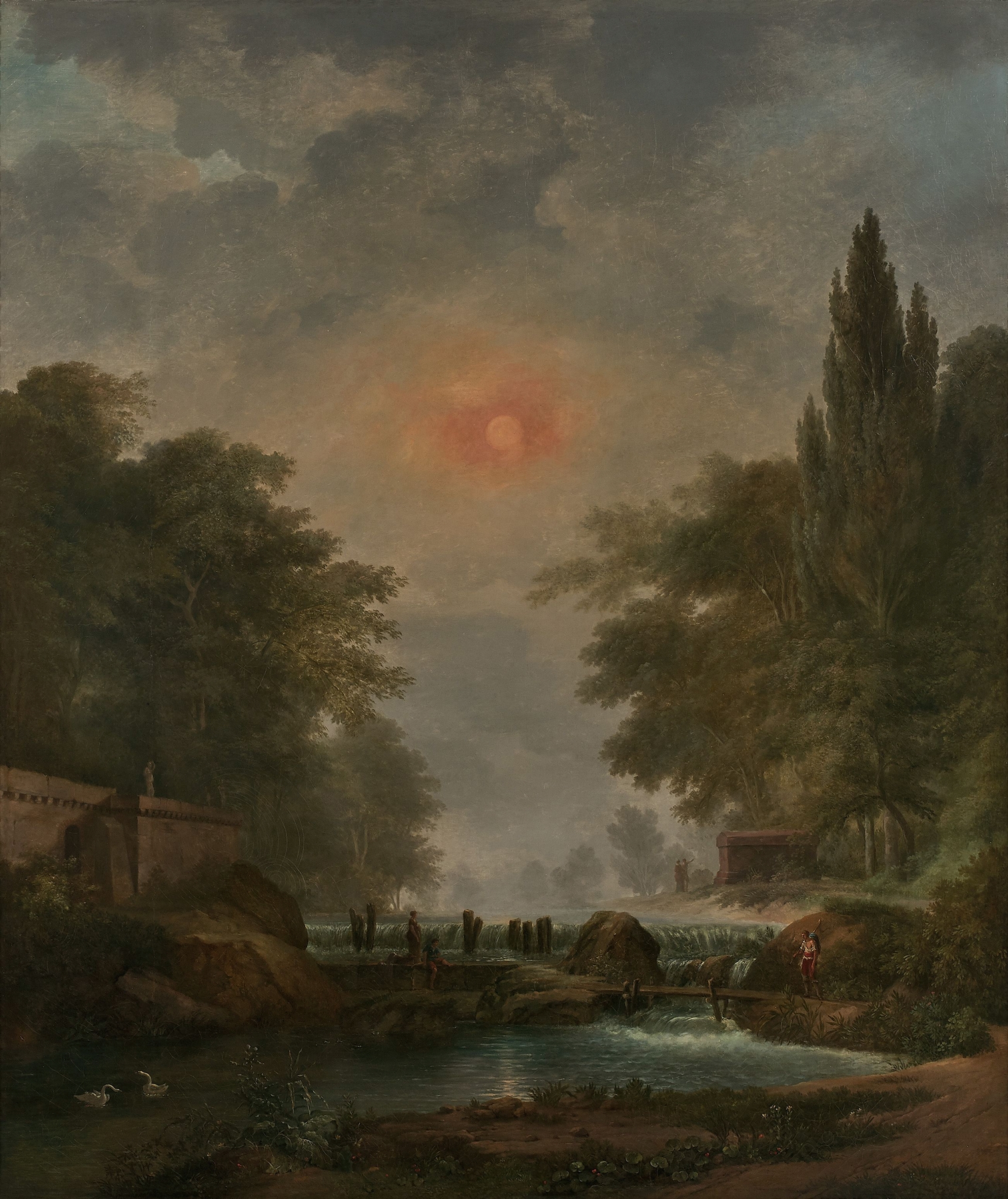
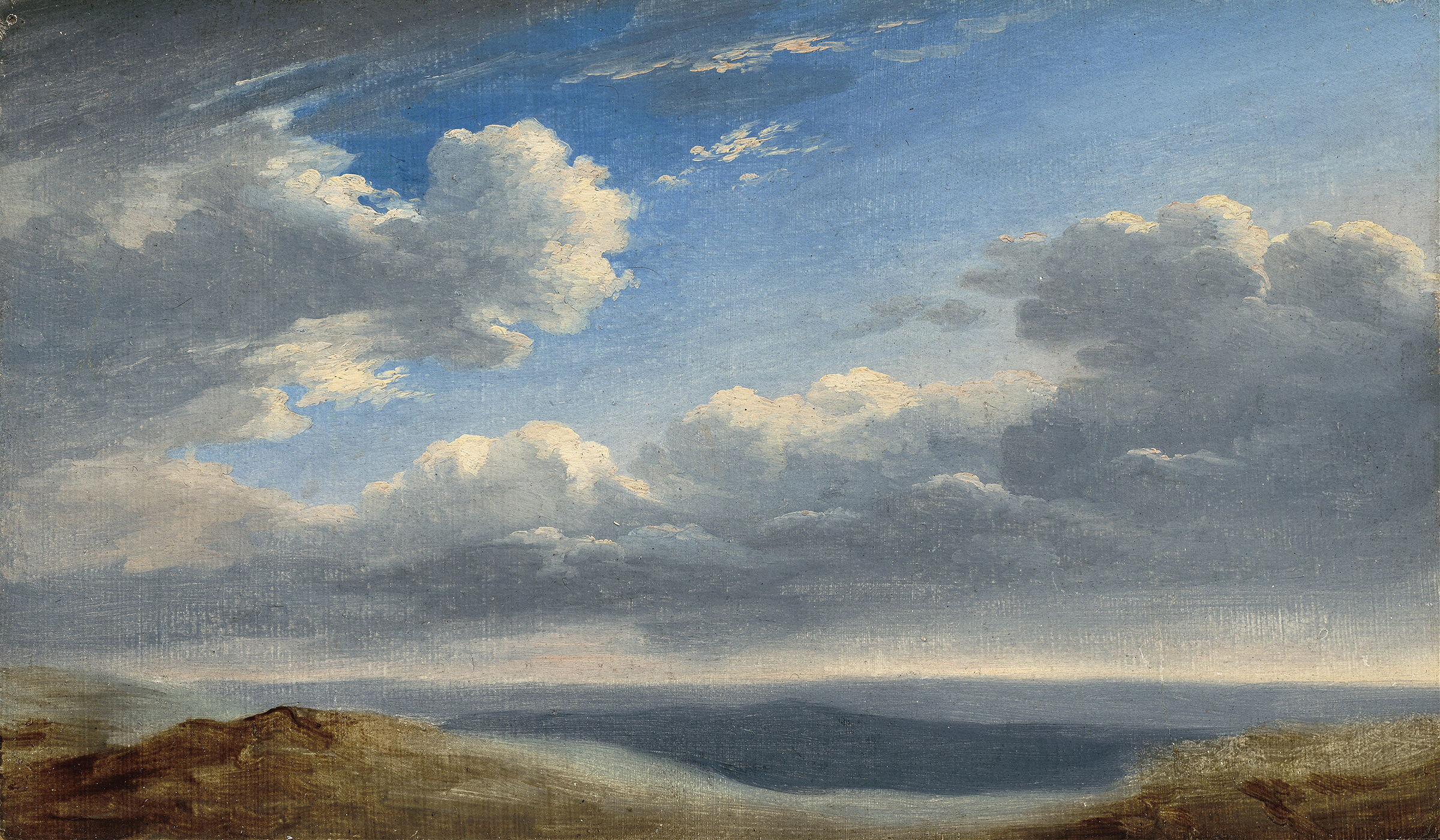
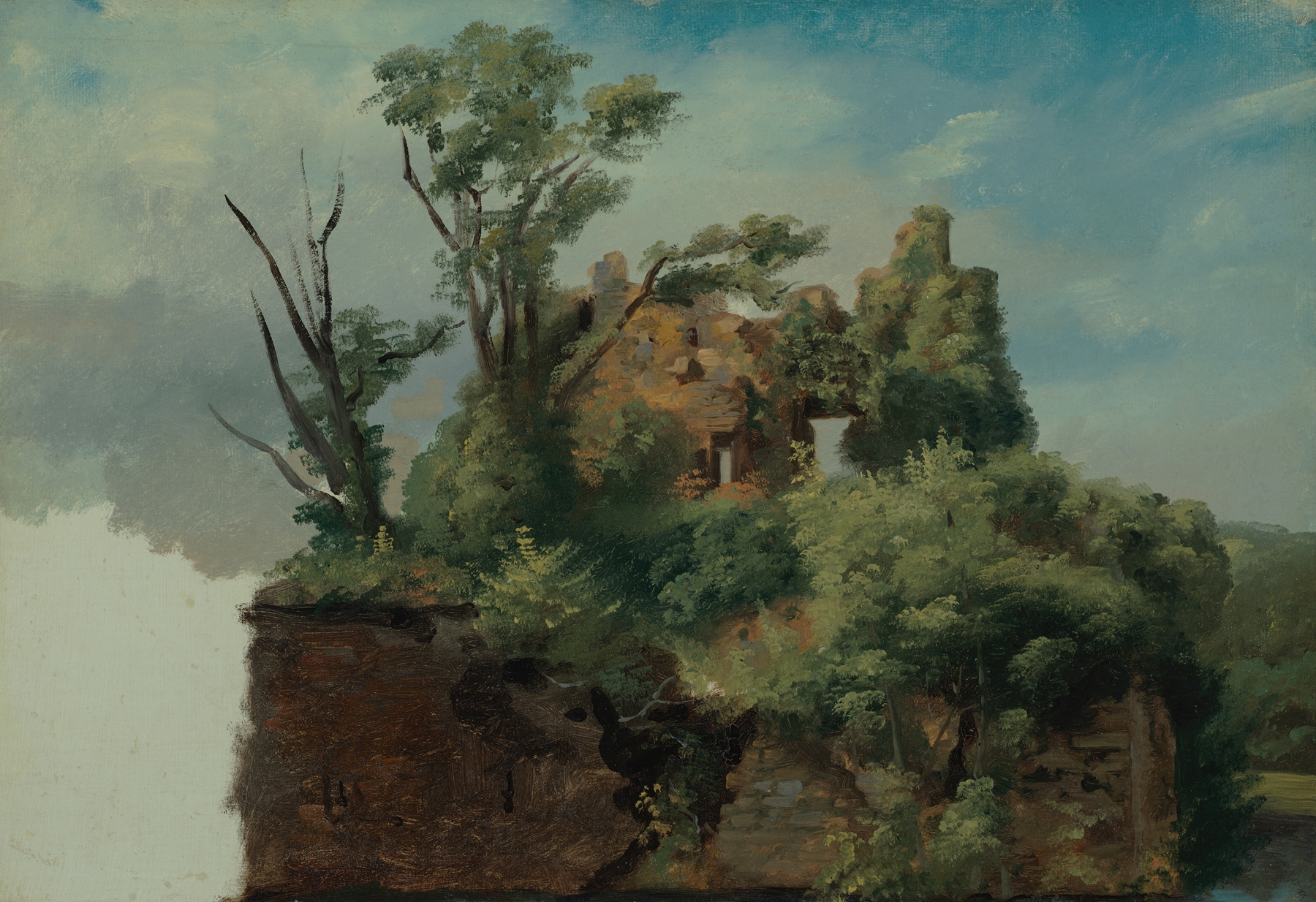
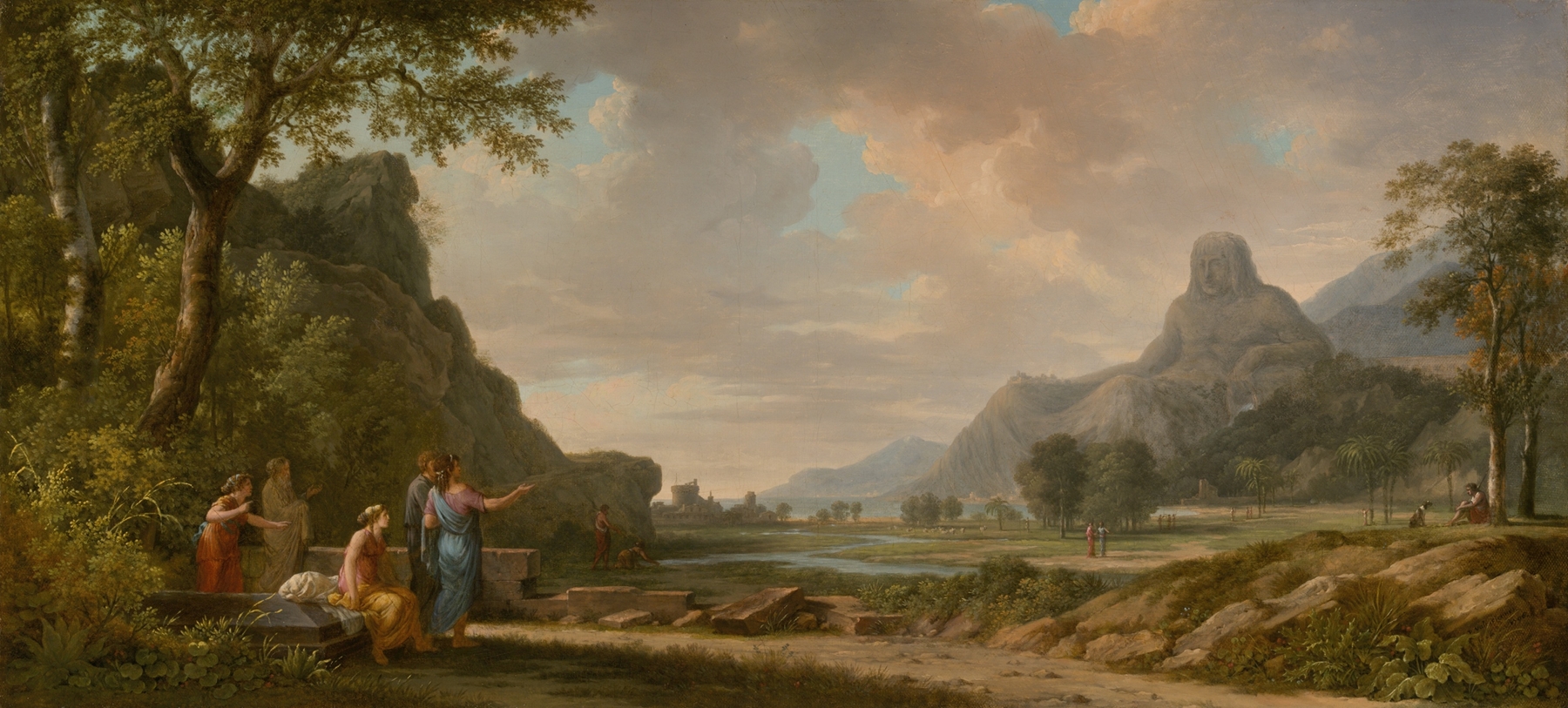
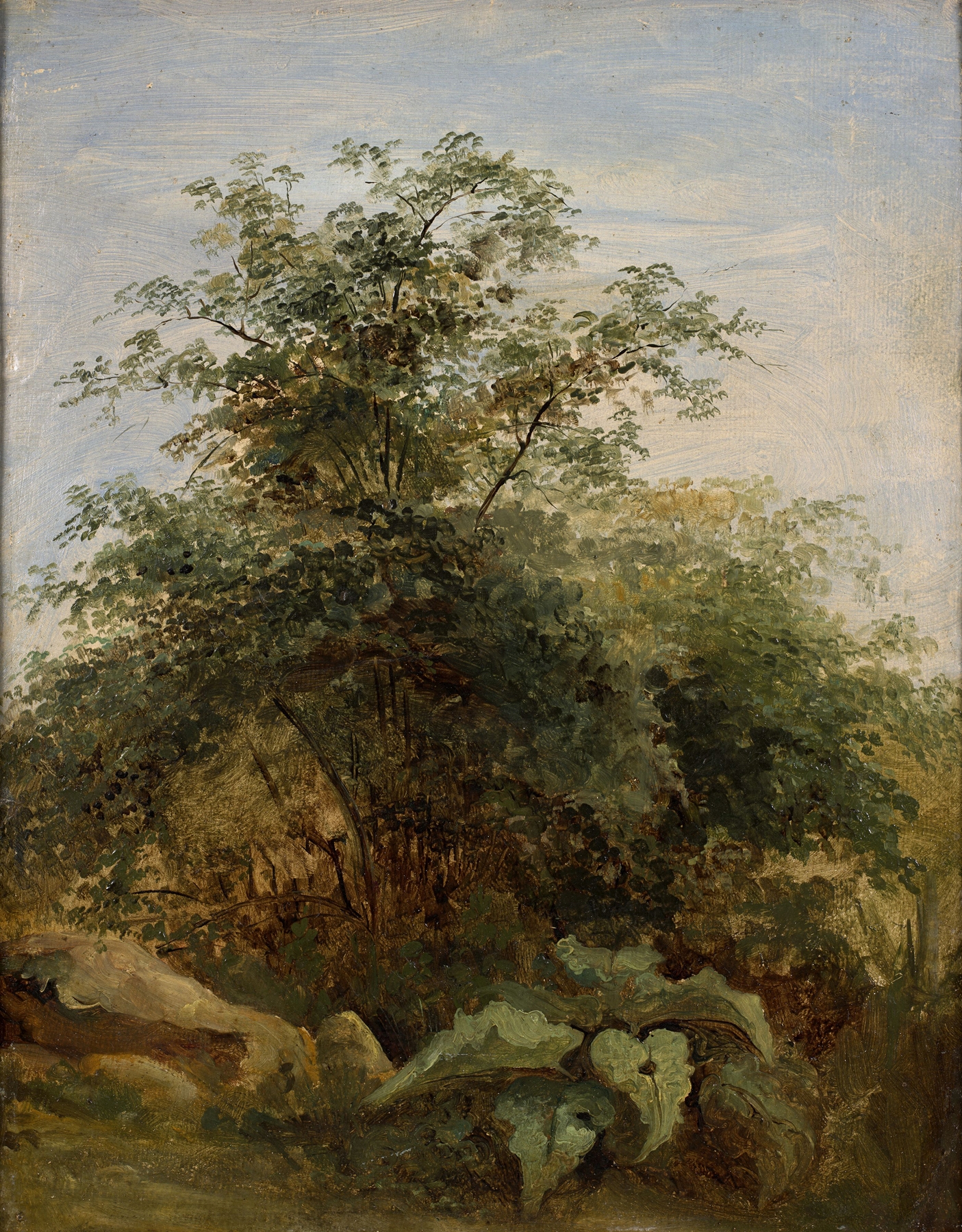
“Sometimes beauty is just pain, disguised in gold.” In The Banks of the Rance, Brittany, this notion dances delicately across the canvas, where tranquility coexists with underlying tension, echoing the duality of nature itself. Look to the left at the gentle curve of the river, its waters shimmering with a soft golden light that invites serenity. Notice how the trees frame the scene, their rich greens contrasted against the warm tones of the sky, where clouds drift lazily, casting shadows that hint at an unseen tempest. The brushwork is fluid yet precise, capturing the essence of the landscape while suggesting an inevitable shift, a rift in what appears to be an idyllic moment.
The stillness of the scene belies the violence lurking beneath the surface. The juxtaposition of the serene river and the foreboding clouds evokes a sense of impending storm, a reminder of nature's power. Each element, from the slight ripple of the water to the darkening horizon, whispers of conflict, urging the viewer to consider what lies beyond the frame. In this way, the painting speaks of the beauty found not just in stillness, but in the raw energy of nature's untamed soul.
Pierre-Henri de Valenciennes created this work in 1785 while living in France, a time marked by revolutionary fervor and societal upheaval. The artist was integrating the neoclassical ideals of the time with the emerging romantic sensibilities, which sought to immerse viewers in nature's grandeur and complexity. This painting captures not only the landscape of Brittany but also a moment where art reflected the broader struggles of existence, inviting contemplation on beauty and chaos intertwined.