Study of Clouds over the Roman Campagna — History & Analysis
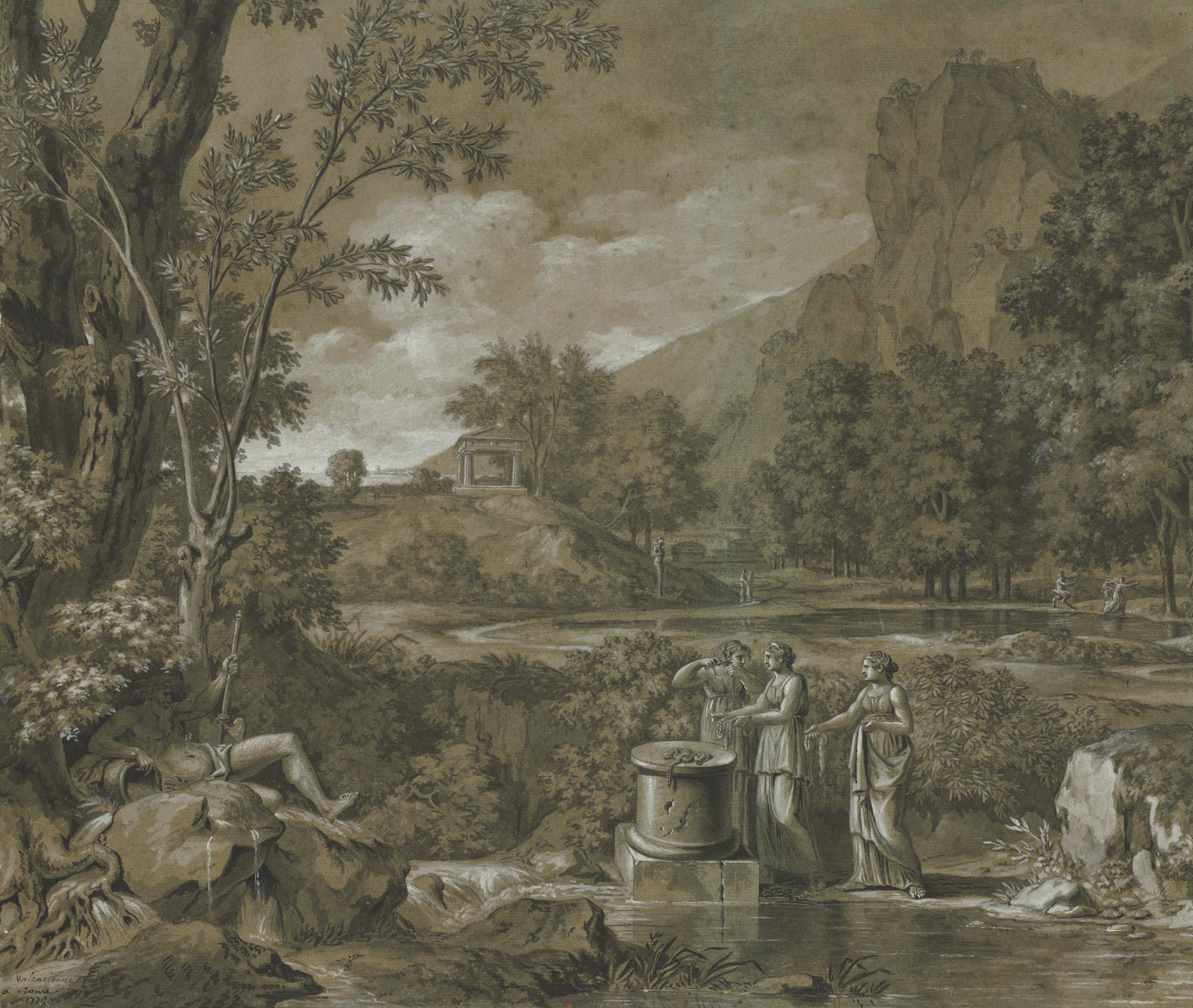
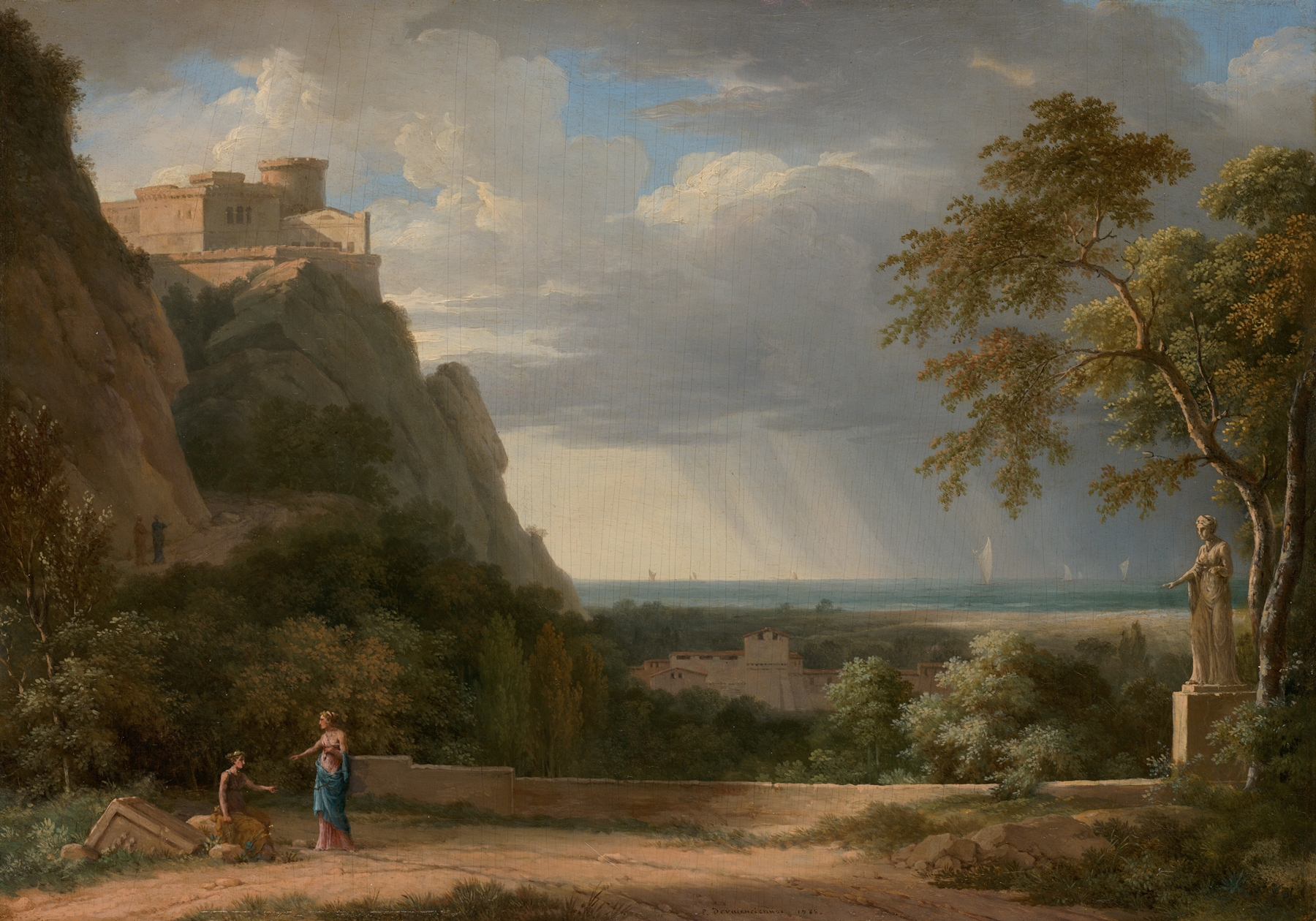
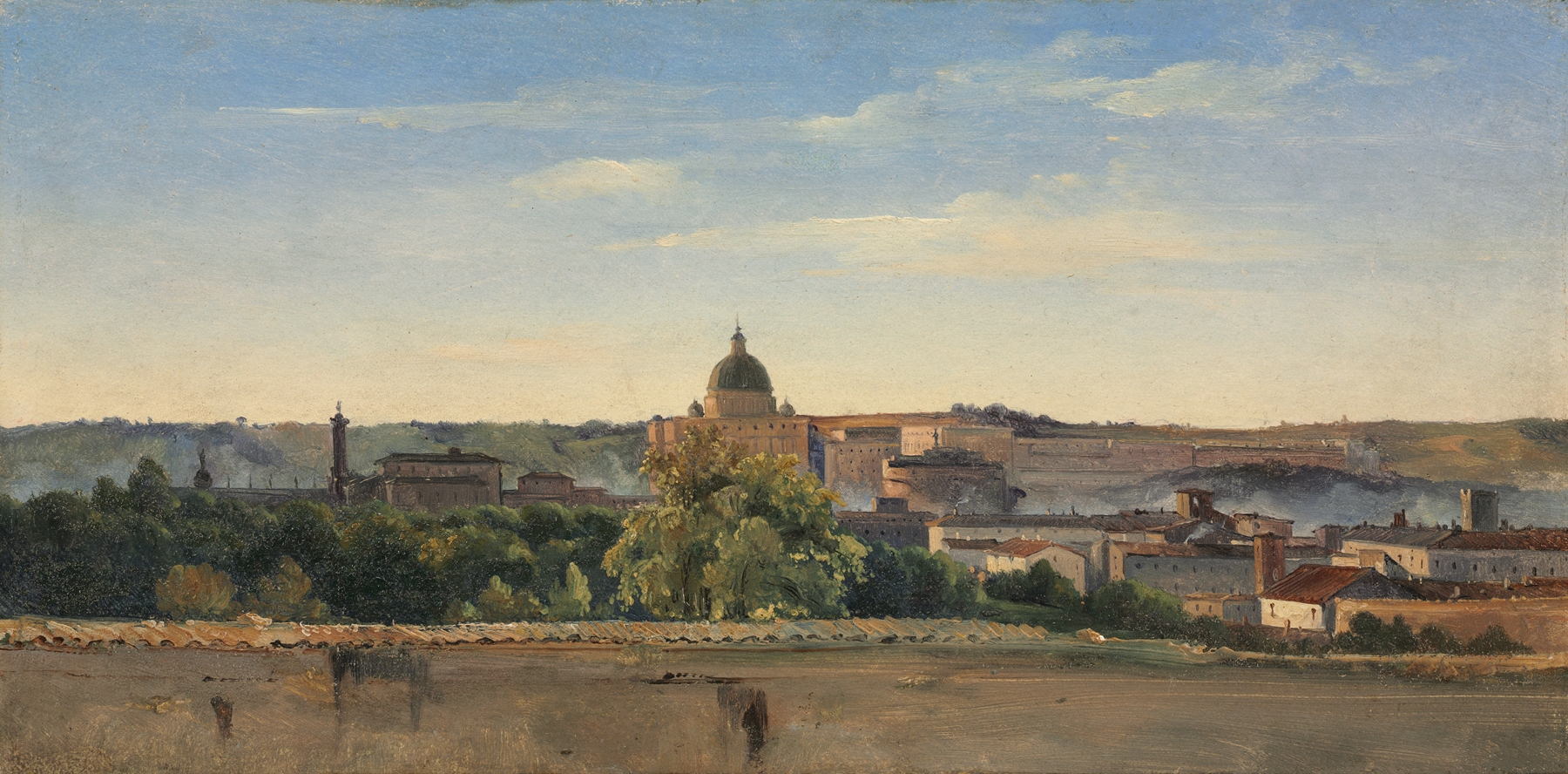
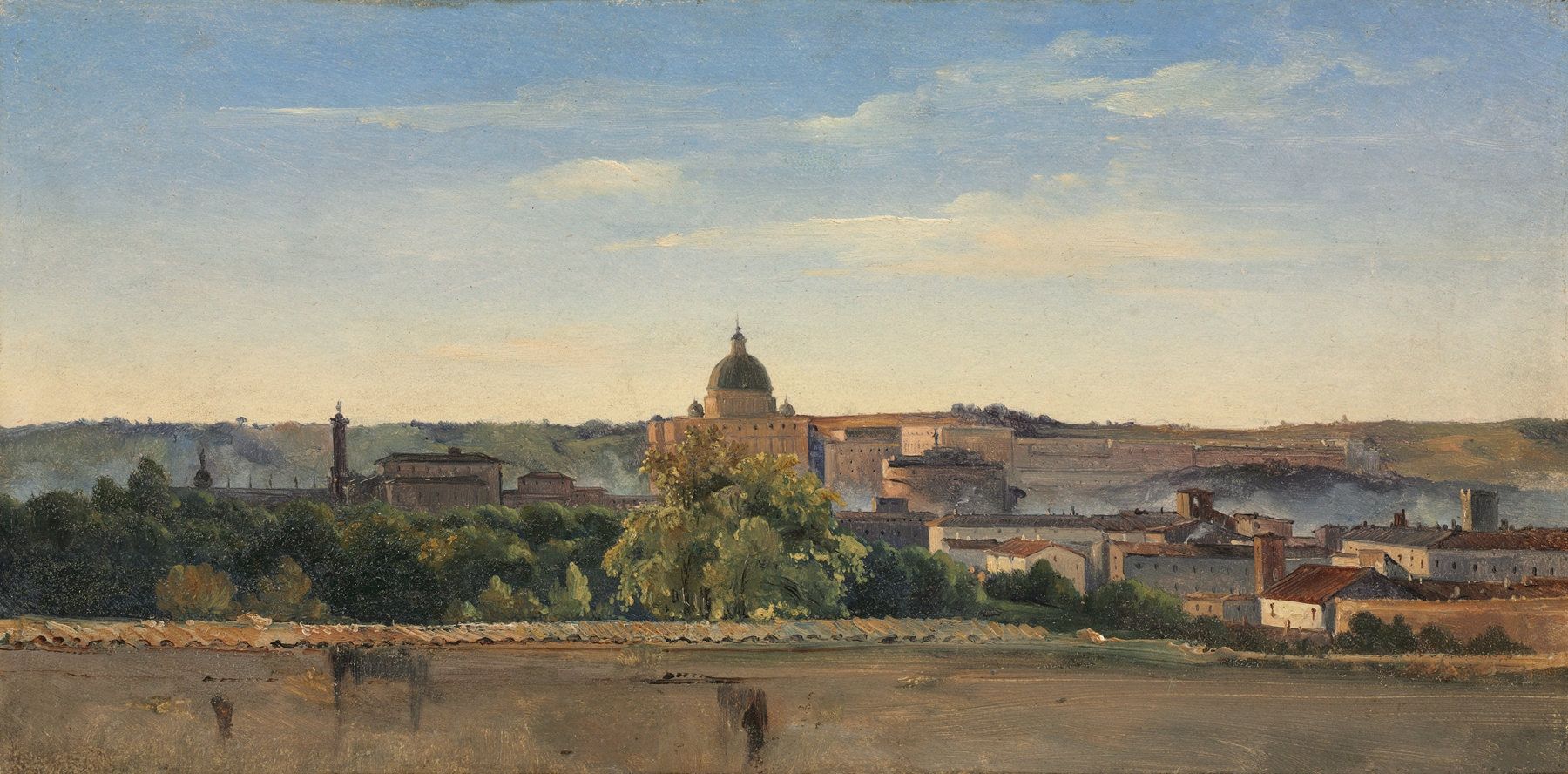
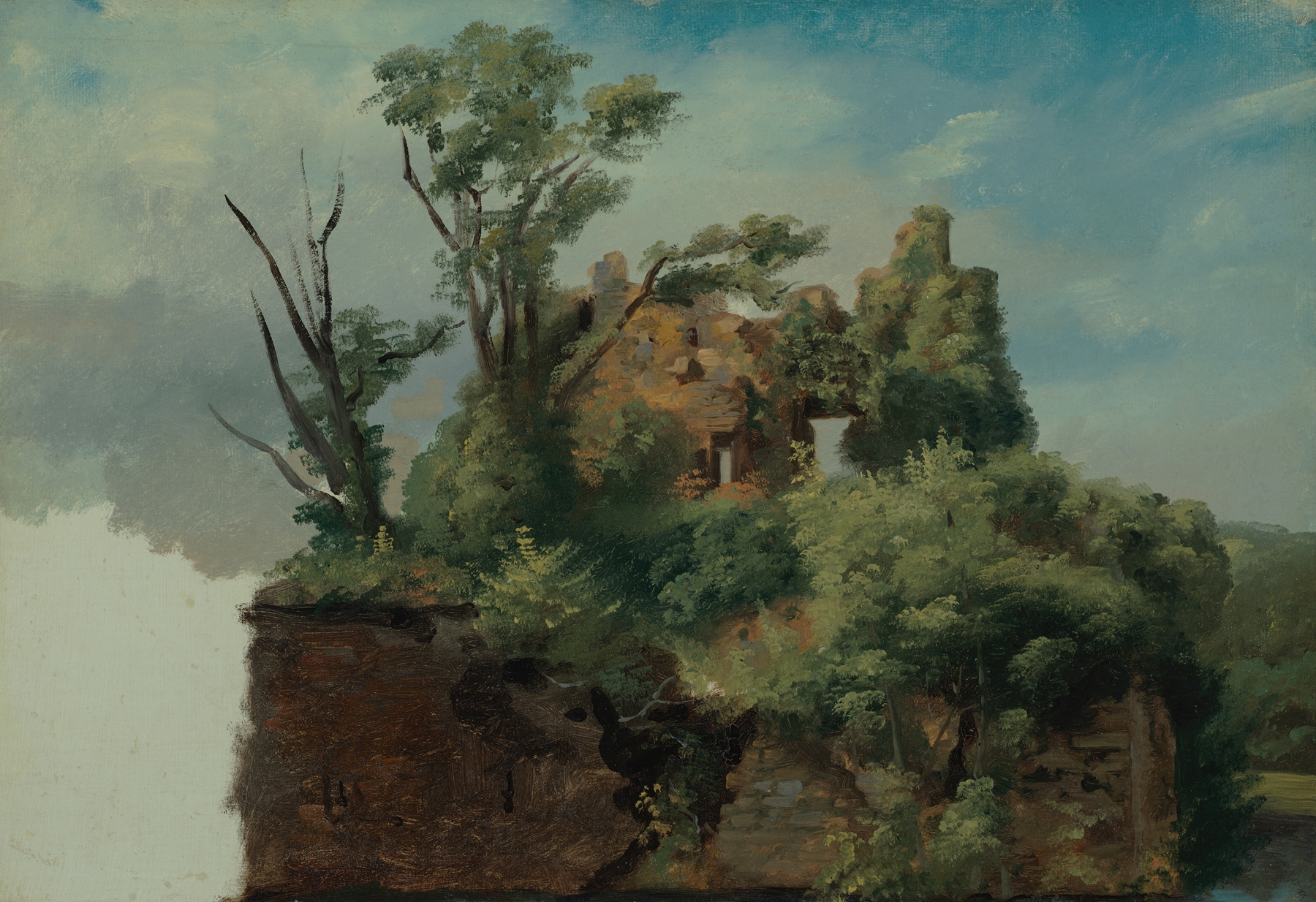
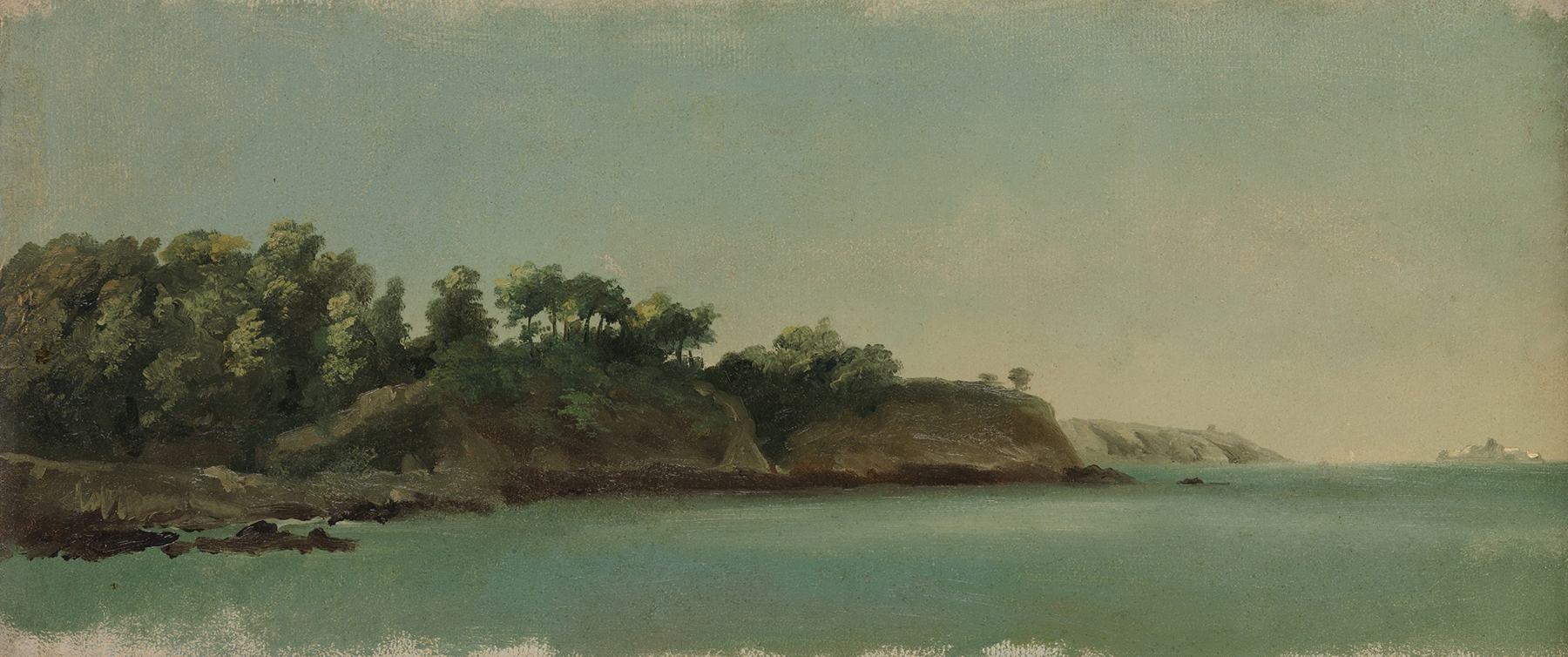
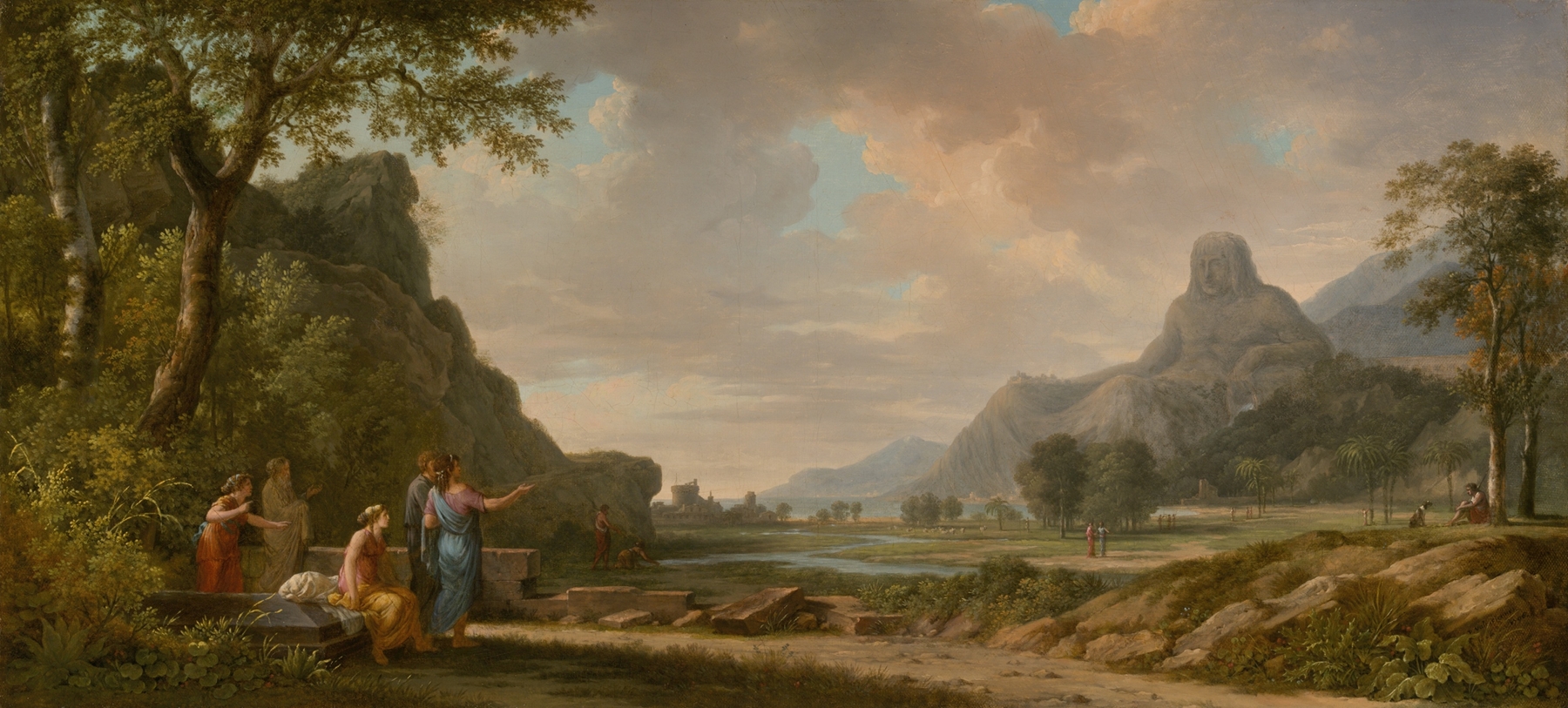
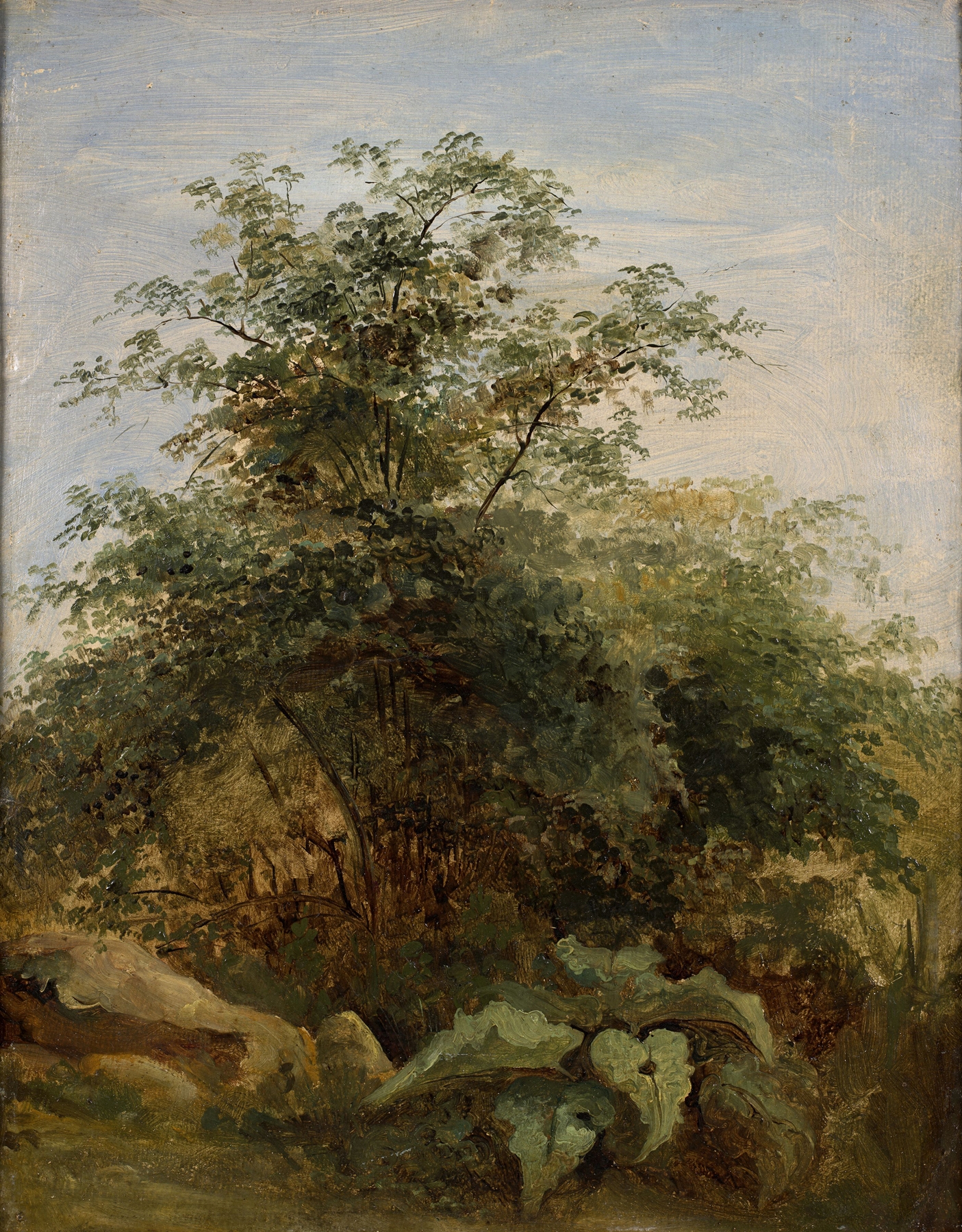
“Art reveals the soul when the world turns away.” In the delicate brushstrokes of a landscape, one finds not just a view but a testament to the passage of time and the legacy of beauty that endures through the ages. Look closely at the center of the canvas, where the ethereal clouds swirl in a symphony of whites and pale blues, capturing the transition of light as day wanes. Notice how the soft hues blend seamlessly, creating an almost dreamlike atmosphere that invites the viewer to linger. The foreground, dotted with gentle undulations of the Roman Campagna, acts as a grounding force, contrasting the ephemeral quality of the sky above.
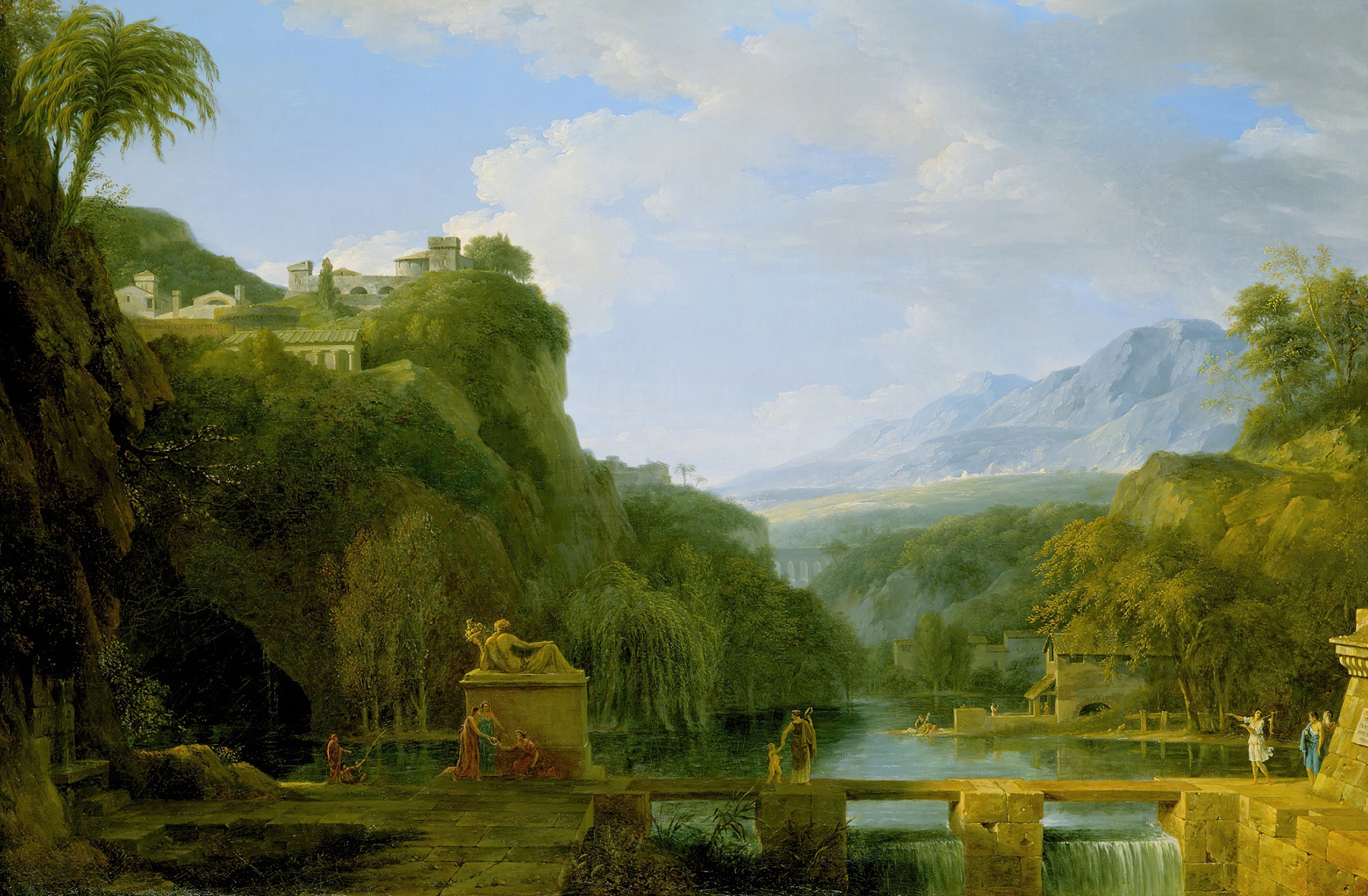
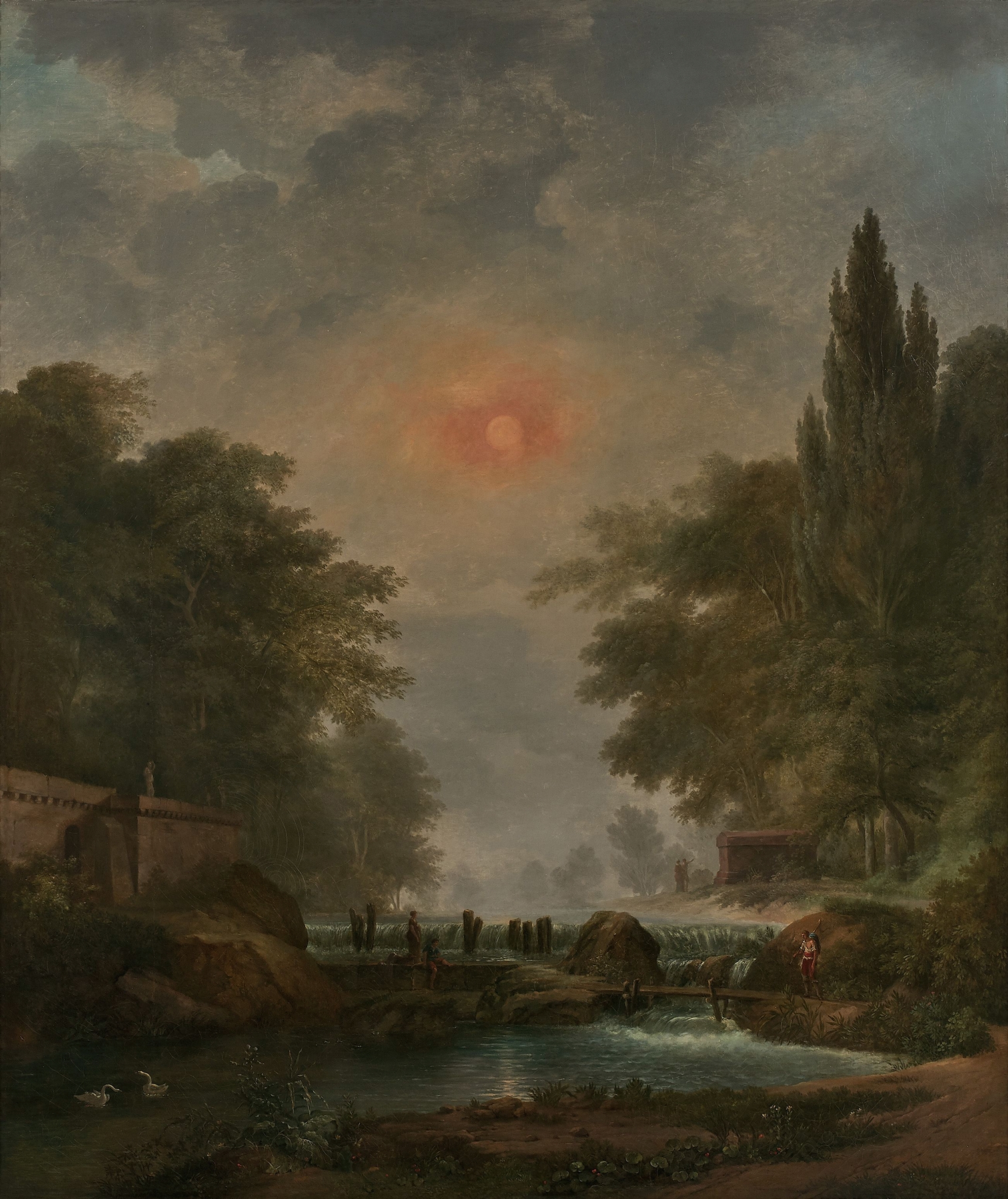
This juxtaposition of permanence and transience is masterfully rendered, showcasing Valenciennes’ keen observation of nature’s nuances. Beneath the tranquil surface lies a tension between the fleeting beauty of the clouds and the enduring landscape below them. The artist captures a moment that, while ephemeral, resonates with profound significance—the clouds bear witness to history and the changing world. Here, the stillness is palpable, but it holds the weight of countless narratives, evoking reflections on legacy and memory.
Each brushstroke becomes a reminder that beauty exists in moments of quiet contemplation, inviting viewers to pause and consider what remains after the storm has passed. During the years of 1782 to 1785, Pierre-Henri de Valenciennes painted this work while in Italy, a period marked by a burgeoning interest in Romanticism and a shifting perspective towards nature. As he immersed himself in the Italian landscape, he sought to fuse observation with emotion, laying the groundwork for the 19th-century movement that would celebrate the sublime in nature. His dedication to capturing the ephemeral beauty of the skies speaks to a wider artistic evolution, where the legacy of the natural world became a focal point of expression.