Landscape with Ruins — History & Analysis
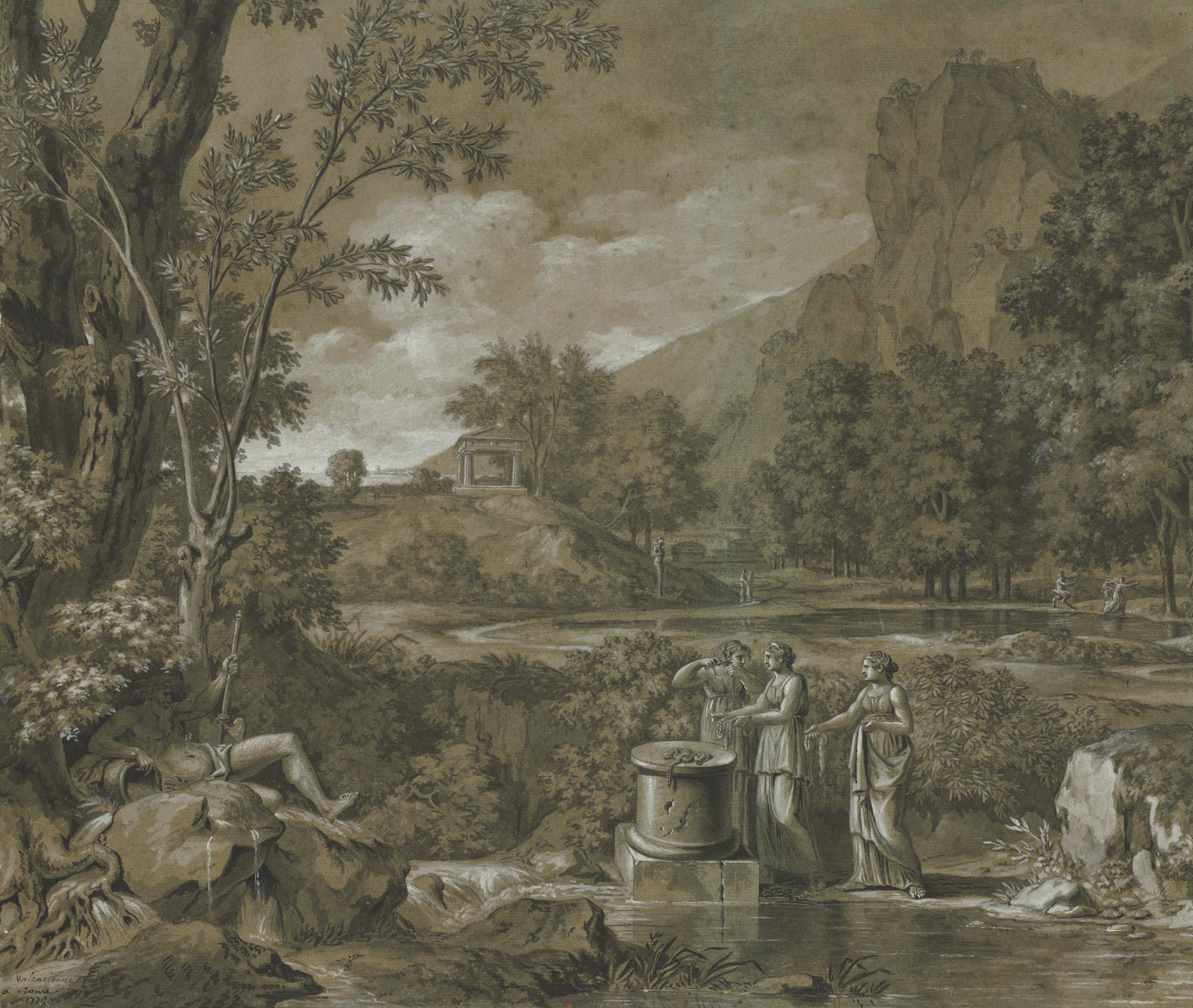
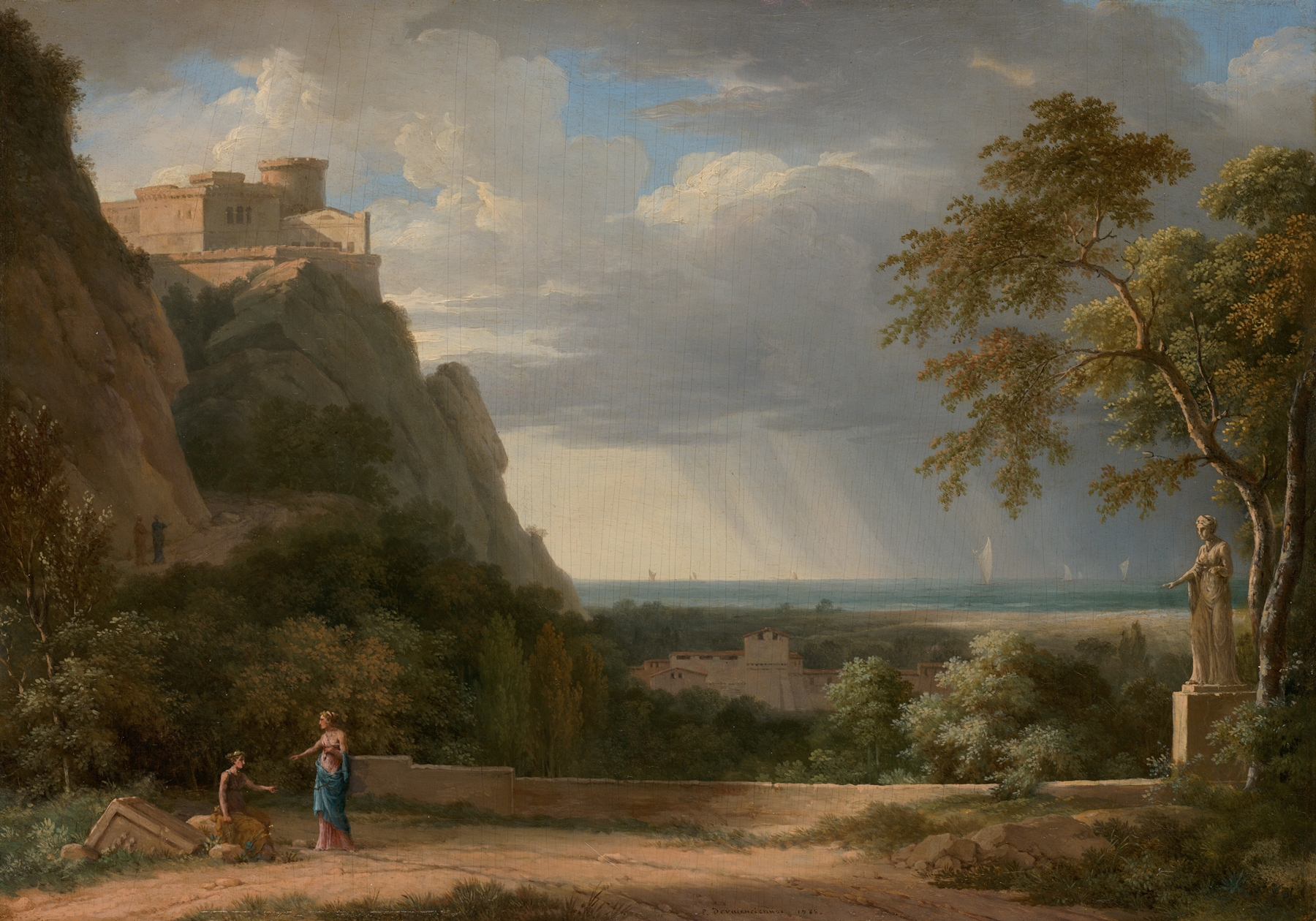
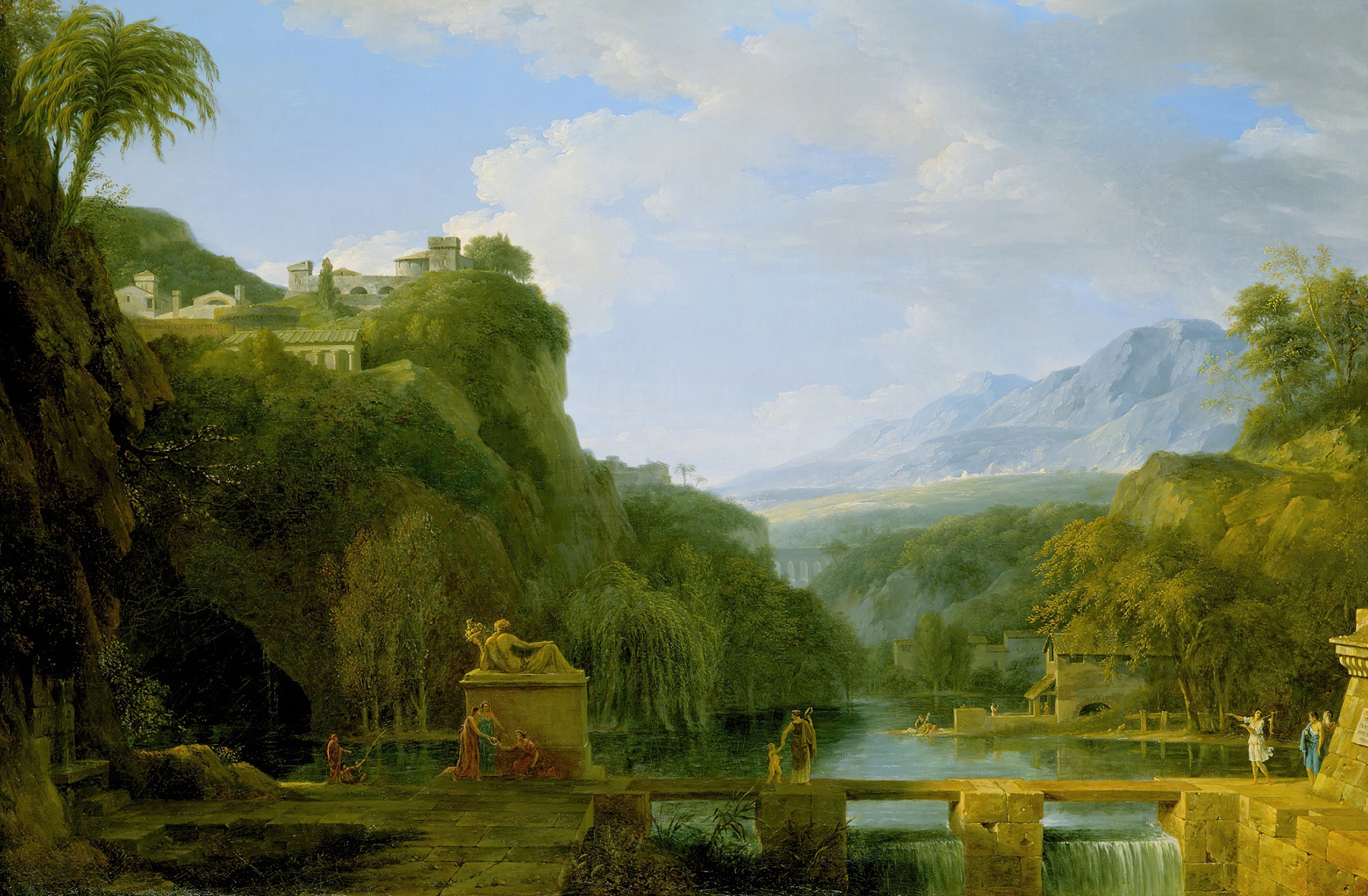
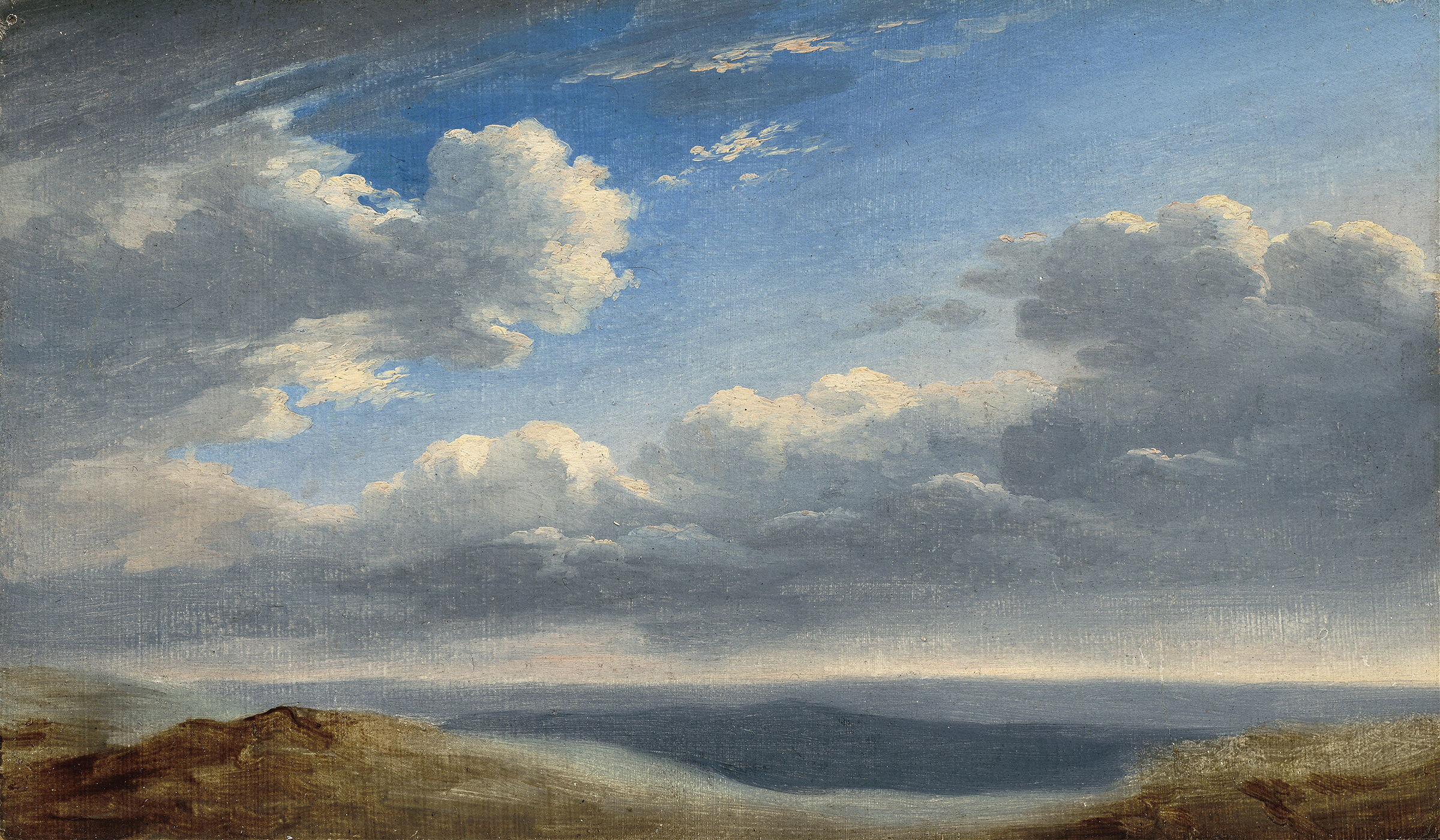
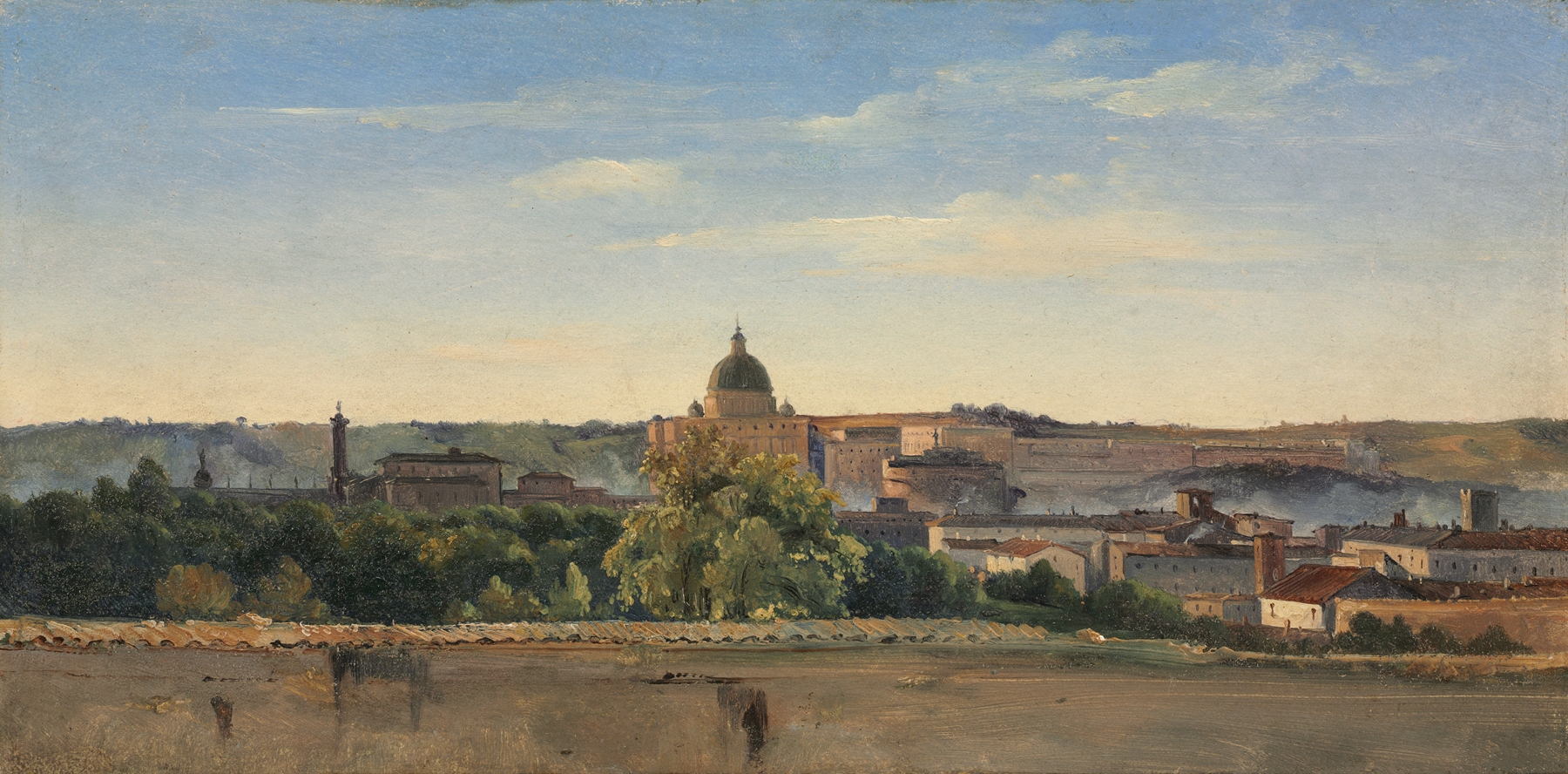
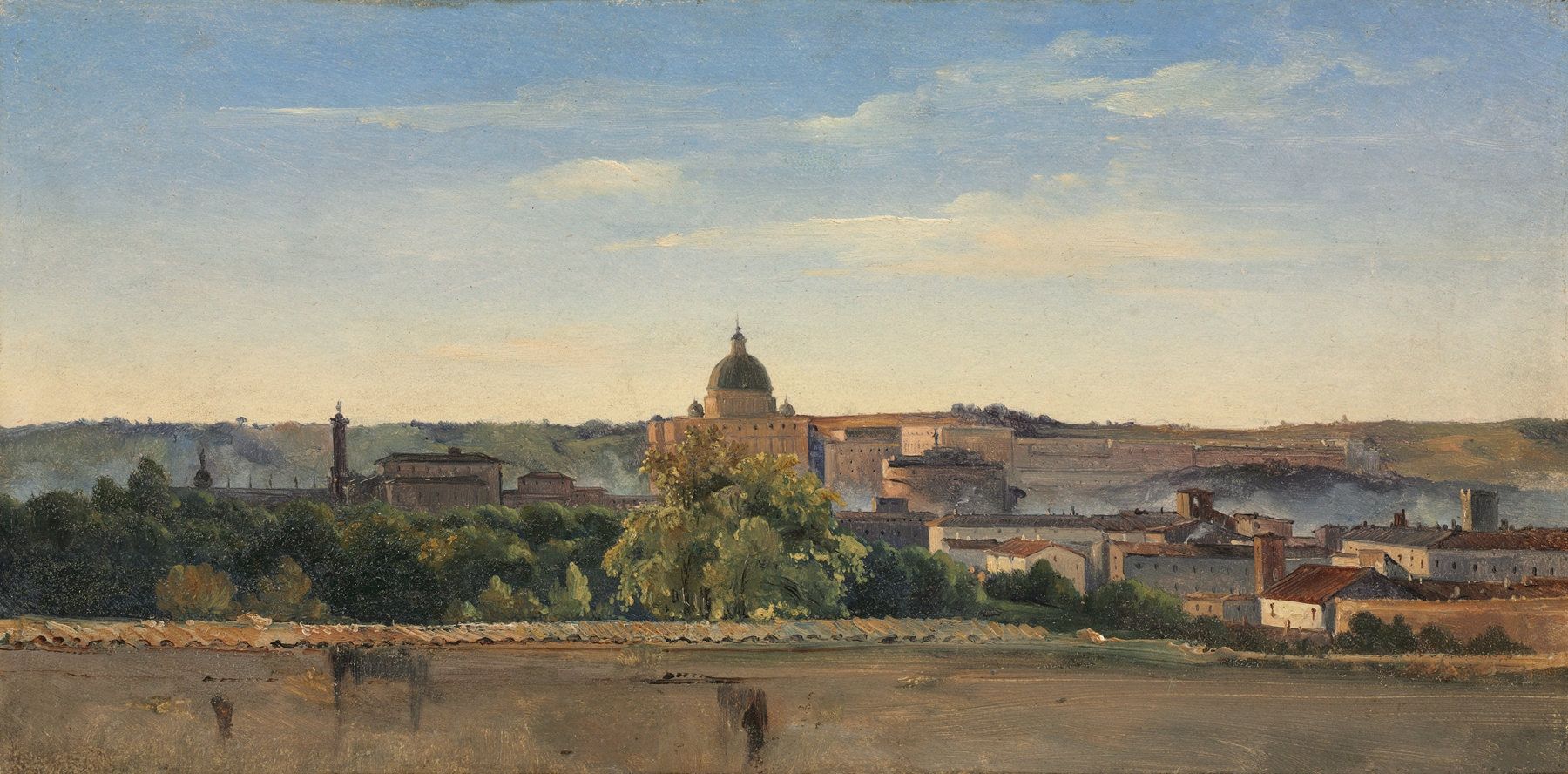
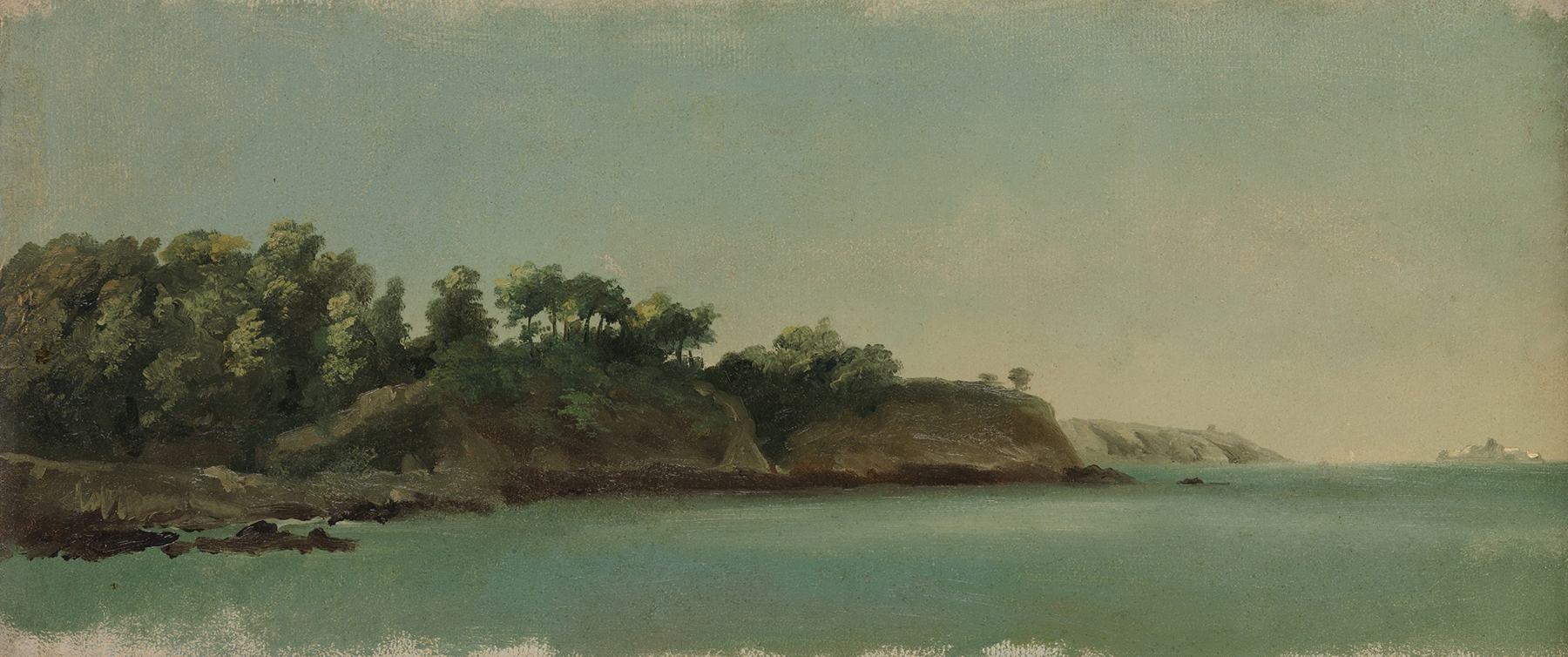
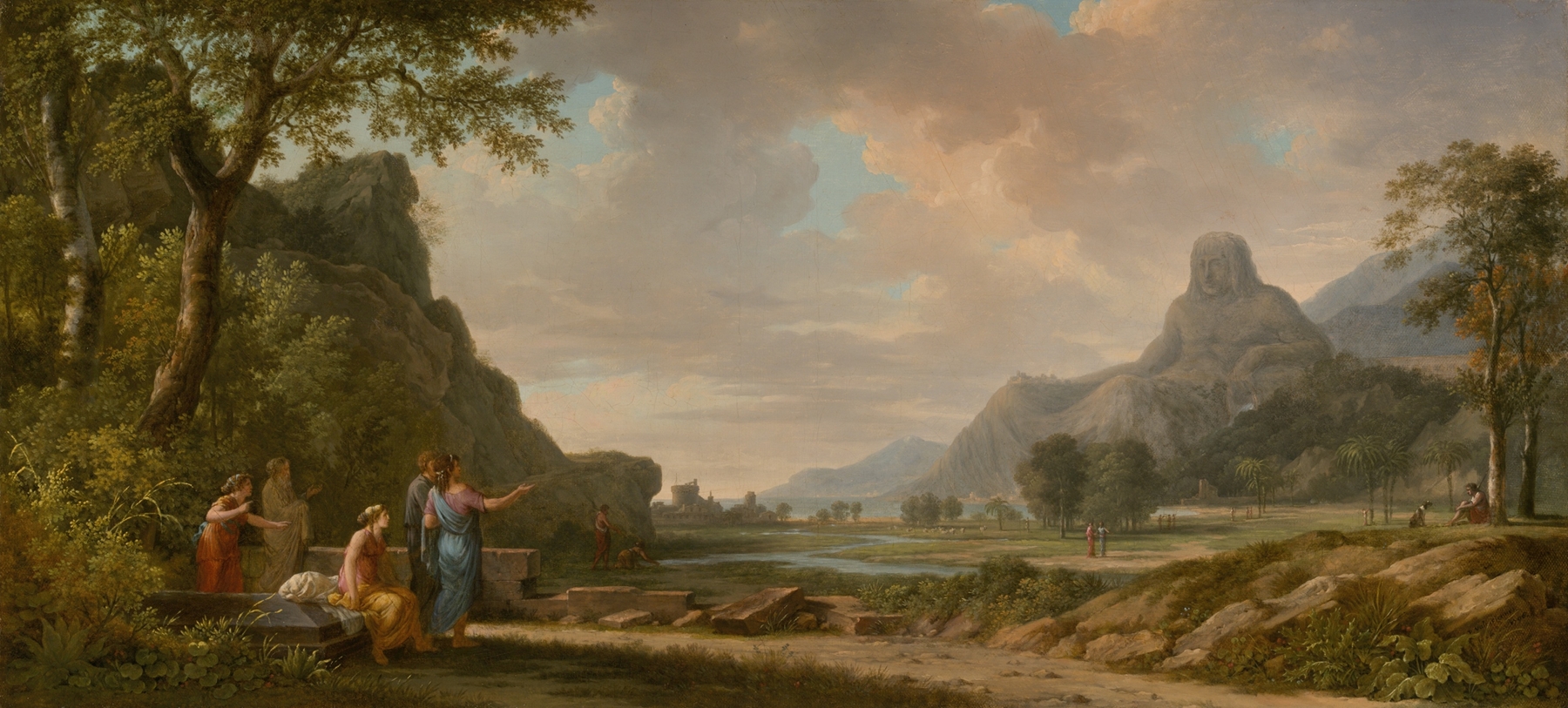
Can paint confess what words never could? In Landscape with Ruins, chaos lingers just beneath the surface, a whisper of discord enveloped by nature's serenity. Focus on the left, where crumbling structures rise from a verdant landscape, their jagged edges contrasting the soft curves of rolling hills. The artist employs a muted palette, with earthy greens and soft browns enriched by the golden light of dusk. This careful manipulation of light draws the eye to the ruins, inviting contemplation on their haunting beauty.
Notice how the brushstrokes vary in thickness; the smooth strokes of foliage juxtaposed with the rough, hurried application of the ruins emphasize the tension between nature’s enduring presence and the ephemeral nature of human achievement. Delve deeper into the emotional landscape. The ruins symbolize the fragility of civilization, a reminder that time erodes all, yet nature perseveres. A lone tree, resilient and gnarled, stands sentinel over the remnants of the past, echoing themes of rebirth amidst decay.
The interplay of light and shadow fosters a sense of ambivalence—hope mingles with despair as the viewer grapples with the remnants of human chaos enveloped in the arms of nature's calm. In the years between 1782 and 1785, the artist found himself in Rome, immersed in a period of artistic exploration and reform. The neoclassical movement was gaining momentum, challenging existing paradigms as artists sought to balance realism with idealism. This work reflects not only a personal journey through the ruins of history but also a broader commentary on the transformative power of art amidst the chaos of changing times.