Coast of Brittany — History & Analysis
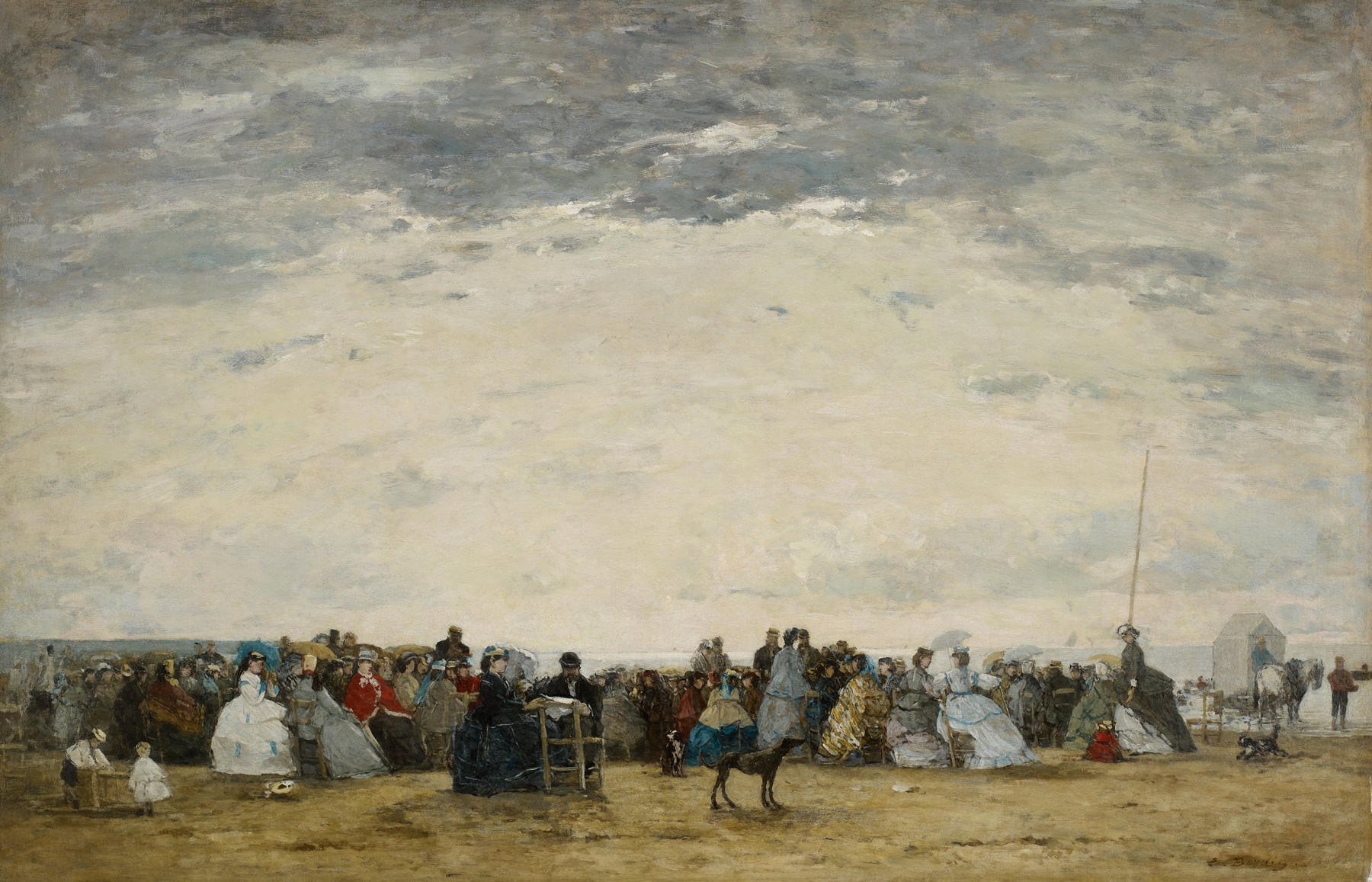
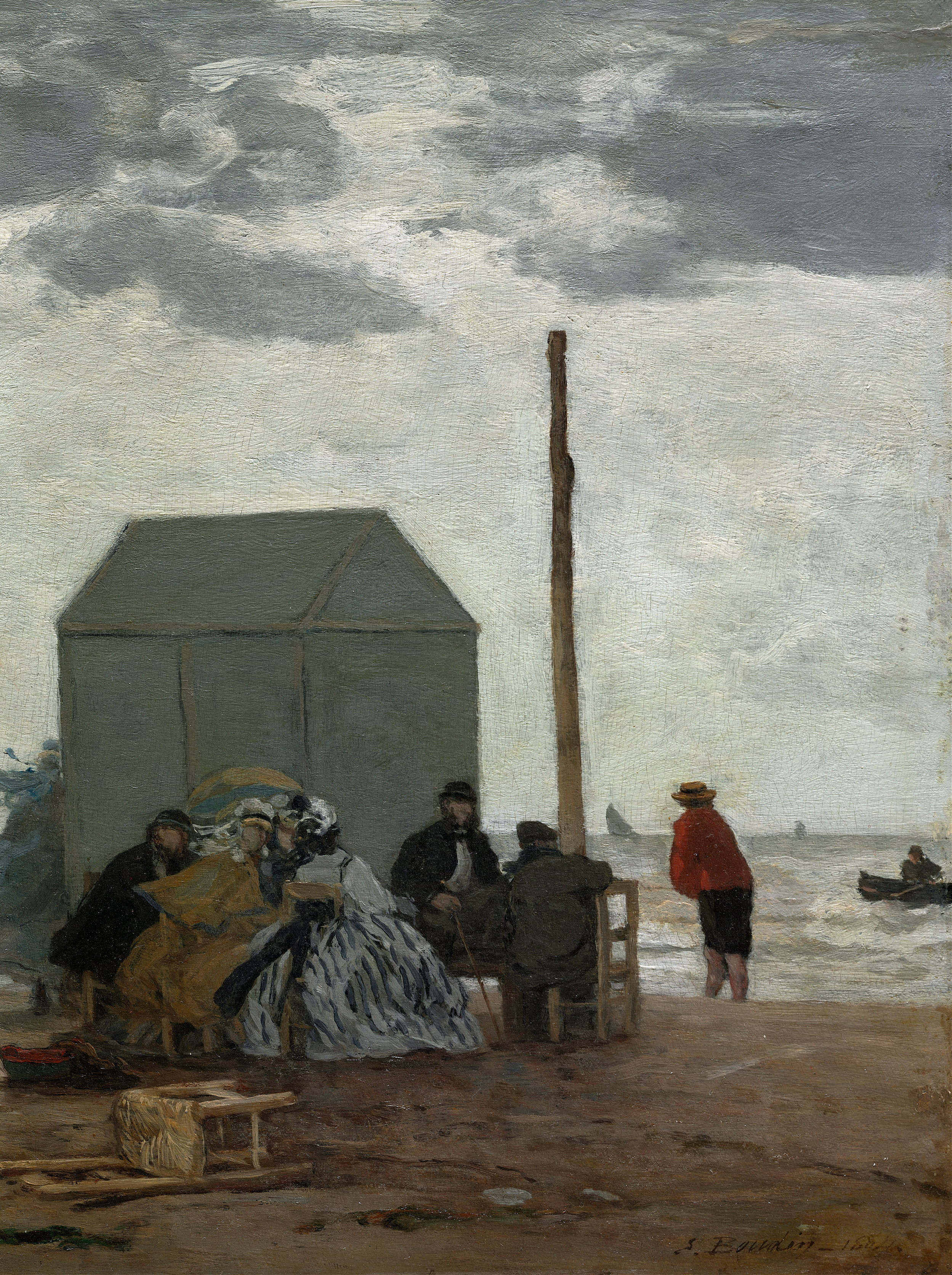
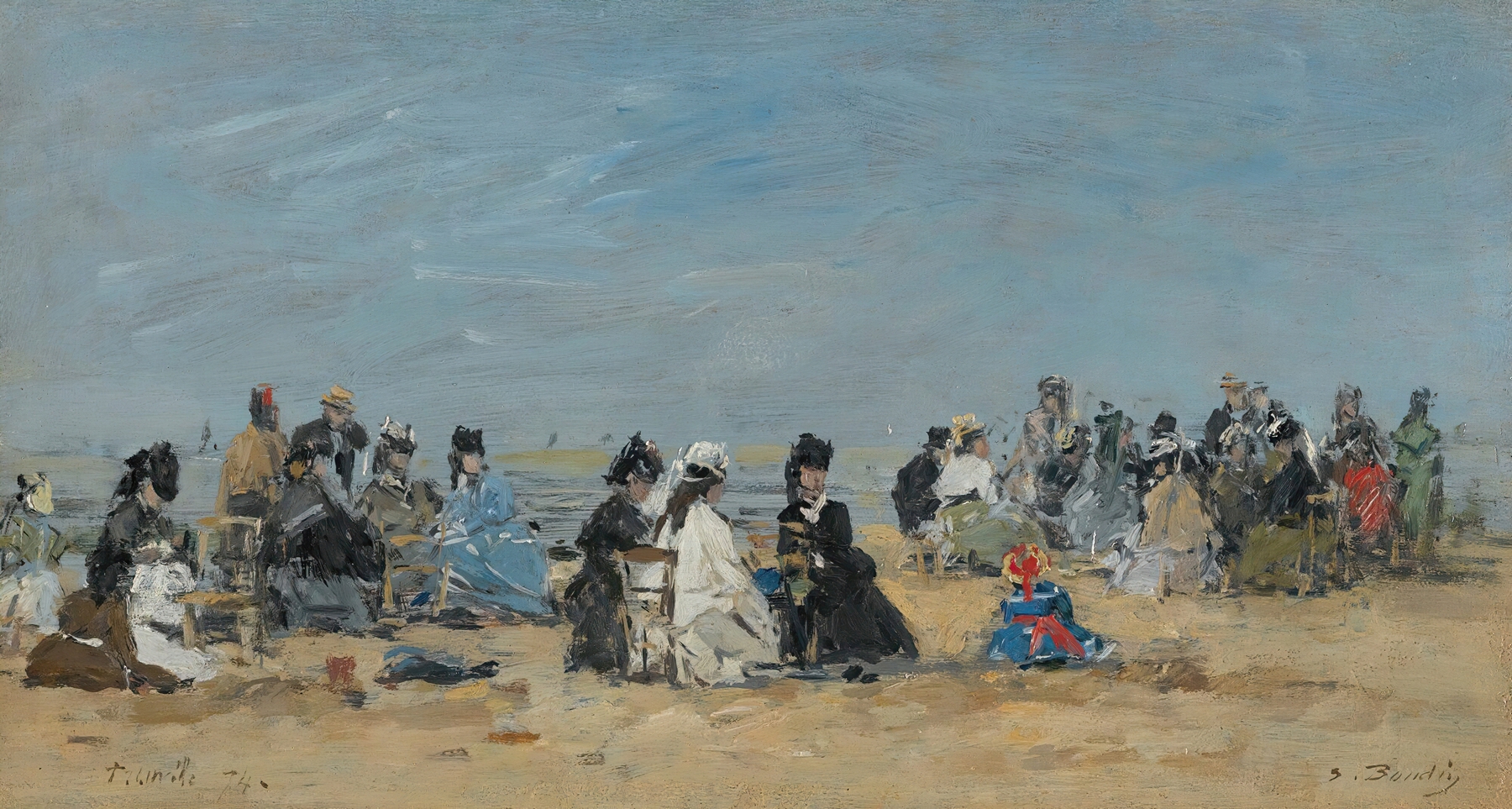
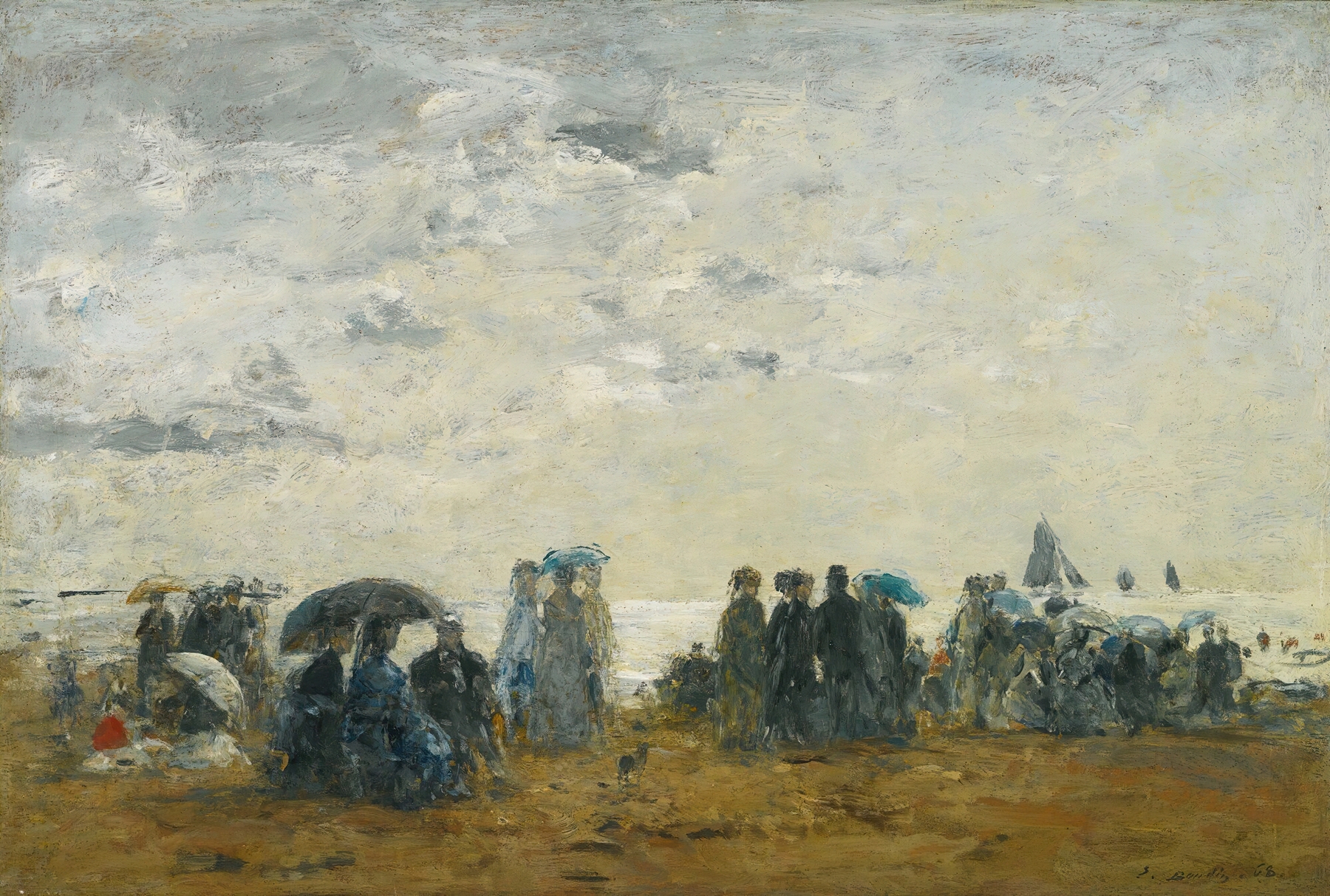
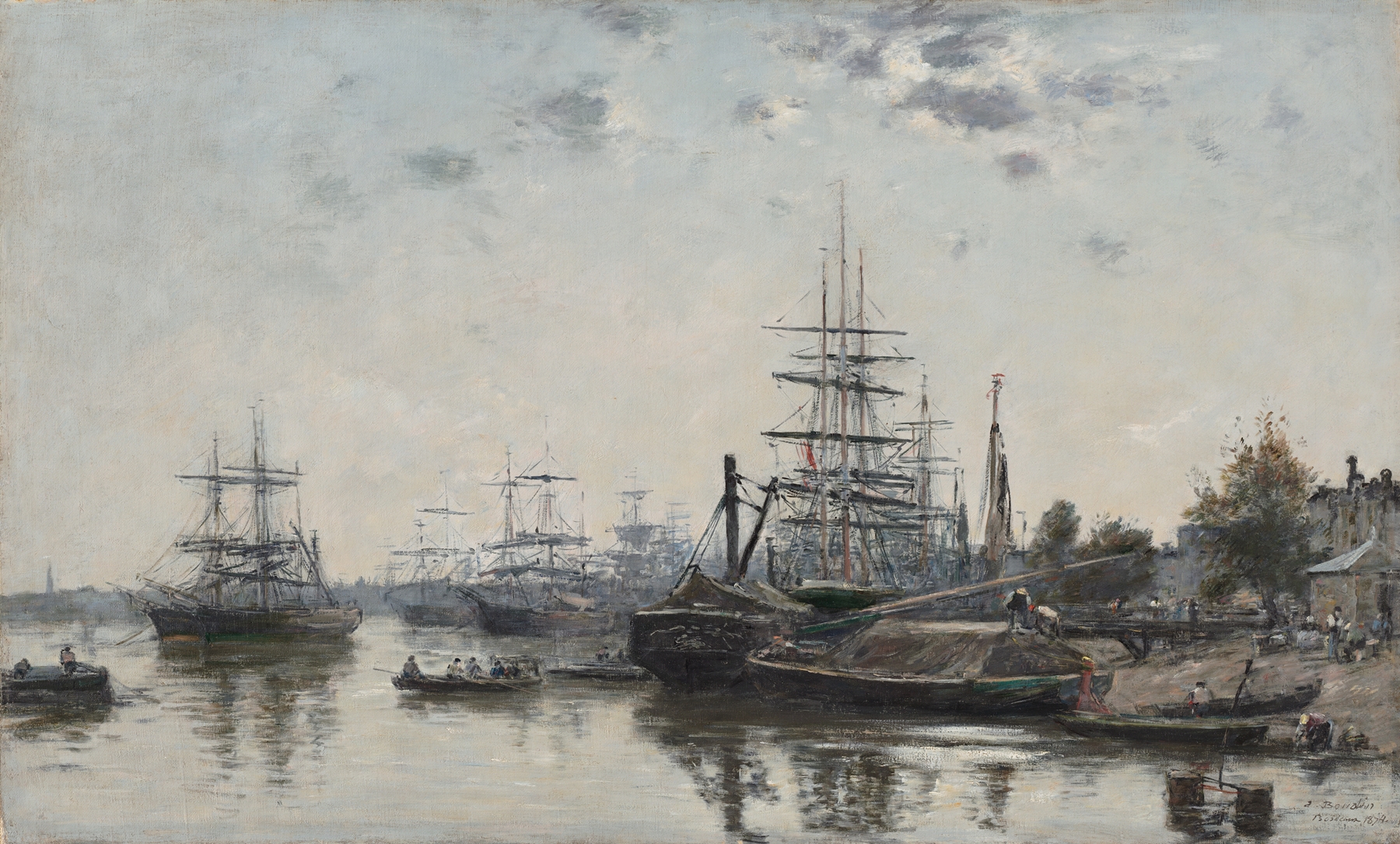
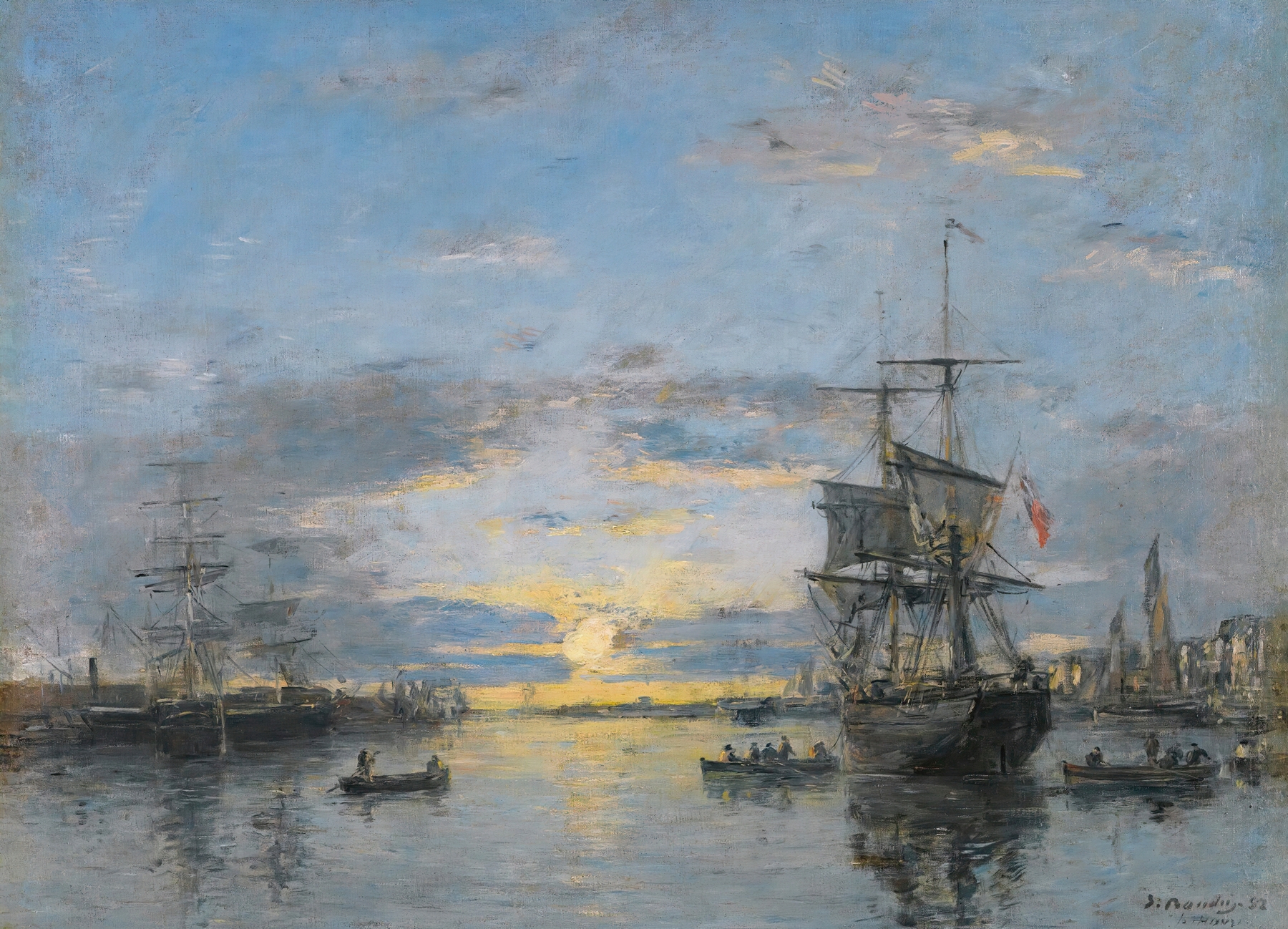
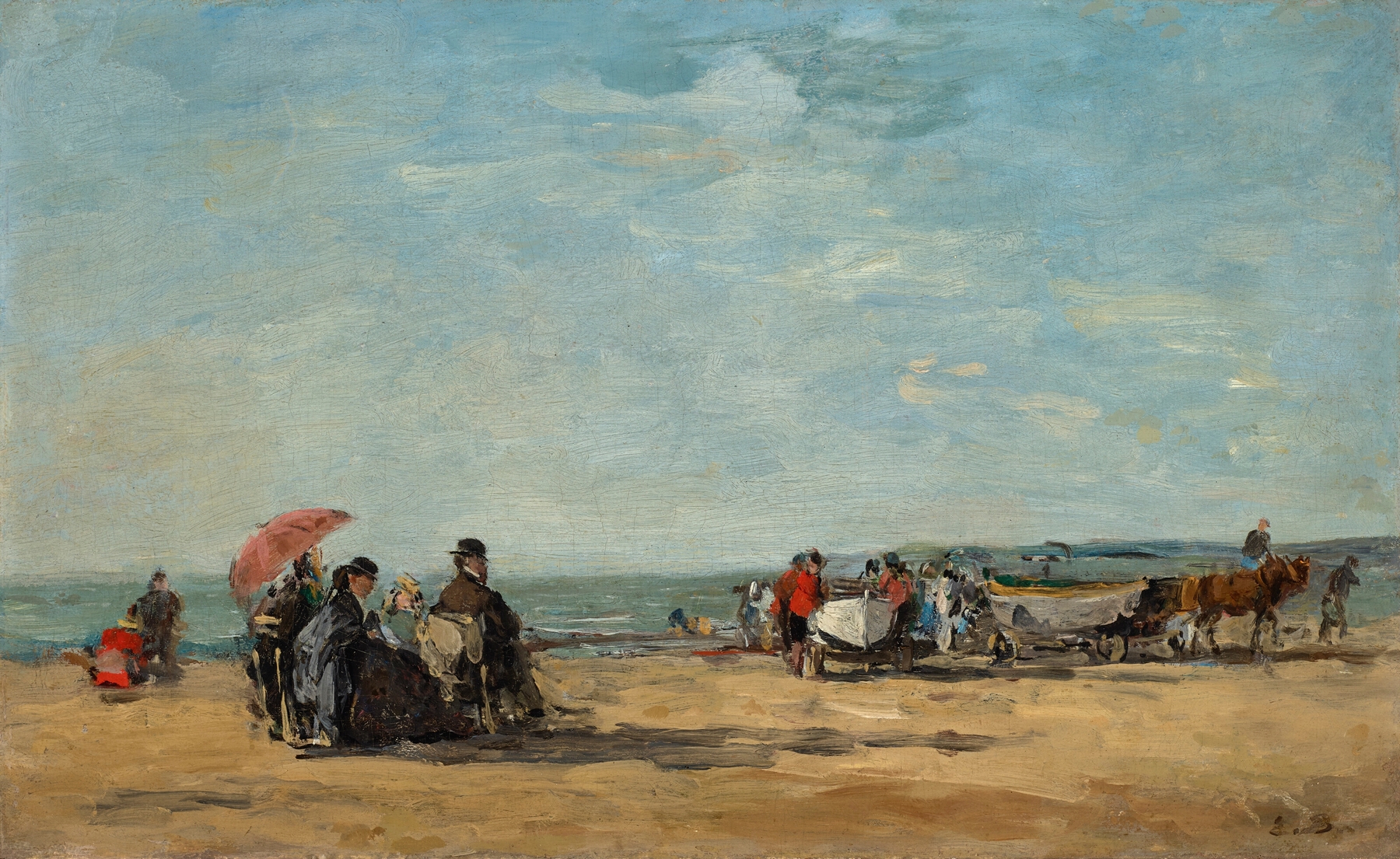
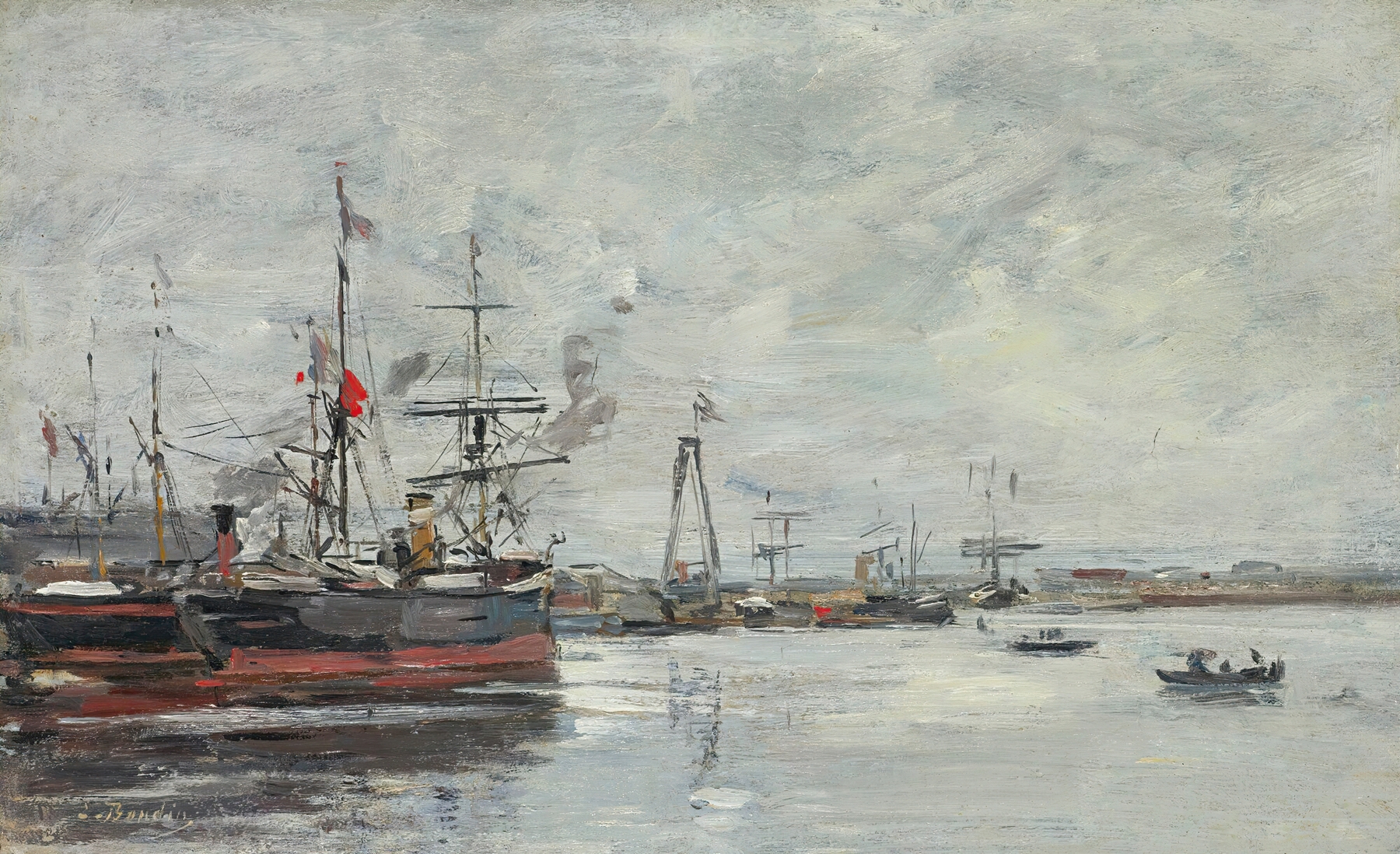
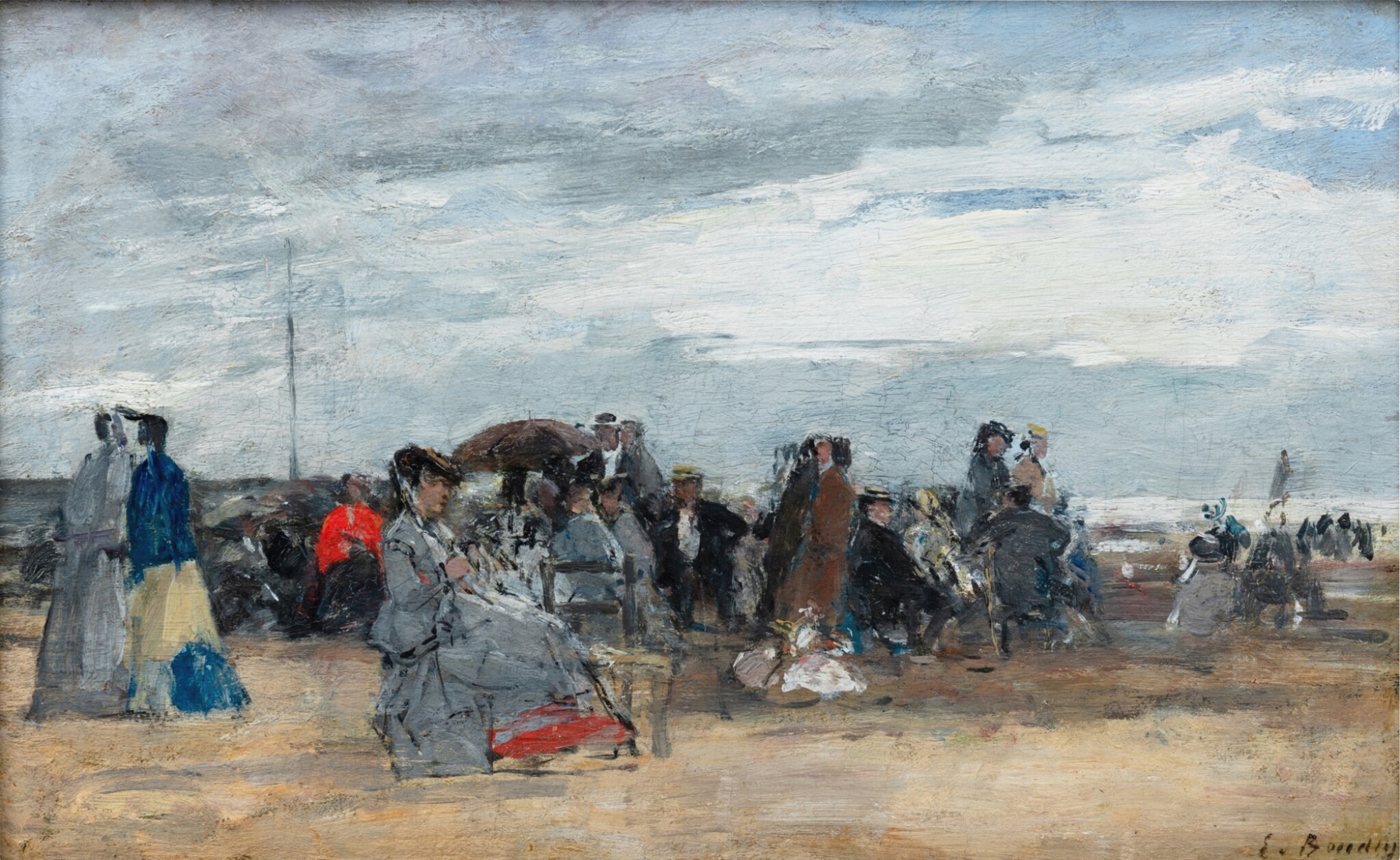
Where does light end, and longing begin? In the soft, luminescent haze of the coast, a fragile balance exists between the beauty of nature and the transience of life itself. Focus on the horizon, where the sky meets the water, painted in delicate strokes of blue and gray. Notice how the sunlight dances upon the waves, shimmering like fleeting memories that slip through our fingers. The gentle, rippling brushwork evokes a sense of movement, while the muted palette serves as a reminder of the impermanence that colors our existence.
The small figures dotting the shore suggest both solitude and connection, engaged in their own stories against the vastness of the landscape. Yet beneath its tranquil surface lies an exploration of mortality. The interplay of light and shadow hints at life’s fleeting moments, with each wave crashing against the rocks echoing the inevitability of time. The serene scene suggests a longing for permanence in a world defined by change.
The presence of the figures emphasizes the transient nature of human experience, set against the eternal rhythm of the sea. Eugène Boudin painted Coast of Brittany in 1870, during a period of growing interest in Impressionism. Working primarily in France, he was inspired by the coastal landscapes that surrounded him and was pivotal in inspiring younger artists, including Monet. At this time, the art world was shifting away from traditional academic methods, embracing a more spontaneous depiction of light and atmosphere, reflecting contemporary societal changes and the evolving perceptions of nature.