Coastal Sunset — History & Analysis
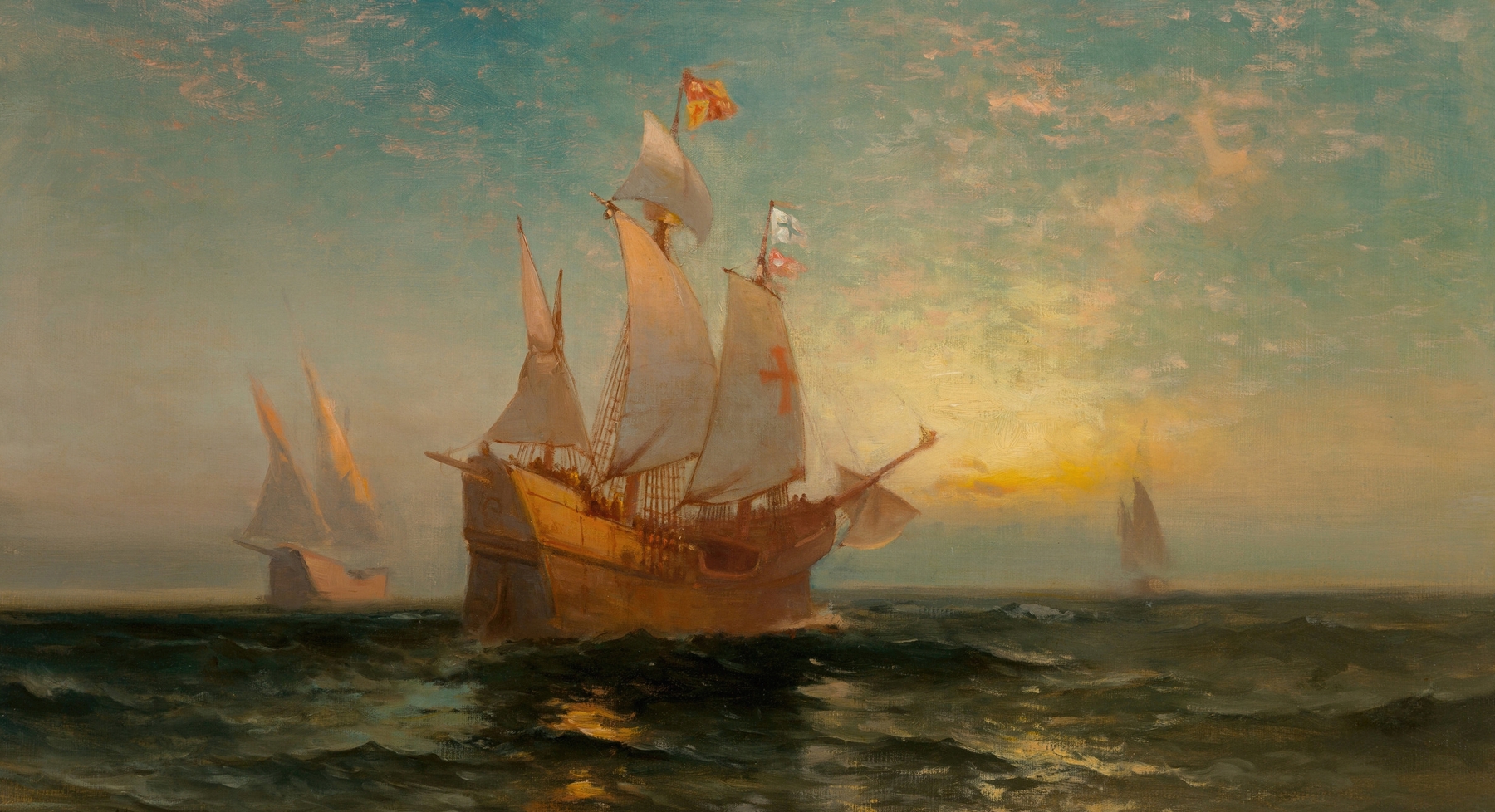
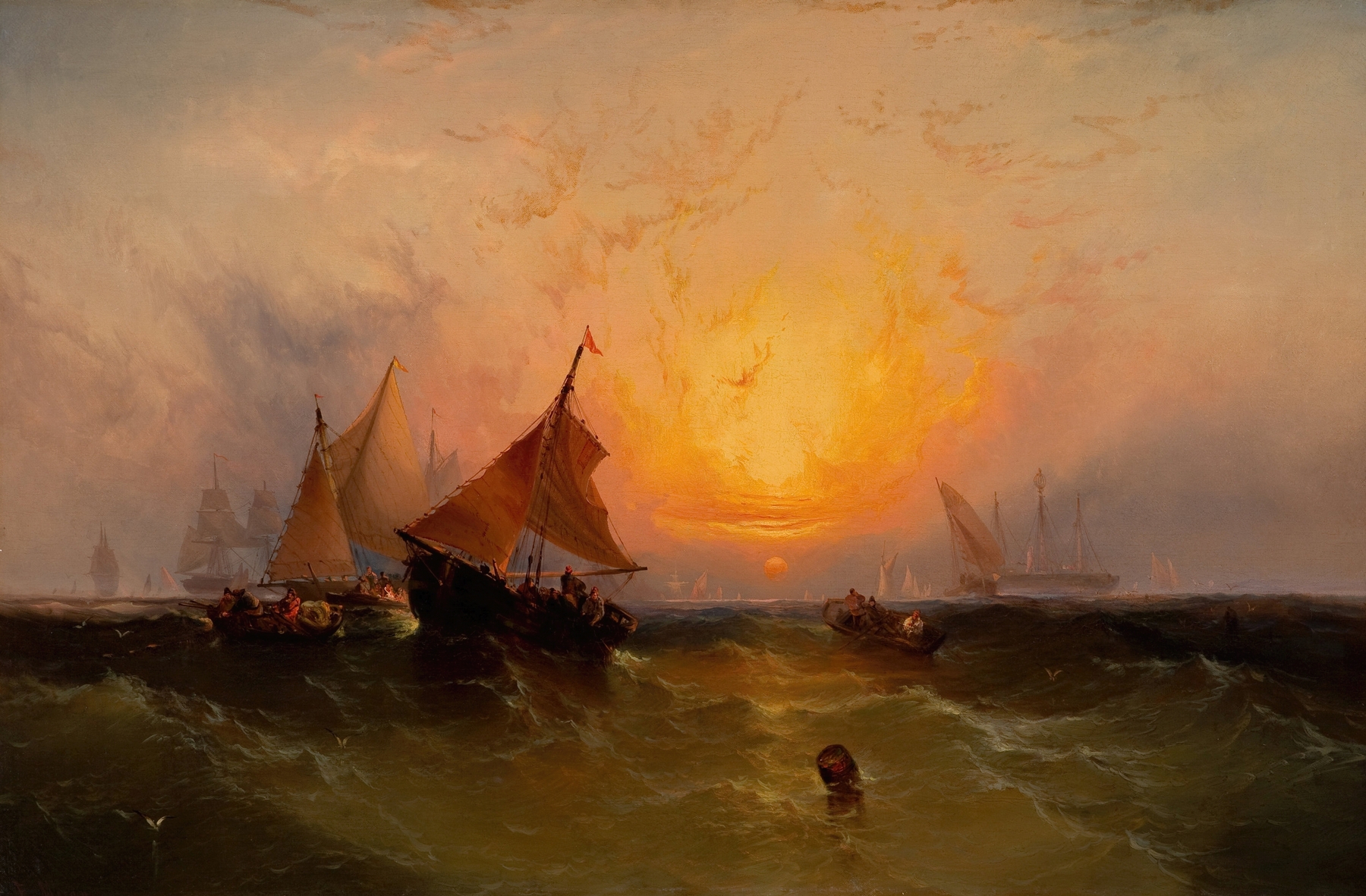
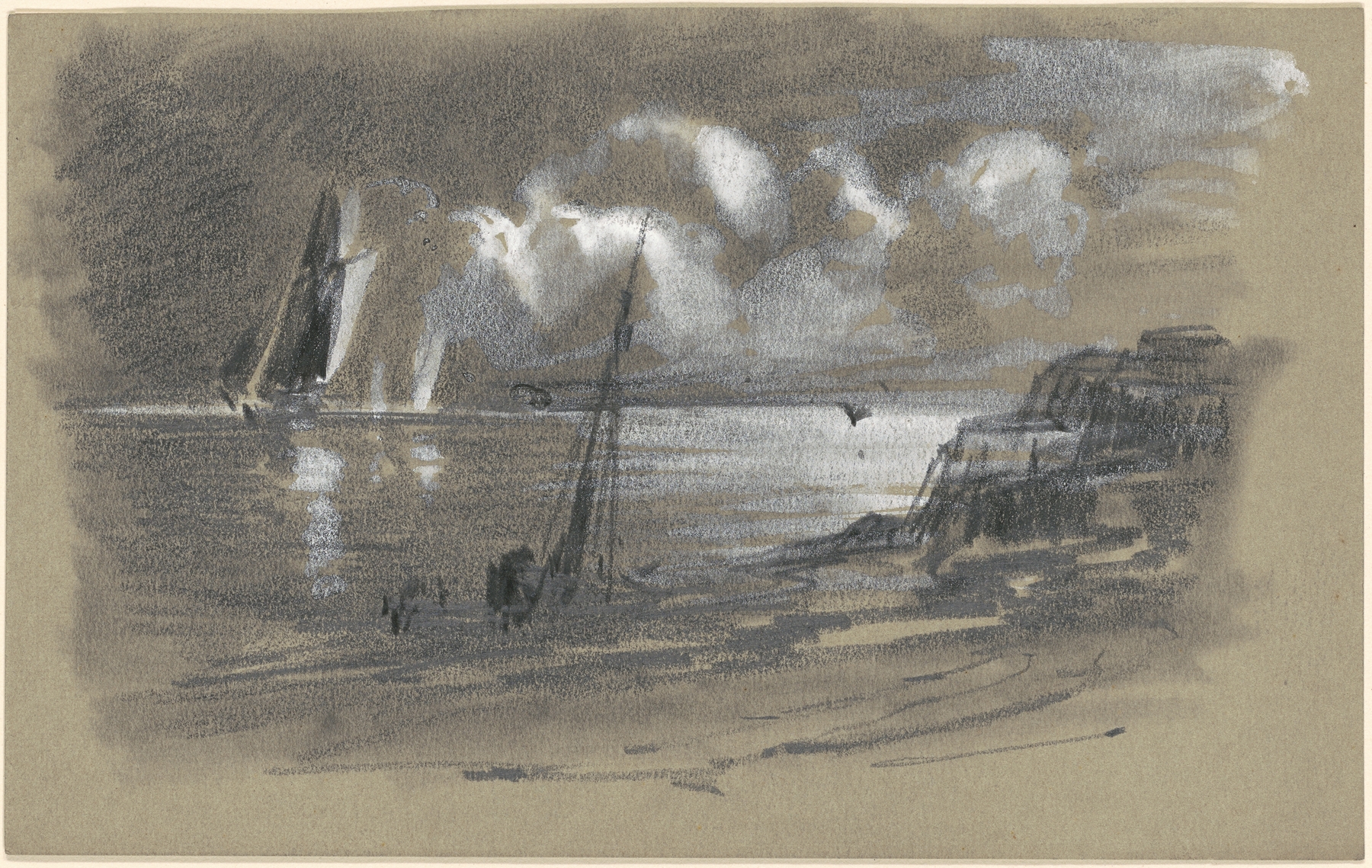
“Sometimes beauty is just pain, disguised in gold.” This poignant reflection captures the paradox held within fleeting moments that leave us breathless yet hollow. Here lies a landscape that invites contemplation, echoing the delicate balance between the eternal and the ephemeral. Look to the horizon where the sun surrenders to the sea, spilling rich hues of orange and gold into the water’s embrace. Notice how the waves, caught in mid-crest, reflect the colors of twilight, blurring the line between sky and sea.
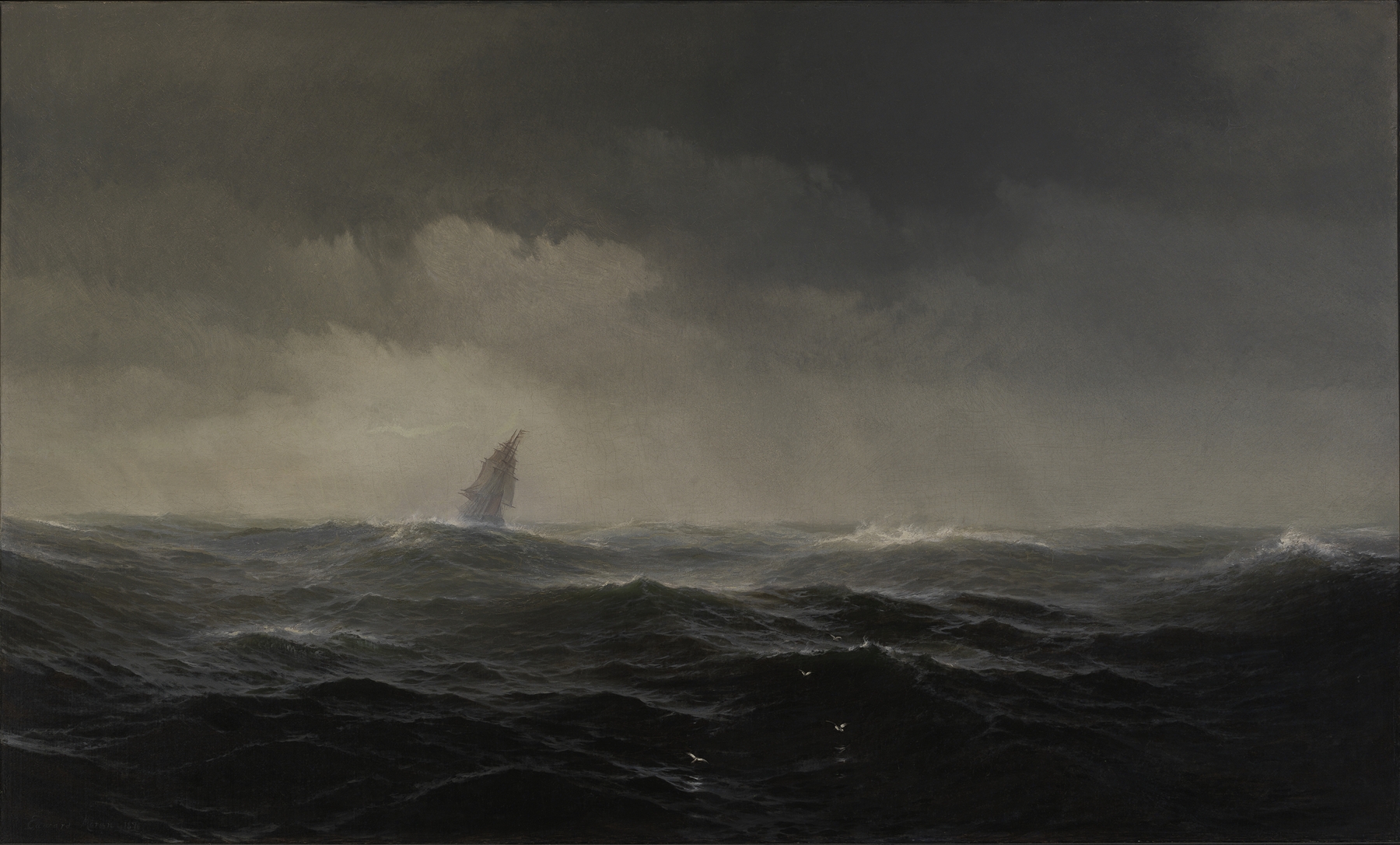
The brushwork dances with a meditative rhythm, while the gentle gradients of color create a harmonious yet unsettling tranquility that envelops the scene. As the eye wanders, subtle details emerge—the silhouettes of distant boats fade into the horizon, suggesting both adventure and isolation. The interplay of light and shadow speaks of calmness, yet there’s an underlying turbulence, the unseen pull of the tide hinting at emotions submerged. This captivating juxtaposition evokes a sense of yearning, as the beauty of the moment is tinged with an awareness of its transience.
Moran, during the late 19th century, was deeply influenced by the evolving American landscape and the richness of natural beauty. This period marked a shift in artistic focus towards capturing the sublime in nature, reflecting the romanticism of the time. Although the exact date of this work is uncertain, it embodies the era’s preoccupation with both the external world and inner emotional landscapes, revealing the artist's quest for connection with nature and oneself.