Concourse, Grand Central — History & Analysis
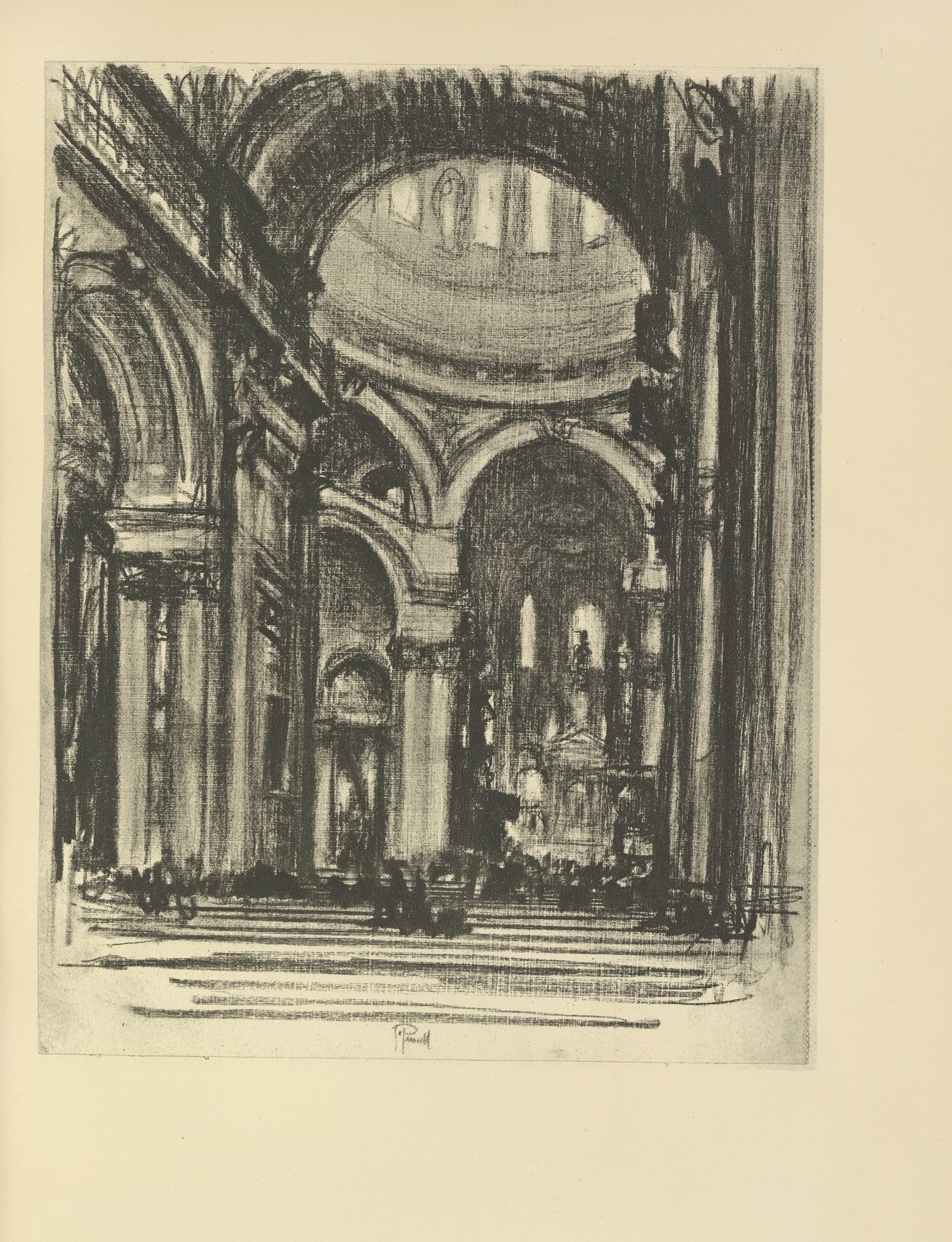
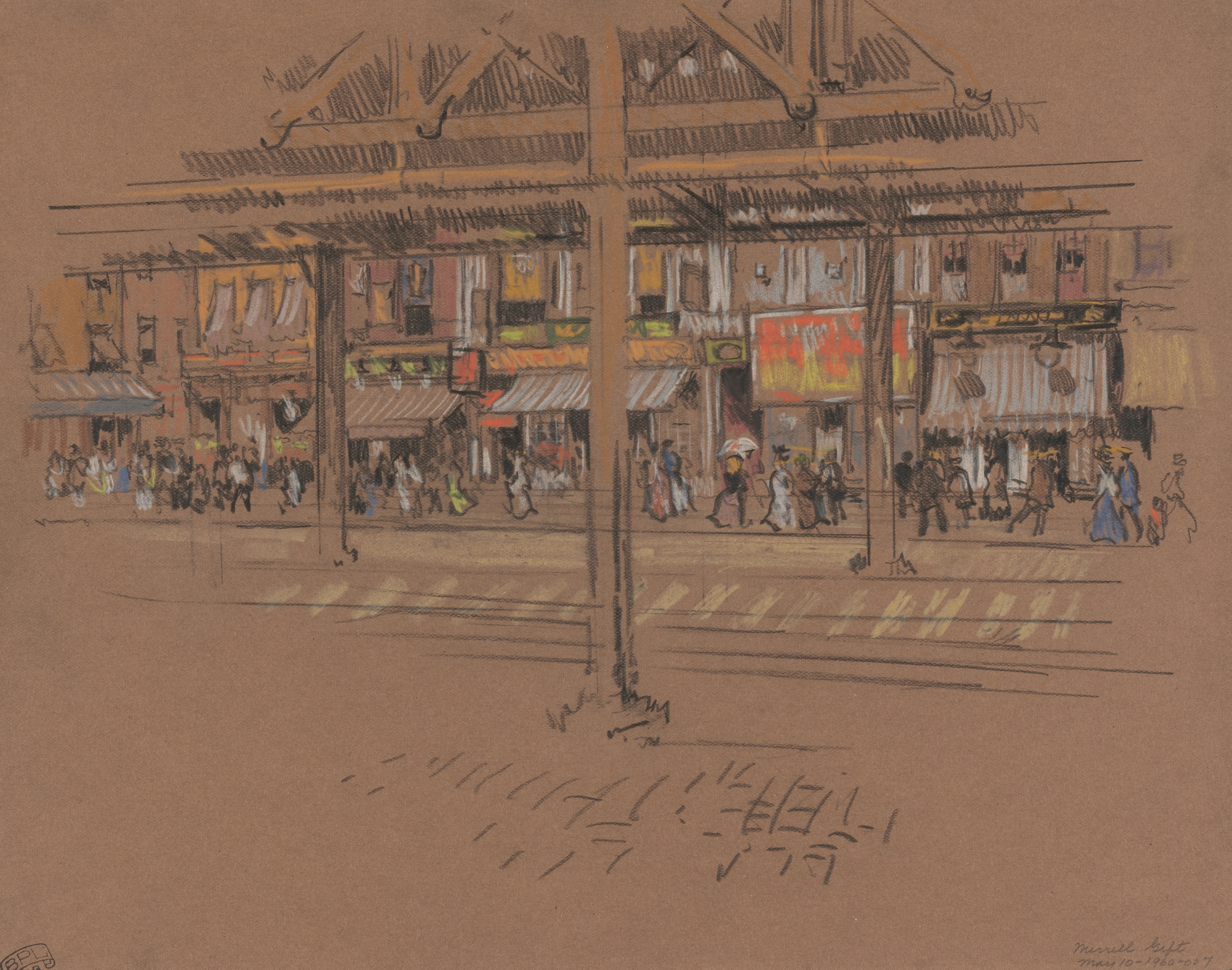
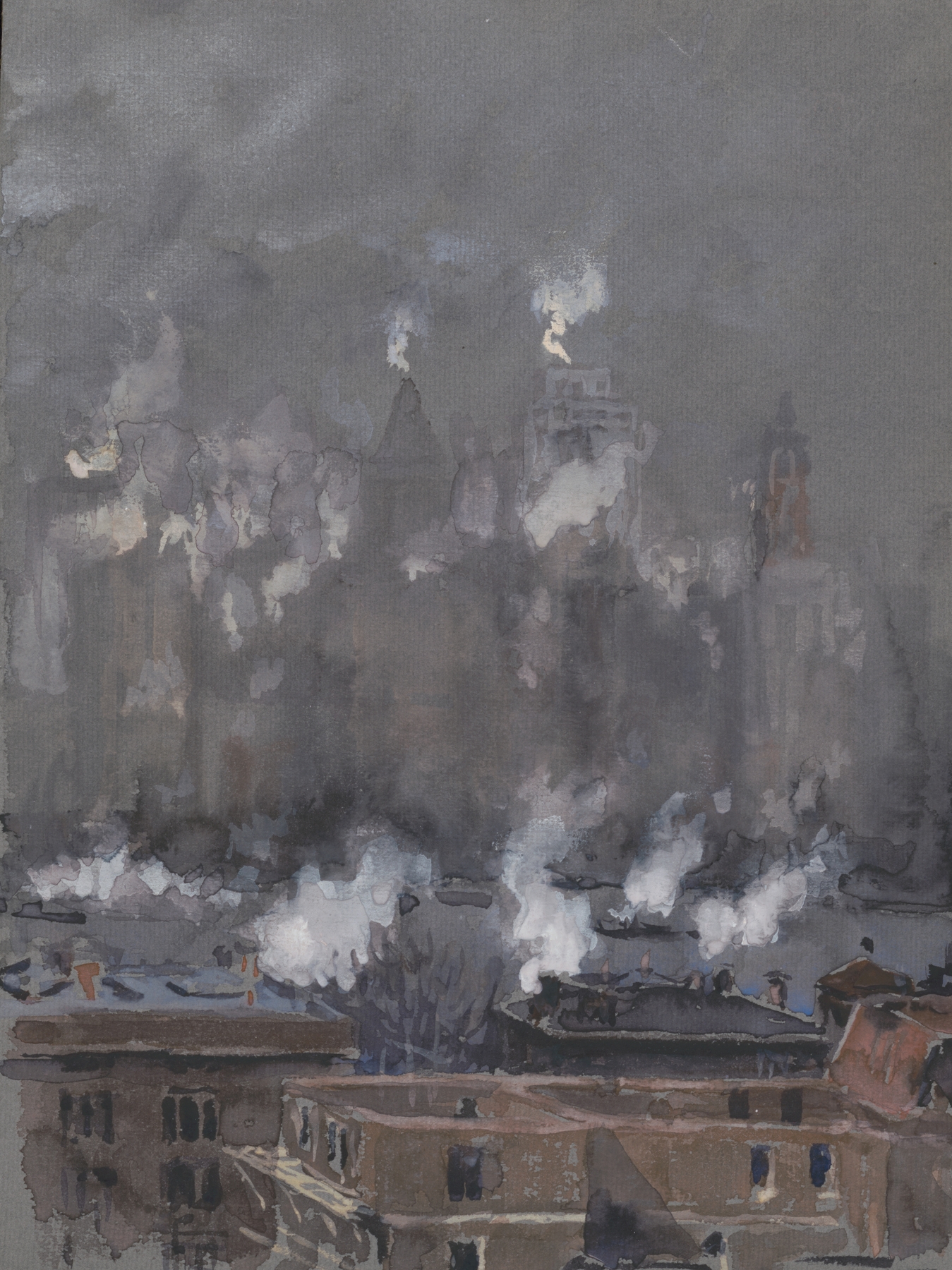
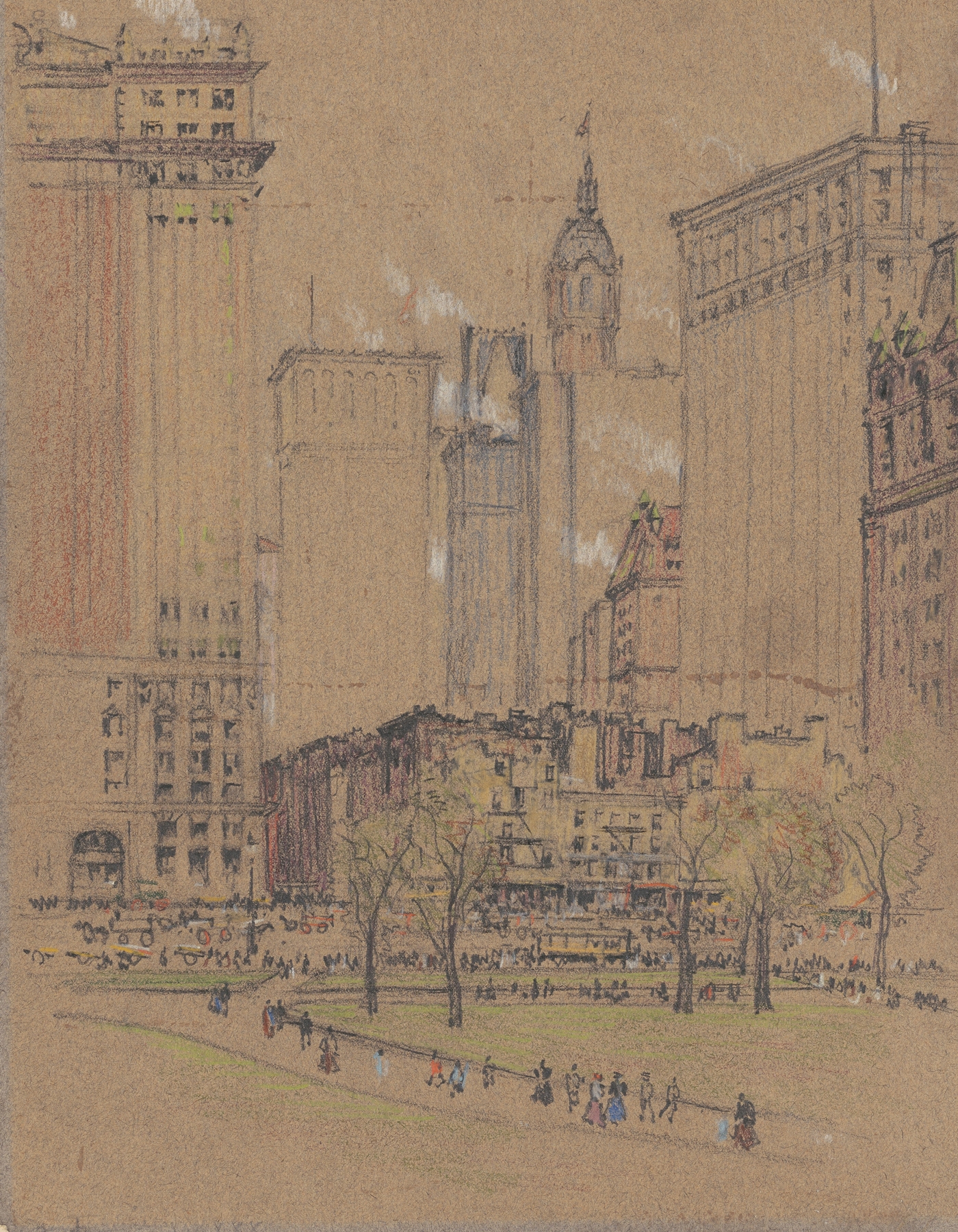
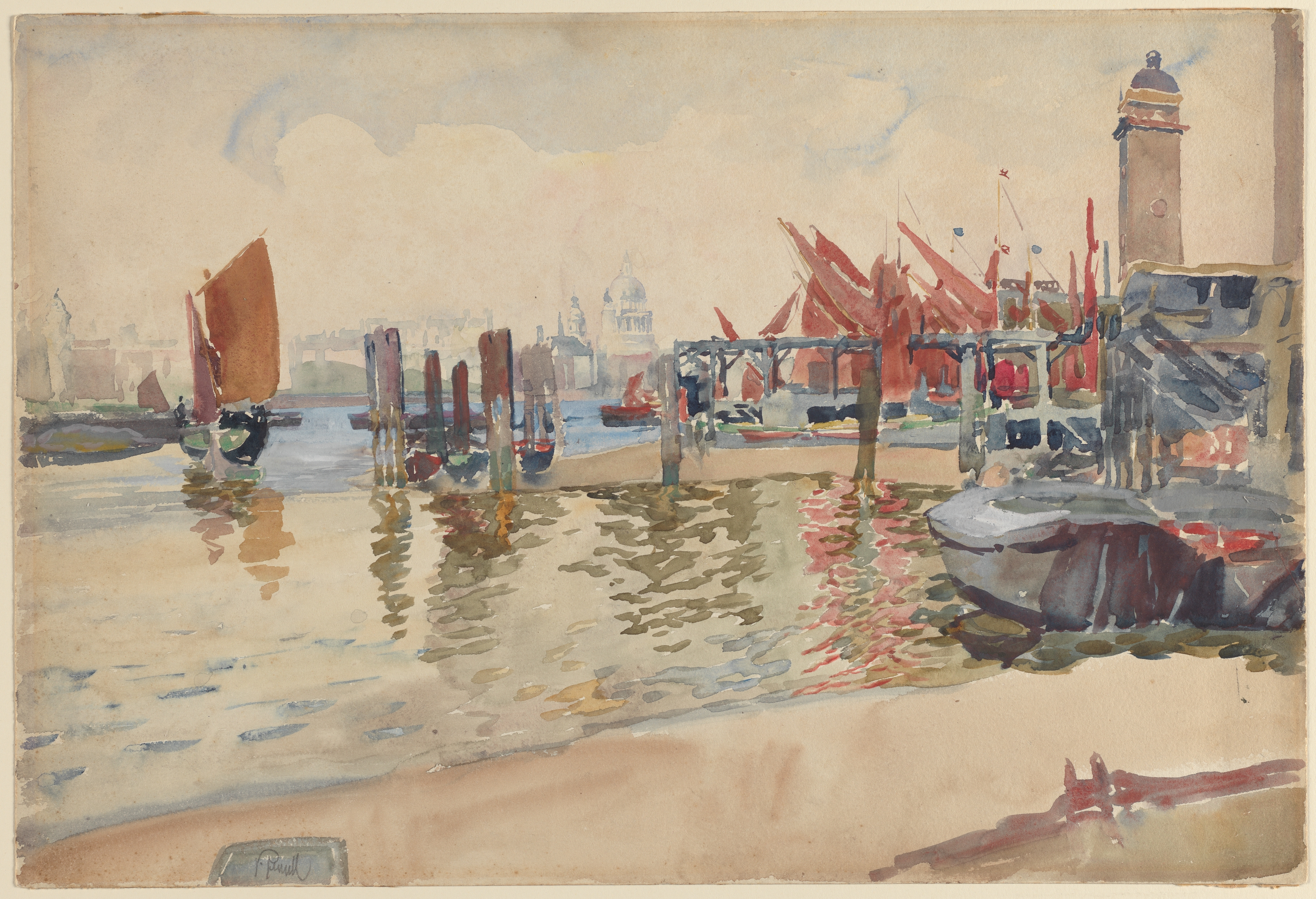
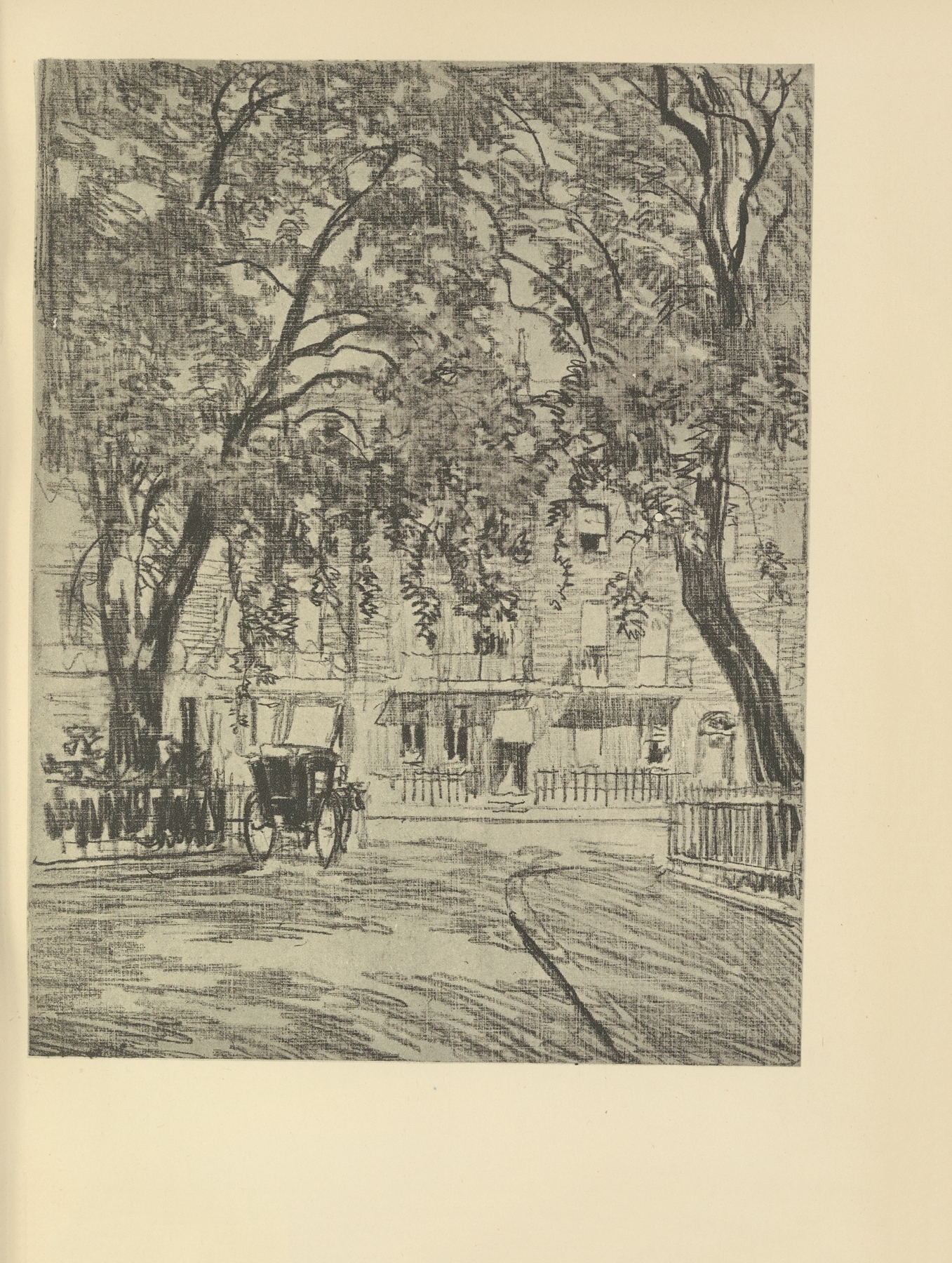
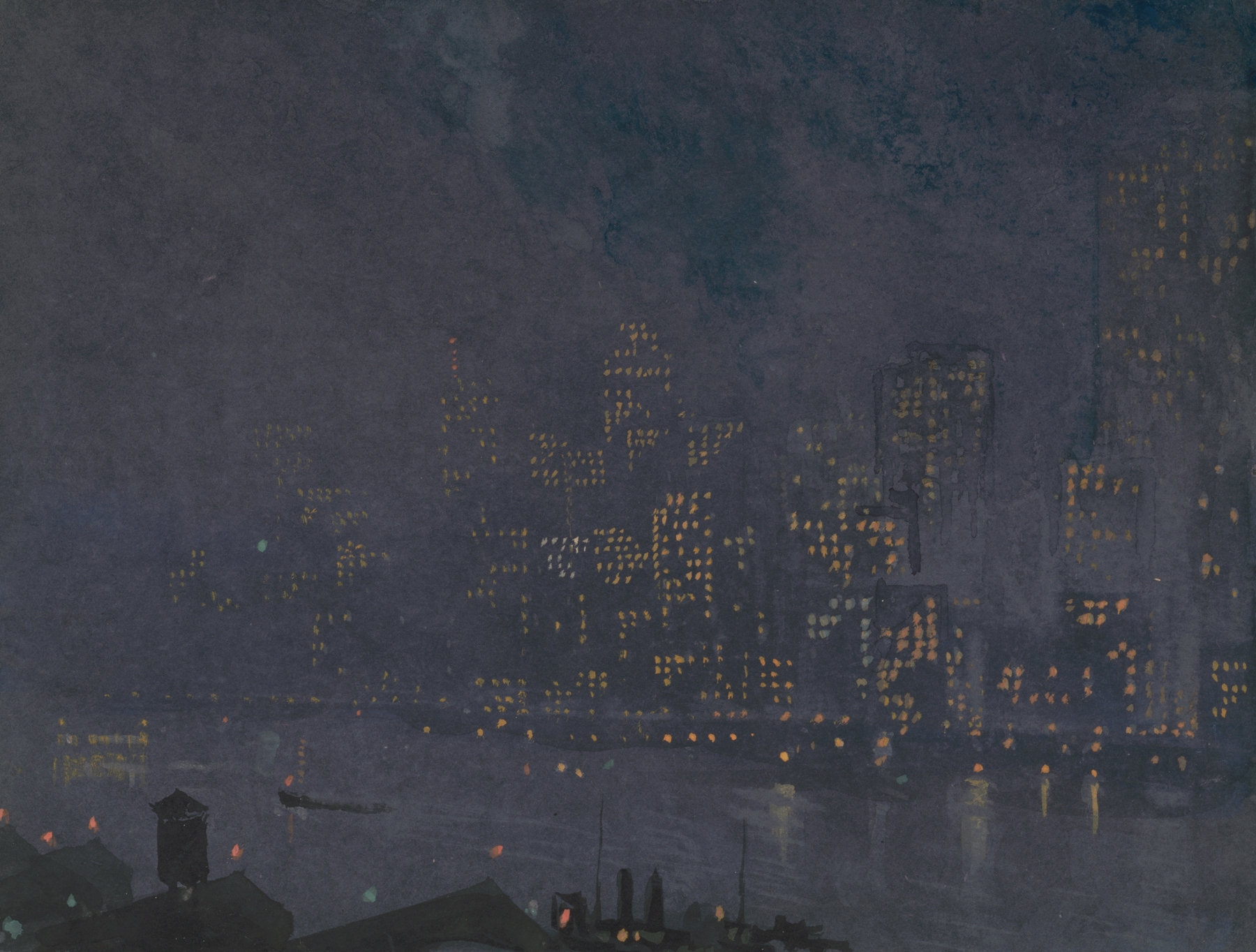
“Every brushstroke is a heartbeat remembered.” As the once-majestic Grand Central Terminal fades into memory, its grandiosity reveals the inexorable passage of time and the decay of dreams. Look to the center, where the sweeping arches of the concourse cradle the hustle of travelers. Notice how the light filters through the dust, illuminating the faces of hurried commuters. The artist employs a warm palette of ochres and earthy tones, contrasting sharply with dark shadows that linger in the corners, evoking a sense of both nostalgia and imminent loss.
The meticulous detail of the architecture speaks volumes of its grandeur, while the blurred edges hint at a world that is slowly slipping away. Dig deeper into the scene, and you’ll find a juxtaposition of movement and stillness. The hurried figures, caught in their own narratives, contrast with the silent, ghostly remnants of the terminal's former glory. Here, the decay isn’t just physical; it embodies the fading memories of countless stories, lives intersecting in a space that now feels almost hollow.
Each detail—cracked plaster, peeling paint—serves as a reminder that even the most vibrant places are not immune to time's relentless march. In 1919, the artist captured this moment in a world on the cusp of change. Following the Great War, life was reawakening in America, yet the echoes of the past lingered heavily in the air. Pennell, known for his adept handling of urban landscapes, painted this work amidst a burgeoning interest in capturing the modern spirit, even as remnants of a bygone era lay neglected in plain sight.