Woburn Square — History & Analysis
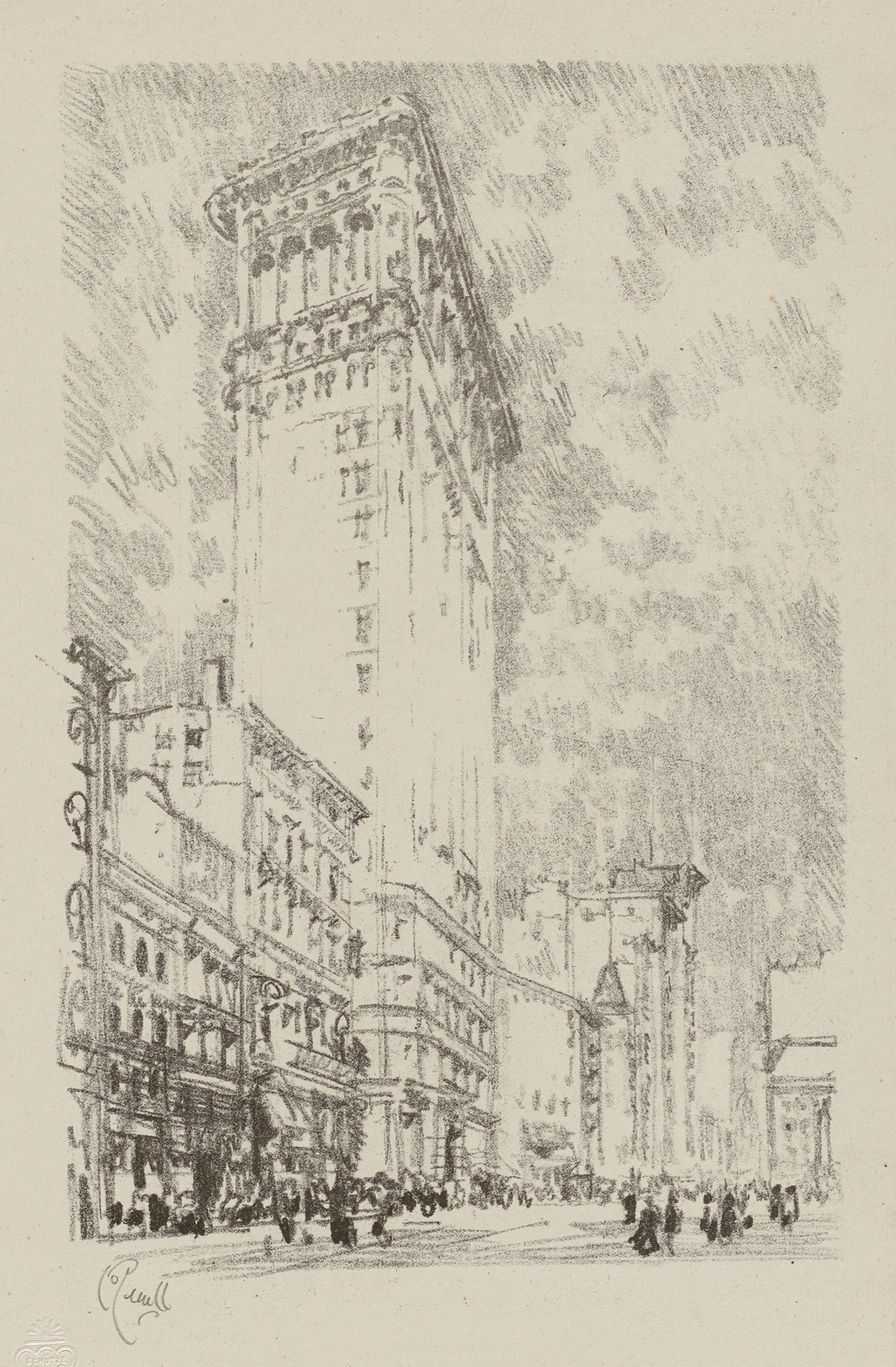
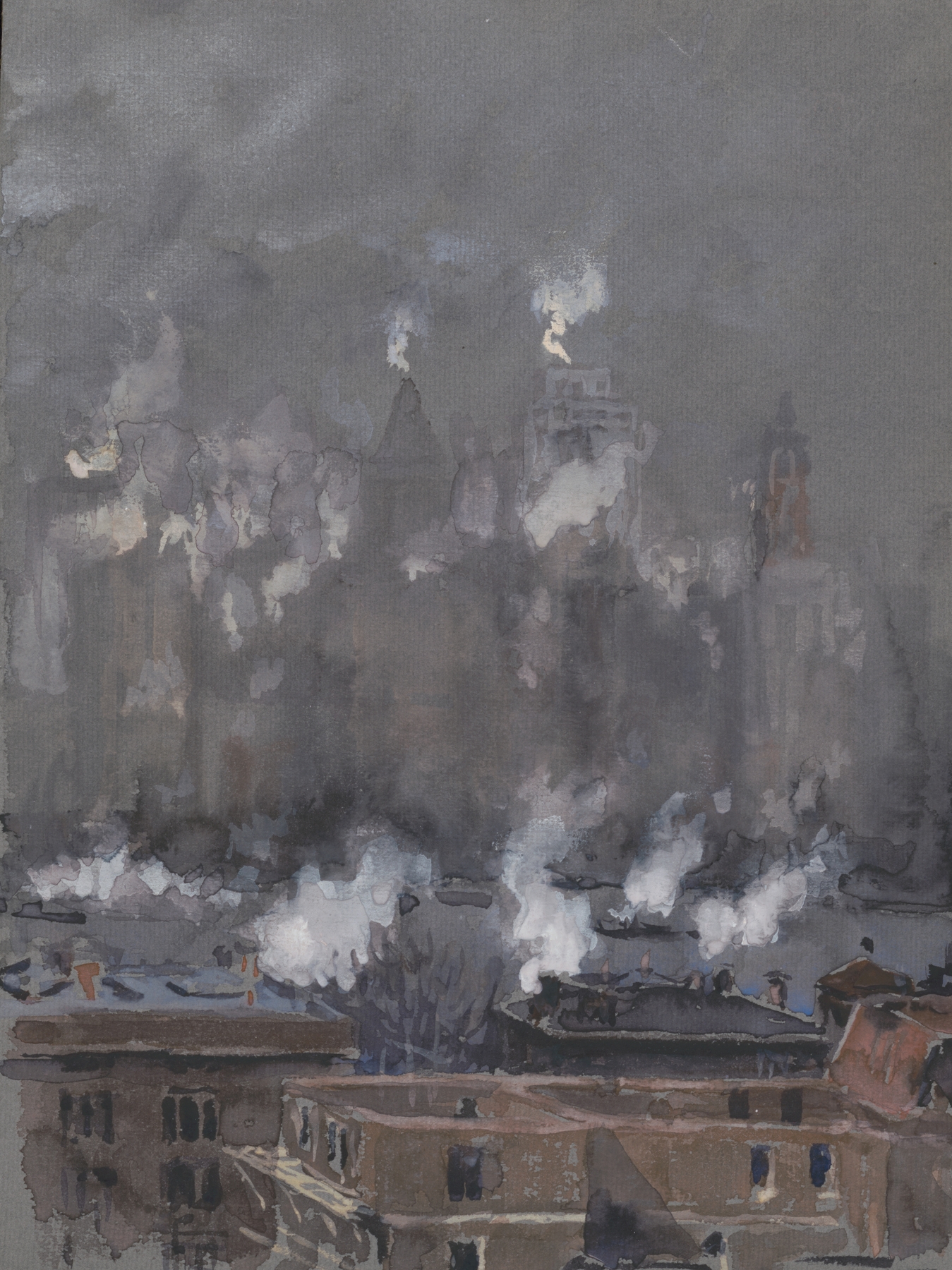
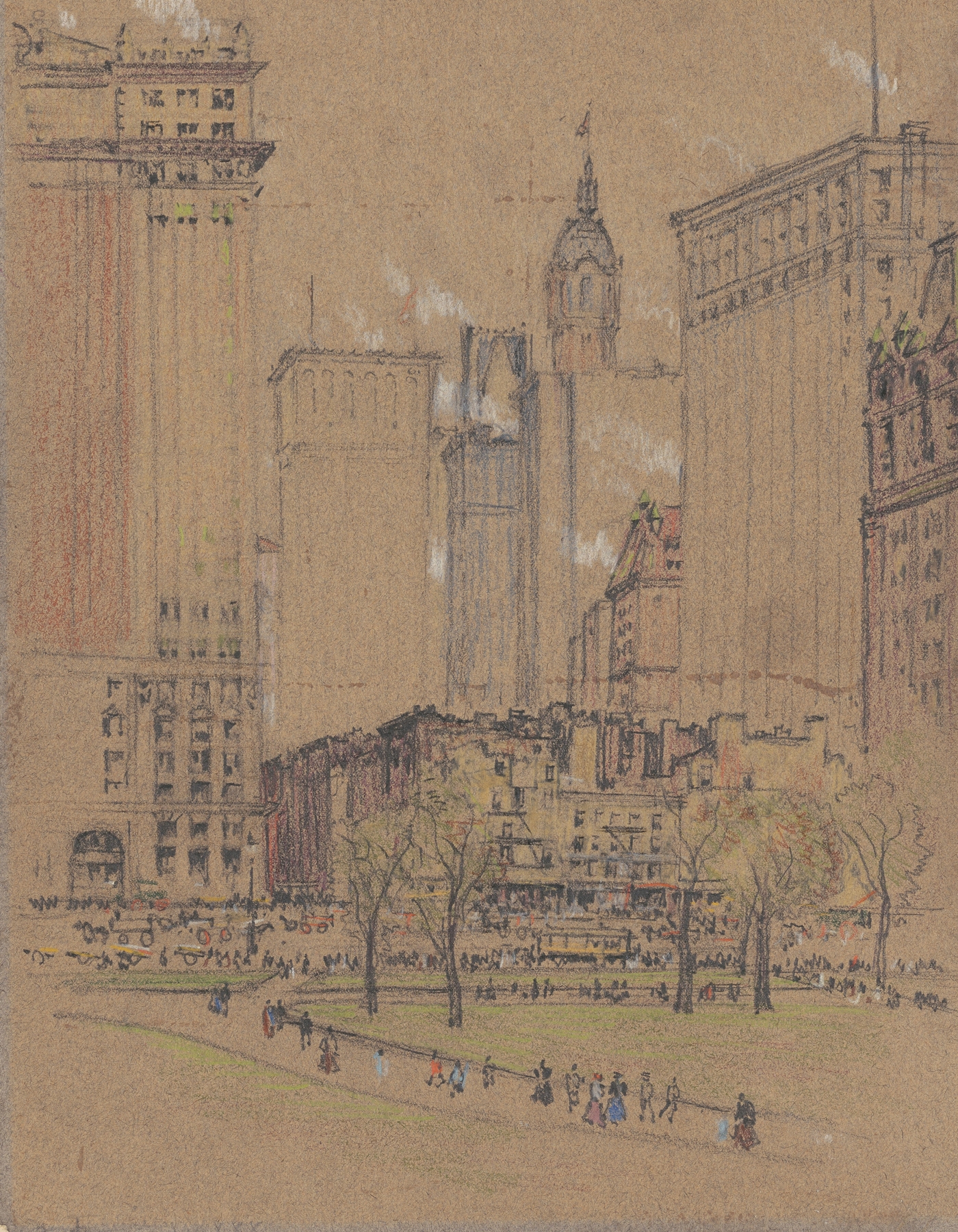
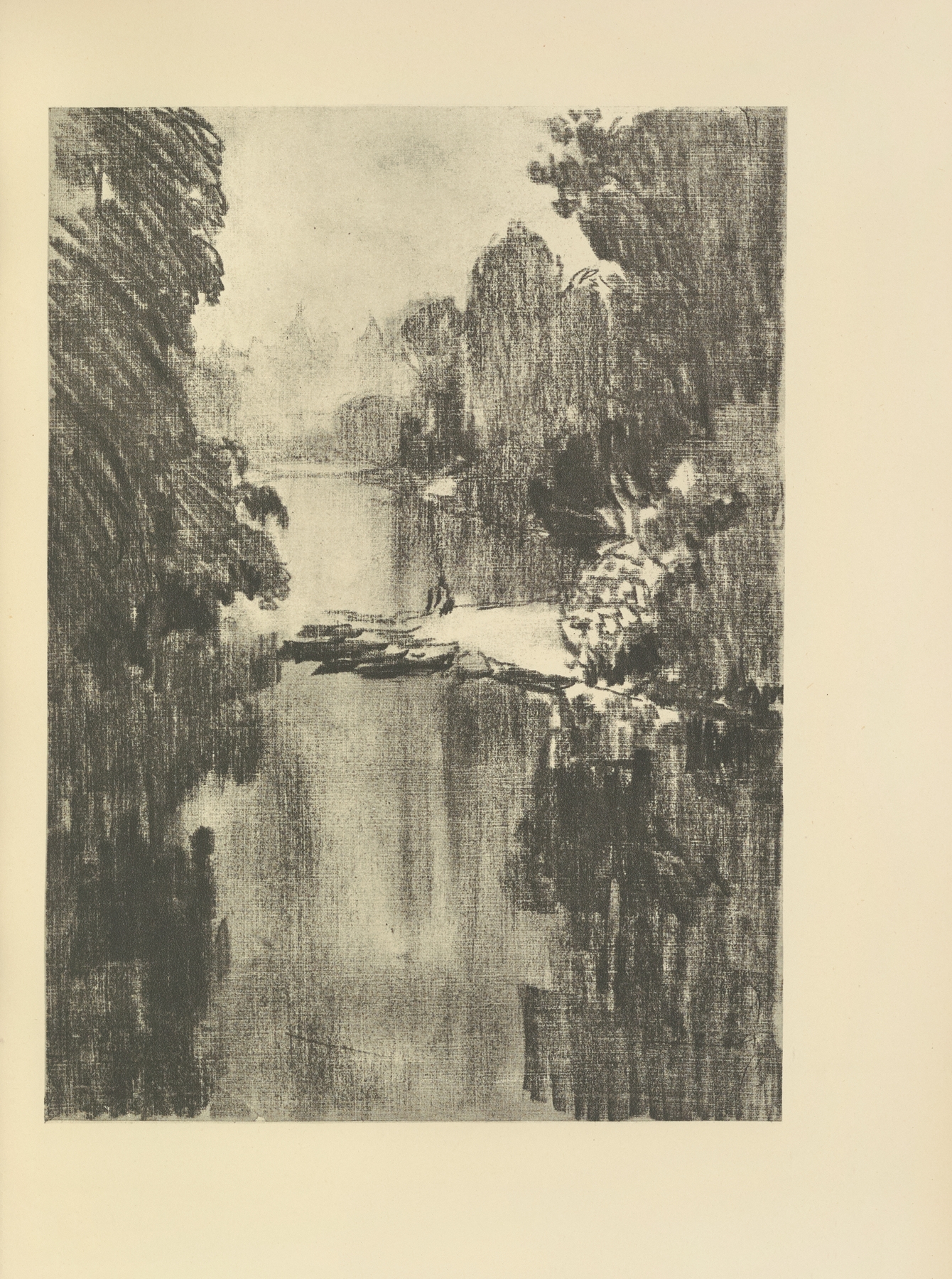
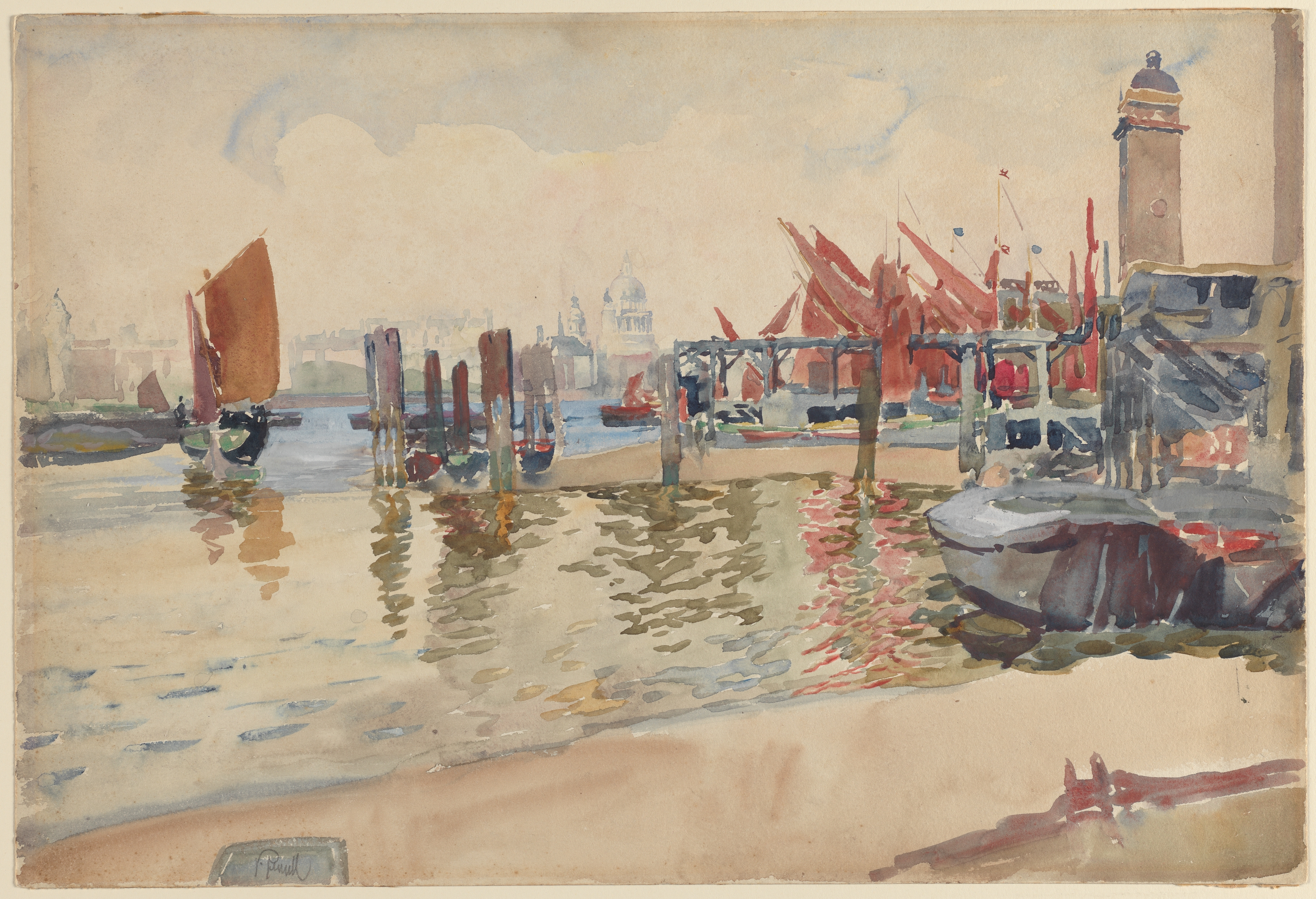
“Every silence here is a confession.” In the stillness of Woburn Square, revelations unfold silently, coaxing the viewer into a contemplative embrace with the artwork. The urban landscape, draped in a cloak of muted tones, invites introspection while challenging the chaotic rhythm of city life. Look to the foreground, where the cobbled streets lead the eye into a serene yet bustling square. Notice the gentle interplay of light and shadow that defines the architecture, revealing intricate details of the buildings that frame the scene.
The artist employs soft, subdued colors, which whisper of history and nostalgia, while the careful placement of figures adds a human element, suggesting fleeting moments captured in time. Delve deeper to uncover the tension between the solitude of the empty spaces and the presence of distant figures engaged in their own narratives. Each figure, whether moving or static, embodies a choice, a direction, a moment suspended within the larger tapestry of urban life. The absence of noise amplifies the weight of quiet contemplation, leading to an emotional resonance that speaks of both connection and isolation.
In 1928, during a period marked by artistic exploration and the rise of modernism, Pennell painted Woburn Square while living in London. This was a transformative era for art; traditional boundaries were being challenged, and urban scenes became a focal point for many. Pennell, known for his etchings and printmaking, used his experiences in a city alive with change to shape this work, reflecting both the beauty and complexity of the modern landscape.